Cat Litter Box Mistakes You Must Avoid to Keep Your Cat Happy and Healthy
Your cat’s litter box is more than just a place for them to do their business. It plays a big role in their happiness and health. When you make mistakes with the litter box, your cat might start avoiding it or show signs of stress.
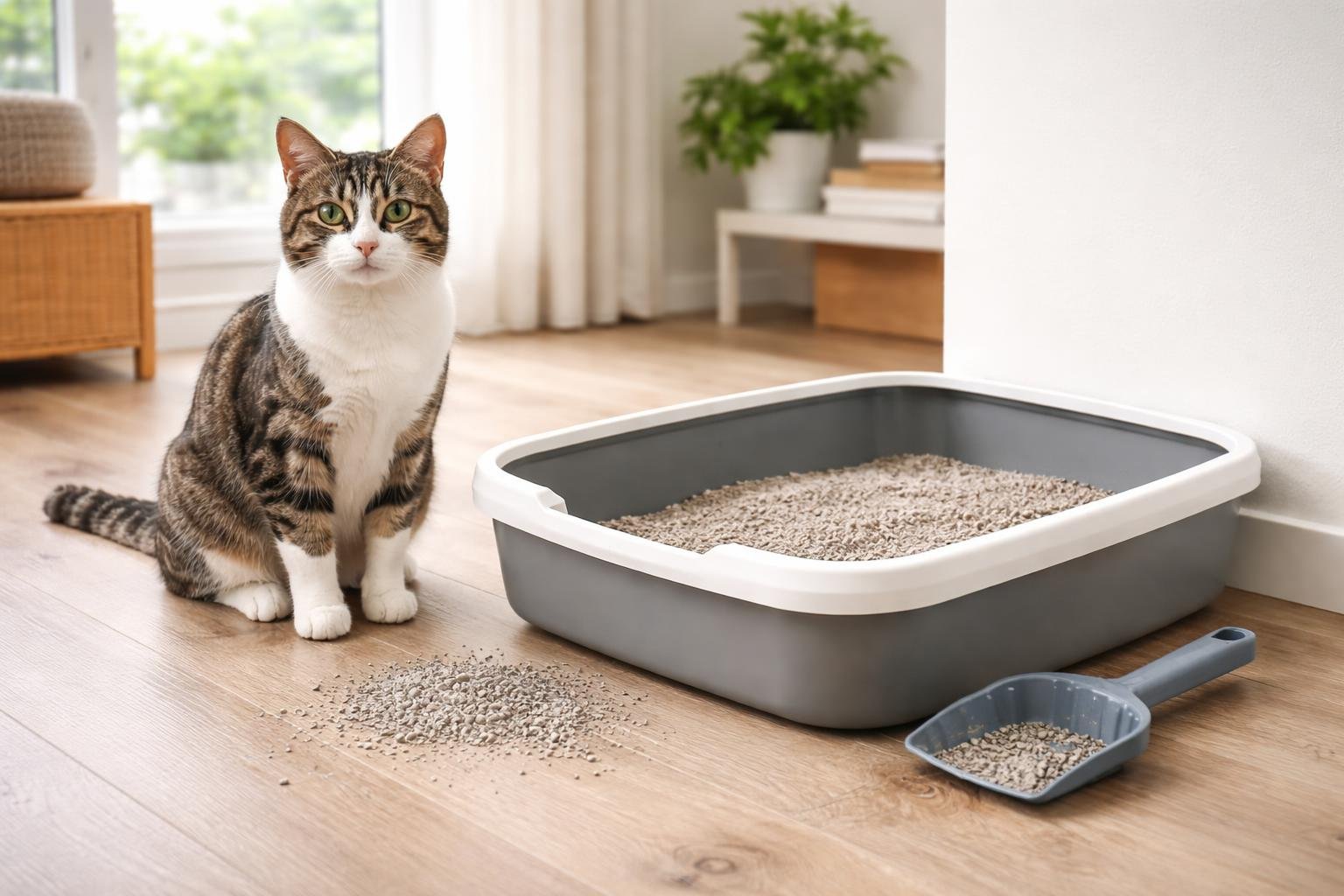
Common litter box errors include choosing the wrong size box, placing it in high-traffic areas, not cleaning it often enough, and using litter your cat doesn’t like. These problems can lead to accidents around your home and an unhappy pet. The good news is that most of these issues are easy to fix once you know what to look for.
This guide will walk you through the key areas where cat owners often go wrong. You’ll learn how to set up the perfect litter box, where to place it, how to keep it clean, and how to handle special situations like having multiple cats. By avoiding these common litter box mistakes, you can create a better environment for your cat and keep your home cleaner.
Litter Box Setup Essentials
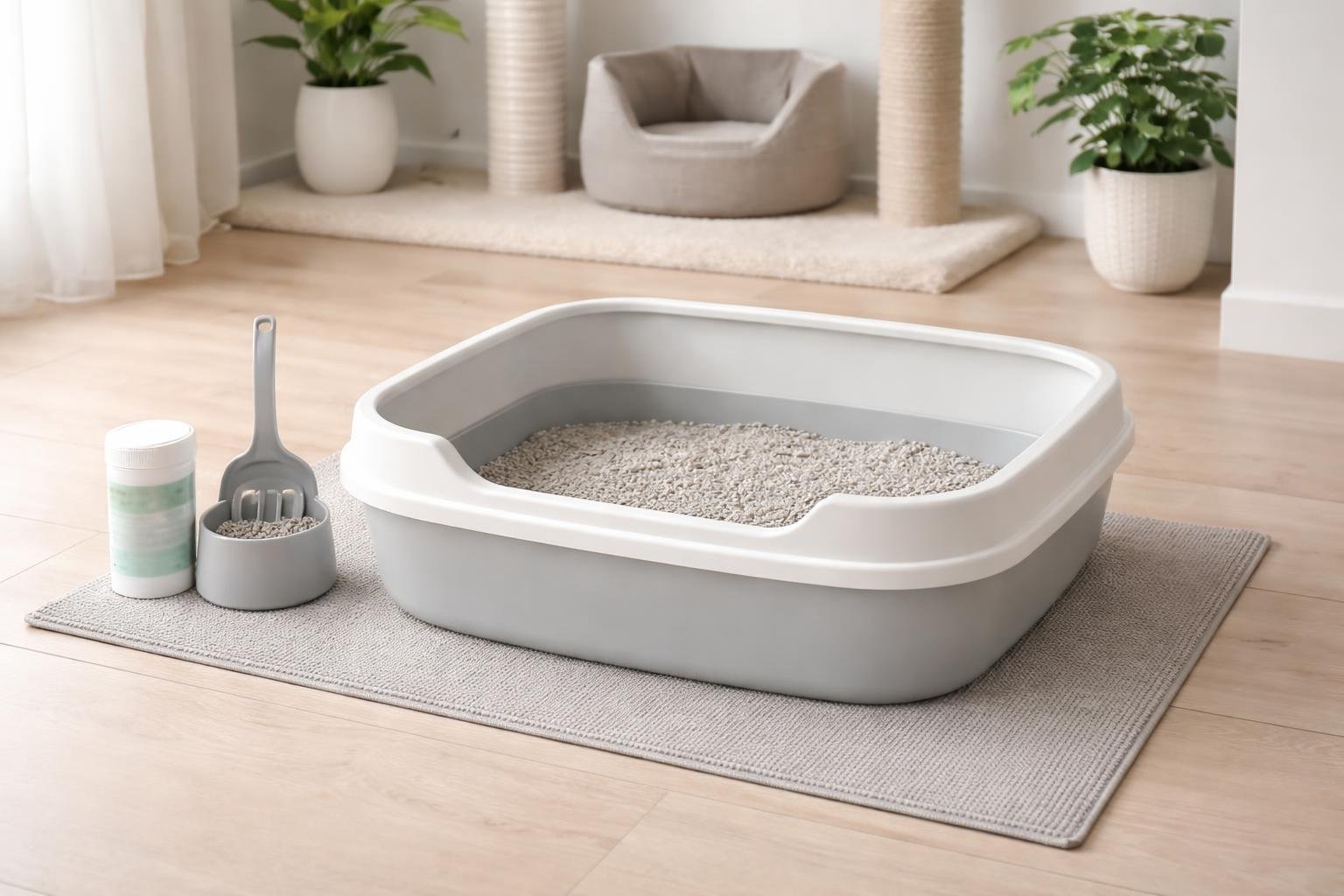
Getting the basics right from the start prevents most litter box problems. The size, style, and accessibility of your cat litter box directly affect whether your cat will use it consistently.
Choosing the Right Litter Box Size
Your litter box needs to be large enough for your cat to turn around comfortably. The general rule is that the box should be at least 1.5 times the length of your cat from nose to the base of the tail.
Most standard litter boxes measure around 18 inches long, which works for average-sized cats. Larger cats need boxes that are 22 to 24 inches long or more. Kittens can start with smaller boxes, but you’ll need to upgrade as they grow.
Width matters too. Your cat should have enough space to dig and cover waste without feeling cramped. A box that’s too small makes cats hang their back end over the edge or avoid the box entirely.
Selecting Between Open, Covered, and Self-Cleaning Boxes
Each type of litter box setup has specific advantages and drawbacks:
Open boxes give cats the best visibility and ventilation. Cats can see approaching threats and escape easily, which matches their natural instincts. These boxes are also easier for you to clean and monitor.
Covered litter boxes contain odors and give some cats a sense of privacy. However, many cats dislike feeling trapped inside. The hood can trap ammonia smells that bother sensitive cats. If you choose a covered box, pick one with a removable top for easy cleaning.
Self-cleaning litter box models automatically rake or rotate to remove waste. These work well for busy owners, but the mechanical noise can scare nervous cats. Some cats refuse to use them completely. The higher cost and potential mechanical failures are also considerations.
Ensuring Easy Access for All Cats
Entry points determine whether all cats in your home can use the box comfortably. Standard boxes have sides that are 6 to 8 inches high, which can be difficult for kittens, senior cats, or cats with arthritis.
A low-sided litter box with entries around 3 to 4 inches high allows easier access for cats with mobility issues. You can also look for boxes with cutout entryways on one side.
Place boxes in locations your cat can reach without jumping or climbing stairs if they have physical limitations. Avoid putting boxes in spots that require your cat to navigate through narrow spaces or pass by loud appliances.
Avoiding Common Placement Mistakes
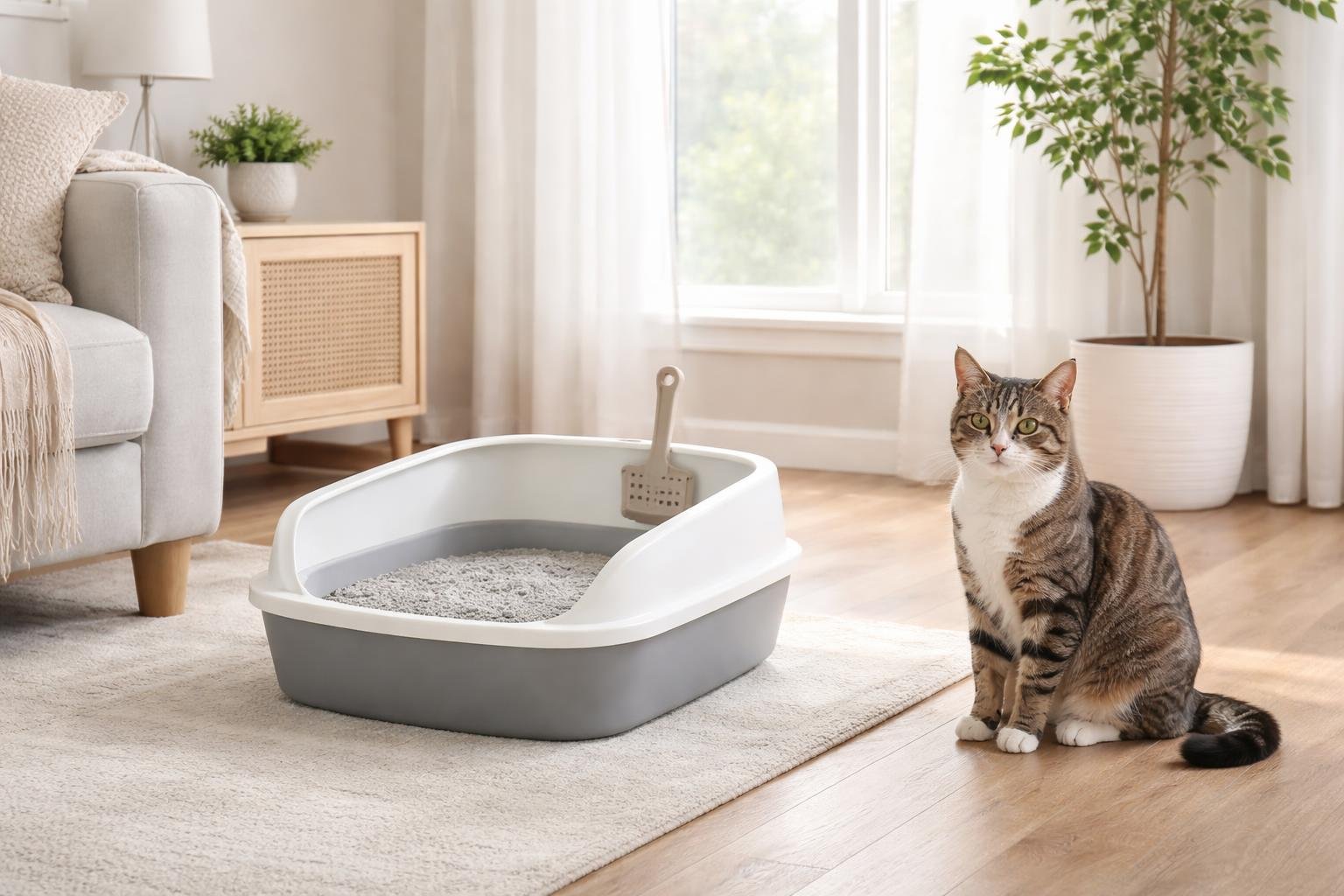
Where you put your cat’s litter box can make the difference between a cat who uses it reliably and one who avoids it completely. The location needs to balance your cat’s need for privacy and easy access with practical considerations like odor control and household traffic patterns.
Optimal Litter Box Placement
Your cat needs a quiet, low-traffic area where they feel safe and undisturbed while using their litter box. Avoid placing the box in noisy spots near washing machines, furnaces, or other appliances that might startle your cat. Poor litter box placement can lead to accidents outside the box and lingering odors throughout your home.
Bathrooms, spare bedrooms, and quiet corners work well for litter box placement. Make sure the area has good ventilation to prevent odor buildup. The space should give your cat enough room to enter, turn around, and exit comfortably.
Never place a covered litter box in a confined closet or tiny space. Cats can feel trapped in enclosed areas, especially if another pet blocks the exit. Multiple escape routes help your cat feel more secure when using the box.
Keeping Litter Boxes Accessible
Your cat needs 24/7 access to their litter box without obstacles or closed doors blocking the way. Cats won’t hold it until you open a door, which leads to common litter box problems like accidents in unwanted places.
Avoid putting boxes in basements or upstairs rooms if your cat has mobility issues or is elderly. Stairs become difficult for cats with arthritis or joint pain. Place at least one box on each floor of your home if you have multiple levels.
Keep the path to the litter box clear of clutter and furniture. Your cat should reach the box quickly when nature calls. This matters especially for senior cats, kittens, and cats with medical conditions affecting their bladder or bowels.
Separating Litter from Food and Water
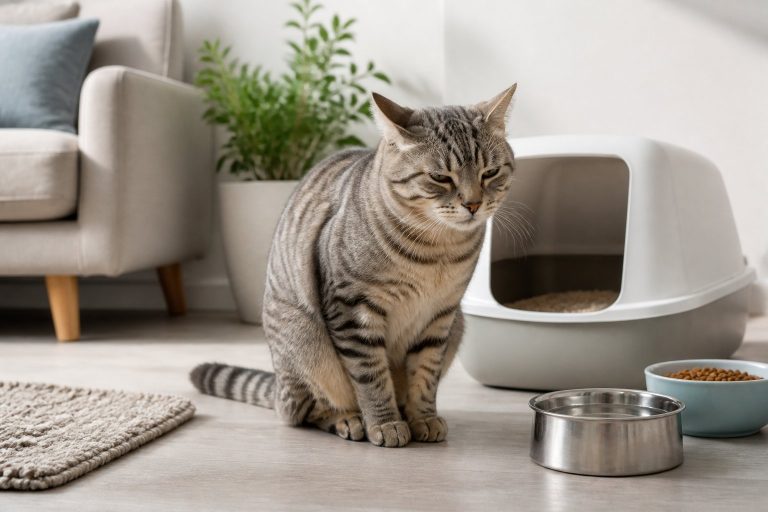
Cats have strong instincts to keep their bathroom area away from where they eat and drink. Placing your cat litter box near food bowls or water dishes goes against these natural behaviors and can cause your cat to avoid either the box or their meals.
Keep the litter box in a completely different room from feeding stations. If space is limited, maintain at least 10-15 feet of distance between these areas. This separation helps prevent contamination and respects your cat’s hygiene preferences.
The smell from the litter box can also affect your cat’s appetite and water intake. Cats rely heavily on their sense of smell when eating. A nearby litter box creates an unpleasant dining experience that may reduce how much your cat eats or drinks.
Selecting the Best Litter for Your Cat
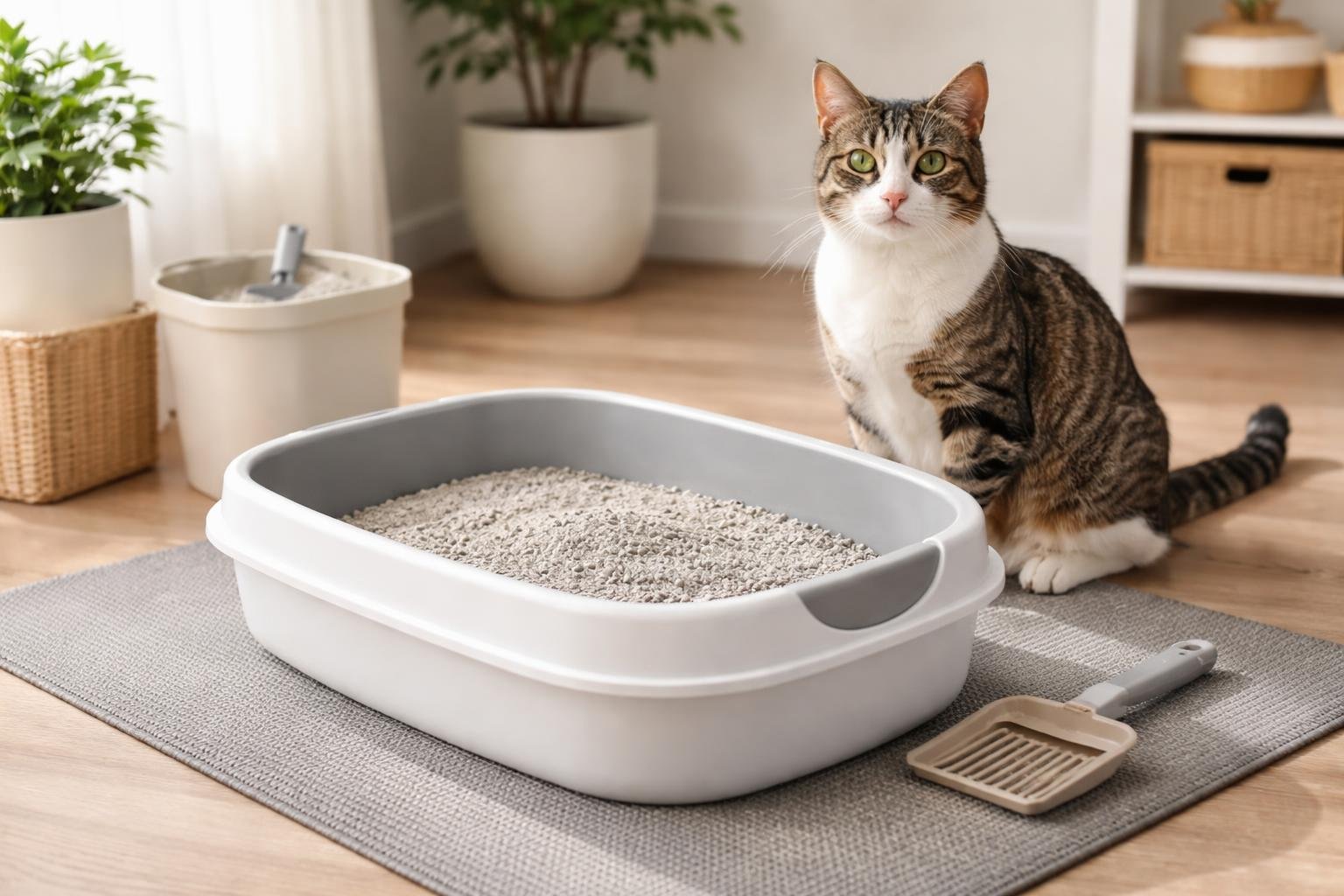
The cat litter you choose affects whether your cat will use the box consistently. Cats have strong preferences about litter texture, scent, and clumping ability that influence their bathroom habits.
Clumping vs. Non-Clumping Litter
Clumping litter forms solid masses when it contacts moisture, making it easier to scoop waste daily. This type keeps the litter box cleaner between full changes and helps control odors better.
Non-clumping litter absorbs liquid but doesn’t form clumps. You need to change the entire box more often, usually once or twice per week. This type costs less upfront but may require more product over time.
Most cats prefer clumping litter because it stays drier under their paws. The firmer surface feels more natural to them. However, kittens under eight weeks should use non-clumping varieties since they might eat the litter while learning.
Choosing the right litter depends on your cleaning schedule and budget. Clumping options work best if you scoop daily, while non-clumping suits less frequent maintenance.
Scented vs. Unscented Litter
Cats have sensitive noses that are much stronger than human noses. Scented litter might smell pleasant to you but can overwhelm your cat’s senses.
Unscented litter is the safer choice for most cats. Strong fragrances can make cats avoid the litter box entirely. Some cats develop respiratory irritation from perfumed products.
Scented litter only masks odors temporarily rather than eliminating them. The artificial fragrances often mix with waste smells and create worse odors.
If you need odor control, focus on scooping waste twice daily and washing the box weekly. Understanding litter types helps you realize that unscented options with good clumping properties control smells naturally through moisture absorption.
Exploring Litter Textures and Types
Litter texture matters because cats feel it directly on their paws. Most cats prefer fine-grained textures that feel similar to sand or soil.
Clay litter has a medium to fine texture and is the most common type. It’s affordable and widely available in both clumping and non-clumping forms.
Crystal or silica gel litter has larger, harder pieces. Some cats dislike walking on these rough crystals.
Natural litters made from corn, wheat, pine, or paper offer softer textures. These options produce less dust and are biodegradable.
Pellet-style litters have large, firm pieces that some cats reject. Kittens and senior cats especially prefer softer, finer textures.
You can test litter preferences by offering two boxes with different types of cat litter side by side. Watch which box your cat uses more often. Avoid sudden changes by mixing new litter with the old type gradually over seven to ten days.
Maintaining Cleanliness and Hygiene
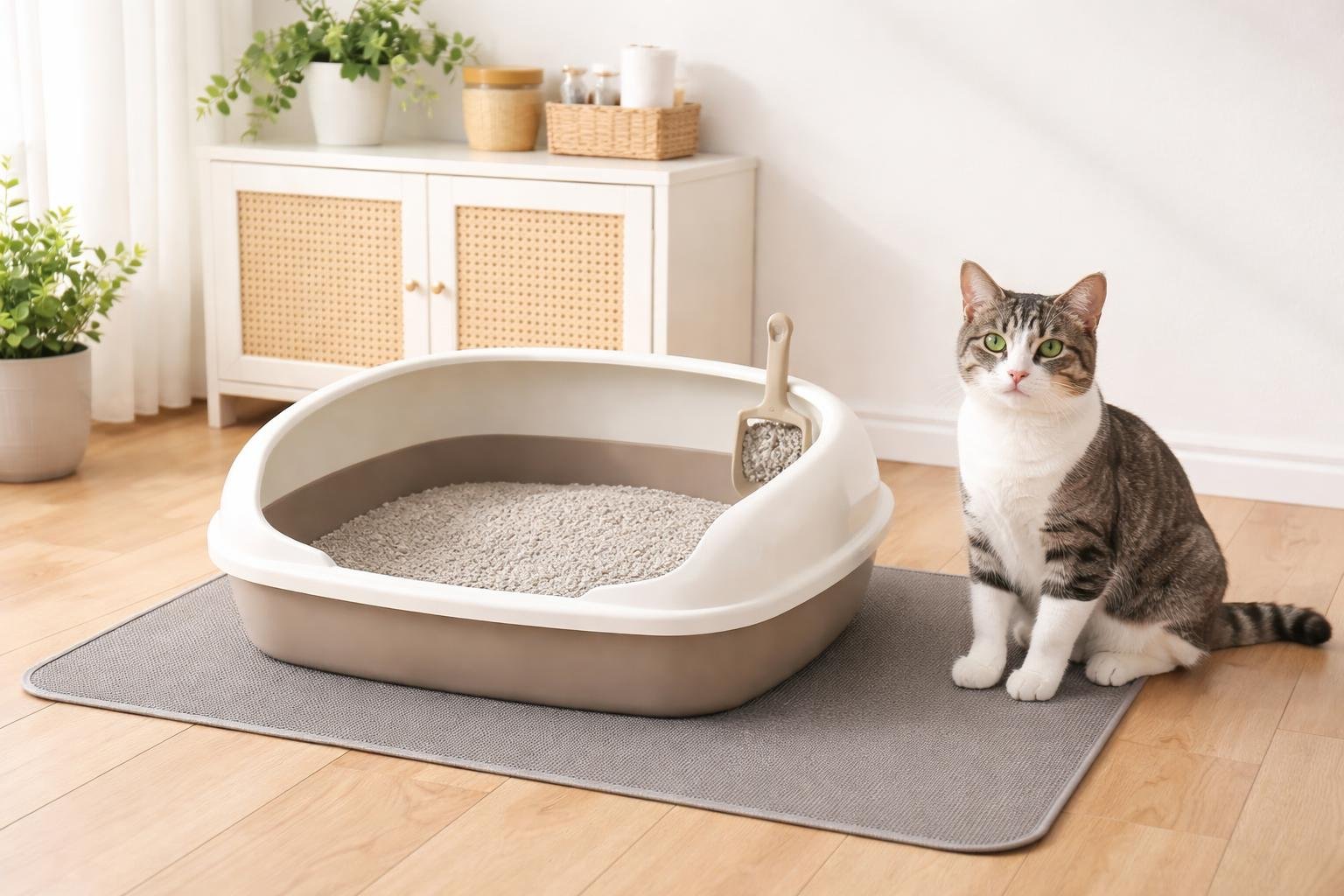
A dirty litter box drives cats away and creates health risks for both you and your pet. Regular cleaning keeps odors under control and prevents bacteria from building up in the box.
Daily Scooping Routine
You need to scoop your cat’s litter box at least once every day. This simple task removes solid waste and clumps before they break down and create strong odors. Daily scooping takes only a few minutes but makes a big difference in your home’s smell.
Cats have a strong sense of smell and often refuse to use a box filled with old waste. When you skip daily cleaning, your cat might start eliminating outside the box. This behavior isn’t your cat being difficult—it’s a natural response to an unclean bathroom area.
Use a sturdy scoop with slots that let clean litter fall through while catching clumps. Check the box twice daily if you have multiple cats sharing one box. The more cats you have, the more often you need to scoop.
How Often to Deep Clean the Litter Box
Deep cleaning your litter box should happen every 2-4 weeks depending on how many cats use it. This means dumping all the old litter, washing the box with soap and water, and refilling it with fresh litter.
Empty the box completely and scrub it with warm water and mild dish soap. Avoid harsh chemicals like bleach or ammonia because these smells can keep your cat from using the box. Rinse the box thoroughly and dry it before adding new litter.
Common litter box mistakes include skipping deep cleans or waiting too long between them. Bacteria and odors build up in the plastic over time, even with daily scooping. A monthly deep clean prevents this buildup and keeps your cat comfortable.
Managing Litter Depth for Comfort
The right litter depth sits between 2-3 inches in the box. This depth gives your cat enough material to dig and cover waste without making a mess. Too little litter means waste hits the bottom and creates stuck-on spots that are hard to clean.
Too much litter causes other problems. Cats kick excess litter out of the box when they dig, creating piles on your floor. Deep litter also wastes money because you throw away clean material during deep cleaning sessions.
Check the litter depth each time you scoop and add small amounts as needed. Proper litter box maintenance includes keeping the depth consistent so your cat knows what to expect. Some cats prefer slightly shallower litter, so watch your cat’s behavior and adjust if needed.
Preventing Behavioral and Health Issues
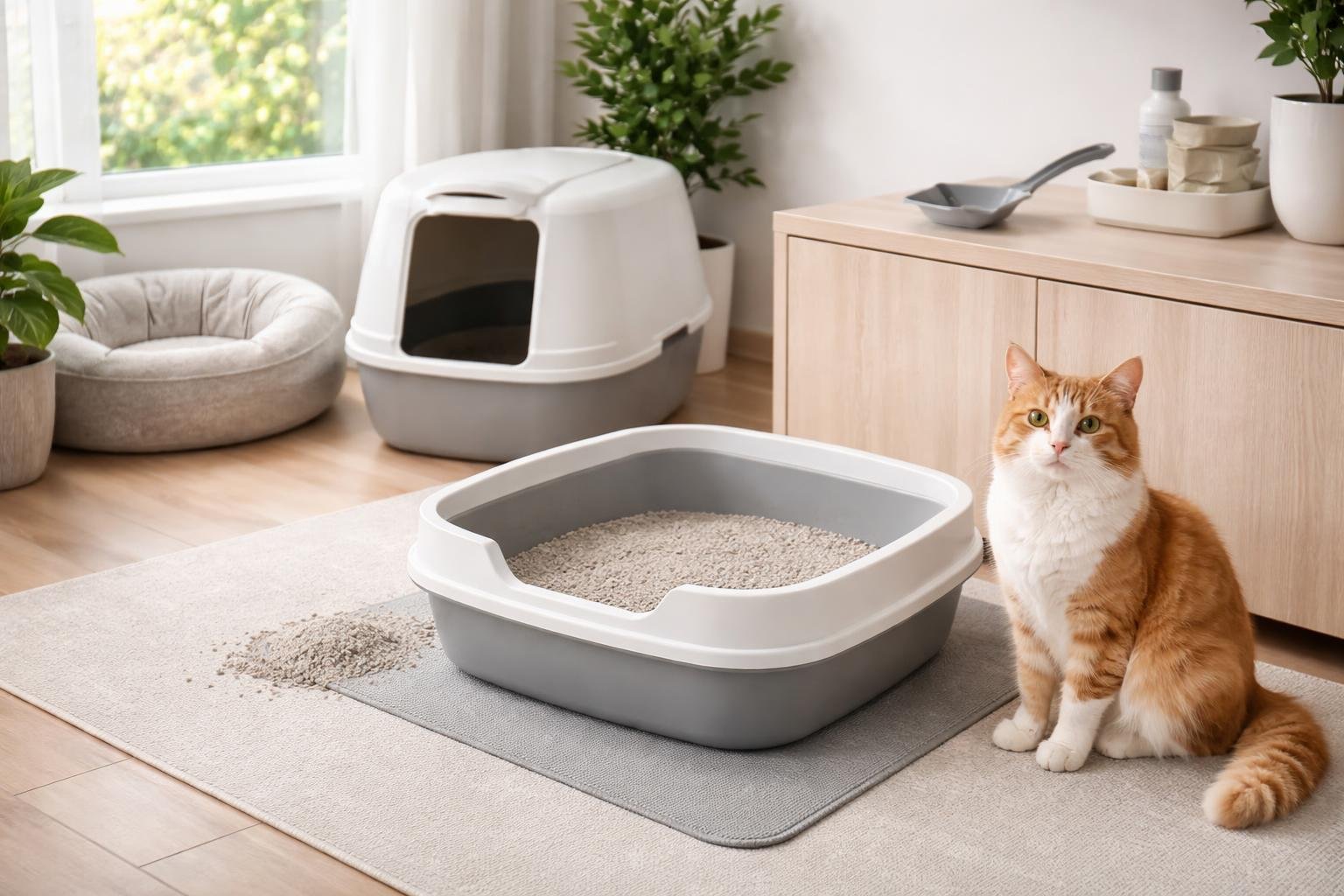
Cats who avoid their litter boxes often signal deeper problems that need immediate attention. Understanding why cats eliminate outside the box and managing multiple-cat households properly can prevent stress-related behaviors and catch health issues early.
Addressing Litter Box Avoidance
Litter box avoidance happens when your cat deliberately chooses not to use their box. This behavior differs from accidents and usually indicates something is wrong with the box setup or your cat’s health.
Medical issues cause avoidance more often than you might think. A urinary tract infection makes urination painful, so your cat associates the litter box with discomfort. Cats with digestive problems or arthritis may also avoid boxes that are hard to enter.
Check if your cat’s litter preferences have changed. Some cats develop sensitivities to scented litters or dislike certain textures. Switch to unscented, fine-grained litter if your cat suddenly stops using their box.
Box cleanliness matters significantly. Cats have strong instincts to keep their bathroom areas clean. Scoop waste at least once daily and completely change litter weekly. Common cat litter mistakes include waiting too long between cleanings.
Spotting Signs of Inappropriate Elimination
Inappropriate elimination means your cat urinates or defecates outside the litter box. You need to recognize patterns quickly to address the underlying cause.
Common signs include:
- Urinating on soft surfaces like beds or couches
- Defecating near but not inside the litter box
- Straining or crying while eliminating
- Frequent trips to the box with little output
- Blood in urine or stool
Location matters when identifying the problem. Cats who eliminate near the box may find it too dirty or too small. Cats who choose specific spots far from the box might be marking territory or avoiding pain they associate with the box.
Track when inappropriate elimination happens. Sudden changes often point to medical issues that require veterinary attention. Gradual changes typically indicate behavioral or environmental problems.
Territorial Conflicts and Multi-Cat Strategies
Multiple cats create competition for litter box access. Territorial conflicts lead to stress, which triggers elimination problems throughout your home.
Follow the one box per cat rule, then add one extra. Three cats need four boxes placed in different rooms. This prevents dominant cats from guarding all the resources.
Multi-cat household strategies:
- Place boxes on different floors or rooms
- Provide escape routes near each box
- Use larger boxes to reduce confrontation
- Keep boxes away from food and water
Watch for bullying behavior near litter boxes. Some cats block hallways or sit near boxes to intimidate others. This forces submissive cats to hold their waste or find alternative spots. Separate problem cats during feeding and bathroom times if needed.
Territorial conflicts in multi-cat homes require environmental changes, not just more boxes. Create vertical space with cat trees and provide multiple entry points to rooms containing litter boxes.
Tips for a Stress-Free Multi-Cat Household
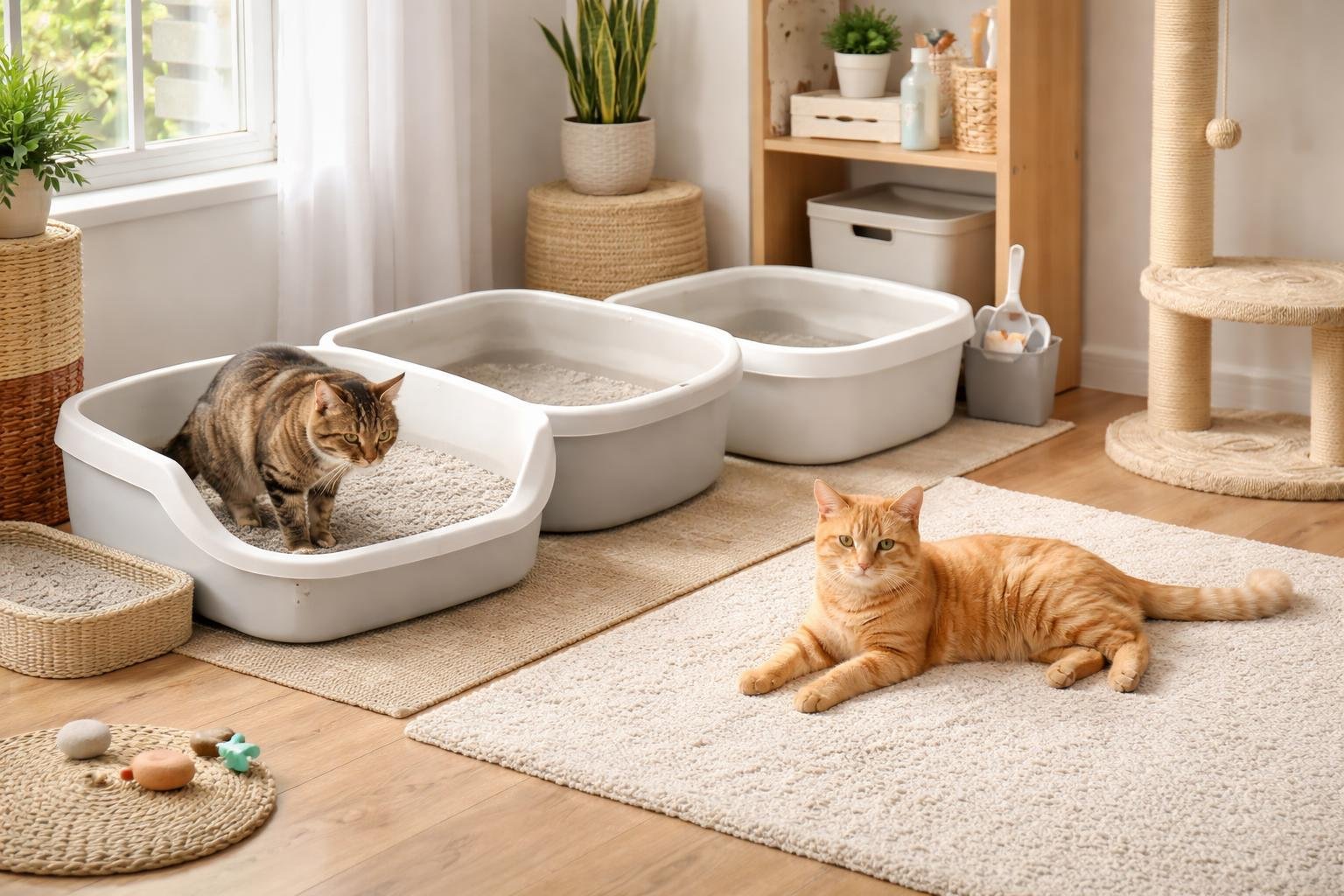
Multiple cats need multiple resources to avoid tension and litter box problems. The right number and placement of boxes can prevent territorial disputes and keep all your cats comfortable.
Following the One Box Per Cat Rule
You need at least one litter box per cat, plus one extra. This means if you have three cats, you should have four litter boxes in your home.
This rule helps prevent territorial conflicts in multi-cat households by giving each cat their own space. When cats have to share too few boxes, dominant cats may guard the litter boxes and prevent other cats from using them. This leads to accidents outside the box and stressed cats.
Some cats prefer to urinate in one box and defecate in another. Having extra boxes gives them this choice and reduces the chance they’ll go somewhere else in your house.
The extra box also serves as a backup when one box gets dirty between cleanings. Cats are clean animals and may avoid a box that already has waste in it, even if it’s from another cat.
Managing Litter Box Quantity and Locations
Spread your litter boxes throughout different areas of your home instead of grouping them all in one room. Cats in multi-cat homes need resources in their own territories, and putting all boxes together counts as just one large bathroom area.
Place boxes in quiet, low-traffic spots where your cats feel safe. Avoid noisy areas like laundry rooms that can cause anxiety.
Removing covers from litter boxes helps cats feel safer, especially when other cats are around. Covered boxes can trap cats inside if another cat blocks the entrance, creating a scary situation.
Keep boxes on multiple floors if you have a multi-level home. This gives cats easy access no matter where they are and prevents one cat from controlling all the bathroom areas.
Frequently Asked Questions
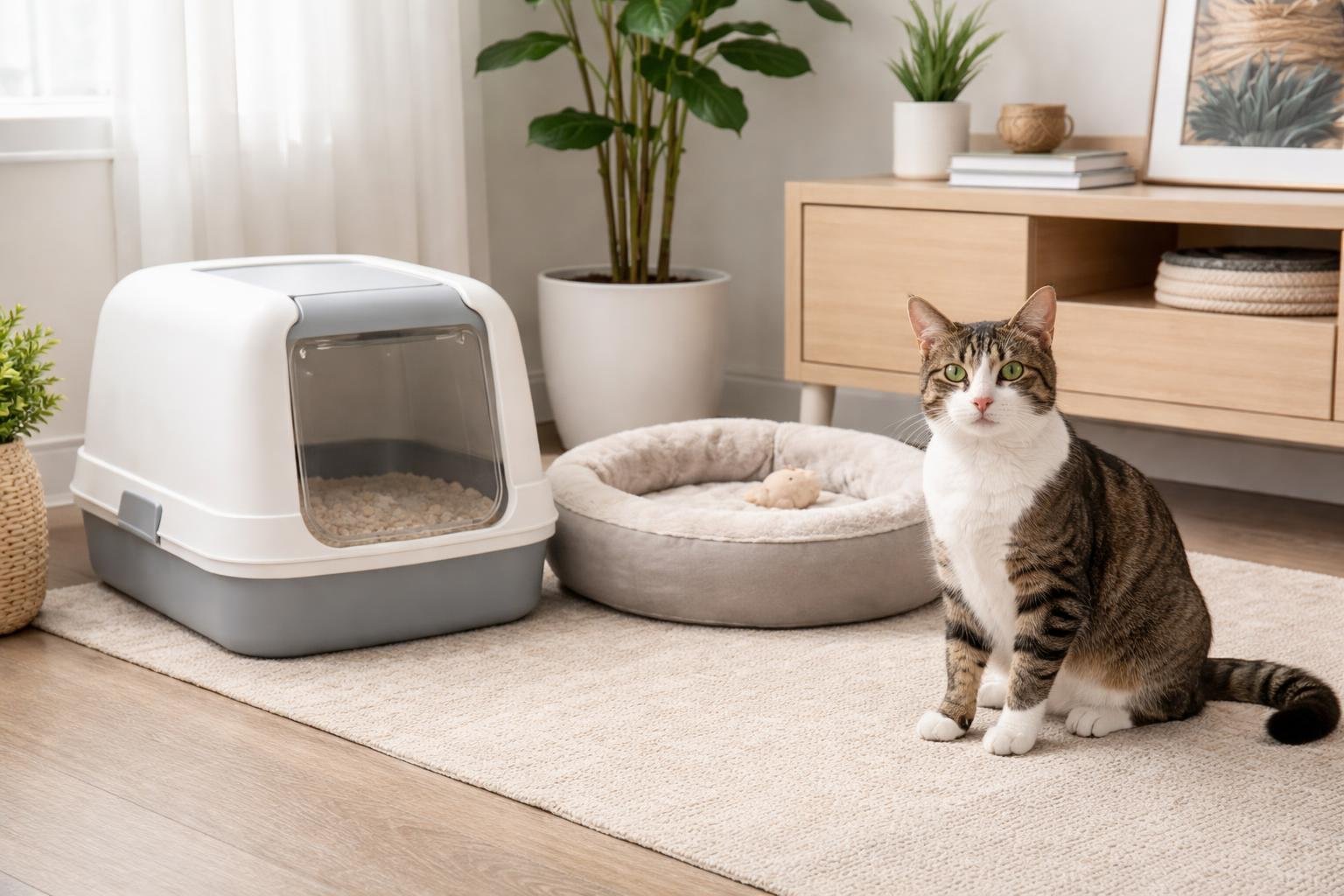
Most cat owners have similar questions about litter box care, from cleaning schedules to understanding why their cat suddenly refuses to use the box. Getting these basics right can prevent most common litter box problems.
How often should a litter box be scooped and fully changed to prevent odor and stress?
You should scoop your cat’s litter box at least once per day. Twice daily is better if you have multiple cats or if your cat is particularly sensitive to cleanliness.
Cats have a strong sense of smell. A dirty litter box can stress them out and make them avoid using it.
For clumping litter, you should do a complete change every two to four weeks. Non-clumping litter needs to be changed more often, usually once per week.
When you do a full change, wash the box with mild soap and warm water. Let it dry completely before adding fresh litter.
How many litter boxes should you provide per cat, and where should they be placed?
The standard rule is one litter box per cat plus one extra. If you have two cats, you need three litter boxes. This gives your cats options and reduces territorial conflicts.
Place litter boxes in different areas of your home. Don’t put them all in the same room or right next to each other.
Avoid placing boxes in high-traffic areas, near loud appliances, or in dark basements. Cats need easy access to their litter boxes without feeling trapped or startled.
Keep boxes away from your cat’s food and water bowls. Cats don’t like to eliminate where they eat.
What are the most common reasons a cat suddenly stops using the litter box?
Medical issues are often the first reason a cat stops using their litter box. Urinary tract infections, kidney disease, and digestive problems can make elimination painful.
A dirty litter box is another top reason. If you haven’t been scooping regularly, your cat may refuse to use it.
Changes in the home can trigger litter box avoidance problems. Moving to a new house, getting new furniture, or adding a new pet can stress your cat.
Litter type changes can also cause problems. If you switched brands or types without a gradual transition, your cat might reject the new litter.
Box location matters too. If you moved the litter box to a new spot, your cat might not feel safe using it there.
What type of litter is most likely to cause litter box avoidance or discomfort?
Scented litters often cause problems because the strong smell can overwhelm your cat’s sensitive nose. What smells fresh to you might be unpleasant to your cat.
Litters with rough or sharp textures can hurt your cat’s paws. Some crystal litters and certain clay types feel uncomfortable to walk on.
Dusty litters can irritate your cat’s respiratory system. The dust particles become airborne when your cat digs and covers their waste.
Very fine, sandy litters usually work best because they feel natural under your cat’s paws. Most cats prefer unscented, clumping clay litter with a soft texture.
Is it safe to clean a litter box with Dawn dish soap, and what should you avoid using?
Dawn dish soap is safe to use for cleaning litter boxes. It cuts through grease and waste residue without leaving harmful chemicals behind.
Use warm water with a small amount of Dawn. Scrub the box thoroughly, rinse it well, and let it dry completely.
Never use bleach, ammonia-based cleaners, or strong chemical disinfectants. These products leave scents that can deter your cat from using the box. Ammonia smells like urine to cats and might encourage them to mark over it.
Avoid citrus-scented cleaners and products with artificial fragrances. Cats dislike these strong smells.
What does the 3-3-3 rule mean for newly adopted cats, and how can it affect litter box behavior?
The 3-3-3 rule describes the adjustment timeline for newly adopted cats. The first three days, your cat will feel overwhelmed and scared. The first three weeks, they start to settle in and show their personality. The first three months, they finally feel at home.
During the first three days, your new cat might not use the litter box regularly. They may hide and avoid eating or using the bathroom due to stress.
Show your cat where the litter box is as soon as they arrive home. Place them in a quiet room with the box, food, and water nearby.
Don’t be alarmed if litter box accidents happen during the adjustment period. Your cat needs time to feel safe and learn the new environment. Keep the box in a quiet, accessible spot and maintain a consistent routine to help them adjust faster.