Homemade Cat Food: Essential Tips for Creating Safe and Nutritionally Balanced Meals
Making food for your cat at home can give you control over what goes into their bowl, but it requires careful planning to meet their specific dietary needs. Cats are obligate carnivores, which means they need certain nutrients that only come from animal sources. A homemade cat food diet must include the right balance of protein, fats, vitamins, and minerals, along with specific supplements, to keep your cat healthy and prevent serious health problems.
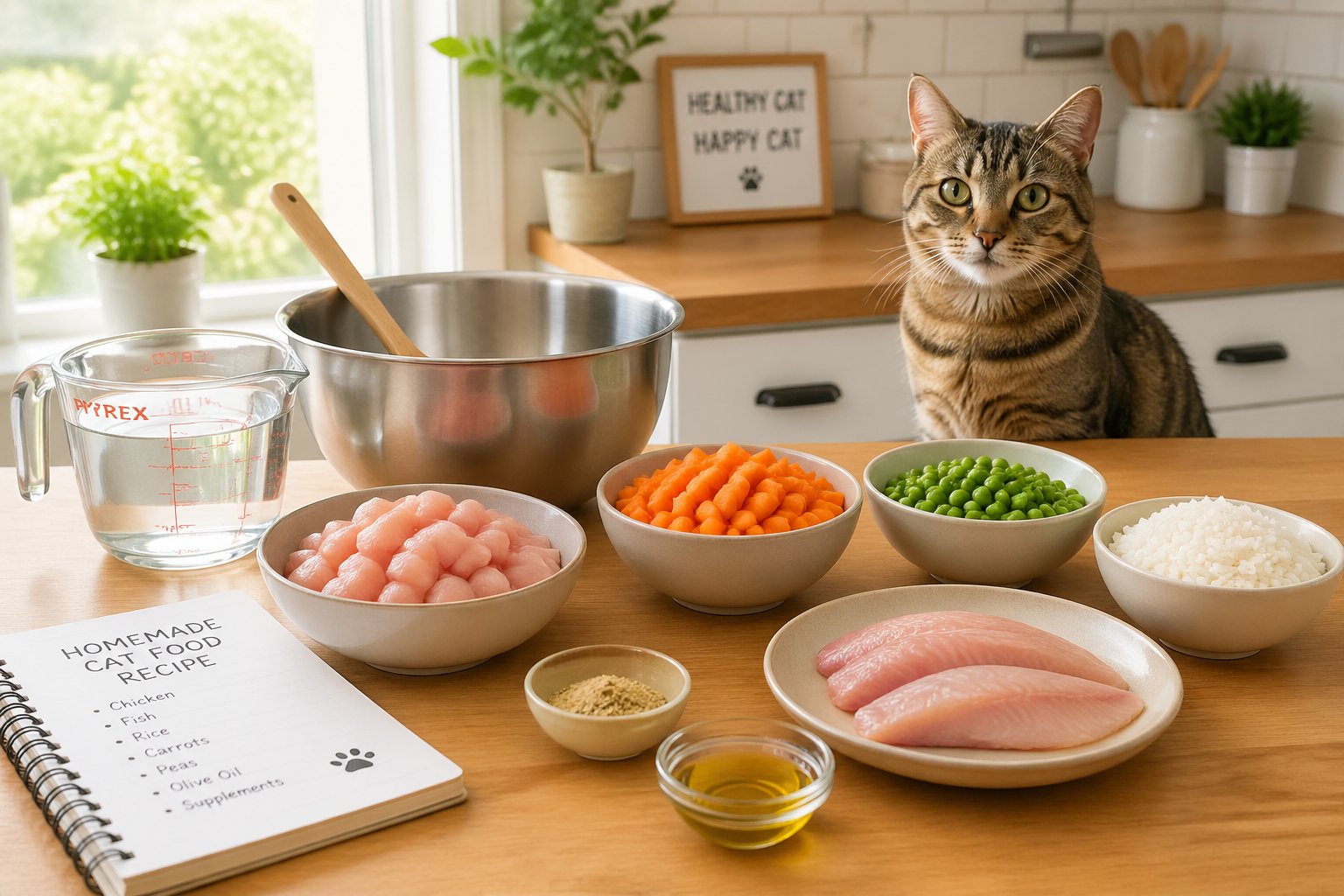
Many cat owners choose to prepare homemade meals because they want fresher ingredients or need to manage special health conditions. However, simply cooking meat and vegetables is not enough. Your cat needs precise amounts of nutrients like taurine, calcium, and vitamin A that commercial foods already include.
This guide will walk you through everything you need to know about creating safe and nutritious meals for your cat. You’ll learn which ingredients to choose, how to balance homemade cat food nutrition, and what supplements are necessary to fill nutritional gaps that home cooking cannot address on its own.
Key Nutritional Requirements for Feline Health
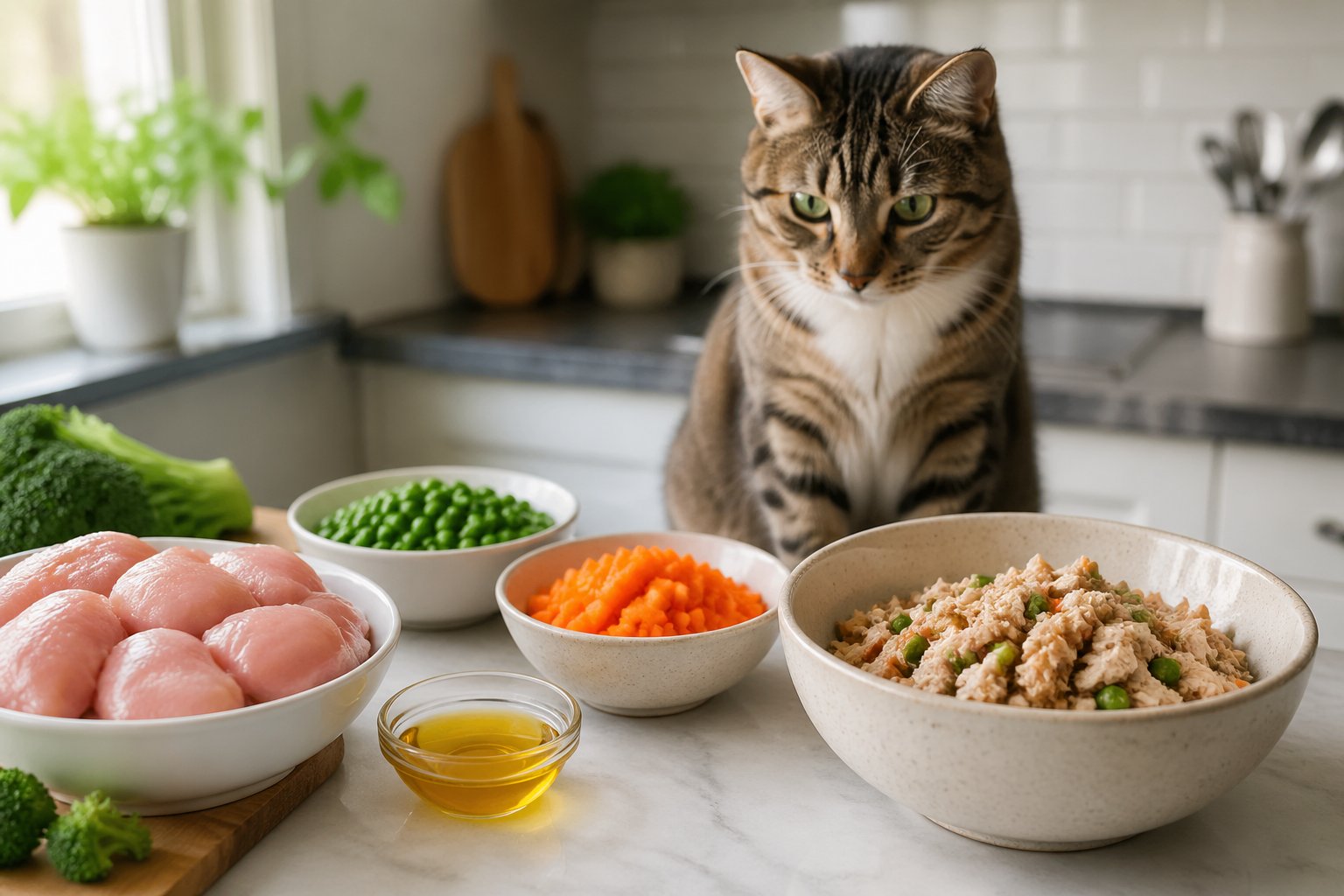
Cats need specific nutrients that their bodies cannot produce on their own, and missing even one essential element can lead to serious health problems. The right balance of proteins, fats, vitamins, and minerals keeps your cat healthy and prevents deficiencies that develop over time.
Understanding Obligatory Carnivores
Your cat is an obligate carnivore, which means their body requires nutrients found only in animal tissue. Unlike dogs or humans, cats cannot survive on plant-based diets because they lack the enzymes needed to convert plant nutrients into usable forms.
Cats need animal protein to get arginine, an amino acid that removes ammonia from their blood. Without enough arginine, toxic ammonia builds up and can cause severe health issues within hours. They also require preformed vitamin A from animal sources because they cannot convert beta-carotene from plants.
Animal tissue provides arachidonic acid, a fatty acid cats cannot make from plant oils. Their digestive systems evolved to process raw meat, which is why they have shorter intestinal tracts than omnivores and produce specific enzymes for breaking down animal proteins and fats.
Essential Micronutrients and Supplements
Taurine is the most critical nutrient your cat needs from their diet. This amino acid supports heart function, vision, reproduction, and immune health. Cats cannot produce enough taurine on their own, so they must get it from meat sources.
When making balanced homemade cat food, you need to add supplements because cooking destroys taurine and other nutrients. A taurine supplement should provide at least 250-500 mg per day for adult cats.
Your cat also needs these essential micronutrients:
- Vitamin B complex for energy metabolism and nervous system function
- Vitamin E as an antioxidant to protect cells
- Calcium and phosphorus in the correct ratio (1.2:1) for bone health
- Omega-3 fatty acids for skin, coat, and anti-inflammatory benefits
- Iodine for thyroid function
Why Balance Is Critical in DIY Cat Food
A balanced cat diet requires precise ratios of nutrients working together. Too much of one nutrient can block absorption of another, while deficiencies develop slowly and cause damage before you notice symptoms.
Calcium and phosphorus must stay in proper balance or your cat can develop bone disease or kidney problems. Too much fish can cause thiamine deficiency, while excess liver leads to vitamin A toxicity. Creating nutritionally balanced meals means following tested recipes and using appropriate supplements.
Your cat’s food needs to meet AAFCO standards, which outline minimum and maximum levels for each nutrient. Random recipes found online often lack complete nutrition profiles. Working with vet-approved recipes or consulting a veterinary nutritionist ensures your homemade meals provide everything your cat needs without dangerous excesses or gaps.
Selecting Safe and Nutritious Ingredients
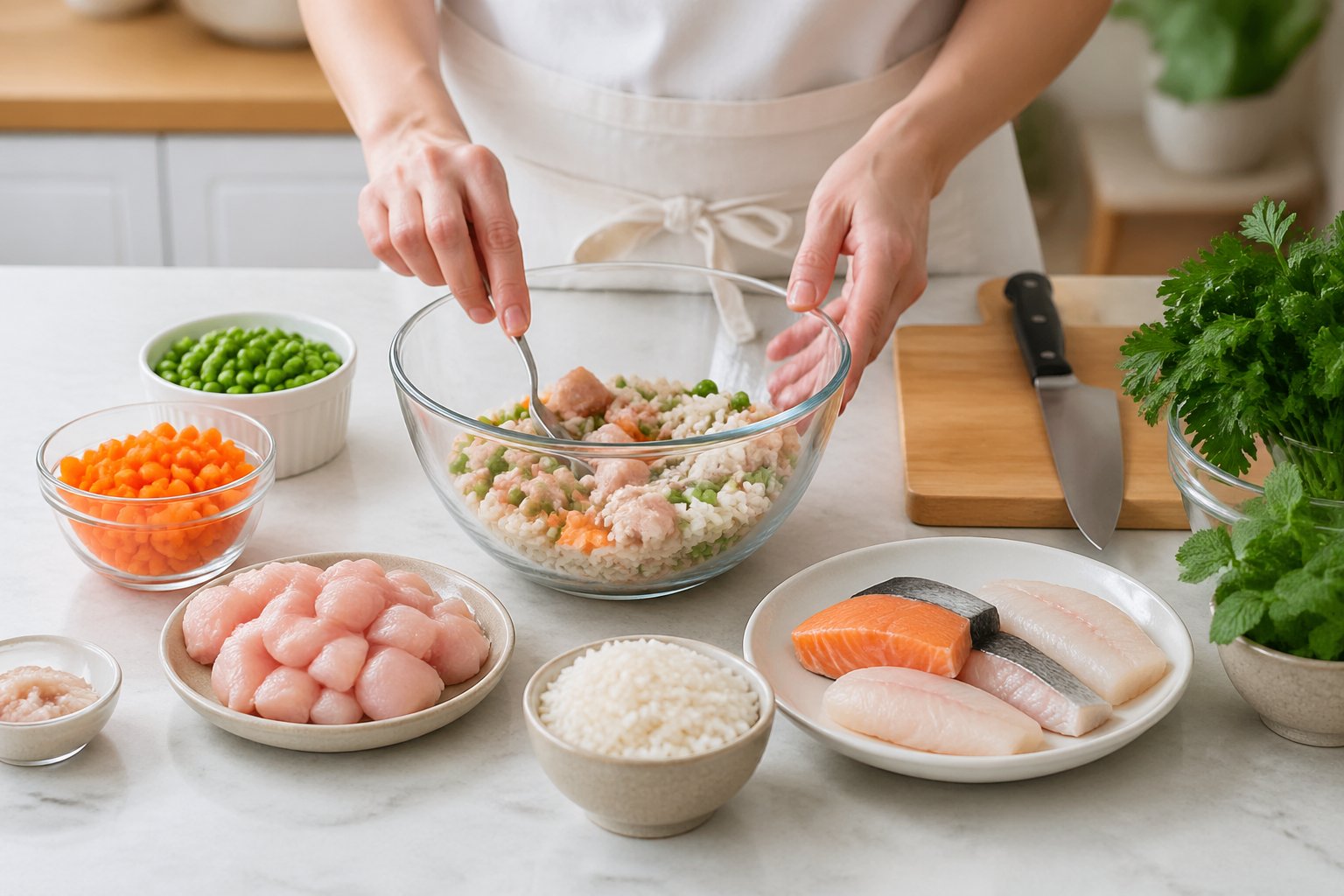
Cats need specific proteins, vitamins, and minerals to stay healthy, and choosing the right ingredients makes all the difference. Understanding which foods provide complete nutrition and which ones pose risks helps you create meals that support your cat’s health.
Best Animal Protein Sources
Cats are obligate carnivores, which means they must eat animal protein to survive. Your homemade cat food recipe should include muscle meat as the primary ingredient.
Chicken, turkey, and rabbit provide lean protein that cats digest easily. Beef and lamb work well too, though they contain more fat. You can use chicken thighs, breast meat, or ground poultry in your cat food recipes.
Organ meats are essential for complete nutrition. Liver supplies vitamin A, iron, and B vitamins. Heart muscle is naturally rich in taurine, an amino acid cats cannot produce on their own.
Include organs at about 5-10% of the total recipe. Too much liver can cause vitamin A toxicity.
Fish like salmon or sardines offer protein and omega-3 fatty acids. Limit fish to once or twice per week since too much can lead to thiamine deficiency or mercury exposure.
Raw cat food and cooked cat food both work, but cooking kills harmful bacteria like Salmonella. If you choose raw feeding, freeze meat for at least two weeks first to reduce parasites.
Supplemental Nutrient Additions
No homemade cat food recipe is complete without supplements. Whole foods alone cannot provide everything cats need.
Taurine supplement is critical because cooking destroys much of the natural taurine in meat. Cats need 200-400 mg of taurine daily to prevent heart disease and blindness. Add powdered taurine to each batch you make.
Calcium balances the phosphorus naturally present in meat. Ground eggshell powder provides an affordable calcium source—use about half a teaspoon per pound of meat. You can also use bone meal designed for pets.
Essential fatty acids support skin and coat health. Fish oil or krill oil supplements add omega-3s that many homemade cat food recipes lack.
Balance IT Carnivore Blend and similar veterinary supplement mixes contain multiple nutrients in correct proportions. These products include vitamins E, B-complex, D, calcium, and trace minerals like zinc and manganese.
Foods to Avoid in Homemade Recipes
Several common foods are toxic to cats and must never appear in your DIY cat food.
Onions and garlic damage red blood cells and cause anemia, even in small amounts. Avoid all forms including powder, cooked, or raw.
Grapes and raisins can cause kidney failure. Raw bread dough expands in the stomach and produces alcohol as it ferments.
Chocolate contains theobromine, which cats cannot metabolize. Xylitol, an artificial sweetener found in many products, causes liver failure and dangerous blood sugar drops.
Bones can splinter and puncture the digestive tract. Never include cooked bones in homemade cat food recipes.
Excessive carbohydrates like rice, pasta, or potatoes provide empty calories cats don’t need. Keep carbs under 10% of the recipe or eliminate them entirely since cats have no biological need for them.
Designing a Balanced, Vet-Approved Cat Food Plan
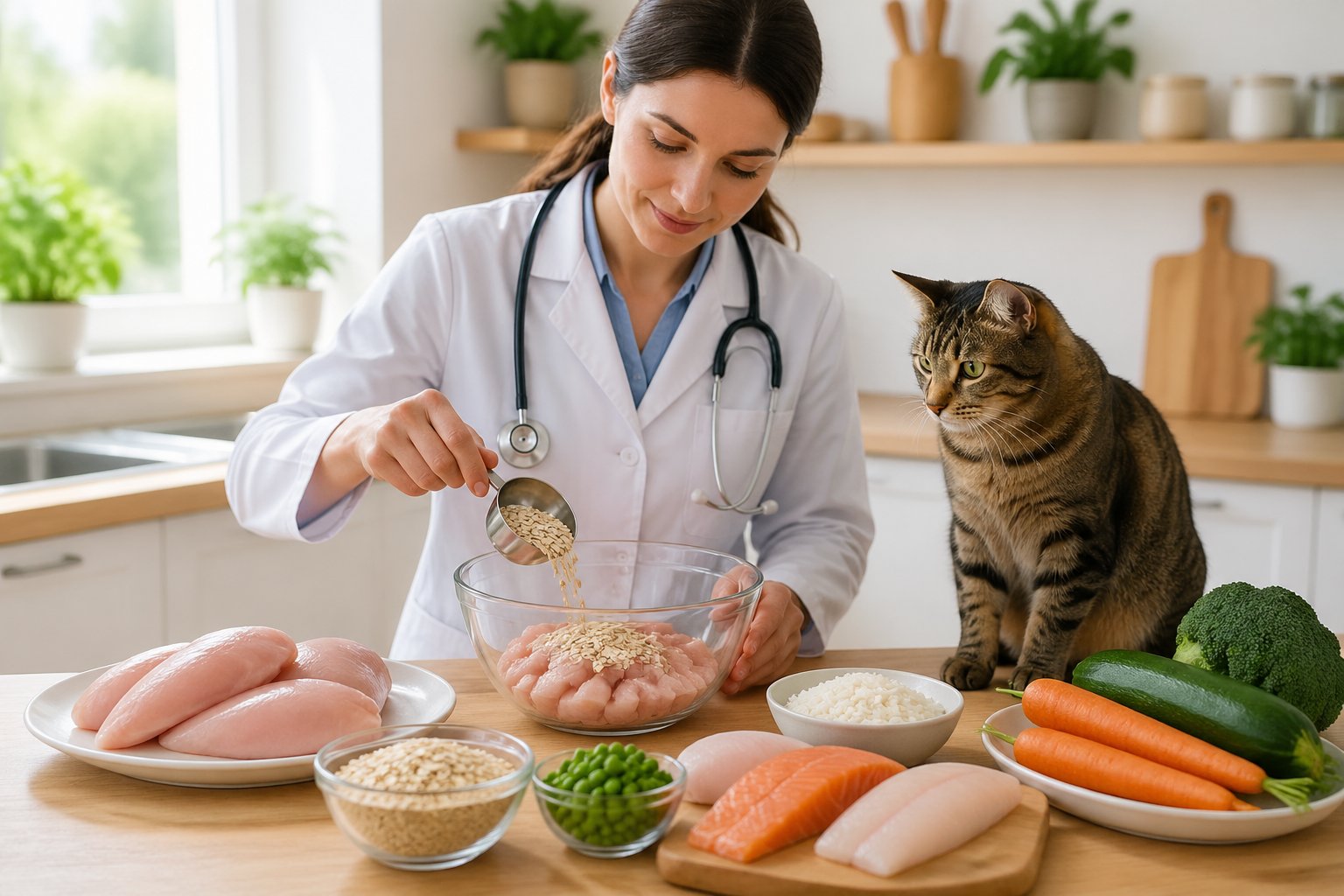
Creating balanced homemade cat food requires professional guidance and the right supplements to meet your cat’s nutritional needs. Working with experts and using quality premixes helps ensure your recipes provide complete nutrition.
Role of a Board-Certified Veterinary Nutritionist
A board-certified veterinary nutritionist creates customized recipes based on your cat’s specific requirements. These specialists have advanced training beyond regular veterinary school in animal nutrition.
You can find a veterinary nutritionist through the American College of Veterinary Nutrition directory. Many offer remote consultations if none practice near you. Your regular vet can also provide a referral to these experts.
The nutritionist will assess your cat’s age, weight, activity level, and any health conditions. They calculate exact amounts of protein, fat, vitamins, and minerals your cat needs daily. This personalized approach prevents nutritional deficiencies that generic recipes might miss.
Board-certified veterinary nutritionists design meal plans that change as your cat ages or if health issues develop. They also recommend specific supplements to add to your recipes.
Proper Use of Cat Food Premixes
Cat food premixes provide essential vitamins and minerals that cooked meat alone cannot supply. Balance IT Carnivore Blend is one example of a professionally formulated supplement designed for homemade cat diets.
These premixes typically contain:
- Calcium for bone health
- Taurine for heart and eye function
- B vitamins for metabolism
- Vitamin E for immune support
- Essential trace minerals
You must measure premixes carefully using a kitchen scale. Too little leaves nutritional gaps. Too much can cause toxicity with certain vitamins and minerals.
Vet-approved homemade cat food plans require supplements because cooking destroys some nutrients and whole prey items contain parts you won’t include in recipes. Never skip the supplement portion of any recipe.
Adapting to Individual Cat Needs
Each cat has different nutritional requirements based on life stage and health status. Kittens need more calories and protein per pound than adult cats. Senior cats often need adjusted fat levels.
Cats with kidney disease require restricted phosphorus and protein modifications. Diabetic cats benefit from high-protein, low-carbohydrate meals. Cats with food allergies need recipes built around novel protein sources.
Your safe homemade cat food recipes should change if your cat gains or loses weight. An overweight cat needs portion control while an underweight cat may need calorie-dense additions.
Track your cat’s body condition, energy level, and coat quality. Regular vet checkups with bloodwork help catch any nutritional imbalances early. Adjust recipes based on these results and your nutritionist’s recommendations.
Homemade Cat Food Recipes to Try
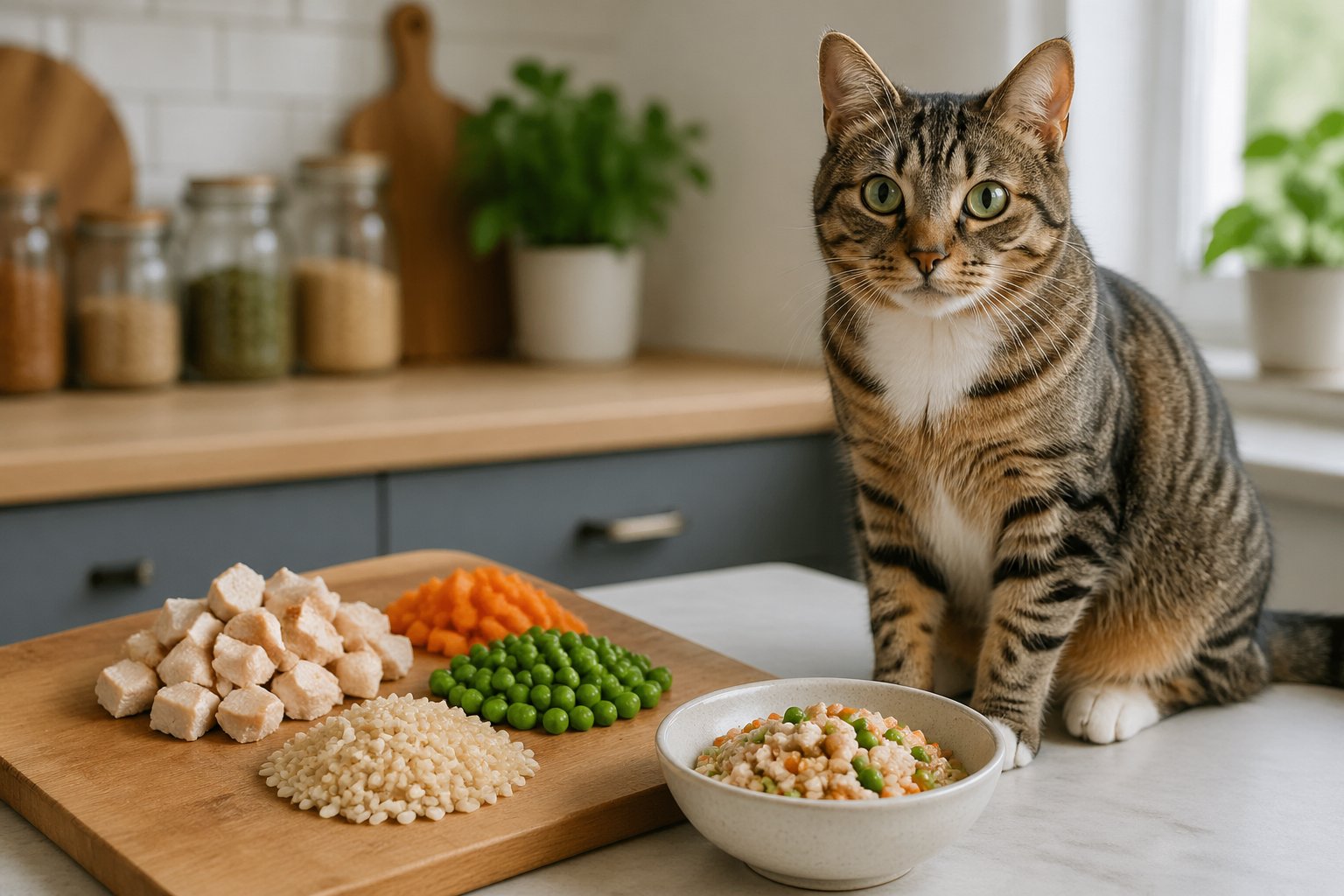
Making your own cat food requires specific recipes that meet feline nutritional needs, proper supplement additions to prevent deficiencies, and safe storage methods to maintain freshness.
Easy Cooked Cat Food Options
Cooked homemade cat food recipes start with a high-quality protein source like chicken, turkey, or fish. A basic vet-approved homemade cat food recipe typically includes 2-3 pounds of boneless meat, a small amount of liver or other organ meat, and essential supplements.
You can prepare a simple chicken recipe by cooking boneless chicken thighs with heart and liver. Combine these ingredients with the required supplements before serving.
Basic Cooked Recipe Components:
- 2 pounds boneless chicken or turkey
- 4 ounces chicken liver
- 2 ounces chicken heart
- Required supplements (taurine, calcium, omega-3s, vitamins)
Cook the meat thoroughly to kill harmful bacteria. Remove all bones before feeding since cooked bones can splinter and cause injuries. Let the food cool completely before adding supplements, as heat can destroy some nutrients.
DIY Raw Cat Food Approaches
Raw DIY cat food recipes follow similar ingredient ratios but skip the cooking process. These meals include raw muscle meat, organs, and ground bone to mimic a cat’s natural prey diet.
A typical raw recipe uses 3 pounds of raw meat with bone, 7 ounces of raw liver, 7 ounces of other secreting organs, and supplements. You must handle raw ingredients carefully to prevent bacterial contamination.
Raw Food Safety Guidelines:
- Use fresh, human-grade meat
- Clean all surfaces and tools thoroughly
- Freeze portions immediately
- Thaw in the refrigerator only
- Discard uneaten food after 30 minutes
Some cats need time to adjust to raw food. Start by mixing small amounts with their current food and gradually increase the ratio over 7-10 days.
Incorporating Supplements for Complete Nutrition
Homemade cat food requires specific supplements to create a balanced cat diet. Cats cannot survive on meat alone since they need additional nutrients not present in sufficient amounts.
Essential Supplements:
| Supplement | Purpose | Typical Amount |
|---|---|---|
| Taurine supplement | Heart and eye health | 1000-2000 mg per recipe batch |
| Ground eggshell powder | Calcium source | 1-2 teaspoons per pound of meat |
| Nordic Naturals Omega-3 Pet | Skin, coat, inflammation | Follow product directions |
| Vitamin E | Antioxidant protection | 100-200 IU per recipe batch |
| B-Complex vitamins | Energy and metabolism | Per recipe requirements |
You can use Nordic Naturals Omega-3 Pet Liquid as a reliable fish oil source. Add taurine supplement powder to every batch since cats cannot produce enough on their own. Ground eggshell powder provides calcium, though some recipes use bone meal instead.
Mix supplements into cooled food right before serving or storing. Heat destroys some nutrients, so never cook supplements with the meat.
Batch Preparation and Storage Tips
Preparing homecooked cat food in batches saves time and ensures consistent nutrition. You can make a week’s worth of food at once and freeze individual portions.
Divide your prepared recipe into daily serving sizes using small containers or ice cube trays. Label each container with the recipe name and date. Frozen homemade cat food stays fresh for up to three months.
Storage Best Practices:
- Refrigerate portions for up to 3 days
- Freeze extras immediately
- Use airtight containers
- Thaw overnight in refrigerator
- Warm slightly before serving (optional)
Keep one to two days’ worth of food in the refrigerator and store the rest in the freezer. Never refreeze thawed food since this increases bacterial growth. Portion sizes depend on your cat’s weight and activity level, typically ranging from 3-5 ounces per meal for an average adult cat.
Serving and Feeding Best Practices
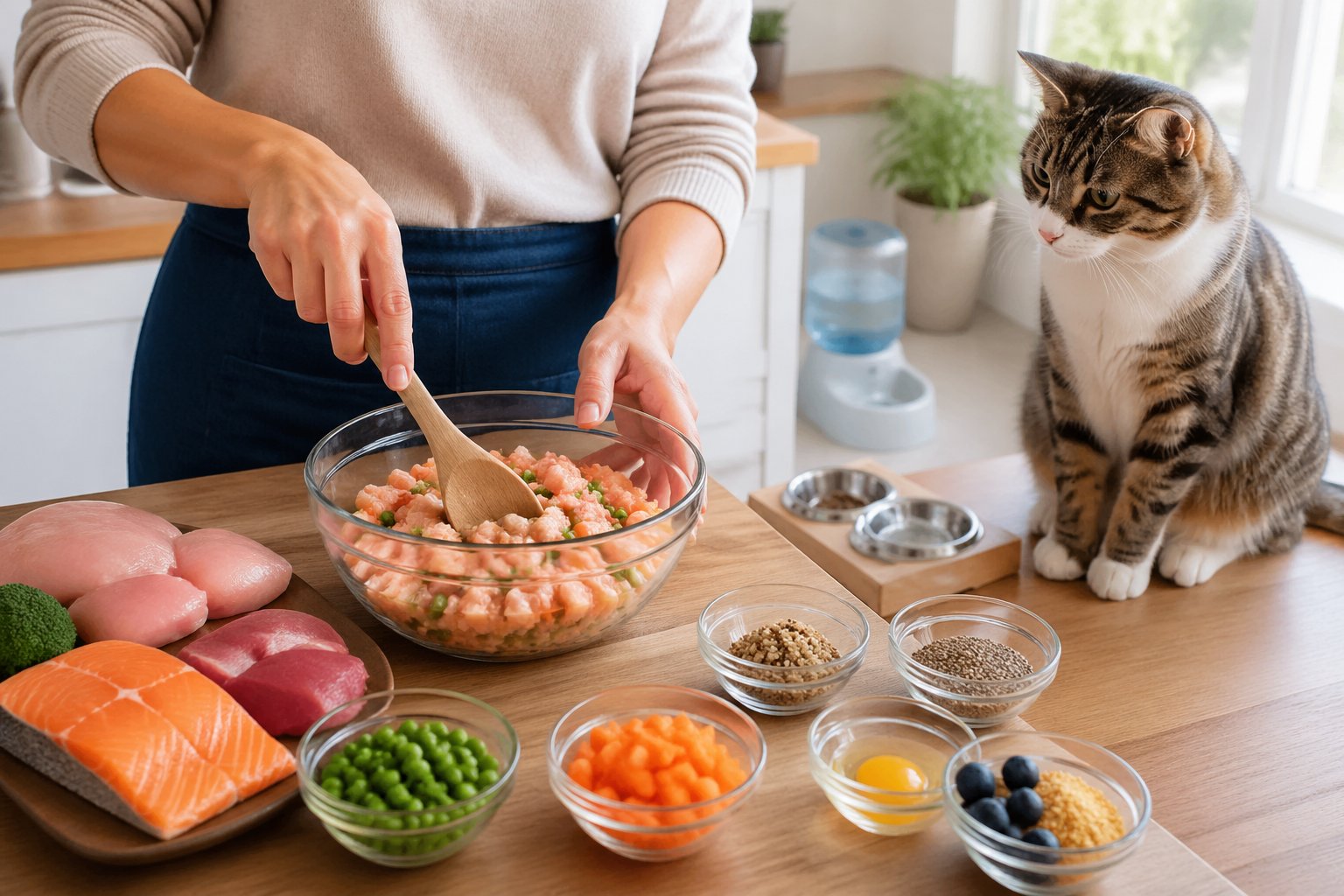
Making homemade cat food is only part of the equation. How you serve meals and introduce them to your cat affects digestion, nutrient absorption, and overall acceptance of the diet.
Portion Control and Scheduling
Most adult cats need between 20 to 30 calories per pound of body weight each day. A 10-pound cat typically requires around 200 to 300 calories daily, depending on activity level and age.
Divide your cat’s daily food into two to three meals. Cats have small stomachs and digest food better with regular feeding times. Kittens under six months need three to four smaller meals throughout the day because they burn energy faster.
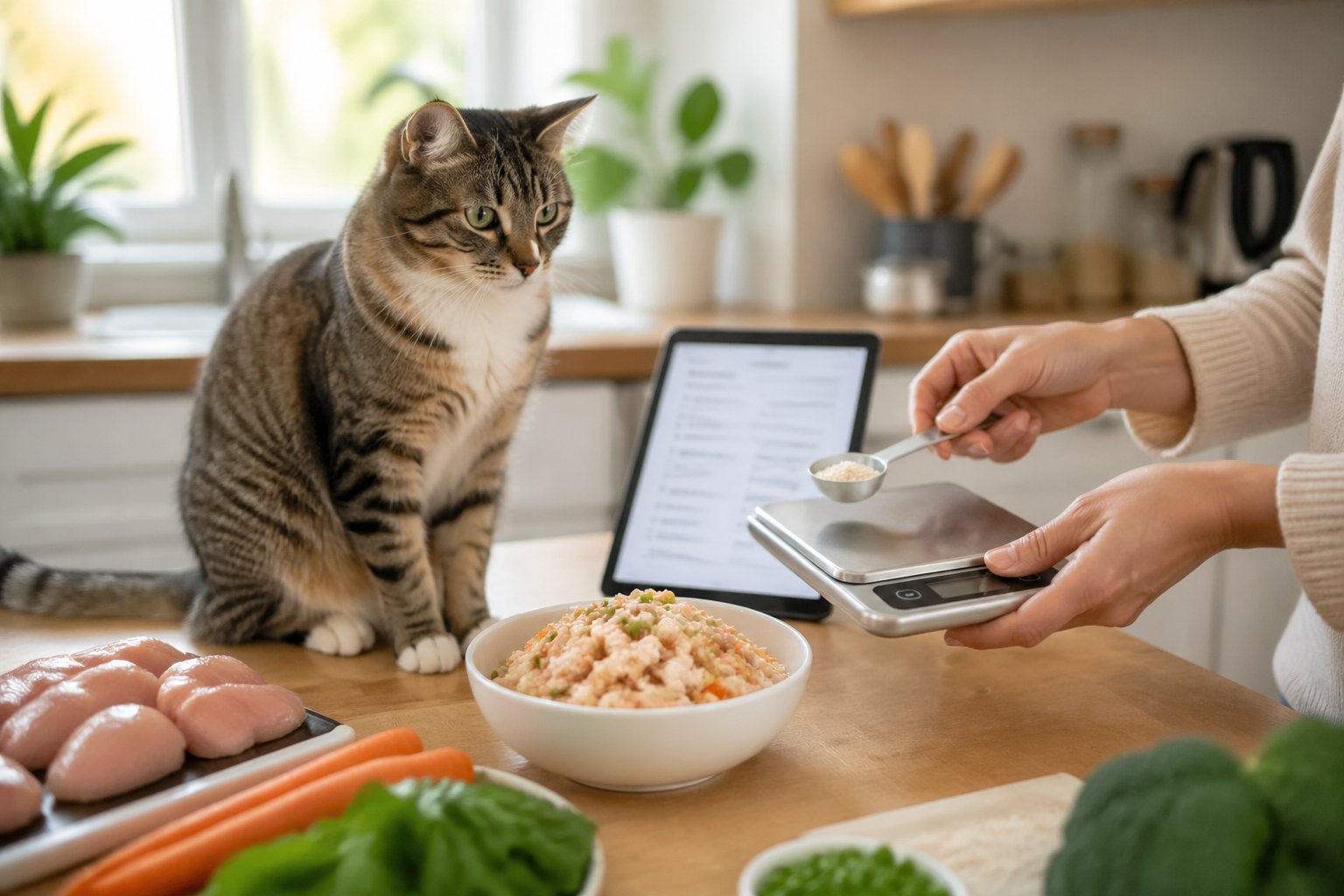
Use a kitchen scale to measure portions accurately. Eyeballing servings often leads to overfeeding or underfeeding. Track your cat’s weight weekly during the first month of feeding homemade meals to ensure proper portions.
Store uneaten food in the refrigerator after 30 minutes at room temperature. Homemade cat food spoils faster than commercial kibble because it lacks preservatives.
Proper Dishware for Optimal Health
Choose shallow, wide bowls that don’t touch your cat’s whiskers. Whisker fatigue causes stress when sensitive whiskers constantly brush against bowl sides during eating.
Stainless steel or ceramic bowls work best for homemade cat food. Plastic bowls develop scratches that harbor bacteria even after washing. The hepper nomnom cat bowl features a raised design that reduces neck strain during meals.
An elevated cat bowl helps cats with arthritis or digestive issues by positioning food at a comfortable height. Elevation between 3 to 6 inches works for most adult cats.
Wash bowls with hot soapy water after each meal. Bacteria multiply quickly on leftover food residue, especially with fresh homemade diets.
Introducing New Foods Gradually
Switch to homemade cat food slowly over 7 to 10 days. Mix small amounts of the new food with your cat’s current diet, gradually increasing the ratio.
Start with 25% homemade food and 75% old food for the first two days. Move to a 50-50 split for days three and four. By day seven, serve 75% homemade and 25% old food before completing the transition.
Watch for digestive upset like vomiting, diarrhea, or constipation during the transition. Some cats need a slower 14-day transition period if they show sensitivity.
Picky eaters may reject homemade food initially. Warm the food slightly to release aromas and make it more appealing. Never starve your cat into accepting new food, as this can cause serious liver problems.
Monitoring Your Cat’s Health on a Homemade Diet
Watch for specific physical changes in your cat’s coat, energy, and digestion to catch nutritional problems early. Regular veterinary checkups with bloodwork help confirm your homemade meals meet all your cat’s needs.
Signs of Nutritional Balance or Deficiency
A cat eating a balanced cat diet shows clear signs of good health. Their coat should be shiny and smooth without excessive shedding or bald patches. Their eyes should be bright and alert, not dull or watery.
Healthy cats maintain steady energy levels throughout the day. They should be active and playful without seeming lethargic or hyperactive.
Watch your cat’s litter box habits closely. Normal stools should be firm and brown. Diarrhea, constipation, or very dark stools can signal digestive problems or nutritional imbalances.
Warning signs of deficiency include:
- Weight loss or difficulty maintaining weight
- Dry, flaky skin or dull coat
- Vomiting more than once per month
- Loss of appetite
- Weakness or trouble walking
- Changes in behavior or mood
Taurine deficiency causes serious heart and vision problems. Early signs include dilated pupils and reduced night vision. Vitamin B deficiency leads to loss of appetite and neurological issues.
Working With Your Veterinarian
Schedule wellness checkups every six months when feeding homemade food. Your vet needs to run bloodwork to check organ function and nutrient levels. These tests catch deficiencies before visible symptoms appear.
Ask your vet to refer you to a veterinary nutritionist for recipe review. Board-certified nutritionists can analyze your recipes and suggest adjustments for your cat’s specific needs.
Bring detailed feeding records to appointments. Write down what ingredients you use, portion sizes, and any supplements. Note any changes in your cat’s eating habits or behavior.
Your vet may recommend specific tests based on your cat’s age and health. Senior cats need kidney and thyroid checks. Kittens need growth monitoring to ensure proper development.
Frequently Asked Questions
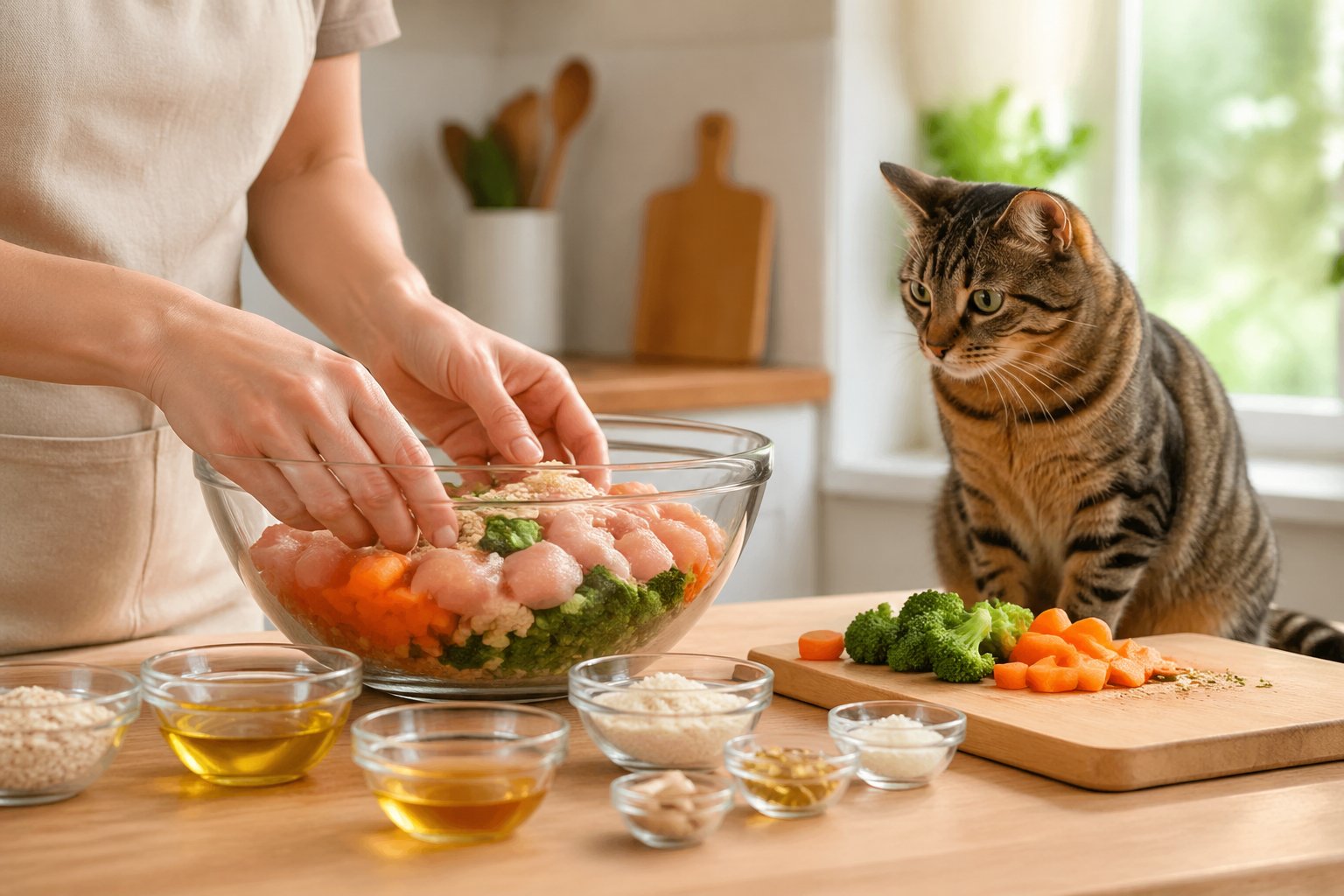
Cats need specific nutrients like taurine and vitamin A that they cannot make on their own. Safe preparation and proper supplementation are the main factors that separate balanced homemade meals from risky ones.
What nutrients must be included to keep a homemade cat diet complete and balanced?
Your cat needs protein as the main part of every meal. Cats are obligate carnivores, which means their bodies are built to run on meat.
Taurine is the most important nutrient to include. Cats cannot make taurine in their bodies, so they must get it from food. Without enough taurine, your cat can develop heart problems and vision loss.
Your cat also needs certain vitamins that only come from animal sources. Vitamin A must come from liver or supplements because cats cannot convert beta-carotene like humans do. Vitamin D, vitamin E, and B vitamins also need to be in the diet.
Essential fatty acids like omega-3 and omega-6 keep your cat’s skin and coat healthy. Calcium and phosphorus must be balanced correctly to support bone health. The ratio should be close to 1.2:1 calcium to phosphorus.
Which homemade cat food recipes are commonly considered vet-approved, and what criteria make them safe?
Vet-approved recipes typically include muscle meat, organ meat, bone meal or ground bone, and specific supplements. The recipes follow nutritional standards set by groups like the National Research Council.
A safe recipe includes at least 80-85% protein from animal sources. It should have 5-10% organ meat, especially liver for vitamin A. Ground bone or bone meal provides calcium.
The recipe must list all required supplements with exact amounts. This includes taurine, vitamin E, and often a B-complex vitamin. Recipes that say “add supplements as needed” without specifics are not safe to follow.
Safe recipes also give you clear instructions for food handling and storage. They tell you how much to feed based on your cat’s weight. You should avoid recipes that use only one protein source or skip organ meats entirely.
What supplements are typically necessary when preparing homemade cat food to avoid nutrient deficiencies?
Taurine is the first supplement you need to add. Most recipes call for 1,000-2,000 mg of taurine per kilogram of food. Raw meat contains some taurine, but cooking destroys much of it.
You need to add vitamin E to protect fats from going bad. Most recipes require 50-100 IU per pound of food. B vitamins, especially thiamine, often need supplementation because cooking destroys them.
Calcium must be added if you are not using ground bone. You can use calcium carbonate or bone meal. The amount depends on how much phosphorus is already in the meat you are using.
Fish oil provides omega-3 fatty acids that support heart and joint health. A multivitamin made for homemade cat food can fill in other gaps. Essential supplements like taurine are critical to prevent serious health problems.
How can I make homemade wet cat food that meets the needs of indoor cats without adding excess calories?
Use lean proteins like chicken breast, turkey, or white fish as your base. These proteins give your cat what it needs without too much fat. Indoor cats burn fewer calories than outdoor cats, so fat content matters.
Add water or low-sodium broth to increase moisture without calories. This helps keep your cat hydrated and makes the food more filling. You can add up to 25% water by weight.
Skip carbohydrates or keep them very low. Cats do not need carbs, and they add calories without much nutritional value. If you do include vegetables, use small amounts of low-calorie options like pureed pumpkin or zucchini.
Weigh portions carefully based on your cat’s ideal weight, not current weight if they are overweight. Most indoor cats need about 20 calories per pound of body weight per day. Adjust portions based on whether your cat is maintaining, losing, or gaining weight.
What are the most common food safety risks in homemade cat food, and how can I prevent them during preparation and storage?
Bacterial contamination from raw meat is the biggest risk. Salmonella and E. coli can make your cat sick and spread to humans in your home. Wash your hands, cutting boards, and utensils with hot soapy water after handling raw meat.
Store homemade cat food in the refrigerator for no more than 2-3 days. For longer storage, freeze portions in airtight containers for up to 2-3 months. Thaw frozen food in the refrigerator, not on the counter.
Raw bones can splinter and cause choking or internal damage. If using bones, they must be ground completely. Cooked bones are even more dangerous because they splinter more easily.
Proper preparation and storage keep harmful bacteria from growing. Never leave cat food at room temperature for more than 30 minutes. Throw away any uneaten food rather than putting it back in the fridge.
What does the “25% rule” for cat food mean, and how should it guide homemade meal planning?
The 25% rule is a labeling standard used in commercial pet food. If a food is called “chicken dinner” or “beef entrée,” the named ingredient must make up at least 25% of the total weight. This does not include water used for processing.
For homemade food, this rule reminds you that variety words like “dinner” or “platter” mean less of the main ingredient than you might think. If you call something “chicken dinner,” you need at least one quarter of it to be chicken.
This rule does not apply the same way to homemade food since you are not selling it. But it helps you understand how much of each ingredient to use. Your cat needs much more than 25% protein, so aim for 80-85% animal-based ingredients.
Understanding commercial food rules helps you read labels better when choosing backup options. It also prevents you from adding too many fillers to homemade recipes. Focus on high percentages of quality protein rather than meeting minimum standards.