Can Cats Really Smile? Understanding Feline Happiness and Safety
You might catch your cat with what looks like a slight smile and wonder if they’re actually happy to see you. Cats cannot smile to show happiness the way humans do, but they express contentment through specific body language, behaviors, and sounds that reveal their true emotional state. Understanding these signals helps you know when your feline friend feels safe and comfortable in your home.
Learning how to tell if your cat is happy goes beyond looking at their face. Cats communicate through their entire body, from the position of their ears and tail to the way they move around your space. They also show happiness through actions like purring, kneading, and seeking out your company.
This guide breaks down what those upturned mouth corners really mean and teaches you to recognize genuine signs of feline contentment. You’ll discover what behaviors indicate a happy cat, how to create an environment where they thrive, and ways to strengthen your bond through better communication.
Do Cats Smile? Interpreting Feline Facial Expressions
Cats don’t smile to show happiness the way humans do, but they have their own distinct facial expressions that reveal their emotional state. Understanding these visual cues helps you recognize when your cat feels content versus when they’re simply resting their face in a neutral position.
Why Cat Smiles Differ from Human Smiles
Cats cannot smile to express happiness like humans do because their facial muscles work differently. When you see what looks like a smile on your cat’s face, it’s usually just the natural shape of their mouth at rest. Cats have a mouth structure that can appear upturned even when they’re in a completely neutral emotional state.
The shape of a cat’s face sometimes creates the illusion of smiling. This happens naturally due to their bone structure and the way their lips rest against their teeth. What you might interpret as a grin is often just your cat’s normal resting expression.
Cats communicate contentment through body language rather than facial expressions like smiling. Their emotional signals involve their entire body, not just their face. This fundamental difference means you need to look beyond what appears to be a smile to truly understand feline emotions.
How Feline Emotions Are Expressed Visually
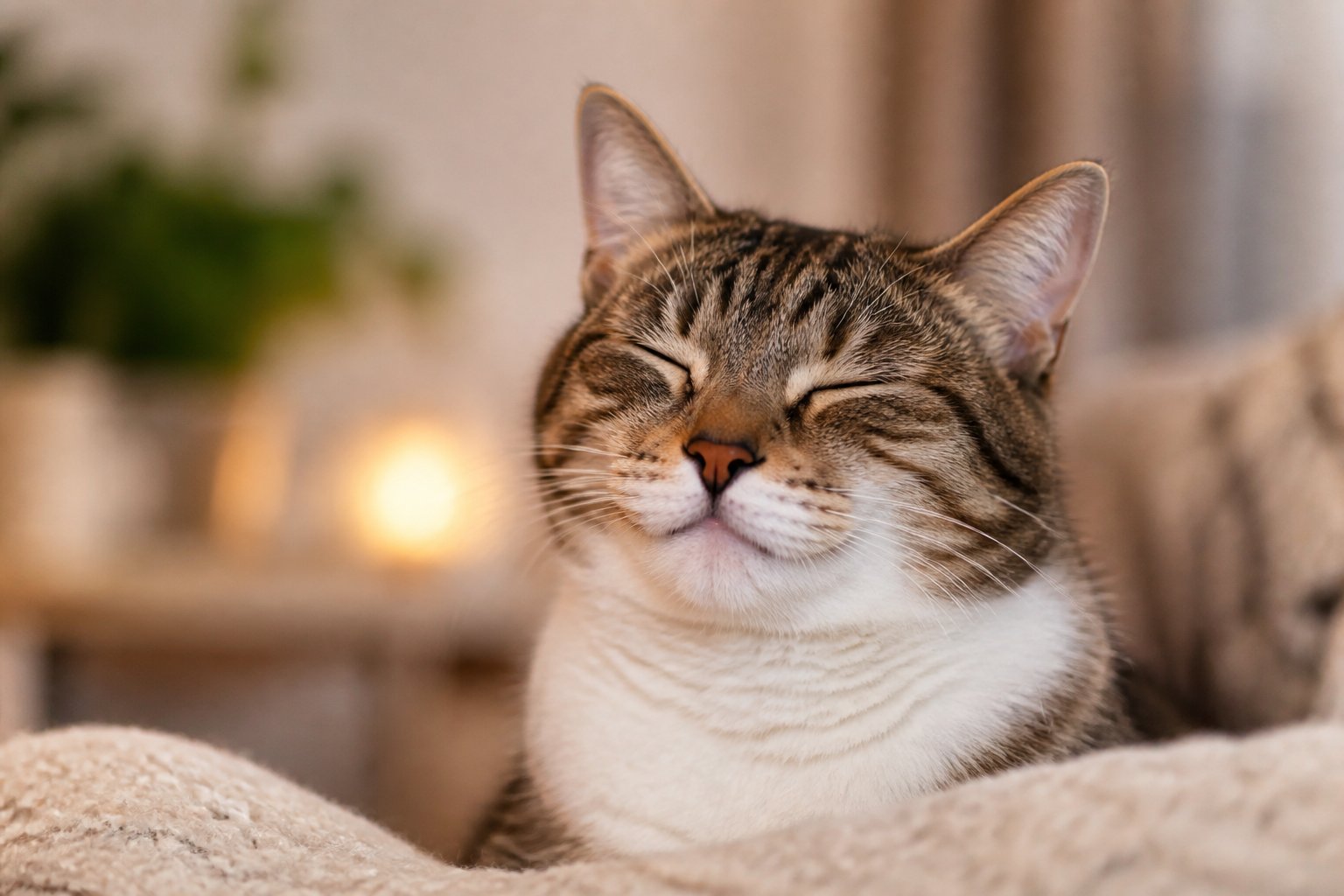
Cats show happiness through their eyes by narrowing them and blinking slowly, which serves as their version of a smile. When your cat looks at you and blinks slowly, they’re communicating trust and affection. This behavior is one of the most reliable ways to tell if your cat is happy.
Key visual signs of a content cat include:
- Relaxed ears pointing forward
- Soft, half-closed eyes
- Whiskers held loosely to the sides
- Tail held upright or curved like a question mark
- Flat fur that isn’t puffed up
Your cat’s body posture reveals more about their emotions than their mouth ever could. A happy cat appears loose and comfortable, moving freely without tension.
Common Misconceptions About Smiling Cats
Many people mistake the Flehmen response for a smile. This happens when cats hold their mouth open after smelling an interesting scent, which isn’t related to happiness at all. Your cat is actually analyzing pheromones through a special organ in the roof of their mouth.
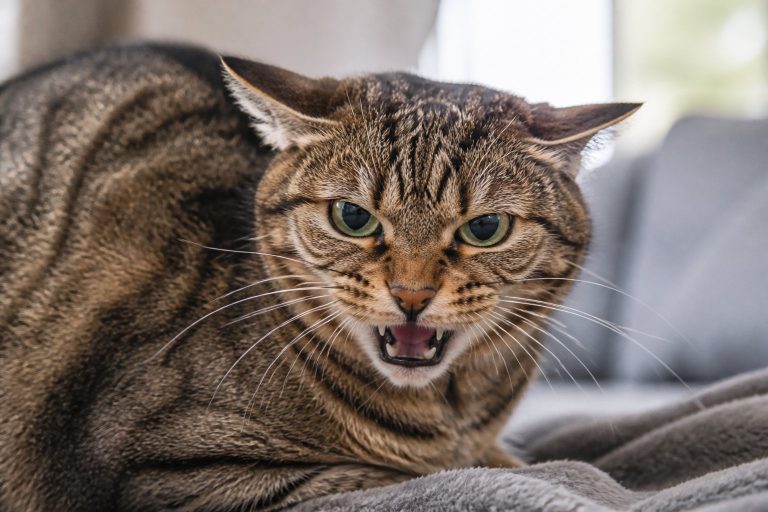
Another common error is thinking that showing teeth means your cat is happy. In reality, visible teeth usually signal stress, aggression, or that your cat is using their vomeronasal organ to process scents. Human expressions don’t translate directly to cats.
Research shows cats have 276 different facial expressions, but none of them work like human smiles. These expressions communicate with other cats and respond to their environment in ways unique to felines. You can’t rely on human emotional cues to understand what your cat is feeling.
Signs of a Happy and Safe Cat
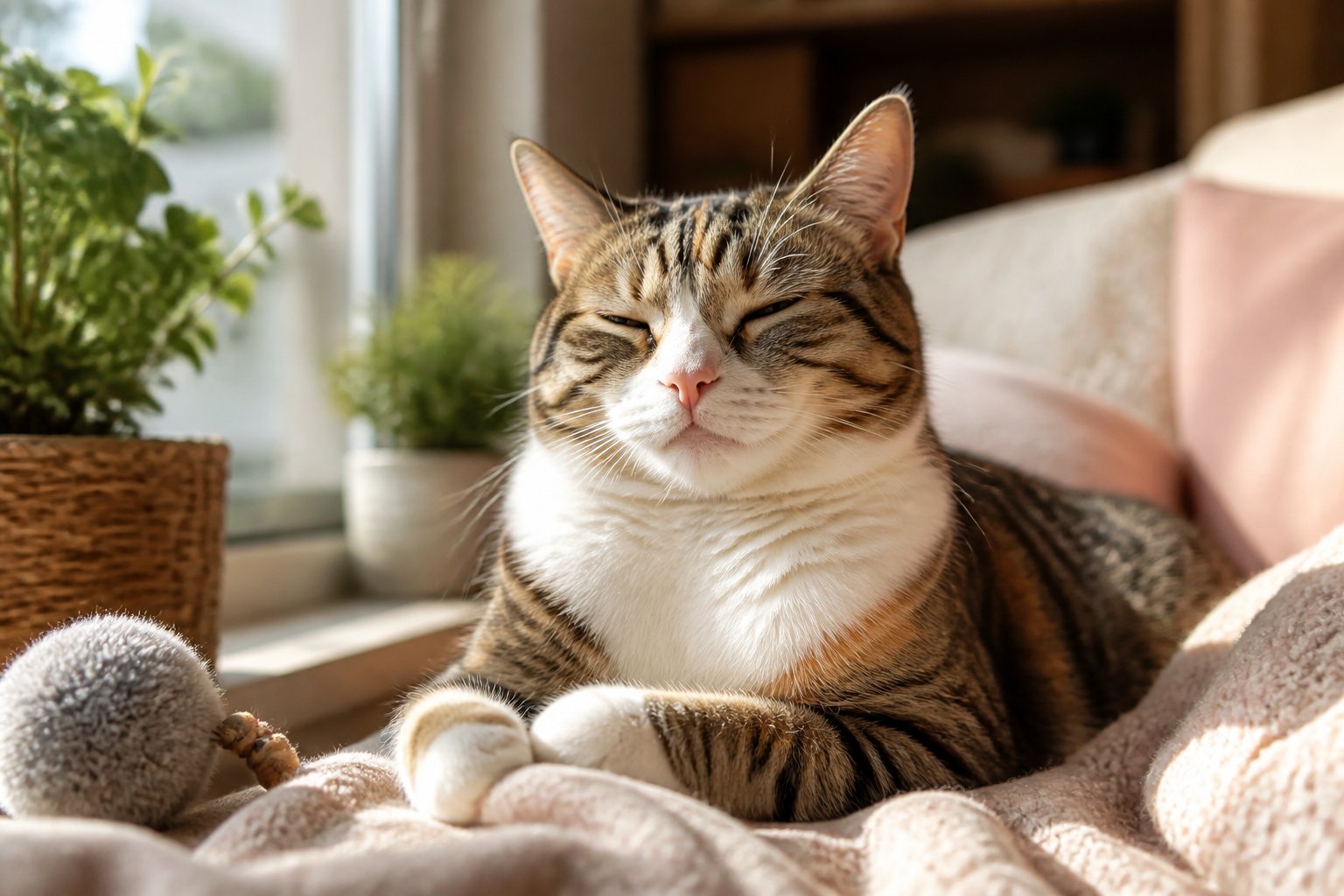
Cats communicate their feelings through specific behaviors and physical signals that reveal their emotional state. Understanding signs of a happy cat helps you recognize when your pet feels secure and content in your home.
Purring and Its Meanings
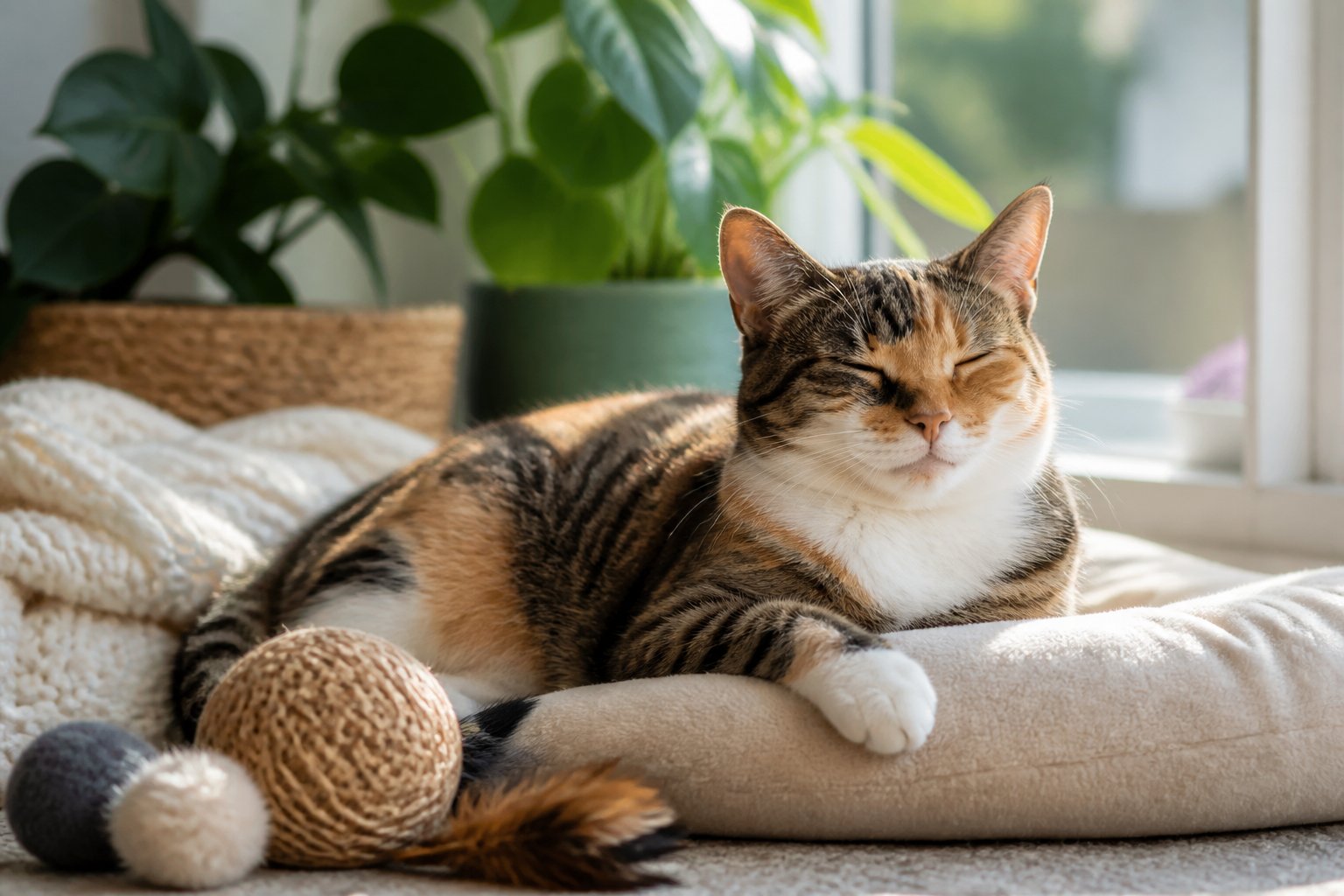
Purring is one of the most recognizable sounds cats make when they feel happy and relaxed. Your cat will typically purr when settled in a comfortable position with eyes gently closed, especially when you stroke them or they’re basking in warm sunlight.
However, purring doesn’t always mean happiness. Cats can also purr when they’re unwell or in pain, so context matters. If your cat is purring while lounging comfortably with a relaxed body, you can be confident they’re content.
The sound often accompanies other positive behaviors. You might notice your cat purring while kneading with their paws or during feeding time. When combined with relaxed posture and half-closed eyes, steady purring signals genuine contentment and security in their environment.
Slow Blinking and Soft Eyes
Slow blinking is your cat’s way of showing trust and affection toward you. When your cat makes direct eye contact and slowly closes their eyes, they’re communicating positive emotions and friendliness.
This behavior is sometimes called a “cat kiss.” You can actually slow blink back at your cat to strengthen your bond. If they respond with another slow blink while purring, they’re expressing deep contentment.
Happy cats display soft, relaxed eyes that may be half-closed or gently closed without tension. Their pupils will appear normal for the lighting conditions. In contrast, wide eyes with dilated pupils often indicate stress or fear.
Relaxed Cat Body Language
Cat body language reveals their emotional state through posture and positioning. A happy cat adopts a relaxed stance whether standing, sitting, or lying down, without appearing tense or ready to flee.
Key signs of relaxed body language include:
- Lying stretched out comfortably
- Soft, loose muscles without visible tension
- Ears in a neutral position, pointing forward
- Whiskers relaxed and pointing slightly forward
- Rolling onto their back to expose their belly
When your cat shows their belly, they’re demonstrating trust. This vulnerable position means they feel safe around you. Your cat might also seek your company by rubbing against you or head-butting for attention.
Tail Signs and Position
Your cat’s tail acts as an emotional barometer. An upright tail with a curved tip resembles a question mark and signals a friendly, happy mood. This position often appears when your cat greets you or explores their environment with confidence.
A loosely hanging tail or one gently swishing indicates a relaxed state. Your cat might wrap their tail around themselves while resting or drape it over you during cuddle time.
Different tail positions mean different things. A tail held low or tucked suggests fear or submission, while a puffed-up tail indicates your cat feels threatened. A tail whipping rapidly back and forth shows agitation or overstimulation rather than happiness.
Positive Cat Behaviors: What Happiness Looks Like
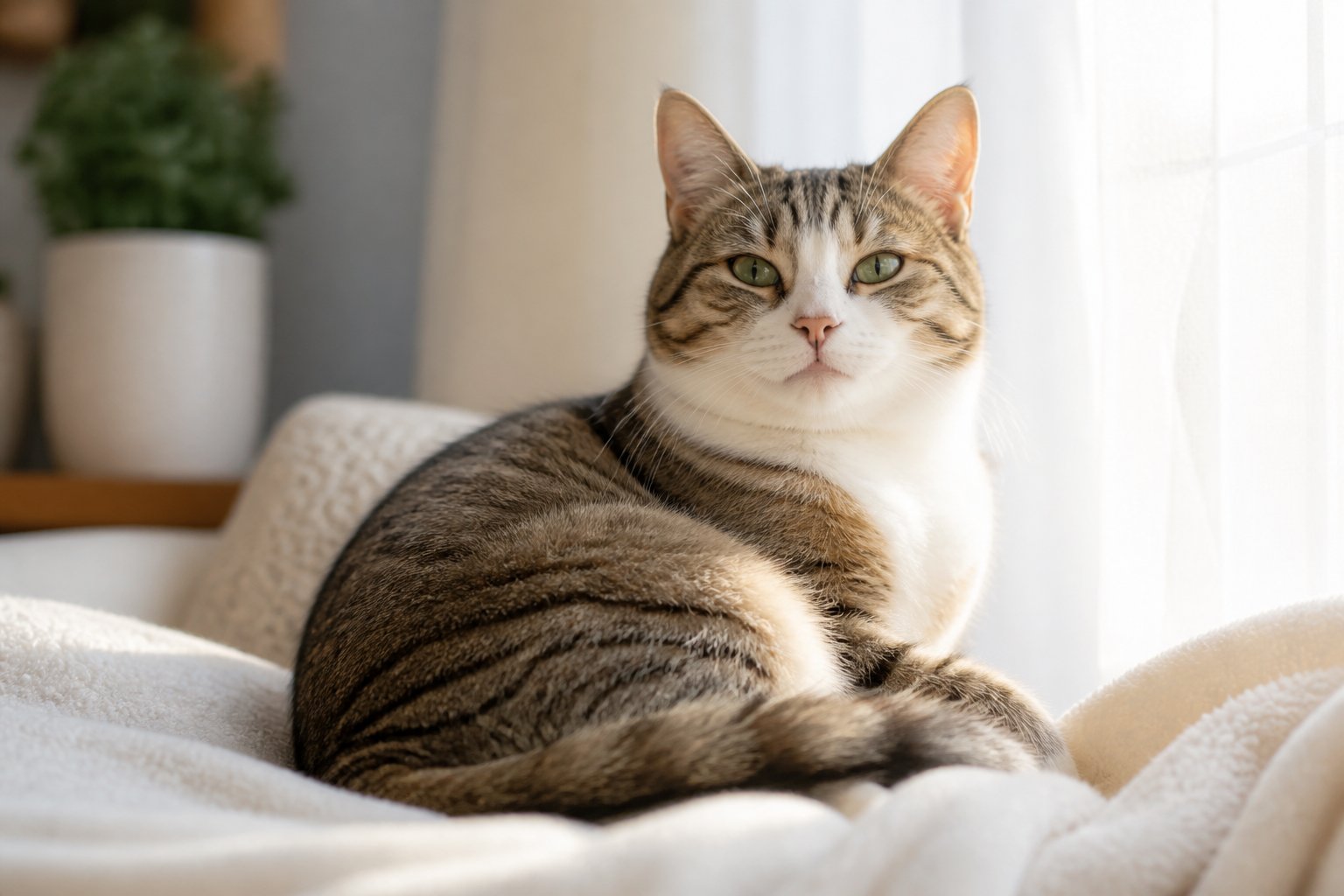
Happy cats display specific physical behaviors that show comfort and trust. A content cat will knead with their paws, groom themselves regularly, stick close to their owner, and maintain a healthy interest in food.
Making Biscuits: Kneading Paws
When your cat pushes their paws in and out against a soft surface, they are kneading, which connects back to kittenhood. Kittens knead their mother while nursing to stimulate milk flow. Adult cats continue this behavior when they feel extremely comfortable and safe.
Your cat might knead a blanket, pillow, your lap, or even the air. This action is often called “making biscuits” because of the pushing motion that resembles kneading dough. Some cats extend their claws while kneading, which can be uncomfortable but is not aggressive.
Kneading often comes with purring and a relaxed body posture. Your cat may drool slightly or close their eyes halfway during this activity. These are all signs your cat is happy and feels secure in their environment.
Allogrooming and Social Rolling
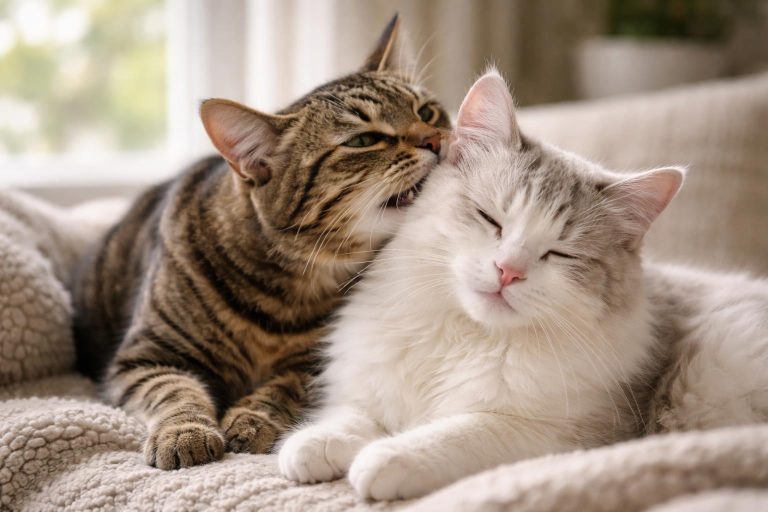
Allogrooming refers to when cats groom each other or you. If your cat licks your hand, face, or hair, they are treating you like family. This behavior strengthens social bonds and shows trust between cats or between a cat and their owner.
Cats also show happiness through social rolling. This is when your cat rolls onto their back and exposes their belly in your presence. The belly is a vulnerable area, so showing it means your cat feels completely safe around you.
You might notice your cat rubbing their head or body against you during these moments. This head rubbing, called bunting, deposits scent from glands on their cheeks. Your cat is marking you as part of their territory and social group.
Following You Around the Home
When your cat follows you from room to room, this demonstrates attachment and interest in your activities. Happy cats want to be near their owners and participate in household routines. Your cat might sit outside the bathroom door or watch you cook in the kitchen.
This behavior differs from anxious following, which includes excessive meowing or pacing. A content cat will follow at a relaxed pace and settle nearby once you stop moving. They might sit a few feet away or choose a spot where they can observe you comfortably.
Some cats are more independent than others. Not all happy cats will follow constantly, but occasional companionship is normal for bonded cats.
Healthy Appetite and Grooming
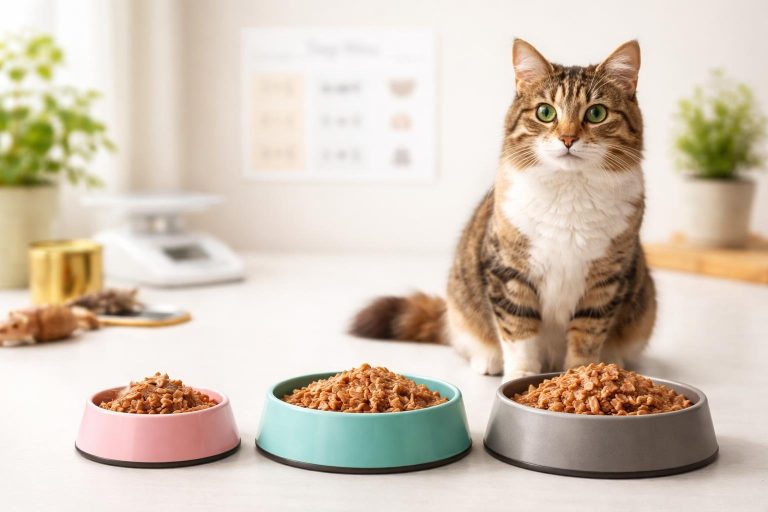
A happy cat maintains regular eating habits and shows excitement at mealtimes. Your cat should approach their food bowl with interest and finish most of their meals. Sudden changes in appetite can indicate stress or health problems.
Self-grooming is another important sign of contentment. Cats spend several hours each day cleaning their fur. A well-groomed coat appears smooth and shiny. Your cat should groom all reachable areas including paws, face, and body.
Signs of healthy grooming habits:
- Clean, smooth fur without mats
- Regular face washing with paws
- Grooming after meals or play
- No bald patches or excessive licking
Cats who feel safe dedicate time to personal hygiene. Stressed or sick cats often stop grooming or groom excessively in one spot.
Creating a Happy Cat Environment
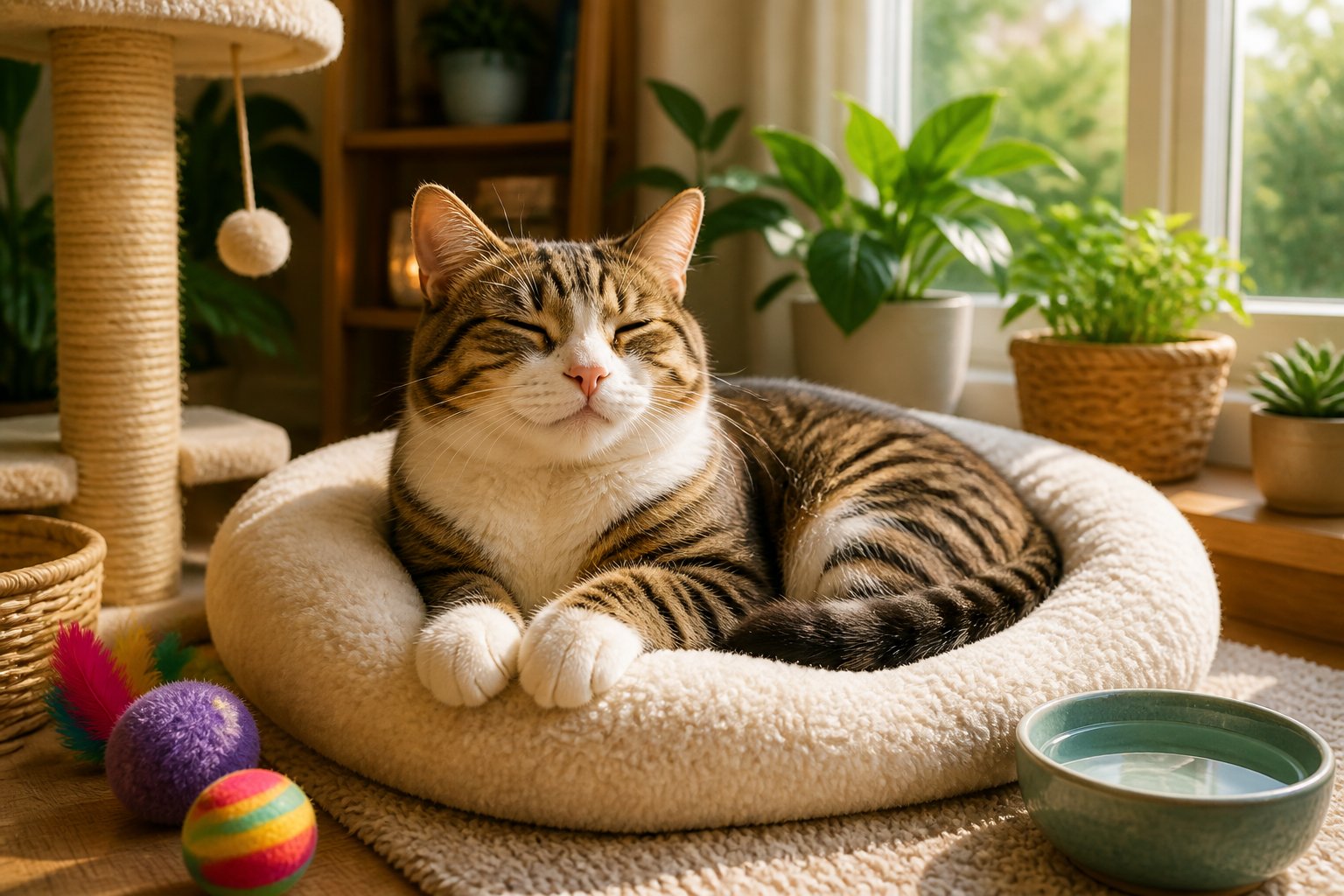
A comfortable bed and dedicated safe spaces help your cat feel secure and content in your home. The right sleeping area supports their natural need for warmth and security while giving them a place to truly relax.
Choosing a Comfortable Cat Bed
Your cat spends up to 20 hours per day sleeping and resting, so the bed you choose matters. Look for beds with raised sides that provide a sense of security and help your cat feel protected while they sleep.
The material should be soft yet supportive. Many cats prefer beds made from fleece, microfiber, or plush fabrics that retain warmth. Size matters too—your cat should be able to curl up comfortably or stretch out fully depending on their mood.
Location is just as important as the bed itself. Place the bed in a quiet area away from high-traffic zones and loud appliances. Cats need peaceful spots where they won’t be disturbed during their many naps throughout the day.
Consider beds with washable covers since maintaining cleanliness helps prevent odors and keeps your cat healthy. A clean bed encourages regular use and shows signs of proper grooming habits in happy cats.
Benefits of the Hepper Nest Bed
The Hepper Nest Bed offers specific features that support feline comfort and security. Its curved, high walls create a cozy den-like environment that appeals to cats’ natural instinct to seek enclosed spaces.
The bed’s design includes a thick, quilted rim that cats can rest their heads on while maintaining visibility of their surroundings. This feature addresses their need to feel safe while staying alert to what’s happening around them.
The removable and machine-washable fleece liner makes cleaning simple. You can maintain a fresh sleeping environment without replacing the entire bed. The neutral colors blend into most home decor while the structured shape holds up well over time, even with regular use by multiple cats.
Importance of Safe Spaces
Cats need areas where they can retreat when feeling stressed or overwhelmed. These safe spaces allow them to regulate their emotions and maintain their mental well-being.
Create multiple safe spots throughout your home at different heights. Cats feel more secure when they can climb to elevated positions or hide in enclosed areas. Cat trees, covered boxes, or even open closets work well.
Each safe space should include comfortable bedding and be free from sudden noises or disturbances. Your cat should be able to access these areas whenever they need them, not just at specific times you designate. Never force your cat out of their safe space, as this breaks their trust and makes them feel vulnerable.
The Role of Play in Feline Contentment
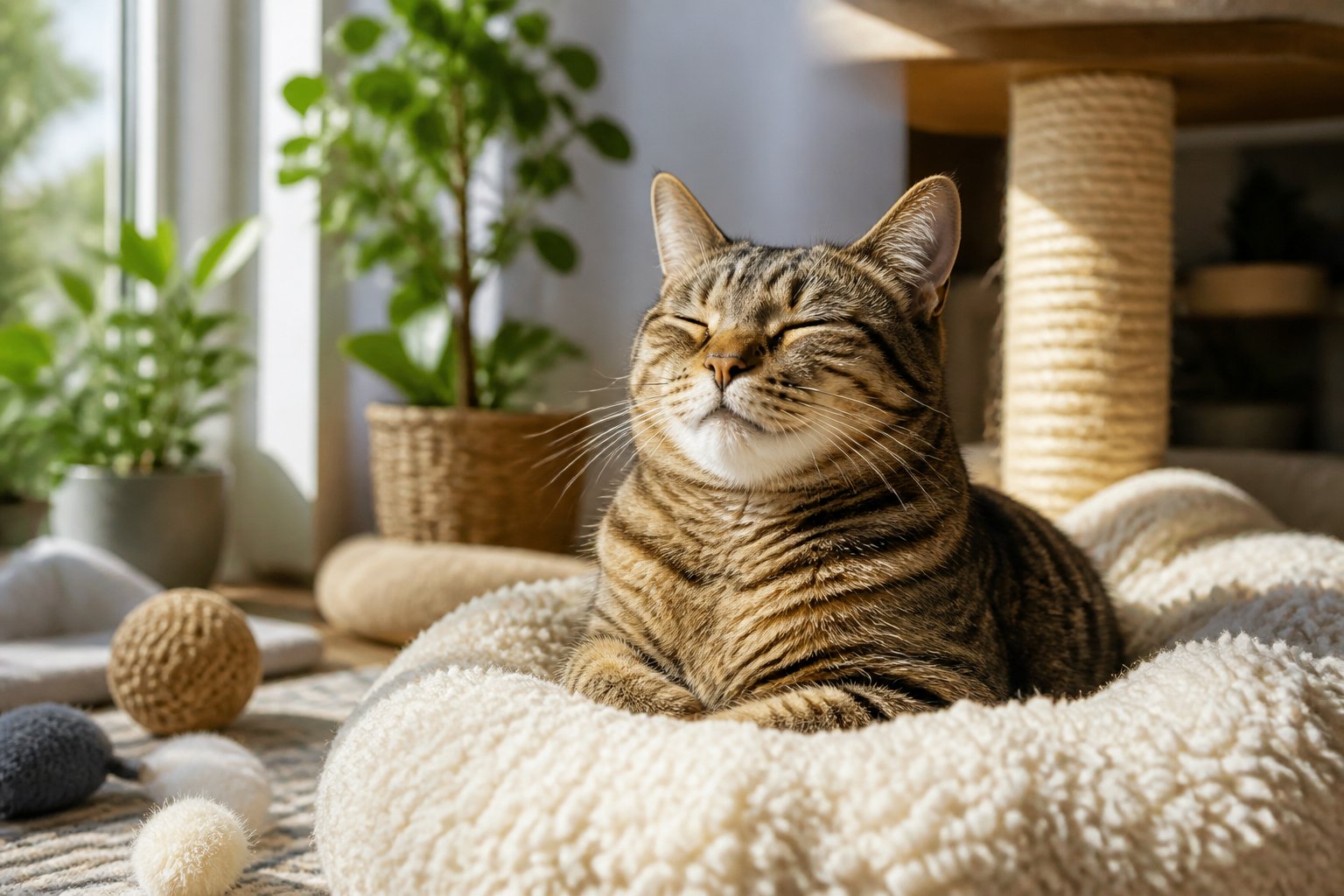
Play serves as a direct window into your cat’s emotional state and overall happiness. When cats engage in playful behaviors, they demonstrate both physical health and mental stimulation.
Encouraging Playful Behaviors
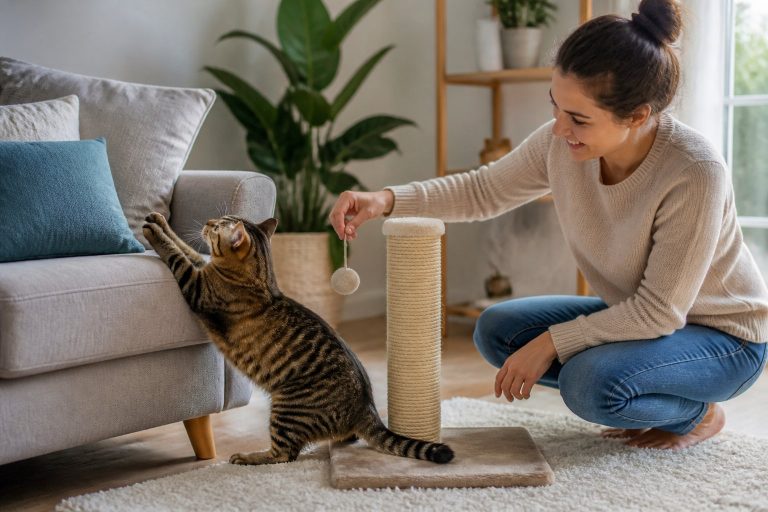
You can promote play by setting aside dedicated time each day for interactive sessions with your cat. Aim for at least two 10-15 minute play periods daily, ideally before meals when your cat’s hunting instincts are strongest.
Create an environment that supports natural hunting behaviors. Use toys that mimic prey movements like darting, flying, or scurrying. Move toys away from your cat rather than toward them to trigger their chase instinct.
Rotate toys every few days to maintain novelty and interest. Cats can lose interest in toys they see constantly. Store some toys away and bring them back later to reignite excitement.
Respect your cat’s play preferences. Some cats prefer solo play with balls or springs, while others enjoy interactive wand toys. Watch which activities make your cat most engaged and focus on those.
Selecting the Best Cat Toys
The best cat toys mimic natural prey and encourage your cat’s hunting instincts. Wand toys with feathers or strings allow you to control movement patterns that resemble birds or mice.
Consider these effective options:
- Feather wands – Great for jumping and aerial attacks
- Laser pointers – Encourage running and chasing (always end with a physical toy they can catch)
- Kicker toys – Satisfy wrestling and bunny-kick behaviors
- Puzzle feeders – Combine mental stimulation with treats
- Small balls – Perfect for batting and solo play
Choose toys appropriate for your cat’s age and energy level. Kittens need softer toys, while adult cats can handle more durable options. Avoid toys with small parts that could become choking hazards.
Interpreting Play as a Sign of Well-being
A playful cat is a happy cat because play behavior requires both physical health and mental contentment. When your cat initiates games or pounces on toys, they’re showing you they feel secure in their environment.
Sudden changes in play behavior can signal problems. A normally playful cat who stops playing may be sick, stressed, or in pain. Contact your veterinarian if you notice this shift.
Healthy play includes brief, energetic bursts of activity followed by rest periods. Your cat should appear focused and engaged during play, with their ears forward and tail upright or gently curved.
Understanding Cat Communication and Bonding
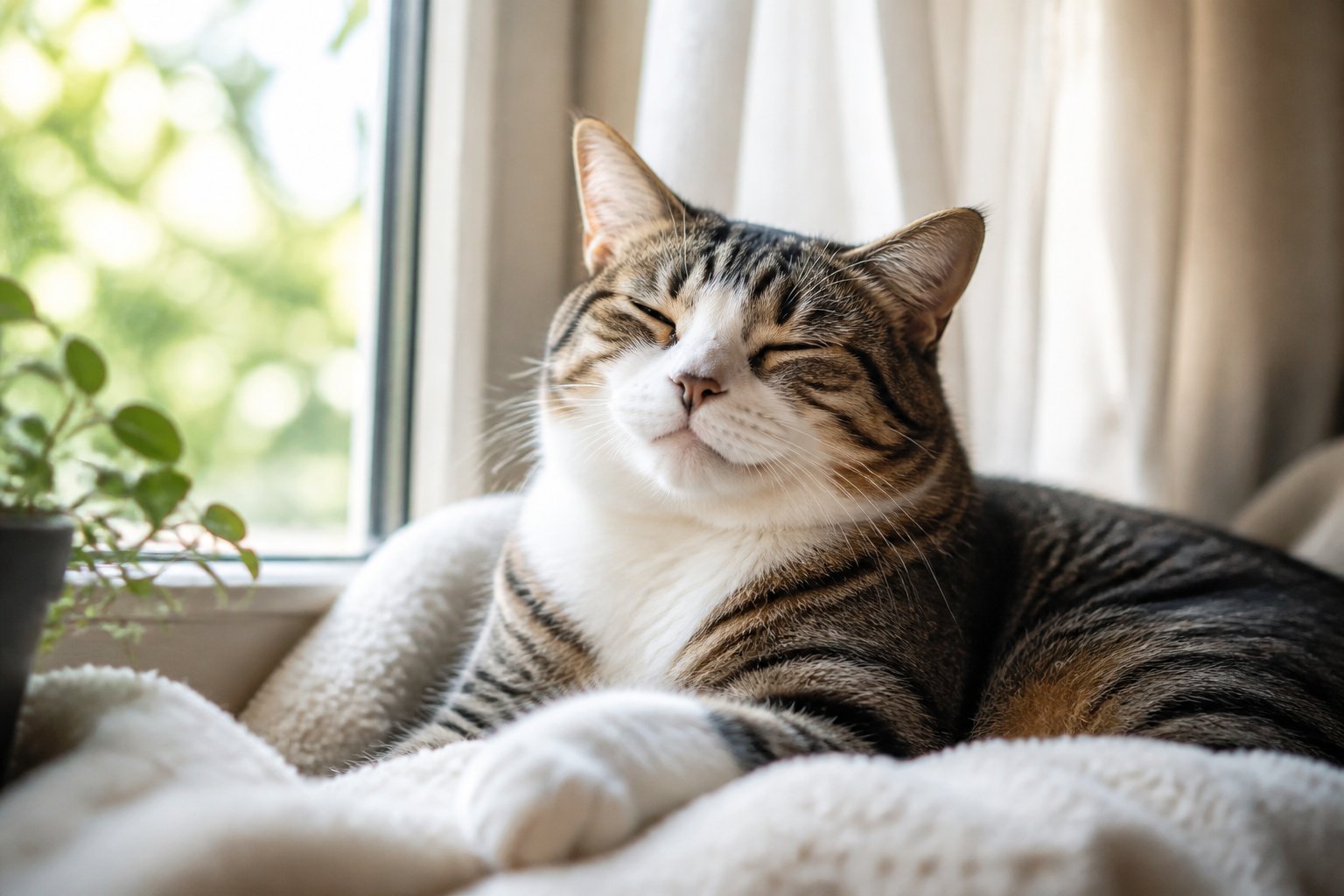
Cats communicate their feelings through specific physical behaviors and social rituals that reveal their emotional state. When you learn to recognize your cat’s body posture, tail movements, and facial expressions, you can better understand their trust levels and emotional needs.
Allogrooming and Mutual Trust
Allogrooming is when cats lick and groom each other or you. This behavior goes beyond simple hygiene. Cats in the wild groom family members and trusted companions to strengthen social bonds.
When your cat licks your hand, face, or hair, they’re treating you as part of their family group. This grooming behavior releases calming endorphins in cats and creates a shared scent between you. The action shows your cat feels safe enough to engage in vulnerable behavior near you.
You might notice your cat focuses on hard-to-reach areas like behind your ears or the top of your head. These are the same spots cats groom on each other. If you have multiple cats, allogrooming between them signals a peaceful, trusting relationship within your household.
How Cats Signal Affection
Slow blinking is one of the clearest signs of cat affection. When your cat looks at you and slowly closes their eyes, they’re showing complete trust. You can blink slowly back to show them that you love them too.
Head bunting occurs when your cat rubs their head against you. They have scent glands on their cheeks and forehead that mark you as safe and familiar. This behavior means your cat claims you as their own.
Tail position reveals emotional states:
- Tail straight up with a curved tip = happy and confident
- Tail wrapped around you = affection and bonding
- Tail tucked under = fear or stress
Purring typically indicates contentment, though cats sometimes purr when stressed or in pain. Context matters when interpreting this vocalization.
Reading Your Cat’s Emotional Cues
Cats use both their body and voice to show what they are thinking and feeling. Your cat’s ears provide clear emotional signals. Ears facing forward mean curiosity or contentment. Ears rotated sideways or backward indicate stress or fear.
Pupil size changes with emotion. Narrow slits suggest a relaxed, happy cat. Dilated pupils can mean excitement, fear, or playfulness depending on other body signals.
Your cat’s whiskers also communicate feelings. Relaxed whiskers point slightly forward during calm moments. Whiskers pressed flat against the face signal fear or aggression. Pushed forward whiskers indicate curiosity or hunting behavior.
Watch your cat’s overall posture. A loose, stretched-out body shows comfort and safety. A tense, hunched position suggests stress or illness. When your cat shows their belly, it means they feel secure in your presence, though this isn’t always an invitation to touch.
Frequently Asked Questions
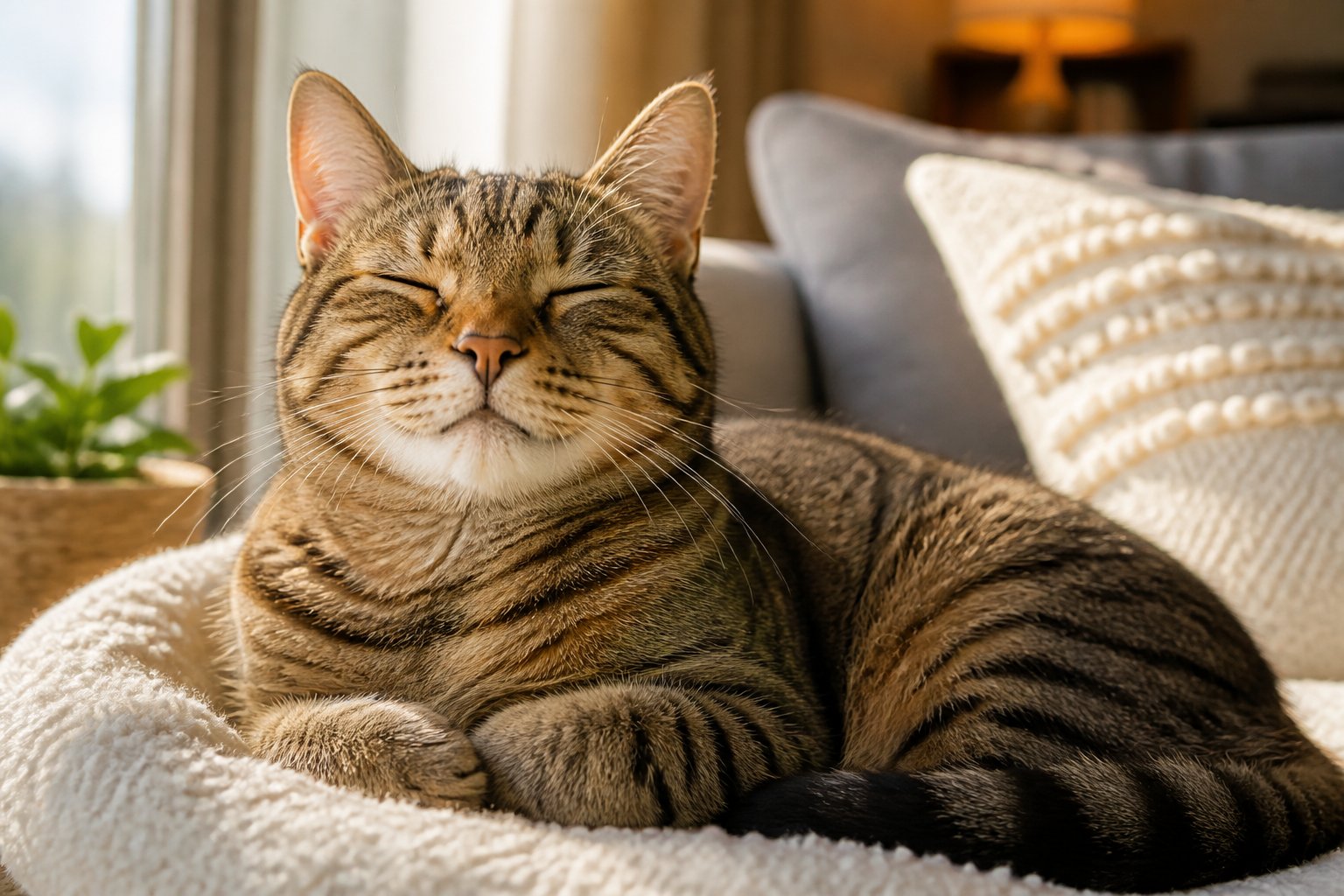
Cats express happiness differently than humans do, and understanding their unique body language helps you recognize when your cat feels content and bonded with you.
Do cats actually smile when they’re happy?
No, cats don’t smile to show happiness the way humans do. The shape of a cat’s mouth can make it look like they’re smiling even when their face is in a neutral position.
Sometimes you might see your cat holding its mouth open after sniffing something interesting. This is called the Flehmen response, and it helps them process scents better. It’s not a smile.
Cats don’t use facial expressions the same way people do to show joy. They have their own methods of communicating happiness through body language and behavior.
How can you tell if a cat is truly happy and feels safe?
Happy cats show relaxed body language with several clear signs. Your cat’s tail will be held upright or curved like a question mark at the tip. Their ears point forward, and their whiskers hang loosely rather than pulled back.
A content cat has a relaxed body posture with fur that lies flat instead of puffed up. They’ll engage in normal daily activities like eating regularly, using the litter box properly, and grooming themselves well.
Your cat will also show happiness through purring and kneading. They might chirp or trill at you. Happy cats stay curious about their environment and enjoy watching birds or other activity through windows.
What does it mean when a cat slow blinks at you?
Cats narrow their eyes and blink slowly when they feel happy and relaxed around you. This is one of the main ways they communicate contentment to their owners.
When your cat slow blinks at you, it’s a sign of trust and affection. You can slow blink back at them, and they’ll often respond with another slow blink. This creates a positive interaction between you and your cat.
Why don’t cats smile like dogs do?
Cats and dogs have different facial structures and communicate emotions in different ways. Cats rely on visual and auditory cues to express themselves rather than the mouth movements humans and dogs use.
Dogs have been bred to work closely with humans and developed more human-like facial expressions over time. Cats kept more of their independent nature and communicate primarily through body language, ear position, and tail movement.
Can a cat “smile” with its eyes closed or half-closed?
Yes, when your cat closes or half-closes their eyes around you, it’s actually a positive sign. Closed eyes or slow blinking indicates your cat feels relaxed and safe in your presence.
Soft, half-closed eyes show contentment and trust. A cat wouldn’t close their eyes around someone or something they felt threatened by. This expression is much more meaningful than a mouth-based smile would be.
What are the most reliable signs that a cat has bonded closely with you?
A bonded cat will seek out your company and want to be near you. They’ll follow you around the house and choose to sit or sleep close to you. Your cat might knead on you or nearby surfaces while purring.
Cats who feel bonded show consistent interaction with family members throughout the day. They’ll greet you when you come home and vocalize to communicate with you. Your cat might bring you toys or rub against your legs.
Grooming behavior is another strong sign of bonding. If your cat licks your hand or hair, they’re treating you like family. They might also head-bump you, which spreads their scent and marks you as part of their group.