Why Does My Cat Stare at Me? Understanding Feline Staring Behavior
You’ve probably caught your cat watching you with an intense, unblinking gaze and wondered what’s going through their mind. Cats stare at their owners to communicate different needs and emotions, ranging from affection and playfulness to hunger or even fear. When your cat stares at you, they’re usually trying to tell you something—whether it’s a request for attention, food, playtime, or a sign of how they’re feeling emotionally.
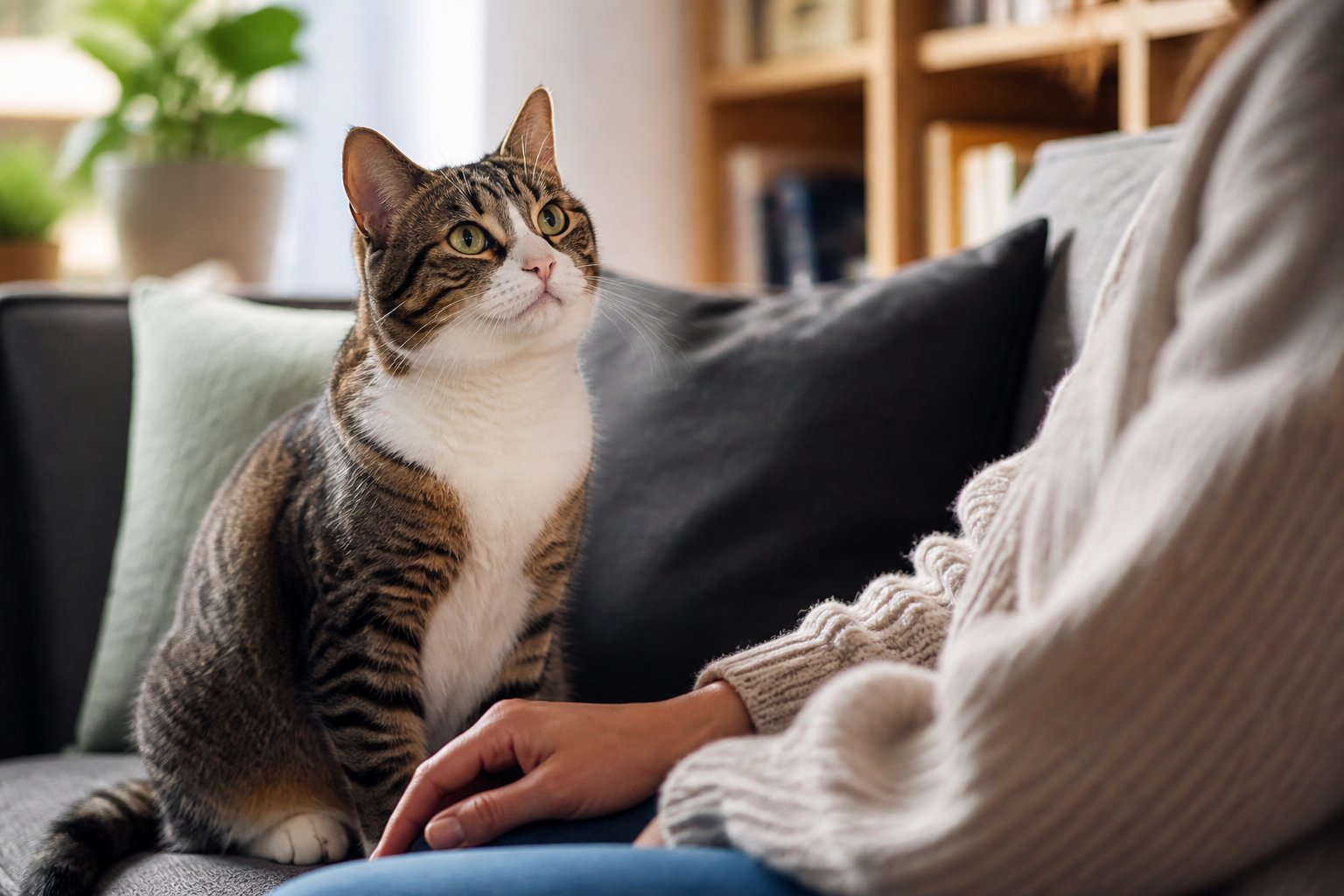
Understanding what your cat’s stare means requires looking at more than just their eyes. Their body language, including ear position, pupil size, and tail movement, gives you important clues about their message. Sometimes a stare is a loving slow blink that shows trust, while other times it signals they need space or feel uncomfortable.
Learning to read these different types of cat staring helps you respond in the right way and strengthen your bond with your pet. This guide breaks down the common reasons behind your cat’s stare, when you should be concerned, and how to react appropriately to each situation.
Interpreting Feline Staring: What Your Cat May Be Communicating
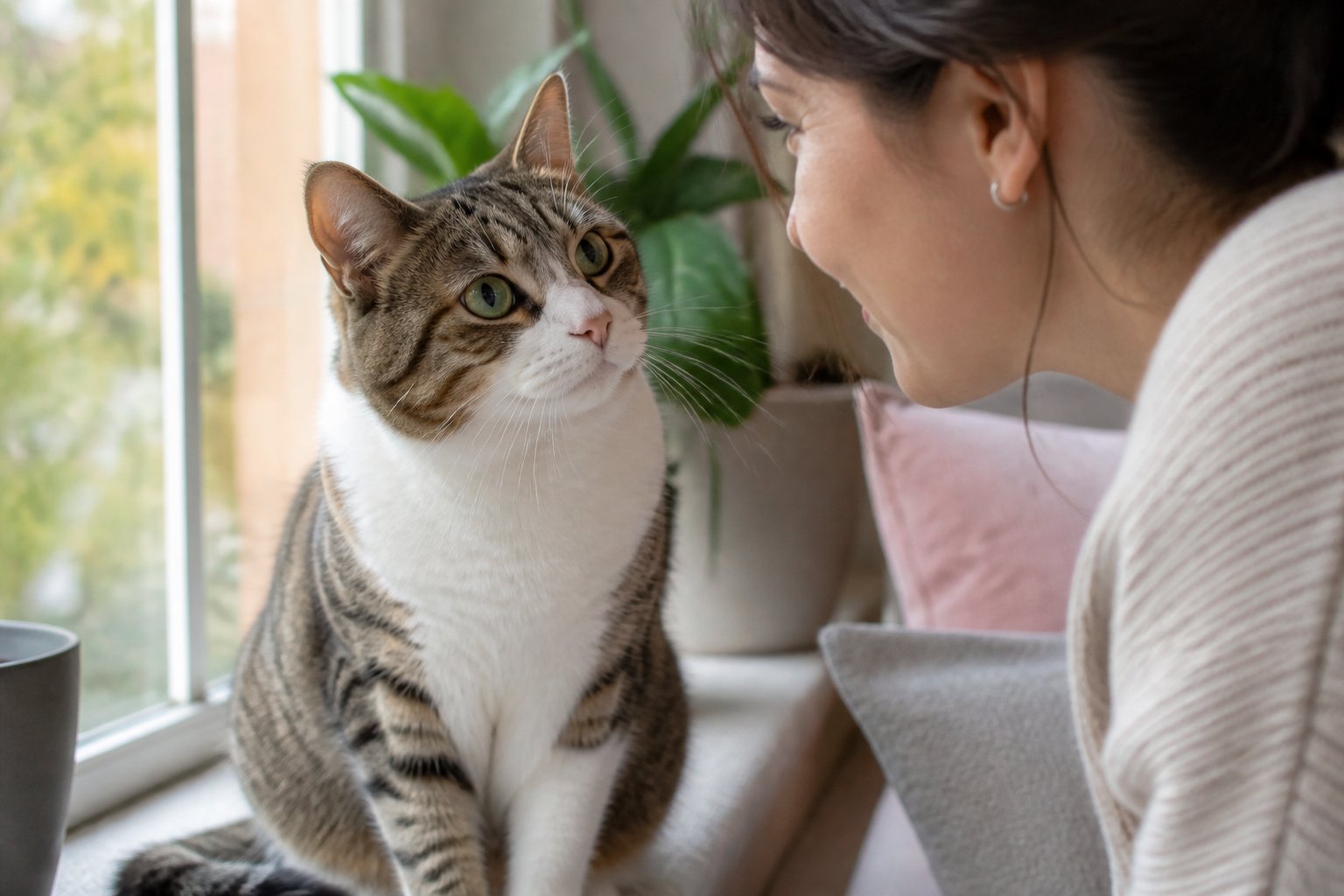
Cats use staring as a primary form of communication to express needs, emotions, and intentions. Understanding the type of eye contact, accompanying body signals, and duration of the gaze helps you decode what your cat is trying to tell you.
Communication Through Eye Contact
When your cat stares at you, they’re using one of their main tools for non-verbal communication. The intensity and style of the stare carries specific meanings.
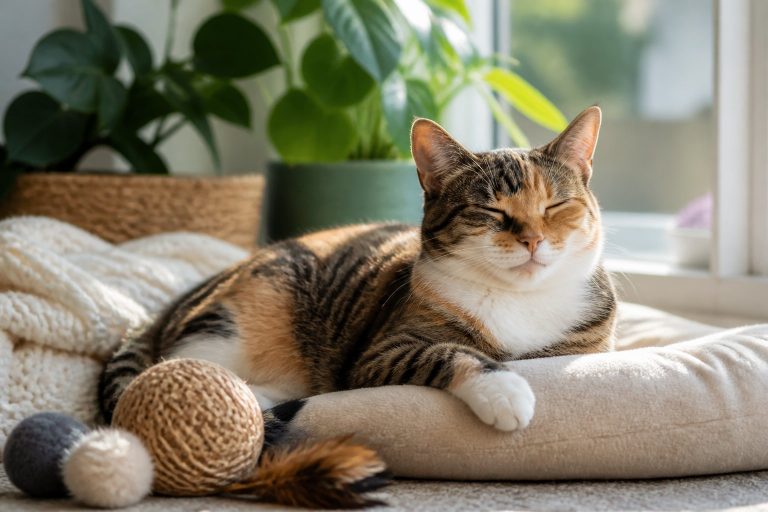
A soft, relaxed gaze with slow blinking shows affection and trust. This gentle eye contact means your cat feels safe and comfortable around you. You can respond by slowly blinking back to reinforce this bond.
A hard, unblinking stare signals something different entirely. This type of intense focus often means your cat wants something specific from you. They might be requesting food, attention, or playtime.
Staring is considered normal feline behavior and serves as a way for cats to observe their environment and interact with humans. The key is recognizing which type of stare you’re receiving.
Body Language and Context
Cat staring behavior becomes clearer when you examine what the rest of their body is doing. Multiple physical signals work together to reveal your cat’s true message.
Check your cat’s pupils first. Dilated pupils can indicate excitement, fear, or playfulness. Normal or constricted pupils usually mean calm observation or contentment.
Ear position provides important clues. Ears pointing forward show interest or curiosity. Ears pulled back or to the sides suggest fear or anxiety.
Look at their tail movement and body posture. A swishing tail with a crouched position often means play mode. A stiff, raised tail with fur standing up signals aggression or defensiveness. A relaxed body with a gently moving tail indicates contentment.
The context matters too. Staring near feeding time likely means hunger. Staring while you’re on the couch probably means they want attention.
Differences Between Stares and Glances
Understanding the difference between a prolonged stare and a quick glance helps you respond appropriately to your cat’s needs.
A glance is brief eye contact lasting just a second or two. Cats use quick glances to check on you or monitor their surroundings. These don’t usually require any response from you.
A stare involves sustained eye contact lasting several seconds or longer. This focused attention means your cat is actively trying to communicate something specific. The longer the stare, the more urgent or important their message.
Frequency also matters. Occasional staring is normal monitoring behavior. Constant or excessive staring might indicate a health concern, increased anxiety, or an unmet need that requires attention.
If your cat’s staring patterns change suddenly or if they stare more than usual while showing other concerning symptoms, contact your veterinarian to rule out medical issues.
Common Reasons Behind Cat Staring
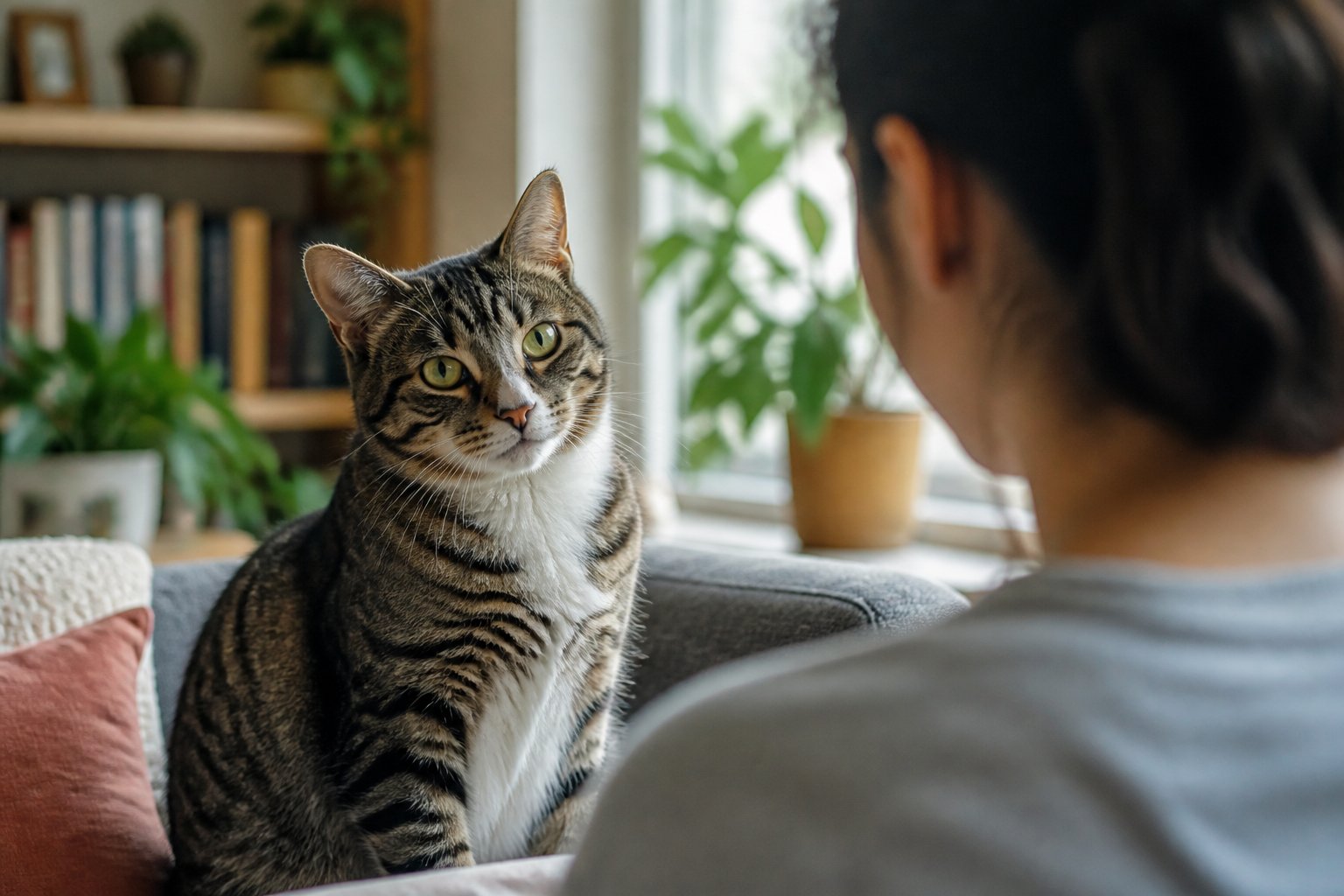
Cats stare at their owners for several distinct reasons, ranging from basic needs like hunger to more complex social behaviors. Understanding these motivations helps you respond appropriately when your cat locks eyes with you.
Attention-Seeking Motives
Your cat may stare directly at you when they want your attention. This is one of the most frequent explanations for why cats stare at their owners.
Once your cat catches your eye, they often follow up with additional signals. They might meow softly, slow blink, or rub against nearby furniture. Some cats will roll over on their back or approach you directly.
This staring behavior works because cats learn that making eye contact gets results. When you respond positively, you reinforce the behavior. Your cat remembers that staring leads to petting, playtime, or interaction.
The intensity of the stare usually matches how badly your cat wants attention. A casual glance differs from a prolonged, unwavering gaze accompanied by vocalizations.
Requests for Food or Treats
Food-related staring is particularly common around regular feeding times. Your cat associates you with meals and knows exactly when breakfast or dinner should arrive.
Many cats will stare intently during human mealtimes hoping to receive a bite of your food. They position themselves near you and maintain steady eye contact while you eat. Some cats add meowing or paw taps to make their desires clearer.
You might notice your cat staring and then walking toward their food bowl or where you store their food. This direct communication shows they’ve connected you with meeting their needs.
Common food-related staring behaviors:
- Standing near empty food bowls while looking at you
- Following you to the kitchen with persistent eye contact
- Staring while sitting near feeding areas
- Intensifying the gaze as mealtime approaches
Curiosity and Observing Owners
Cats are naturally curious creatures who spend time studying their environment. When cat staring behavior involves curiosity, your cat is simply watching what you’re doing.
Your movements, sounds, and activities fascinate your cat. They observe you working, cooking, or moving around the house. This observation helps them learn your routines and predict your behavior.
Your cat might stare while you perform unfamiliar actions or use new objects. They’re gathering information about potential threats or opportunities. This watchful behavior stems from their instinct to monitor their territory.
Sometimes your cat stares simply because you’re the most interesting thing in the room. Your presence provides entertainment and mental stimulation for them.
Playfulness and Hunting Instincts
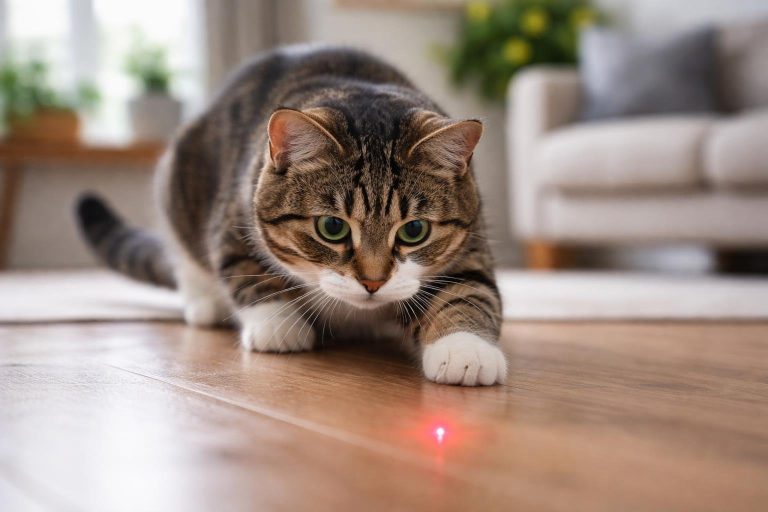
A playful stare looks different from other types of cat staring. Your cat might crouch low with dilated pupils and a swishing tail. This posture mimics their hunting stance.
Cats practice hunting behaviors on their owners because you’re a safe target. The stare precedes a pounce at your feet or a sudden sprint across the room. Some cats will perform mock attacks, veering off before making contact.
Signs of playful staring:
- Dilated pupils showing excitement
- Tail swishing back and forth rapidly
- Crouched body position ready to spring
- Sudden movements or direction changes
When you notice these signs of play solicitation, respond with interactive toys rather than your hands or feet. Cat wands and feather toys satisfy their hunting drive safely. This type of staring means your cat has energy to burn and wants to engage with you through play.
Staring for Affection: Signs of Trust and Love
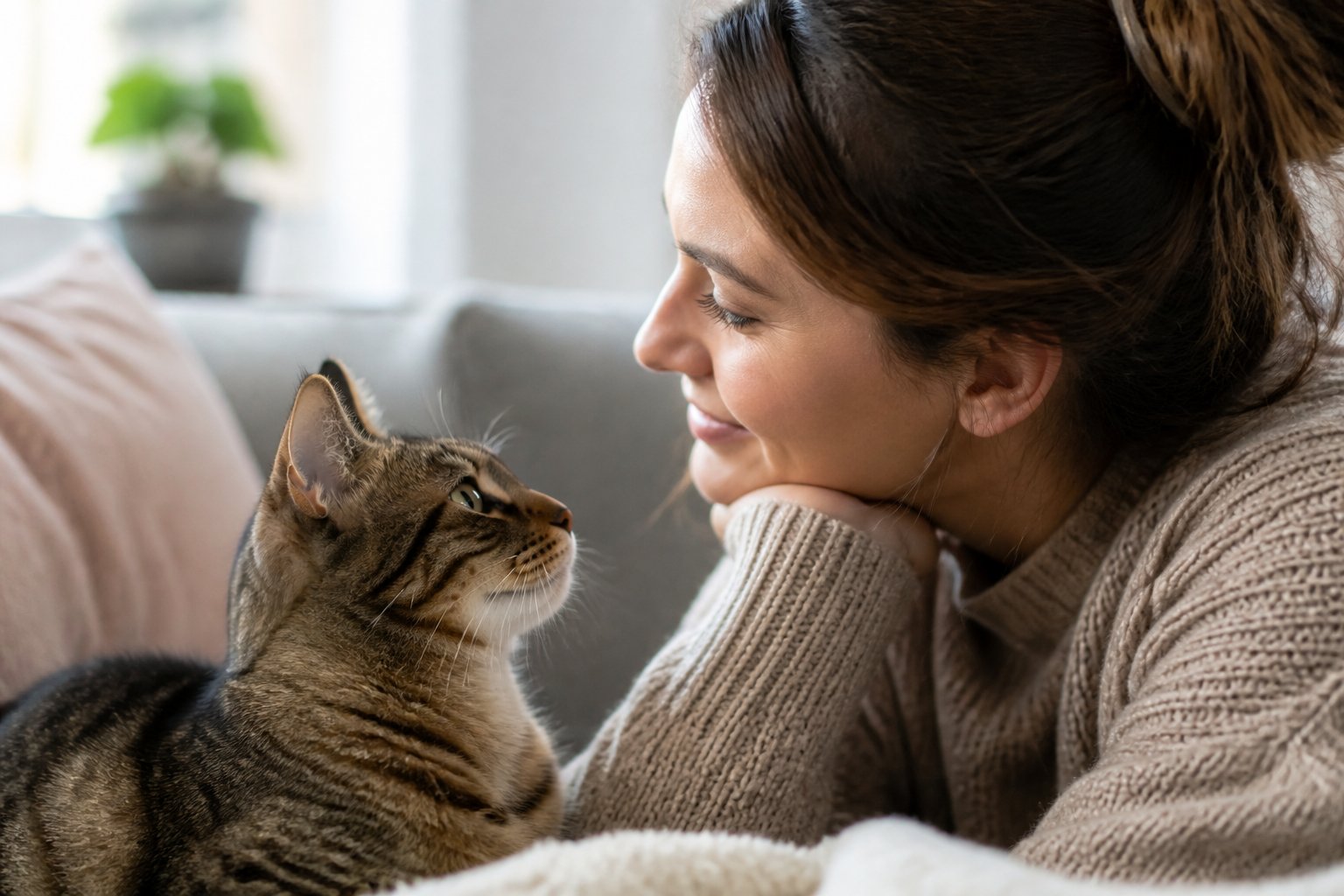
When your cat makes eye contact and blinks slowly at you, they’re expressing deep comfort and affection. This type of staring looks different from other cat staring behavior because it comes with relaxed body language and deliberate blinking.
The Meaning of Slow Blinks and Cat Kisses
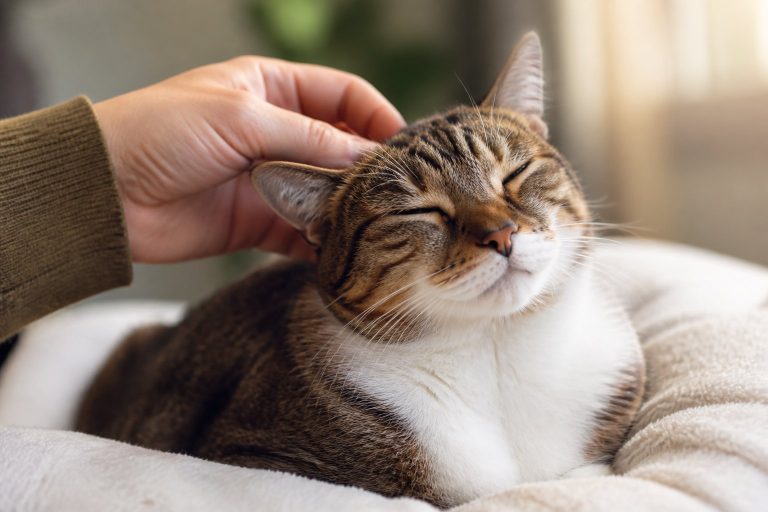
A slow blink from your cat is often called a “cat kiss” because it shows genuine affection. When cats perform soft blinks while staring, they’re telling you that they feel safe around you. The act of closing their eyes in your presence means they trust you completely.
You can tell this is an affectionate stare because your cat’s body will look calm and loose. Their ears point forward or slightly to the side. Their tail stays still or moves gently.
The cat kiss happens when your cat stares at you and then slowly closes their eyes for a moment before opening them again. This differs from a regular blink because it’s much slower and more deliberate. Some cats will do multiple slow blinks in a row.
Mutual Bonding Through Eye Contact
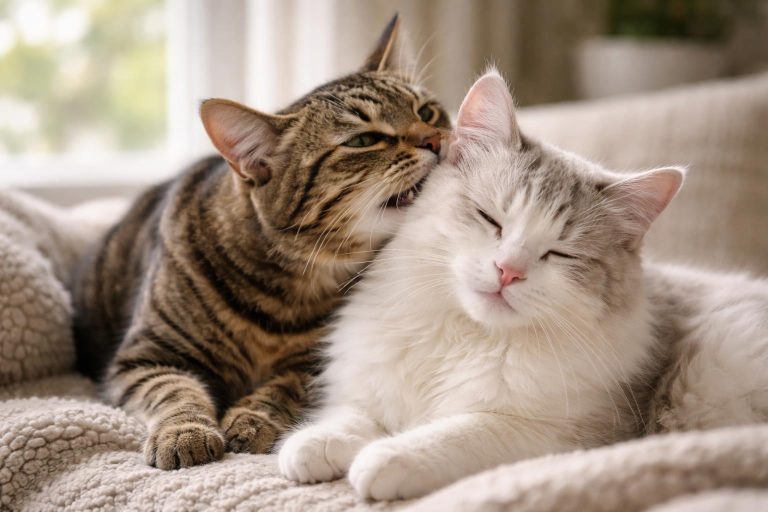
You can strengthen your bond with your cat by returning their affectionate gaze. When your cat stares at you with relaxed body language, make eye contact and give them a slow blink back. This shows your cat that you understand their message and feel the same way.
Making eye contact voluntarily indicates the cat’s feelings for you because it shows they feel comfortable enough to close their eyes around you. Many cats will approach you for pets or cuddles after exchanging slow blinks.
This type of communication builds trust between you and your cat. Regular eye contact sessions with slow blinks create a positive feedback loop. Your cat learns that staring at you leads to good interactions and deeper connection.
When Cat Staring Indicates Stress or Discomfort
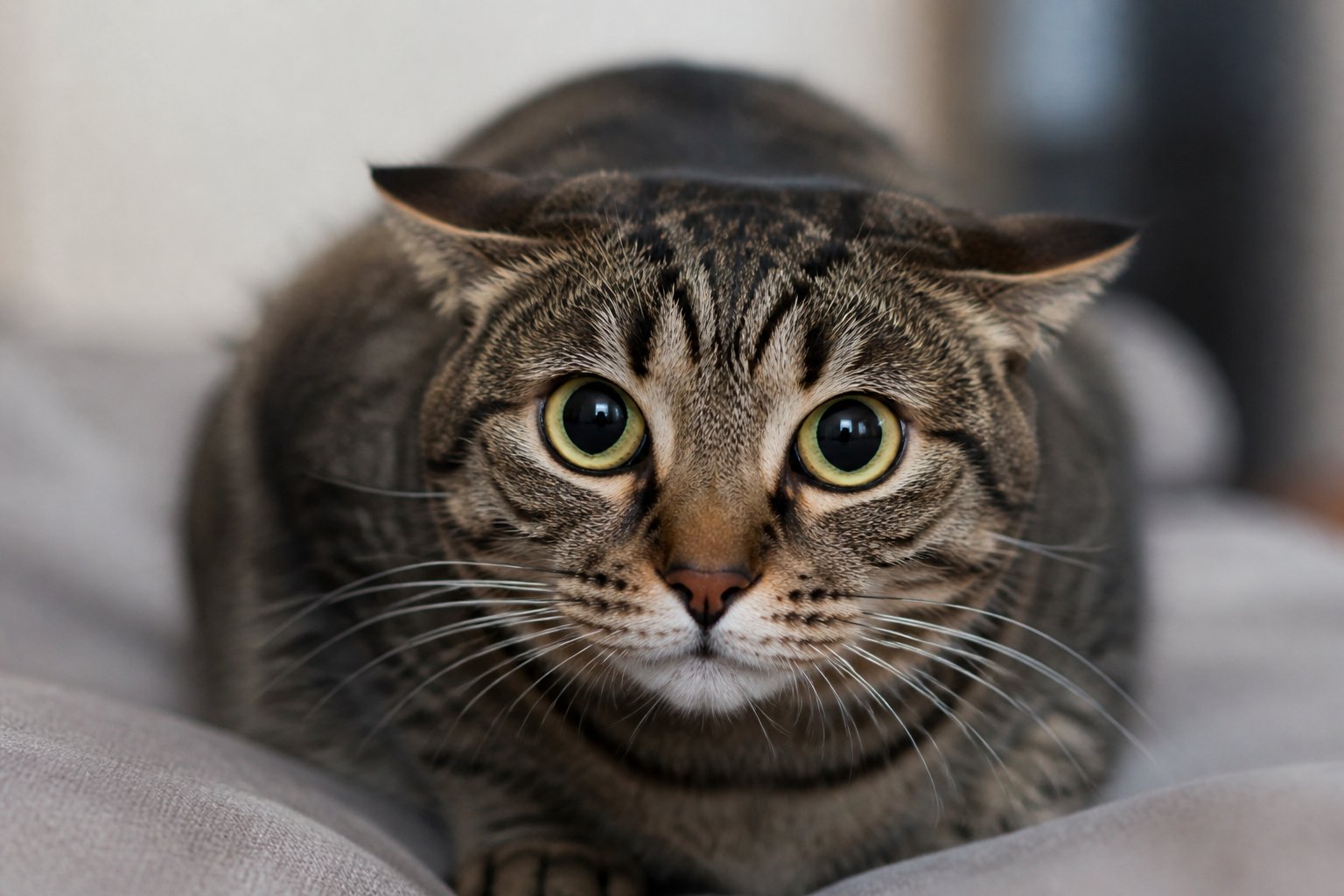
Not all cat staring is friendly or harmless. Sometimes when your cat stares at you, they’re experiencing fear, anxiety, or aggression. Learning to spot the difference between a relaxed stare and a stressed one helps you respond correctly and keep both you and your cat safe.
Recognizing Signs of Fear or Anxiety
When cat staring behavior signals fear, your cat is watching something that makes them uncomfortable. A scared cat stares to keep track of what’s worrying them.
Look for these body language signs:
- Dilated pupils that appear large and round
- Ears pulled back or flattened to the sides
- Lowered head close to the body
- Crouched position with the body low to the ground
- Raised fur along the back or tail
Your cat might stare like this after a loud noise or sudden movement. They could also remember a bad experience and feel anxious when something reminds them of it.
Give your cat space when you see these signs. Don’t make direct eye contact, move slowly, and back away at least 5 feet. Avoid trying to touch or talk to your cat until they calm down.
Staring as a Display of Aggression
An aggressive stare looks different from other types of cat stares at you. The cat gives a hard, unblinking look paired with tense body language. This stare is a warning that an attack may happen if the other person or animal doesn’t back off.
Watch for these aggressive signals:
- Stiff, tense body with no relaxed movements
- Unblinking eyes that don’t break contact
- Fur standing up along the back and tail
- Growling or hissing sounds
- Tail held stiff or lashing back and forth
When you see this type of stare, look away immediately and give your cat distance. Don’t approach them or make sudden movements. Once you’re far enough away, try tossing a toy to redirect their attention to something else.
Medical Causes: When to Worry About Repetitive Staring
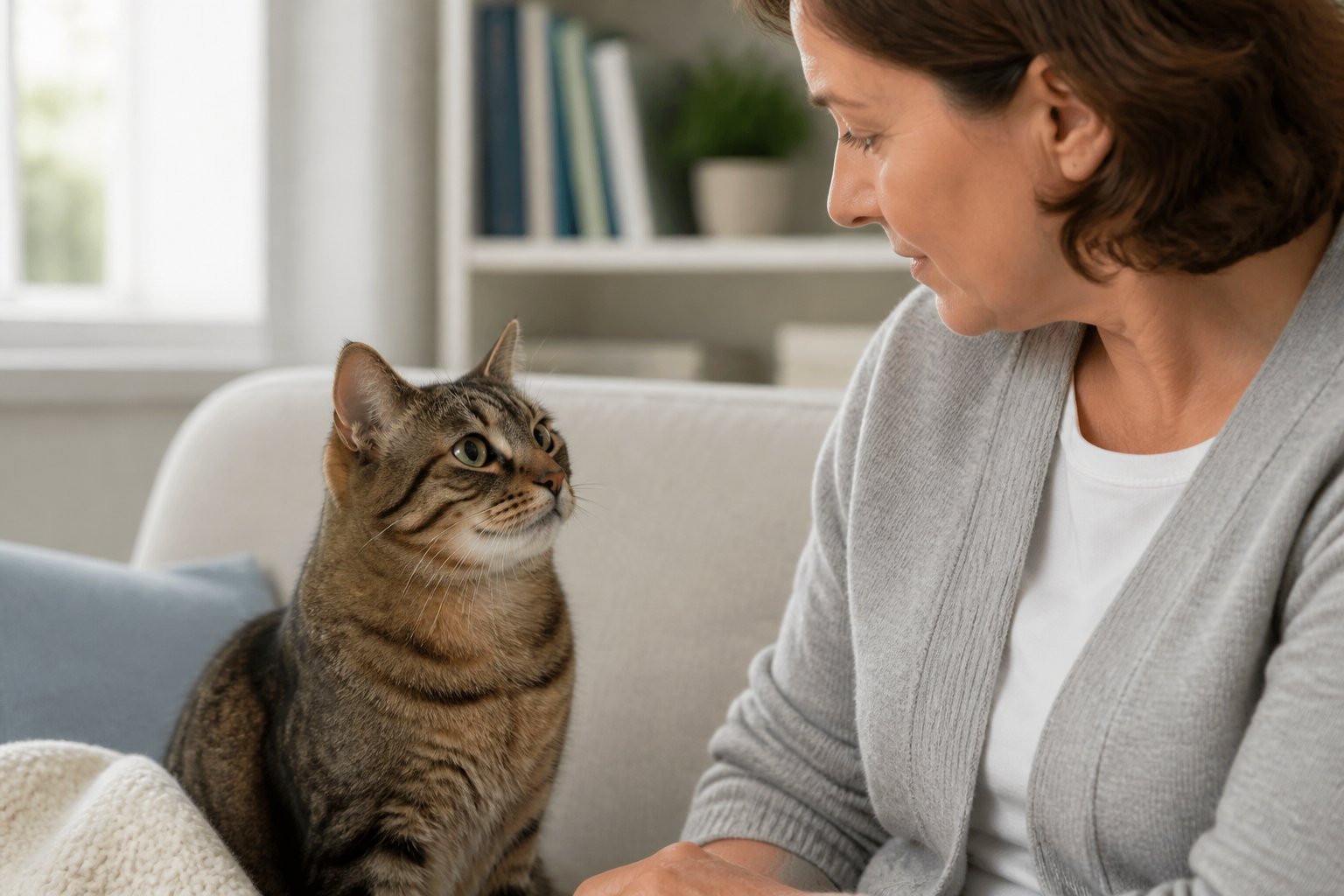
While most cat staring behavior is normal, certain health problems can cause unusual or excessive staring. High blood pressure, neurological issues, and vision problems may change how your cat looks at you.
Potential Underlying Health Issues
Several medical conditions can affect your cat’s eyes and staring patterns. High blood pressure can cause dilated pupils that stay wide even in bright light. This makes your cat’s stare appear more intense or unusual.
Hyperthyroidism is another concern in older cats. This condition speeds up your cat’s metabolism and can make them more alert or anxious. You might notice your cat staring more often or with a different quality than before.
Vision loss can also change cat staring behavior. Cats losing their sight may stare in your direction to track you by sound or smell instead of sight. Their gaze might seem unfocused or directed past you rather than at you.
Neurological problems like cognitive dysfunction in senior cats can cause disorientation. Your cat might stare at walls, into space, or at you without seeming to recognize what they’re looking at.
Changes in Staring Patterns and When to Seek Help
You should contact your veterinarian if your cat’s staring habits suddenly change. Watch for these warning signs:
- Staring accompanied by confusion or disorientation
- Dilated pupils that don’t respond to light changes
- Excessive meowing or vocalization while staring
- Loss of balance or coordination
- Decreased appetite or weight loss
- Lethargy or reduced activity levels
Pay attention to when the staring happens and what else your cat is doing. If your cat stares blankly at walls or seems to look through you rather than at you, this needs medical evaluation. Staring paired with aggression, hiding, or other behavior changes also warrants a vet visit.
How to Respond: The Dos and Don’ts of Cat Eye Contact
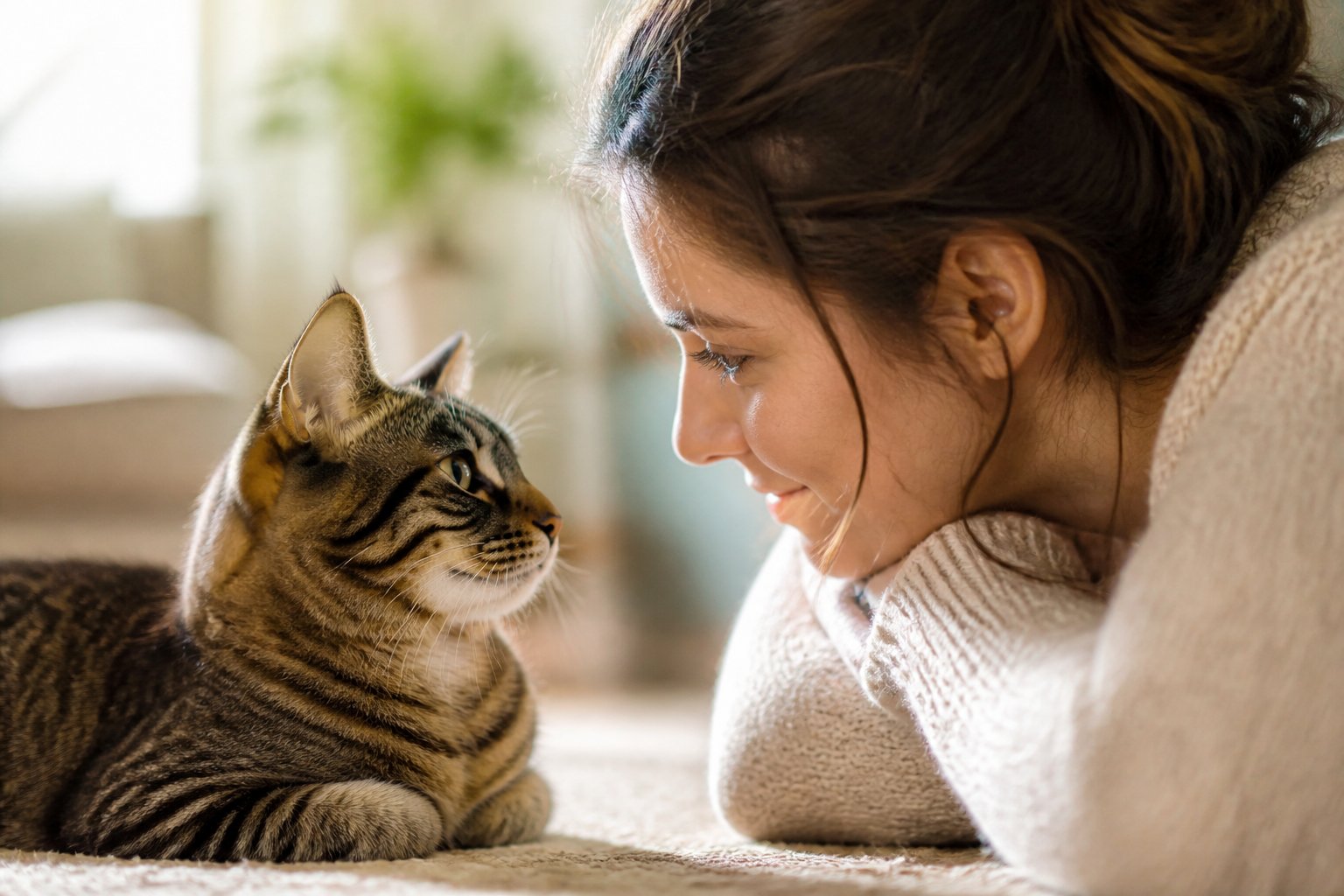
Your response to a staring cat should change based on their body language and what they’re trying to tell you. Reading their signals correctly helps you know when to engage and when to back away.
Should You Stare Back at Your Cat?
You should not stare back at your cat with a hard, direct gaze. In the cat world, prolonged staring signals a challenge or threat. A steady, unblinking stare can make your cat feel uncomfortable or defensive.
Instead, you can return their gaze with soft blinks. This slow blinking tells your cat you feel safe and relaxed around them. Many cats will blink back at you, which shows trust and affection.
If your cat stares with dilated pupils, flattened ears, or a puffed tail, avoid eye contact completely. Look away and give them space. These signs mean your cat feels scared or threatened, and staring back will only make things worse.
Positive Ways to Engage With Your Cat
When your cat stares at you with relaxed body language, you can respond positively. Look for signs like slow blinking, meowing, or rolling over that show they want attention.
You can try these engagement methods:
- Slow blink back to show affection
- Talk softly to acknowledge them
- Offer gentle petting if they approach
- Grab a toy if their pupils are dilated and tail is swishing
- Check their food bowl if they stare near feeding time
Pay attention to what happens after the staring. If your cat walks toward their food bowl or brings you a toy, they’re telling you exactly what they want. Responding to these clear signals strengthens your bond.
When to Give Your Cat Space
Some cat staring behavior requires you to back off immediately. A hard, unblinking stare with stiff body language means the cat needs distance.
Watch for these warning signs:
- Ears pulled back or to the sides
- Fur standing up along the back or tail
- Low, crouched body position
- Growling or hissing sounds
- Wide pupils with a tense face
When you see these signals, avert your eyes and stay still. Take a few steps backward to create at least 5 feet of space. Don’t try to pet, talk to, or approach the cat. You can toss a toy to the other side of the room to redirect their focus away from whatever is bothering them.
Frequently Asked Questions
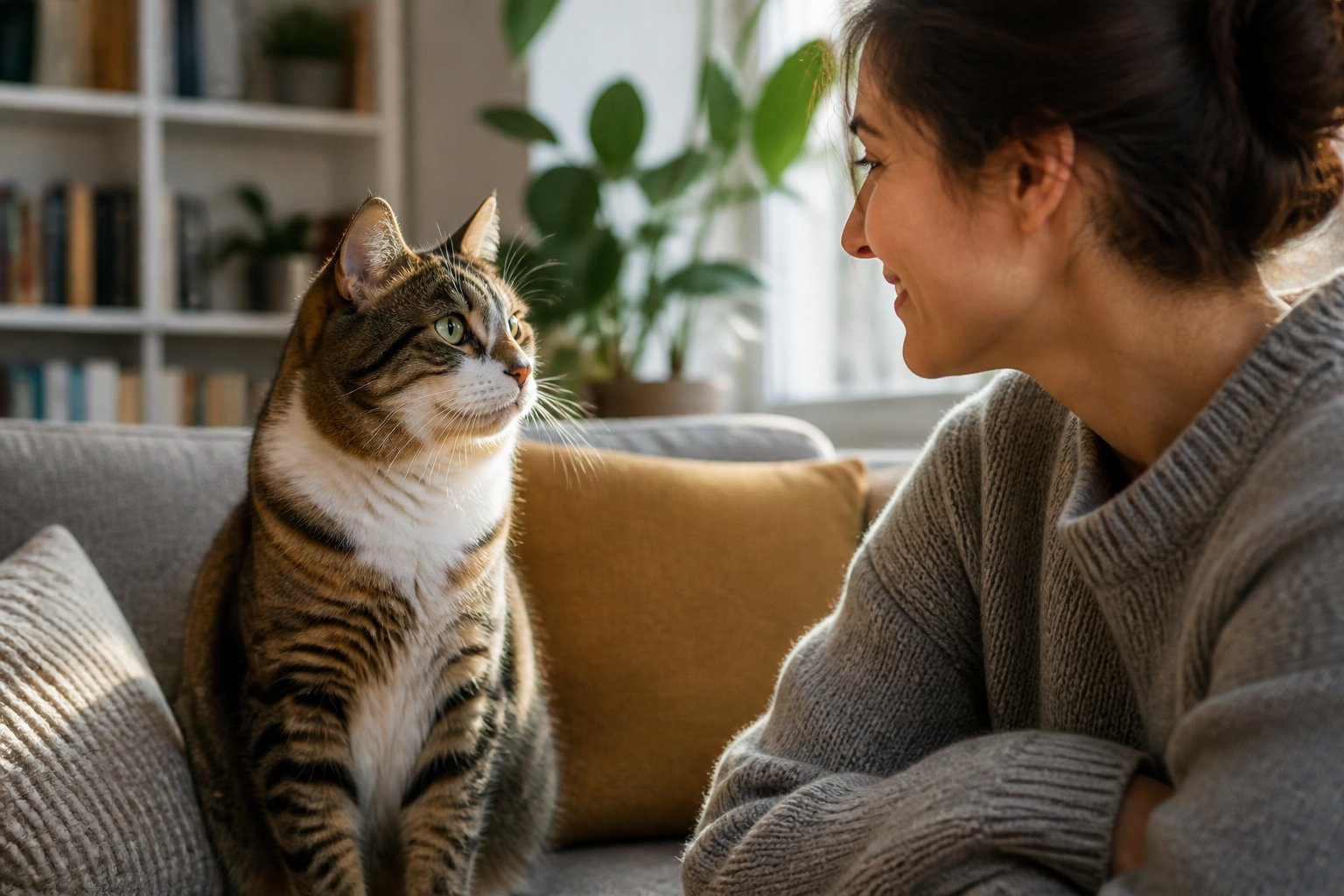
Cats stare for different reasons depending on their location, body language, and what they’re doing at the time. The position of their pupils, blinking patterns, and whether they’re comfortable on your lap all provide clues about what your cat is trying to communicate.
Why does my cat stare at me from across the room?
When your cat stares from a distance, they’re often trying to get your attention for a specific reason. They might be hungry and want you to feed them. They could also want to play or just spend time with you.
Some cats stare from across the room because they’re observing you and learning your habits. Cats are naturally curious animals that like to watch their environment.
If your cat seems tense or has their ears pulled back while staring from far away, they might feel uncertain or scared. Give them space and let them approach you when they’re ready.
What does it mean when my cat stares at me with wide pupils?
Wide or dilated pupils during staring can mean several different things. Your cat might be excited and ready to play, especially if their tail is swishing and their body is crouched low.
Dilated pupils can also signal fear or anxiety. Look at the rest of your cat’s body language to understand their mood better.
If your cat’s pupils are wide and they’re staring intensely with stiff body posture, they might feel threatened. This type of stare can be a warning before aggressive behavior.
Why does my cat stare at me without blinking?
A hard, unblinking stare often signals aggression or a warning. Your cat is telling you or another animal to back away. This type of stare usually comes with other tense body language like raised fur and stiff posture.
If you see an unblinking stare, give your cat more space. Don’t try to pet them or make direct eye contact.
Some cats might stare without blinking simply because they’re focused on something that caught their attention. Check if they’re looking at a bug, a shadow, or movement outside.
Why does my cat stare at me while sitting on my lap?
When your cat stares at you from your lap, it’s usually a positive sign. They feel safe and comfortable with you. This type of staring often comes with slow blinking, which is a sign of affection.
Your cat might also be asking for pets or attention while on your lap. They may start purring or gently touching you with their paw.
Some cats stare from your lap because they’re content and relaxed. They’re simply enjoying your company and warmth.
Why does my cat stare at me as he’s falling asleep?
Cats often stare at their owners while drifting off to sleep because they trust you. Making eye contact as they fall asleep shows they feel safe in your presence. This behavior demonstrates a strong bond between you and your cat.
Your cat might also be fighting sleep and trying to stay alert to what you’re doing. Cats are naturally alert animals, and some find it hard to fully relax even when tired.
The stare might include slow blinks as your cat gets drowsier. This is normal behavior and nothing to worry about.
Is there any spiritual or symbolic meaning behind a cat staring at you?
There is no scientific evidence to support spiritual or symbolic meanings behind cat staring. Cats stare for practical reasons related to communication, observation, and expressing their needs.
Different cultures have various beliefs about cats and their behavior. Some people think cats can sense energy or emotions. These beliefs are based on tradition and personal interpretation rather than facts.
The real reasons cats stare are rooted in their natural instincts and behavior patterns. Understanding cat body language helps you respond appropriately to their needs.