Author: lethanhvu

  • Cat Love Bites: Understanding Your Feline’s Affectionate Behavior

    Cat Love Bites: Understanding Your Feline’s Affectionate Behavior

    Your cat gently nibbles on your hand during a petting session, leaving you wondering whether it’s affection or aggression. This common feline behavior confuses many cat owners who struggle to interpret what their pet is trying to communicate. Understanding the difference between a playful nip and a warning bite helps you build a stronger bond with your cat.
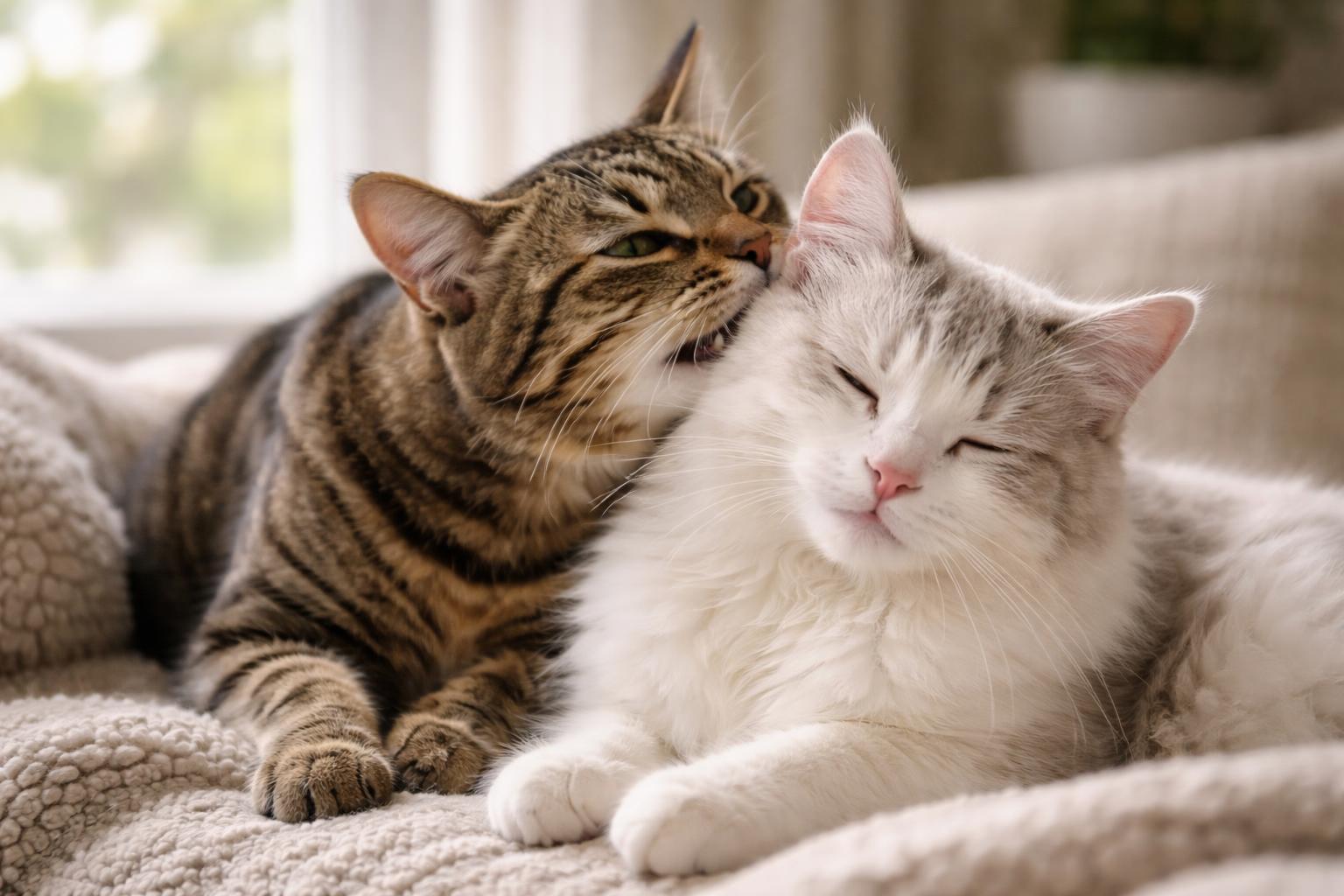
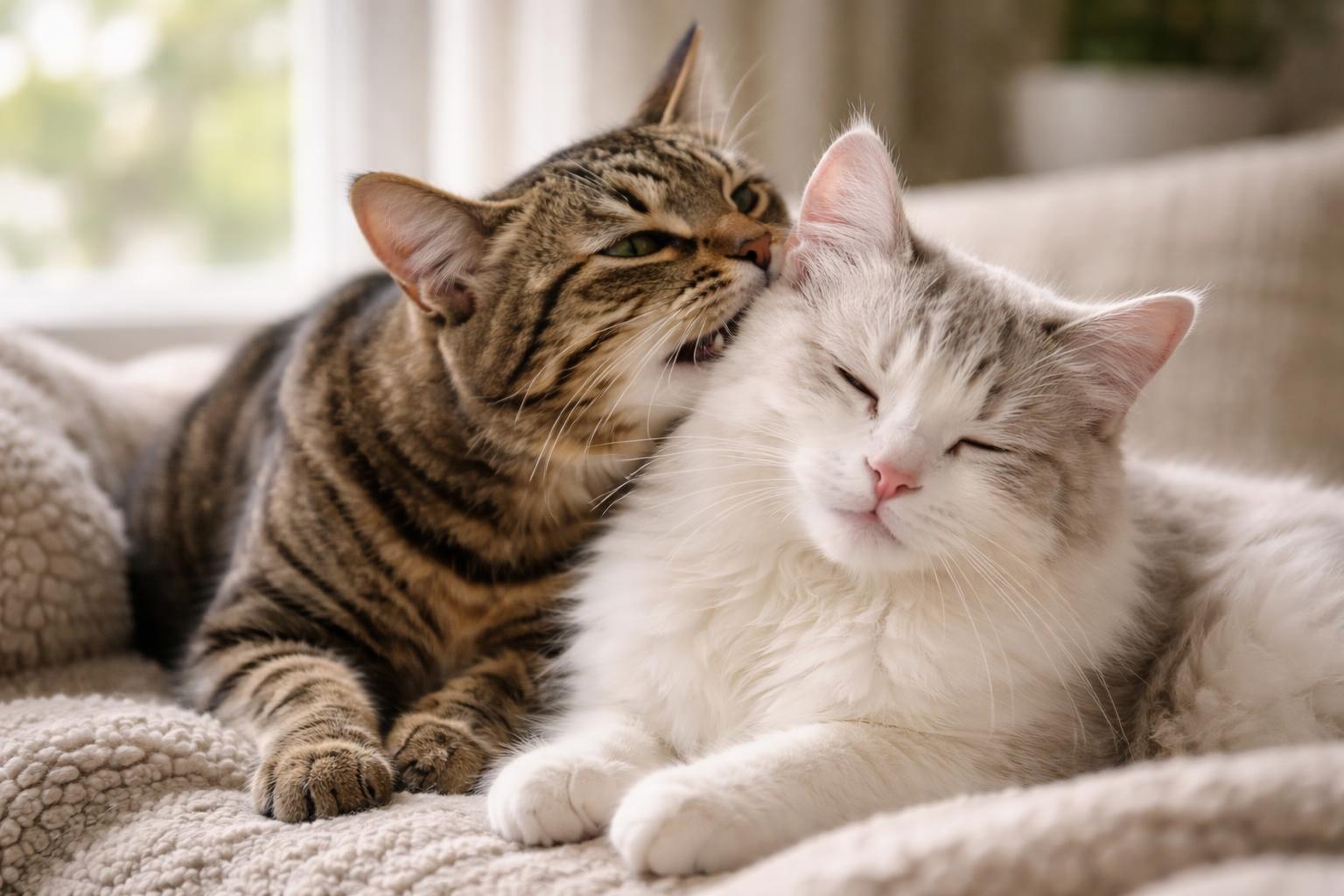
    Two cats sitting close together, one gently nibbling the other's ear in a loving manner.

    Cat love bites are gentle nibbles that typically don’t break the skin and serve as a form of communication expressing affection, playfulness, or mild overstimulation. These bites differ from aggressive biting because they lack violent undertones and occur during moments of interaction rather than sudden attacks. Your cat uses these gentle nips to express various emotions and needs.

    Learning to read your cat’s body language and respond appropriately transforms confusing moments into opportunities for better communication. Recognizing why cats give love bites allows you to meet their needs while setting healthy boundaries. This guide covers everything you need to know about interpreting, responding to, and managing this unique feline behavior.

    Key Takeaways

    • Cat love bites are gentle nibbles used for communication that typically don’t break skin and differ from aggressive bites
    • Reading your cat’s body language helps you recognize early warning signs of overstimulation before biting occurs
    • Responding calmly and redirecting behavior with toys helps prevent unwanted nipping while maintaining your bond

    What Are Cat Love Bites?
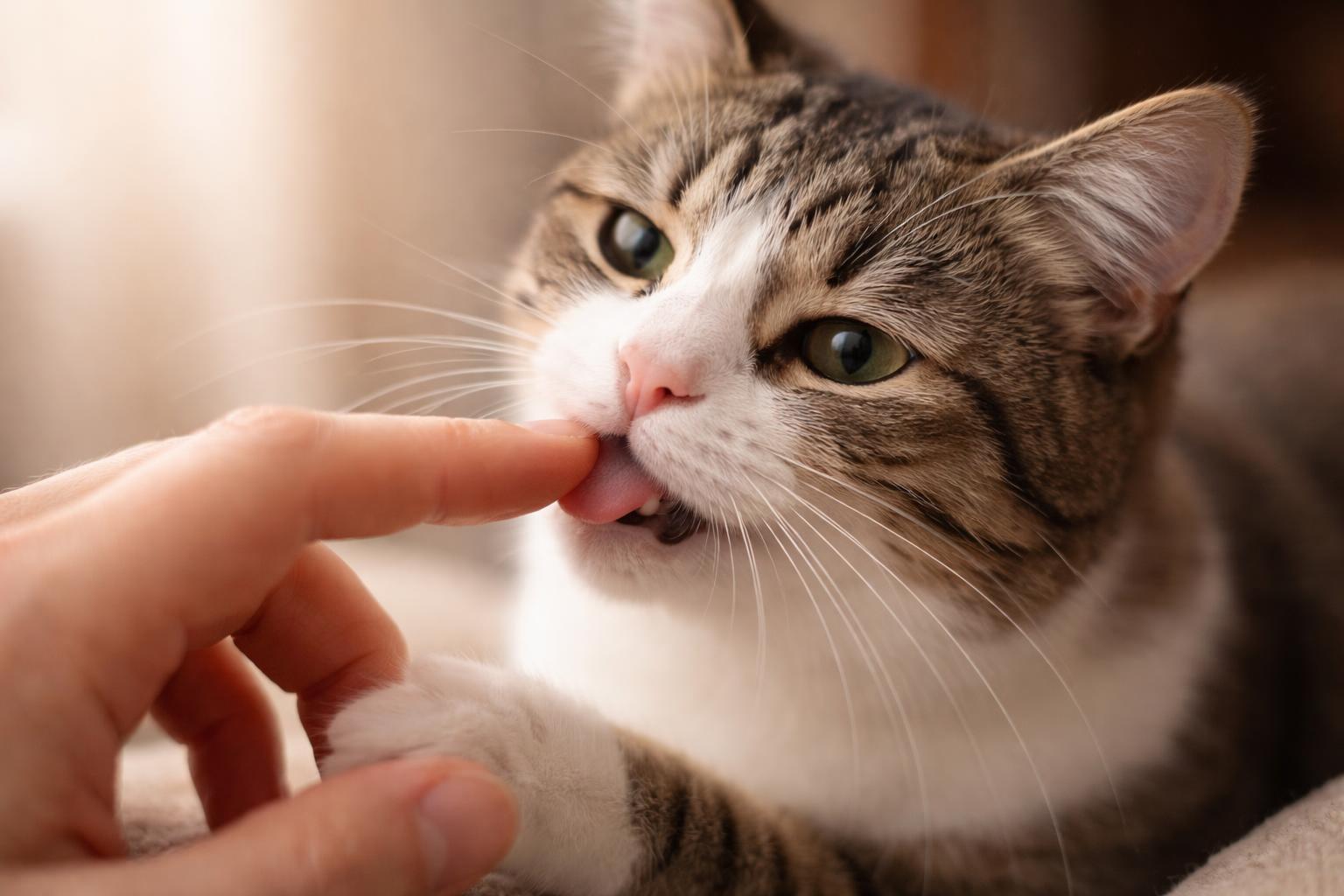
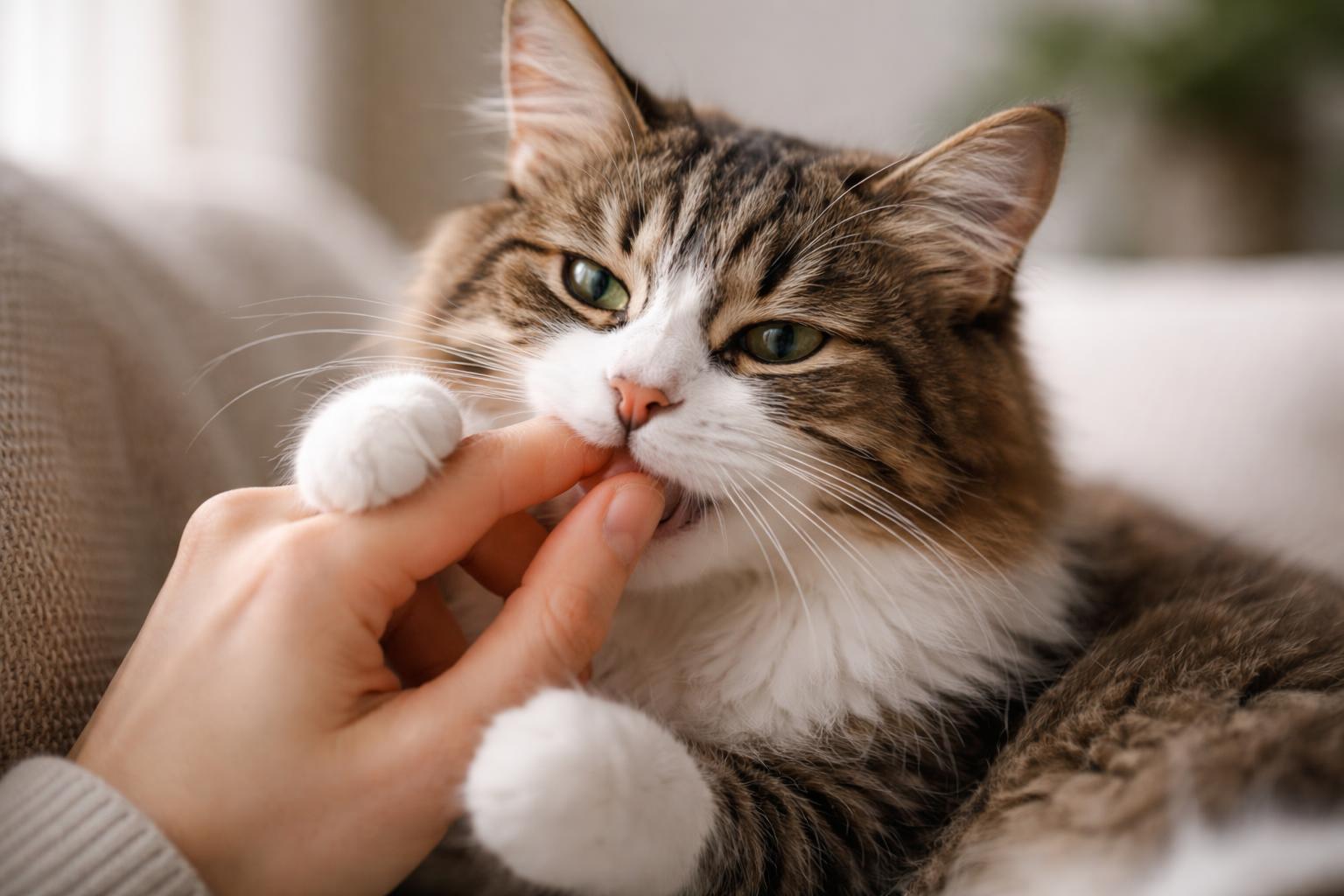
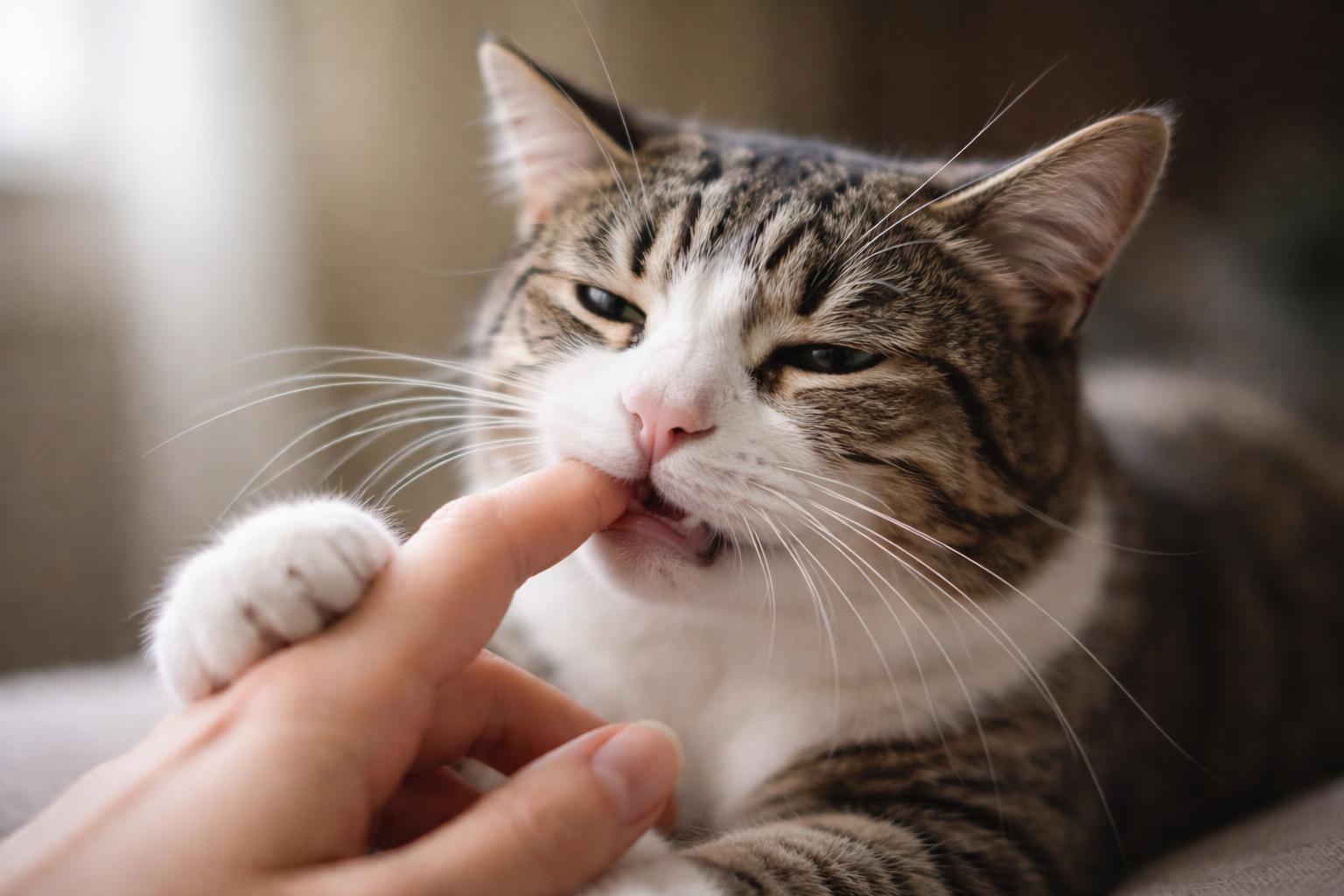
    A cat gently nibbling a person's finger in a calm and affectionate manner.

    Cat love bites are gentle, controlled nibbles that cats give to their human companions as a form of communication and affection. These behaviors differ significantly from aggressive biting through their intensity, context, and accompanying body language.

    Definition and Characteristics

    A cat love bite is a soft, gentle nip that your cat gives you, typically without breaking the skin or causing pain. These typically harmless nips occur when your cat uses their teeth to lightly grasp your skin, usually on your hand, arm, or finger.

    The pressure applied during cat nipping is considerably lighter than aggressive biting. Your cat controls the force of their jaw, creating a pinching sensation rather than a painful bite. The duration is brief, lasting only a second or two.

    Cat love bites commonly happen during petting sessions, grooming behaviors, or when your cat is showing affection. You might notice these gentle nibbles when your cat is purring, kneading, or rubbing against you. The behavior often appears alongside other signs of contentment and bonding.

    Signs and Body Language of Cat Love Bites

    When giving love bites, your cat displays relaxed and comfortable body language. Their ears point forward or slightly to the side, and their tail remains calm without aggressive thrashing or puffing.

    Your cat’s pupils stay normal-sized rather than dilated, and their whiskers point forward in a neutral position. The body appears loose and relaxed, not tense or crouched. You may observe:

    • Slow blinking
    • Purring before, during, or after the nip
    • Kneading with their paws
    • Head bunting or rubbing
    • A softly curved or upright tail

    The context matters significantly. Understanding cat love bites requires observing when they occur—usually during calm, affectionate interactions rather than play or startled moments.

    Cat Love Bites vs. Aggressive Biting

    Aggressive biting differs dramatically from love bites in intensity, intent, and physical presentation. Aggressive bites apply significant pressure, often breaking skin and causing pain or bleeding. Your cat may latch on rather than quickly releasing.

    The body language during aggressive versus affectionate biting tells you everything you need to know. Aggressive cats show flattened ears, dilated pupils, a lashing or puffed tail, and a tense, rigid body. They may hiss, growl, or yowl.

    Aggressive bites typically happen when your cat feels threatened, overstimulated, or territorial. The bite often comes with scratching using their claws. In contrast, cat love bites occur during positive interactions without these warning signs or defensive behaviors.

    Key differences:

    Love Bites Aggressive Bites
    Gentle pressure Hard, painful pressure
    Relaxed body Tense, defensive posture
    Forward ears Flattened ears
    Calm tail Thrashing or puffed tail
    During affection During fear or irritation

    Why Do Cats Give Love Bites?

    A close-up of a cat gently nibbling on a person's hand, showing a loving interaction between them.

    Cats give love bites for several distinct reasons, ranging from expressing affection and bonding to signaling overstimulation or seeking your attention. Understanding these gentle nips helps you interpret what your cat is communicating and respond appropriately.

    Affection and Bonding Behavior

    When cats groom each other in the wild, they use both their tongues and teeth to strengthen social bonds. Your cat may give you gentle nibbles as a form of grooming behavior, treating you like a member of their family group. These affectionate bites typically occur after licking or during calm, relaxed moments together.

    Cats learn this behavior from their mothers and littermates during kittenhood. The gentle pressure mimics how cats interact with trusted companions. When your cat bites you gently during cuddle sessions, they’re likely showing trust and comfort with your presence.

    This type of love bite rarely breaks the skin and feels more like a soft pinch than an aggressive action. You might notice your cat’s body language remains relaxed, with slow blinks, purring, or kneading accompanying the nip.

    Petting Induced Aggression and Overstimulation

    Cats have a threshold for physical touch, and petting-induced aggression occurs when you exceed that limit. Your cat may initially enjoy being stroked but become overwhelmed by the repetitive sensation. The gentle bite serves as a clear “stop” signal before the situation escalates.

    Watch for warning signs before the bite happens. Your cat’s tail may start twitching rapidly, their ears might flatten slightly, or their skin could ripple along their back. These indicators tell you they’ve reached their tolerance level.

    Certain areas trigger overstimulation faster than others. The belly, base of the tail, and lower back are particularly sensitive spots. Some cats tolerate only brief petting sessions, while others enjoy extended contact depending on their individual preferences and mood.

    Attention-Seeking and Playful Nipping

    Cats use nipping to get your attention when they want something specific from you. Your cat might bite gently to remind you about dinner time, request playtime, or simply demand interaction. This behavior often works because most people immediately respond to the nip.

    Playful love bites differ from aggressive bites in several ways:

    • Pressure: Light and controlled rather than forceful
    • Context: Occurs during active or social moments
    • Body language: Relaxed posture with playful energy
    • Repetition: May happen multiple times in quick succession

    Young cats and kittens display this behavior more frequently as they explore boundaries and learn appropriate play. If your cat combines nipping with running, pouncing, or bringing you toys, they’re likely inviting you to engage in play.

    Comfort, Grooming, and Kittenhood Habits

    Cats carry grooming behaviors from kittenhood into adulthood, and some individuals retain nursing-related habits throughout their lives. When your cat gently bites while kneading or purring, they may be reverting to comforting behaviors learned as kittens. This often happens when they feel particularly safe and content.

    During mutual grooming sessions between cats, small bites help remove debris, untangle fur, and reach difficult spots. Your cat might nibble your fingers, hair, or clothing as an extension of this grooming instinct. They’re essentially trying to “clean” you as they would another cat.

    Some cats develop specific routines around these comfort bites. You might notice they only occur at certain times of day or in particular locations where your cat feels most secure, like your lap or bed.

    Cat Body Language and Early Warning Signs
    A close-up of a cat gently nibbling on a person's hand, showing relaxed and affectionate behavior.

    Cats communicate their comfort level through distinct physical signals that appear before they deliver a bite. Recognizing whether your cat is showing affection or genuine aggression requires attention to specific behavioral cues.

    Physical Cues Before a Love Bite

    Your cat displays several warning signs of overstimulation before cat nipping occurs. Watch for dilated pupils, which indicate heightened arousal or excitement during petting sessions.

    A twitching or lashing tail signals your cat is reaching their tolerance limit. The movement typically starts as a gentle swish and escalates to more aggressive flicking as irritation builds.

    Muscle tension and skin rippling along your cat’s back suggest they’re becoming uncomfortable with continued touch. You might notice the fur appearing to wave or shudder without your direct contact.

    Flattened ears rotated backward show your cat is transitioning from relaxed to defensive. Combined with a sudden head turn toward your hand, these signals mean you should stop petting immediately.

    How to Distinguish Love Bites From Real Bites

    Cat love bites feel gentle and controlled, rarely breaking skin or leaving marks. Your cat maintains a relaxed body posture during these nibbles, with soft eyes and forward-facing ears.

    Aggressive bites are harder and more sustained, often accompanied by hissing, growling, or swatting. These bites typically break skin and may draw blood.

    Love bites occur without other aggressive behaviors, while real bites come with clear warning displays. Your cat might purr or knead before delivering affectionate nips, whereas genuine aggression includes arched backs and puffed tails.

    The context matters significantly. Why do cats love bite during calm petting sessions? They’re often expressing mild overstimulation or reciprocating affection, not attempting to harm you.

    How to Respond to Cat Love Bites
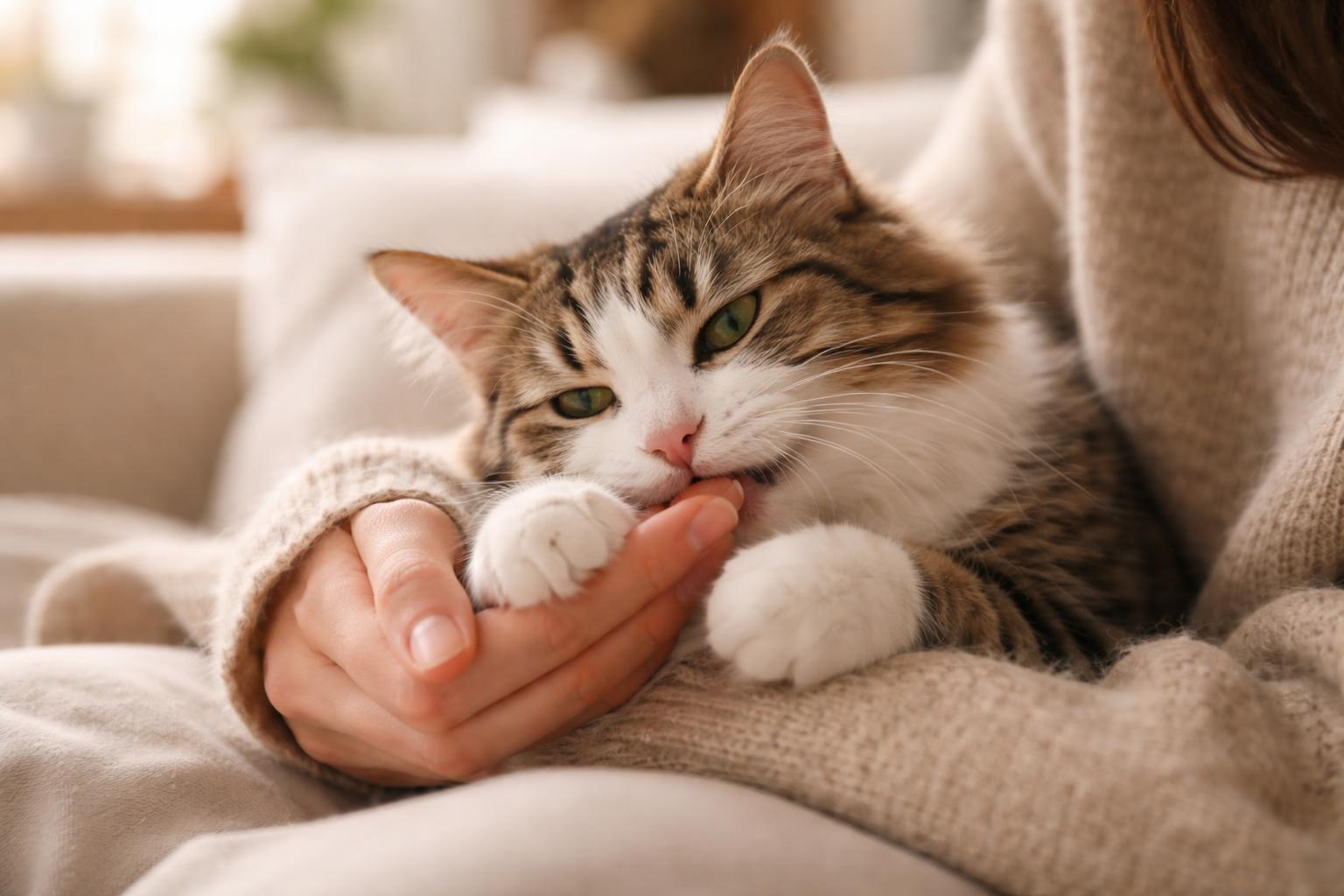
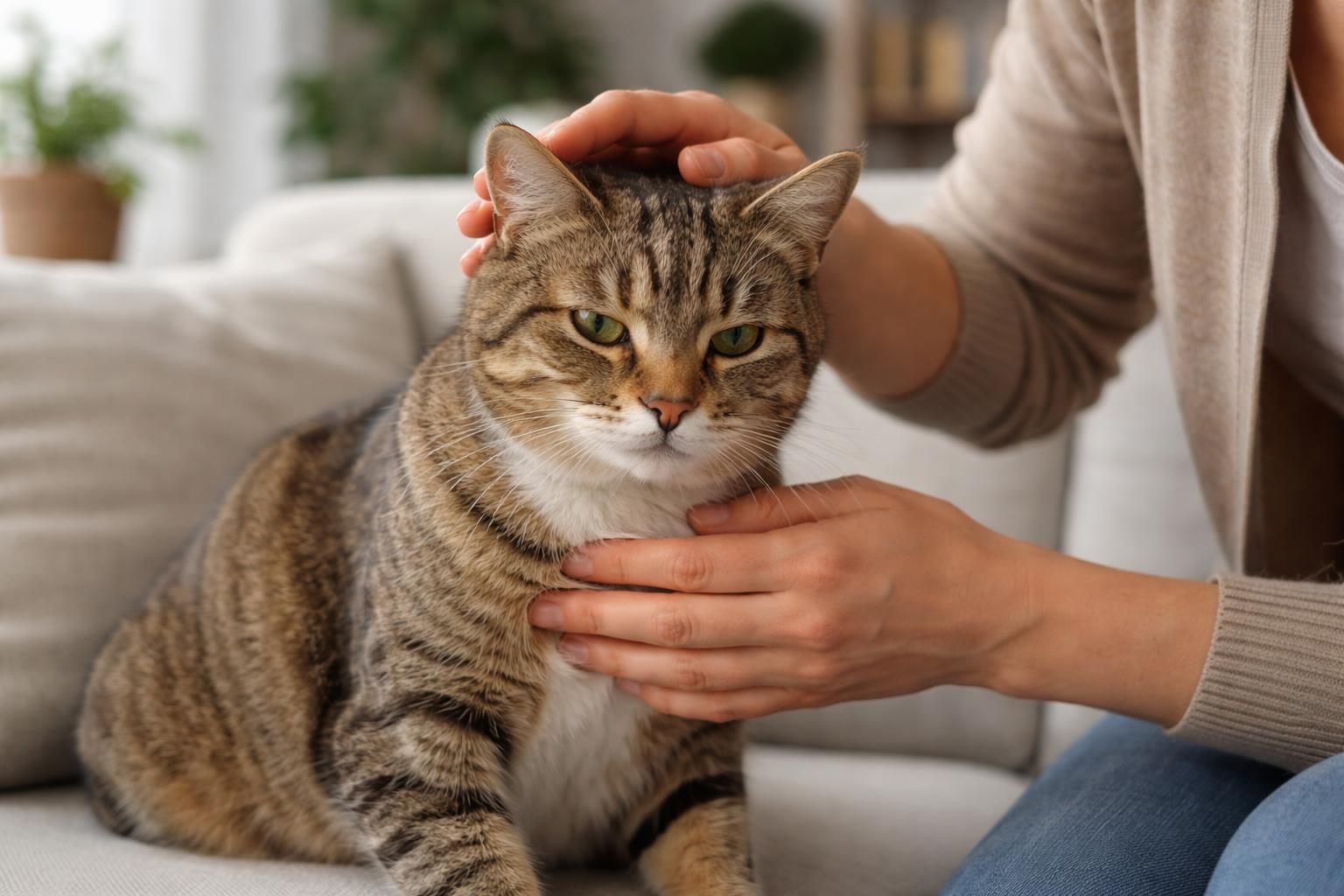
    A person gently petting a relaxed cat indoors, showing a tender moment of affection.

    When your cat gives you a gentle nibble, staying calm and redirecting their behavior works better than punishment. Understanding proper responses helps maintain your bond while teaching appropriate boundaries.

    Best Practices for Handling Nips and Bites

    The moment you feel teeth on your skin, stop moving immediately. Pulling away quickly can trigger your cat’s prey drive and intensify the biting behavior. Instead, go completely still and avoid reacting with sudden movements or loud sounds.

    Redirect your cat’s attention to an appropriate toy or object they can bite instead. Keep a small toy nearby during petting sessions so you can offer it when cat love bites start to occur. This teaches your cat what they can safely nibble without using negative reinforcement.

    If your cat bites during petting, end the interaction calmly by standing up and walking away for a few minutes. This helps your cat learn that biting stops the attention they enjoy. Wait until they settle down before resuming contact.

    Watch for warning signs before bites happen. Tail twitching, ear flattening, or skin rippling indicates overstimulation. When you notice these signals, pause your interaction before understanding cat love bites becomes necessary through an actual nip.

    What Not to Do When a Cat Love Bites

    Never yell at or physically punish your cat for giving love bites. These reactions can damage your relationship and increase anxiety, potentially leading to more aggressive behavior. Cats don’t understand punishment the way dogs do, so negative responses prove ineffective.

    Avoid using your hands as toys during play sessions. Wrestling with your cat or encouraging them to chase your fingers teaches them that human skin is an acceptable target for biting and scratching. This confusion makes it harder for them to distinguish between appropriate and inappropriate responses to cat love bites.

    Don’t ignore repeated or increasingly forceful bites. While gentle nibbles usually indicate affection or playfulness, harder bites may signal pain, fear, or aggression. If the behavior escalates or happens frequently, consult your veterinarian to rule out medical issues.

    Resist the urge to continue petting when your cat shows discomfort. Pushing past their tolerance threshold reinforces that they need to bite harder to communicate their boundaries effectively.

    Preventing and Minimizing Unwanted Nipping Behavior
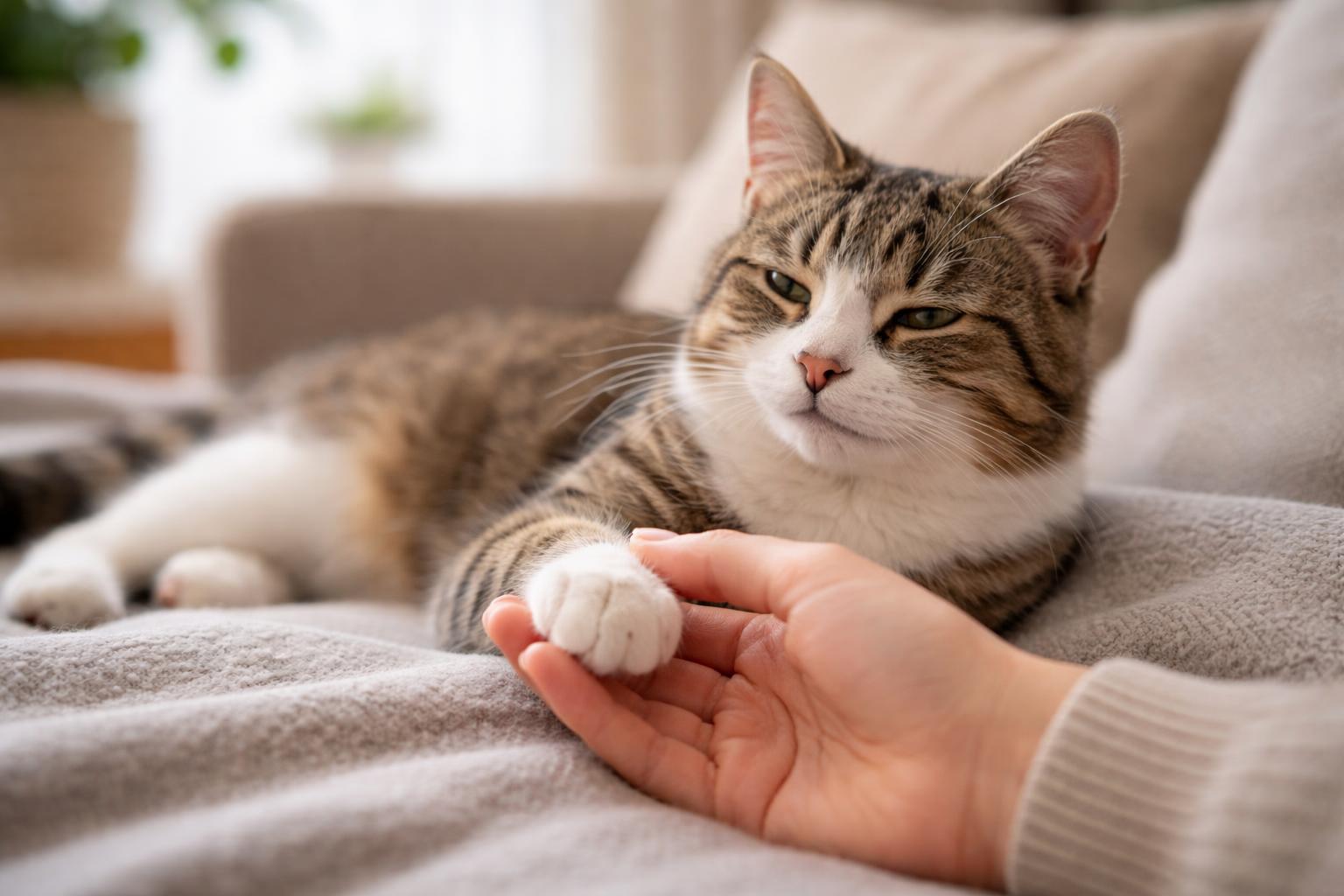
    A person gently petting a calm domestic cat indoors, showing a peaceful and affectionate moment.

    While cat love bites often stem from affection or playfulness, you can take specific steps to discourage this behavior through consistent training techniques and by offering alternative outlets for your cat’s natural instincts.

    Strategies to Reduce Cat Love Bites

    Stop petting your cat immediately when you notice warning signs like tail twitching, ear flattening, or skin rippling. These signals often precede petting-induced aggression, which occurs when your cat becomes overstimulated during handling sessions.

    Keep petting sessions brief, typically 5-10 minutes, before your cat reaches its tolerance threshold. Pay attention to which body areas your cat enjoys having touched versus those that trigger defensive responses.

    Key prevention techniques include:

    • Withdrawing your hand slowly rather than pulling away quickly
    • Standing up and walking away calmly when nipping occurs
    • Avoiding rough play with your hands or fingers
    • Never punishing your cat physically for nipping behavior

    When your cat nips during interaction, say “no” in a calm, firm voice without yelling. Consistency in your response teaches your cat which behaviors are unacceptable.

    Redirecting Your Cat’s Attention

    Offer interactive toys like feather wands or fishing pole-style toys when your cat shows signs of wanting to bite. This approach redirects nipping behavior toward appropriate objects rather than your skin.

    Keep toys readily accessible in areas where your cat typically engages in play biting. Toss a small ball or crinkle toy away from yourself when you sense mounting energy levels.

    Engage your cat in regular play sessions twice daily for 10-15 minutes each. These sessions burn excess energy and reduce the likelihood of spontaneous nipping during calm moments. Schedule play before typical nipping times if you notice patterns in your cat’s behavior.

    When to Seek Professional Help for Biting
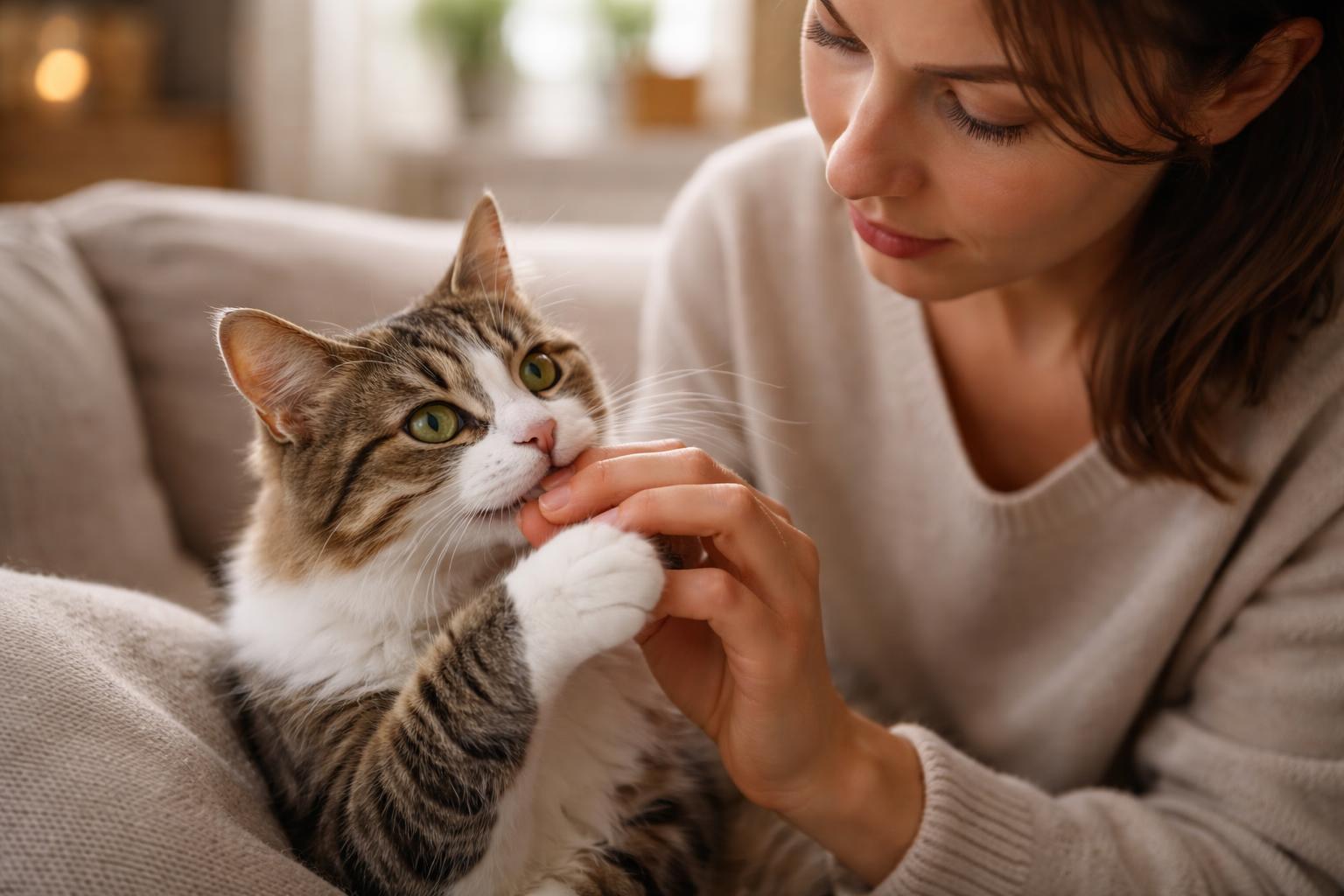
    A person gently interacting with a calm cat indoors, showing care and concern after a playful bite.

    While gentle nibbles are normal feline behavior, persistent aggressive biting or sudden changes in your cat’s biting patterns may signal underlying health issues or behavioral problems that require expert intervention.

    Recognizing Medical or Anxiety-Related Causes

    Pain or discomfort can transform typical cat love bites into more aggressive behavior. Dental disease, arthritis, or other medical conditions may cause your cat to bite harder than usual or react defensively when touched in certain areas.

    Watch for signs that distinguish medical issues from normal behavior. If your cat suddenly bites when you touch specific body parts, vocalizes during petting, or shows changes in appetite or litter box habits, these may indicate pain-related biting.

    Anxiety and stress can also escalate biting behavior beyond affectionate nibbles. Cats experiencing environmental changes, such as new pets or household moves, may develop heightened reactivity. Petting induced aggression differs from playful nips in its intensity and your cat’s body language leading up to the bite.

    Look for warning signs like dilated pupils, flattened ears, twitching tail, or tense body posture before bites occur.

    Consulting a Veterinarian or Behaviorist

    Schedule a veterinary appointment if your cat’s biting becomes more frequent, intense, or is accompanied by other behavioral changes. Your veterinarian can rule out medical causes through physical examination and diagnostic tests.

    A veterinary behaviorist or certified cat behavior consultant can help address persistent biting issues. These professionals assess your cat’s environment, identify triggers, and develop customized behavior modification plans. They can distinguish between affectionate bites and problematic aggression.

    Professional help becomes necessary when bites break skin regularly, your cat shows consistent aggressive behaviors like hissing or swatting, or you feel unsafe around your pet. Behaviorists teach you to recognize subtle body language cues and implement training techniques that redirect unwanted biting without damaging your bond with your cat.
  • How To Cut Cat Nails Safely and Stress-Free at Home

    How To Cut Cat Nails Safely and Stress-Free at Home

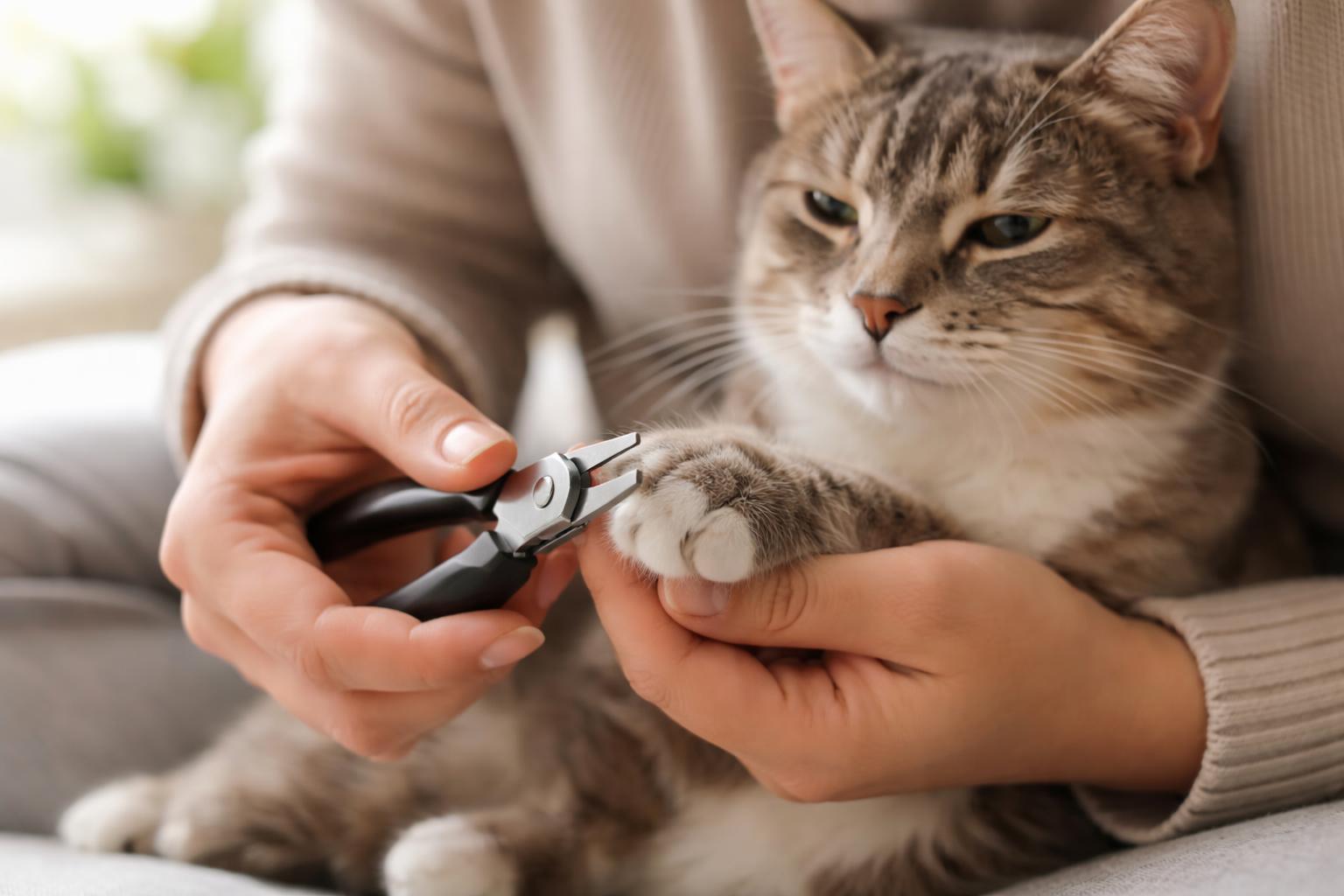
    Trimming your cat’s nails might seem intimidating, but it’s a necessary part of responsible pet ownership that protects both your furniture and your cat’s health. Cat nails require trimming every 1-2 months to prevent splitting, breaking, and overgrowth that can cause discomfort or injury. With the right approach and tools, you can transform this task from a stressful battle into a calm routine.

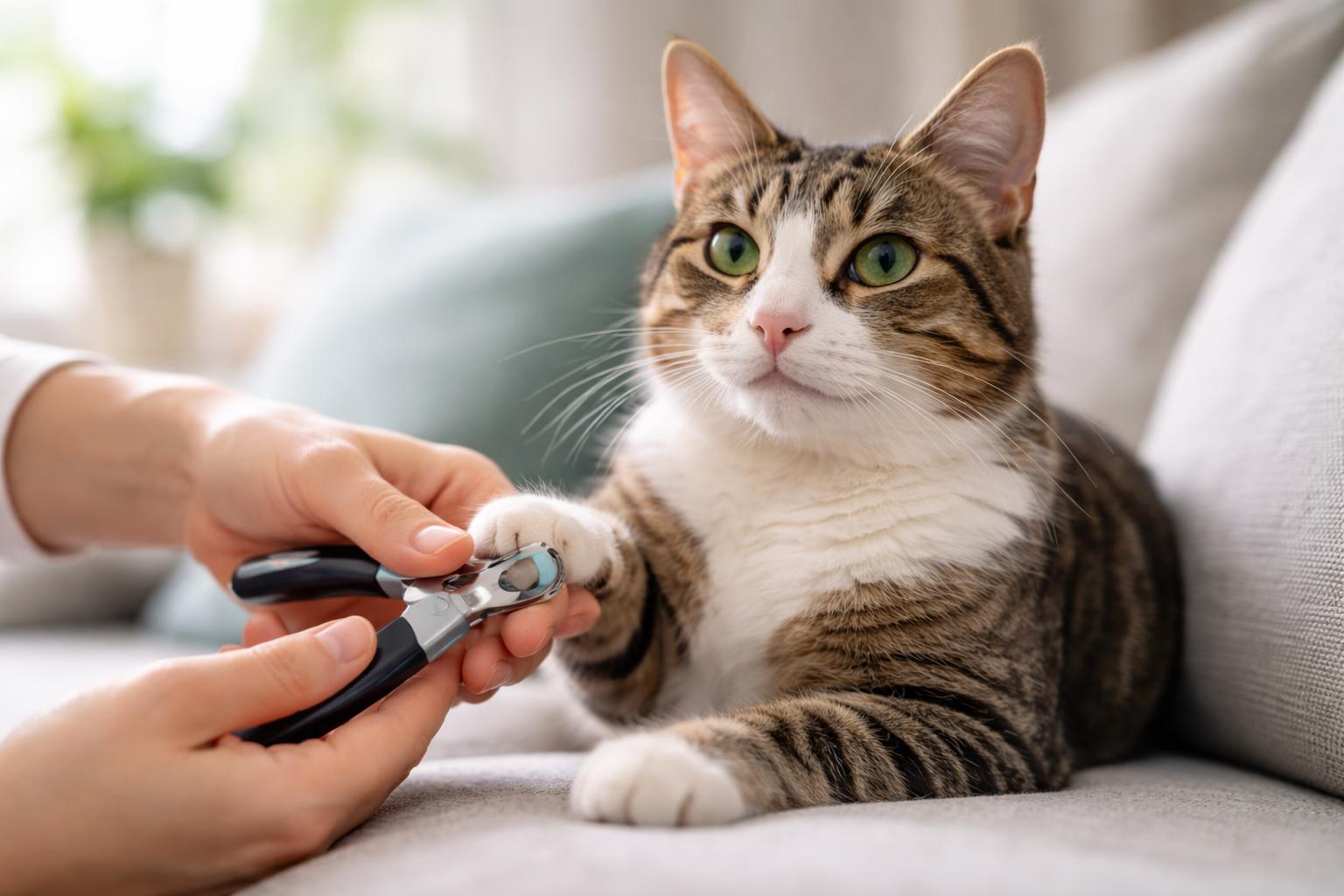
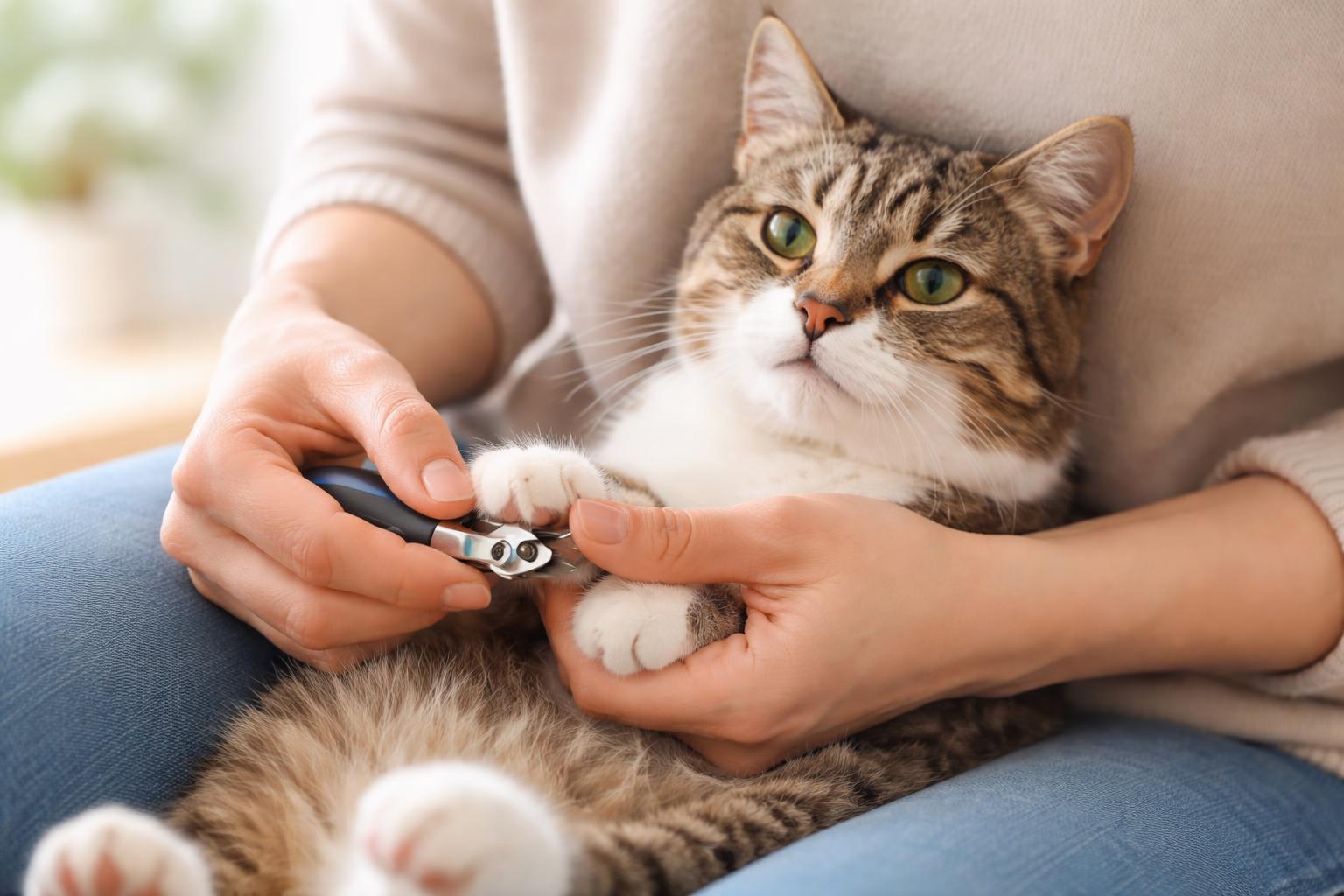
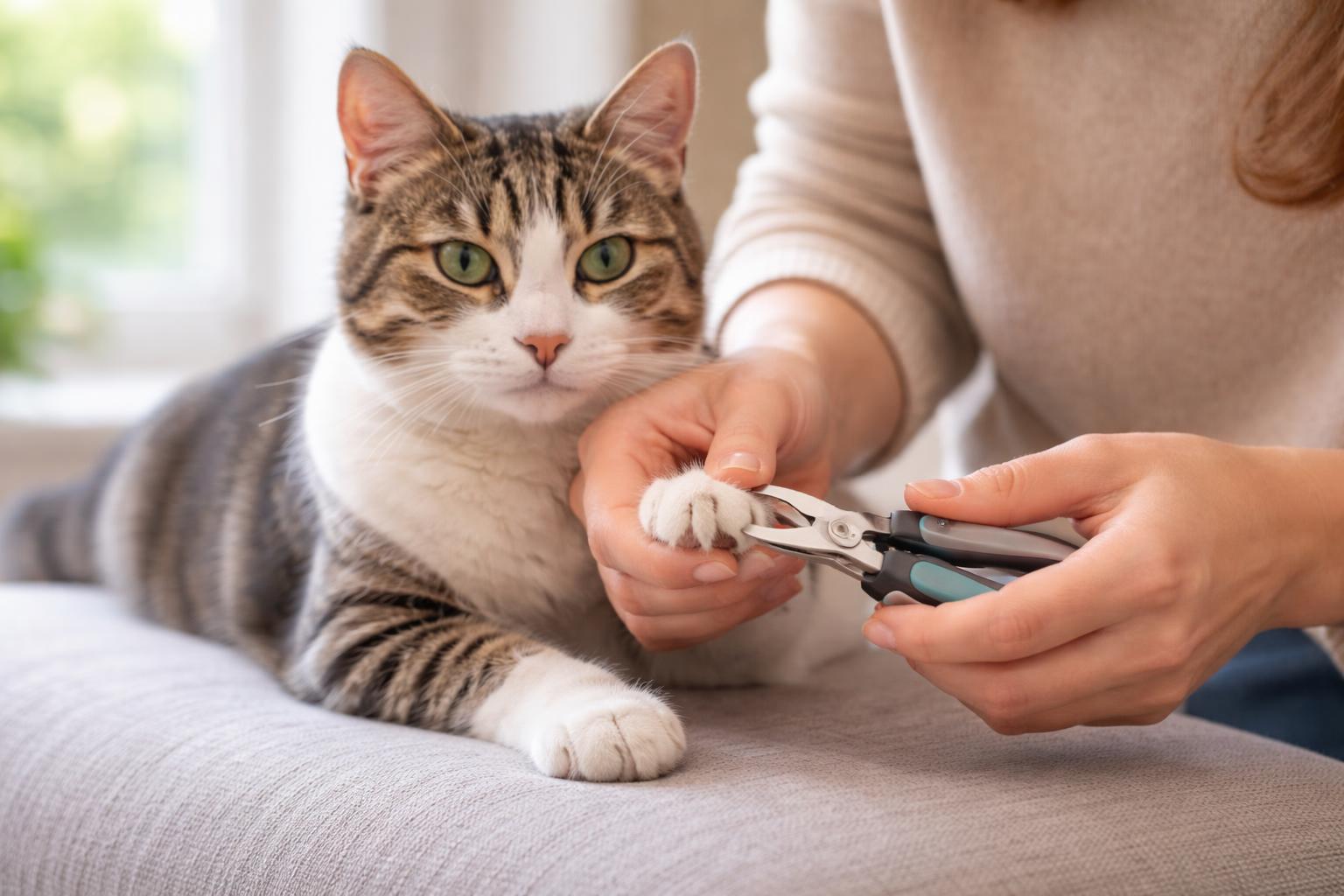
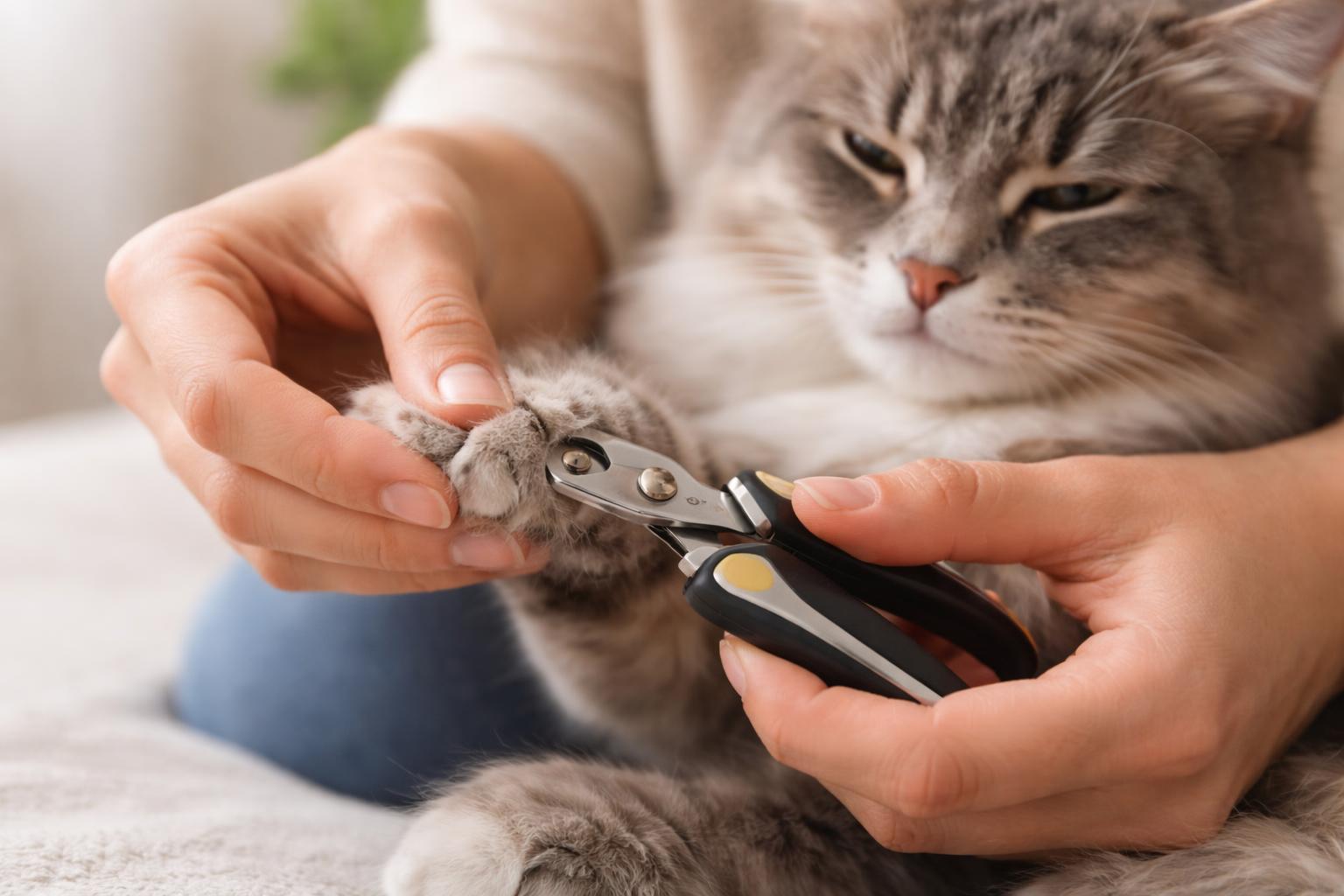
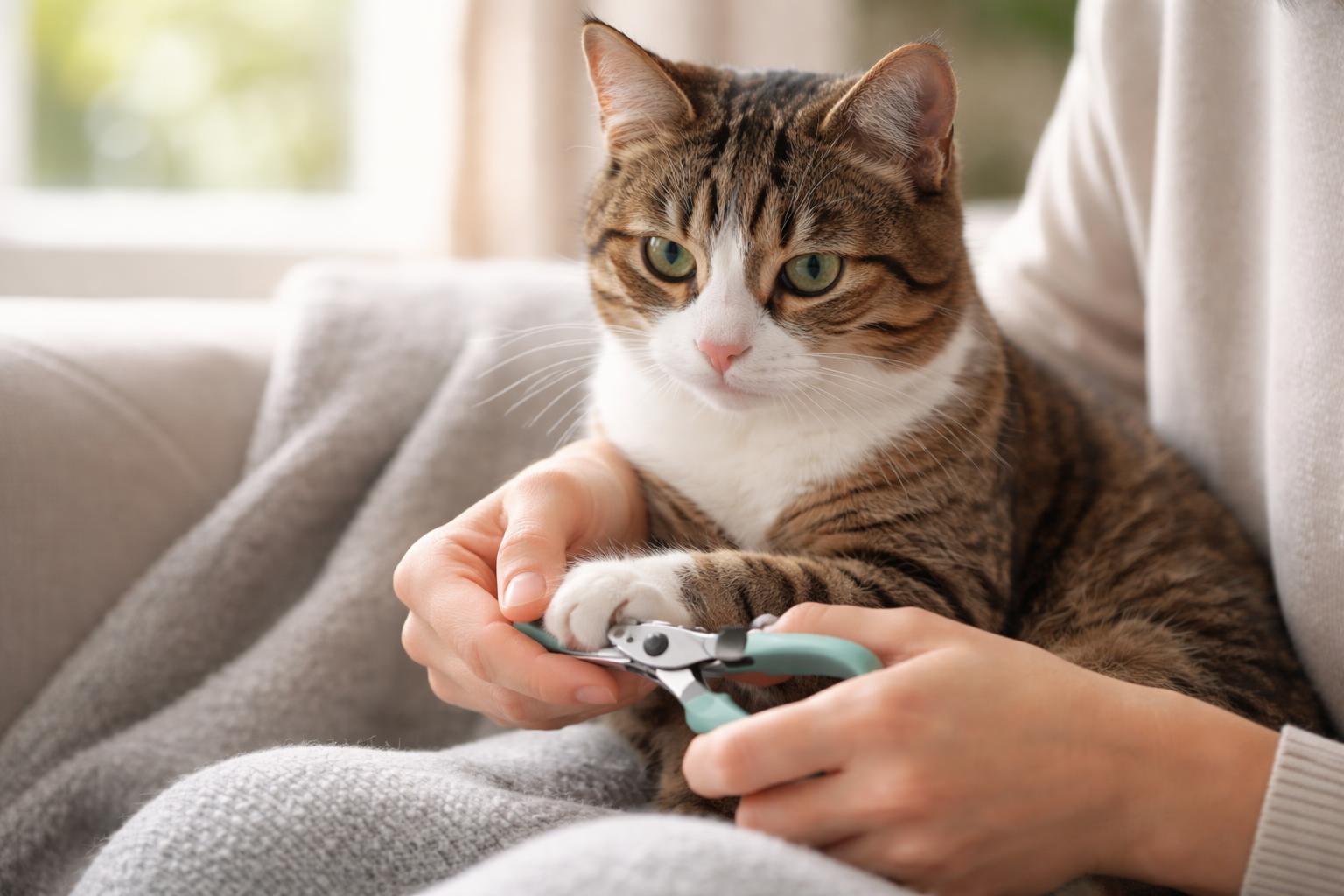
    A person gently trimming the nails of a calm cat using a pet nail clipper.

    Many cat owners avoid trimming their cat’s nails because they worry about hurting their pet or dealing with an uncooperative feline. The good news is that every cat can be trained to tolerate and even enjoy their nail trims through gradual acclimation and positive reinforcement. Learning the proper technique will help you avoid common mistakes and make the experience better for both you and your cat.

    This guide walks you through everything you need to know, from selecting the right nail clippers to handling what happens if you accidentally cut too far. You’ll discover how to safely restrain your cat, identify where to cut, and establish a maintenance schedule that keeps those claws in perfect condition.

    Key Takeaways

    • Use proper cat nail clippers and trim only the clear portion of the nail to avoid cutting the quick
    • Acclimate your cat gradually with positive reinforcement and handle their paws regularly before attempting to trim
    • Maintain a regular schedule of trimming every 1-2 months to prevent overgrowth and keep your cat comfortable

    Essential Tools for Cutting Cat Nails

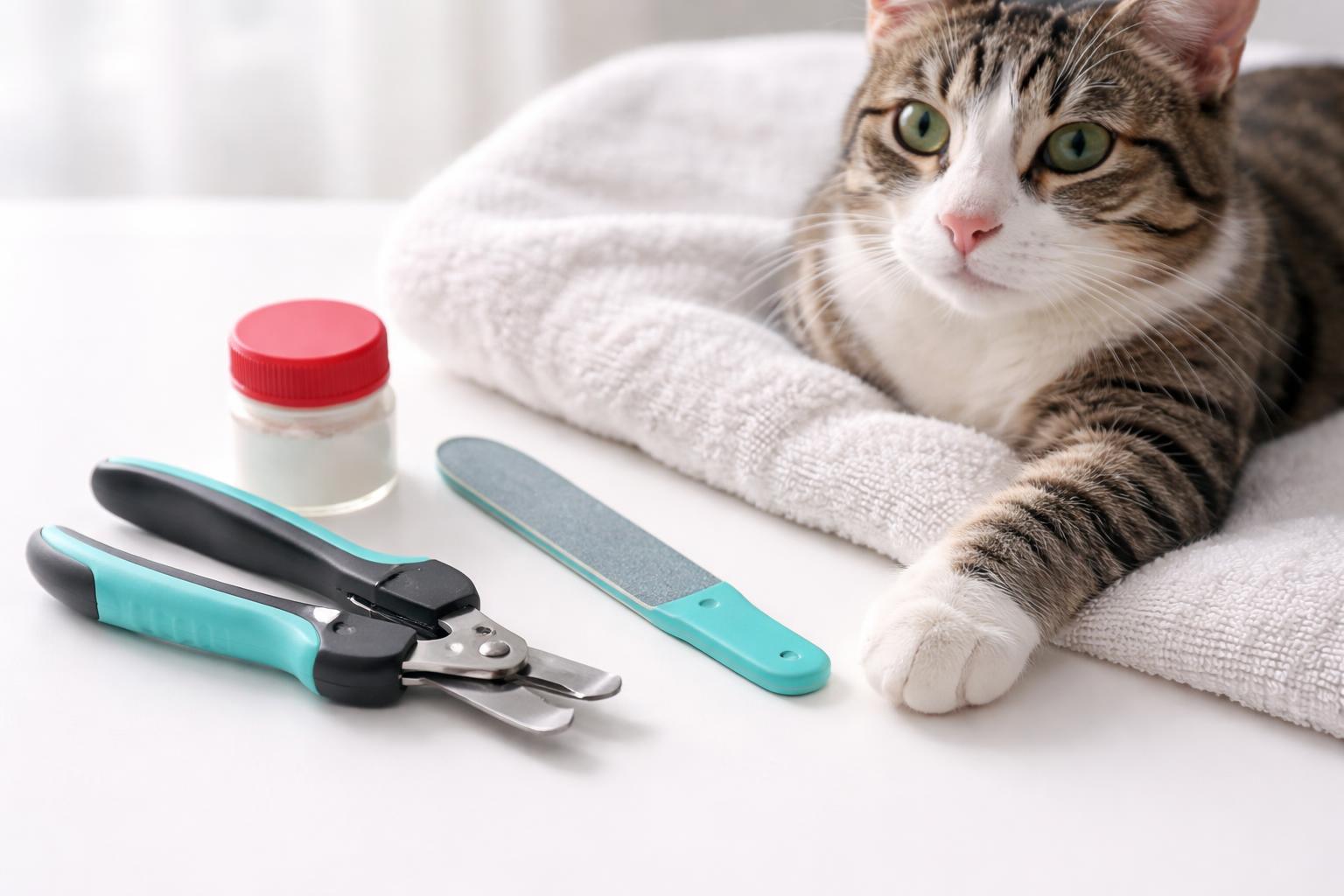
    A calm cat resting on a towel with essential nail trimming tools including clippers, a nail file, and styptic powder arranged nearby on a white surface.

    Having the right equipment makes nail trimming safer and more efficient for both you and your cat. Quality clippers designed specifically for cats, along with safety supplies like styptic powder, are fundamental items every cat owner should have on hand.
    Types of Cat Nail Clippers

    Cat nail clippers come in several distinct styles, each with specific advantages. Scissor-style clippers feature two blades that cut like regular scissors and work well for cats of all sizes. They offer precise control and allow you to see exactly where you’re cutting.

    Guillotine clippers have a hole where you insert the nail and a blade that slides across when you squeeze the handle. These work best for smaller nails and provide a quick, clean cut. However, they can be harder to position accurately compared to scissor-style options.

    Plier-style clippers resemble small pruning shears and deliver strong cutting power. These are ideal for larger cats or thicker nails. They typically include a safety guard to prevent cutting too much nail at once.

    Human nail clippers can work in a pinch for kittens or cats with very small, thin nails, but dedicated pet nail clippers provide better control and cleaner cuts. A cat nail clipper set often includes multiple styles so you can choose what works best for your cat.
    Using a Nail Grinder

    A nail grinder is an electric tool that files down nails gradually instead of cutting them. This method reduces the risk of cutting into the quick and creates smooth edges without sharp points. Grinders work particularly well for cats who struggle during traditional clipping sessions.

    The main drawback is noise and vibration, which can frighten some cats. You’ll need to introduce the grinder slowly, letting your cat get accustomed to the sound before using it on their nails. Start by running the grinder near your cat without touching their paws, then gradually work up to brief contact.

    Cordless models offer more flexibility and easier maneuvering around your cat’s paws. Look for grinders with multiple speed settings so you can start slow and adjust as needed. The grinding process takes longer than clipping, so patience is essential.

    Styptic Powders and Pencils

    Styptic powder helps stop bleeding fast if you accidentally cut into the quick. The powder contains ingredients that promote rapid clotting when applied directly to the bleeding nail. You simply dip the nail into the powder or press a small amount against the cut.

    Styptic pencils serve the same purpose but in a solid stick form. You wet the tip slightly and press it against the bleeding nail for several seconds. Pencils can be less messy than powder but may sting more on application.

    Keep either product within arm’s reach during every nail trimming session. Even experienced pet owners occasionally nick the quick, especially with cats who have dark nails where the quick is harder to see. Cornstarch or flour can work as emergency alternatives if you don’t have proper styptic products available.

    Recommended Cat Nail Clipper Brands

    Safari and Millers Forge produce reliable scissor-style clippers at affordable prices. Both brands feature sharp stainless steel blades that stay effective through many trimming sessions. Their ergonomic handles reduce hand fatigue during use.

    The Heper cat nail clipper stands out for its LED light feature, which illuminates the nail to help you avoid the quick. This makes trimming significantly easier for cats with dark nails. The brand also offers excellent grip comfort and blade sharpness.

    Resco manufactures high-quality guillotine clippers favored by many veterinarians and groomers. Their replacement blade system means you don’t need to buy entirely new clippers when blades dull. The company offers a lifetime guarantee on their products.

    For nail grinders, Dremel and Casfuy make popular models designed specifically for pets. These brands offer quiet operation, multiple speed settings, and rechargeable batteries for convenient use.

    How to Prepare for Cat Nail Clipping

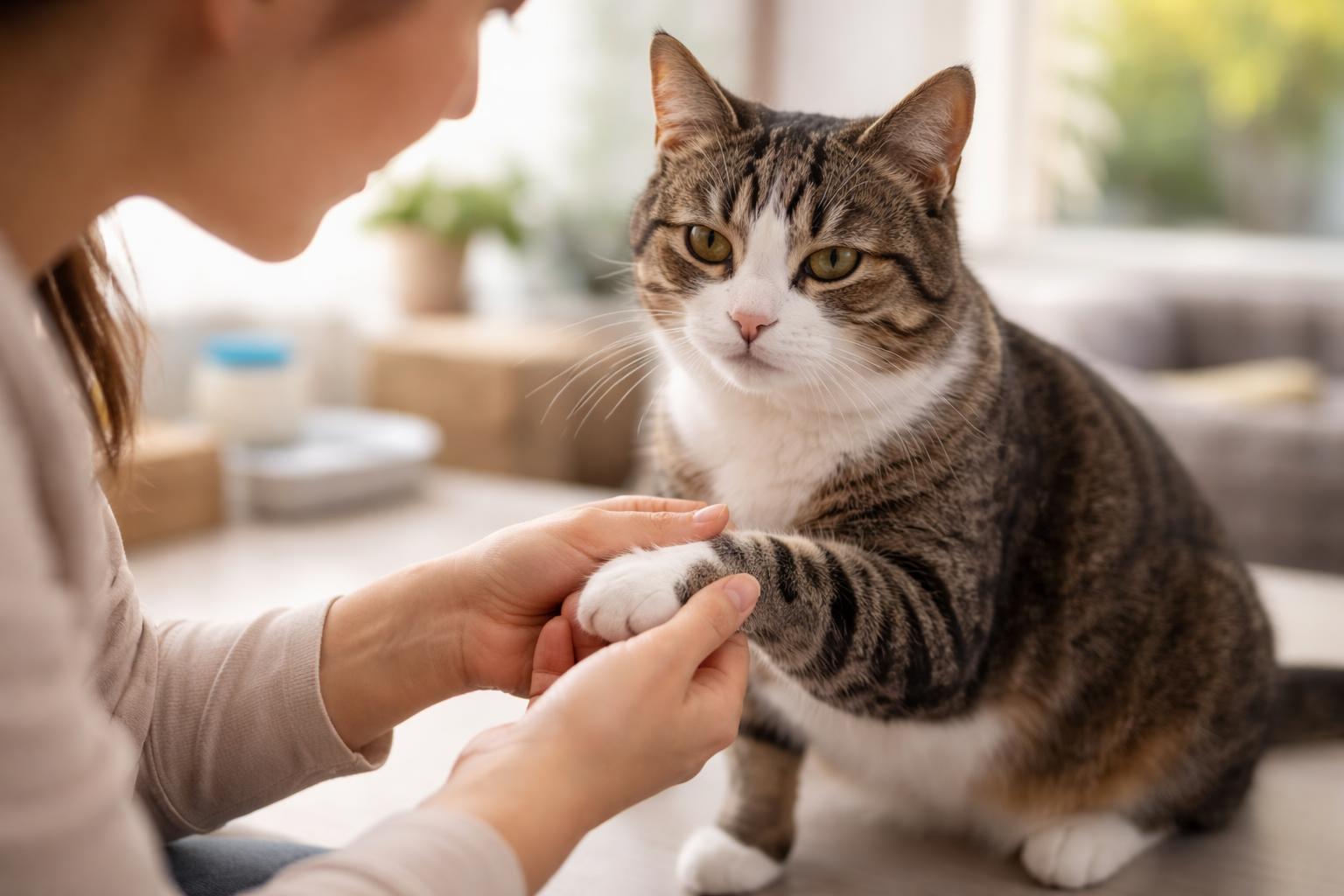
    A person gently holding a cat's paw indoors, preparing to trim its nails.

    Success with cat nail clipping depends on proper preparation before you pick up the clippers. Timing, environment, and familiarization with tools all play critical roles in making the experience less stressful for both you and your cat.
    Choosing the Right Time

    Pick a time when your cat is naturally calm and relaxed, such as after a meal or a play session. Cats are typically more cooperative when they’re tired rather than during their active periods.

    Avoid attempting to trim your cat’s nails when they’re energetic, hungry, or already agitated. Early morning or late evening often works well for many cats, but you’ll need to observe your pet’s individual routine.

    If your cat seems stressed on a particular day, postpone the session. Forcing nail clipping when your cat is anxious can create negative associations that make future attempts more difficult.

    Creating a Calm Environment

    Choose a quiet room away from loud noises, other pets, and household activity. A bathroom or bedroom with the door closed works well for minimizing distractions.

    Consider using Feliway or similar calming pheromone diffusers in the room 30 minutes before the session. These products can help reduce anxiety in cats.

    Place a non-slip mat or towel on a stable surface at a comfortable height for you to work. Good lighting is essential so you can clearly see the nail and avoid cutting the quick.

    Keep treats nearby to reward cooperation throughout the process. Remove any potential escape routes or hiding spots that might tempt your cat to flee mid-session.

    Introducing Tools to Your Cat

    Let your cat investigate the nail clippers several days before you plan to use them. Place the clippers near their favorite resting spots so they become familiar objects.

    Practice handling your cat’s paws without clipping for several sessions. Gently press their paw pads to extend the nails while offering treats and praise.

    Desensitization steps:

    • Touch the clippers to your cat’s paws without cutting
    • Make the clipping sound near your cat while giving treats
    • Clip a single nail and immediately reward with a high-value treat
    • Gradually increase the number of nails clipped per session

    This gradual approach helps cats associate the tools and handling with positive experiences rather than stress.

    How to Hold a Cat to Trim Nails

    A person gently holding a cat's paw while trimming its nails.

    Proper positioning and secure handling are essential for safely trimming your cat’s nails. The right restraint technique keeps both you and your cat calm while preventing scratches or sudden movements during the process.

    Safe Restraint Techniques

    Position your cat on a stable, non-slip surface like a table covered with a towel or mat. Place one hand gently but firmly around your cat’s chest, just behind the front legs, while supporting their hindquarters with your other arm.

    For calmer cats, you can hold them in your lap with their back against your stomach. This position allows you to use one hand to extend each paw while maintaining control.

    Apply steady, gentle pressure rather than gripping tightly, which can cause panic. If your cat struggles, pause and let them resettle before continuing. Never restrain by the scruff alone, as this can cause pain and anxiety in adult cats.

    When extending each paw, press gently on the pad to expose the claws. Hold the paw between your thumb and forefinger, keeping your grip firm enough to prevent withdrawal but gentle enough to avoid discomfort.

    The Towel Wrap Method

    The burrito or towel wrap method works well for cats that resist traditional handling. Lay a large towel flat and place your cat in the center, leaving their head exposed.

    Wrap one side of the towel over your cat’s body, tucking it snugly underneath. Then fold the other side over, creating a secure wrap that immobilizes their body while keeping them comfortable.

    Leave one paw exposed at a time for trimming. Once you finish that paw, tuck it back into the towel and expose the next one. This step-by-step restraint technique prevents your cat from using their legs to push away or scratch.

    The wrap should be snug but not tight enough to restrict breathing. Your cat’s face should remain completely uncovered to reduce stress and allow normal respiration.

    Holding Polydactyl Cats

    Polydactyl cats have extra toes, typically on their front paws, requiring additional attention during nail trims. These cats may have six or seven toes per paw instead of the standard five.

    Carefully examine each paw to identify all claws, including the extra digits that often sit higher on the paw. The dewclaw-like extra toes can easily be missed during trimming.

    Use the same gentle pressure technique to extend each toe individually. The extra digits may be positioned at different angles, so adjust your hold accordingly to access each nail clearly.

    Take extra time with polydactyl cats to ensure you’ve identified and trimmed every claw, as missed nails can grow into the paw pad and cause pain.

    Involving a Helper

    A second person significantly simplifies the nail trimming process, especially for anxious or resistant cats. The helper should focus on gentle restraint while you concentrate on the actual clipping.

    Have your helper hold the cat using the chest and hindquarter technique described earlier, or let them use the towel wrap method. They should speak softly to the cat and provide steady, calm control.

    The helper can also offer treats or use a finger to gently scratch your cat’s favorite spots as a distraction. This positive reinforcement makes future nail trimming sessions easier.

    Position yourselves so the helper holds the cat at a comfortable height for you to work. Clear communication between you and your helper ensures smooth transitions between paws and prevents accidental quick cuts if the cat moves suddenly.

    Step-by-Step Guide: How to Cut Cat Nails

    A person gently trimming a calm cat's nails while holding its paw.

    Proper nail trimming requires understanding cat claw anatomy and using the correct technique to avoid injury. The process involves extending each claw, locating the sensitive quick, and making precise cuts at the appropriate angle.

    Extending the Claw

    You need to gently press on your cat’s paw pad to expose the nail fully before you trim. Place your thumb on top of the paw and your index finger on the pad underneath, then apply light pressure. The claw will naturally extend outward from the paw.

    Hold the paw firmly but not tightly to avoid causing discomfort or resistance. Your cat should remain calm during this process, so avoid squeezing too hard. If your cat pulls away, release the paw and try again after a brief pause.

    Make sure you can see the entire nail clearly before proceeding. Good lighting helps you identify important structures within the claw. Position yourself so you have an unobstructed view of the nail from the side.

    Identifying the Quick

    The quick is the pink tissue inside the nail that contains blood vessels and nerves. You must avoid cutting the quick when you trim cat nails because it causes pain and bleeding. In cats with light-colored claws, the quick appears as a distinct pink area inside the translucent nail.

    Look at the nail from the side to see where the quick ends. The safe cutting zone is the clear, hook-shaped tip beyond the pink tissue. Leave at least 2mm of space between your cut and the visible quick.

    Dark or black nails make identifying the quick more difficult since you cannot see through the nail. In these cases, trim only the sharp tip of the claw in small increments. You can also shine a flashlight behind the nail to help illuminate the quick’s location.

    Correct Clipping Technique

    Position the clippers perpendicular to the nail, not parallel, to prevent splitting or crushing. The cutting blade should face you with the nail inserted into the opening. Squeeze the handles quickly and decisively to make a clean cut rather than a slow, crushing motion.

    Proper cutting angle: Cut the nail at a slight angle following its natural curve. Avoid cutting straight across, which can leave sharp edges.

    Cut only the curved tip of the nail where it begins to hook downward. Start with small cuts if you’re uncertain about how much to remove. You can always trim more, but you cannot undo cutting the quick.

    Trim one nail at a time and give your cat breaks if needed. Some cats tolerate having all their nails done in one session, while others need the process split across multiple days.

    Trimming Dewclaws

    Dewclaws are the small nails located on the inside of your cat’s front legs, above the paw. These nails don’t touch the ground during walking, so they don’t wear down naturally and require regular trimming. Overgrown dewclaws can curl into the paw pad and cause pain or infection.

    Locate the dewclaw by running your hand up the inside of your cat’s front leg. You’ll feel a small digit with a nail about an inch above the main paw. Gently hold the leg and extend the dewclaw using the same technique you used for the other nails.

    Trim cat nails on the dewclaw with extra care since these are often more curved than regular claws. The quick in dewclaws can extend further into the nail than in other claws. Cut only the sharp, hooked tip to maintain a safe distance from the quick.

    What to Do If You Cut the Quick

    Close-up of a person carefully trimming a cat's nails while the cat sits calmly.

    Accidentally cutting into the quick causes bleeding and discomfort for your cat, but you can manage the situation effectively with the right supplies and calm approach. The priority is to stop the bleeding quickly, keep your cat relaxed, and know when professional help is necessary.

    Stopping the Bleeding

    When cutting the quick occurs, blood will appear immediately because this area contains blood vessels and nerve endings. Apply styptic powder directly to the bleeding nail by dipping the nail into the powder or pressing the powder against the cut with a cotton swab or clean cloth.

    Styptic powder works by contracting blood vessels and promoting clotting within seconds to minutes. If you don’t have styptic powder available, a styptic pencil can serve as an alternative, though it may sting slightly more upon application.

    Without these products, you can use cornstarch, flour, or bar soap as emergency substitutes. Press the powder firmly against the nail for 30 seconds to two minutes without removing it to check, as this disrupts clot formation. The bleeding typically stops within a few minutes with proper pressure and application.

    Calming Your Cat

    Your cat will likely react with distress after experiencing pain from the nail trim. Speak to your cat in a soft, reassuring tone and avoid sudden movements that might escalate their anxiety.

    Release your cat if they’re struggling intensely, as restraining them further can increase stress and potentially cause injury to both of you. Offer treats or their favorite food once the bleeding stops to create a positive association and reduce fear.

    Give your cat space to retreat to a comfortable area where they feel safe. Monitor their behavior for the next few hours to ensure they’re not excessively licking the affected paw, which could reopen the wound or cause infection.

    When to Seek Veterinary Care

    Most cases of cutting the quick resolve at home without complications. However, contact your veterinarian if bleeding continues beyond 10 to 15 minutes despite applying styptic powder and pressure.

    Seek immediate care if you notice signs of infection over the following days, including swelling, discharge, persistent licking, or limping. Your cat should also receive professional attention if they appear lethargic, refuse to eat, or show signs of severe pain beyond the initial incident.

    If you’ve cut multiple nails too short during one session, a veterinary examination helps ensure no complications develop and provides guidance for future nail trims.

    Cat Nail Clipping Schedule and Maintenance Tips

    A person gently trimming a calm cat's nails indoors.

    Regular cat nail clipping requires proper timing and well-maintained tools to keep your cat comfortable and prevent overgrown claws. Recognizing when your cat’s nails need attention helps you establish an effective grooming routine.

    How Often to Trim Cat Nails

    Most cats need nail trimming every 1-2 months to maintain healthy claw length. Indoor cats typically require more frequent trims than outdoor cats because they don’t naturally wear down their nails on rough surfaces.

    Your cat’s activity level and scratching habits influence the trimming schedule. Cats who regularly use scratching posts may need less frequent trims, while sedentary cats often need more attention. Senior cats and those with limited mobility particularly benefit from more regular maintenance since they scratch less actively.

    You should follow a 2-3 week trimming schedule for optimal results, though this varies by individual cat. Some cats grow nails faster than others due to genetics, diet, and age. Start with monthly sessions and adjust based on how quickly your cat’s claws grow back to their previous length.

    Maintaining Cat Nail Clippers

    Pet nail clippers require regular cleaning and inspection to ensure safe, effective cuts. Wipe the blades with rubbing alcohol after each use to remove nail debris and prevent bacterial buildup.

    Check your clippers before each trimming session for dull or damaged blades. Sharp blades make clean cuts that reduce splitting and discomfort, while dull blades crush the nail and cause pain. Replace scissor-style or guillotine-style clippers when they no longer cut smoothly through the nail in one motion.

    Store your clippers in a dry location to prevent rust and deterioration. Keep them separate from other grooming tools to avoid damage to the cutting edges. Quality pet nail clippers typically last 1-2 years with proper maintenance and regular use.

    Signs Your Cat’s Nails Are Too Long

    You can hear clicking sounds when your cat walks on hard floors if their nails have grown too long. This audible clicking indicates the nails are touching the ground with each step, which means they need trimming.

    Your cat getting caught on furniture, carpets, or their scratching post signals overgrown nails. Long nails curve excessively and snag on fabric surfaces, causing frustration and potential injury. If your cat keeps getting caught on their scratch post, immediate trimming is necessary.

    Watch for changes in your cat’s gait or reluctance to walk normally. Overgrown nails can curl into the paw pads, causing pain and potential infection. You should also check if the nails appear to curve sharply toward the paw pad or extend beyond the fur on their paws.

  • How to Tell When a Cat Is Sick: Essential Warning Signs Every Owner Should Know

    How to Tell When a Cat Is Sick: Essential Warning Signs Every Owner Should Know

    Cats are masters at hiding illness, a survival instinct inherited from their wild ancestors who couldn’t afford to show weakness. This natural behavior makes it challenging for cat owners to recognize when their feline companions need medical attention. Common signs your cat is sick include changes in eating or drinking habits, lethargy, hiding behavior, vomiting, diarrhea, difficulty breathing, weight loss, and altered grooming patterns.

    A person gently examining a cat indoors, checking its eyes and ears while the cat sits calmly on a couch.

    Understanding warning signs of illness in cats can help you catch health problems early when they’re most treatable. Cats communicate discomfort through subtle shifts in behavior and physical appearance that are easy to miss if you don’t know what to look for. Regular observation of your cat’s normal routines and habits creates a baseline that makes it easier to spot when something is wrong.

    Learning to detect common signs of illness empowers you to take prompt action and potentially save your cat’s life. This guide covers the key indicators of illness, from minor changes that warrant monitoring to emergency symptoms requiring immediate veterinary care.

    Key Takeaways

    • Watch for changes in eating, drinking, grooming, litter box habits, and activity levels as early indicators of illness
    • Physical symptoms like eye discharge, skin problems, breathing difficulties, and weight changes require veterinary evaluation
    • Emergency signs such as difficulty breathing, seizures, inability to urinate, or collapse need immediate medical attention

    Key Warning Signs Your Cat Is Sick

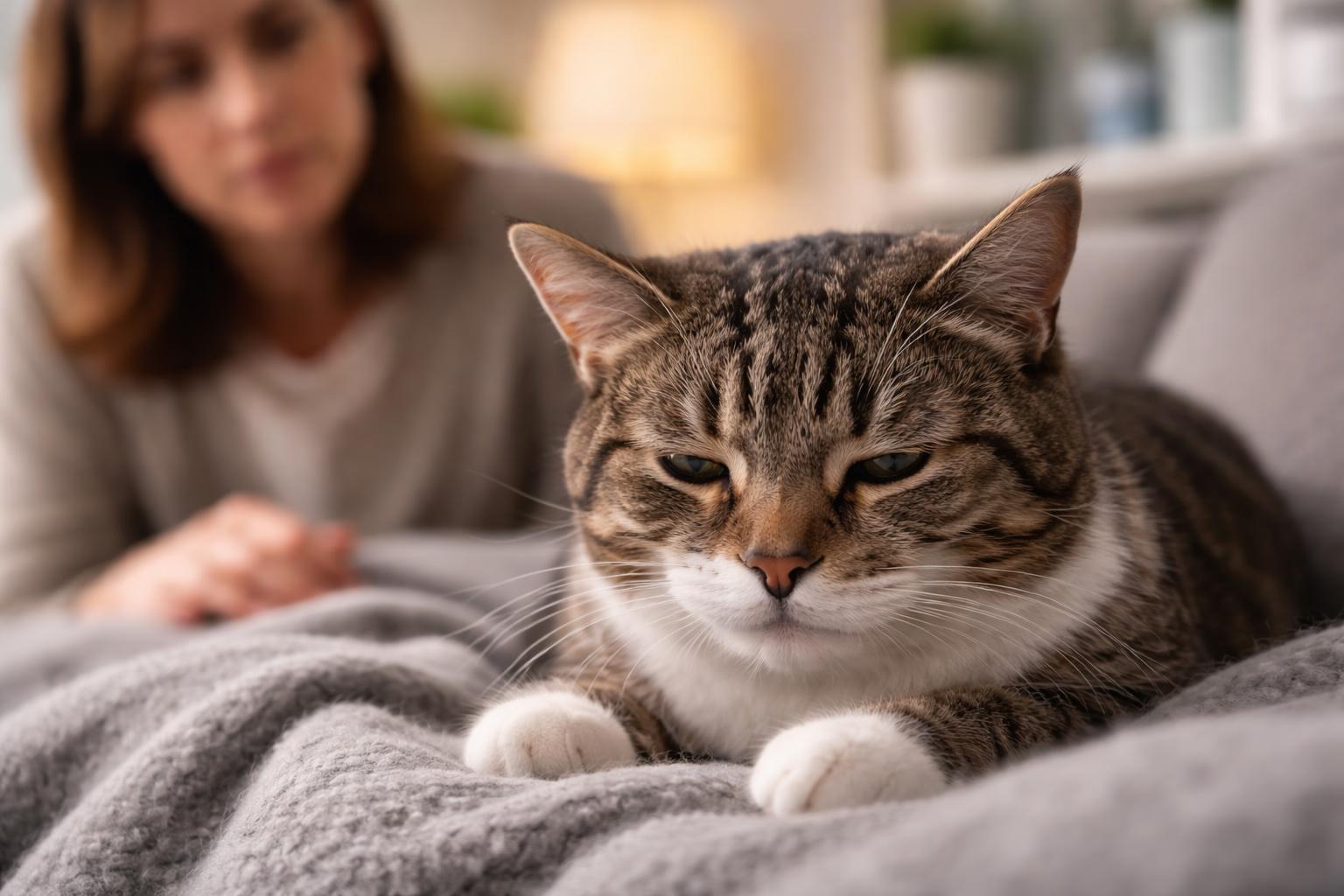
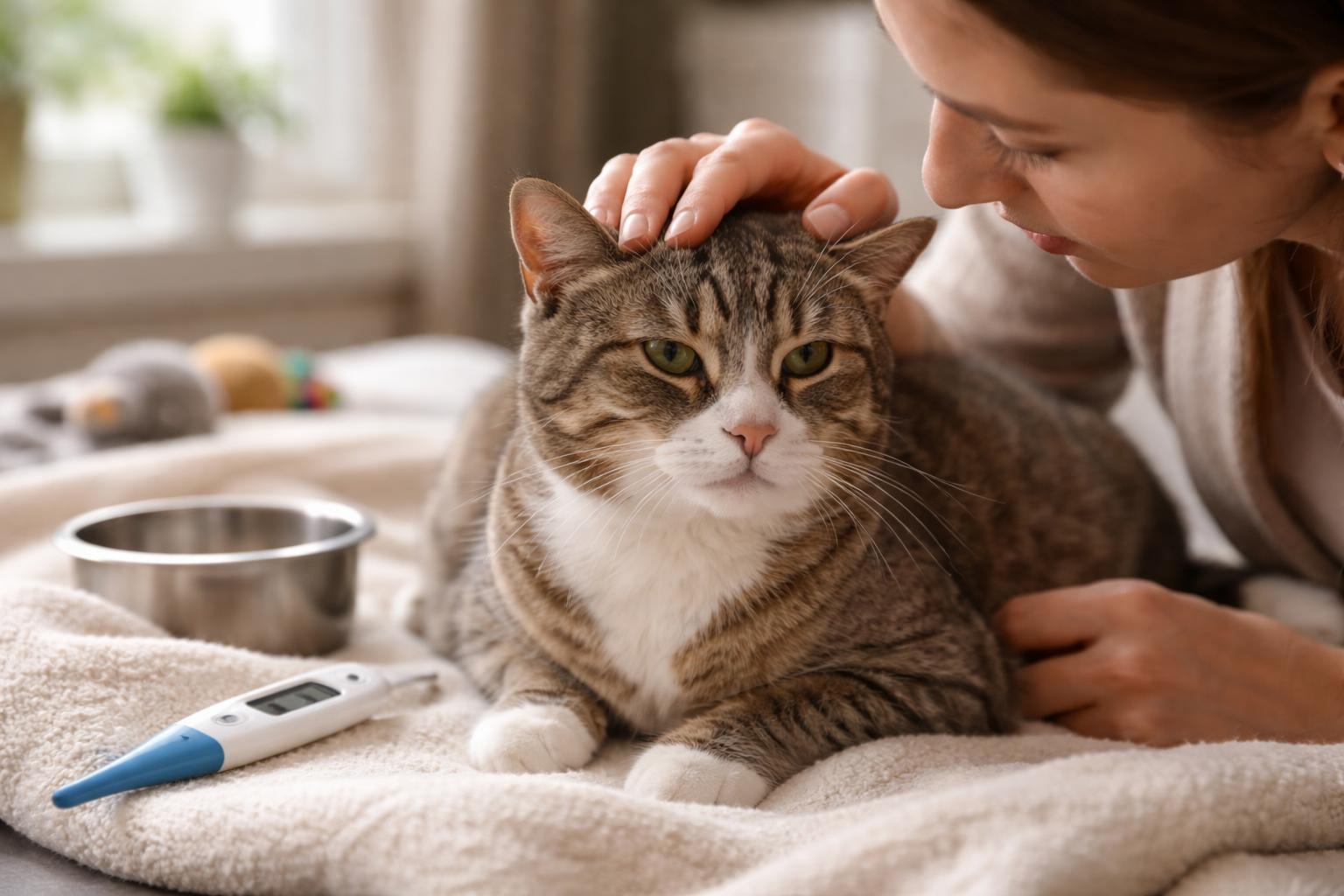
    A domestic cat resting quietly on a soft blanket while a person watches attentively nearby.

    Cats naturally hide illness as a survival instinct, making it essential to recognize subtle changes in their behavior and physical condition. Monitoring appetite shifts, digestive issues, energy levels, and body weight helps you detect signs your cat is sick before conditions worsen.

    Changes in Appetite

    A decrease in food intake is one of the most reliable indicators of illness in cats. If your cat skips more than one meal or shows no interest in food for 24 hours, this warrants attention.

    Complete loss of appetite can signal dental problems, kidney disease, or gastrointestinal issues. Painful teeth or mouth ulcers make eating uncomfortable, while systemic illnesses reduce hunger altogether.

    Increased appetite with weight loss suggests hyperthyroidism or diabetes. These conditions cause your cat to eat more while losing body mass.

    Watch for pickiness that’s out of character. A cat that suddenly refuses their usual food but accepts treats may have nausea or early dental pain rather than simple preference changes.

    Vomiting and Diarrhea

    Occasional hairballs are normal, but frequent vomiting requires veterinary attention. Vomiting more than once or twice weekly, especially with undigested food or liquid, indicates digestive problems.

    Projectile vomiting or vomit containing blood, bile, or foreign objects demands immediate care. These symptoms suggest blockages, toxin ingestion, or severe inflammation.

    Diarrhea lasting beyond 24 hours leads to dehydration. Soft stools occasionally occur from diet changes, but persistent loose or watery stool with blood or mucus signals infection, parasites, or inflammatory bowel disease.

    Combination symptoms like vomiting with diarrhea require prompt veterinary assessment. This pairing causes rapid fluid loss and electrolyte imbalances.

    Lethargy and Low Energy

    Healthy cats sleep 12-16 hours daily, but excessive sleeping or withdrawal indicates illness. Your cat should respond to usual stimuli like feeding time, favorite toys, or your arrival home.

    A lethargic cat avoids interaction, stops playing, and remains in one spot for extended periods. This differs from normal rest because the cat doesn’t engage when approached.

    Look for these specific behaviors:

    • Hiding in unusual places for hours
    • Not greeting you at the door
    • Ignoring meal times
    • Refusing to jump to favorite perches
    • Sleeping in strange positions

    Energy changes often accompany other symptoms. Fever, pain, anemia, and organ dysfunction all manifest as reduced activity levels.

    Weight Changes

    Noticeable weight loss over weeks indicates serious health problems. Losing 10% of body weight suggests conditions like cancer, hyperthyroidism, or chronic kidney disease.

    You can detect weight changes by feeling your cat’s ribs and spine. Prominent bones with minimal fat covering signal excessive weight loss requiring veterinary examination.

    Gradual weight gain leads to obesity, which increases diabetes and joint disease risk. Most indoor cats need only 200-300 calories daily, so even small overfeeding causes problems.

    Sudden weight gain with abdominal swelling may indicate fluid accumulation rather than fat. This requires immediate evaluation for heart failure, liver disease, or tumors.

    Monitor your cat’s body condition monthly by running your hands along their sides and observing their profile from above.

    Behavioral and Physical Changes

    A person gently examining a calm cat indoors, showing care and concern for the cat's health.

    Cats often communicate illness through shifts in their normal patterns, ranging from personality changes and social withdrawal to grooming irregularities and oral health problems. Recognizing these alterations helps you identify when your cat needs veterinary attention.

    Sudden Mood Shifts or Aggression

    A normally friendly cat that becomes irritable or aggressive may be experiencing pain or discomfort. Cats cannot verbalize their distress, so they often express it through uncharacteristic behavior like hissing, swatting, or biting when approached or touched.

    Pay attention if your cat reacts negatively to being handled in specific areas. This targeted aggression often indicates localized pain in joints, the abdomen, or other body parts. A cat that previously enjoyed petting may suddenly lash out when touched.

    Conversely, some cats become unusually clingy or vocal when sick. Increased meowing or changes in vocalization patterns can signal physical or emotional distress. Cats may meow more frequently when hungry, in pain, or experiencing cognitive dysfunction as they age.

    Hiding or Withdrawal

    When cats feel unwell, their instinct drives them to seek isolated, quiet spaces. You might find your cat spending excessive time under beds, in closets, or behind furniture instead of participating in household activities.

    This hiding behavior represents a survival mechanism inherited from wild ancestors who concealed vulnerability from predators. A cat that suddenly avoids family members or stops greeting you at the door demonstrates a concerning behavioral shift.

    Watch for reduced interaction with favorite toys or loss of interest in activities your cat previously enjoyed. Social cats that stop seeking attention or affectionate pets may be signaling illness. This withdrawal often accompanies other symptoms like lethargy or appetite changes.

    Altered Grooming Habits

    Healthy cats spend considerable time grooming themselves to maintain a clean, smooth coat. Sick cats often neglect this routine, resulting in a matted, greasy, or unkempt appearance.

    Signs of poor grooming include:

    • Matted or tangled fur
    • Oily or dull coat texture
    • Visible dirt or debris
    • Uncharacteristic odor

    Conversely, excessive grooming indicates stress, anxiety, allergies, or skin conditions. You may notice bald patches, raw skin, or your cat constantly licking specific body areas. This overgrooming can create wounds and secondary infections.

    Joint pain and arthritis particularly affect grooming in older cats. Stiffness prevents them from reaching certain areas, especially the lower back and hindquarters. Changes in grooming habits warrant veterinary evaluation.

    Bad Breath or Dental Issues

    Healthy cats should not have noticeably bad breath. Foul odors from your cat’s mouth typically indicate dental disease, oral infections, or internal health problems affecting the kidneys or digestive system.

    Dental disease affects a significant portion of adult cats and causes pain that interferes with eating. Check for red or swollen gums, visible tartar buildup, drooling, or pawing at the mouth. Your cat may drop food while eating or chew on only one side.

    Bad breath combined with difficulty eating requires immediate attention. Untreated dental problems lead to tooth loss, bacterial infections, and potentially serious complications affecting major organs. Schedule a veterinary examination if you notice unusual mouth odors or eating difficulties.

    Changes in Eyes, Ears, and Skin

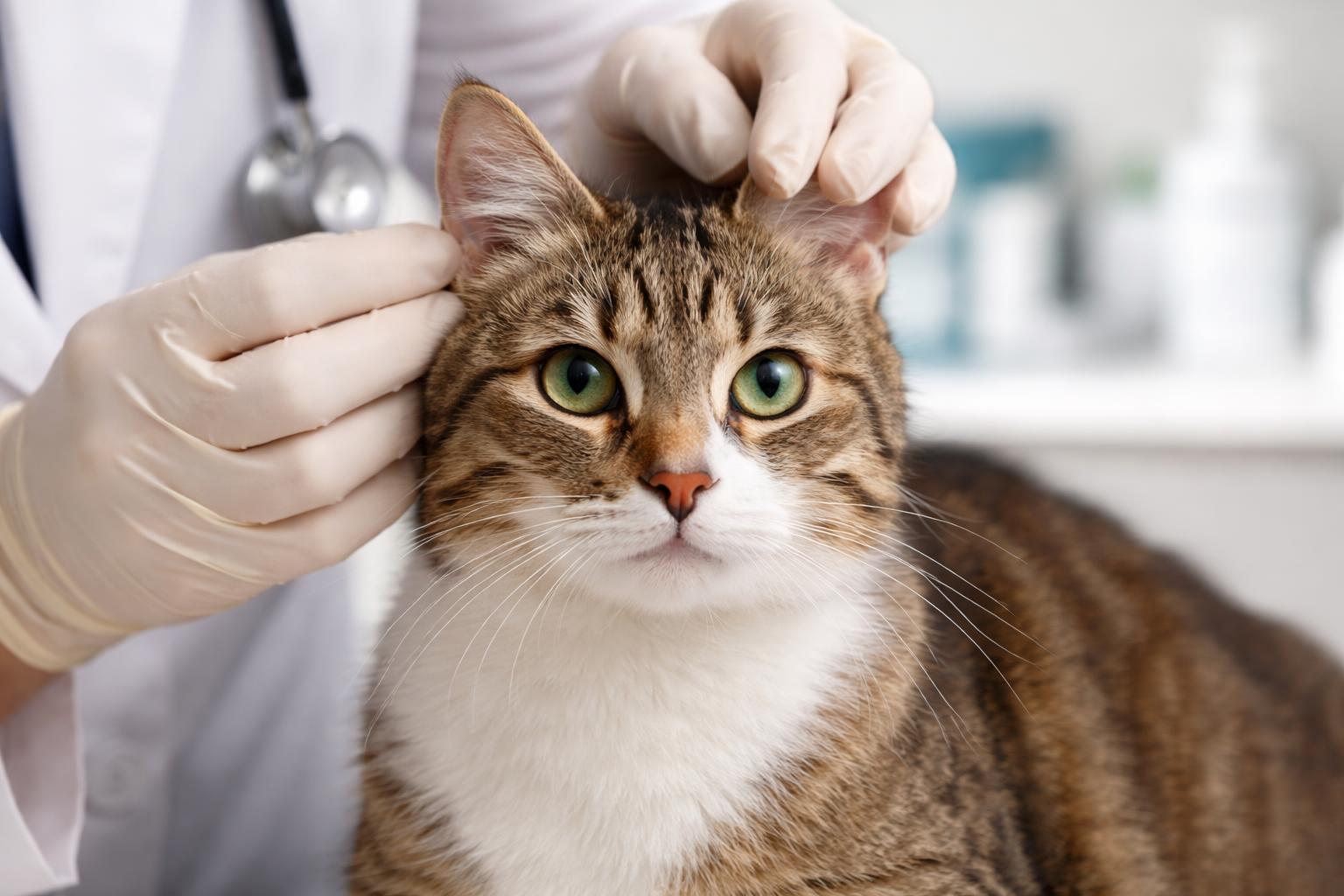
    A close-up of a cat being examined by a veterinarian focusing on the cat's eyes, ears, and skin.

    Your cat’s eyes, ears, and skin provide visible indicators of their overall health status. Abnormalities in these areas often signal underlying medical conditions that require veterinary attention.

    Change in Pupil Size

    Normal cat pupils adjust to lighting conditions, constricting in bright light and dilating in darkness. Pupils that remain dilated or constricted regardless of lighting indicate a potential health problem.

    Anisocoria, where one pupil is dilated and the other constricted, represents a serious warning sign. This condition may indicate neurological issues, eye trauma, or glaucoma. You should also watch for pupils that stay consistently dilated in normal lighting, which can signal pain, high blood pressure, or retinal disease.

    Changes in pupil size accompanied by other symptoms like squinting, cloudiness, or behavioral changes require immediate veterinary evaluation. Your cat’s pupils should respond symmetrically to light changes under normal circumstances.

    Discharge or Redness in Eyes

    Healthy cat eyes appear bright and clear without discharge or redness. Eye discharge may result from an irritant, corneal injury, bacterial or viral infection, or eyelid disease.

    Green, yellow, or white discharge typically indicates infection requiring antibiotic treatment. Clear, watery discharge might suggest allergies or mild irritation, though persistent tearing warrants examination.

    Watery or red eyes, squinting, discharge, or cloudiness can indicate eye problems requiring professional care. Watch for your cat’s third eyelid becoming visible, which often appears as a white or pink membrane in the inner corner of the eye. An elevated third eyelid frequently accompanies illness or eye trauma.

    Redness in the whites of the eyes combined with squinting suggests conjunctivitis or other inflammatory conditions. You should never attempt to treat eye issues at home without veterinary guidance.

    Ear Discharge or Itching

    Clean cat ears have minimal odor and no visible discharge. Ear discharge is most commonly caused by a bacterial or fungal infection or ear mites, all requiring specific treatments.

    Ear mites produce dark, coffee-ground-like debris in the ear canal and cause intense itching. You’ll notice affected cats scratching their ears excessively, shaking their heads, or holding their ears at odd angles. Bacterial infections create yellow or pus-like discharge with a foul odor.

    Yeast infections produce brown, waxy buildup and a distinctive musty smell. Red, inflamed ear tissue indicates irritation regardless of the underlying cause.

    Watch for behavioral changes like head tilting, loss of balance, or sensitivity when you touch the ears. These signs may indicate the infection has progressed to the inner ear.

    Hair Loss and Skin Issues

    Normal shedding differs from abnormal hair loss, which creates bald patches or thinning fur. Excessive grooming from stress, allergies, or pain can cause hair loss in specific areas.

    Skin problems manifest as redness, flaking, scabs, bumps, or changes in texture. Parasites like fleas cause small scabs, particularly along the spine and neck base. Allergies often produce itchy, inflamed skin with hair loss from scratching.

    Look for changes in your cat’s coat quality, such as greasiness, dandruff, or a dull appearance. Fungal infections like ringworm create circular patches of hair loss with scaly skin.

    Lumps or masses under the skin require veterinary examination to rule out cysts, abscesses, or tumors. Check your cat’s skin regularly during petting sessions to identify new abnormalities early.

    Abnormal Litter Box Habits

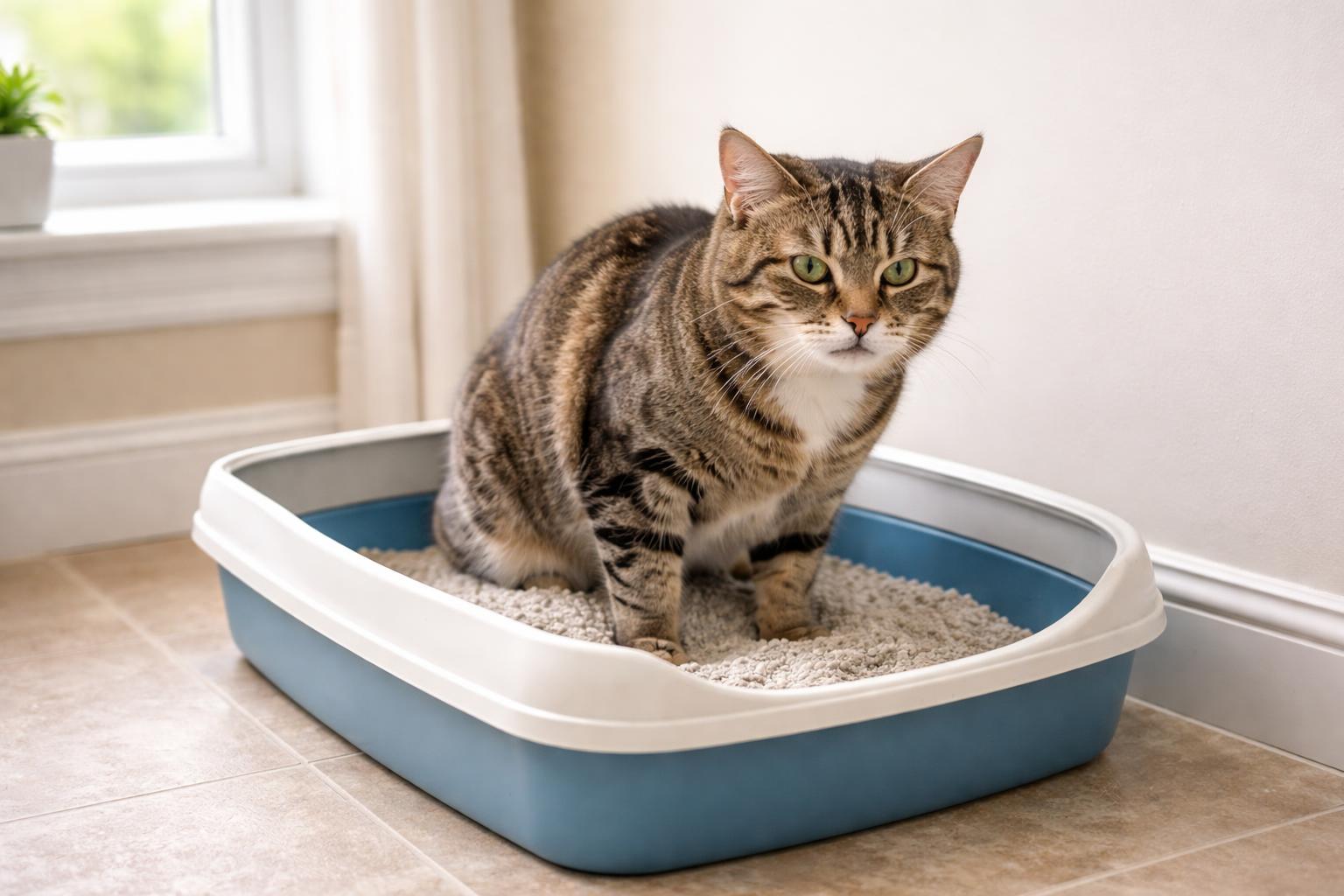
    A cat near a litter box in a home bathroom, looking uncomfortable.

    Changes in your cat’s litter box behavior often serve as the first indication of illness, appearing before other clinical symptoms become apparent. Paying attention to elimination patterns can help you identify health problems early and seek appropriate veterinary care.

    Increased or Decreased Urination

    Noticing changes in how often your cat urinates requires careful observation of the litter box. Increased urination can signal diabetes, kidney disease, or hyperthyroidism, while decreased urination may indicate dehydration or urinary tract problems.

    You should monitor the size and frequency of urine clumps in the litter box. Larger or more frequent clumps suggest increased urination, whereas smaller or fewer clumps indicate decreased output.

    Male cats who suddenly cannot urinate face a medical emergency due to potential urethral obstruction. This condition requires immediate veterinary attention to prevent serious complications or death.

    Track your cat’s water consumption alongside urination patterns. Excessive drinking combined with increased urination points to metabolic disorders that need professional diagnosis and treatment.

    Straining or Difficulty Eliminating

    Your cat straining in the litter box indicates potential urinary or digestive issues. You may observe your cat spending extended periods in the box, crying out, or making repeated trips with little to no results.

    Urinary straining often results from bladder infections, crystals, or blockages. Digestive straining typically stems from constipation, inflammatory bowel disease, or intestinal obstructions.

    Watch for these warning signs:

    • Vocalizing while in the litter box
    • Adopting an unusual posture
    • Producing only small amounts of urine or feces
    • Blood in urine or stool
    • Frequent litter box visits

    Changes in litter box habits warrant early detection to improve health outcomes. Contact your veterinarian if straining persists beyond 24 hours or accompanies other symptoms.

    Accidents Outside the Litter Box

    When your previously litter-trained cat begins eliminating outside the box, this behavior change signals potential health issues rather than simple misbehavior. Medical conditions causing discomfort often lead cats to associate the litter box with pain.

    Urinary tract infections, bladder stones, and arthritis commonly cause inappropriate elimination. Older cats with joint pain may struggle to enter the box, while cats with urinary issues may not reach it in time.

    The litter box serves as a health indicator beyond just a bathroom facility. Cats avoiding the box or displaying unusual behaviors around it send important distress signals.

    Rule out medical causes before addressing behavioral factors. Your veterinarian can perform tests to identify infections, organ dysfunction, or other conditions. Document where accidents occur, their frequency, and whether your cat eliminates urine, feces, or both to help with diagnosis.

    Emergency Signs That Require Immediate Vet Attention

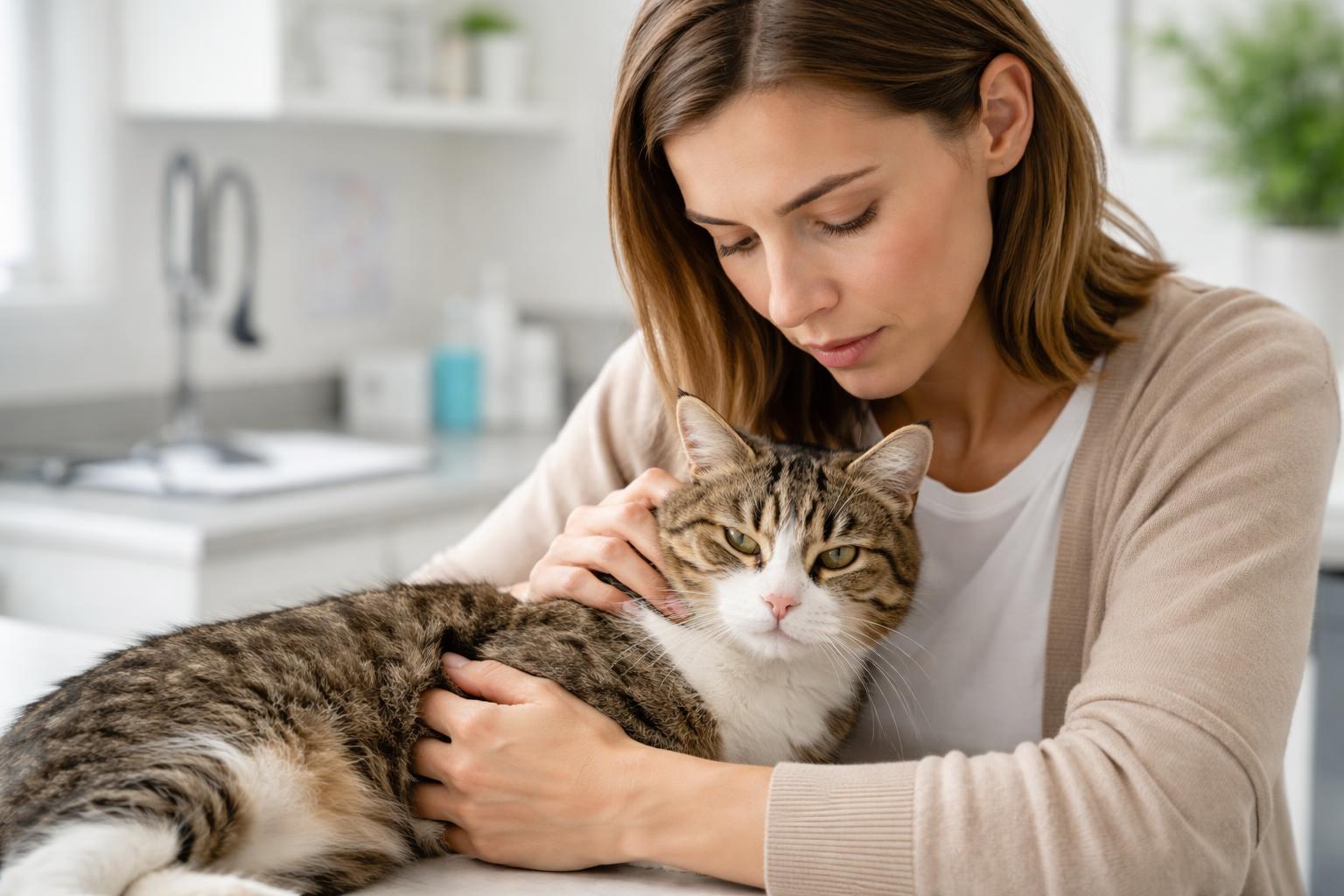
    A woman gently holding a sick cat in a veterinary clinic, looking concerned.

    Certain symptoms indicate life-threatening conditions that require you to seek emergency vet care without delay. These critical signs include respiratory distress, loss of consciousness, urinary blockage, and neurological symptoms that can rapidly deteriorate without immediate intervention.

    Difficulty Breathing or Open-Mouth Breathing

    Cats normally breathe through their noses, so open-mouth breathing signals severe respiratory distress. You may notice your cat breathing rapidly, showing labored chest movements, or making wheezing sounds.

    Blue or pale gums indicate oxygen deprivation and constitute a medical emergency. Your cat might extend their neck forward or refuse to lie down in an attempt to get more air. Respiratory emergencies demand immediate attention because oxygen deprivation can cause organ damage within minutes.

    Common causes include asthma attacks, fluid in the lungs, heart disease, or airway obstruction. If your cat ingested a foreign object or ate something toxic, breathing problems may develop quickly. Contact an emergency clinic immediately if you observe any breathing difficulties, as these situations deteriorate rapidly.

    Collapse or Unresponsiveness

    A cat that suddenly collapses or becomes unresponsive requires immediate emergency care. Collapse indicates potential heart failure, shock, severe blood loss, or poisoning.

    Your cat may appear limp, fail to respond to your voice or touch, or lose consciousness entirely. Check for breathing and a heartbeat, but transport your cat to the nearest emergency facility immediately regardless of what you find. Even if your cat regains consciousness, the underlying cause remains dangerous.

    Sudden collapse can result from conditions like blood clots, severe dehydration, or internal bleeding. Mobility loss and incoordination are time-sensitive conditions that require immediate intervention. Minutes matter in these situations, so don’t wait to see if your cat improves on their own.

    Inability to Urinate

    A cat straining in the litter box without producing urine faces a life-threatening urinary blockage. This emergency occurs more frequently in male cats due to their narrower urethras.

    Watch for repeated trips to the litter box, crying while attempting to urinate, or only producing drops of urine. Your cat may lick their genital area excessively or show signs of abdominal pain. A complete urinary blockage can cause kidney failure and death within 24-48 hours.

    Don’t confuse constipation with urinary blockage—both involve straining, but urinary obstruction is far more dangerous. If you cannot confirm that your cat has urinated within the past 24 hours, seek emergency care. The veterinarian will need to relieve the blockage and address the underlying cause to prevent recurrence.

    Seizures or Paralysis

    Seizures involve uncontrolled muscle movements, loss of consciousness, drooling, or paddling motions with the legs. Your cat may lose bladder or bowel control during a seizure episode.

    Single seizures lasting less than two minutes may not be immediately life-threatening, but you should contact your vet promptly. However, repeated seizures or episodes lasting more than five minutes require emergency intervention to prevent brain damage.

    Sudden paralysis or inability to move the hind legs often indicates a blood clot blocking blood flow to the limbs. Your cat may cry out in pain and drag their back legs. This condition causes extreme pain and can lead to permanent nerve damage without rapid treatment. Both seizures and paralysis require immediate veterinary assessment to determine the cause and begin treatment.

    Supporting Your Cat’s Health and Prevention

    A person gently examining a calm cat indoors, focusing on the cat's health and wellbeing.

    Maintaining your cat’s wellness requires consistent veterinary oversight, daily observation of behavioral patterns, and proactive measures against parasites and environmental hazards. These three pillars work together to catch problems early and prevent many common feline illnesses.

    Routine Veterinary Care

    Schedule annual wellness exams for adult cats and biannual visits for senior cats over seven years old. Your veterinarian performs comprehensive physical examinations that detect issues you might miss at home, including dental disease, heart murmurs, and early organ dysfunction.

    During these visits, your vet checks vital signs, palpates the abdomen, examines the eyes and ears, and reviews your cat’s vaccination status. Blood work becomes important for cats over seven to establish baseline values for kidney function, liver enzymes, and thyroid levels.

    Core preventive services include:

    • Annual vaccinations (rabies, FVRCP)
    • Dental cleanings as recommended
    • Fecal examinations for parasites
    • Body condition scoring and weight monitoring

    Keep a health journal noting any signs your cat is sick between appointments. This documentation helps your veterinarian identify patterns and make more accurate diagnoses.

    At-Home Health Monitoring

    Observe your cat daily for changes in eating habits, water consumption, litter box usage, and activity levels. Weigh your cat monthly using a digital scale, as gradual weight loss often signals underlying disease.

    Check your cat’s coat weekly for bald patches, excessive shedding, or skin lesions. Gently lift the lip to examine gum color, which should be pink rather than pale or yellow. Monitor breathing patterns during rest—normal cats take 15-30 breaths per minute.

    Track litter box output carefully. Changes in urination frequency, stool consistency, or the presence of blood require immediate veterinary attention. Document when symptoms begin and their severity to provide accurate information during veterinary consultations.

    Parasite Prevention and Hygiene

    Administer monthly flea and tick preventatives year-round, even for indoor cats. Fleas enter homes on clothing and other pets, creating infestations that cause skin irritation and transmit tapeworms.

    Use veterinarian-recommended deworming protocols based on your cat’s lifestyle and exposure risk. Indoor cats typically need less frequent treatment than outdoor cats, but all cats require baseline parasite screening.

    Essential hygiene practices:

    • Scoop litter boxes daily
    • Deep clean boxes weekly with mild soap
    • Wash food and water bowls daily
    • Replace scratching posts when worn

    Check ears monthly for dark debris that might indicate ear mites, particularly in cats with outdoor access or multi-cat households. Clean visible dirt from ear flaps with a damp cloth, but never insert anything into the ear canal. Trim nails every 2-3 weeks to prevent overgrowth and splitting.

  • Why Is My Cat Hiding: Common Causes and What You Need to Know

    Why Is My Cat Hiding: Common Causes and What You Need to Know

    Cats naturally seek out hiding spots as part of their instinctive behavior, but when your feline companion suddenly starts spending more time tucked away, you might wonder if something is wrong. Cats hide for many reasons including feeling stressed, scared, or unwell, though hiding can also be completely normal behavior for creating a sense of security. Understanding the difference between typical hiding and concerning behavior is essential for every cat owner.

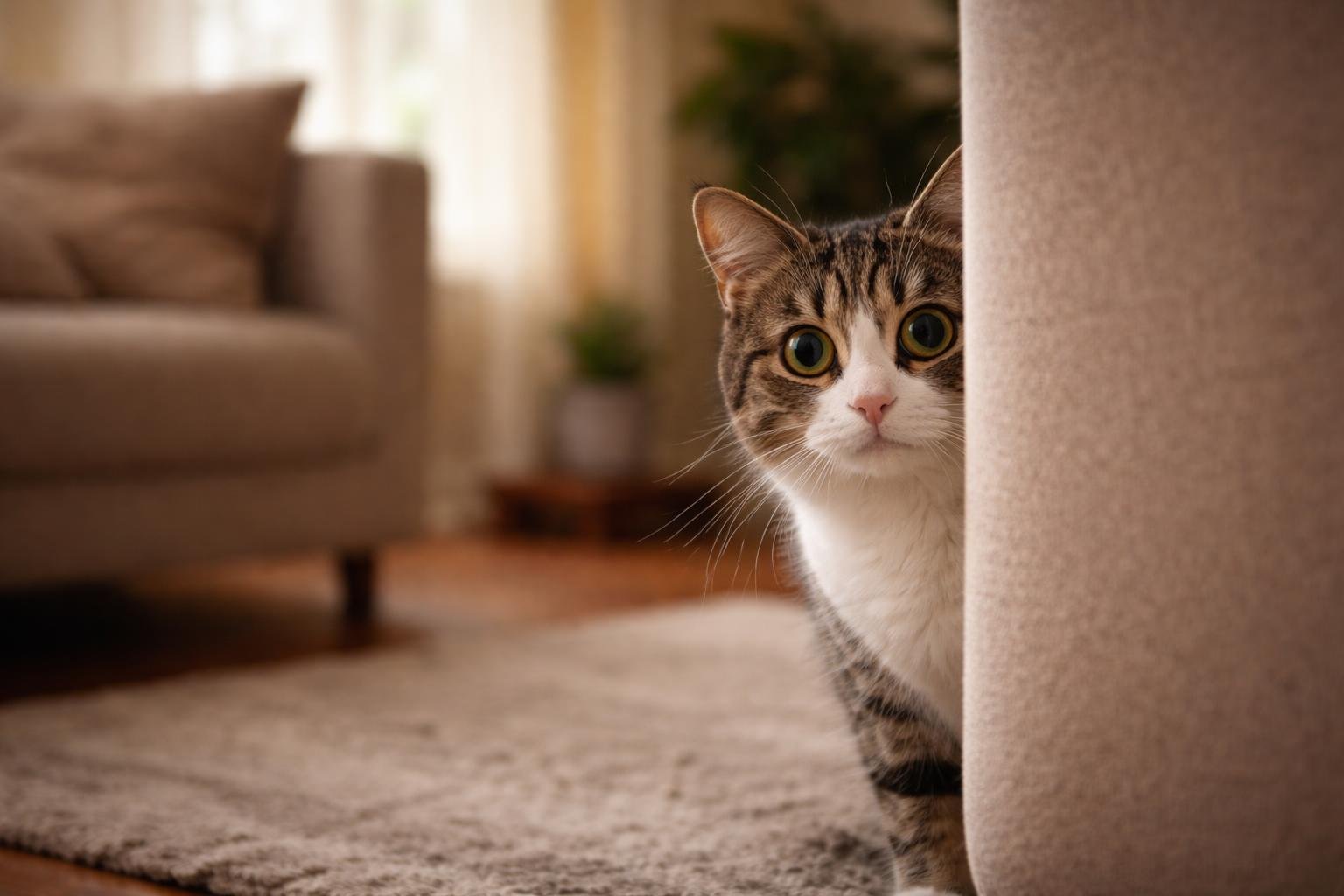
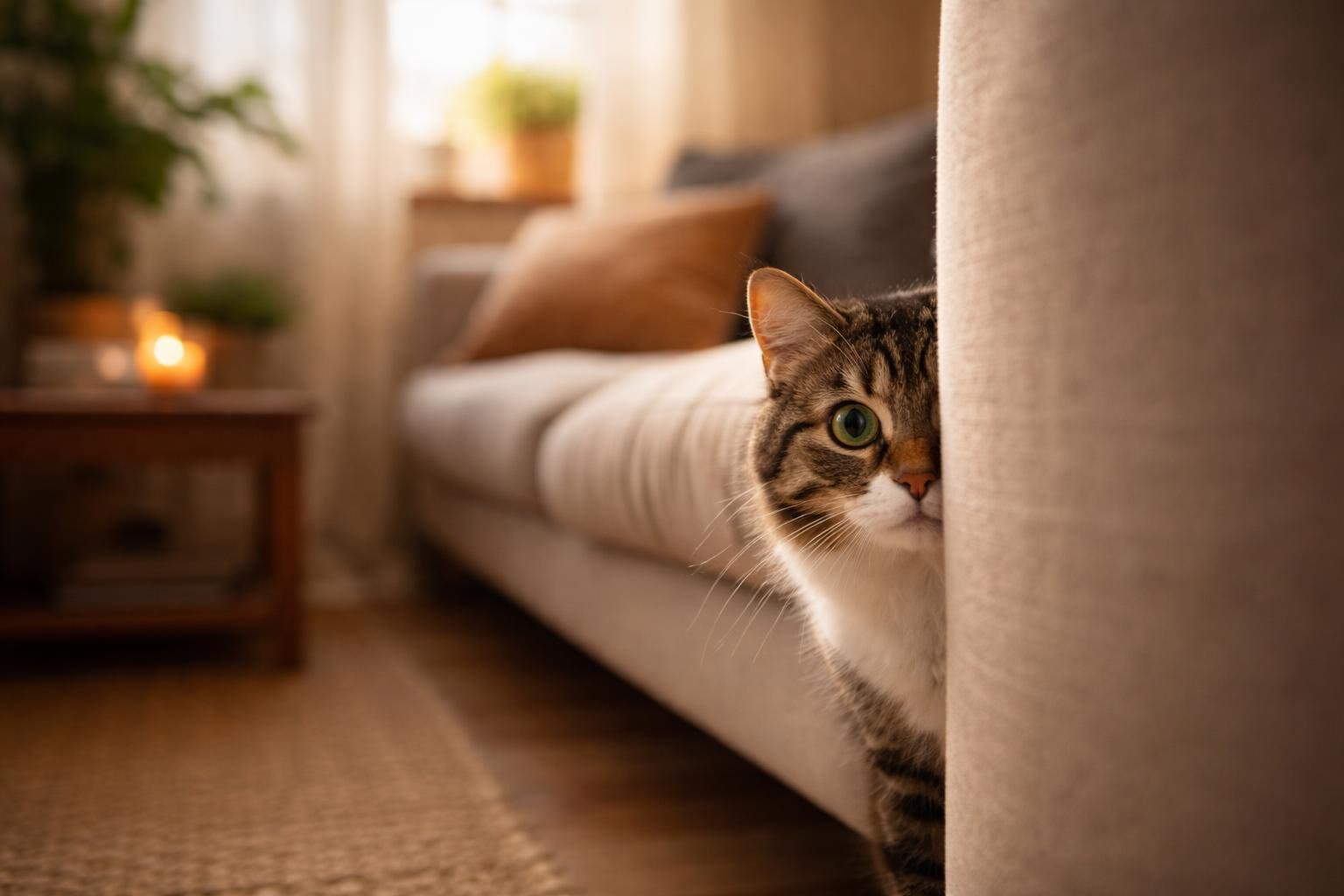
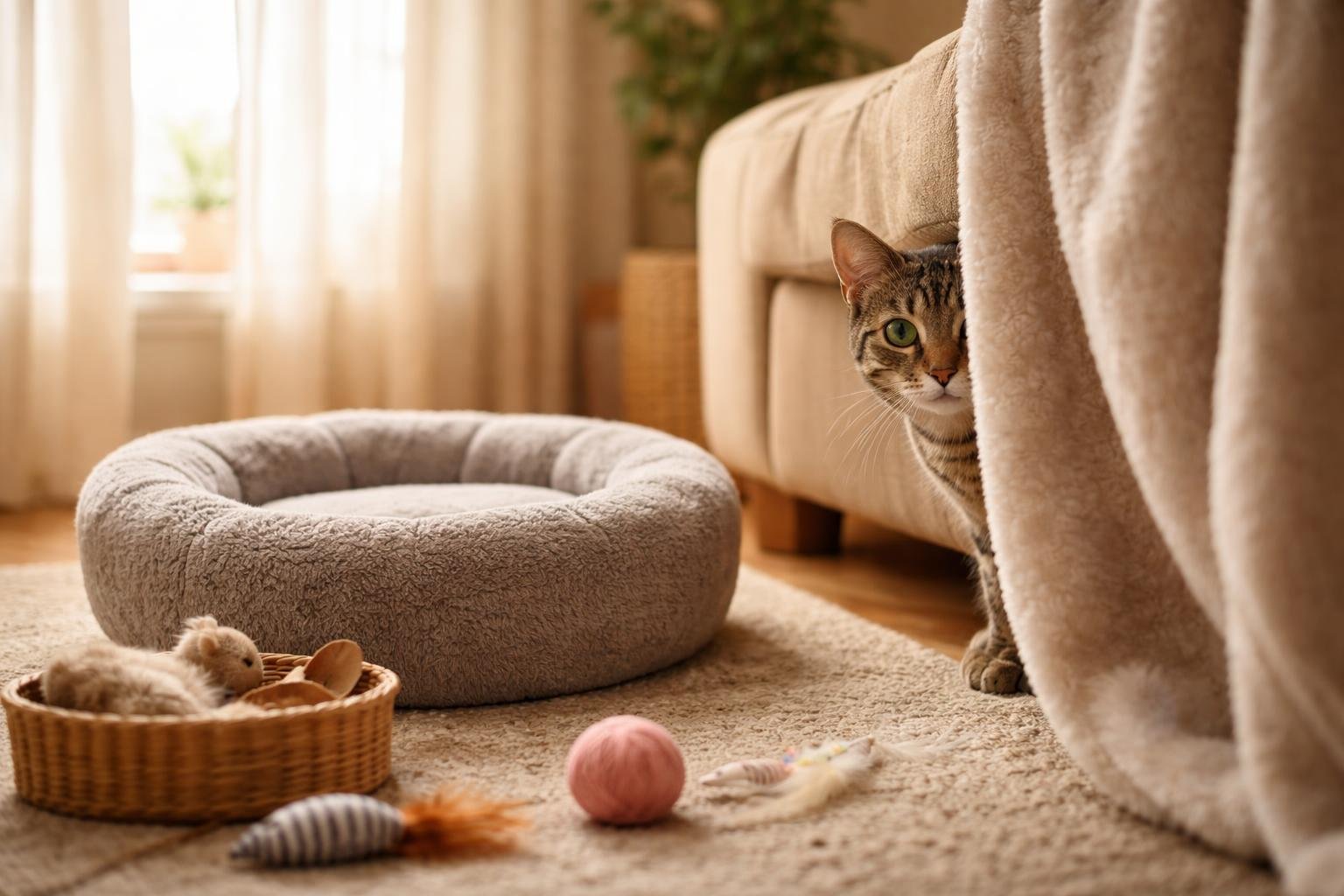
    A cat peeking out cautiously from behind a piece of furniture in a living room.

    Cat hiding can signal illness, stress, or pain, but it can also simply mean your cat needs a quiet retreat from household activity. The key is recognizing patterns and accompanying signs that help you determine whether your cat’s hiding is harmless or requires attention. Changes in eating habits, litter box use, or overall demeanor alongside hiding behavior are important indicators to watch.

    Learning why your cat hides and how to respond appropriately will help you create a more comfortable environment for your pet. This guide covers everything from common reasons cats hide to recognizing warning signs that warrant a veterinary visit, giving you the knowledge to support your cat’s wellbeing.

    Key Takeaways

    • Cats hide due to stress, illness, or their natural instinct to seek safe spaces
    • Watch for red flags like changes in eating, drinking, or litter box habits alongside hiding
    • Create safe hiding spots and consult a veterinarian if hiding behavior is sudden or accompanied by other symptoms

    Understanding Cat Hiding Behavior

    A domestic cat partially hidden behind furniture in a cozy living room, peeking out cautiously.

    Cats retreat to hidden spots for various reasons, ranging from natural instincts to potential health concerns. Recognizing whether your cat’s hiding behavior is typical or requires attention helps you respond appropriately to their needs.

    Why Is My Cat Hiding?

    Your cat may be hiding due to stress, fear, illness, or simply seeking a quiet place to rest. Changes in the household environment, such as new pets, visitors, or loud noises, often trigger hiding behavior. Cats also hide when they feel unwell or in pain, making it a potential indicator of medical issues.

    Understanding cat hiding behavior involves identifying what prompted the change. If your cat suddenly started hiding after a specific event, that event likely caused the behavior. Common triggers include:

    • Moving to a new home
    • Introduction of new family members or pets
    • Construction or loud household activities
    • Changes in routine or feeding schedules
    • Unfamiliar scents or objects

    Medical reasons can also explain why your cat is hiding more frequently. Cats instinctively conceal illness to avoid appearing vulnerable. Pain, digestive issues, or respiratory problems may drive your cat to isolate themselves in cat hiding places away from activity.

    Why Cats Hide: Natural Instincts and Safety

    Hiding is an innate behavior rooted in your cat’s survival instincts. In the wild, cats hide to avoid predators, stalk prey, and protect themselves during vulnerable moments like sleeping or giving birth.

    Domestic cats retain these instincts even in safe home environments. Your cat’s strong senses can become overwhelmed by modern household stimuli, prompting them to seek quiet, enclosed spaces. This behavior allows them to decompress and feel secure.

    Cats naturally prefer elevated perches and confined spaces where they can observe their surroundings while remaining concealed. Common hiding spots include:

    • Under beds or furniture
    • Inside closets or cabinets
    • Behind appliances
    • In cardboard boxes
    • On high shelves or cat trees

    This instinctive behavior serves multiple purposes beyond safety. Cats also hide to regulate their body temperature, manage stress, and maintain their territorial boundaries within your home.

    When Cat Hiding Is Normal Versus Concerning

    Normal hiding occurs when your cat periodically retreats for short periods and emerges on their own for meals, play, or social interaction. Cats that hide during specific events like thunderstorms or when guests visit typically resume normal behavior once the situation passes.

    Concerning cat hiding behavior involves extended periods of isolation accompanied by other symptoms. You should monitor your cat closely if hiding persists beyond 24-48 hours or occurs alongside behavioral changes.

    Warning signs that require veterinary attention:

    Symptom What to Watch For
    Appetite changes Refusing food or water for more than 24 hours
    Litter box issues Not using the litter box or straining
    Physical symptoms Vomiting, diarrhea, limping, or discharge
    Behavioral shifts Aggression, excessive vocalization, or lethargy

    Contact your veterinarian if your cat hides continuously without coming out for basic needs. Sudden hiding combined with acting weird often indicates pain or illness requiring professional evaluation.

    Common Reasons for Cat Hiding

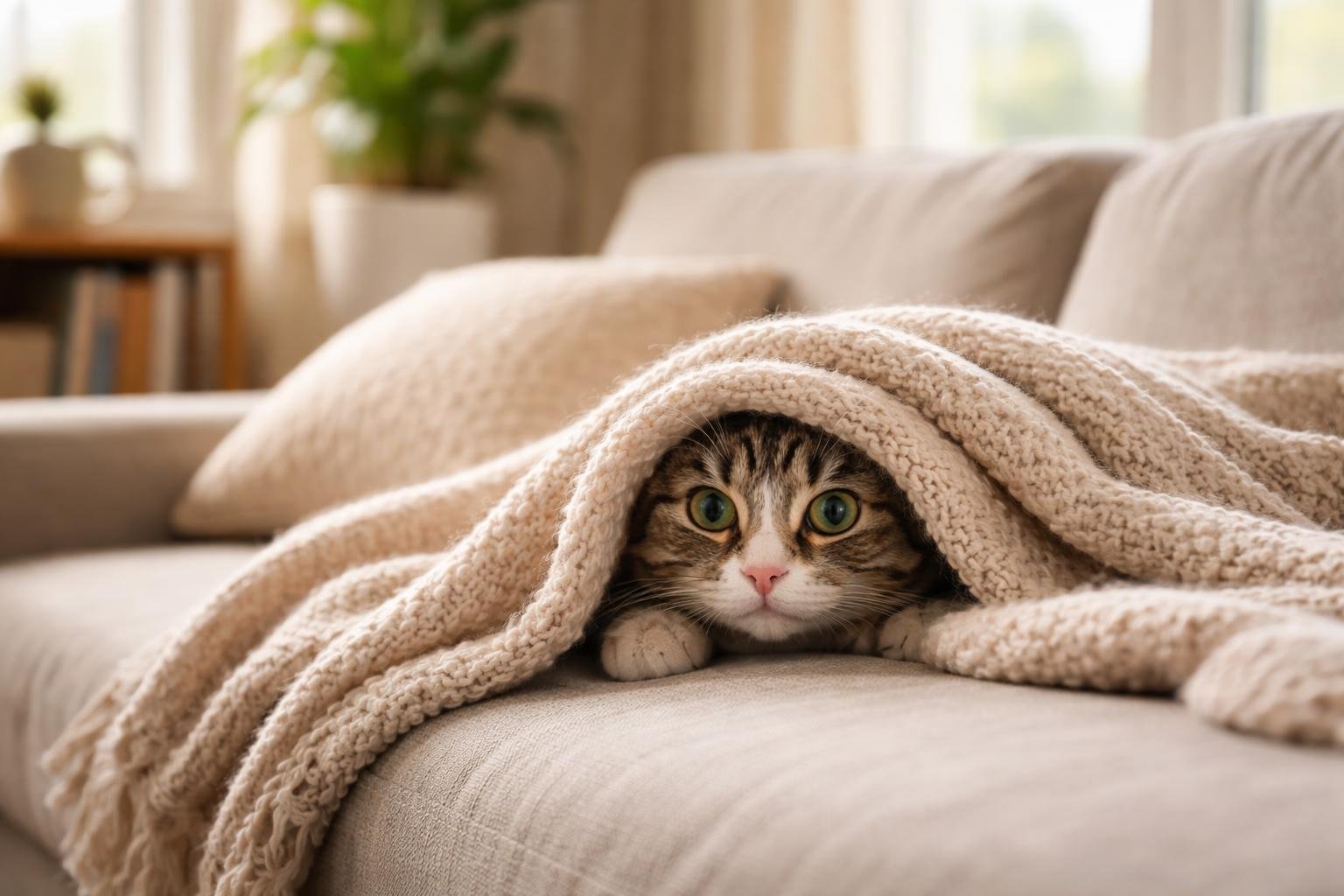
    A cat peeking out from under a blanket on a couch in a cozy living room.

    Cats retreat to hidden spaces for several distinct reasons, ranging from natural instincts to medical concerns. Understanding whether your cat is seeking quiet time, responding to environmental stressors, dealing with health issues, or exhibiting reproductive behaviors helps you determine the appropriate response.

    Stress and Anxiety

    Cats hide when stressed as a coping mechanism to feel secure and protected. Your cat may retreat from overwhelming sensory experiences in your home, including loud household appliances, strong chemical odors from cleaning products, or excessive activity.

    Multi-cat households often trigger hiding behavior when one cat experiences bullying or territorial disputes with other pets. Your cat needs a safe retreat where they can escape confrontation and reduce tension.

    Common stress triggers include:

    • Fireworks and thunderstorms
    • Vacuum cleaners and loud music
    • New furniture or rearranged rooms
    • Changes in household routines
    • Visitors and unfamiliar people

    If you notice your cat hiding frequently, evaluate recent changes in your home environment. A cat behavior consultant can help identify specific stressors affecting your pet.

    Illness or Pain

    Cat hiding can signal illness because cats instinctively conceal vulnerability when they feel unwell. This protective behavior stems from their wild ancestors who needed to avoid predators during periods of weakness.

    Monitor your cat for additional warning signs that indicate medical problems. Refusing food, avoiding the litter box, lethargy, or vocalizing when touched all suggest your cat needs veterinary attention.

    Red flag symptoms requiring immediate care:

    • Not eating for 24+ hours
    • Litter box changes or accidents
    • Visible injuries or limping
    • Rapid breathing or panting
    • Excessive grooming or hair loss

    If your previously social cat suddenly isolates themselves and displays any concerning symptoms, schedule a veterinary examination promptly.

    Fear and Environmental Changes

    Why cats hide when people come over relates to their perception of strangers as potential threats. Your cat assesses unfamiliar situations from a distance before deciding whether to engage.

    Moving to a new home, introducing new family members, or bringing home a new pet creates significant upheaval. Your cat requires time to adjust and may hide extensively during transition periods.

    Environmental factors affecting cat hiding include construction noise near your home, changes in your work schedule, or even seasonal shifts in natural light. Provide consistent access to familiar hiding spots while your cat adapts.

    Pregnancy and Territorial Behavior

    Pregnant cats instinctively seek secluded areas as they approach labor. Your cat will search for quiet, dark spaces where she feels protected enough to give birth and care for vulnerable kittens.

    Territorial behavior also drives hiding in certain situations. Male cats may retreat after encountering unfamiliar cats outside, while females might hide during heat cycles when feeling particularly vulnerable to unwanted attention.

    Intact cats display more hiding behavior related to reproductive instincts than spayed or neutered pets.

    Identifying and Managing Cat Hiding Places

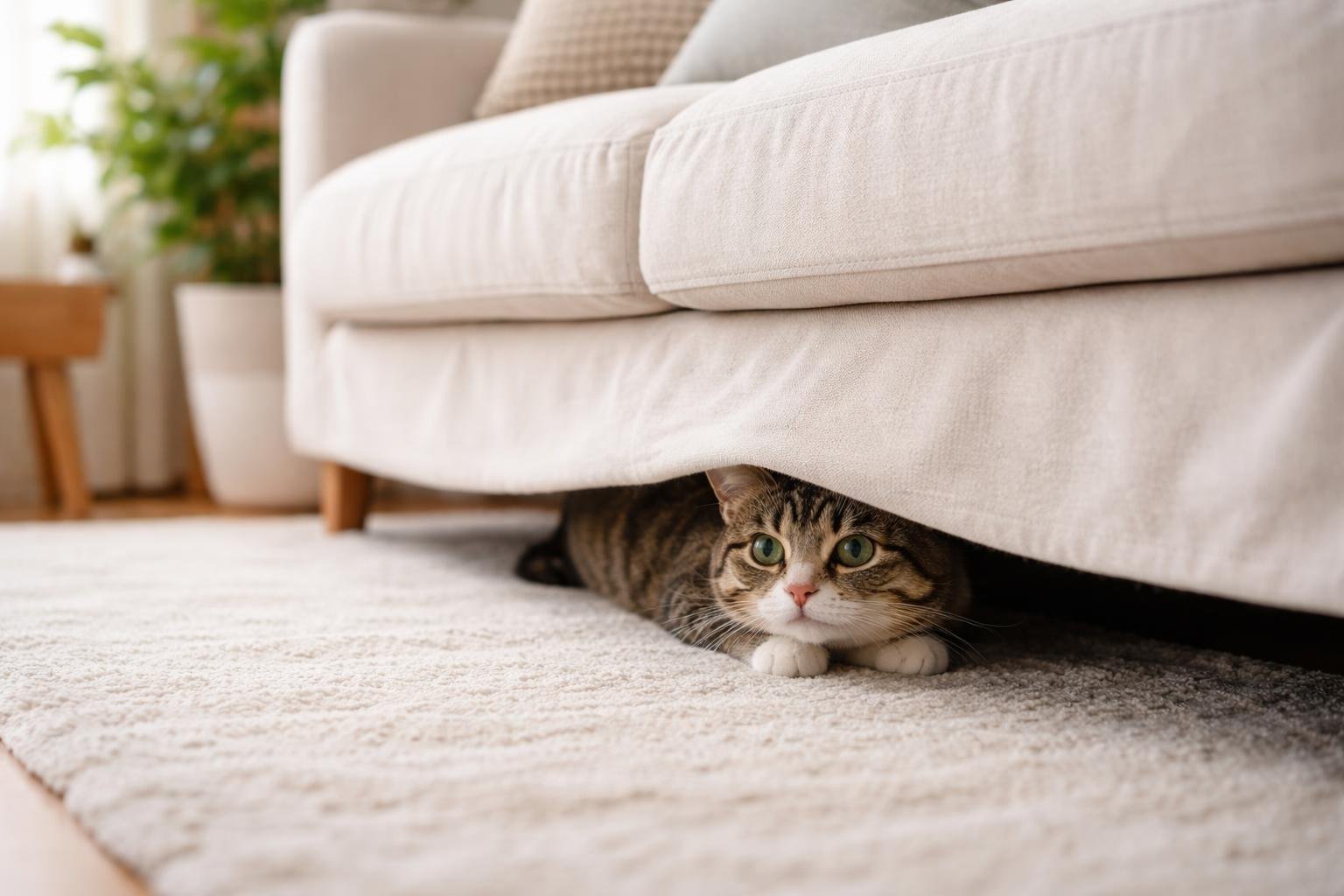
    A domestic cat partially hidden under a couch in a tidy living room, looking alert and comfortable.

    Cats seek out specific types of locations based on their natural instincts for security and comfort. Understanding where cats typically hide helps you locate them quickly and ensure their chosen spots are safe.

    Typical Indoor Hiding Spots

    Common hiding spots for cats include under beds, behind or under furniture, and inside closets or cabinets. Your cat may also retreat to elevated spaces like shelves or high cabinets where they can observe their surroundings from above.

    Dark, enclosed areas appeal to cats because they provide a sense of security. You’ll often find cats tucked into drawers, laundry baskets, or cardboard boxes. Cat trees with enclosed cubby holes offer ideal hiding spots that satisfy your cat’s instinctual need for both elevation and enclosure.

    Behind appliances like refrigerators and washing machines are popular choices. Check inside open suitcases, behind curtains, and in bathroom cabinets. Cats also squeeze into spaces between furniture and walls or burrow under blankets and clothing piles.

    Dangerous Hiding Locations to Avoid

    Some hiding spots pose serious risks to your cat’s safety. Inside running appliances like dryers and washing machines can be fatal, so always check before starting a cycle. Recliners and sofa beds contain mechanical parts that can trap or crush a hiding cat.

    Spaces near hot appliances like ovens, water heaters, and furnaces can cause burns or heat exhaustion. Your cat may also hide in garage areas near chemicals, antifreeze, or sharp tools.

    Block access to spaces behind heavy furniture that could tip over or areas where your cat might become trapped without escape routes. Unsealed crawl spaces and attics can expose cats to insulation, pests, or temperature extremes. Keep garage doors and car hoods closed, as cats often hide in wheel wells or engine compartments.

    Outdoor and Hard-to-Find Cat Hiding Places

    Cats hide in elevated spaces outdoors including trees, rooftops, and underneath decks or porches. Your cat may wedge into drainage pipes, storm drains, or crawl under parked vehicles.

    Dense bushes, tall grass, and garden sheds provide cover. Check inside open garages, under tarps, and in woodpiles where cats can burrow deep. Neighbors’ yards, especially those with outdoor furniture or storage areas, attract hiding cats.

    Look in unexpected vertical spaces like gutters or behind outdoor air conditioning units. Cats climb into open windows of parked cars or hide underneath them near warm engines. Search systematically in widening circles from your home, calling your cat’s name and shaking treats to encourage them to reveal their location.

    How to Help Your Cat Feel Safe and Reduce Hiding

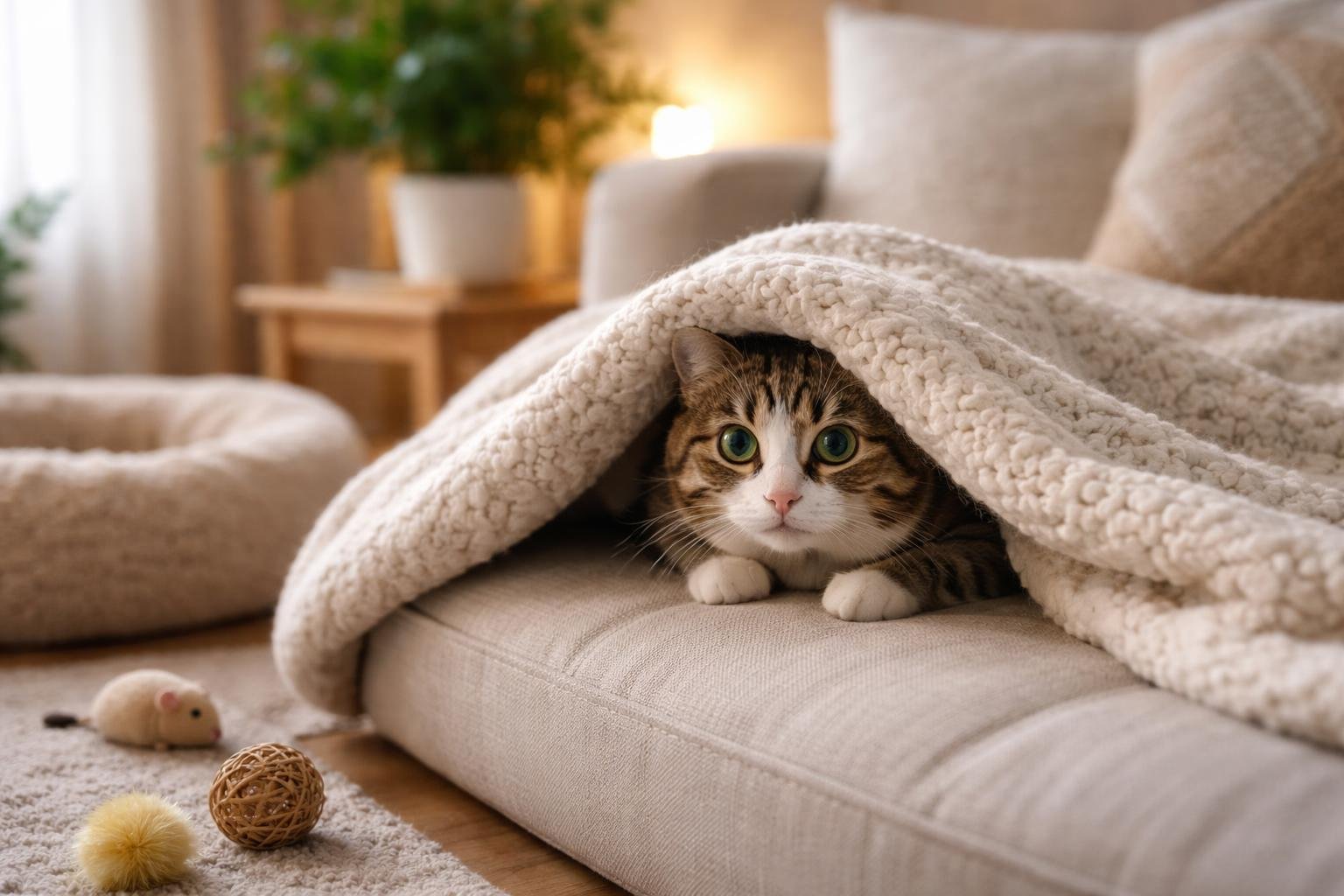
    A domestic cat partially hiding under a blanket on a couch in a cozy indoor setting.

    Creating a stable and predictable environment helps minimize stress-related hiding behavior in cats. Strategic enrichment, comfortable alternatives, calming aids, and thoughtful environmental management work together to build your cat’s confidence and security.

    Providing Enrichment and Cat Trees

    Cat trees offer vertical territory that satisfies your cat’s instinctual need to observe their surroundings from elevated positions. These structures provide multiple perches at different heights, allowing your cat to choose their comfort level while maintaining a sense of control over their environment.

    Position cat trees near windows to combine height advantage with visual stimulation from outdoor activity. Multi-level trees with enclosed cubby holes give your cat options between open observation spots and semi-private retreats.

    Interactive toys and puzzle feeders redirect anxious energy into productive mental stimulation. Rotate toys weekly to maintain novelty and prevent boredom. Feather wands, laser pointers, and motorized mice encourage natural hunting behaviors that build confidence through successful “catches.”

    Scratching posts integrated into cat trees serve dual purposes of territory marking and stress relief. Place horizontal and vertical scratching surfaces throughout your home to give your cat acceptable outlets for marking behavior.

    Safe Alternatives Like Heated Cat Beds

    A heated cat bed provides warmth and comfort that naturally attracts cats seeking security. These beds mimic the soothing warmth cats associate with safety, making them appealing alternatives to hiding under furniture or in dark corners.

    Place heated beds in quiet, low-traffic areas where your cat can relax without interruption. Cats often hide when they need uninterrupted rest, so accessible comfort zones reduce the need to seek out isolated spaces.

    Consider beds with raised sides or hooded designs that offer enclosure without complete isolation. This semi-enclosed structure satisfies your cat’s desire for protection while keeping them visible and approachable.

    Self-warming beds using reflective materials work well for cats who dislike electrical cords. Position multiple comfortable resting spots throughout your home at various heights and locations to give your cat choices based on their current mood and needs.

    Using Calming Products Such as Feliway Diffuser

    A Feliway diffuser releases synthetic facial pheromones that signal safety and familiarity to cats. These pheromones mimic the natural markers cats deposit when they rub their faces on furniture, helping reduce stress, fear, or anxiety in your cat’s environment.

    Plug diffusers in rooms where your cat spends most time or where hiding behavior occurs frequently. Each diffuser covers approximately 700 square feet and requires refills every 30 days for continuous effect.

    Calming collars infused with pheromones offer portable stress relief for cats who move between rooms or hide in multiple locations. These collars work continuously for up to 30 days and complement diffuser use.

    Calming sprays containing pheromones can be applied directly to bedding, carriers, or new furniture that might trigger hiding. Allow sprayed surfaces to dry for 15 minutes before your cat contacts them for maximum effectiveness.

    Maintaining a Cat-Friendly Environment

    A predictable daily routine reduces uncertainty that triggers hiding behavior. Feed your cat at consistent times, maintain regular play sessions, and keep litter box cleaning on a schedule your cat can anticipate.

    Keep litter boxes clean with daily scooping and complete changes weekly. Dirty litter boxes cause stress that may drive cats to hide rather than use uncomfortable facilities. Provide one box per cat plus one extra, positioned in quiet, accessible locations.

    Minimize loud noises and sudden environmental changes when possible. If renovations or events are unavoidable, create a designated safe room with familiar items where your cat can retreat comfortably.

    Respect your cat’s normal hiding places rather than forcing interaction. Arrange hiding spots to remain safe and accessible while gradually introducing positive associations through treats or toys placed nearby. Never block or eliminate all hiding options, as cats need retreat spaces for healthy emotional regulation.

    When to Consult a Cat Behavior Consultant or Veterinarian

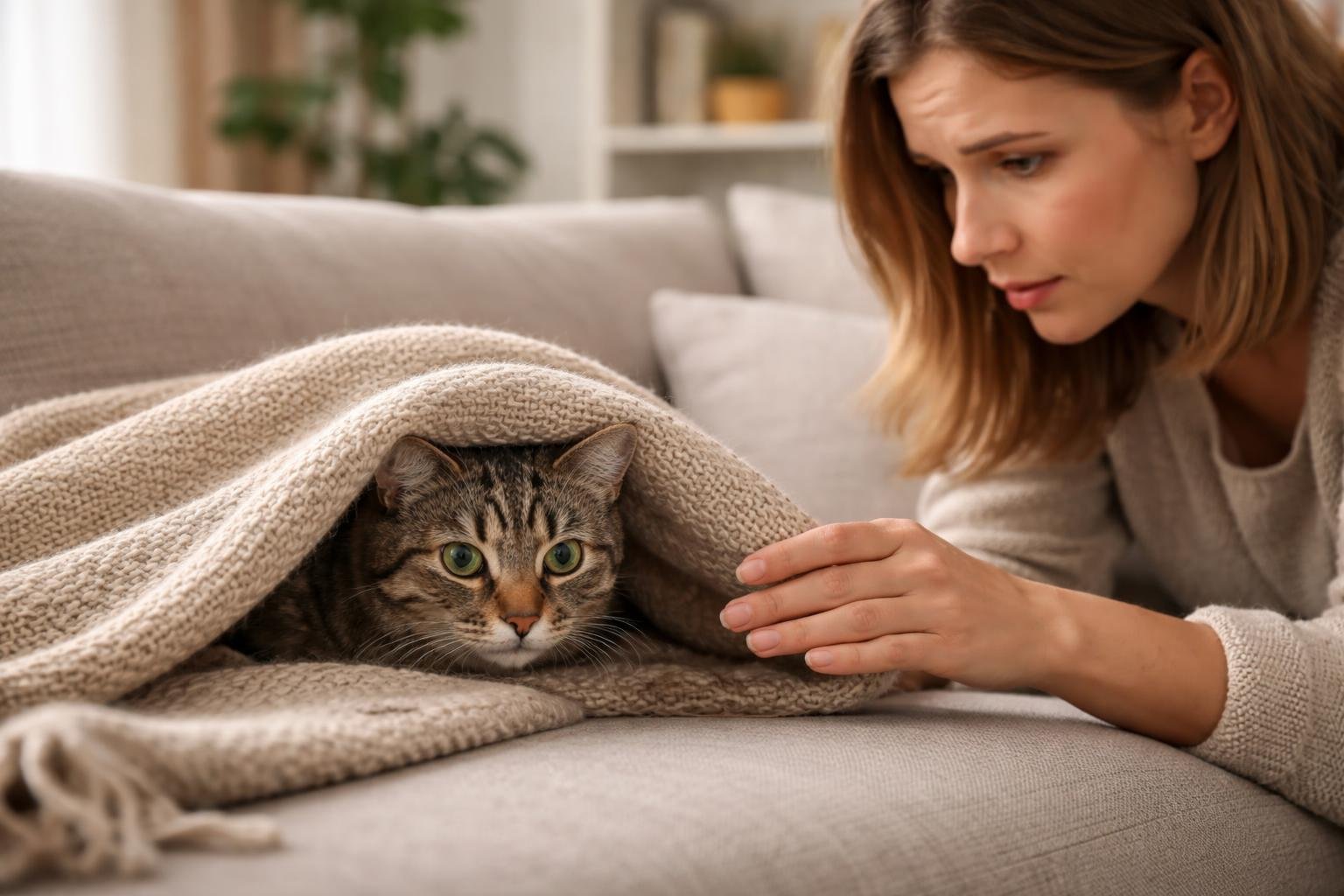
    A cat partially hiding under a blanket on a couch while a woman gently reaches toward it in a living room.

    If your cat’s hiding persists beyond a few days or comes with other troubling symptoms, professional intervention becomes necessary. Medical issues should always be ruled out first, while behavioral specialists address ongoing anxiety or stress-related hiding.

    Warning Signs That Require Professional Help

    Sudden changes in hiding behavior that last more than 48 hours warrant immediate veterinary attention. You should contact your veterinarian if your cat shows loss of appetite, lethargy, vomiting, diarrhea, or difficulty urinating while hiding.

    Aggression when approached, excessive vocalization from hiding spots, or visible signs of pain also require urgent care. These symptoms often indicate underlying medical conditions that need diagnosis and treatment.

    Medical problems should be suspected first before assuming behavioral causes. Your veterinarian can perform physical examinations, blood work, and other diagnostic tests to identify health issues. Once medical causes are eliminated, behavioral concerns can be addressed.

    If hiding continues after medical clearance, stress-related triggers like environmental changes, new pets, or household disruptions may be responsible. Persistent anxiety-driven hiding benefits from professional behavioral guidance.

    What to Expect From a Cat Behavior Consultant

    A cat behavior consultant is a trained specialist in feline behavior modification, often certified through organizations like the IAABC. They focus exclusively on addressing behavioral issues after medical causes have been ruled out by your veterinarian.

    During your consultation, the specialist will gather detailed information about your cat’s history, environment, and specific hiding patterns. They’ll ask about recent changes in your household, your cat’s daily routine, and any triggers you’ve noticed.

    The consultant creates a customized behavior modification plan tailored to your cat’s needs. This plan typically includes environmental enrichment strategies, stress reduction techniques, and gradual desensitization exercises. Understanding medical versus behavioral causes is crucial, as these professionals work alongside veterinarians rather than replacing them.

    Follow-up sessions monitor progress and adjust strategies as needed. Implementation requires patience and consistency on your part to achieve lasting results.

    Supporting Your Cat During Transitions

    A cat hiding partially behind a blanket in a cozy living room with soft natural light.

    Major changes like moving homes or introducing new family members require specific strategies to help your cat feel secure. Creating a stable environment and respecting your cat’s natural instincts makes the adjustment period significantly less stressful.

    Managing Cat Stress After Big Changes

    Cats may hide for a while after a move because sudden changes in surroundings trigger anxiety and confusion. You should set up a dedicated safe room with familiar items like their bed, toys, and litter box before letting your cat explore the entire space.

    Keep the room quiet and limit visitors during the first few days. Place food and water bowls away from the litter box to create distinct zones your cat can recognize.

    Essential comfort items to include:

    • Previous bedding with familiar scents
    • Favorite toys and scratching posts
    • Pheromone diffusers or calming sprays
    • Cardboard boxes or covered beds as cat hiding places

    Maintain your cat’s previous feeding schedule and routine as closely as possible. Consistency in meal times and play sessions provides predictability during uncertain periods.

    Encouraging Exploration Without Forcing Interaction

    Allow your cat to emerge from hiding on their own timeline rather than pulling them out or cornering them. Bringing home a rescue cat often means accepting that they need several days or weeks to feel comfortable.

    Place treats or toys near but not inside your cat’s hiding spot to encourage gradual movement. You can sit quietly in the same room while reading or using your phone to help them acclimate to your presence without pressure.

    Speak in calm, soft tones when your cat is visible but avoid direct eye contact, which cats perceive as threatening. Let them approach you first for sniffing or interaction.

    Open doors to additional rooms one at a time over several days. This gradual expansion prevents overwhelming your cat with too much new territory at once and lets them establish multiple safe zones throughout your home.

  • Why Do Cats Sleep So Much: Understanding Your Feline’s Natural Sleep Patterns

    Why Do Cats Sleep So Much: Understanding Your Feline’s Natural Sleep Patterns

    If you’ve ever wondered why your feline companion spends most of the day curled up in their favorite sunny spot, you’re not alone. Watching cats drift in and out of sleep for what seems like endless hours is a common sight in households around the world.

    A fluffy cat sleeping curled up on a sunlit windowsill in a cozy living room.

    Cats typically sleep between 12 to 16 hours per day, with some cats sleeping up to 20 hours depending on their age and activity level. This extensive sleep pattern isn’t laziness—it’s rooted in their biology as natural hunters who need to conserve energy for brief bursts of intense activity. Cats evolved to sleep this much because hunting requires significant energy expenditure.

    Understanding your cat’s sleep habits can help you recognize what’s normal and what might signal a health concern. While extended sleep is typical for cats, changes in sleep duration or quality can sometimes indicate underlying issues that need attention.

    Key Takeaways

    • Cats need 12-16 hours of daily sleep to conserve energy for hunting behaviors
    • Age, health status, and activity level all influence how much your cat sleeps
    • Sudden changes in sleep patterns may require veterinary evaluation

    Understanding Normal Cat Sleep Patterns

    A domestic cat sleeping peacefully curled up on a soft blanket near a sunlit window in a cozy room.

    Cats spend a significant portion of their day sleeping, typically between 12 and 18 hours, with this rest divided between light catnaps and deeper sleep cycles that serve distinct biological purposes.

    How Many Hours Do Cats Sleep Per Day?

    Adult cats sleep between 12 and 16 hours per day, though some may rest up to 18 hours depending on various factors. Kittens and senior cats often sleep even longer than adult cats due to their higher energy demands for growth or lower overall activity levels.

    Your cat’s sleep duration is tied to their evolutionary history as hunters. The amount of sleep your cat needs relates directly to their hunting lifestyle that demands explosive muscle performance followed by extended recovery periods. Age, health status, and environmental factors all influence how much time your cat spends sleeping.

    Changes in your individual cat’s sleep pattern matter more than the total hours. Normal cat sleep varies between individual cats, so tracking deviations from your cat’s usual routine provides better health insights than comparing against general averages.

    What Catnaps and Cat Naps Mean

    Catnaps are brief periods of light sleep where your cat remains alert to their surroundings. During these short rest periods, your cat can wake instantly if needed, keeping their senses partially engaged even while resting.

    Your cat takes frequent cat naps throughout the day rather than sleeping in one long session. This polyphasic sleep pattern allows them to conserve energy between potential hunting opportunities or play sessions. Most of the sleep you observe during daylight hours consists of these lighter naps rather than deep sleep.

    These short rest periods explain why your cat seems to wake up so quickly when you open a treat bag or walk past their favorite sleeping spot.

    Cat Sleep Cycles: Light vs. Deep Sleep

    Your cat alternates between light and deep sleep throughout their rest periods. Light sleep accounts for roughly 75% of your cat’s total sleep time, while deep sleep makes up the remaining 25%.

    During light sleep, your cat’s muscles remain somewhat tense, their ears may twitch toward sounds, and they can respond rapidly to stimuli. You’ll notice your cat’s eyes might not fully close during these periods. Deep sleep occurs in shorter bursts, typically lasting only 5 to 10 minutes at a time, during which your cat’s body relaxes completely and becomes less responsive to external stimuli.

    Your cat’s whiskers, paws, and tail may twitch during deep sleep phases, indicating dream activity similar to what humans experience during REM sleep.

    Why Do Cats Sleep So Much?

    A domestic cat sleeping curled up on a soft blanket in a sunlit indoor setting.

    Cats sleep between 12 to 18 hours daily due to their evolutionary design as predators, their protein-based metabolism that requires significant recovery time, and their natural activity patterns centered around dawn and dusk hunting periods.

    Evolutionary Reasons Behind Cat Sleep

    Your cat’s ancestors were solitary hunters who needed to conserve energy between hunts. Wild cats spend considerable effort stalking and capturing prey, which demands intense bursts of speed and strength. Cats are apex predators with relatively low predation risk themselves, allowing them to sleep deeply for extended periods without constant vigilance.

    This evolutionary trait persists in domestic cats even though they no longer hunt for survival. The instinct to rest extensively between activities remains hardwired into their biology. Your cat’s sleep patterns reflect millions of years of adaptation to a hunting lifestyle that required peak physical performance during brief, critical moments.

    Cat Metabolism and Energy Conservation

    Cats are obligate carnivores running a protein-dependent metabolism that demands extended recovery periods. Their bodies process protein differently than omnivores, requiring more downtime to digest and convert nutrients efficiently.

    Key metabolic factors include:

    • High protein diet requires significant digestive energy
    • Body temperature regulation during rest periods
    • Cellular repair and muscle recovery processes
    • Energy storage for sudden activity bursts

    Your cat’s body operates like a high-performance engine that needs regular rest cycles. Sleep allows their system to process nutrients, repair tissues, and maintain the explosive muscle power needed for hunting behaviors like pouncing and sprinting.

    The Role of Being Crepuscular

    Cats are crepuscular creatures, meaning they’re naturally most active during dawn and dusk hours. Their eyes, ears, whiskers, and sense of smell give them distinct advantages when hunting in low light conditions. This activity pattern explains why your cat seems most energetic early in the morning and again in the evening.

    During daylight and nighttime hours, cats naturally rest to conserve energy for their peak activity windows. You might notice your cat sleeping through most of the afternoon, then suddenly becoming playful around sunset. This isn’t laziness—it’s an ingrained biological rhythm that dictates when cats should hunt and when they should rest.

    Factors Affecting Cat Sleep Habits

    A domestic cat sleeping curled up on a soft blanket near a sunlit window inside a quiet room.

    Multiple factors determine how long your cat sleeps each day, from their life stage to what they eat. Understanding these influences helps you recognize normal sleep patterns and identify potential concerns.

    Age and Developmental Stages

    Your cat’s age significantly impacts their sleep requirements. Kittens sleep up to 20 hours per day because their bodies need extensive rest for rapid growth and brain development. During these extended sleep periods, their muscles, bones, and immune systems strengthen.

    Adult cats typically sleep between 12 to 16 hours daily, maintaining a balance between activity and rest. Senior cats often return to longer sleep schedules, sometimes exceeding 18 hours per day. Older felines experience decreased energy levels and may develop age-related conditions that increase fatigue.

    The transition between life stages affects sleep gradually rather than suddenly. Your adolescent cat may display erratic sleep patterns as their energy levels fluctuate during development.

    Environmental Influences and Lifestyle

    Your cat’s living environment directly shapes their sleep habits. Indoor cats with limited stimulation may sleep more due to boredom, while cats in active households with regular playtime often maintain more balanced sleep-wake cycles. The availability of toys, climbing structures, and interaction opportunities keeps your cat engaged during waking hours.

    Cats who lack stimulation may doze off more frequently out of tedium rather than genuine tiredness. Temperature also plays a role—cats naturally seek warm, comfortable spots for extended rest periods. Your household routine influences when your cat sleeps, as many felines adapt their schedules to match family activity levels.

    Stress and changes in environment can temporarily alter sleep patterns. Moving to a new home or introducing new pets may initially disrupt your cat’s normal rest cycle.

    Diet and Nutrition Impact

    What you feed your cat affects their energy levels and sleep duration. High-quality protein supports sustained energy throughout the day, while poor nutrition may lead to lethargy and excessive sleeping. Overfeeding causes weight gain and reduced activity, resulting in longer sleep periods.

    Your cat’s feeding schedule influences their sleep-wake cycle. Cats naturally experience post-meal drowsiness as their bodies digest food. Inadequate hydration can cause fatigue and increased rest time.

    Nutritional deficiencies or food sensitivities may manifest as changes in sleep behavior. If your cat suddenly becomes more lethargic after dietary changes, consult your veterinarian to rule out adverse reactions or nutritional imbalances.

    When Cat Sleep Signals a Problem

    A domestic cat sleeping peacefully curled up on a soft blanket in a cozy living room.

    While cats naturally sleep between 12 to 20 hours daily, sudden changes in sleep duration, quality, or patterns may indicate underlying health issues, stress, or behavioral problems. Distinguishing between normal feline rest and concerning sleep changes requires attention to specific warning signs and accompanying symptoms.

    Recognizing Abnormal Sleep Behaviors

    You should monitor your cat for sudden increases or decreases in total sleep time compared to their normal patterns. A cat that previously slept 14 hours daily but now sleeps 22 hours may be experiencing health issues.

    Watch for changes in sleep quality, such as difficulty settling down, frequent waking, or unusual sleep positions that suggest discomfort. Your cat may also exhibit abnormal sleep behaviors like sleeping in hidden locations when they previously preferred open spaces.

    Lethargy paired with excessive sleep differs from normal rest. If your cat seems too tired to eat, groom, or use the litter box, this warrants immediate attention. Additional red flags include sleeping through normally exciting activities like meal preparation or play time.

    Sudden shifts from active nighttime behavior to constant sleeping, or vice versa, can signal problems. You should note whether your cat appears difficult to wake or seems disoriented upon waking.

    Health Conditions Linked to Excessive Sleep

    Multiple medical conditions cause cats to sleep more than usual. Diabetes leads to fatigue and increased sleep as your cat’s body struggles to regulate blood sugar levels. Hyperthyroidism initially causes hyperactivity but eventually results in exhaustion and excessive sleeping.

    Kidney disease, heart disease, and anemia all reduce energy levels and cause increased sleep duration. Infections, whether viral, bacterial, or parasitic, typically make cats sleep more as their bodies fight illness. Arthritis and other painful conditions may cause your cat to sleep more to avoid discomfort during movement.

    Common health-related sleep changes include:

    • Weight loss or gain alongside increased sleep
    • Changes in appetite or water consumption
    • Vomiting or diarrhea
    • Difficulty breathing or coughing
    • Fever or low body temperature
    • Pale gums or changes in gum color

    Obesity contributes to excessive sleeping because carrying extra weight requires more energy for basic activities. Your cat may sleep more simply because movement has become physically taxing.

    Stress, Boredom, and Behavioral Issues

    Environmental changes trigger stress-related sleep pattern alterations in cats. Moving to a new home, introducing new pets or family members, or changes in your schedule can cause your cat to sleep excessively as a coping mechanism.

    Lack of mental and physical stimulation leads to boredom-induced sleeping. Indoor cats without adequate enrichment may sleep simply because they have nothing else to do. This differs from the restorative sleep cats need naturally.

    Depression in cats manifests through withdrawal and increased sleep time. Your cat may lose interest in toys, interaction, and exploration while sleeping more hours than usual. Signs of behavioral sleep issues include sleeping during times previously spent playing, lack of response to stimulation, and absence of typical hunting or stalking behaviors even during active hours.

    Addressing behavioral sleep issues requires:

    • Providing interactive toys and regular play sessions
    • Creating vertical spaces and hiding spots
    • Maintaining consistent daily routines
    • Offering puzzle feeders for mental stimulation

    You should distinguish between a cat sleeping from contentment versus one sleeping to escape stress or boredom by observing their overall demeanor and activity levels during waking hours.

    How to Support Healthy Cat Sleep

    A domestic cat peacefully sleeping curled up on a soft blanket in a sunlit room.

    Establishing a routine that includes active play, secure resting areas, and attention to behavioral changes helps ensure your cat gets quality rest throughout the day and night.

    Providing Enrichment and Preventing Boredom

    Cats need mental and physical stimulation to balance their extensive sleep periods. Without adequate activity, your cat may sleep excessively out of boredom rather than natural rest cycles.

    Schedule interactive play sessions twice daily using toys that mimic prey movements like feather wands or laser pointers. These sessions should last 10-15 minutes and ideally occur before mealtimes to mirror natural hunting patterns. Puzzle feeders and treat-dispensing toys keep your cat mentally engaged when you’re unavailable.

    Rotate toys weekly to maintain novelty and interest. A catio or supervised outdoor access provides additional enrichment through exposure to natural sights, sounds, and smells that indoor-only environments lack.

    Vertical spaces like cat trees and wall-mounted shelves allow your cat to climb and survey their territory, satisfying instinctual behaviors. Window perches positioned near bird feeders or squirrel activity offer hours of entertainment. Even simple cardboard boxes arranged in different configurations create exploration opportunities that reduce boredom-induced oversleeping.

    Creating Safe and Comfortable Sleep Spaces

    Your cat requires multiple quiet, comfortable locations throughout your home to rest undisturbed. Cats naturally seek elevated positions and enclosed spaces where they feel secure during vulnerable sleep periods.

    Provide beds in various styles including elevated perches, covered caves, and flat cushions in different rooms. Place them away from high-traffic areas, loud appliances, and drafty windows. Many cats prefer locations with escape routes rather than dead-end corners.

    Maintain comfortable ambient temperatures between 65-75°F since cats seek warmth during rest. Heated beds benefit senior cats with arthritis. Washable bedding materials should be cleaned regularly to remove accumulated fur, dander, and odors.

    Consider your household dynamics when positioning sleep spaces. Multi-cat homes need enough separate resting areas to prevent territorial conflicts. Homes with dogs or young children should include high shelves or gated rooms where cats can retreat without disturbance.

    Monitoring Changes in Sleep Patterns

    Pay attention to your cat’s typical sleep schedule to identify meaningful deviations that may indicate health concerns. Sudden and significant changes in your cat’s sleep habits can be an indicator of a health issue.

    Track these specific changes: sleeping noticeably more or less than usual, difficulty settling into sleep, restlessness during typical nap times, or sleeping in unusual locations like hiding spots or directly on cold floors. Increased vocalization during nighttime hours or disorientation upon waking also warrant attention.

    Note any accompanying symptoms such as appetite changes, litter box irregularities, grooming habits, or mobility issues. Document when changes began and their progression to provide your veterinarian with useful information.

    Senior cats naturally sleep more, but excessive lethargy combined with reduced interest in food or play requires veterinary evaluation. Similarly, young cats sleeping significantly more than their usual energetic patterns need assessment. Schedule an appointment if sleep pattern changes persist beyond 2-3 days or occur alongside other behavioral shifts.

    Conclusion

    A domestic cat sleeping peacefully on a sunlit windowsill cushion in a cozy living room.

    Your cat’s extended sleep schedule is a natural part of their biology as carnivores. Cats typically sleep between 12 and 18 hours daily because their bodies are designed for short bursts of intense hunting activity followed by long recovery periods.

    Understanding why cats sleep so much helps you recognize what’s normal for your pet. Most of their sleep is light dozing rather than deep rest, allowing them to remain alert to their surroundings even while resting.

    Key factors influencing your cat’s sleep include:

    • Age (kittens and senior cats sleep more)
    • Activity level and environmental stimulation
    • Natural crepuscular patterns (dawn and dusk activity)
    • Diet and metabolism requirements
    • Health status and stress levels

    You should monitor your cat for significant changes in sleep duration or quality. While cats sleeping so much is typically normal, sudden increases or decreases can indicate underlying health issues that warrant veterinary attention.

    Providing enrichment through play, interactive toys, and regular engagement during their active periods supports healthy sleep patterns. Your cat’s extensive napping isn’t laziness but rather an evolutionary adaptation that serves their physiological needs.

    By respecting your cat’s natural rhythms and ensuring they have comfortable, safe sleeping spaces, you support their wellbeing. Their sleep habits reflect millions of years of feline evolution as efficient predators who conserve energy between hunting opportunities.

  • Are Cats Nocturnal: Understanding Your Feline’s Sleep and Activity Patterns

    Are Cats Nocturnal: Understanding Your Feline’s Sleep and Activity Patterns

    If your cat zooms around the house at 3 AM or pounces on your feet while you’re trying to sleep, you might assume they’re nocturnal creatures. Many cat owners notice their pets becoming energetic during hours when humans prefer to rest. However, the truth about feline activity patterns is more nuanced than simply labeling cats as nighttime animals.

    A cat sitting on a wooden fence at night with a full moon and stars in the sky.

    Cats are not nocturnal but rather crepuscular, meaning they are naturally most active during dawn and dusk. This crepuscular behavior pattern aligns with their wild ancestors’ hunting schedules, when prey animals were most available during twilight hours. Understanding this natural rhythm helps explain why your cat may wake you up early in the morning or race around the house in the evening.

    While cats sleep between 12-16 hours per day, their sleep and wake patterns can be influenced by your household routine and environment. Learning about your cat’s biological clock and how domestic life shapes their behavior can help you manage nighttime disturbances and ensure both you and your feline companion get adequate rest.

    Key Takeaways

    • Cats are crepuscular animals that are naturally most active at dawn and dusk rather than being truly nocturnal
    • Domestic cats typically sleep 12-16 hours daily and their activity patterns can be adjusted through daytime play and routine
    • Persistent nighttime activity may indicate boredom or attention-seeking behavior that can be managed with environmental enrichment

    Are Cats Nocturnal Or Crepuscular?

    A domestic cat sitting on a windowsill looking outside at twilight with a sunset sky in the background.

    Cats are crepuscular animals, not nocturnal, meaning they’re most active during dawn and dusk rather than throughout the night. This natural rhythm aligns with the hunting patterns of their wild ancestors and explains why your cat may seem particularly energetic during twilight hours.

    Understanding Nocturnal vs. Crepuscular Patterns

    Nocturnal animals are most active during nighttime hours and sleep throughout the day. Common examples include owls, bats, and raccoons that conduct most of their hunting and activity in darkness.

    Crepuscular animals follow a different pattern entirely. They experience peak activity levels during twilight periods at dawn and dusk. These animals typically rest during both the middle of the day and the middle of the night.

    Cats are crepuscular, which means they naturally become more alert and active when the sun rises and sets. During these twilight hours, your cat’s energy levels increase as their internal clock triggers hunting instincts.

    This pattern differs significantly from diurnal animals like humans, who are most active during daylight hours. Understanding these distinctions helps explain why your cat’s schedule may not match yours.

    Why Cats Are Commonly Mistaken as Nocturnal

    Many cat owners observe their pets running around the house at night and assume cats are nocturnal animals. However, this nighttime activity often occurs because cats sleep frequently throughout the day and have energy to burn during evening hours.

    Your cat is polyphasic, meaning they take multiple naps throughout a 24-hour period rather than sleeping in one long stretch. This sleeping pattern creates the illusion of nocturnal behavior when cats wake up during the night.

    Additionally, cats aren’t diurnal like humans, so they don’t follow your daytime schedule. When you’re asleep at 2 AM, your cat may simply be between nap cycles and ready to play. Indoor cats often adapt their schedules somewhat to match their owners, but their natural crepuscular tendencies remain.

    How Cats Compare to Other Crepuscular Animals

    Common crepuscular animals include:

    • Rabbits
    • Deer
    • Rodents
    • Some big cats (lions and cougars)

    These animals share the twilight activity pattern because dawn and dusk offer strategic advantages. The low light conditions provide enough visibility for hunting while offering cover from predators.

    Prey animals like rabbits and rodents are crepuscular, which explains why predatory cats evolved the same pattern. Your domestic cat retains these ancestral hunting instincts even though they eat from a bowl.

    Big cats demonstrate this connection clearly. Lions and cougars are also crepuscular, hunting primarily during twilight hours when their prey is most active. Your house cat exhibits the same biological programming, just directed at toys instead of wildlife.

    The Science Behind Cat Sleep Cycles

    A domestic cat sleeping curled up on a cushion by a window at twilight.

    Cats follow biological rhythms that differ significantly from human sleep patterns, with activity levels tied to their evolutionary history as hunters. Their sleep cycles are regulated by internal clocks that respond to light levels and prey availability rather than a strict day-night schedule.

    Natural Activity Peaks at Dawn and Dusk

    Your cat experiences heightened alertness during twilight hours because cats are crepuscular animals, not truly nocturnal. This means their natural activity peaks occur at dawn and dusk when many small prey animals are most active.

    During these crepuscular periods, your cat’s body temperature rises slightly, metabolism increases, and sensory awareness sharpens. These physiological changes prepare them for hunting activity. Between these active windows, cats typically sleep 12-16 hours per day in multiple short cycles rather than one long continuous rest period.

    The crepuscular pattern explains why your cat may wake you at 5 AM or become energetic around sunset. Understanding cat activity cycles reveals that this behavior aligns with their biological programming rather than deliberate mischief.

    Ancestral Hunting Behavior and Low-Light Adaptations

    Wild cats evolved to hunt small rodents and birds that emerge during low-light conditions. Your domestic cat retains these ancestral traits, including specialized eyes that function optimally in dim lighting.

    Feline eyes contain a high concentration of rod cells for detecting motion in darkness and a reflective layer called the tapetum lucidum that amplifies available light. These adaptations make twilight hunting highly efficient. Your cat’s sleep schedule naturally synchronizes with these optimal hunting times, even though domestic cats no longer need to catch their meals.

    The polyphasic sleep pattern cats display—sleeping in short bursts throughout the day—allows them to conserve energy between hunting opportunities. This differs markedly from the monophasic sleep pattern most humans follow.

    Cathemeral Patterns and Individual Variation

    Some cats display cathemeral activity, meaning they remain active at irregular intervals throughout both day and night. This flexibility allows cats to adjust their schedules based on food availability, household routines, and social factors.

    Your individual cat’s activity pattern depends on several variables:

    • Age: Kittens and young cats show more nocturnal tendencies
    • Feeding schedule: Meal times can shift activity peaks
    • Human interaction: Cats often adapt to their owner’s schedule
    • Indoor vs outdoor: Outdoor cats follow more traditional crepuscular patterns

    Research shows that domestic cats can adjust their circadian rhythms based on environmental cues. If you consistently engage your cat during daylight hours and maintain regular feeding times, their activity pattern may shift to align more closely with yours.

    How Domestic Life Influences Cat Activity

    A domestic cat sitting alert on a sofa in a warmly lit living room at dusk.

    Living with humans significantly alters when and how cats expend their energy throughout the day. Feeding times are among the strongest drivers of daily activity, while your presence and household environment reshape natural crepuscular patterns.

    Human Schedules and Feeding Times

    Your daily routine directly shapes your cat’s activity cycles. Cats adapt their natural crepuscular tendencies to align with when you’re available for interaction and meals. When you establish regular feeding times, your cat anticipates these periods and becomes more active in the hours leading up to meals.

    Artificial lighting blurs natural day-night cues and shifts cat activity later into the evening. Your household lights extend perceived daylight hours, making cats less dependent on dawn and dusk as activity triggers. This means your cat may stay awake watching television with you at night rather than settling down at sunset.

    The interaction you provide throughout the day also matters. If you work from home and engage with your cat during traditional human waking hours, your cat will likely shift more activity to daytime rather than maintaining strictly crepuscular patterns.

    Environmental and Breed Factors

    Whether your cat lives exclusively indoors or has outdoor access dramatically affects activity patterns. Indoor cats show longer midday activity troughs with low activity from 12:00-20:00, while outdoor cats maintain more prolonged activity throughout the day and night.

    Indoor environments limit natural hunting opportunities and environmental stimulation. Your cat receives all food from you rather than needing to hunt during optimal crepuscular hours when prey is active. Temperature-controlled homes eliminate the need to seek cooler rest areas during hot afternoons.

    Cats with outdoor garden access demonstrate different behavioral patterns. They stay active after afternoon human interaction periods and show activity levels more similar to unowned cats.

    Impact of Boredom and Stimulation

    Some house cats show more persistent nighttime activity due to boredom or attention-seeking behavior, but this doesn’t make cats nocturnal by nature. When your cat lacks sufficient daytime enrichment, excess energy manifests as nighttime activity that disrupts your sleep.

    Understimulated cats often sleep excessively during the day when you’re busy or away. They then wake at night seeking interaction, food, or entertainment. This creates a cycle where your cat’s activity pattern becomes increasingly misaligned with yours.

    Providing adequate play sessions, puzzle feeders, and environmental enrichment helps synchronize your cat’s energy expenditure with your schedule. Interactive play before bedtime can reduce pre-dawn meowing and nighttime disturbances.

    Typical Daily Sleep and Activity Patterns in Cats

    A domestic cat sleeping on a sunlit windowsill while another cat is awake and playing nearby in a cozy home setting.

    Cats sleep between 12 to 16 hours per day on average, distributing this rest throughout multiple short periods rather than one long stretch. Their crepuscular nature means they’re most active during dawn and dusk, with sleep and wake cycles that differ significantly from human patterns.

    The Role and Duration of Cat Naps

    Cat naps serve as your cat’s primary method of conserving energy for hunting activities, even in domestic settings. These brief sleep sessions typically last 15 to 30 minutes and allow your cat to remain alert to potential threats or opportunities in their environment.

    During these naps, your cat experiences light sleep where their muscles stay relatively tense and their ears continue rotating toward sounds. This state accounts for roughly 75% of your cat’s total sleep time. The remaining 25% involves deep sleep, where your cat’s body fully relaxes and they may twitch or move their paws as they dream.

    Young kittens and senior cats often sleep even longer than the typical 12 to 16 hours, sometimes reaching up to 20 hours per day. Your cat’s napping pattern allows them to wake quickly and be ready for action within seconds.

    Polyphasic Sleep Versus Human Sleep

    Your cat practices polyphasic sleep, meaning they sleep multiple times throughout a 24-hour period rather than in one consolidated block. This contrasts sharply with your monophasic or biphasic sleep pattern as a human.

    Cats crepuscular activity peaks align with their natural hunting instincts, as prey animals are most active during twilight hours. Between these active periods, your cat takes numerous short naps rather than sleeping through the night like you do. This fragmented sleep schedule explains why your cat may wake you up at 5 AM or become playful when you’re trying to sleep.

    Key differences include:

    • Humans: 7-9 hours of continuous sleep
    • Cats: 12-16 hours split into multiple sessions
    • Human deep sleep: 20-25% of total sleep
    • Cat deep sleep: 25% of total sleep, but in shorter bursts

    Common Signs of Cat Wakefulness

    You can identify when your cat is awake and alert through several distinct behavioral cues. Their pupils dilate or constrict based on lighting and interest level, while their ears rotate independently to track sounds in different directions.

    An awake cat displays a raised tail position, often with a slight curve at the tip, indicating confidence and alertness. Your cat’s whiskers point forward when they’re engaged with their environment and investigating something interesting.

    Physical indicators of wakefulness:

    • Kneading with front paws
    • Grooming behavior
    • Vocalization (meowing, chirping, or trilling)
    • Stalking or pouncing movements
    • Rapid tail flicking or swishing

    You’ll notice your cat’s body posture becomes more upright and their movements grow deliberate when they transition from rest to activity. These signs become particularly pronounced during dawn and dusk when your cat’s energy levels naturally peak.

    Managing Nighttime Cat Activity

    A domestic cat playing or moving inside a softly lit living room at night with moonlight coming through the window.

    Redirecting your cat’s energy during daylight hours, timing meals strategically, and creating an environment conducive to rest can significantly reduce disruptive nighttime behaviors. These approaches work together to align your cat’s activity patterns with your sleep schedule.

    Encouraging Adequate Daytime Exercise

    Your cat needs sufficient physical and mental stimulation during the day to reduce nighttime restlessness. Interactive play sessions scheduled before you leave for work and again in the evening help tire your cat out. Aim for at least two 15-20 minute play sessions using toys that mimic prey movements, such as feather wands or laser pointers.

    Providing environmental enrichment keeps your cat engaged when you’re not available to play. Cat trees, window perches, puzzle feeders, and rotating toy selections prevent boredom that often leads to excessive cat naps during the day. Since cats sleep an average of 12-16 hours daily, you want to ensure those rest periods don’t all occur while you’re at work.

    If your cat is the only pet in the household, consider ways to increase daytime activity since solitary cats tend to sleep more during your absence. Background videos designed for cats or automated toys can provide stimulation throughout the day.

    Adjusting Feeding Schedules

    Timing your cat’s meals influences their sleep-wake cycle significantly. Feeding a substantial meal right before your bedtime encourages your cat to groom and settle down for sleep, mimicking the natural pattern of hunting, eating, grooming, and sleeping.

    Split your cat’s daily food portion into multiple smaller meals rather than leaving food available all day. This prevents hunger from waking your cat (and you) in the early morning hours. Many owners find success with a feeding schedule that includes breakfast, dinner, and a final meal 30-60 minutes before bed.

    Automatic feeders programmed to dispense food at specific times can help if your cat wakes you demanding breakfast. This breaks the association between your movement and food availability, reducing early morning pestering.

    Tools and Strategies to Promote Nighttime Rest

    Creating a sleep-friendly environment helps your cat settle during nighttime hours. Provide a comfortable sleeping area in your bedroom if your cat enjoys your company, or in a quiet space away from windows if outside activity triggers alertness.

    Managing your cat’s nighttime environment includes minimizing stimulation during evening hours. Dim lights, reduce noise levels, and avoid engaging with nighttime vocalizations or play requests, which only reinforce the behavior.

    Helpful tools include:

    • Calming pheromone diffusers that promote relaxation
    • Blackout curtains to reduce dawn light stimulation
    • White noise machines to mask outdoor sounds
    • Heated pet beds for comfort during rest

    If nighttime activity persists despite these interventions, especially if accompanied by excessive vocalization, consult your veterinarian to rule out medical issues like hyperthyroidism or cognitive dysfunction in older cats.

    When To Be Concerned About Your Cat’s Sleep Habits

    A domestic cat sleeping curled up on a blanket by a sunlit window in a cozy room.

    While cats crepuscular nature means they’re naturally active at dawn and dusk, significant changes in sleep patterns or excessive nighttime activity can indicate health problems. Recognizing abnormal sleep behaviors helps you identify when your cat needs medical attention.

    Signs of Underlying Health or Behavioral Issues

    Sudden changes in your cat’s sleep schedule warrant attention. If your previously calm cat becomes excessively active at night or stops sleeping through quiet hours, this shift could signal pain, anxiety, or cognitive dysfunction.

    Watch for these warning signs:

    • Increased vocalization at night, especially loud crying or yowling
    • Disorientation or confusion when awake during normal rest periods
    • Excessive sleepiness beyond the typical 12-16 hours daily
    • Restlessness with inability to settle down for sleep
    • Pacing or wandering aimlessly during nighttime hours

    Senior cats may develop cognitive decline similar to dementia, causing disrupted sleep-wake cycles. Hyperthyroidism, pain from arthritis, or urinary issues can also keep cats awake at night. Young cats showing extreme lethargy during their typically active periods may have infections or other medical conditions.

    When to Consult a Veterinarian

    Schedule a veterinary exam if your older cat’s sleep habits suddenly change. Any abrupt deviation from your cat’s normal pattern requires professional evaluation, especially if accompanied by other symptoms.

    Contact your vet immediately if you notice:

    • Weight loss or gain alongside sleep changes
    • Reduced appetite or increased thirst
    • Litter box accidents during the night
    • Aggressive behavior when disturbed during rest
    • Limping or signs of physical discomfort

    Your veterinarian can rule out thyroid problems, kidney disease, diabetes, and neurological conditions. Early intervention for changes in your cat’s sleeping habits often leads to better outcomes and helps maintain quality of life.

  • Why Do Cats Knead: The Science Behind This Instinctive Feline Behavior

    Why Do Cats Knead: The Science Behind This Instinctive Feline Behavior

    If you’ve ever watched your cat rhythmically push their paws in and out against a soft surface, you’ve witnessed the charming behavior known as kneading or “making biscuits.” This distinctive motion, where cats alternately press their front paws into blankets, laps, or other cozy spots, is one of the most common and endearing feline behaviors. You might notice your cat doing this when they’re particularly relaxed or content, often accompanied by purring and a blissful expression.

    A domestic cat kneading a soft blanket on a sofa in a cozy living room.

    Cats knead primarily because the behavior begins in kittenhood when kittens press their paws against their mother’s belly to stimulate milk flow, and this early association between kneading and comfort persists throughout their adult lives. Beyond this instinctual origin, your cat may knead for several other reasons, including marking territory with scent glands in their paws, showing affection, or creating a comfortable spot to rest.

    Understanding why your cat kneads can help you appreciate this quirky behavior and know when it’s perfectly normal versus when it might signal excessive stress or anxiety. Whether your cat is gently making biscuits on your lap or enthusiastically working on a blanket, this behavior offers insight into their emotional state and natural instincts.

    Key Takeaways

    • Cats knead because of instincts developed as nursing kittens that carry into adulthood as a comfort behavior
    • Kneading serves multiple purposes including marking territory, showing affection, and creating comfortable resting spots
    • Managing kneading behavior involves understanding when it’s normal versus when it may indicate stress or require redirection

    What Is Cat Kneading?

    A cat peacefully kneading a soft blanket with its front paws while resting indoors.

    Cat kneading is a rhythmic pushing motion where cats alternately press their front paws into soft surfaces, often while purring. This instinctive behavior can involve claws and typically occurs when cats feel comfortable and content.

    Description of the Behavior

    Kneading is the rhythmic back and forth motion your cat makes by alternating strokes of their paws against something soft. You’ll notice your cat pushing out and pulling in their front paws, often switching between right and left limbs in a steady pattern.

    The motion involves your cat extending their toes and pressing down, then retracting them before switching to the other paw. Some cats knead with their claws extended, while others keep them retracted. Many cats purr while kneading, and some even drool slightly during the behavior.

    Your cat may knead for just a few seconds or continue for several minutes. The intensity varies from gentle pressing to more vigorous pushing, depending on your cat’s mood and comfort level.

    Why It’s Called Making Biscuits

    The term “making biscuits” comes from the visual similarity between cat kneading and the human process of kneading dough. When you watch your cat knead, the pushing and pulling motion mirrors how a baker works bread dough with their hands.

    The alternating paw movements create the same rhythmic pattern you’d see when pressing and folding dough on a countertop. This playful nickname has become widely popular among cat owners and on social media, offering a lighthearted way to describe the behavior.

    How Cats Knead Blankets and Other Surfaces

    Your cat will typically choose soft, pliable surfaces for kneading. Common targets include blankets, pillows, your lap, plush furniture, and soft clothing. Cats knead blankets and similar materials because these surfaces closely mimic the softness they experienced as kittens.

    Preferred kneading surfaces:

    • Fleece blankets
    • Your stomach or legs
    • Couch cushions
    • Soft sweaters
    • Pet beds

    The texture matters to your cat. Surfaces with more give allow for deeper pressing motions, which appears to increase your cat’s satisfaction during kneading. You may notice your cat kneading the same favorite spots repeatedly, as they develop preferences for certain textures and locations.
    Theories Behind Why Cats Knead

    A domestic cat kneading a soft blanket on a couch in a cozy, sunlit room.

    Cats knead through instinctive behaviors rooted in their earliest life stages, comfort-seeking tendencies, and practical environmental adjustments. These rhythmic paw movements serve multiple purposes that connect to both survival instincts and emotional well-being.

    Kittenhood and Instinctive Roots

    When kittens nurse from their mother, they instinctively knead her belly to stimulate milk flow. This behavior creates a strong association between kneading and the comfort of feeding time. The rhythmic pressing motion helps newborn kittens access nutrition while bonding with their mother.

    Adult cats retain this kitten behavior throughout their lives. When your cat kneads you or a soft surface, they’re exhibiting a behavior pattern established during their first weeks of life. Many cats purr or drool while kneading, which reinforces the connection to nursing.

    The persistence of this juvenile behavior into adulthood demonstrates how deeply ingrained the kneading reflex becomes during development. Your cat doesn’t consciously remember nursing, but the motor pattern remains embedded in their behavioral repertoire.

    Seeking Comfort and Security

    Cats knead as a self-soothing mechanism when they feel content or need to reduce stress. The repetitive motion provides emotional regulation similar to how humans might rock back and forth or tap their fingers. Your cat may knead your lap because they associate you with safety and comfort.

    This behavior often intensifies when cats feel particularly relaxed or sleepy. The kneading action releases endorphins that promote feelings of well-being and calmness. Some cats knead more frequently than others depending on their individual temperament and early life experiences.

    Preparing a Resting Spot

    Wild cat ancestors kneaded grass and foliage to create comfortable sleeping areas. This behavior served the practical purpose of flattening vegetation, checking for hidden threats, and making nests for rest or giving birth.

    Your domestic cat performs this instinctive nesting behavior on blankets, pillows, and other soft surfaces. They’re essentially arranging their sleeping spot to maximize comfort. The kneading motion allows them to test the softness and adjust the surface texture before settling down.

    This territorial aspect of cat behavior also involves scent marking, as cats have scent glands in their paw pads that deposit their unique odor while kneading.

    Common Reasons Cats Knead

    A tabby cat kneading a blanket on a couch in a sunlit living room.

    Cats knead for several distinct purposes that range from emotional expression to physical needs. Understanding these motivations helps you interpret what your cat is communicating through this rhythmic behavior.

    Showing Affection

    When your cat kneads on you while purring, this typically signals contentment and affection. This common cat behavior originates from kittenhood, when kittens knead their mother’s belly to stimulate milk flow during nursing.

    Adult cats retain this instinctive action and direct it toward their human companions as a sign of trust and comfort. The combination of kneading and purring creates a bonding moment between you and your cat.
    Your cat may knead your lap, chest, or even your face when feeling particularly affectionate. The behavior often occurs during quiet moments when your cat feels safe and relaxed in your presence. Some cats drool slightly while kneading, which further indicates their deep state of contentment.

    Marking Territory

    Cats possess scent glands in their paw pads that release pheromones when they knead. This allows them to mark objects, people, and spaces as their own territory through scent communication that humans cannot detect.

    When your cat kneads your favorite blanket or a specific spot on the couch, they’re claiming that area as part of their domain. This territorial marking provides cats with a sense of security in their environment. Cats knead on soft surfaces like blankets, pillows, and plush carpeting to leave their scent signature.

    The behavior becomes more pronounced in multi-cat households where establishing territory boundaries matters more. Your cat may knead you to mark you as part of their family group and social circle.

    Stretching and Relaxation

    Cat kneading serves as a physical exercise that stretches the muscles in your cat’s paws, legs, and shoulders. This rhythmic motion helps maintain flexibility and muscle tone in their front limbs.

    Cats often knead before settling down for a nap, creating a comfortable resting spot. Wild cat ancestors kneaded grass and leaves to create soft, safe sleeping areas, and domestic cats retain this instinctive preparation behavior.

    The repetitive motion promotes relaxation by releasing tension in your cat’s muscles. You might notice your cat kneading soft surfaces while adjusting their position multiple times before finally curling up to sleep. This pre-sleep ritual helps them feel secure and comfortable in their chosen resting location.

    Responding to Stress or Anxiety

    Some cats increase their kneading behavior when experiencing stress or uncertainty as a self-soothing mechanism. The repetitive motion provides comfort similar to how humans might fidget or engage in calming activities during anxious moments.

    Changes in your household, such as moving, new pets, or schedule disruptions, may trigger more frequent kneading sessions. Your cat uses this familiar behavior to cope with unfamiliar or uncomfortable situations.

    Excessive kneading can sometimes indicate underlying anxiety that requires attention. Watch for additional stress signals like hiding, decreased appetite, or changes in litter box habits. If your cat’s kneading becomes compulsive or occurs alongside other behavioral changes, consult your veterinarian to rule out medical issues or discuss anxiety management strategies.

    Kneading and Purring: Understanding the Connection

    A cat kneading a soft blanket with its paws, looking relaxed and content indoors.

    When cats knead and purr simultaneously, they’re displaying one of the most distinctive combinations in cat behavior. This pairing reveals both emotional states and physical mechanisms that benefit your feline companion.

    Emotional Signals

    Your cat’s simultaneous kneading and purring typically indicates contentment and comfort. This behavior originates from kittenhood when kittens knead their mother’s belly to stimulate milk flow while nursing, creating positive associations with the action.

    The rhythmic paw motion combined with purring signals deep relaxation. When your cat performs this behavior on you, it demonstrates trust and affection. Adult cats retain this instinct from their nursing days, and the paired actions often mean they feel secure in their environment.

    Common emotional states during kneading and purring include:

    • Contentment and happiness
    • Feelings of safety and security
    • Bonding with their human or another pet
    • Nostalgia for kittenhood comfort

    The purring component serves as reassurance, both for your cat and potentially for you. This dual behavior creates a self-soothing mechanism that helps your cat manage stress and express satisfaction.

    Physical Benefits for Cats

    The kneading motion provides tangible physical advantages beyond emotional expression. This rhythmic pushing and pulling action helps your cat stretch their paw muscles, maintaining flexibility in their toes, pads, and leg joints.

    Kneading also activates scent glands located in your cat’s paw pads. This allows them to mark territory through scent distribution, establishing their space as safe and familiar. The purring vibrations that accompany kneading may have therapeutic effects, as some research suggests these vibrations promote healing and bone density.

    The combined actions create a full-body experience that exercises muscles while promoting relaxation. Your cat’s kneading movements work the shoulder and foreleg muscles, providing a gentle workout during moments of rest.

    When Cats Knead Blankets and People

    A cat kneading a soft blanket with its front paws in a cozy indoor setting.

    Cats show distinct preferences for where they knead, typically choosing soft fabrics and their favorite people. This behavior reflects both their instinctual needs and their emotional connections.

    Preference for Soft Surfaces

    Cats naturally gravitate toward plush materials when they begin their kneading routine. Blankets, pillows, plush carpeting, couches, and other soft surfaces attract kneading behavior because they mimic the softness of their mother’s belly from kittenhood.

    The texture matters significantly to your cat. Fleece blankets, fuzzy throws, and cushioned furniture become favorite targets because they provide the right amount of give under your cat’s paws. Your cat may ignore harder surfaces entirely, focusing exclusively on areas that feel comfortable and yielding.
    Some cats develop specific preferences for certain fabrics or items in your home. Your cat might repeatedly choose the same blanket or pillow, making it their designated kneading spot. This selectivity often indicates that particular texture or scent has become associated with comfort and security in your cat’s mind.

    Kneading on Owners and Blankets

    Cats knead blankets and people for instinct, comfort, and bonding. When your cat kneads you directly, it demonstrates trust and affection. This behavior shows your cat feels safe enough to engage in a vulnerable, instinctual action in your presence.

    The experience can be uncomfortable when claws extend during kneading. Your cat doesn’t intend to hurt you—the claw extension is simply part of the natural motion. You can manage this by keeping your cat’s nails trimmed or placing a thick blanket on your lap during cuddle sessions.

    Some cats knead only certain people, which signals strong attachment to those individuals. If your cat chooses you for kneading sessions, it means you’ve earned their trust and they feel emotionally connected to you.

    Managing and Redirecting Kneading Behavior

    A cat kneading a blanket on a couch while a person gently redirects it with a cat toy.

    While kneading is a natural cat behavior, it can sometimes cause discomfort or damage to furniture and skin. You can protect yourself and your belongings while still allowing your cat to express this instinctive behavior through simple management techniques and positive redirection strategies.

    Preventing Discomfort and Damage

    Trimming your cat’s claws regularly is the most effective way to reduce the sharp sensation when your cat kneads on you. Keep nail clippers designed for cats on hand and trim every 2-3 weeks to maintain blunt tips.

    If your cat frequently kneads on bare skin, you can apply soft claw caps that cover the nail tips. These vinyl covers last 4-6 weeks and prevent scratching without interfering with normal paw function.

    Place a thick blanket or towel on your lap before your cat settles in for kneading sessions. This barrier protects your skin while still allowing your cat to engage in the behavior comfortably. You can also provide a cozy blanket for your cat to knead on, which spares your lap while offering the same comfort.

    Encouraging Positive Kneading Habits

    Designate specific soft surfaces where kneading is welcome, such as plush cat beds, fleece blankets, or dedicated kneading pads. When cats knead blankets or other approved items, they learn acceptable outlets for the behavior.

    Gently move your cat to an appropriate kneading surface when they begin on furniture or your bare legs. Avoid punishment, as this can create anxiety around a behavior that brings them comfort. Instead, reward your cat with praise or gentle petting when they knead their designated blanket or bed.

    Keep approved kneading surfaces in your cat’s favorite lounging spots to make redirection easier. The texture should be soft and slightly yielding to mimic the satisfaction they get from other surfaces.

  • Flowers and Plants That Are Safe for Cats: A Complete Guide to Pet-Friendly Greenery

    Flowers and Plants That Are Safe for Cats: A Complete Guide to Pet-Friendly Greenery

    Cat owners often worry about bringing plants and flowers into their homes. Many common houseplants and garden flowers can make cats sick or cause serious health problems if eaten. This concern can stop people from enjoying greenery in their living spaces.

    A cat sitting peacefully among various green plants and colorful flowers on a wooden table near a window.

    The good news is that many beautiful flowers and plants are completely safe to keep around cats. From popular houseplants to colorful blooms, you have plenty of options that won’t put your pet at risk. These safe choices let you decorate your home with living plants while keeping your cat healthy.

    Learning which specific plants are safe helps you make smart choices for your home. You can also find out why certain plants are safer than others and how to bring new greenery into your space without problems. This knowledge makes it easier to create a home that works well for both you and your cat.
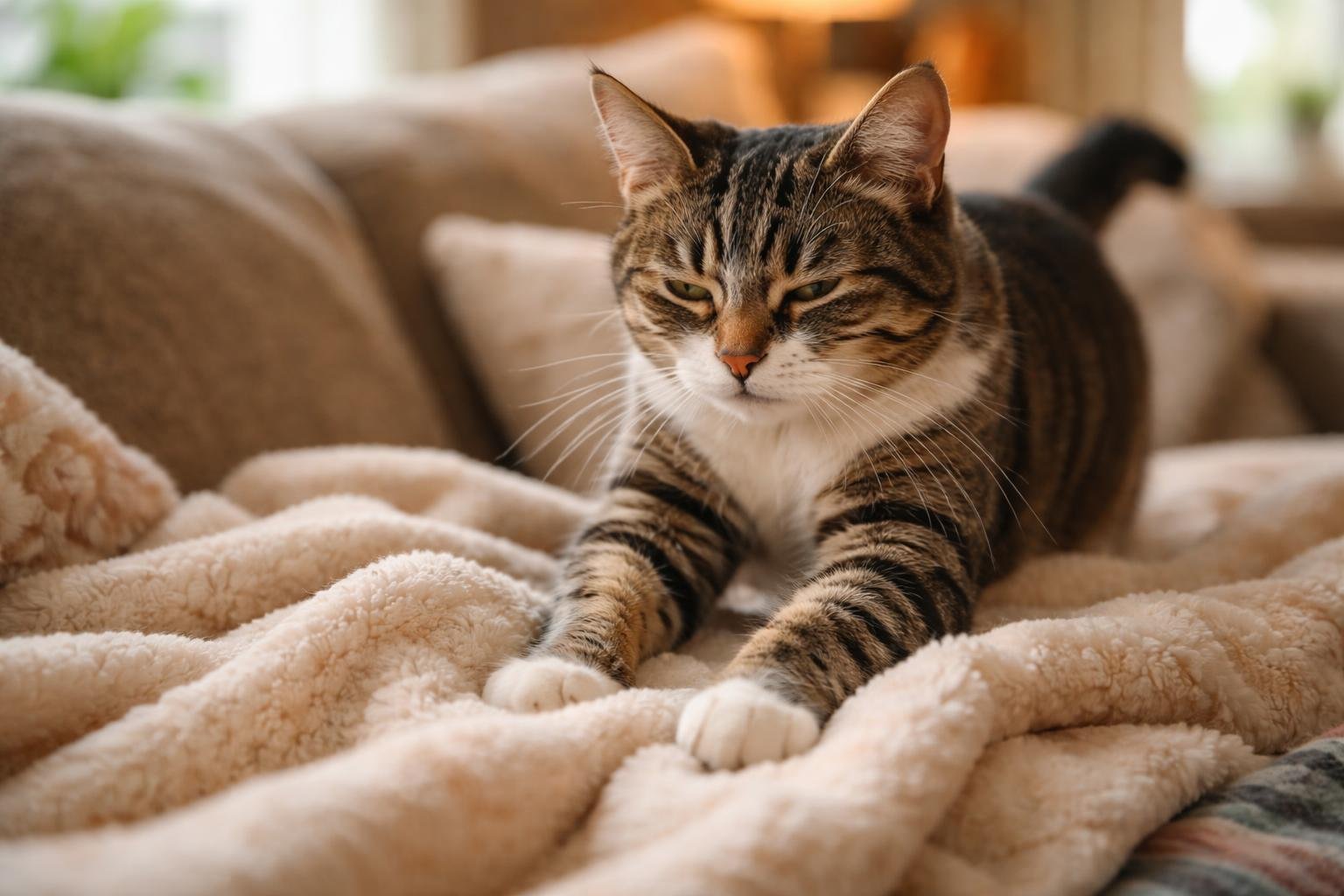
    1) Roses (non-toxic varieties)

    A bouquet of pink, white, and yellow roses in a glass vase on a white surface with green leaves and a softly blurred indoor background.

    Roses are completely safe for your cat. Every part of a true rose is non-toxic, including the petals, leaves, stems, and hips.
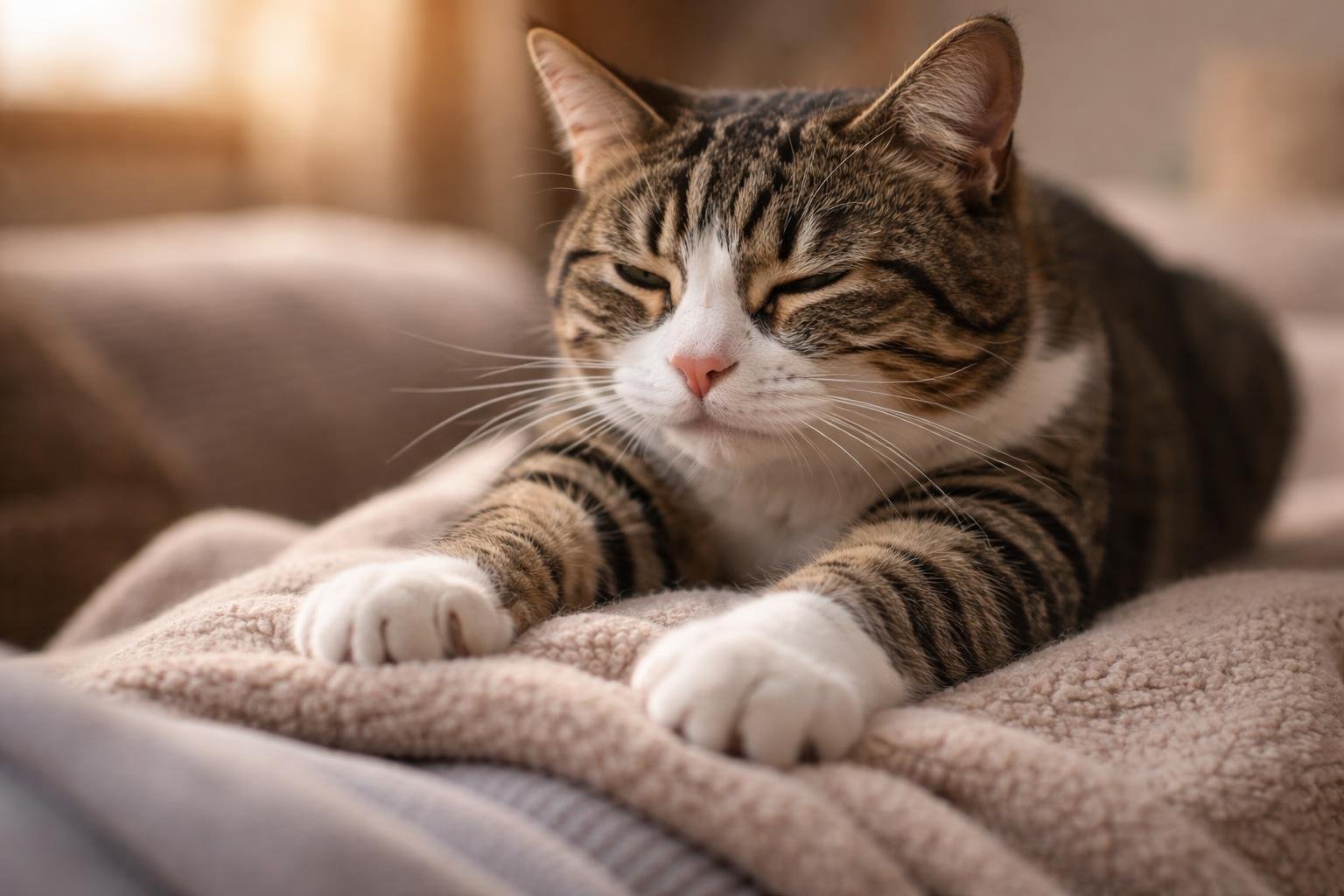
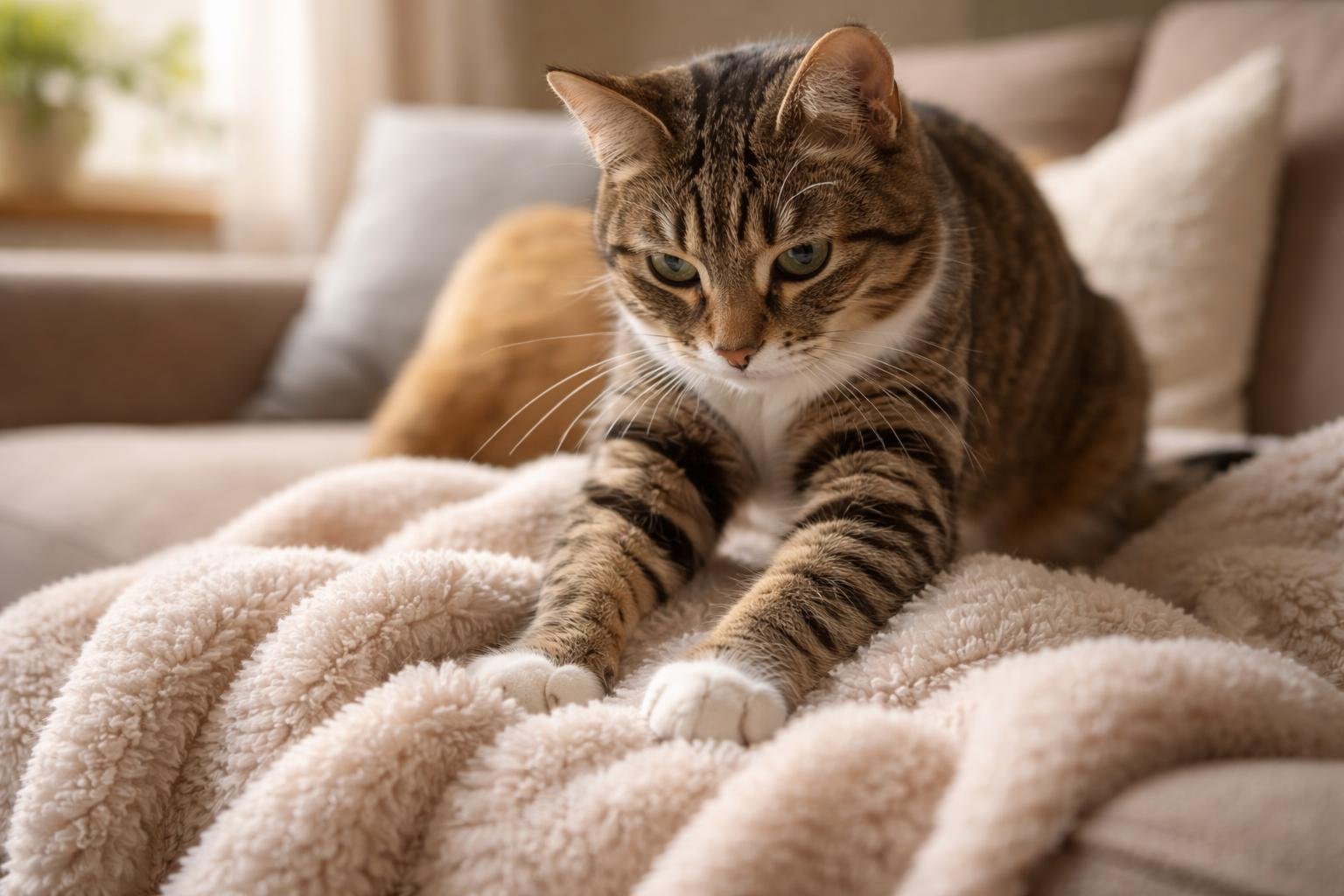
    You can bring roses into your home without worrying about poisoning your pet. The ASPCA confirms that roses pose no toxic threat to cats. This makes them one of the most popular choices for cat owners who want fresh flowers.

    The main concern with roses is their sharp thorns. These thorns can injure your cat if they try to play with or chew on the stems. Keep the stems trimmed or place them in a secure vase to prevent accidental pokes.

    Roses come in many colors and varieties. You can choose from classic red roses, soft pink blooms, or sunny yellow petals. All true rose varieties are safe for cats, giving you plenty of options to match your home decor while keeping your pet protected.

    2) Phalaenopsis orchid

    A close-up of a blooming Phalaenopsis orchid with white and pink flowers and green leaves.

    You can safely keep Phalaenopsis orchids in your home with cats. These popular plants, also called Moth Orchids, are non-toxic to cats and dogs according to the ASPCA.

    Your cat won’t get seriously sick if they nibble on the flowers or leaves. Most orchid species won’t harm your cat even if they chew on them.

    You should still try to keep your cat from eating the plant. While Phalaenopsis orchids are safe, they may cause minor drooling or vomiting if your cat eats the flowers. Your cat might also have an upset stomach from eating plant material.

    These orchids add beauty to your indoor space without putting your cat at risk. You don’t need to worry if your cat gets near your Phalaenopsis orchid. Just remember that discouraging plant chewing helps avoid any digestive issues.

    3) Spider plant (Chlorophytum comosum)

    A healthy spider plant with long green and white striped leaves near a bright window in a home interior.

    Spider plants are non-toxic to cats according to the ASPCA. You can safely keep this popular houseplant in your home without worrying about serious health risks to your feline friend.

    These plants have long, thin leaves and small white flowers. They’re easy to care for and grow well in bright, indirect sunlight with well-drained soil.

    You might notice your cat seems drawn to spider plants. Cats are particularly attracted to this houseplant for reasons that aren’t fully understood. While the plant isn’t poisonous, you should still discourage your cat from chewing on the leaves.

    Eating large amounts of spider plant can cause minor digestive upset in cats. Your cat might experience mild stomach discomfort if they consume too much of the plant. Keep an eye on your pet’s behavior around the plant and redirect their attention when needed.

    Spider plants make excellent choices for homes with cats because they won’t cause serious illness. You don’t need to worry about emergency vet visits if your cat takes a nibble.

    4) Basil (Ocimum basilicum)

    A healthy basil plant with green leaves and white flowers in a terracotta pot on a wooden surface.

    Basil is safe for your cat. This common herb from the mint family is non-toxic to cats according to the ASPCA.

    Your cat can safely sniff, lick, or even nibble on basil plants without harm. The herb does not contain chemicals that damage your cat’s organs or nervous system.

    If your cat shows interest in your kitchen herb garden, basil is one plant you don’t need to worry about. Small amounts are perfectly fine for cats to consume.

    However, you should still use caution with basil essential oils. Only a few essential oils are safe for cats, and concentrated forms can cause problems.

    Even though basil is considered safe, eating too much of any plant can upset your cat’s stomach. You might notice vomiting or diarrhea if your cat eats large amounts. Keep an eye on how much your cat consumes to avoid digestive issues.

    Fresh or dried basil both pose no toxic risk to your feline friend.

    5) Parlor palm (Chamaedorea elegans)

    A healthy Parlor Palm plant with green fronds indoors near a bright window.

    The parlor palm is non-toxic to cats according to the ASPCA. This makes it a safe choice if your cat likes to nibble on plants.

    This palm tree became popular as a houseplant during the Victorian era. It remains one of the most widely sold palms today.

    The parlor palm grows well indoors and adapts to artificial lighting. It needs low to medium light and doesn’t require complicated care. You can place it in rooms without bright windows.

    Your cat can chew on the parlor palm’s lush green leaves without risk of poisoning. The plant is also safe for dogs and horses.

    Native to the rainforests of Southern Mexico and Guatemala, these palms naturally thrive in shaded conditions. This trait makes them perfect for indoor spaces where sunlight is limited. You don’t need to worry about finding the brightest spot in your home.

    6) Boston fern (Nephrolepis exaltata)

    A healthy Boston fern plant with green feathery leaves in a pot against a plain background.

    Boston ferns are non-toxic to cats, making them a safe choice for your home. These lush plants feature feathery fronds that add visual interest to any room.

    The ASPCA confirms Boston ferns are safe for both cats and dogs. You don’t need to worry if your cat takes a nibble of the leaves. Even though the plant is safe, you should still monitor your pets around it.

    Boston ferns prefer bright, indirect light and high humidity. They work well in bathrooms or kitchens where moisture levels are naturally higher. These ferns require consistent moisture and occasional misting to stay healthy.

    The plant belongs to the Dryopteridaceae family and goes by the scientific name Nephrolepis exaltata. You can keep this hardy plant that removes impurities from the air without putting your cat at risk. Their sword-shaped fronds create a tropical look while keeping your indoor space safe for your pets.

    7) African Violet (Saintpaulia)

    Close-up of a blooming African violet plant with purple flowers and green leaves indoors.

    African violets are non-toxic to cats according to the ASPCA. All parts of the plant are safe, including the leaves, flowers, stems, and roots.

    These popular houseplants belong to the Gesneriaceae family. You can enjoy their beautiful blooms without worrying about your cat’s safety.

    African violets are safe for dogs and horses too. The plant contains no toxic principles that would harm your pets.

    You should still discourage your cat from eating African violets even though they’re not poisonous. Eating any plant material can cause mild stomach upset in some cats. Keep your violets in spots where your cat is less likely to chew on them.

    African violets bloom in low light and thrive in moderate temperatures. They make excellent pet-safe houseplants for your home. Their colorful flowers add beauty to your space while keeping your cat out of danger.

    8) Christmas cactus (Schlumbergera)

    A blooming Christmas cactus plant with pink and red flowers and green segmented leaves in a pot on a bright background.

    The Christmas cactus is not poisonous to cats, according to the ASPCA. You can safely display this festive plant in your home during the holidays without worrying about your cat’s safety.

    This popular houseplant features pink or red flowers and cascading leaves that make it attractive for holiday decorating. The plant goes by several names, including Easter cactus and holiday cactus.

    While the Christmas cactus itself is safe for cats, you should still be careful about chemicals on the plant. Fertilizers and insecticides used during growing could harm your cat if ingested.

    If your cat eats part of a Christmas cactus, it may experience minor stomach upset. This typically passes quickly and doesn’t require veterinary care. However, you should still try to keep your cat from chewing on the plant to avoid any digestive discomfort.

    You can enjoy this festive addition to your home knowing it won’t poison your cat.

    9) Friendship plant (Pilea peperomioides)

    A healthy Friendship plant (Pilea peperomioides) with round green leaves in a white pot on a wooden surface indoors.

    The Friendship plant, also called the Chinese Money Plant or Pancake Plant, is a safe choice for homes with cats. Pilea peperomioides is listed as non-toxic to cats, dogs, and horses by the ASPCA.

    This plant belongs to the Pilea genus, which contains over 100 species of tropical plants from Central and South America. All members of the Pilea family are considered safe for your pets.

    Your cat won’t experience serious harm if they nibble on the leaves. However, eating plant material can sometimes cause mild stomach upset in pets. Keep the plant in a spot where your cat is less likely to chew on it if they have a habit of eating houseplants.

    The Friendship plant earned its name because it’s easy to share cuttings with others. It grows well in indirect light and adds a unique look to your home with its round, flat leaves. You can enjoy this pet-friendly houseplant without worrying about your cat’s safety.

    10) Areca palm (Dypsis lutescens)

    The Areca palm is a safe choice for cat owners. This tropical plant, also known as the butterfly palm or golden cane palm, poses no threat to your feline friends.

    The ASPCA confirms that Areca palms are non-toxic to cats, dogs, and horses. You can place this plant anywhere in your home without worrying about your cat’s safety.

    The plant features long, arching fronds with narrow, feathery leaflets. It adds a tropical look to your indoor spaces while keeping your pets safe. Native to Madagascar, this palm grows tall and creates an elegant focal point in any room.

    You don’t need to panic if your cat chews on the leaves. The Areca palm contains no toxic compounds that would harm your pet. This makes it one of the better options for households with curious cats who like to explore plants.

    The plant also offers air-purifying benefits. You get both a beautiful decoration and cleaner air without risking your cat’s health.

    Understanding Why Some Flowers And Plants Are Safe For Cats

    Certain plants lack the toxic compounds that harm cats, while many supposed dangers to felines turn out to be based on incomplete information or confusion with other species.

    Cat-Friendly Plant Compounds

    Cat-safe plants and flowers don’t contain the specific chemical compounds that trigger toxic reactions in felines. These plants have different structures and chemistry that your cat’s body can handle without problems.

    Safe plants typically lack alkaloids, glycosides, and other harmful substances that cause symptoms like vomiting or organ damage. Your cat might still chew on these plants without facing serious health risks. The compounds in safe flowers break down in ways that don’t create toxic byproducts in your cat’s digestive system.

    Some plants produce compounds that are toxic to other animals but harmless to cats. This happens because cats process certain chemicals differently than dogs or humans do. Their liver enzymes work in specific ways that make some substances dangerous while leaving others completely safe.

    Common Toxicity Myths Dispelled

    Not all flowers that are safe for dogs are toxic to cats, though lilies remain highly dangerous to felines while only causing mild stomach upset in dogs. You need to check species-specific information rather than assuming all pets react the same way.

    Common plant names can mislead you into thinking a plant is dangerous when it’s actually safe. Using the scientific name helps avoid confusion since many different plants share similar common names. A plant called “palm” might be completely safe while another “palm” variety could pose risks.

    The amount of plant material your cat eats matters more with some plants than others. Safe plants remain non-toxic regardless of quantity, while truly dangerous plants can cause harm even in small amounts.

    Tips For Introducing New Plants Into Cat Households

    Bringing new plants home requires careful planning to keep your cat safe and help them adjust to the greenery in their space. Start with slow introductions and set up your home to prevent unwanted nibbling or accidents.

    Observation And Gradual Introduction

    Place new plants in a single room where you can watch how your cat reacts to them. Keep the door closed for the first few days so your cat can’t access the plants unsupervised.

    When you do introduce your cat to the plant, stay in the room and observe their behavior closely. Some cats will ignore plants completely, while others may try to smell, bat at, or chew the leaves. Even non-toxic plants can cause vomiting or diarrhea if your cat eats them.

    If your cat shows interest in the plant, redirect their attention with a toy or treat. You can also provide cat grass as an alternative for cats who like to chew on greenery. Move the plant to its permanent spot only after your cat loses interest or ignores it consistently for several days.

    Creating A Cat-Safe Environment

    Place plants out of reach by using:

    • High shelves your cat cannot jump to
    • Hanging planters with secure hooks
    • Closed rooms like bathrooms or offices
    • Plant stands with sturdy bases that won’t tip over

    Cover the soil with smooth river rocks or aluminum foil to discourage digging. Cats often dig in potting soil, which can create a mess and expose them to fertilizers or soil additives.

    Spray bottle training can help deter persistent plant-chewers, but never use it as punishment. A gentle spritz when your cat approaches the plant teaches them to avoid it. You can also apply bitter apple spray to plant leaves to make them taste unpleasant, though this needs reapplication every few days.

  • How to Get Rid of Cat Pee Smell: Effective Methods for Permanent Odor Removal

    How to Get Rid of Cat Pee Smell: Effective Methods for Permanent Odor Removal

    Cat urine odor ranks among the most challenging household smells to eliminate, but it doesn’t have to be a permanent problem. The distinctive ammonia-like scent can permeate carpets, furniture, and even hardwood floors, making your living space uncomfortable for both you and your guests.

    Person cleaning a small spot on a carpet in a living room while a cat sits on a couch nearby.

    To get rid of cat pee smell, you need to use enzyme-based cleaners that break down the uric acid crystals in cat urine, rather than simply masking the odor with fragrances. Standard household cleaners won’t fully eliminate the smell because cat urine contains strong-smelling proteins and ammonia that require specific treatment methods.

    Understanding why cats urinate outside their litter boxes and knowing the right cleaning techniques for different surfaces will help you tackle existing odors and prevent future incidents. Whether you’re dealing with fresh accidents or long-standing smells, the right approach makes all the difference in restoring your home’s freshness.

    Key Takeaways

    • Enzyme-based cleaners are essential because they break down uric acid crystals that cause persistent cat urine odors
    • Different surfaces require specific cleaning methods, from carpets and upholstery to hardwood floors and clothing
    • Identifying and addressing why your cat is urinating outside the litter box helps prevent recurring odor problems

    Why Does Cat Pee Smell So Bad?

    A person cleaning a carpet with a spray bottle and cloth while a cat sits calmly on a sofa in a bright living room.

    Cat urine contains unique chemical compounds that create an exceptionally strong and persistent odor, with uric acid crystals being the primary culprit that makes the smell so difficult to eliminate.

    Understanding Cat Urine Odor

    Cat urine smell is significantly stronger than urine from other pets due to its concentrated chemical composition. Domestic cats descended from desert-dwelling ancestors who evolved highly efficient kidneys that conserve water by producing very concentrated urine. This concentration process creates urine with higher levels of waste compounds.

    The pungent ammonia smell you detect comes from urea breaking down into ammonia as bacteria metabolize the urine. Cat urine also contains felinine, a sulfur-containing amino acid that becomes particularly odorous when it decomposes. Male cats produce higher levels of felinine, which explains why intact male cat urine typically smells worse than female cat urine.

    The combination of these compounds creates the sharp, acrid cat pee smell that immediately alerts you to an accident in your home.

    Role of Uric Acid Crystals

    Uric acid crystals form the foundation of why cat urine odor persists so stubbornly. Unlike urea and urobilin, which dissolve in water and can be cleaned with traditional methods, uric acid binds tightly to surfaces and crystallizes as it dries. These crystals are not water-soluble, meaning standard household cleaners cannot break them down.

    When moisture reintroduces itself to areas containing uric acid crystals—through humidity, new pet accidents, or cleaning attempts—the crystals reactivate and release odor compounds again. This reactivation explains why you might smell cat urine odor weeks or months after the original accident occurred.

    Key characteristics of uric acid crystals:

    • Insoluble in water and most household cleaners
    • Bond permanently to porous surfaces like carpet and wood
    • Reactivate when exposed to moisture
    • Require enzymatic cleaners for complete removal

    Why Cat Urine Odor Lingers

    Cat urine odor lingers because uric acid crystals remain in materials long after surface cleaning. Porous surfaces like carpet padding, wood flooring, upholstery, and concrete absorb cat urine deeply, allowing crystals to settle into areas that surface cleaning cannot reach.

    The crystalline structure of dried uric acid creates microscopic bonds with fibers and materials. When you clean with water or standard detergents, you only remove the water-soluble components while leaving the crystals intact. This lingering odor can actually attract cats back to the same spot, creating a cycle of repeat accidents.

    Temperature and humidity changes in your home cause these embedded crystals to release odor molecules periodically. You might notice the smell becomes stronger on humid days or when your heating system runs, even if the original accident occurred months earlier.

    How To Get Rid Of Cat Pee Smell: Essential Steps

    A person cleaning a carpet with a spray bottle and cloth while a cat sits nearby in a bright living room.

    Successfully eliminating cat urine odor requires identifying affected areas, treating fresh accidents immediately, and using specialized methods for older stains that have set into surfaces.

    Locate the Source of Cat Urine Odor

    Finding every spot where your cat has urinated is critical before you can effectively remove cat urine smell. Your nose may detect obvious areas, but cats can urinate in hidden spots that aren’t immediately visible.

    Use a blacklight or UV flashlight in a darkened room to reveal urine stains that glow under ultraviolet light. Check common problem areas including carpet edges, furniture corners, closets, and laundry piles where accidents often occur unnoticed.

    Pay attention to areas where your cat may return to urinate if lingering odors remain. Focus on vertical surfaces like walls and furniture legs if your cat sprays to mark territory.

    Mark each spot you find with tape or a sticky note so you can treat every location thoroughly. Missing even one area will leave odors that encourage repeat accidents.

    Blot and Clean Fresh Cat Urine

    Acting quickly on fresh urine prevents it from soaking deep into materials and becoming harder to eliminate. Grab paper towels or clean rags and press firmly into the wet area to absorb as much liquid as possible.

    Do not rub or scrub the urine, as this pushes it deeper into carpet fibers or upholstery. Instead, apply pressure and blot repeatedly with fresh towels until no more moisture transfers.

    After blotting, apply an enzyme-based cleaner specifically designed to break down urine compounds rather than just masking odors. These cleaners contain biological enzymes that digest the proteins and bacteria causing the smell.

    Saturate the entire affected area with the enzymatic solution, extending beyond the visible stain. Allow the product to sit for the time specified on the label, typically 10-15 minutes, then blot again and let it air dry completely.

    Dealing With Set-In or Old Cat Pee Smell

    Old urine stains require more aggressive treatment because the compounds have crystallized and bonded to surfaces. Enzyme-based cleaners remain essential but may need multiple applications to fully clean cat urine that has set in.

    For carpet and upholstery, saturate the area thoroughly enough to reach all layers where urine has penetrated. You may need to use more product than seems necessary to match the original depth of the accident.

    Avoid ammonia-based cleaners since ammonia smells similar to cat urine and may attract your cat back to the same spot. Instead, consider alternating enzymatic treatments with a white vinegar solution (one part vinegar to one part water) for stubborn odors.

    Hard surfaces like tile, hardwood, or concrete may require specialized approaches. Extract as much moisture as possible using wet vacuums or additional blotting, then ensure complete drying with fans or dehumidifiers to prevent bacterial growth that perpetuates odors.

    Best Cleaning Methods and Products

    Person cleaning a hardwood floor with a spray bottle and cloth while a cat sits calmly nearby in a bright kitchen.

    Enzyme-based cleaners break down uric acid crystals in cat urine, while vinegar and baking soda offer effective natural alternatives for odor neutralization.

    Using Enzymatic Cleaners and Pet Odor Removers

    Enzymatic cleaners work by using biological enzymes to break down the compounds in cat urine that cause persistent odors. Unlike regular cleaners that mask smells, an enzyme-based cleaner actually eliminates the source by digesting uric acid crystals. These products are specifically designed to remove cat urine smell at the molecular level.

    Nature’s Miracle is one of the most recognized enzyme-based cleaners on the market. When using any pet odor eliminator, you need to saturate the affected area completely so the enzymes can reach all the urine. The area must stay wet for several hours to allow the biological process to work.

    Hepper Advanced Bio-Enzyme is another effective option that targets tough stains and odors. You should avoid using ammonia-based products since they smell similar to cat urine and may encourage repeat accidents. The best enzyme cleaner will list specific enzymes like protease, lipase, or amylase on the label. Always test any pet odor remover on a small hidden area first to check for discoloration.

    Vinegar and Baking Soda Solutions

    White vinegar neutralizes the alkaline salts in dried cat urine, making it an effective natural cleaning agent. Mix equal parts water and white vinegar in a spray bottle for fresh accidents. Spray the solution generously on the affected area and let it sit for 10-15 minutes.

    After treating with vinegar, sprinkle baking soda over the damp area. Baking soda absorbs moisture and neutralizes odors through a chemical reaction. For carpets and upholstery, work the baking soda into the fibers gently with a soft brush.

    You can create a paste by mixing three parts baking soda with one part water for stubborn stains. Apply this paste directly to dried urine spots and let it dry completely before vacuuming. The vinegar and baking soda method works best on hard surfaces and fresh stains, though it may require multiple applications for older accidents.

    Home Remedies and DIY Pet Odor Eliminators

    Hydrogen peroxide combined with dish soap creates a powerful homemade pet odor eliminator. Mix 16 ounces of hydrogen peroxide with one teaspoon of dish soap and two tablespoons of baking soda. This solution works similarly to commercial enzyme cleaners but costs significantly less.

    You can make an effective DIY cleaner by combining one cup of distilled white vinegar, one cup of water, and two teaspoons of baking soda in a spray bottle. Add a few drops of essential oil like lavender or eucalyptus if desired, though avoid oils toxic to cats.

    For washable fabrics, add one cup of apple cider vinegar to your regular detergent during the wash cycle. Cornstarch can absorb fresh urine on carpets when sprinkled immediately and left for 30 minutes before vacuuming. Activated charcoal placed in bowls near affected areas helps absorb lingering odors from the air.

    Odor Removal by Surface Type

    A person cleaning a spot on a carpet in a bright living room with a wooden table and fabric sofa nearby.

    Different surfaces require specific approaches to effectively eliminate cat urine odor. The porous nature of fabrics and padding demands deep penetration of cleaning solutions, while hard surfaces need thorough saturation to reach absorbed urine.

    Carpet and Rugs

    Blot fresh cat pee immediately with paper towels, applying pressure to absorb as much liquid as possible. Never rub the stain, as this pushes urine deeper into carpet fibers and padding.

    Apply an enzyme-based cleaner liberally to the affected area, ensuring it penetrates through to the carpet pad where urine crystals form. These cleaners break down uric acid, which causes persistent odor even after surface cleaning. Follow the product instructions for contact time, typically 10-15 minutes.

    For dried stains, you may need to use a blacklight to locate all affected areas. Saturate the spot completely with enzymatic solution and cover it with plastic wrap to keep it moist during treatment. Once the enzymatic cleaner has finished working, you can apply a mixture of white vinegar and water as a secondary treatment.

    Allow the carpet to air dry completely. Avoid using steam cleaners or heat, as high temperatures can set the odor permanently into fibers.

    Upholstery and Cushions

    Remove cushion covers immediately if they’re washable and treat them separately. For the cushion foam itself, blot excess urine and apply an enzyme-based cleaner directly to the foam.

    Press the cleaner into upholstered furniture using clean cloths, working from the outside of the stain toward the center. You’ll need to saturate the area thoroughly since cat urine often seeps deep into padding and foam layers.

    For non-removable upholstery, test your cleaning solution on an inconspicuous area first. Apply the enzymatic cleaner and let it sit for the recommended time before blotting with clean, damp cloths. You may need multiple applications for removing cat pee smell from upholstery.

    Air dry completely in a well-ventilated area or outdoors if possible. Point a fan at the furniture to speed drying and prevent mildew growth.

    Mattresses

    Strip all bedding immediately and treat the mattress surface before urine soaks deeper. Blot the area thoroughly, then apply an enzymatic cleaner generously across the entire affected section.

    The thickness of mattresses makes complete odor removal challenging. You need to saturate the area enough that the cleaner reaches all urine-soaked layers without over-wetting the mattress. Press the cleaner into the mattress with clean towels.

    After the enzymatic treatment, sprinkle baking soda over the area once it’s mostly dry. Let the baking soda sit for several hours or overnight to absorb remaining moisture and odors. Vacuum it up thoroughly.

    Stand the mattress on its side or prop it up to allow air circulation on all sides during drying. A waterproof mattress protector can prevent future incidents from penetrating the mattress.

    Clothing and Bedding

    Do not put urine-soaked items directly into the washing machine without pre-treatment. Rinse the items in cold water first to remove excess urine.

    Apply an enzymatic pre-treatment solution like Thornell Laundry Odor Eliminator or Skout’s Honor directly to the stained areas. Let the pre-treatment sit for 15-20 minutes before washing.

    Wash items in cold water with your regular detergent plus an enzymatic laundry additive. Add white vinegar to the rinse cycle as an additional odor neutralizer. Hot water can set cat urine odor permanently, so always use cold water for the first wash.

    Air dry the items completely before checking if the smell remains. If you still detect cat urine odor, repeat the enzymatic treatment and washing process. Never put items in the dryer until the smell is completely gone, as heat will lock in any remaining odor.

    Preventing Future Cat Pee Odor Problems

    A woman sprays a cleaning solution on a carpet while a cat sits nearby in a bright living room with plants and pet care products.

    Successful prevention requires maintaining proper litter box hygiene, eliminating odors completely to stop re-marking, and establishing consistent cleaning routines that keep your home fresh.

    Addressing Litter Box Problems

    Most litter box problems stem from cleanliness issues, box placement, or the number of boxes available. You should scoop litter boxes daily and completely change the litter every 1-2 weeks.

    The general rule is one litter box per cat plus one extra. If you have two cats, you need three boxes placed in different locations throughout your home. Cats often avoid boxes that are too dirty, too small, or located in high-traffic areas.

    Box size matters more than most people realize. Your litter box should be at least 1.5 times the length of your cat from nose to tail base. Covered boxes can trap odors and make cats reluctant to use them.

    Location affects usage rates significantly. Place boxes in quiet, easily accessible areas away from food and water bowls. Avoid basements or laundry rooms where loud appliances might startle your cat during use.

    Reducing Repeat Accidents

    Cats return to spots where they detect lingering urine odor because residual scents signal an appropriate elimination area. You must completely neutralize cat urine odor rather than mask it with air fresheners.

    Enzyme-based cleaners break down uric acid crystals that cause persistent smells. After cleaning an accident spot, use a blacklight to check for any remaining urine you might have missed. Even small traces can trigger repeat marking.

    Medical issues cause many inappropriate elimination behaviors. Schedule a veterinary exam if your cat suddenly starts urinating outside the litter box, as urinary tract infections, kidney disease, and diabetes commonly cause these changes.

    Stress and anxiety also trigger marking behaviors. Major household changes like new pets, moving, or schedule disruptions can prompt your cat to mark territory. Providing multiple resources, vertical spaces, and hiding spots helps reduce stress-related accidents.

    Maintaining a Fresh, Odor-Free Home

    Regular deep cleaning prevents cat urine odor from building up in carpets, furniture, and flooring. Vacuum carpets weekly and use a pet odor remover on any areas your cat frequents monthly, even without visible accidents.

    Wash cat bedding and any fabric items your cat contacts regularly in hot water. Add a cup of white vinegar to the rinse cycle to neutralize any embedded odors.

    Air purifiers with activated carbon filters capture airborne odor molecules effectively. Run them continuously in rooms where your cat spends the most time. Replace filters according to manufacturer specifications for optimal performance.

    Key maintenance tasks:

    • Deep clean carpets every 3-6 months
    • Wash hard floors weekly with enzymatic cleaner
    • Replace scratching posts and beds annually
    • Monitor humidity levels (30-50% prevents odor intensification)

    Professional carpet cleaning services that specialize in pet odors can extract deeply embedded urine from carpet padding that home machines cannot reach.

    Choosing the Best Enzyme Cleaners and Pet Odor Removers

    A clean kitchen countertop with enzyme cleaner bottles and a calm cat sitting nearby.

    Enzyme cleaners work by breaking down the organic compounds in cat urine, while the right product selection and proper application technique ensure complete odor elimination.

    What Makes an Enzyme Cleaner Effective?

    The best enzyme cleaner contains specific biological catalysts that target uric acid crystals, the main culprit behind persistent cat urine odor. These cleaners use bacteria that produce enzymes to break down urine components into carbon dioxide and water.

    Key effectiveness factors include:

    • Active enzyme concentration – Higher concentrations work faster on deep-set stains
    • Multi-enzyme formulas – Protease, amylase, and lipase enzymes tackle different organic compounds
    • pH balance – Neutral pH cleaners are safest for most surfaces
    • Contact time – The solution must remain wet long enough for enzymes to work

    Enzyme cleaners are designed to break down organic materials like urine, making them highly effective for deodorizing. Unlike traditional cleaners that mask odors, enzymatic cleaners eliminate the source by dismantling the molecular structure of waste.

    Temperature also affects enzyme activity. Most enzymatic cleaners work best at room temperature between 65-85°F.

    Popular Brands: Nature’s Miracle and Hepper Advanced Bio-Enzyme

    Nature’s Miracle has established itself as a reliable enzymatic cleaner with formulas specifically designed for cat urine. The brand offers various products with natural enzymatic bacteria that activate upon contact with stains and odors.

    Hepper Advanced Bio-Enzyme stands out with its neutral scent and strong enzymatic solution, earning recognition as a top cat urine odor remover. This cleaner efficiently lifts pet stains while remaining easy to use on multiple surfaces.

    When comparing products, you should look at:

    • Coverage area per bottle
    • Safe surface compatibility
    • Scent or unscented options
    • Price per ounce

    Multiple enzyme cleaners from brands like Bissell and Biokleen effectively tackle cat urine on carpets. Your choice depends on your specific needs, budget, and the surfaces requiring treatment.

    How to Use Enzyme-Based Cleaners Safely

    You must first blot up fresh urine with paper towels before applying any enzymatic cleaner. This removes excess liquid and allows the enzymes to penetrate deeper into the affected area.

    Proper application steps:

    1. Saturate the entire stained area thoroughly
    2. Allow the product to sit for 10-15 minutes minimum
    3. Keep the area wet during this period
    4. Blot with clean towels and let air dry
    5. Reapply if odor persists after drying

    Never mix enzyme-based cleaners with other cleaning products, especially those containing bleach or ammonia. These chemicals deactivate enzymes and render the cleaner ineffective.

    Test the cleaner on an inconspicuous spot first to check for colorfastness. Some surfaces like unsealed wood or certain fabrics may require specialized formulas.

    Keep pets away from treated areas until completely dry. While most enzymatic cleaners are non-toxic, ingestion of wet product can cause mild stomach upset. Store bottles in cool, dry places away from direct sunlight to maintain enzyme potency.

  • Meanings Behind a Purring Cat: Understanding Feline Communication and Emotional States

    Meanings Behind a Purring Cat: Understanding Feline Communication and Emotional States

    Cat purring is one of the most recognizable sounds in the animal kingdom, yet many cat owners don’t fully understand what their feline companion is trying to communicate. While purring cats are often expressing contentment and relaxation, cat purring can also signal stress, pain, self-healing, or a request for attention. The vibrations you feel when your cat settles on your lap tell a more complex story than simple happiness.

    A content cat with closed eyes sitting on a windowsill surrounded by cushions and plants.

    Understanding the meanings behind a purring cat helps you respond appropriately to your pet’s needs and strengthens your bond. A cat purr isn’t just a single emotion translated into sound—it’s a multifaceted form of communication that changes based on context, intensity, and accompanying body language. Learning to decode these subtle variations can alert you to potential health concerns and deepen your appreciation for feline behavior.

    The sound that seems so straightforward actually serves multiple purposes throughout a cat’s life, from kittenhood communication with their mother to adult self-soothing during illness. By recognizing when your cat’s purring indicates comfort versus distress, you’ll become a more attentive and informed pet owner.

    Key Takeaways

    • Cat purring communicates multiple emotions including contentment, stress, pain, and requests for attention
    • Cats use purring throughout their lives for self-healing, bonding, and communication with humans and other animals
    • Understanding the context and body language accompanying your cat’s purr helps you respond to their physical and emotional needs

    What Is Cat Purring?

    A close-up of a relaxed domestic cat sitting comfortably with eyes half-closed, appearing content and peaceful.

    Cat purring is a rhythmic, vibratory sound that cats produce through specialized physiological mechanisms involving their larynx and diaphragm. This vocalization occurs at specific frequencies and serves multiple purposes in feline behavior, from communication to self-soothing.

    The Science and Anatomy of Purring

    Understanding how cats purr requires examining the unique anatomical structures involved in this behavior. Your cat’s laryngeal muscles play the central role in producing purring sounds. These muscles control the opening and closing of the space between the vocal cords, called the glottis.

    The process involves rapid contractions of the intrinsic laryngeal muscles, which occur at a rate of 25 to 150 vibrations per second. Your cat’s brain sends repetitive neural signals to these muscles, causing them to twitch in a coordinated pattern. This creates the characteristic vibration you feel when you touch a purring cat.

    The entire respiratory system participates in purring. Unlike meowing, which only occurs during exhalation, purring happens during both inhalation and exhalation, creating a continuous sound.

    How Cats Produce Purring Sounds

    The mechanics of cat purring involve a coordinated effort between multiple body systems. When your cat’s laryngeal muscles contract and relax, they cause the vocal cords to separate and come together rapidly. Air passes through these vibrating vocal cords during both breathing in and breathing out.

    Your cat’s diaphragm works in tandem with the laryngeal muscles to maintain consistent airflow. This coordination allows for the uninterrupted purring sound that distinguishes it from other vocalizations. The hyoid bone, a small bone in your cat’s throat, may also contribute to the resonance of the purr.

    Key components involved:

    • Laryngeal muscles
    • Vocal cords (glottis)
    • Diaphragm
    • Hyoid bone
    • Neural pathways from the brain

    Frequency Range and Physical Mechanisms

    Cat purring typically occurs within a frequency range of 25 to 50 hertz, though some cats can purr at frequencies up to 150 hertz. This specific range has biological significance beyond simple communication. Research suggests these low-frequency vibrations may promote healing and bone density.

    The physical mechanism creates vibrations that travel throughout your cat’s body. You can feel these vibrations when you place your hand on your cat’s throat, chest, or body. The intensity and volume of purring vary between individual cats based on their size, age, and physical condition.

    The continuous nature of purring distinguishes it from other cat vocalizations. Your cat maintains this sound without needing to pause for breath, which is possible because the mechanism works during both inhalation and exhalation cycles.

    Common Reasons Behind Cat Purring

    A close-up of a calm domestic cat resting comfortably on a soft blanket indoors.

    Cats purr in multiple contexts that reveal different emotional and physical states. Understanding these primary motivations helps you interpret what your cat communicates through this distinctive vibration.

    Contentment and Relaxation

    When your cat curls up on your lap and begins to purr, this typically signals genuine happiness and comfort. Contentment is the most common reason for purring, occurring when cats feel safe and relaxed in their environment.

    You’ll notice this type of purr during peaceful moments—while your cat lounges in a sunny spot, receives gentle petting, or settles down for a nap. The purr serves as both an expression of satisfaction and a way to maintain a calm state.

    Common situations that trigger contentment purring:

    • Being petted or groomed by you
    • Resting in comfortable, familiar spaces
    • Eating favorite foods
    • Settling down after playtime

    This relaxed purring usually comes with other positive body language. Your cat may have half-closed eyes, a loose posture, and a gently swaying tail.

    Social Bonding and Communication

    Kittens begin purring as early as two days old to communicate with their mothers during nursing. This early behavior establishes purring as a fundamental social tool that cats carry into adulthood.

    Your cat uses purring to strengthen bonds with you and other household animals. When your cat approaches you with a purr, it often functions as a friendly greeting or an invitation for interaction. The vibration creates a shared sensory experience that reinforces your connection.

    Cats also purr to signal specific needs to you. A purr combined with meowing or rubbing against your legs frequently means your cat wants food, attention, or access to a particular space. This communicative purring differs slightly in intensity and pattern from pure contentment purring.

    Stress Relief and Self-Soothing

    Cats also purr in situations of great stress, fear, and pain, which contradicts the common belief that purring only indicates happiness. Your cat may purr during veterinary visits, while ill, or when injured as a coping mechanism.

    This self-soothing behavior helps cats manage anxiety and discomfort. The vibration frequency of a purr falls within ranges that may promote healing and pain relief. Some researchers suggest purring serves as a form of self-healing for cats during recovery.

    Anecdotal evidence shows that if a cat is injured, a companion cat may lie beside it and purr, suggesting purring may have therapeutic benefits beyond individual comfort. If you notice sudden or unusual purring patterns in your cat—especially when combined with signs of distress, hiding, or changes in appetite—this warrants veterinary attention. Context and accompanying body language help you distinguish between contentment purring and stress-related purring.

    Solicitation and Attention-Seeking Purrs

    A domestic cat sitting on a windowsill with eyes half-closed, appearing to purr softly and seek attention.

    Cats produce a distinct type of purr when they want something from you, characterized by higher frequencies and more urgent tones than their typical contentment sounds. This solicitation purr combines purring with subtle vocal cues that trigger faster responses from owners.

    Solicitation Purr vs. Contentment Purr

    The solicitation purr differs from regular purring in several noticeable ways. It reaches higher pitches and includes sounds similar to a baby’s cry embedded within the purr itself.

    When you pet your cat and hear a smooth, steady purr at lower frequencies, that typically indicates contentment. In contrast, solicitation purring sounds more insistent and urgent. The frequency can reach well above typical purr ranges, sometimes mixing with meow-like vocalizations.

    You’ll notice the rhythm differs too. Contentment purrs maintain a consistent, relaxed pattern, while solicitation purrs often have irregular rhythms designed to capture your attention immediately.

    How Cats Use Purring to Communicate Needs

    Your cat employs solicitation purring strategically when seeking specific responses from you, particularly during feeding times or when wanting attention. This cat behavior represents a learned communication method developed specifically for human interaction.

    Cats direct this purr type toward their owners to request food, petting, or playtime. The sound manipulates human responses because it mimics distress signals that people are hardwired to notice and address quickly.

    You might observe your cat using this purr while standing near their empty food bowl, rubbing against your legs, or staring at you from across the room. The context helps you identify what they want. Different types of cat purrs serve various purposes, but solicitation purring remains one of the most purposeful forms of feline communication aimed exclusively at humans.

    Kitten Purring and Developmental Meanings

    A peaceful kitten sitting on a soft blanket with eyes closed, surrounded by a plant and books.

    Kittens begin purring within their first few days of life as a vital communication tool with their mothers. This early purring serves multiple developmental purposes, from coordinating feeding sessions to strengthening the mother-kitten bond during critical growth periods.

    Kittens Purr to Communicate with Mothers

    Your kitten uses purring as one of its earliest forms of communication, often starting when they are just a few days old. This vocalization helps the mother cat locate her offspring, especially since newborn kittens are born blind and deaf.

    The purring acts as a homing beacon that guides the mother back to her litter. Kittens purr to signal their presence and communicate their basic needs to their mother throughout the day and night.

    This communication between kittens and their mothers establishes the foundation for later social behaviors. The vibrations and sounds help maintain contact when vision and hearing are not yet fully developed.

    Kitten Purring During Nursing and Bonding

    When you observe kittens nursing, you’ll notice they purr continuously during feeding sessions. This purring serves a dual purpose: it signals contentment to the mother while also creating a feedback loop that encourages milk production.

    The vibrations from purring cats during nursing help stimulate the mother’s mammary glands. Your kitten’s purring during these moments strengthens the emotional bond between mother and offspring, creating a sense of safety and security.

    This bonding behavior through purring continues beyond feeding times. Kittens will purr when cuddled by their mother or littermates, reinforcing social connections that influence their future interactions with humans and other animals.

    Why Do Kittens Purr?

    Beyond maternal communication, kittens purr for several developmental reasons. They purr when content, comfortable, or seeking attention from their caretakers.

    Common reasons kittens purr include:

    • Hunger or feeding time – signaling they’re ready to nurse
    • Comfort and warmth – when nestled with littermates or mother
    • Self-soothing – during stressful situations or when ill
    • Social bonding – when interacting with humans or other pets

    Young kittens also use purring as a self-calming mechanism during veterinary visits or new experiences. Understanding why kittens purr helps you interpret their needs and emotional state as they grow. The frequency and intensity of kitten purring can vary based on their individual personality and current circumstances.

    The Therapeutic and Healing Aspects of Purring

    A calm cat resting peacefully on a soft blanket in a cozy room with gentle natural light.

    Purring operates at specific frequencies that promote physical healing and emotional well-being in both cats and humans. The vibrations generated during purring can trigger endorphin release, strengthen bones, and create calming physiological responses.

    Purring Releases Endorphins

    When your cat purrs, the vibrations stimulate endorphin production in their own body, acting as a natural pain reliever and mood enhancer. These endorphins help cats manage discomfort, anxiety, and stress during challenging situations. You may notice your cat purring during veterinary visits or when recovering from illness, using this self-soothing mechanism to cope with pain.

    The benefits of cat purring extend to you as well. Research indicates that proximity to a purring cat can influence your hormone levels, potentially triggering endorphin release in your own system. This biochemical response contributes to the relaxed feeling you experience when spending time with your purring cat. The rhythmic vibrations and sound create a multisensory experience that affects your nervous system directly.

    Healing Frequencies and Bone Health

    Cats purr at frequencies between 25 to 150 Hz, a range that overlaps with therapeutic vibrations used in medical treatments. Most domestic cats produce these sounds at 20 to 50 Hz, matching frequencies employed for tissue healing and bone growth in human medicine.

    These specific vibrations may explain why cats heal from fractures and injuries more efficiently than many other animals. The constant exposure to these frequencies during purring sessions potentially stimulates bone density and accelerates tissue repair. For humans, the therapeutic effects of purr frequencies have shown promise in lowering blood pressure and reducing stress levels. The low-frequency vibrations create effects comparable to Pulsed Electromagnetic Field therapy, which medical professionals use for pain management.

    Calming Effects of Purring

    The calming effects of purring work through multiple pathways in your body. The consistent, low-frequency sound creates a meditative environment that helps regulate your breathing and heart rate. Your nervous system responds to these vibrations by shifting toward a parasympathetic state, which promotes relaxation and recovery.

    Studies have documented measurable reductions in stress markers when you interact with a purring cat. Your cortisol levels may decrease while your body experiences the soothing vibrations. This physiological response explains why many people seek out their cats during stressful periods or use cat companionship as part of anxiety management strategies.

    Unique Scenarios and Health-Related Purring

    A relaxed cat sitting on a blanket by a window, eyes closed and appearing content.

    Cats don’t only purr when content—they also use this behavior during illness, stress, and pain, which means understanding context is critical for recognizing when your cat needs help.

    Purring During Illness or Pain

    Cats frequently purr when experiencing stress or illness, not just contentment. This behavior serves as a self-soothing mechanism that helps them cope with discomfort. Research suggests that the vibration frequencies produced during purring may promote healing by reducing pain and encouraging tissue repair.

    You should pay attention to accompanying body language when your cat purrs. A sick cat might purr while showing signs like hiding, lethargy, reduced appetite, or tense body posture. These combinations indicate distress rather than happiness.

    Purring cats produce continuous sound during both inhalation and exhalation, which distinguishes it from other vocalizations. During painful situations like veterinary visits or injuries, this sound may actually help them manage their discomfort through natural pain relief mechanisms.

    Excessive Purring and When to Be Concerned

    Excessive purring becomes concerning when it represents a significant change from your cat’s normal behavior patterns. If your typically quiet cat suddenly purrs constantly or your regular purrer increases intensity and frequency, this warrants attention.

    Watch for these warning signs alongside increased purring:

    • Aggressive behavior or irritability
    • Loss of appetite or thirst changes
    • Breathing difficulties or labored respiration
    • Avoidance of interaction or hiding
    • Vocalization changes beyond purring

    Many pet owners believe purring always indicates happiness, but cats purr in various situations including stress and pain. Contact your veterinarian if excessive purring occurs with any behavioral or physical changes.

    Do All Cats Purr?

    Most domestic cats purr, but not all felines possess this ability. Big cats like lions, tigers, and leopards cannot purr due to differences in their laryngeal anatomy. These large cats can roar instead, which domestic cats cannot do.

    Some domestic cats purr more quietly than others or rarely purr at all. This variation stems from individual personality differences rather than health problems. Certain breeds tend to be more vocal with their purring, while others communicate through different methods like chirping or meowing.

    Your cat’s purring frequency depends on genetics, socialization, and personal temperament. A cat that doesn’t purr much isn’t necessarily unhappy—they simply express contentment through other behaviors like slow blinking, kneading, or rubbing against you.

    Encouraging Healthy Purring in Cats

    A relaxed domestic cat sitting on a blanket with eyes closed, appearing content and comfortable indoors.

    Creating an environment that promotes natural purring behavior helps maintain your cat’s emotional well-being. Recognizing the difference between contentment and stress-related purring allows you to respond appropriately to your cat’s needs.

    Tips to Encourage Purring

    You can encourage purring by establishing a calm, predictable routine for your cat. Gentle petting sessions in areas your cat enjoys, such as under the chin or behind the ears, often trigger contentment purring. Set aside 10-15 minutes daily for quiet interaction when your cat seems relaxed.

    Providing comfortable resting spots with soft bedding near windows or quiet corners gives your cat secure places to settle. Cats purr more frequently when they feel safe in their territory.

    Regular play sessions using interactive toys help reduce stress and build positive associations with you. A tired, satisfied cat is more likely to purr during downtime. Maintaining consistent feeding schedules and keeping litter boxes clean also contributes to overall comfort levels that promote healthy cat behavior.

    Avoid forcing interaction when your cat shows signs of wanting space, as this can create negative associations that suppress natural purring responses.

    Signs of Healthy Versus Unhealthy Purring

    Healthy purring typically occurs when your cat appears relaxed with soft eyes, loose body posture, and rhythmic breathing. The purr sounds steady and moderate in volume. Your cat may knead with their paws or seek physical contact during these episodes.

    Unhealthy purring often accompanies signs of stress or illness and requires attention. Watch for these indicators:

    • Tense body language with flattened ears
    • Hiding or avoiding interaction
    • Rapid breathing or panting
    • Loss of appetite or lethargy
    • Purring while showing signs of pain when touched

    Cats sometimes purr as a self-soothing mechanism during discomfort or fear. If your cat purrs persistently while displaying unusual behaviors like reduced activity or changes in eating habits, schedule a veterinary examination to rule out underlying health issues.