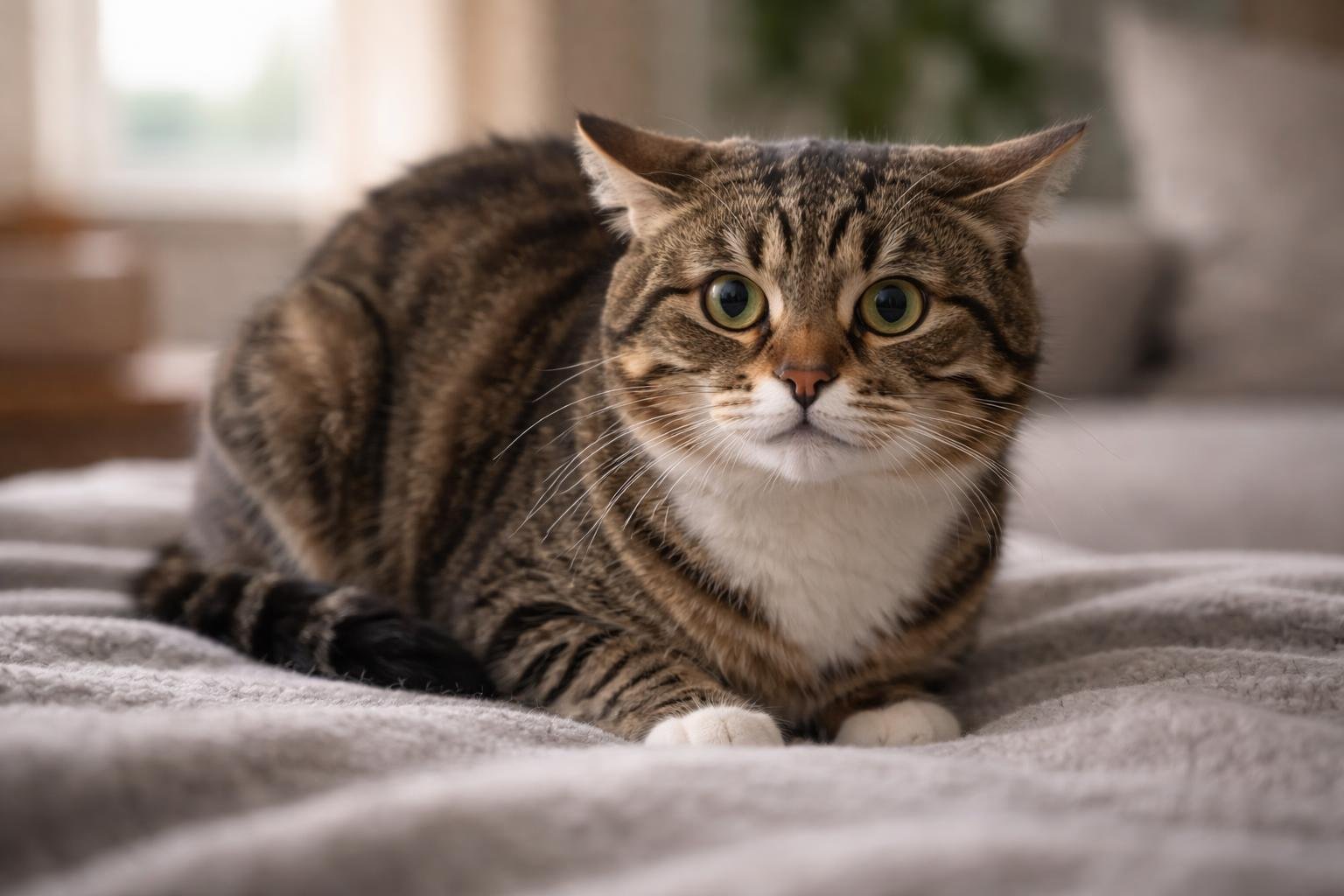
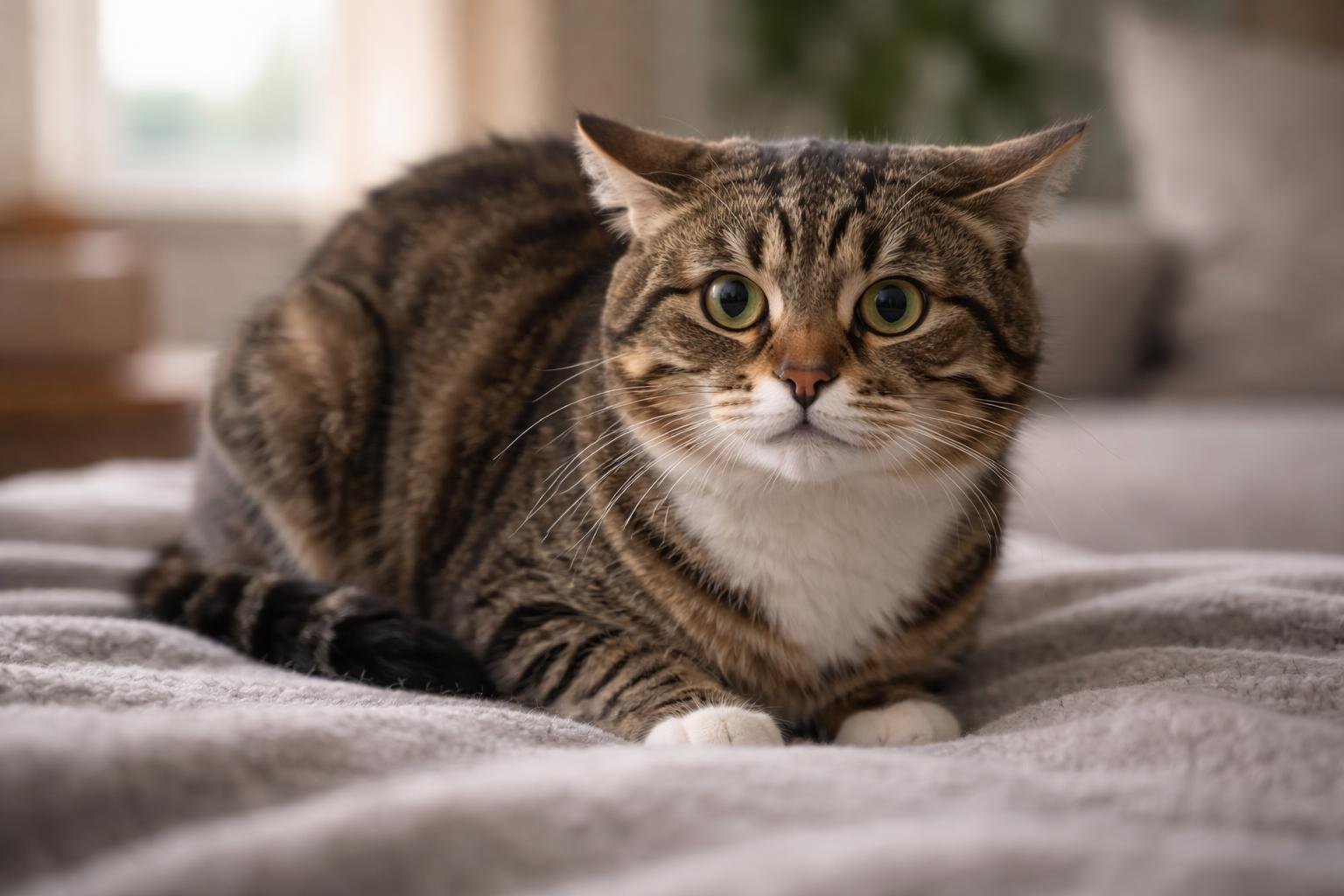
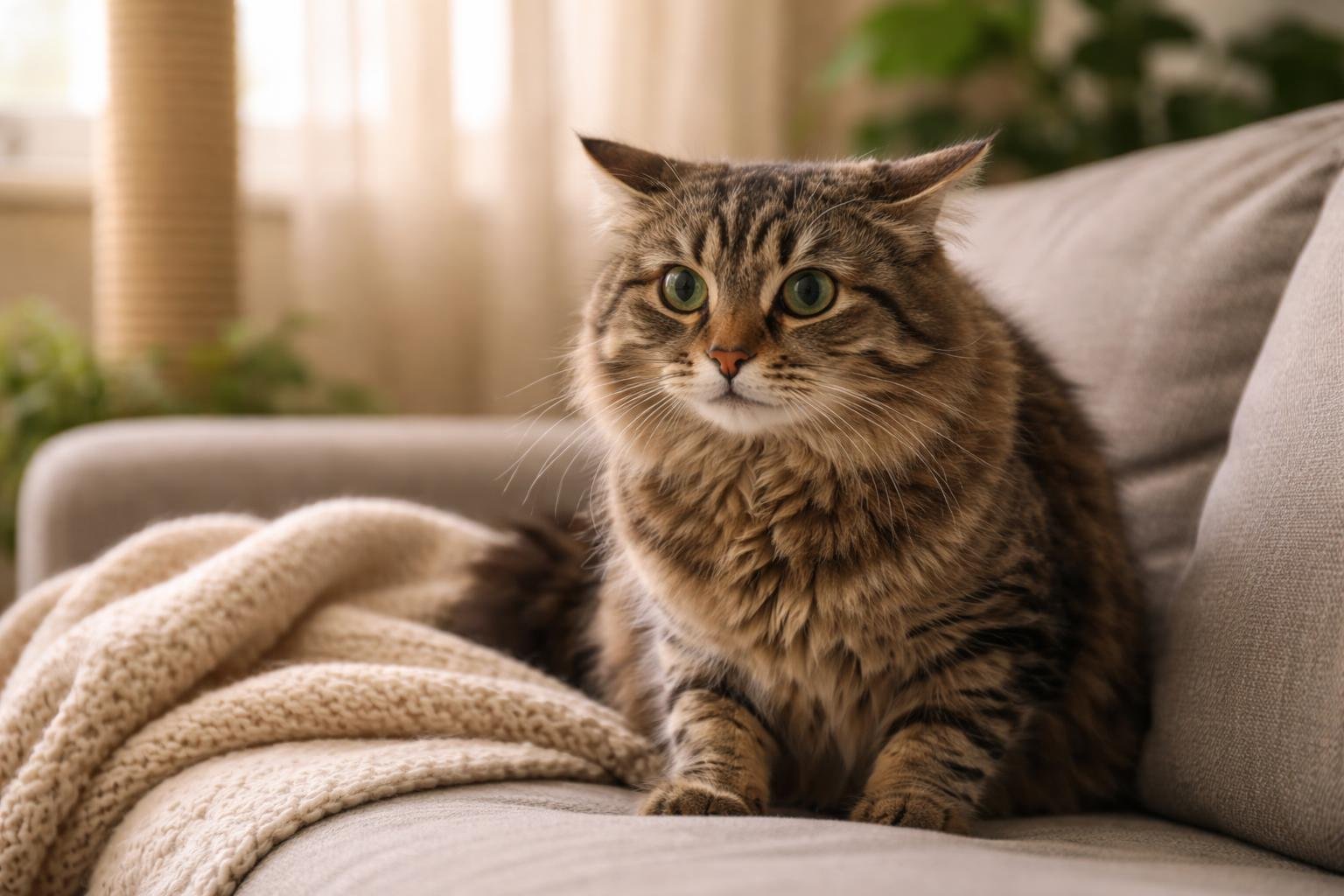
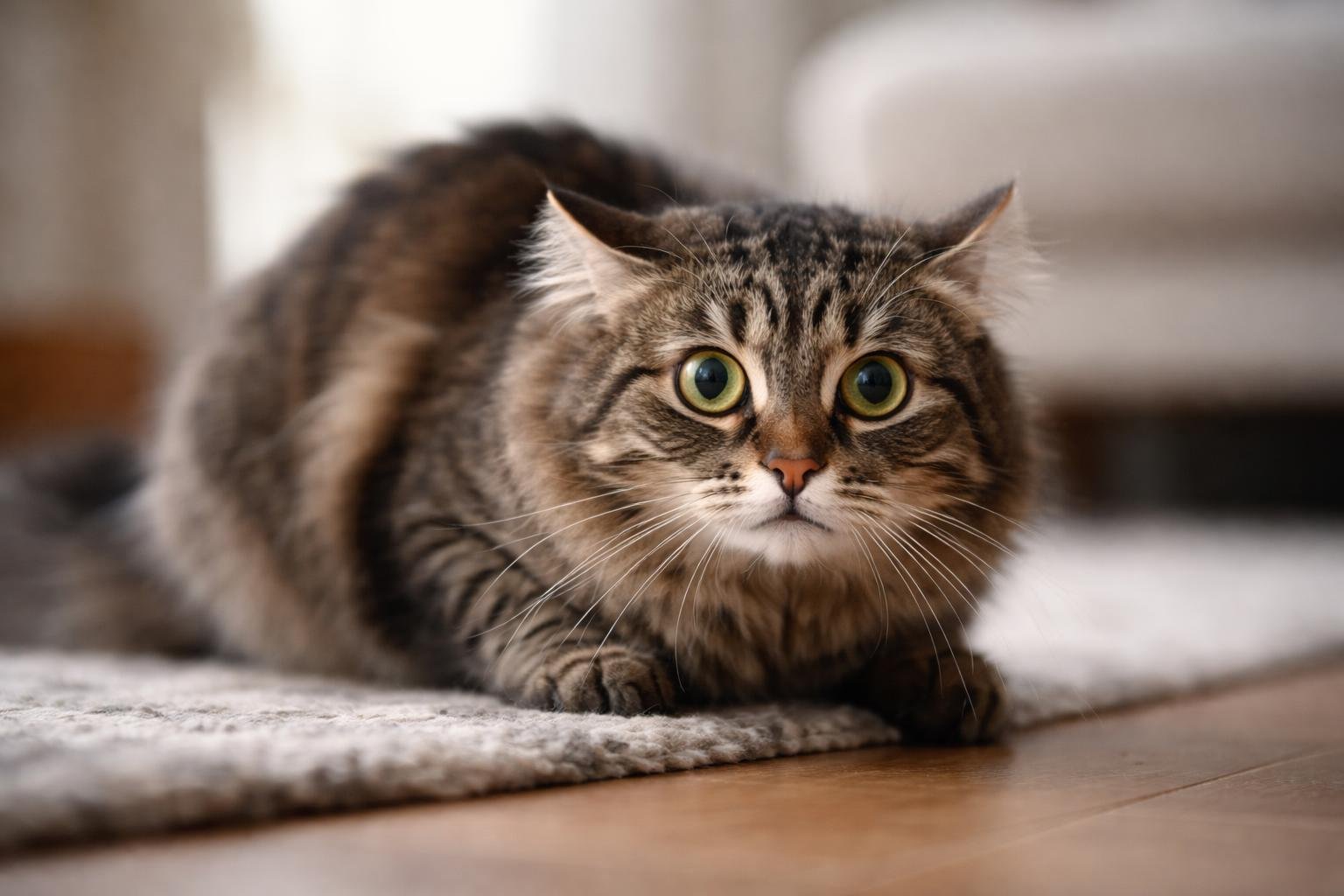
If your cat suddenly won’t stop vocalizing, you’re probably wondering what’s going on. Cats use meowing primarily to communicate with humans rather than with other cats, so when yours is being especially vocal, they’re trying to tell you something specific.
Excessive meowing typically signals that your cat has an unmet need, whether it’s hunger, attention, stress, or an underlying medical condition that requires attention. The key to reducing excessive meowing involves identifying what your cat is trying to communicate and addressing the root cause. While some cats are naturally more talkative than others, a sudden increase in vocalization deserves investigation.
Understanding the difference between normal feline chattiness and genuine concern is crucial. Cats meow to communicate needs like hunger, attention, stress, or illness, and distinguishing between behavioral quirks and medical issues will help you respond appropriately. This guide will walk you through the most common reasons for excessive vocalization and provide practical solutions to restore peace to your home.
Key Takeaways
- Cats meow excessively to communicate specific needs ranging from hunger and boredom to medical conditions
- Both health-related and behavioral factors can cause sudden increases in your cat’s vocalization patterns
- Addressing the underlying cause through environmental changes or veterinary care effectively reduces excessive meowing
Understanding Cat Meowing: Communication or Concern?
Cats meow primarily to communicate with humans rather than other cats, and while some vocalization is normal, excessive meowing often signals an underlying need or problem. Recognizing the difference between typical feline chatter and concerning vocal patterns helps you address your cat’s needs appropriately.
Normal vs. Excessive Vocalization
Normal cat meowing occurs during greetings, mealtimes, or when your cat wants attention. Most cats vocalize a few times throughout the day in predictable patterns.
Excessive meowing involves persistent, repetitive vocalizations that occur outside normal contexts or increase suddenly in frequency. Excessive cat meowing can indicate medical issues, behavioral needs, environmental stress, or breed characteristics.
You should consider meowing excessive when your cat vocalizes constantly for extended periods, meows loudly at unusual times like 3 AM, or shows a dramatic increase from their baseline behavior. A cat that previously meowed occasionally but now vocalizes hourly demonstrates a notable change worth investigating.
How Cats Use Meowing to Communicate
Adult cats rarely meow at each other, relying instead on body language, scent marking, and other vocalizations. Cats have learned that humans respond to their sounds, making meowing one of their main ways to express needs, emotions, and observations.
Your cat uses different meow types to convey specific messages:
- Short, high-pitched meows: Greetings or acknowledgment
- Repeated meows: Excitement or urgent requests
- Mid-pitched meows: Standard requests for food or access
- Low-pitched, drawn-out meows: Complaints or demands
- Loud, persistent meowing: Distress or serious needs
Cats meow to communicate needs like hunger, attention, stress, or illness, and each cat develops unique vocal patterns based on what gets results from their human companions.
Why Do Cats Meow to Humans?
Cats evolved meowing specifically as a communication tool for interacting with people. Wild and feral adult cats rarely meow, but domesticated cats retain this kitten behavior because it effectively captures human attention.
Cats meow for various reasons—to say hello, to ask for things, and to tell us when something’s wrong. Your cat has learned through trial and error which vocalizations prompt you to provide food, open doors, or offer affection.
This behavior reinforces itself when you respond to meowing. If you feed your cat every time they meow at their bowl, you teach them that meowing produces meals. Your cat essentially trains you to respond to their vocal cues.
Talkative Cat Breeds and Personality Differences
Some cat breeds naturally vocalize more than others due to genetic predisposition. Siamese cats are famously chatty, often engaging in lengthy “conversations” with their owners throughout the day.
Vocal Cat Breeds:
- Siamese: Extremely talkative with loud, distinctive vocalizations
- Oriental Shorthair: Frequent communicators with strong opinions
- Burmese: Social cats that enjoy vocal interaction
- Maine Coon: Chirpers and trillers who “talk” regularly
- Sphynx: Demanding communicators who seek attention
Quieter Breeds:
- Persian: Generally calm and less vocal
- Russian Blue: Reserved with minimal meowing
- Ragdoll: Soft-spoken and gentle
Beyond breed, individual personality plays a significant role in cat behavior. Some cats are naturally more extroverted and demand interaction, while others prefer quiet independence regardless of their genetic background.
Common Causes of Excessive Meowing
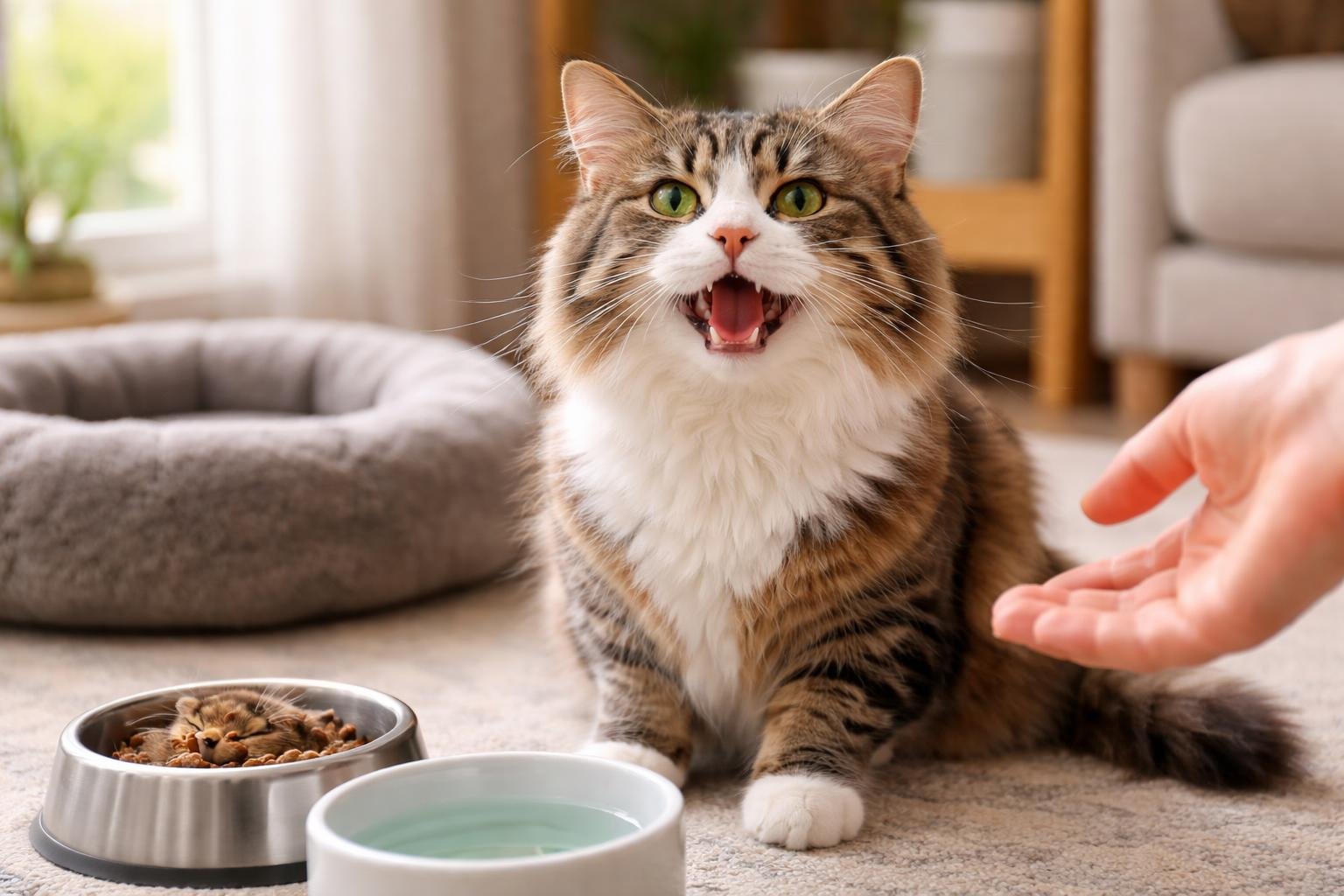
Cats use vocalizations to communicate specific needs and emotions to their human companions. Understanding why your cat is meowing so much requires identifying whether the behavior stems from basic needs, social desires, or environmental stressors.
Hunger and Thirst
Your cat may meow persistently when their food or water bowl is empty or when they anticipate mealtime. Cats quickly learn that vocalizing gets your attention, especially if you’ve previously responded by feeding them.
Some cats develop a routine of meowing loudly before scheduled feeding times. If your cat has recently increased their meowing around meals, check that you’re providing adequate portions throughout the day.
Fresh water availability matters too. Cats sometimes meow when their water bowl is stale or empty, particularly if they prefer running water. Consider whether your feeding schedule meets your cat’s needs or if medical conditions like hyperthyroidism are increasing their appetite.
Seeking Attention and Affection
Cats meow to initiate interaction with you, whether they want playtime, petting, or simply your company. This behavior becomes more pronounced if your cat has learned that meowing successfully gains your attention.
Some cats become more vocal when they feel lonely or bored. If you’ve been away from home more than usual or haven’t engaged in regular play sessions, your cat may meow to request interaction.
Certain breeds are naturally more talkative and enjoy “conversations” with their owners. Your cat might also meow when following you around the house or when you arrive home. The communication through excessive meowing intensifies when cats feel their social needs aren’t being met.
Stress, Anxiety, and Environmental Triggers
Changes in your home environment can trigger increased vocalization. Moving furniture, new household members, other pets, or changes to your routine can cause stress that manifests as excessive meowing.
Loud noises, unfamiliar visitors, or disruptions to their territory may make your cat feel anxious. Some cats meow more when they’re confined to certain areas or can’t access favorite spots.
Common stress triggers include:
- Changes in household routine or schedule
- Introduction of new pets or people
- Lack of environmental enrichment
- Limited access to preferred spaces
- Sudden loud noises or construction
Identifying and addressing behavioral causes of excessive vocalizations often requires observing when and where the meowing occurs most frequently.
Medical Reasons for Frequent Cat Meowing
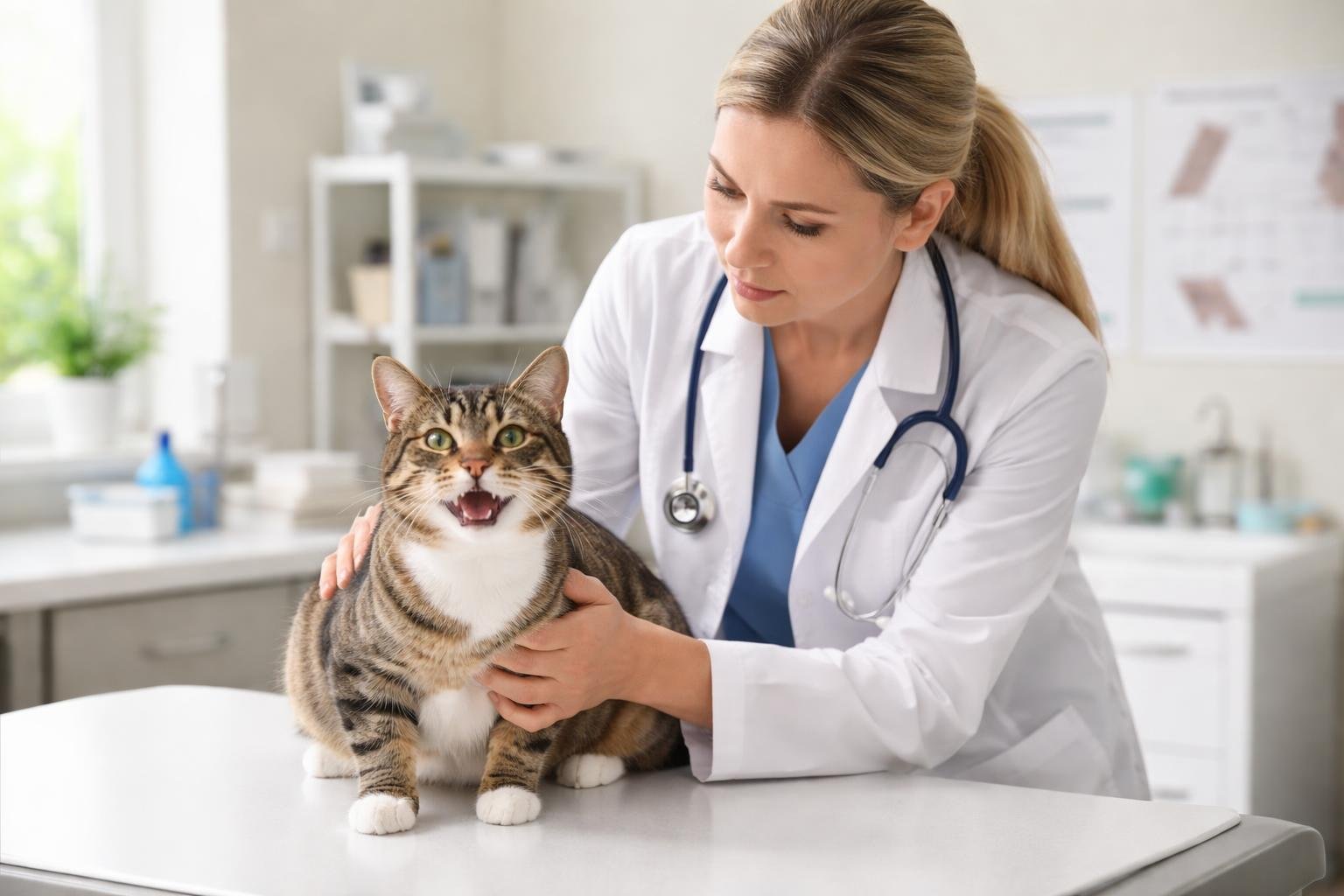
Cats often increase their vocalizations when experiencing underlying health conditions that cause discomfort or confusion. Medical issues ranging from pain to hyperthyroidism can trigger excessive meowing that requires veterinary attention.
Pain and Discomfort
Your cat may vocalize more frequently when experiencing physical pain or discomfort. Cats instinctively hide pain, but vocalization can be one of the few visible signs that something is wrong.
Common sources of pain include:
- Dental disease and tooth decay
- Arthritis in older cats
- Digestive issues or constipation
- Injuries or wounds
If your cat suddenly starts meowing more than usual, especially when moving, eating, or using the litter box, pain could be the underlying cause. You might notice your cat meowing at night or during specific activities that aggravate the painful area. Schedule a veterinary examination to identify and address the source of discomfort.
Feline Cognitive Dysfunction in Senior Cats
Feline cognitive dysfunction affects older cats and causes symptoms similar to dementia in humans. Senior cats with this condition often meow excessively, particularly at night, due to confusion and disorientation.
Signs of cognitive dysfunction include:
- Nighttime vocalization and wandering
- Confusion about familiar surroundings
- Changes in sleep-wake cycles
- Decreased interaction with family members
Your aging cat may meow loudly because they feel lost or anxious, even in their own home. This excessive vocalization in senior cats typically worsens during evening hours. Your veterinarian can recommend management strategies and medications to help reduce anxiety and improve your cat’s quality of life.
Hyperthyroidism and Other Age-Related Issues
Hyperthyroidism is a common hormonal disorder in middle-aged and senior cats that causes increased metabolism and behavioral changes. Cats with hyperthyroidism often become more vocal due to increased hunger, restlessness, and anxiety.
Your cat may exhibit these additional symptoms:
- Weight loss despite increased appetite
- Hyperactivity or restlessness
- Increased thirst and urination
- Poor coat condition
Hyperthyroidism and other medical conditions require blood tests for diagnosis. Treatment options include medication, dietary management, or radioactive iodine therapy. Once treated, the excessive meowing typically decreases significantly.
Urinary and Litter Box Problems
Your cat may meow excessively when experiencing urinary tract issues or bladder discomfort. These conditions cause significant pain and urgency, prompting vocalization before, during, or after litter box use.
Watch for these warning signs:
- Crying while in the litter box
- Frequent trips to the litter box with little output
- Blood in urine
- Urinating outside the litter box
Urinary blockages in male cats constitute medical emergencies requiring immediate veterinary care. When cats meow to communicate distress related to urination, prompt diagnosis and treatment prevent serious complications. Your veterinarian will perform urinalysis and imaging to determine the appropriate treatment plan.
Behavioral and Environmental Factors
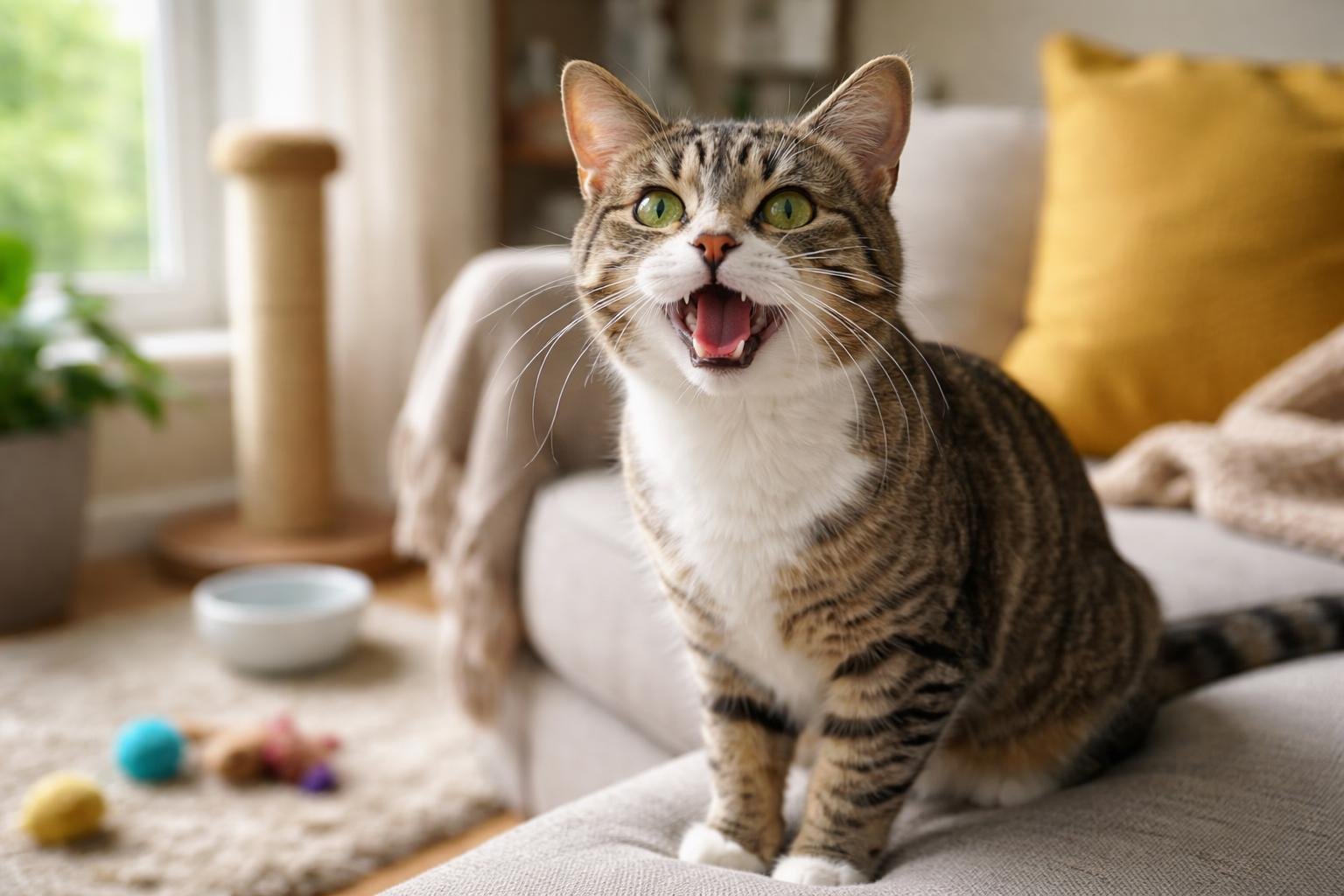
Cats often increase their vocalizations in response to hormonal changes, disruptions in their daily routines, or insufficient mental and physical engagement. Understanding these triggers helps you address the root cause of excessive meowing rather than just managing the symptoms.
Mating and Hormonal Influences
Unspayed female cats in heat produce loud, persistent vocalizations to attract male cats. These calls are distinctive and often more intense than regular meowing.
Male cats also become more vocal when they detect a female in heat nearby. The yowling and increased cat meowing can continue throughout the breeding cycle, which typically lasts several days.
Hormonal solutions include:
- Spaying female cats before their first heat cycle
- Neutering male cats to reduce mating-related vocalizations
- Consulting your veterinarian about timing for surgical procedures
Spaying and neutering significantly reduce hormone-driven vocalizations in most cats. The procedures also prevent unwanted litters and reduce certain health risks.
Changes in Household or Routine
Cats thrive on predictability, and behavioral changes often develop when their environment shifts. Moving to a new home, adding family members, or rearranging furniture can trigger anxiety-related meowing.
Your cat behavior may also change with alterations to feeding schedules or litter box locations. Even seemingly minor adjustments can cause stress in sensitive cats.
Common household disruptions include:
- New pets or people in the home
- Construction noise or renovations
- Changed work schedules affecting interaction time
- Relocation of food bowls or sleeping areas
Maintain consistent feeding times and keep familiar items accessible during transitions. Gradually introduce changes when possible to minimize stress and associated vocalizations.
Boredom and Lack of Stimulation
A talkative cat may simply need more engagement throughout the day. Indoor cats without adequate enrichment often meow excessively to express frustration or request interaction.
Provide varied cat toys that encourage hunting behaviors, including puzzle feeders and interactive wands. Rotate toys weekly to maintain novelty and interest.
Install a window perch so your cat can observe outdoor activity, which provides natural entertainment. Consider adding a catio for safe outdoor access if space permits.
Enrichment strategies:
- Dedicate 15-30 minutes daily for active play sessions
- Offer vertical spaces like cat trees for climbing
- Use food puzzles to engage natural foraging instincts
- Provide scratching posts in multiple locations
Physical activity and mental challenges reduce boredom-related meowing. Cats that receive adequate stimulation typically vocalize less frequently throughout the day.
Practical Solutions to Reduce Cat Meowing
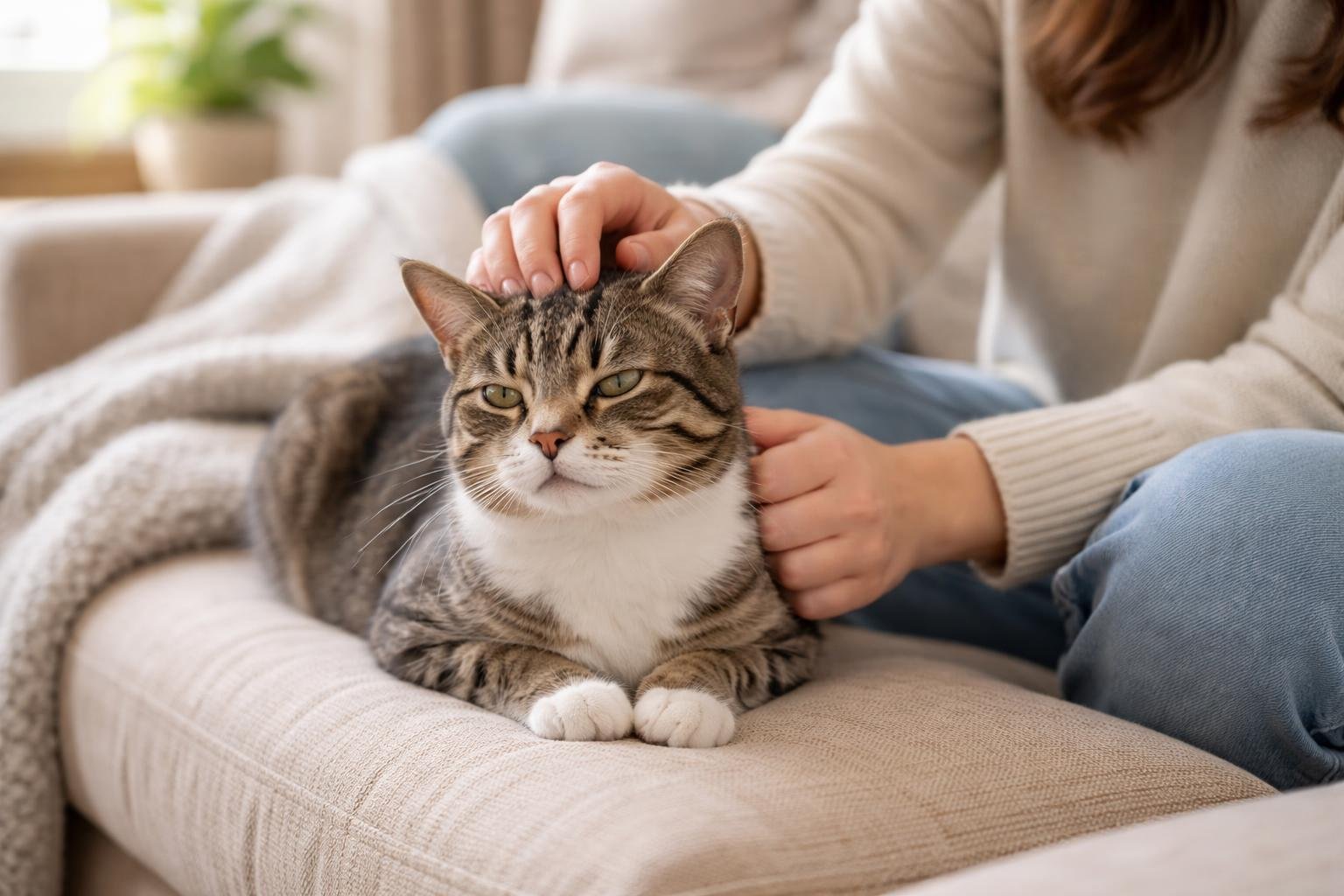
Reducing excessive meowing requires addressing your cat’s underlying needs through structured changes to their environment and daily routine. Creating predictable schedules, providing mental stimulation, and responding appropriately to vocal demands can significantly decrease unwanted vocalizations.
Setting Consistent Routines
Cats thrive on predictability, and establishing consistent daily routines helps reduce anxiety-driven meowing. Feed your cat at the same times each day, typically morning and evening, to prevent hunger-related vocalizations.
Schedule regular play sessions at consistent times, ideally before meals or bedtime. This mimics natural hunting patterns and helps expend energy that might otherwise fuel excessive meowing. Dedicate 10-15 minutes twice daily to active play.
Maintain consistent wake and sleep times for yourself as well. When you go to bed and wake up at the same hours, your cat learns when attention is available and when quiet behavior is expected. This structure particularly helps with night-time meowing behaviors.
Avoid responding to meowing with immediate attention or food, as this reinforces the behavior. Instead, wait for quiet moments to provide rewards or interaction.
Enrichment: Cat Toys, Window Perches, and Catios
Environmental enrichment addresses boredom and understimulation, two common causes of excessive meowing. Rotate cat toys weekly to maintain novelty and interest. Puzzle feeders, feather wands, and battery-operated mice provide different types of stimulation.
Install a window perch in a location with outdoor views. Watching birds, squirrels, and passing activity provides mental stimulation for hours. Position the perch securely at a height where your cat can comfortably observe without feeling vulnerable.
A catio offers safe outdoor access and substantially increases your cat’s environmental complexity. These enclosed outdoor spaces allow your cat to experience fresh air, natural sounds, and visual stimulation without the risks of free roaming. Even a small catio attached to a window provides significant enrichment benefits.
Consider adding vertical spaces like cat trees or wall-mounted shelves. Cats naturally seek elevated positions for security and observation, and providing these options reduces stress-related vocalizations.
Using Automatic Feeders and Interactive Play
An automatic feeder solves early morning meowing related to meal requests. Program it to dispense food at your cat’s regular feeding times, removing you as the direct food provider. This breaks the association between your cat’s meowing and receiving meals.
Choose feeders with portion control to maintain healthy weight. Some models include ice packs for wet food, expanding your options beyond dry kibble.
Interactive play differs from simply providing toys. Use wand toys to simulate prey movement—quick darting motions followed by pauses. Allow your cat to “catch” the prey periodically to prevent frustration. End sessions with a successful catch before offering food, completing the hunt-eat-rest cycle.
Laser pointers can provide exercise but always finish play sessions with a physical toy your cat can capture. Without this closure, laser play may increase frustration and vocalizing.
Addressing Attention-Seeking Behaviors
Attention-seeking meowing responds best to strategic ignoring combined with positive reinforcement. When your cat meows for attention, avoid eye contact, verbal responses, or physical interaction until they quiet down.
The moment your cat stops meowing, even briefly, provide the attention they sought. This teaches that silence, not noise, earns rewards. Consistency is critical—even one response to meowing can reset your progress.
Proactively offer attention when your cat is quiet and calm. Schedule dedicated cuddle time or grooming sessions during peaceful moments. This ensures your cat receives adequate attention without needing to demand it vocally.
If your cat escalates their meowing when ignored, leave the room entirely. Return only after they’ve been quiet for at least 30 seconds. This approach requires patience but effectively reduces attention-seeking vocalizations over time.
When to Seek Veterinary Help
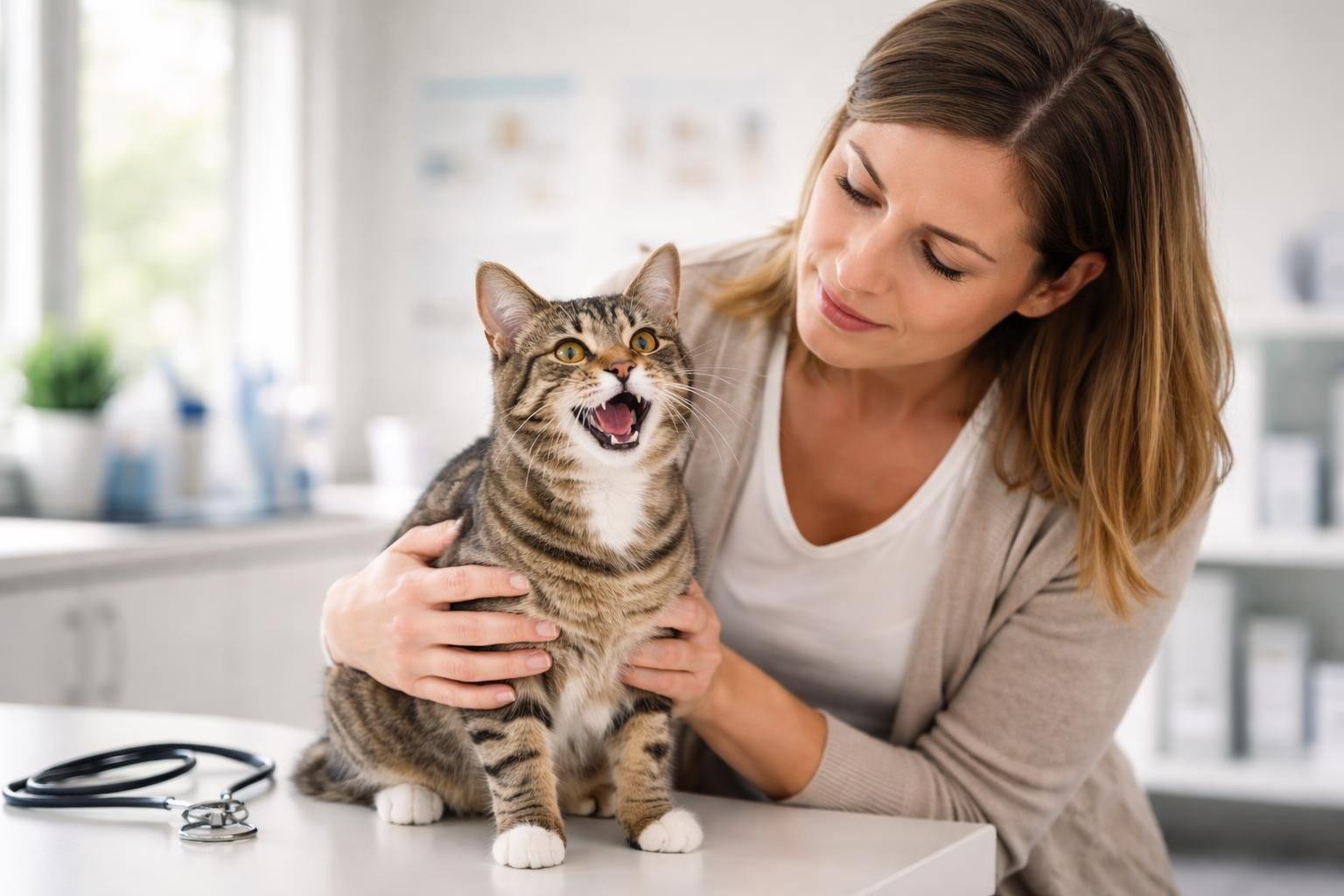
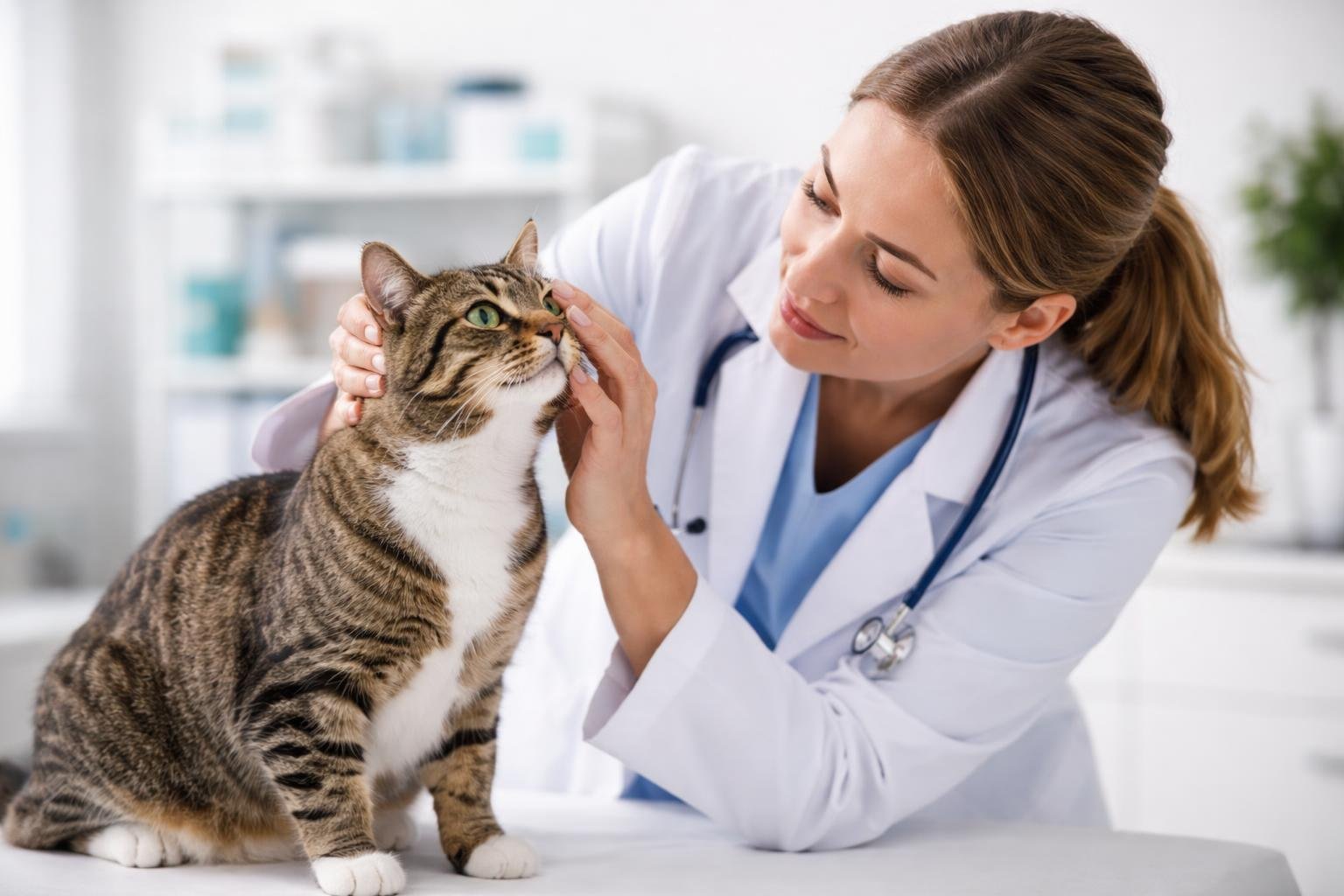
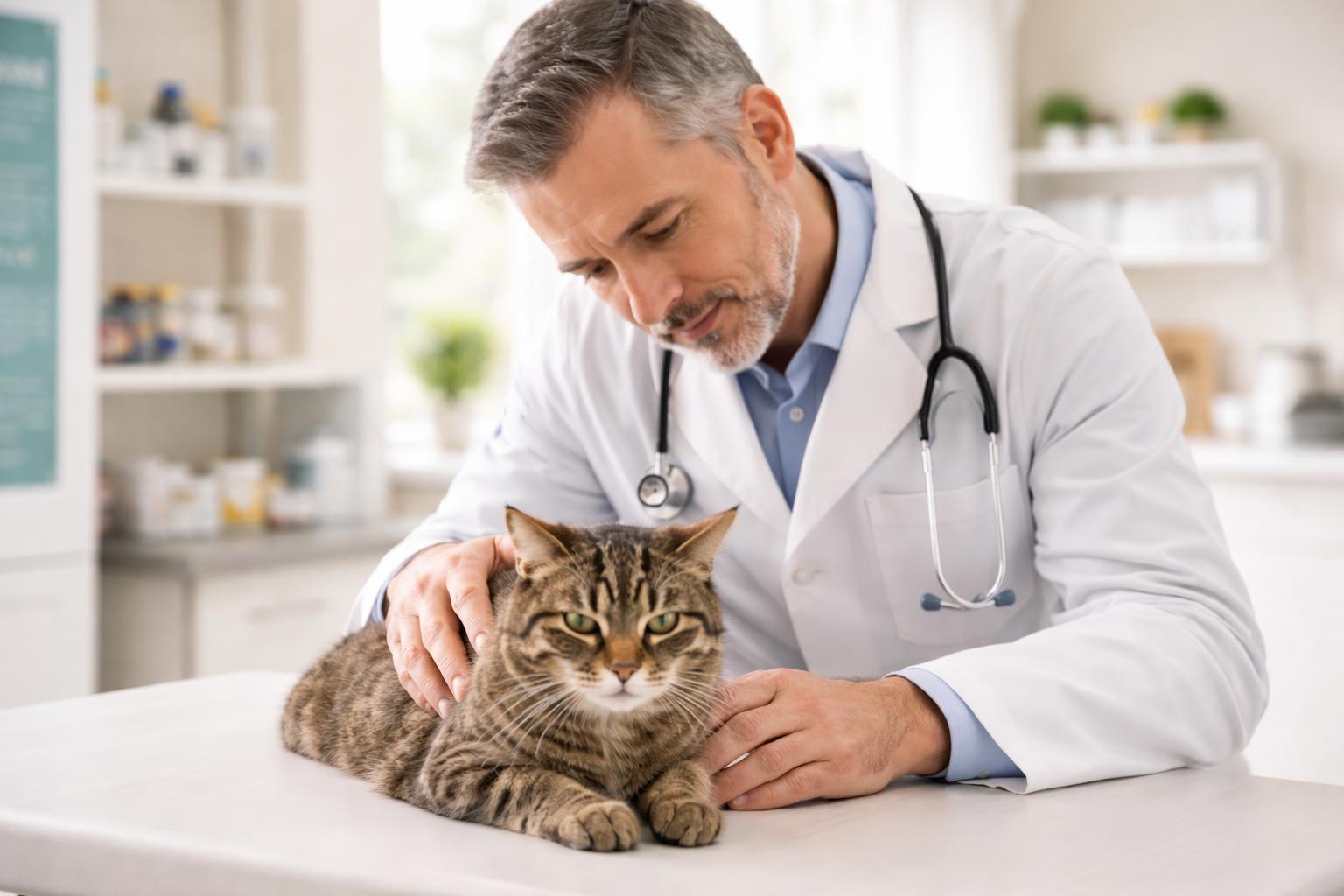
Sudden changes in your cat’s vocalization patterns often indicate underlying health problems that require professional evaluation. Male cats that repeatedly visit the litter box while meowing intensely need immediate emergency care, as this signals a potentially fatal urinary blockage.
Recognizing Signs of Illness
Urgent medical symptoms accompanying excessive meowing include refusal to eat or drink for more than 24 hours, lethargy, hiding behavior, or visible pain when touched. Cats with hyperthyroidism commonly show increased vocalization along with weight loss despite increased appetite, restlessness, and increased thirst.
Senior cats meowing excessively at night may exhibit signs of feline cognitive dysfunction, similar to dementia in humans. Watch for disorientation, changes in sleep-wake cycles, reduced interaction with family members, and altered litter box habits.
Other warning signs include difficulty breathing, vomiting, diarrhea, limping, or discharge from eyes or nose. Cats experiencing stress or illness use meowing to communicate their discomfort, making it essential to observe accompanying physical changes.
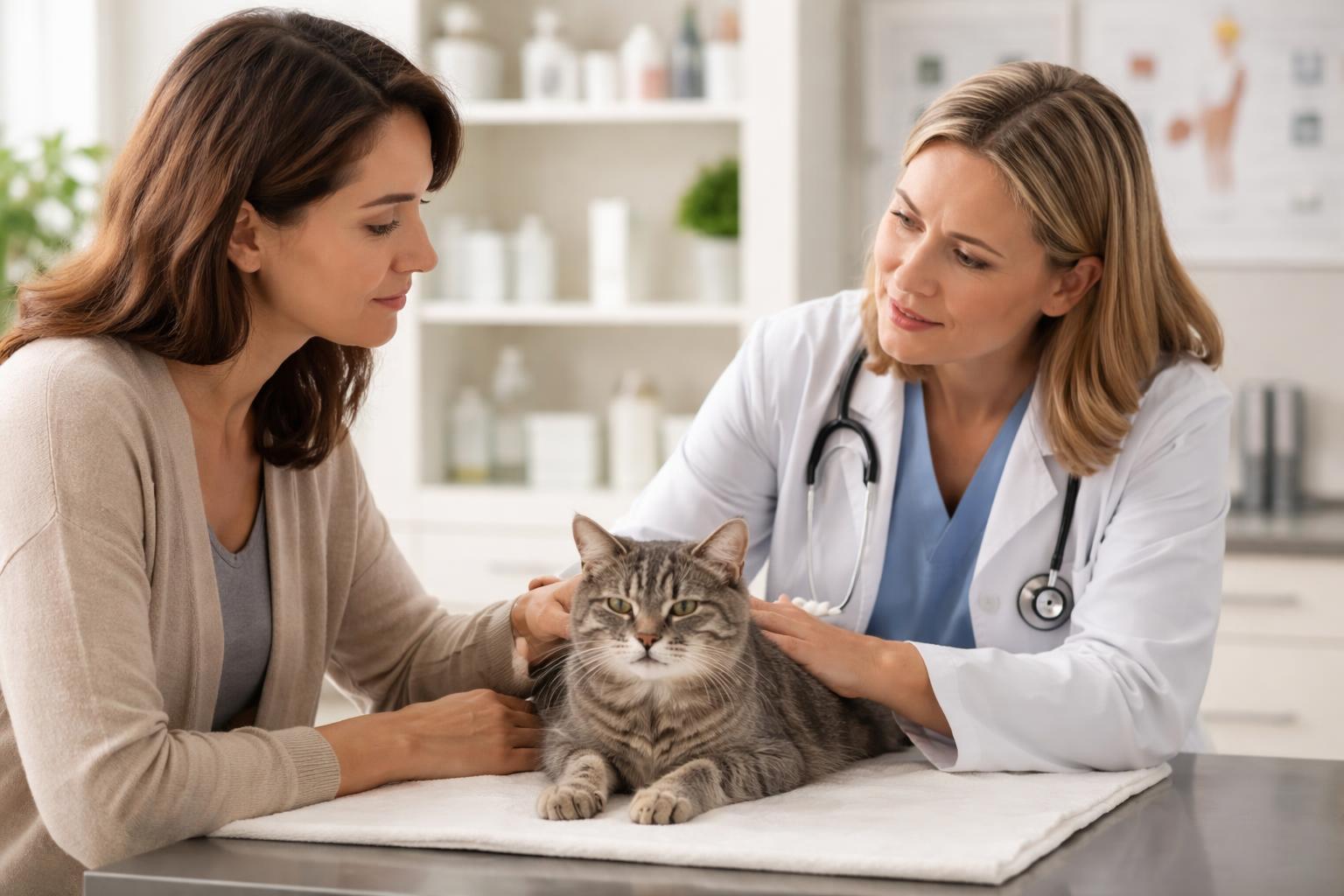
Preparing for a Vet Visit
Document when the excessive meowing started, its frequency, and specific times it occurs most often. Record any behavioral changes, appetite variations, water consumption patterns, and litter box usage to provide your veterinarian with complete information.
Video recordings of your cat meowing can help your vet assess the vocalization type and intensity. Bring a list of current medications, recent diet changes, and any household disruptions that might contribute to stress.
Note whether the meowing improves with attention, occurs before meals, or happens during specific activities. Your veterinarian will perform blood work, urinalysis, and physical examination to rule out medical conditions.
Monitoring Changes in Your Cat’s Meowing
Track the volume, pitch, and duration of your cat’s vocalizations in a daily log. Sudden shifts from normal meowing to loud yowling or weak, raspy sounds warrant immediate veterinary attention.
Pay attention to context—whether your cat meows while eating, using the litter box, jumping, or during rest periods. These details help identify pain locations or specific triggers.
Monitor your cat’s response to environmental changes, new routines, or stress reduction techniques. If modifications don’t reduce excessive meowing within a few days, schedule a veterinary examination to rule out medical causes.