Category: Uncategorized

  • Why Is My Cat Meowing So Much? Common Causes and Solutions Every Owner Should Know

    Why Is My Cat Meowing So Much? Common Causes and Solutions Every Owner Should Know

    If your cat suddenly won’t stop vocalizing, you’re probably wondering what’s going on. Cats use meowing primarily to communicate with humans rather than with other cats, so when yours is being especially vocal, they’re trying to tell you something specific.
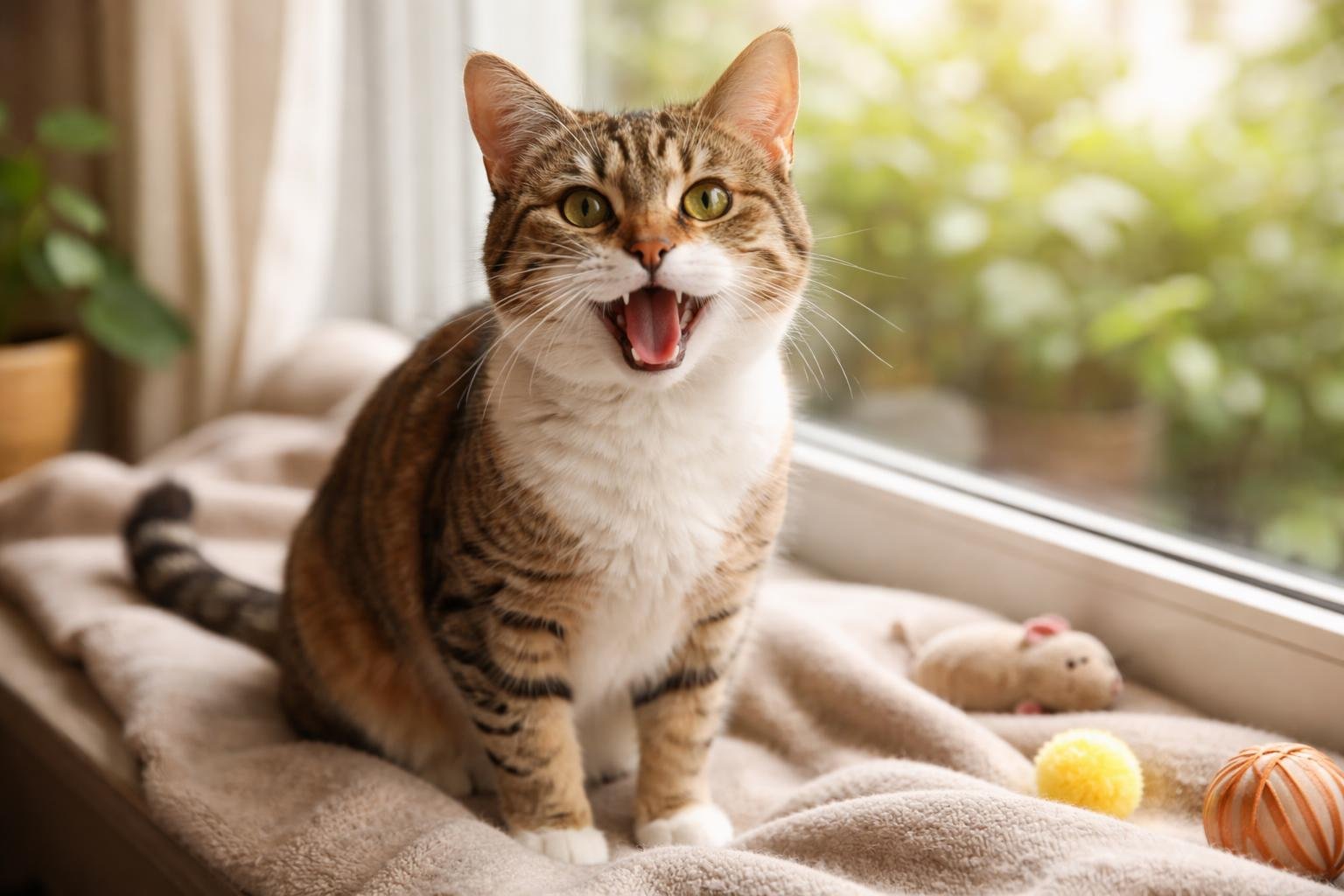
    A domestic cat sitting on a windowsill, meowing with its mouth open and looking at the camera.

    Excessive meowing typically signals that your cat has an unmet need, whether it’s hunger, attention, stress, or an underlying medical condition that requires attention. The key to reducing excessive meowing involves identifying what your cat is trying to communicate and addressing the root cause. While some cats are naturally more talkative than others, a sudden increase in vocalization deserves investigation.

    Understanding the difference between normal feline chattiness and genuine concern is crucial. Cats meow to communicate needs like hunger, attention, stress, or illness, and distinguishing between behavioral quirks and medical issues will help you respond appropriately. This guide will walk you through the most common reasons for excessive vocalization and provide practical solutions to restore peace to your home.

    Key Takeaways

    • Cats meow excessively to communicate specific needs ranging from hunger and boredom to medical conditions
    • Both health-related and behavioral factors can cause sudden increases in your cat’s vocalization patterns
    • Addressing the underlying cause through environmental changes or veterinary care effectively reduces excessive meowing

    Understanding Cat Meowing: Communication or Concern?
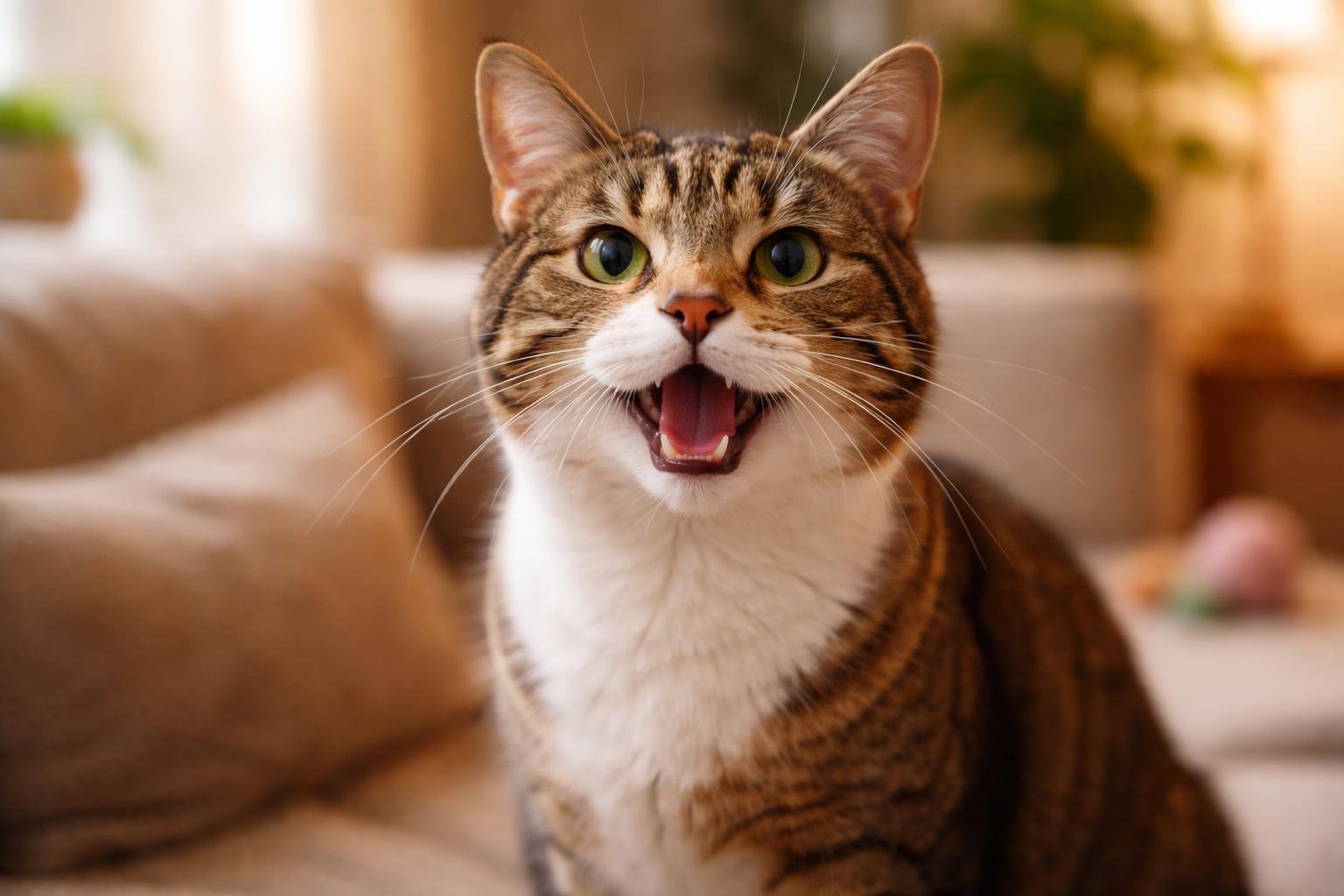
    Close-up of a domestic cat meowing indoors in a cozy living room setting with natural light.

    Cats meow primarily to communicate with humans rather than other cats, and while some vocalization is normal, excessive meowing often signals an underlying need or problem. Recognizing the difference between typical feline chatter and concerning vocal patterns helps you address your cat’s needs appropriately.

    Normal vs. Excessive Vocalization

    Normal cat meowing occurs during greetings, mealtimes, or when your cat wants attention. Most cats vocalize a few times throughout the day in predictable patterns.

    Excessive meowing involves persistent, repetitive vocalizations that occur outside normal contexts or increase suddenly in frequency. Excessive cat meowing can indicate medical issues, behavioral needs, environmental stress, or breed characteristics.

    You should consider meowing excessive when your cat vocalizes constantly for extended periods, meows loudly at unusual times like 3 AM, or shows a dramatic increase from their baseline behavior. A cat that previously meowed occasionally but now vocalizes hourly demonstrates a notable change worth investigating.

    How Cats Use Meowing to Communicate

    Adult cats rarely meow at each other, relying instead on body language, scent marking, and other vocalizations. Cats have learned that humans respond to their sounds, making meowing one of their main ways to express needs, emotions, and observations.

    Your cat uses different meow types to convey specific messages:

    • Short, high-pitched meows: Greetings or acknowledgment
    • Repeated meows: Excitement or urgent requests
    • Mid-pitched meows: Standard requests for food or access
    • Low-pitched, drawn-out meows: Complaints or demands
    • Loud, persistent meowing: Distress or serious needs

    Cats meow to communicate needs like hunger, attention, stress, or illness, and each cat develops unique vocal patterns based on what gets results from their human companions.

    Why Do Cats Meow to Humans?

    Cats evolved meowing specifically as a communication tool for interacting with people. Wild and feral adult cats rarely meow, but domesticated cats retain this kitten behavior because it effectively captures human attention.

    Cats meow for various reasons—to say hello, to ask for things, and to tell us when something’s wrong. Your cat has learned through trial and error which vocalizations prompt you to provide food, open doors, or offer affection.

    This behavior reinforces itself when you respond to meowing. If you feed your cat every time they meow at their bowl, you teach them that meowing produces meals. Your cat essentially trains you to respond to their vocal cues.

    Talkative Cat Breeds and Personality Differences

    Some cat breeds naturally vocalize more than others due to genetic predisposition. Siamese cats are famously chatty, often engaging in lengthy “conversations” with their owners throughout the day.

    Vocal Cat Breeds:

    • Siamese: Extremely talkative with loud, distinctive vocalizations
    • Oriental Shorthair: Frequent communicators with strong opinions
    • Burmese: Social cats that enjoy vocal interaction
    • Maine Coon: Chirpers and trillers who “talk” regularly
    • Sphynx: Demanding communicators who seek attention

    Quieter Breeds:

    • Persian: Generally calm and less vocal
    • Russian Blue: Reserved with minimal meowing
    • Ragdoll: Soft-spoken and gentle

    Beyond breed, individual personality plays a significant role in cat behavior. Some cats are naturally more extroverted and demand interaction, while others prefer quiet independence regardless of their genetic background.

    Common Causes of Excessive Meowing
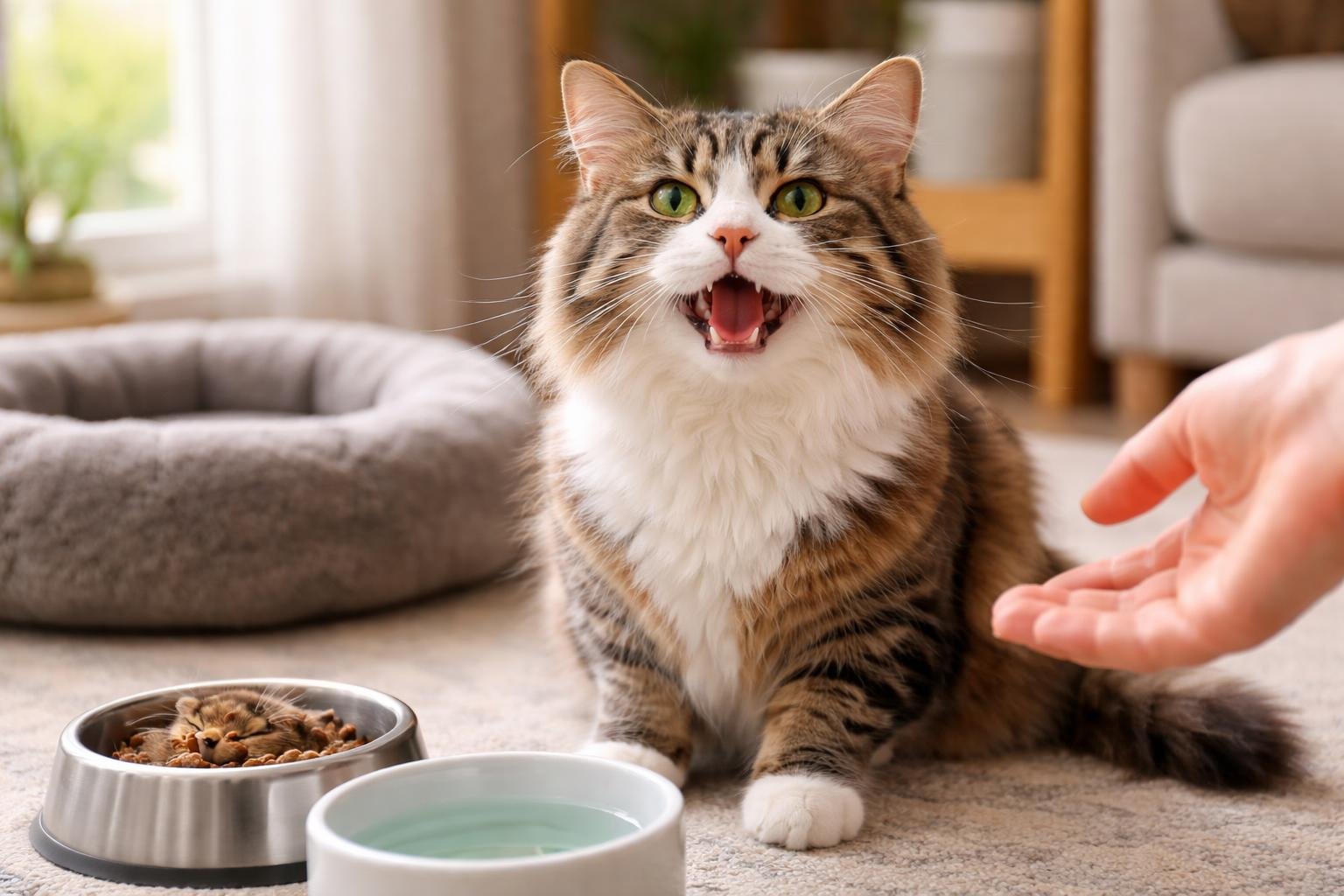
    A domestic cat sitting indoors near a window, meowing with its mouth open, surrounded by a food bowl, water dish, cat bed, and a human hand reaching out to it.

    Cats use vocalizations to communicate specific needs and emotions to their human companions. Understanding why your cat is meowing so much requires identifying whether the behavior stems from basic needs, social desires, or environmental stressors.

    Hunger and Thirst

    Your cat may meow persistently when their food or water bowl is empty or when they anticipate mealtime. Cats quickly learn that vocalizing gets your attention, especially if you’ve previously responded by feeding them.

    Some cats develop a routine of meowing loudly before scheduled feeding times. If your cat has recently increased their meowing around meals, check that you’re providing adequate portions throughout the day.

    Fresh water availability matters too. Cats sometimes meow when their water bowl is stale or empty, particularly if they prefer running water. Consider whether your feeding schedule meets your cat’s needs or if medical conditions like hyperthyroidism are increasing their appetite.

    Seeking Attention and Affection

    Cats meow to initiate interaction with you, whether they want playtime, petting, or simply your company. This behavior becomes more pronounced if your cat has learned that meowing successfully gains your attention.

    Some cats become more vocal when they feel lonely or bored. If you’ve been away from home more than usual or haven’t engaged in regular play sessions, your cat may meow to request interaction.

    Certain breeds are naturally more talkative and enjoy “conversations” with their owners. Your cat might also meow when following you around the house or when you arrive home. The communication through excessive meowing intensifies when cats feel their social needs aren’t being met.

    Stress, Anxiety, and Environmental Triggers

    Changes in your home environment can trigger increased vocalization. Moving furniture, new household members, other pets, or changes to your routine can cause stress that manifests as excessive meowing.

    Loud noises, unfamiliar visitors, or disruptions to their territory may make your cat feel anxious. Some cats meow more when they’re confined to certain areas or can’t access favorite spots.

    Common stress triggers include:

    • Changes in household routine or schedule
    • Introduction of new pets or people
    • Lack of environmental enrichment
    • Limited access to preferred spaces
    • Sudden loud noises or construction

    Identifying and addressing behavioral causes of excessive vocalizations often requires observing when and where the meowing occurs most frequently.

    Medical Reasons for Frequent Cat Meowing
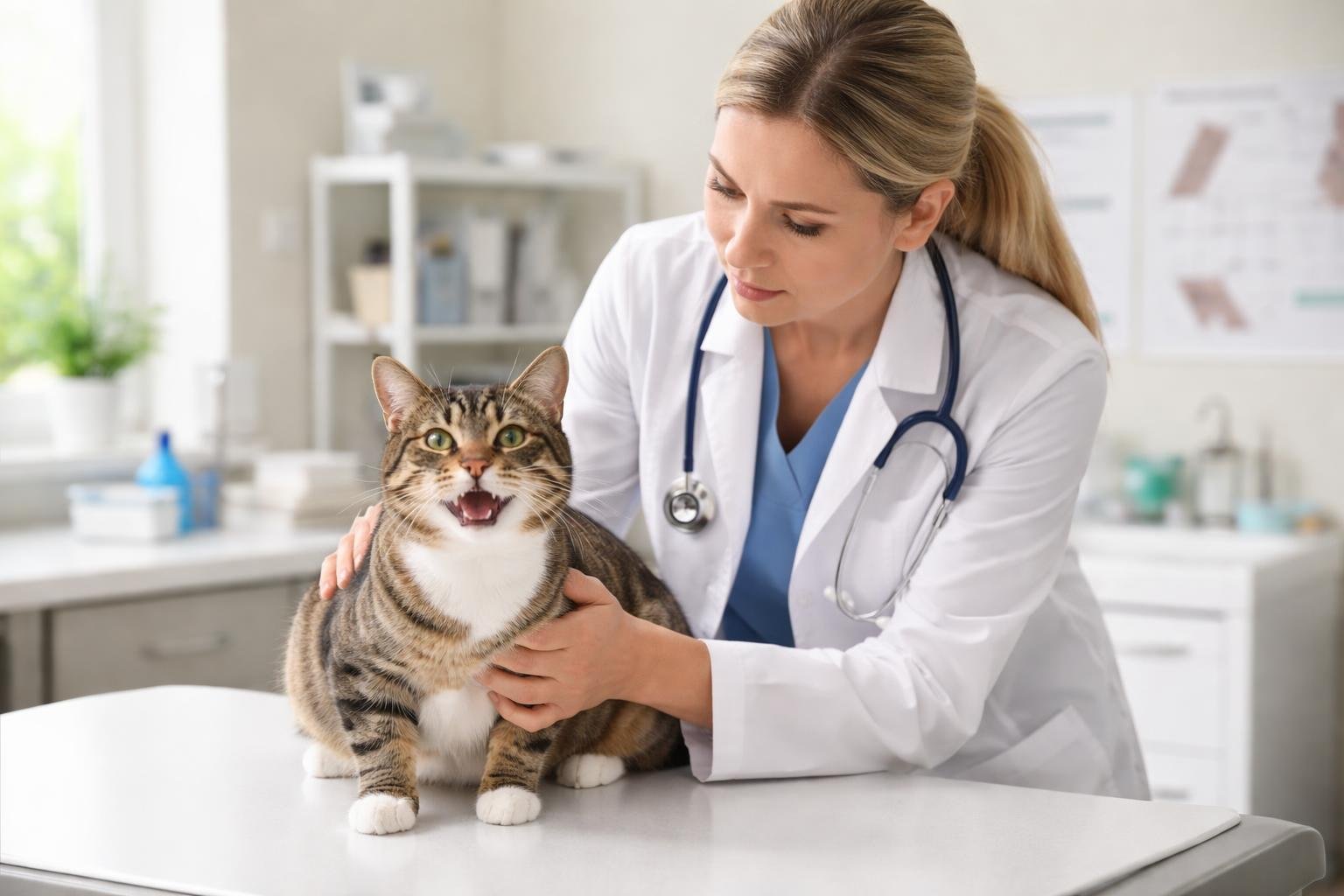
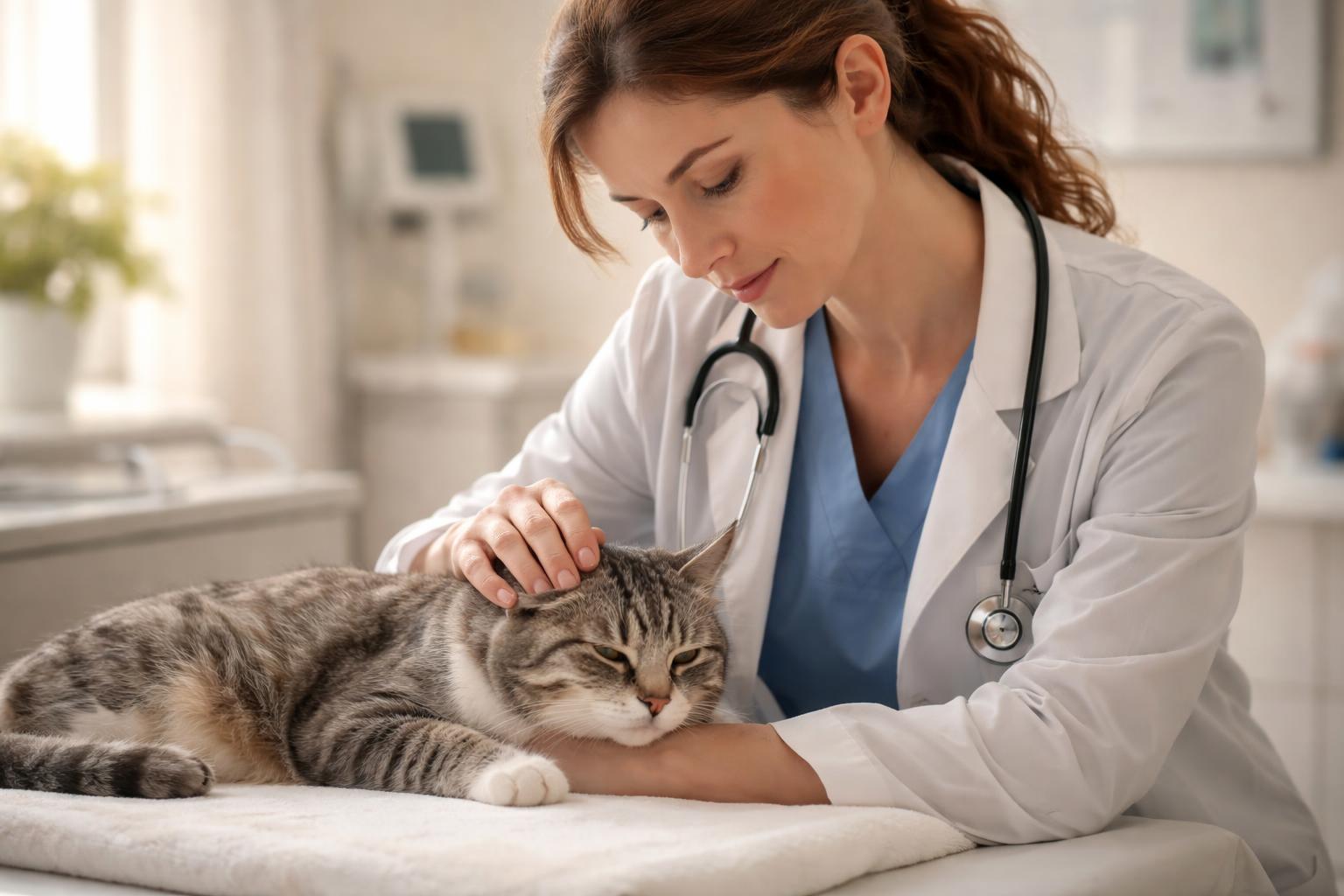
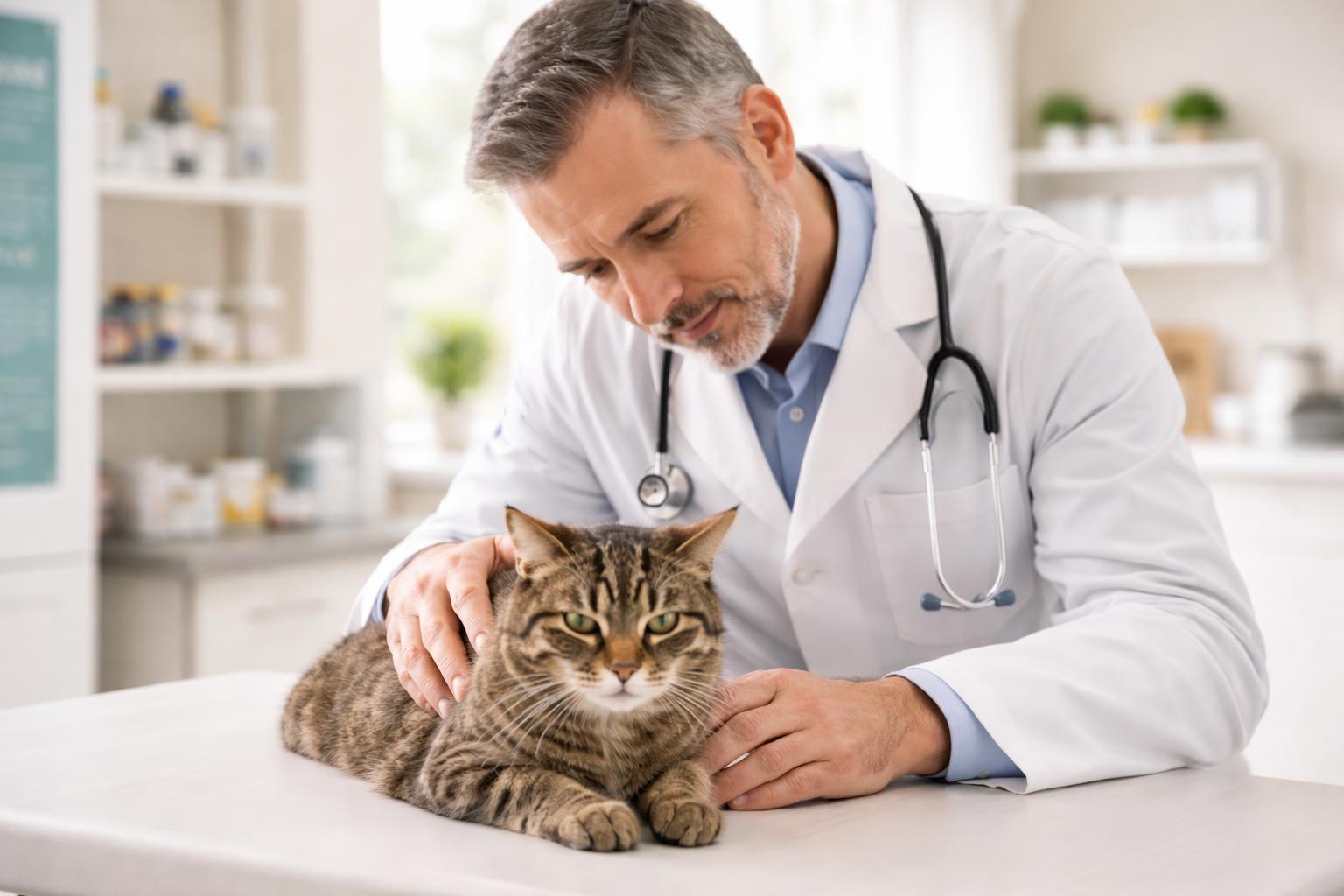
    A veterinarian gently examining a cat on a table in a veterinary clinic.

    Cats often increase their vocalizations when experiencing underlying health conditions that cause discomfort or confusion. Medical issues ranging from pain to hyperthyroidism can trigger excessive meowing that requires veterinary attention.

    Pain and Discomfort

    Your cat may vocalize more frequently when experiencing physical pain or discomfort. Cats instinctively hide pain, but vocalization can be one of the few visible signs that something is wrong.

    Common sources of pain include:

    • Dental disease and tooth decay
    • Arthritis in older cats
    • Digestive issues or constipation
    • Injuries or wounds

    If your cat suddenly starts meowing more than usual, especially when moving, eating, or using the litter box, pain could be the underlying cause. You might notice your cat meowing at night or during specific activities that aggravate the painful area. Schedule a veterinary examination to identify and address the source of discomfort.

    Feline Cognitive Dysfunction in Senior Cats

    Feline cognitive dysfunction affects older cats and causes symptoms similar to dementia in humans. Senior cats with this condition often meow excessively, particularly at night, due to confusion and disorientation.

    Signs of cognitive dysfunction include:

    • Nighttime vocalization and wandering
    • Confusion about familiar surroundings
    • Changes in sleep-wake cycles
    • Decreased interaction with family members

    Your aging cat may meow loudly because they feel lost or anxious, even in their own home. This excessive vocalization in senior cats typically worsens during evening hours. Your veterinarian can recommend management strategies and medications to help reduce anxiety and improve your cat’s quality of life.

    Hyperthyroidism and Other Age-Related Issues

    Hyperthyroidism is a common hormonal disorder in middle-aged and senior cats that causes increased metabolism and behavioral changes. Cats with hyperthyroidism often become more vocal due to increased hunger, restlessness, and anxiety.

    Your cat may exhibit these additional symptoms:

    • Weight loss despite increased appetite
    • Hyperactivity or restlessness
    • Increased thirst and urination
    • Poor coat condition

    Hyperthyroidism and other medical conditions require blood tests for diagnosis. Treatment options include medication, dietary management, or radioactive iodine therapy. Once treated, the excessive meowing typically decreases significantly.

    Urinary and Litter Box Problems

    Your cat may meow excessively when experiencing urinary tract issues or bladder discomfort. These conditions cause significant pain and urgency, prompting vocalization before, during, or after litter box use.

    Watch for these warning signs:

    • Crying while in the litter box
    • Frequent trips to the litter box with little output
    • Blood in urine
    • Urinating outside the litter box

    Urinary blockages in male cats constitute medical emergencies requiring immediate veterinary care. When cats meow to communicate distress related to urination, prompt diagnosis and treatment prevent serious complications. Your veterinarian will perform urinalysis and imaging to determine the appropriate treatment plan.

    Behavioral and Environmental Factors
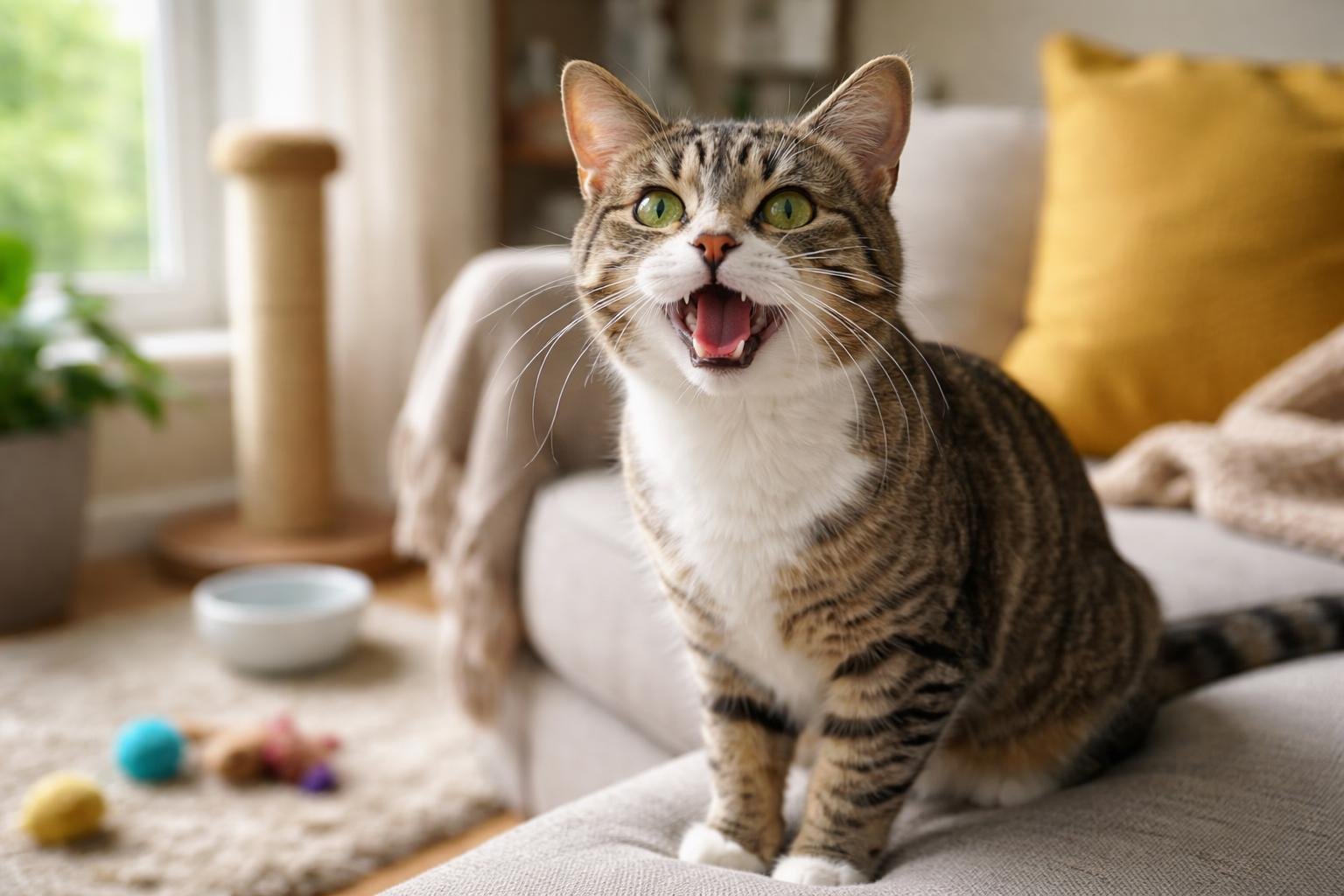
    A domestic short-haired cat sitting on a couch by a window, meowing with its mouth open, surrounded by cat toys and a scratching post in a cozy living room.

    Cats often increase their vocalizations in response to hormonal changes, disruptions in their daily routines, or insufficient mental and physical engagement. Understanding these triggers helps you address the root cause of excessive meowing rather than just managing the symptoms.

    Mating and Hormonal Influences

    Unspayed female cats in heat produce loud, persistent vocalizations to attract male cats. These calls are distinctive and often more intense than regular meowing.

    Male cats also become more vocal when they detect a female in heat nearby. The yowling and increased cat meowing can continue throughout the breeding cycle, which typically lasts several days.

    Hormonal solutions include:

    • Spaying female cats before their first heat cycle
    • Neutering male cats to reduce mating-related vocalizations
    • Consulting your veterinarian about timing for surgical procedures

    Spaying and neutering significantly reduce hormone-driven vocalizations in most cats. The procedures also prevent unwanted litters and reduce certain health risks.

    Changes in Household or Routine

    Cats thrive on predictability, and behavioral changes often develop when their environment shifts. Moving to a new home, adding family members, or rearranging furniture can trigger anxiety-related meowing.

    Your cat behavior may also change with alterations to feeding schedules or litter box locations. Even seemingly minor adjustments can cause stress in sensitive cats.

    Common household disruptions include:

    • New pets or people in the home
    • Construction noise or renovations
    • Changed work schedules affecting interaction time
    • Relocation of food bowls or sleeping areas

    Maintain consistent feeding times and keep familiar items accessible during transitions. Gradually introduce changes when possible to minimize stress and associated vocalizations.

    Boredom and Lack of Stimulation

    A talkative cat may simply need more engagement throughout the day. Indoor cats without adequate enrichment often meow excessively to express frustration or request interaction.

    Provide varied cat toys that encourage hunting behaviors, including puzzle feeders and interactive wands. Rotate toys weekly to maintain novelty and interest.

    Install a window perch so your cat can observe outdoor activity, which provides natural entertainment. Consider adding a catio for safe outdoor access if space permits.

    Enrichment strategies:

    • Dedicate 15-30 minutes daily for active play sessions
    • Offer vertical spaces like cat trees for climbing
    • Use food puzzles to engage natural foraging instincts
    • Provide scratching posts in multiple locations

    Physical activity and mental challenges reduce boredom-related meowing. Cats that receive adequate stimulation typically vocalize less frequently throughout the day.

    Practical Solutions to Reduce Cat Meowing
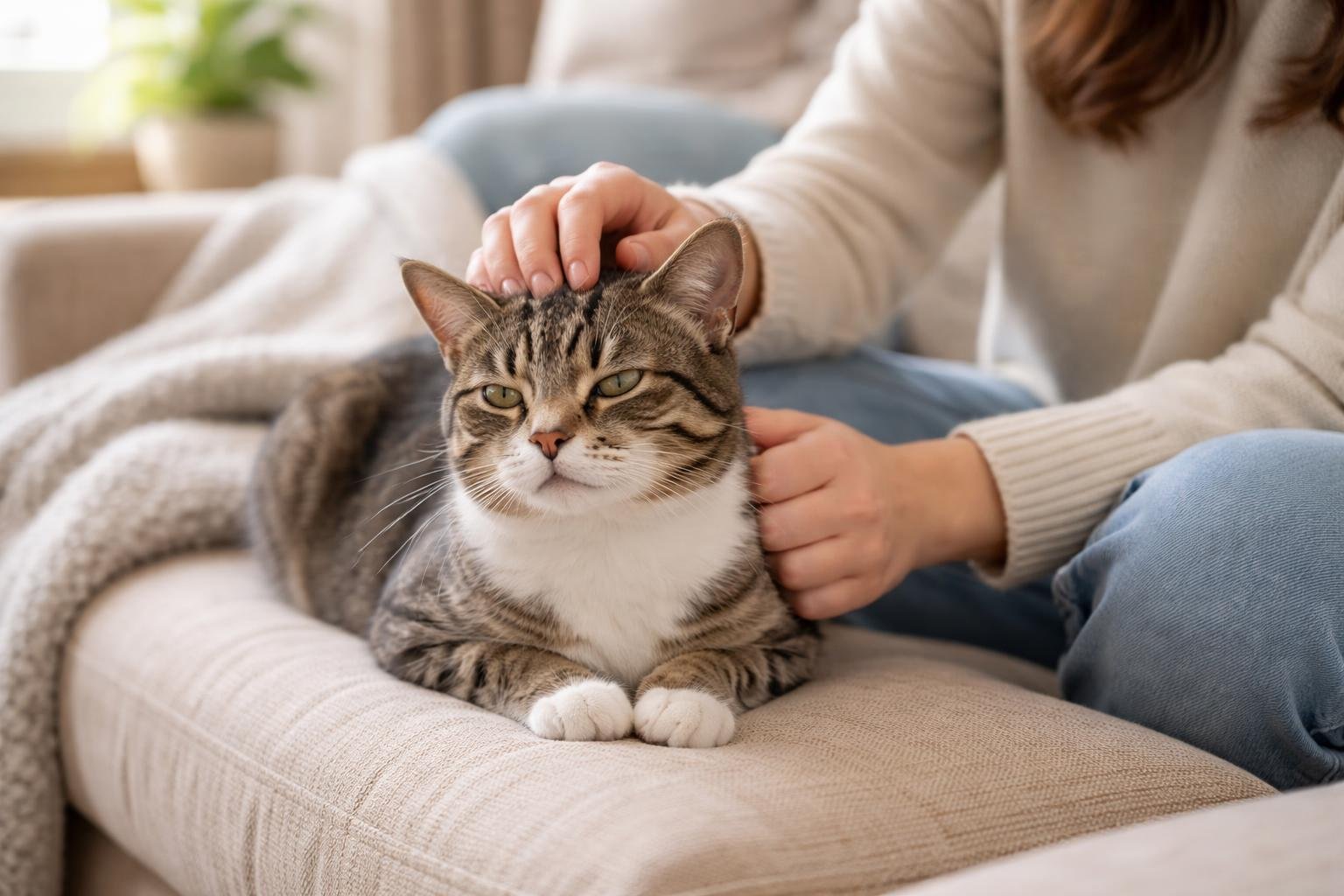
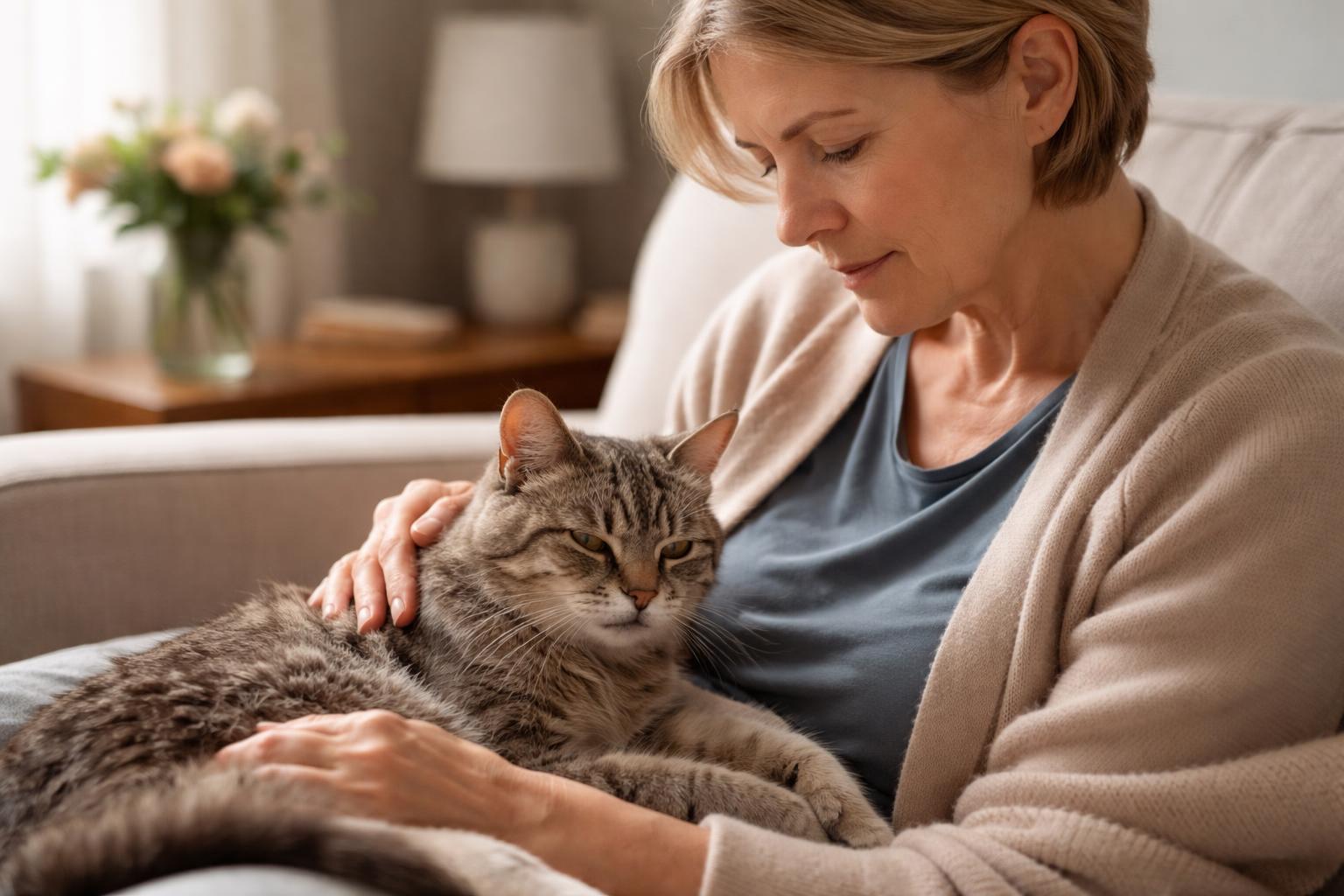
    A person gently petting a calm cat sitting on a couch in a cozy living room.

    Reducing excessive meowing requires addressing your cat’s underlying needs through structured changes to their environment and daily routine. Creating predictable schedules, providing mental stimulation, and responding appropriately to vocal demands can significantly decrease unwanted vocalizations.

    Setting Consistent Routines

    Cats thrive on predictability, and establishing consistent daily routines helps reduce anxiety-driven meowing. Feed your cat at the same times each day, typically morning and evening, to prevent hunger-related vocalizations.

    Schedule regular play sessions at consistent times, ideally before meals or bedtime. This mimics natural hunting patterns and helps expend energy that might otherwise fuel excessive meowing. Dedicate 10-15 minutes twice daily to active play.

    Maintain consistent wake and sleep times for yourself as well. When you go to bed and wake up at the same hours, your cat learns when attention is available and when quiet behavior is expected. This structure particularly helps with night-time meowing behaviors.

    Avoid responding to meowing with immediate attention or food, as this reinforces the behavior. Instead, wait for quiet moments to provide rewards or interaction.

    Enrichment: Cat Toys, Window Perches, and Catios

    Environmental enrichment addresses boredom and understimulation, two common causes of excessive meowing. Rotate cat toys weekly to maintain novelty and interest. Puzzle feeders, feather wands, and battery-operated mice provide different types of stimulation.

    Install a window perch in a location with outdoor views. Watching birds, squirrels, and passing activity provides mental stimulation for hours. Position the perch securely at a height where your cat can comfortably observe without feeling vulnerable.

    A catio offers safe outdoor access and substantially increases your cat’s environmental complexity. These enclosed outdoor spaces allow your cat to experience fresh air, natural sounds, and visual stimulation without the risks of free roaming. Even a small catio attached to a window provides significant enrichment benefits.

    Consider adding vertical spaces like cat trees or wall-mounted shelves. Cats naturally seek elevated positions for security and observation, and providing these options reduces stress-related vocalizations.

    Using Automatic Feeders and Interactive Play

    An automatic feeder solves early morning meowing related to meal requests. Program it to dispense food at your cat’s regular feeding times, removing you as the direct food provider. This breaks the association between your cat’s meowing and receiving meals.

    Choose feeders with portion control to maintain healthy weight. Some models include ice packs for wet food, expanding your options beyond dry kibble.

    Interactive play differs from simply providing toys. Use wand toys to simulate prey movement—quick darting motions followed by pauses. Allow your cat to “catch” the prey periodically to prevent frustration. End sessions with a successful catch before offering food, completing the hunt-eat-rest cycle.

    Laser pointers can provide exercise but always finish play sessions with a physical toy your cat can capture. Without this closure, laser play may increase frustration and vocalizing.

    Addressing Attention-Seeking Behaviors

    Attention-seeking meowing responds best to strategic ignoring combined with positive reinforcement. When your cat meows for attention, avoid eye contact, verbal responses, or physical interaction until they quiet down.

    The moment your cat stops meowing, even briefly, provide the attention they sought. This teaches that silence, not noise, earns rewards. Consistency is critical—even one response to meowing can reset your progress.

    Proactively offer attention when your cat is quiet and calm. Schedule dedicated cuddle time or grooming sessions during peaceful moments. This ensures your cat receives adequate attention without needing to demand it vocally.

    If your cat escalates their meowing when ignored, leave the room entirely. Return only after they’ve been quiet for at least 30 seconds. This approach requires patience but effectively reduces attention-seeking vocalizations over time.

    When to Seek Veterinary Help
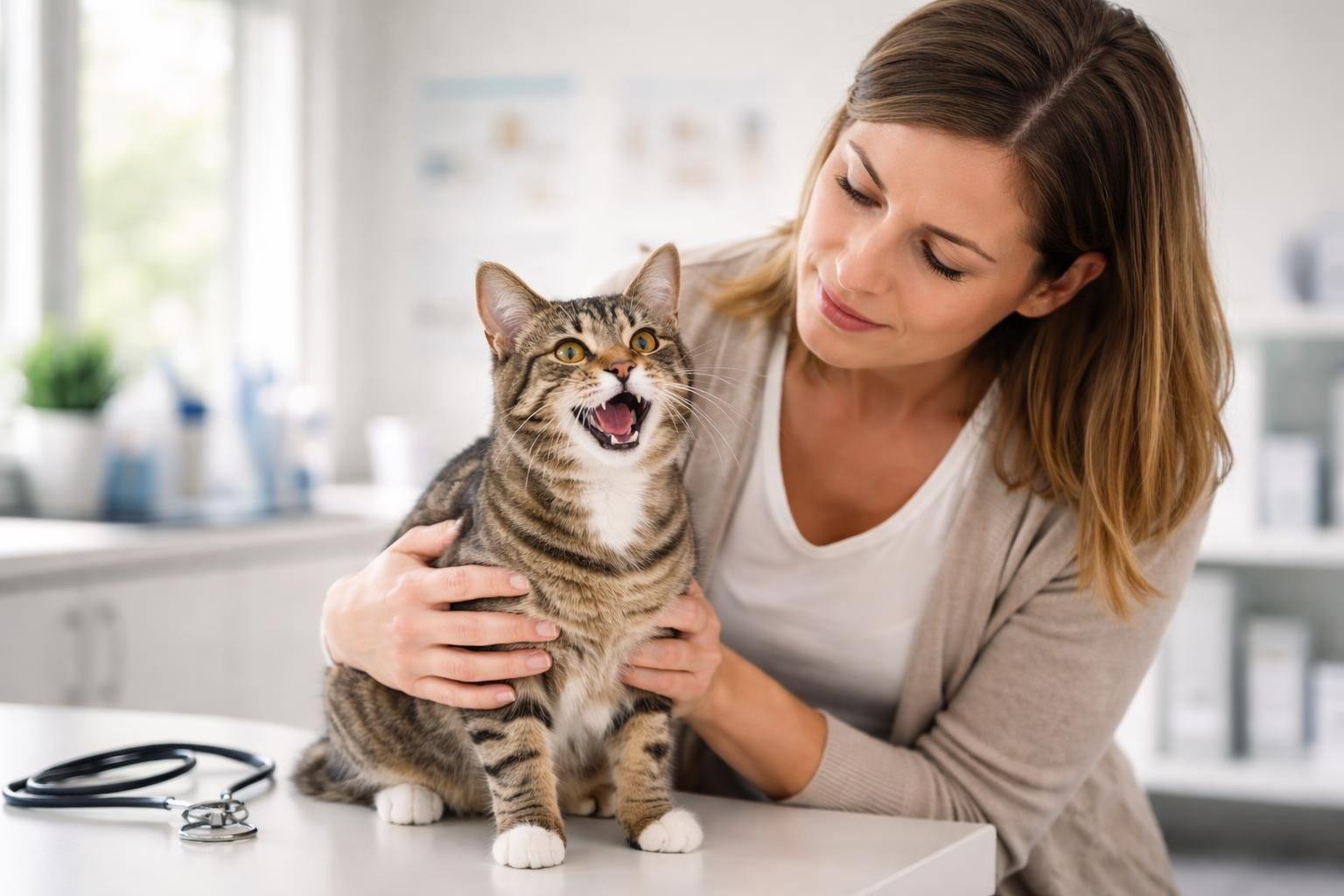
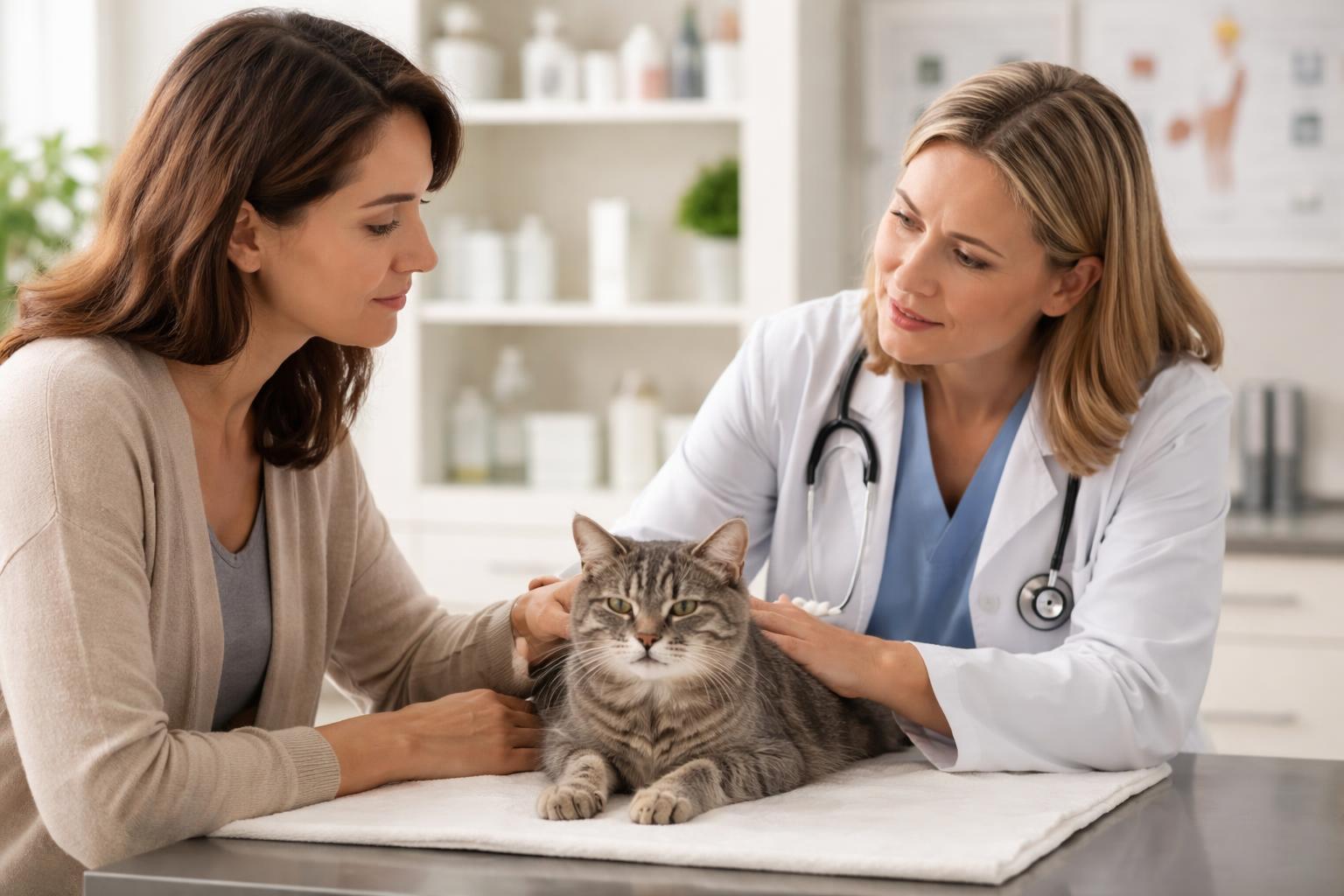
    A person gently holding a meowing cat inside a veterinary clinic with medical equipment in the background.

    Sudden changes in your cat’s vocalization patterns often indicate underlying health problems that require professional evaluation. Male cats that repeatedly visit the litter box while meowing intensely need immediate emergency care, as this signals a potentially fatal urinary blockage.

    Recognizing Signs of Illness

    Urgent medical symptoms accompanying excessive meowing include refusal to eat or drink for more than 24 hours, lethargy, hiding behavior, or visible pain when touched. Cats with hyperthyroidism commonly show increased vocalization along with weight loss despite increased appetite, restlessness, and increased thirst.

    Senior cats meowing excessively at night may exhibit signs of feline cognitive dysfunction, similar to dementia in humans. Watch for disorientation, changes in sleep-wake cycles, reduced interaction with family members, and altered litter box habits.

    Other warning signs include difficulty breathing, vomiting, diarrhea, limping, or discharge from eyes or nose. Cats experiencing stress or illness use meowing to communicate their discomfort, making it essential to observe accompanying physical changes.

    Preparing for a Vet Visit

    Document when the excessive meowing started, its frequency, and specific times it occurs most often. Record any behavioral changes, appetite variations, water consumption patterns, and litter box usage to provide your veterinarian with complete information.

    Video recordings of your cat meowing can help your vet assess the vocalization type and intensity. Bring a list of current medications, recent diet changes, and any household disruptions that might contribute to stress.

    Note whether the meowing improves with attention, occurs before meals, or happens during specific activities. Your veterinarian will perform blood work, urinalysis, and physical examination to rule out medical conditions.

    Monitoring Changes in Your Cat’s Meowing

    Track the volume, pitch, and duration of your cat’s vocalizations in a daily log. Sudden shifts from normal meowing to loud yowling or weak, raspy sounds warrant immediate veterinary attention.

    Pay attention to context—whether your cat meows while eating, using the litter box, jumping, or during rest periods. These details help identify pain locations or specific triggers.

    Monitor your cat’s response to environmental changes, new routines, or stress reduction techniques. If modifications don’t reduce excessive meowing within a few days, schedule a veterinary examination to rule out medical causes.
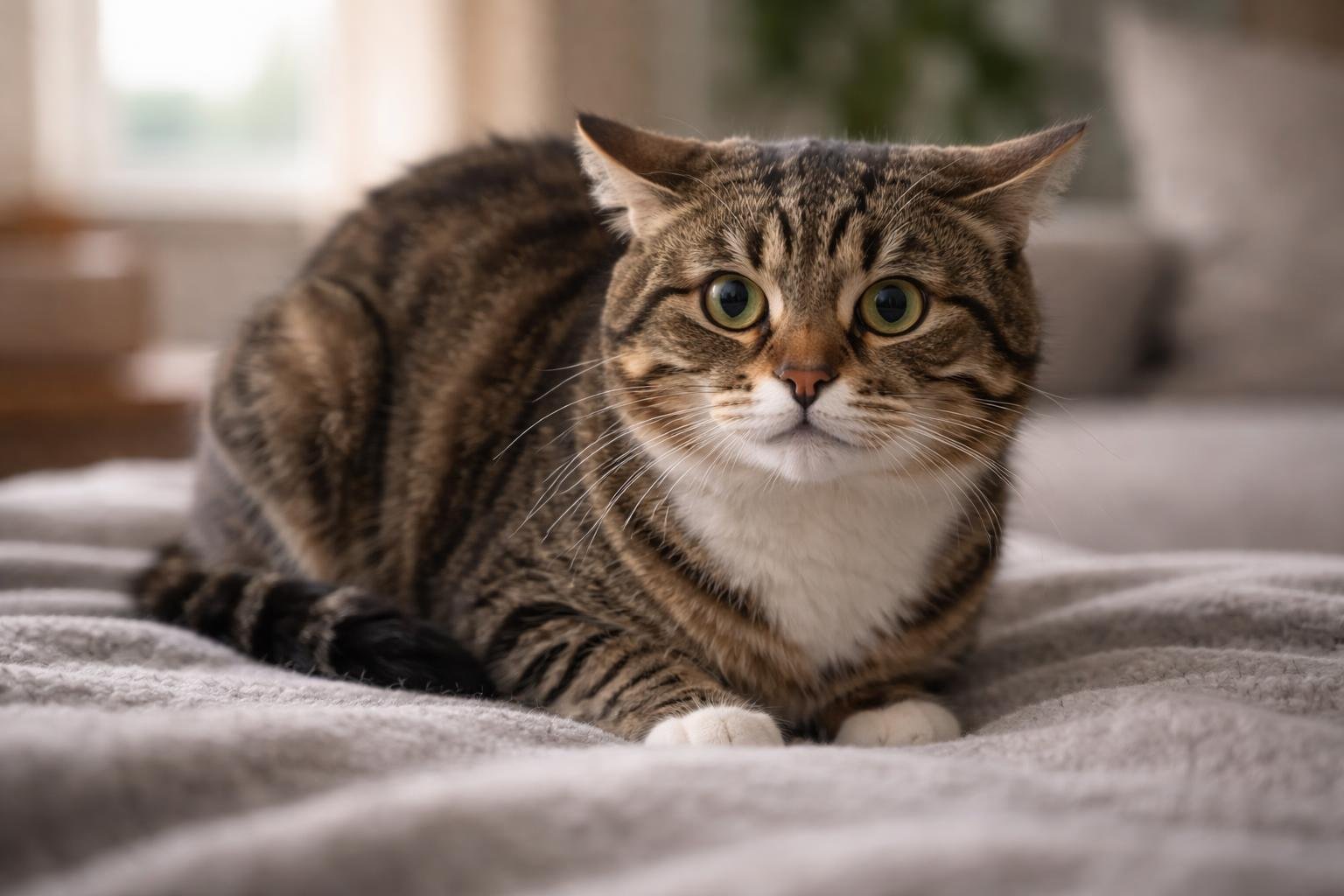
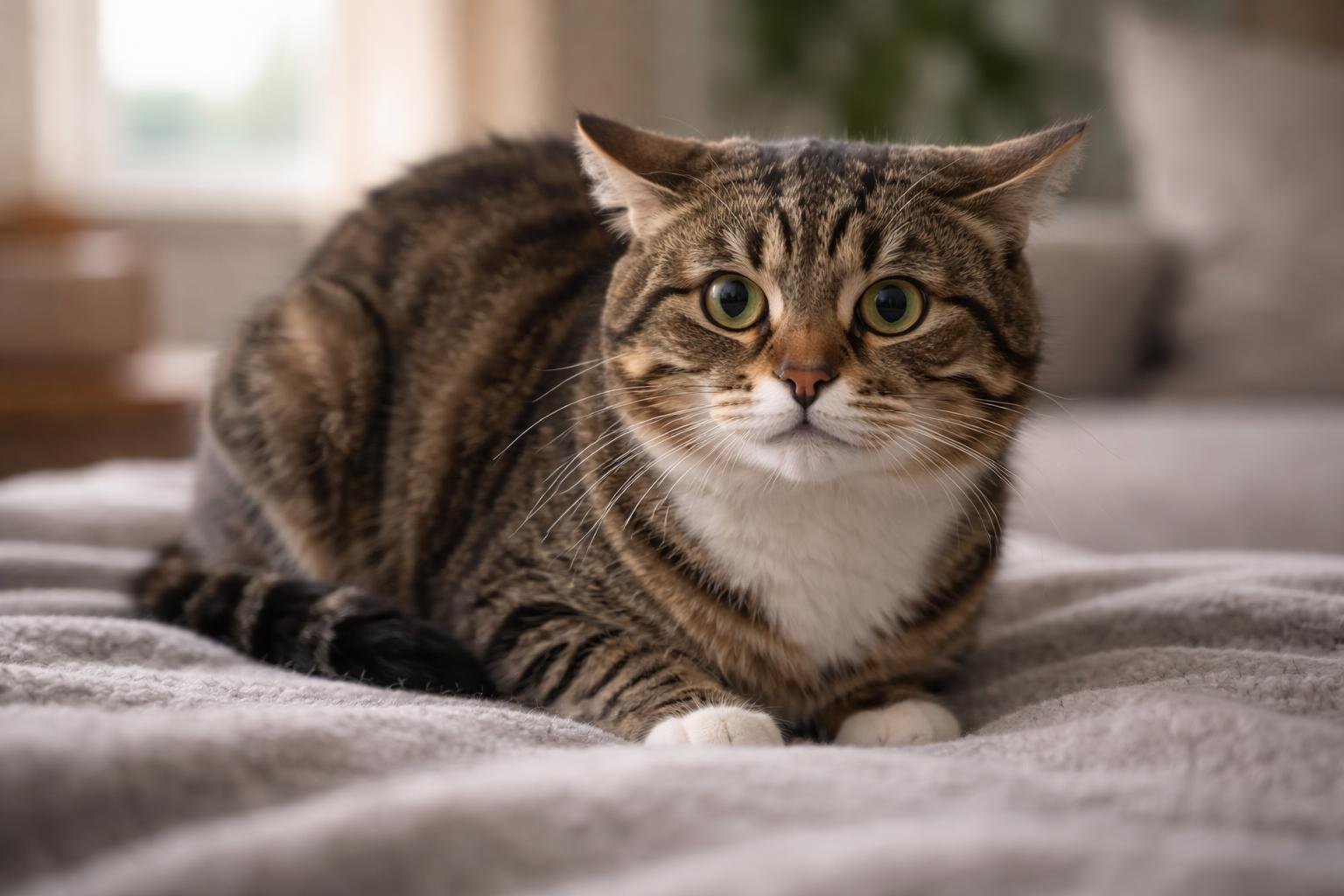
  • Signs Your Cat Is Stressed: Key Behavioral Changes Every Owner Should Recognize

    Signs Your Cat Is Stressed: Key Behavioral Changes Every Owner Should Recognize

    Cats are masters at hiding discomfort, but stress affects their health and behavior in significant ways. Common signs your cat is stressed include changes in appetite, increased hiding, excessive grooming, inappropriate urination, and shifts in vocalization or activity levels. Recognizing these signs of stress in cats early allows you to address problems before they escalate into serious health issues.

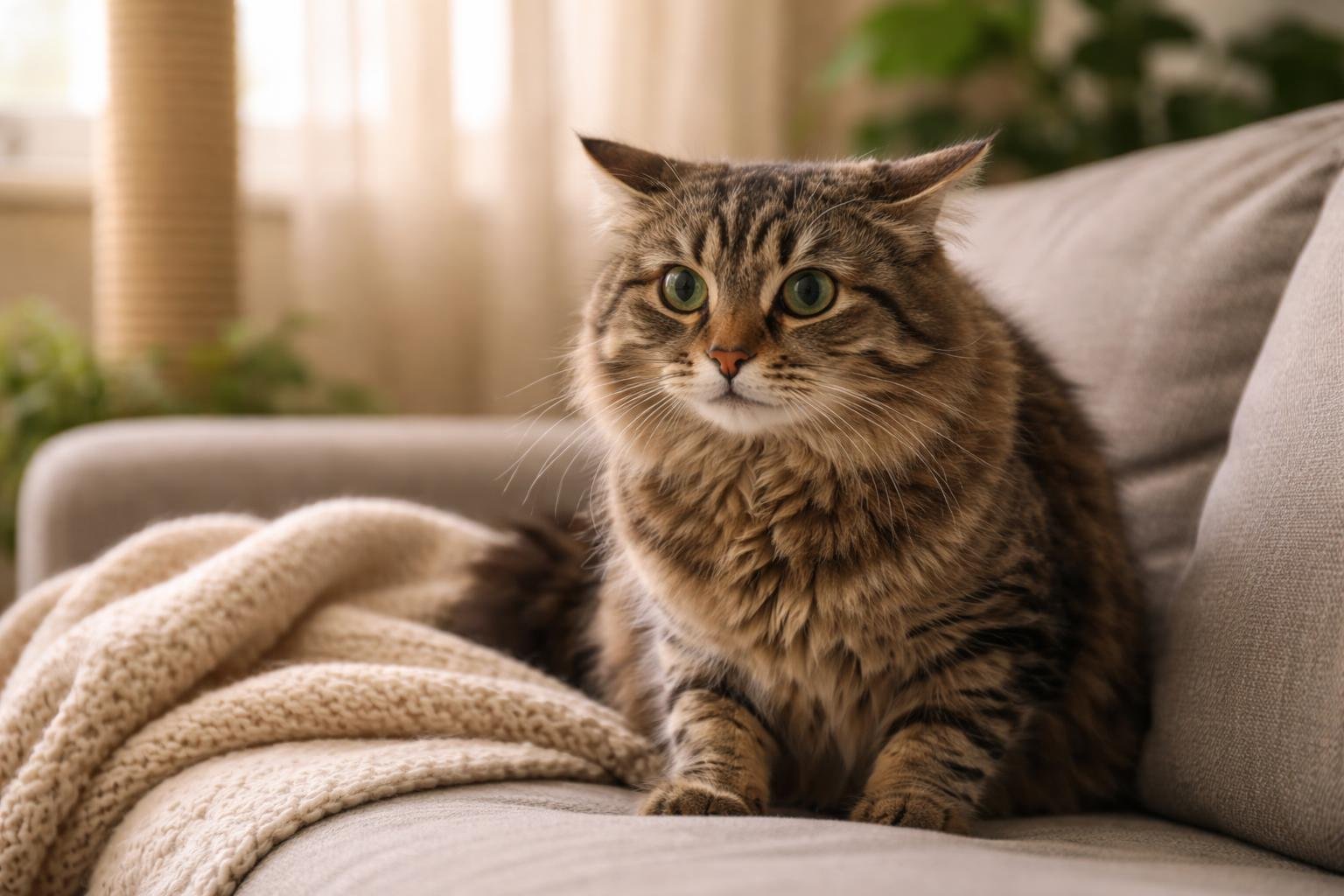
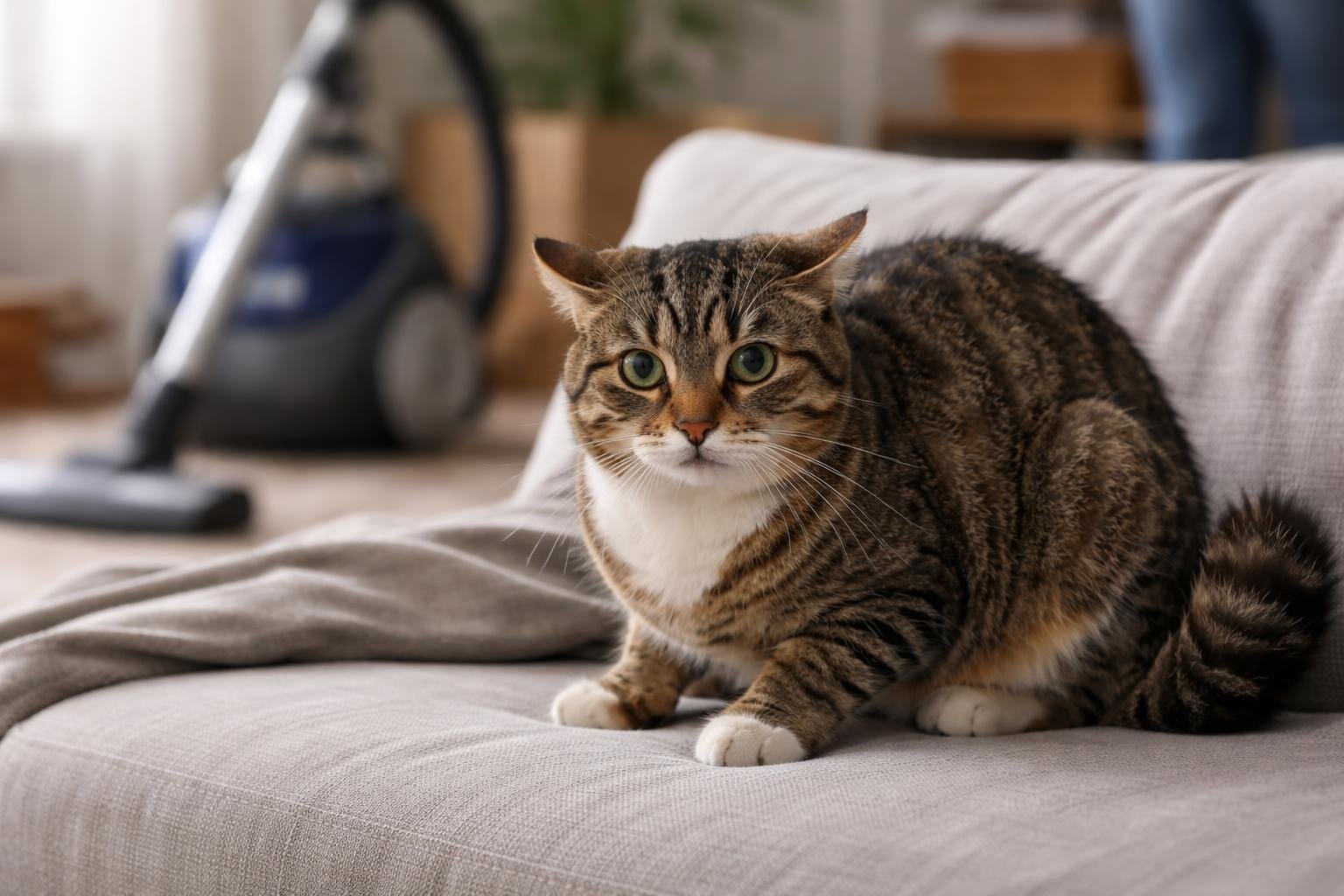
    A domestic cat sitting indoors with flattened ears and wide eyes, showing signs of stress.

    Chronic stress in cats differs from momentary reactions like hissing or an arched back during a brief scare. Long-term stress manifests through subtle behavioral changes that you might dismiss as personality quirks. Understanding what triggers feline stress and how it appears helps you create a calmer environment for your pet.

    The good news is that once you learn to spot the signs of cat stress, you can take specific steps to reduce it. This guide walks you through the key indicators to watch for and practical solutions to help your cat feel secure and comfortable again.

    Key Takeaways

    • Watch for behavioral changes like hiding, aggression, excessive grooming, litter box avoidance, and altered eating patterns
    • Stress in cats stems from environmental changes, household disruptions, health issues, and inadequate resources
    • You can reduce feline stress by maintaining routines, providing safe spaces, enrichment activities, and consulting your veterinarian when needed

    Understanding Cat Stress

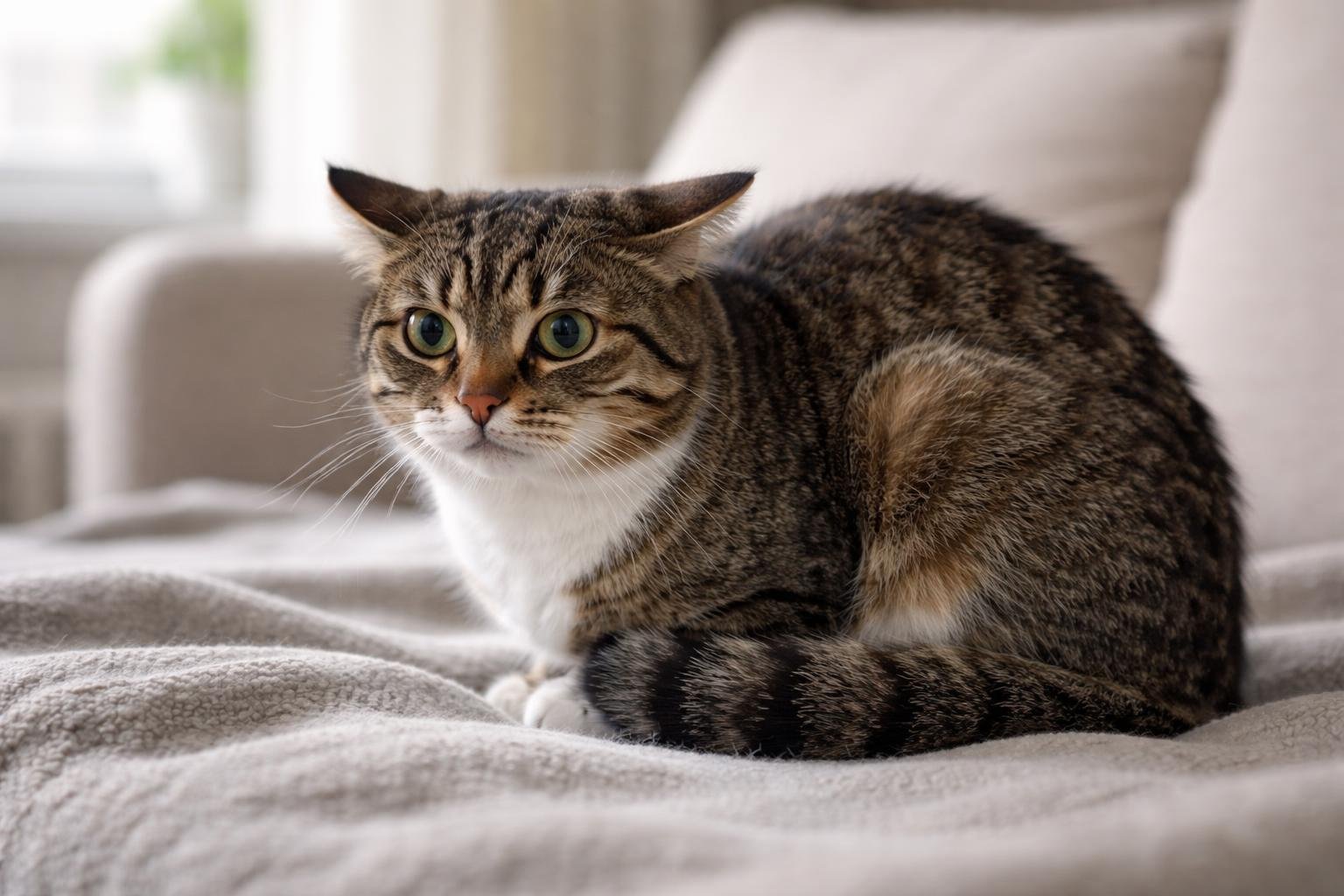
    A tabby cat sitting on a couch indoors, looking alert with wide eyes and slightly flattened ears.

    Cats experience stress differently than humans, and recognizing the distinction between temporary anxiety and ongoing distress is essential for maintaining your pet’s health and wellbeing.

    What Is Cat Stress?

    Cat stress is your pet’s physiological and behavioral response to perceived threats or changes in their environment. Cats are sensitive animals that react to disruptions in their routine, unfamiliar situations, or environmental changes.

    Stress in cats can stem from various triggers including moving to a new home, introduction of new pets or family members, loud noises, veterinary visits, or changes in their feeding schedule. Your cat’s stress response involves the release of hormones like cortisol and adrenaline, which prepare their body to respond to danger.

    The intensity of stress varies based on your cat’s personality, past experiences, and the specific trigger. Some cats are naturally more anxious while others remain calm in most situations.

    Why Recognizing Stress Matters

    Identifying signs that your cat is stressed prevents serious health complications and behavioral problems. Unaddressed stress weakens your cat’s immune system, making them more susceptible to infections and diseases.

    Stressed cats may develop urinary tract problems, digestive issues, or skin conditions from excessive grooming. Behavioral changes like aggression, inappropriate elimination, or destructive scratching can damage your relationship with your pet and create household tension.

    Early intervention allows you to address the underlying cause before it escalates. Your cat cannot verbally communicate discomfort, so observing physical and behavioral changes is your primary method of understanding their emotional state.

    Short-Term Versus Chronic Stress

    Short-term stress occurs during specific events like thunderstorms or car rides and typically resolves once the trigger disappears. Your cat may hide, show dilated pupils, or exhibit a tense body posture, but these reactions are temporary.

    Chronic stress in cats persists over extended periods and poses greater health risks. Long-term stress develops from ongoing situations like living with incompatible pets, inadequate resources, or persistent environmental stressors.

    Unlike acute stress, chronic stress gradually impacts your cat’s physical health and can lead to permanent behavioral changes. Your cat may lose weight, develop chronic health conditions, or become withdrawn and antisocial over time.

    Key Signs Your Cat Is Stressed

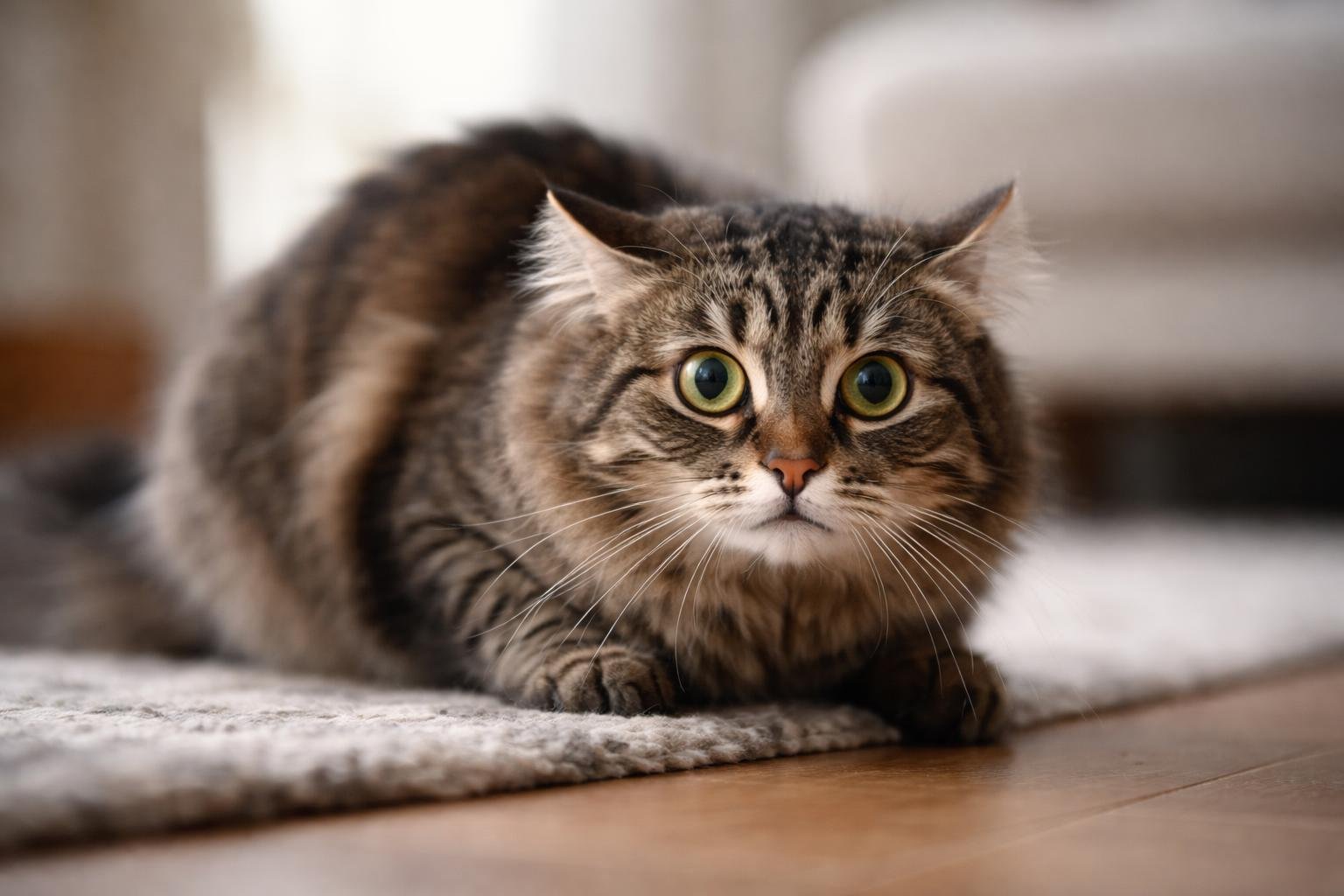
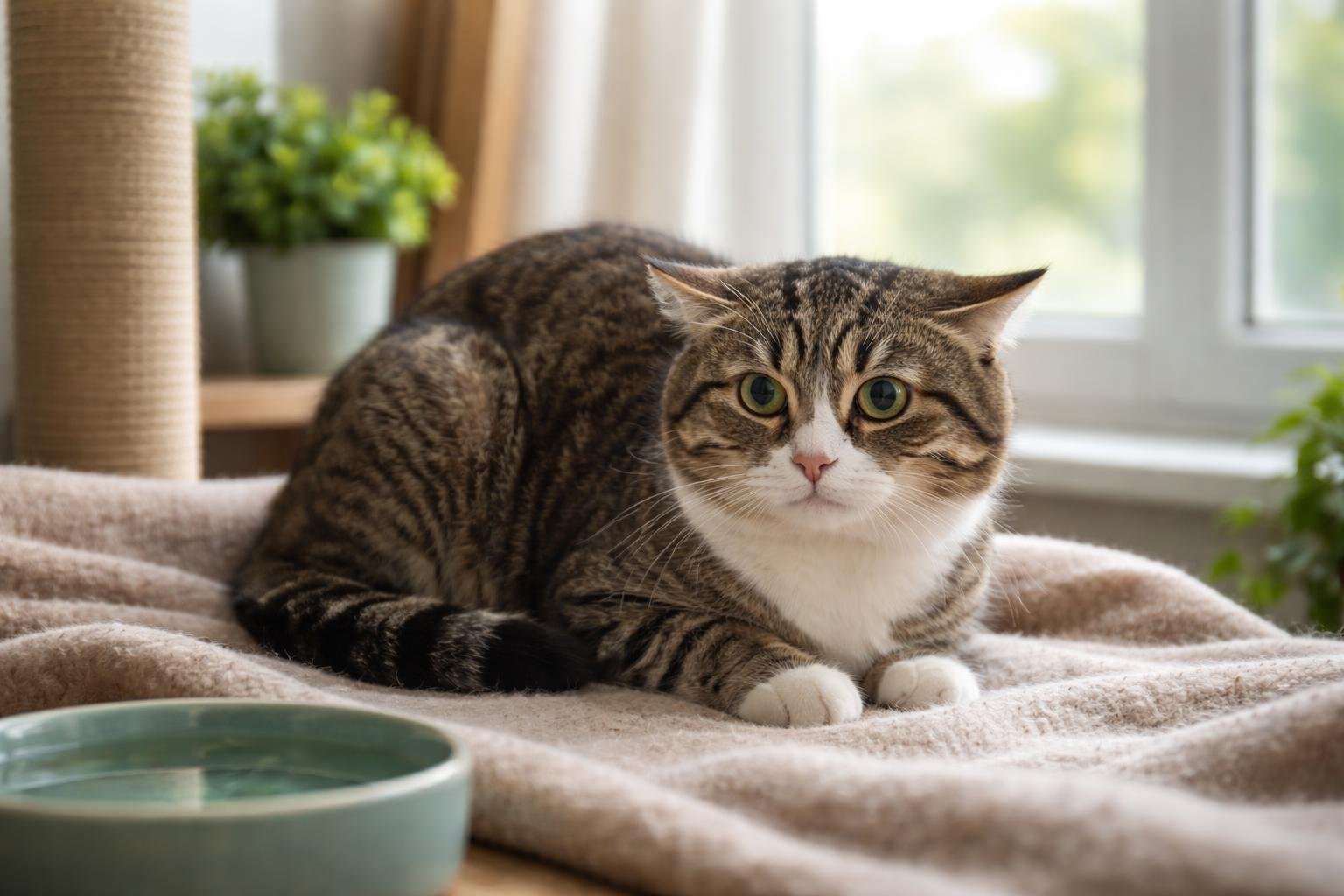
    A tabby cat crouched low on a wooden floor with ears slightly flattened and wide eyes, showing signs of stress indoors.

    Cats display stress through distinct behavioral shifts, physical manifestations, and emotional responses that often overlap but require different approaches to address. Recognizing these feline stress symptoms early allows you to intervene before the condition impacts your cat’s overall health.

    Behavioral Changes

    Your cat’s daily habits provide the clearest window into their stress levels. Common cat stress symptoms include hiding, changes in litter box usage, and sudden aggression toward people or other pets.

    A stressed cat may avoid their usual favorite spots and seek isolated areas like closets or under furniture. You might notice your cat spending significantly more time alone than usual.

    Changes in appetite represent another critical behavioral indicator. Your cat may eat less, refuse food entirely, or in some cases eat more as a coping mechanism. Behavioral stress manifests through appetite shifts that can be subtle at first.

    Litter box avoidance or elimination outside the box often signals distress. Your cat might also show increased vocalization, including excessive meowing or yowling at unusual times. These changes in normal patterns should prompt immediate attention.

    Physical Symptoms

    Signs of stress overlap with medical conditions, making it essential to rule out physical illness first. Observable physical indicators include overgrooming, leading to bald patches or skin irritation on your cat’s body.

    Your stressed cat may develop digestive issues like vomiting or diarrhea without an apparent medical cause. Watch for changes in your cat’s coat quality, as stress can make fur appear dull or unkempt.

    Dilated pupils, flattened ears, and a tucked tail indicate acute stress responses. Your cat’s body posture becomes tense, with muscles appearing rigid rather than relaxed. Excessive shedding beyond normal seasonal patterns also indicates anxiety in cats.

    Common Emotional Indicators

    Your cat’s emotional state manifests through body language and interaction patterns. A stressed cat displays defensive postures, including arched backs, puffed tails, or crouching low to the ground.

    Reduced social interaction marks a significant emotional shift. Your previously affectionate cat may suddenly avoid petting, lap time, or playtime activities they once enjoyed.

    Increased startle responses show heightened anxiety levels. Your cat might jump at minor noises or movements that previously wouldn’t have bothered them. They may also become hypervigilant, constantly scanning their environment with wide eyes and alert ears.

    Displacement behaviors like excessive face rubbing, pacing, or repetitive movements without purpose indicate internal emotional turmoil. Your cat might also show less interest in grooming or abandon their regular grooming routine entirely.

    Behavioral Signs of Stress

    A domestic cat indoors showing signs of stress with flattened ears, wide eyes, and a tense posture.

    Cats experiencing stress often display distinct behavioral changes that differ from their normal patterns. Changes in behavior can range from withdrawal and hiding to increased aggression and restlessness.

    Hiding and Withdrawal

    When your cat suddenly starts spending excessive time under the bed, in closets, or behind furniture, this signals potential stress. Cats naturally seek enclosed spaces for security, but prolonged isolation indicates something is wrong.

    A stressed cat may avoid family members they previously enjoyed being around. You might notice your cat no longer greets you at the door or refuses to sit in common areas. This withdrawal behavior represents a coping mechanism where your cat attempts to remove itself from perceived threats.

    Common hiding behaviors include:

    • Staying under furniture for hours at a time
    • Avoiding eye contact with family members
    • Retreating when approached
    • Choosing isolated rooms over social spaces

    Aggression or Irritability

    Stress can transform even the gentlest cat into one that hisses, swats, or bites without apparent provocation. Your cat may suddenly become defensive when touched in areas they previously enjoyed being petted.

    Anxiety in cats often manifests as unpredictable aggressive outbursts. You might observe dilated pupils, flattened ears, or a twitching tail before an aggressive episode. These physical cues accompany the behavioral shift and serve as warning signals.

    Some cats redirect their stress-induced aggression toward other pets in the household. A cat experiencing chronic stress may attack a companion animal that approaches their safe space or food bowl.

    Restlessness and Pacing

    A stressed cat struggles to settle down and may pace repeatedly along the same route through your home. This repetitive movement differs from normal exploration or playful activity.

    You’ll notice your cat walking back and forth without purpose, often vocalizing during these episodes. The pacing may intensify during specific times or when certain triggers appear in the environment. Your cat might also seem unable to get comfortable in their usual resting spots, constantly shifting positions or moving between locations.

    Signs of stress-related restlessness:

    • Repetitive walking patterns
    • Excessive meowing or crying
    • Inability to settle in one spot
    • Nighttime activity increases

    Loss of Interest in Play

    When your previously playful cat ignores their favorite toys or shows no enthusiasm during interactive play sessions, signs of stress in cats become apparent. This behavioral change can develop gradually or appear suddenly after a stressful event.

    Your cat may watch toys move without attempting to engage or walk away mid-play. The lack of interest extends beyond simple boredom—a stressed cat loses the natural drive to hunt and pounce that characterizes healthy feline behavior. You might also notice your cat sleeping more than usual, replacing active periods with prolonged rest.

    Changes in Routine and Habits

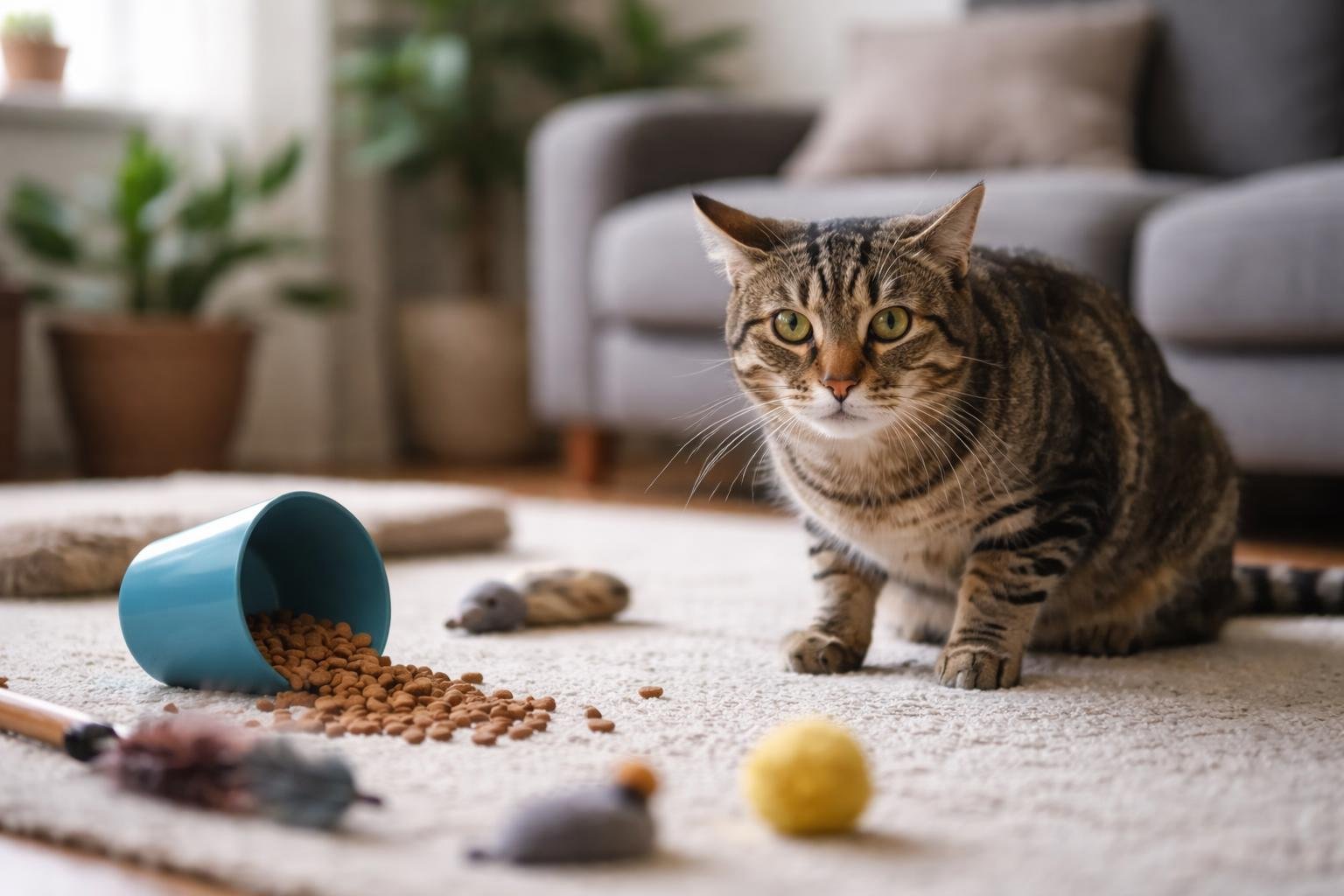
    A tabby cat sitting on a living room floor near a tipped food bowl and scattered toys, looking tense and alert.

    Stressed cats often display their discomfort through noticeable shifts in daily behaviors. These changes can affect grooming, elimination, eating, and sleeping patterns.

    Alterations in Grooming Habits

    Your cat’s grooming routine serves as a reliable indicator of their emotional state. Excessive grooming or overgrooming is a common response to stress, where your cat repeatedly licks the same area until bald patches or skin irritation develop. This compulsive behavior typically focuses on the belly, legs, or flanks.

    Conversely, some stressed cats completely stop grooming themselves. You may notice a dull, matted, or unkempt coat that feels greasy to the touch.

    Signs of stress-related grooming changes include:

    • Bald patches or thin fur in specific areas
    • Red, irritated, or inflamed skin
    • Hair loss along the belly or inner legs
    • Matted or tangled fur
    • Dandruff or oily coat texture

    Both extremes indicate your cat is struggling to cope with their environment. The behavior often intensifies during peak stress periods and may become a chronic stress response if the underlying cause remains unaddressed.

    Inappropriate Elimination

    Changes in litter box habits rank among the most significant signs of cat stress. Your stressed cat may urinate or defecate outside their litter box, even if they’ve been reliably trained for years. This behavior isn’t spite or disobedience—it’s a clear distress signal.

    Stressed cats may also increase their urination frequency or spray vertical surfaces to mark territory. You might find small amounts of urine on walls, furniture, or doorways.

    Common elimination changes include:

    • Urinating on beds, clothing, or soft furnishings
    • Defecating in corners or hidden areas
    • Avoiding the litter box entirely
    • Spraying vertical surfaces
    • Straining or crying while eliminating

    Rule out medical conditions like urinary tract infections before attributing these behaviors solely to stress. Your veterinarian can perform tests to ensure the issue stems from anxiety rather than physical illness.

    Appetite and Hydration Issues

    Stress directly impacts your cat’s eating and drinking behaviors. Some cats lose interest in food completely, while others may overeat as a coping mechanism. You’ll notice your cat either leaving food untouched in their bowl or demanding more frequent meals.

    Changes in appetite can lead to rapid weight loss or gain within weeks. A stressed cat may also change their food preferences, rejecting favorites or becoming unusually picky.

    Water intake often decreases when cats experience stress. Your cat may visit their water bowl less frequently or avoid it in high-traffic areas. Dehydration compounds stress effects and creates additional health risks.

    Monitor your cat’s food consumption daily by measuring portions and noting leftovers. Track water levels in their bowl to identify concerning patterns early.

    Changes in Sleep Patterns

    Your cat’s sleep schedule provides valuable insight into their stress levels. While cats naturally sleep 12-16 hours daily, stressed cats often sleep significantly more or less than usual. Unusual lethargy may indicate your cat is withdrawing from stressors by sleeping excessively.

    Alternatively, your stressed cat might remain hypervigilant and struggle to rest. They may frequently change sleeping locations, appearing unable to settle comfortably. You’ll observe restless movements, frequent position changes, or sleeping with eyes partially open.

    Stressed cats often abandon their preferred sleeping spots for unusual locations. Your cat might suddenly choose closets, under beds, or high perches instead of their usual sunny windowsill. They may also sleep during normally active periods and pace restlessly at night when they’d typically rest.

    Environmental and Physical Clues

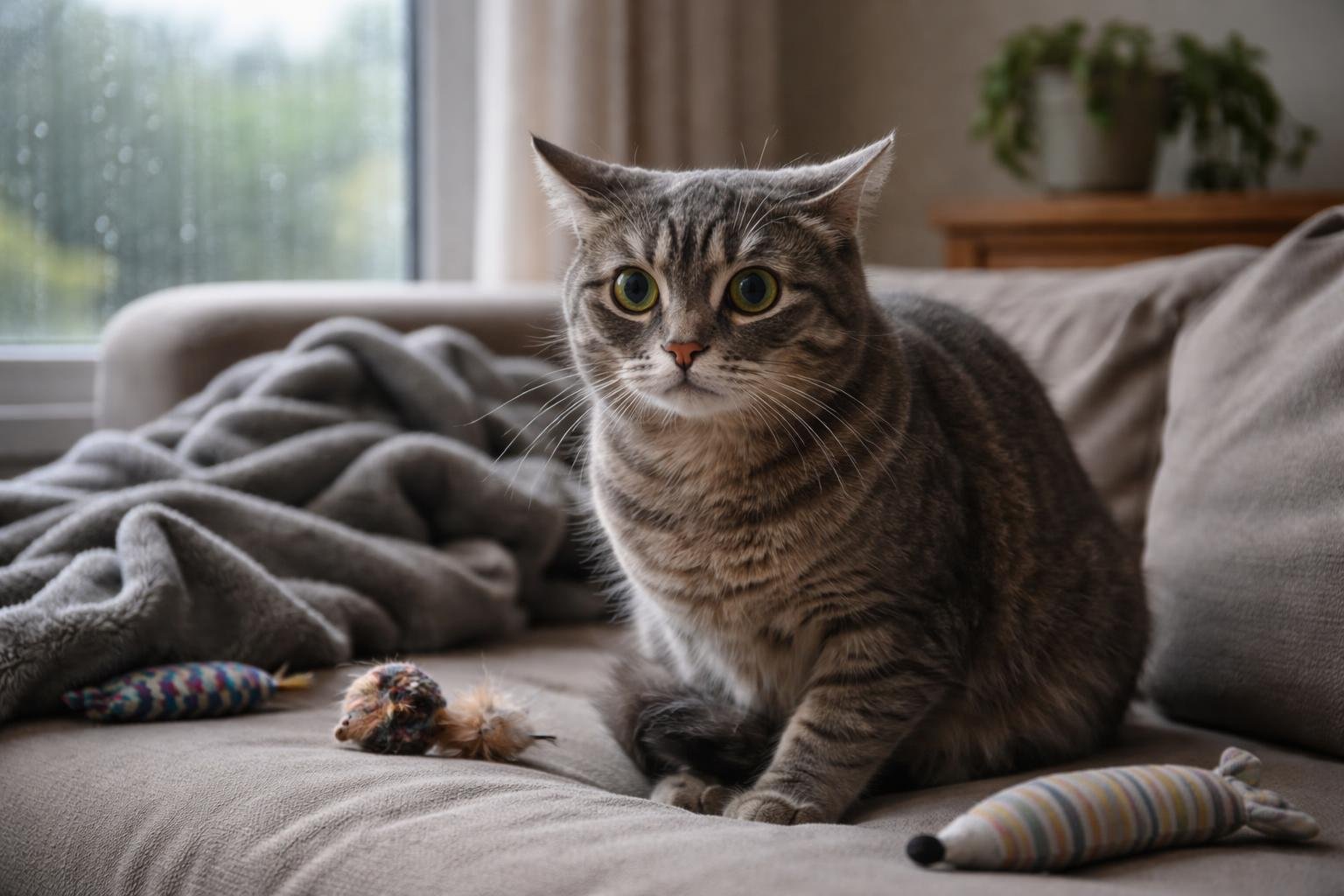
    A cat sitting tensely on a couch in a living room with scattered toys and a rainy window in the background.

    Cats communicate stress through observable changes in their vocalizations, scratching behavior, and body positioning. These physical manifestations often appear before other stress symptoms become apparent.

    Increased Vocalizations

    Your cat may meow, yowl, or cry more frequently when experiencing stress. These vocalizations typically sound different from normal communication, often appearing more urgent or distressed in tone.

    Some cats become unusually quiet instead, which represents an equally significant change in their vocal patterns. Pay attention to any deviation from your cat’s typical vocal habits, whether that means more noise or less.

    Nighttime vocalizations can indicate stress, particularly if your cat has always been quiet during evening hours. Excessive meowing directed at you may signal your cat is seeking reassurance or alerting you to their discomfort.

    Excessive Scratching

    Stressed cats often scratch furniture, walls, or carpets more intensively than usual. This behavior serves as both a physical outlet for tension and a way to mark territory when they feel insecure.

    You might notice your cat scratching in new locations or returning obsessively to the same spots. Destructive scratching that damages household items typically indicates your cat needs more appropriate outlets or is experiencing environmental stressors.

    Providing multiple scratching posts in different areas can help, but increased scratching despite adequate resources suggests underlying anxiety. The intensity and frequency matter more than the act itself, since scratching is normal feline behavior.

    Body Language and Posture

    Dilated pupils, flattened ears, and excessive panting serve as clear indicators of feline stress. Your cat’s ears may press flat against their head, and their tail might thrash or remain tucked close to their body.

    A stressed cat often adopts a crouched, tense posture with muscles visibly tight. Their whiskers may pull back against their face, and they might hiss or growl when approached.

    Watch for piloerection, where your cat’s fur stands on end along their spine and tail. This physical response indicates heightened arousal or fear and requires immediate attention to identify the stressor.

    Common Triggers of Cat Stress

    A domestic cat sitting indoors with ears flattened and wide eyes, showing signs of stress.

    Cats are sensitive to their surroundings, and even small changes in their environment can trigger stress. Understanding what causes anxiety in cats helps you create a more stable living space and prevent behavioral issues before they develop.

    Changes in Environment

    Moving to a new home ranks among the most stressful experiences for cats. Your cat perceives their territory as a source of security, and sudden changes disrupt this comfort zone.

    Renovations, new furniture, or rearranged rooms can also upset your cat. The unfamiliar smells, sounds, and altered layouts make them feel uncertain about their space. Even temporary changes like having guests stay over or bringing in holiday decorations may cause your cat to hide or behave differently.

    Temperature fluctuations, new cleaning products, or changes in household routines add to environmental stress. Your cat relies on consistency to feel safe. When you introduce multiple changes at once, the cumulative effect intensifies their anxiety response.

    Conflict with Other Pets

    New pets or even boredom can trigger stress in cats, particularly when resources become contested. Competition over food bowls, litter boxes, or favorite sleeping spots creates tension between animals sharing the same space.

    Aggressive behavior from another pet escalates a stressed cat’s anxiety levels. Your cat may avoid certain areas of your home or stop eating normally if they fear confrontation. Dogs that chase cats, even playfully, can cause ongoing stress that affects your cat’s overall wellbeing.

    Personality mismatches between pets contribute to chronic stress. Some cats prefer solitude and become anxious when forced to share territory with more social animals. Watch for signs like hissing, growling, or one pet blocking another’s access to essential resources.

    Unpredictable Routines

    Cats thrive on predictable schedules for feeding, play, and interaction. When you feed your cat at different times each day, their stress levels increase as they cannot anticipate when their needs will be met.

    Irregular work schedules that change when you’re home create uncertainty. Your cat becomes anxious not knowing when to expect your presence or absence. This unpredictability affects their sense of security within their territory.

    Inconsistent attention patterns also cause stress. If you sometimes respond to your cat’s requests for play or affection and other times ignore them, they develop anxiety about social interactions. Maintaining regular routines for meals, cleaning litter boxes, and dedicated play sessions helps reduce cat stress.

    Lack of Resources and Stimulation

    Insufficient litter boxes create significant stress for multi-cat households. You should provide one litter box per cat plus one extra, placed in different locations throughout your home.

    Limited vertical space restricts your cat’s natural climbing instincts. Cats need elevated perches where they can observe their surroundings and retreat when stressed. Without adequate climbing structures, shelves, or cat trees, your cat lacks important escape routes from perceived threats.

    Boredom from lack of mental stimulation contributes to anxiety in cats. Without interactive toys, puzzle feeders, or regular play sessions, your cat may develop stress-related behaviors. Adequate scratching posts, hiding spots, and window access to watch outdoor activity provide necessary enrichment that prevents stress from building up over time.

    How to Help a Stressed Cat

    A domestic cat sitting indoors looking alert and slightly tense near a window with soft natural light.

    Reducing feline stress requires addressing environmental factors, maintaining consistent routines, and providing appropriate outlets for natural behaviors. A multi-faceted approach that combines physical space modifications with behavioral support delivers the best results for anxious cats.

    Creating a Calming Environment

    Your cat needs safe spaces where they can retreat when feeling overwhelmed. Set up quiet areas in different rooms with comfortable bedding, preferably elevated or enclosed to give your cat a sense of security.

    Synthetic pheromone products like Feliway can help create a calming atmosphere throughout your home. These diffusers release calming signals that mimic the natural facial pheromones cats produce when they feel safe. Plugin diffusers work well in main living areas, while sprays can target specific spots where your cat shows stress.

    Minimize loud noises and sudden disruptions in your cat’s primary areas. If you cannot avoid noise from construction, guests, or other disturbances, give your cat access to a quiet room with familiar items. Consider using white noise machines to buffer outside sounds that might trigger anxiety.

    Keep litter boxes in low-traffic areas away from noisy appliances. Cats experiencing chronic stress often develop elimination problems when they feel exposed or threatened while using the bathroom.

    Supporting Routine and Predictability

    Cats thrive on consistency and predictable schedules. Feed your cat at the same times each day and maintain regular play sessions to establish a sense of security.

    Keep changes to your cat’s environment gradual when possible. If you need to rearrange furniture, move the litter box, or introduce new items, do so slowly over several days. Sudden changes can trigger stress responses even in well-adjusted cats.

    Maintain consistent locations for food bowls, water stations, and sleeping areas. Your cat develops mental maps of their territory, and unexpected alterations disrupt their sense of control. When introducing new pets or family members, use slow introduction protocols that give your cat time to adjust at their own pace.

    Environmental Enrichment and Scratching Options

    Scratching posts serve as essential stress-relief tools for anxious cats. Place sturdy posts near your cat’s favorite resting spots and in areas where they already attempt to scratch.

    Provide multiple types of scratching surfaces to match your cat’s preferences:

    • Vertical posts: Tall enough for full-body stretching (at least 30 inches)
    • Horizontal scratchers: Flat cardboard or sisal surfaces
    • Angled scratchers: Ramps or slanted boards

    Create vertical territory through cat trees, wall-mounted shelves, and window perches. Access to high vantage points helps cats feel more secure and gives them escape routes from perceived threats.

    Offer interactive toys and puzzle feeders to engage your cat’s hunting instincts. Mental stimulation through food puzzles reduces boredom-related stress and provides a positive outlet for energy. Rotate toys weekly to maintain novelty and interest.

    Veterinary and Behavioral Solutions

    Schedule a veterinary examination to rule out medical conditions that cause stress-like symptoms. Pain, thyroid problems, and other health issues can manifest as behavioral changes that mimic anxiety.

    Your veterinarian may recommend anti-anxiety medications or supplements for cats with chronic stress that doesn’t improve with environmental changes. Prescription medications work best when combined with behavioral modification strategies.

    Consult a certified cat behavior consultant if your cat’s stress persists despite your efforts. These professionals can identify specific triggers and develop customized treatment plans. Some cats benefit from desensitization protocols that gradually expose them to stress triggers in controlled ways.

    Consider calming supplements containing L-theanine or alpha-casozepine if your veterinarian approves. These natural options may help reduce mild to moderate anxiety without prescription medications.

  • Signs of a Cat Allergic Reaction: A Complete Guide for Pet Parents

    Signs of a Cat Allergic Reaction: A Complete Guide for Pet Parents

    Cats can develop allergic reactions to various triggers, and recognizing the warning signs early helps protect your pet’s health and comfort. Cat allergic reactions occur when your feline is exposed to an allergen, causing their body to release inflammatory chemicals that lead to symptoms ranging from mild skin irritation to severe respiratory distress. Understanding these reactions matters because prompt identification allows you to seek appropriate veterinary care before minor symptoms escalate.

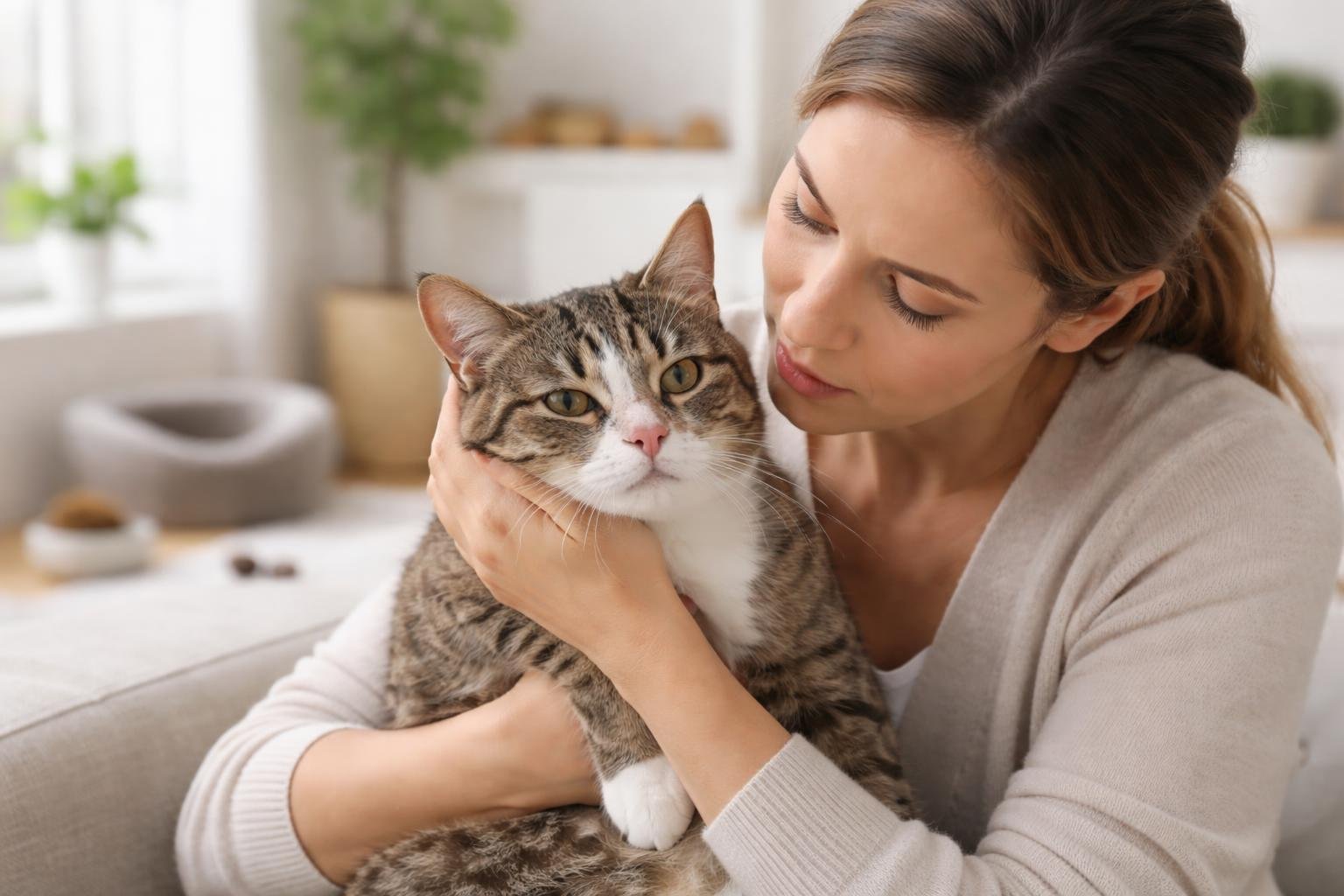
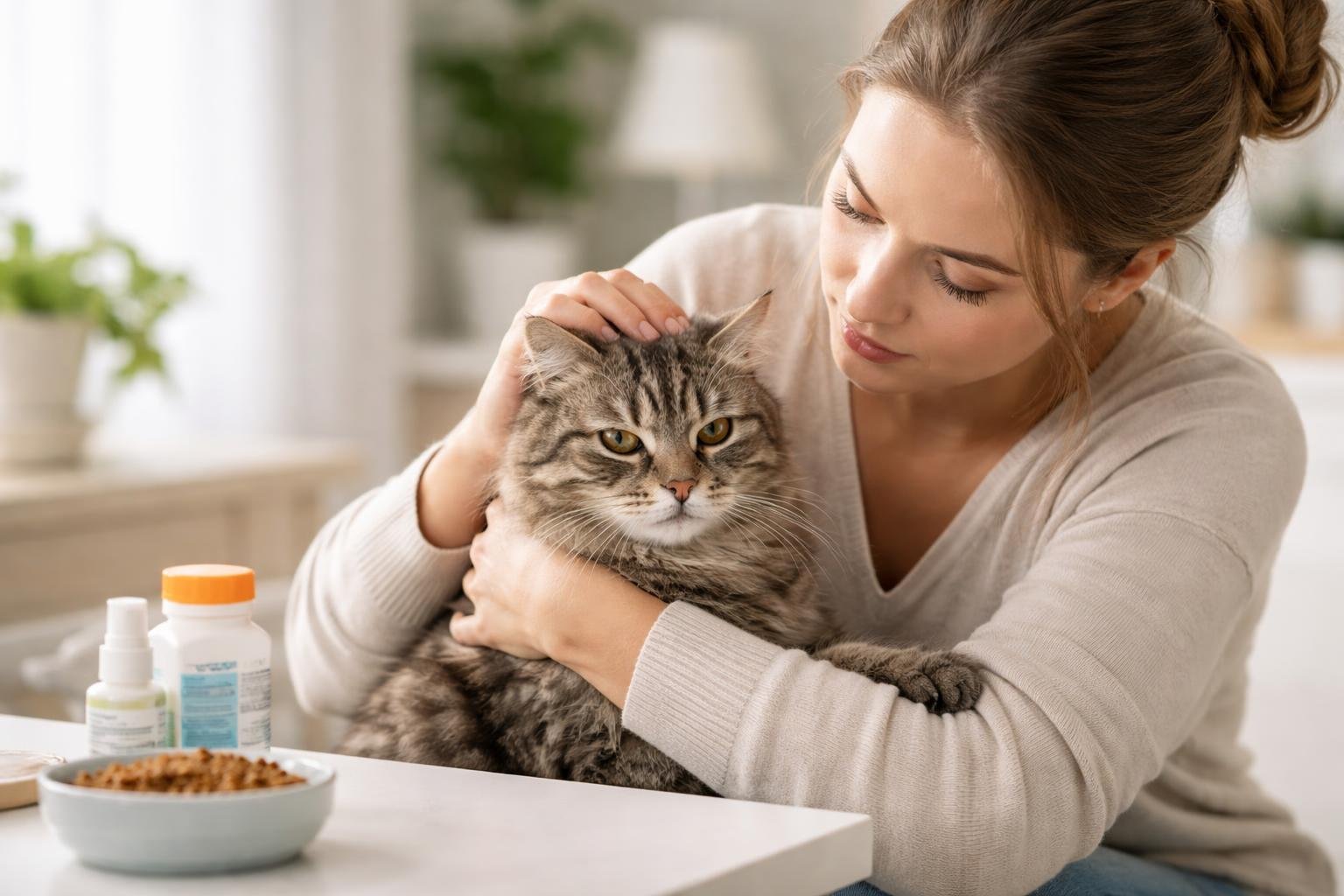
    A pet parent gently holding a cat that looks slightly uncomfortable indoors, showing concern and care.

    Symptoms of allergies in cats vary widely depending on the allergen type and severity of the reaction. Some cats develop immediate symptoms after exposure, while others show subtle signs that worsen gradually over months or years. Your cat might scratch excessively, develop skin lesions, experience digestive upset, or show respiratory problems.

    Knowing what to watch for empowers you to distinguish between normal behavior and signs that require veterinary attention. This guide covers the most common allergic reaction signs in cats, what triggers these responses, and how to manage them effectively.

    Key Takeaways

    • Allergic reactions in cats trigger inflammatory responses that cause symptoms affecting the skin, digestive system, or respiratory tract
    • Common signs include excessive scratching, hair loss, skin lesions, vomiting, diarrhea, and breathing difficulties
    • Early recognition and veterinary diagnosis enable effective treatment through allergen avoidance, medications, or immunotherapy

    Understanding Cat Allergic Reactions

    A person gently holding a cat showing signs of an allergic reaction in a bright living room.

    Cats experience allergic reactions when their immune systems overreact to substances they encounter in their environment, food, or through contact with insects. These reactions involve specific biological processes and can be triggered by various allergens that differ from the allergens that cause human reactions to cats.

    What Happens During an Allergic Reaction

    When your cat encounters an allergen for the first time, their immune system identifies it as a threat and creates antibodies against it. Upon subsequent exposures, these antibodies trigger the release of inflammatory chemicals like histamine throughout your cat’s body.

    Allergic reactions occur when inflammatory chemicals are released, causing various symptoms depending on where these chemicals concentrate. The reaction can affect your cat’s skin, respiratory system, or digestive tract.

    The severity of the response varies based on your cat’s individual sensitivity and the amount of allergen exposure. Some cats develop immediate symptoms within minutes, while others show gradual signs that worsen over repeated exposures.

    Common Triggers and Allergens

    Your cat can develop allergies to numerous substances in their daily environment. The three most common allergies in cats include environmental factors, flea saliva, or food.

    Environmental allergens include:

    • Pollen from trees, grasses, and weeds
    • Mold spores
    • Dust mites
    • Household cleaning products

    Flea allergy dermatitis occurs when your cat reacts to proteins in flea saliva, making even a single flea bite problematic. Food allergens typically involve proteins from chicken, beef, fish, or dairy products that your cat consumes regularly.

    Your cat may also react to fabrics, cigarette smoke, perfumes, or certain medications. Cats can suffer from multiple allergic conditions simultaneously, such as both flea allergy and food sensitivities.

    Differences Between Cat Allergies and Allergic Reactions in Cats

    Cat allergies refer to reactions that humans experience when exposed to cat dander, saliva, or urine proteins. These allergens cause respiratory symptoms, sneezing, and skin irritation in people who are sensitive to cats.

    Allergic reactions in cats describe how your feline responds to various environmental, food, or insect-related triggers. Your cat’s symptoms differ significantly from human cat allergies and primarily manifest as skin problems, digestive issues, or respiratory distress.

    While cat dander triggers human allergies, your cat doesn’t react to their own dander. Instead, feline allergies develop against external substances they inhale, ingest, or touch. Understanding this distinction helps you recognize that managing your cat’s allergies requires identifying what affects your pet specifically, not what affects humans around cats.

    Key Signs of a Cat Allergic Reaction

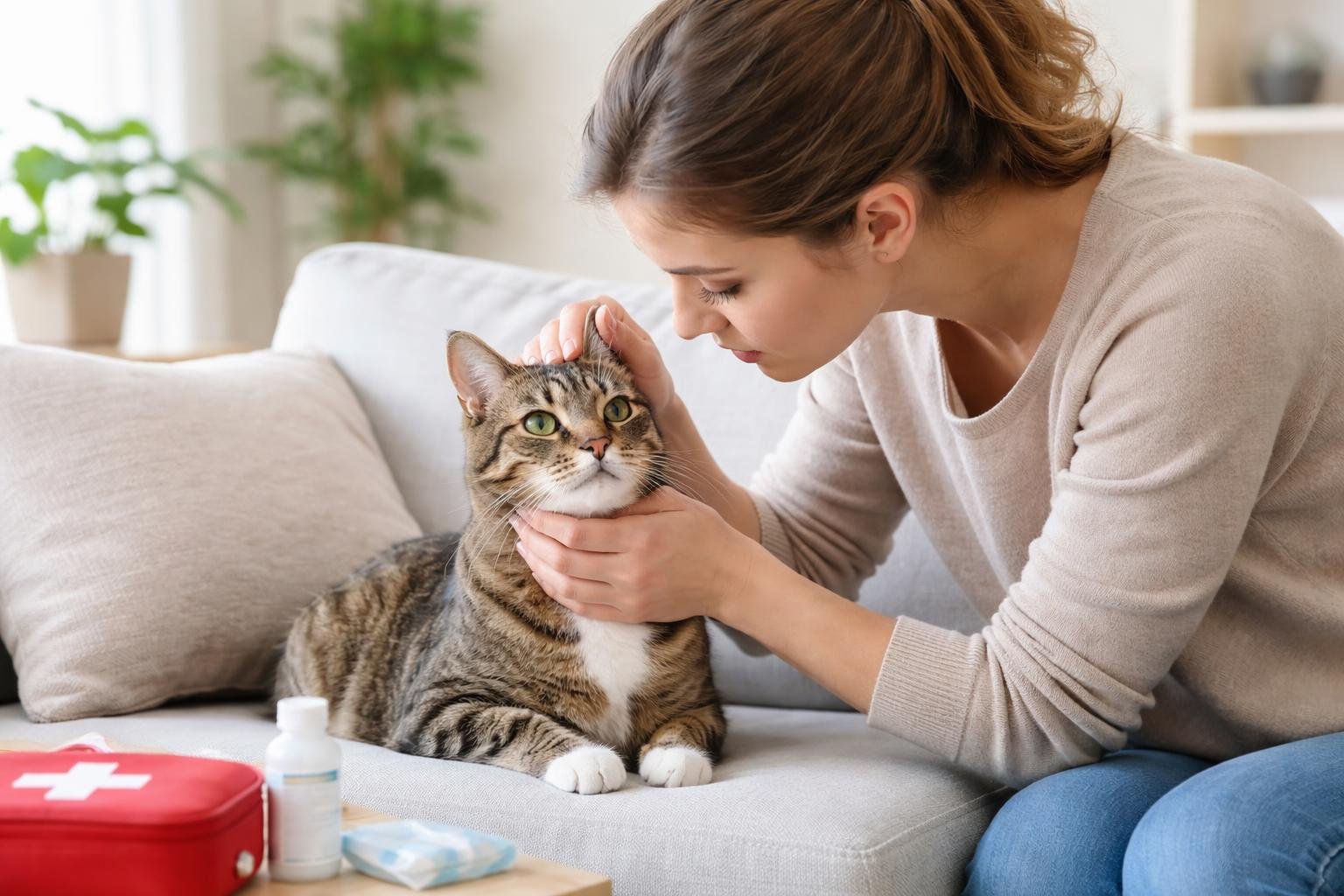
    A pet parent gently examining their cat for signs of an allergic reaction in a bright living room.

    Cats experiencing allergic reactions display several distinctive physical symptoms that range from skin irritation to respiratory distress. Recognizing these allergy symptoms in cats early allows you to provide prompt care and prevent complications.

    Itchy Skin and Scratching

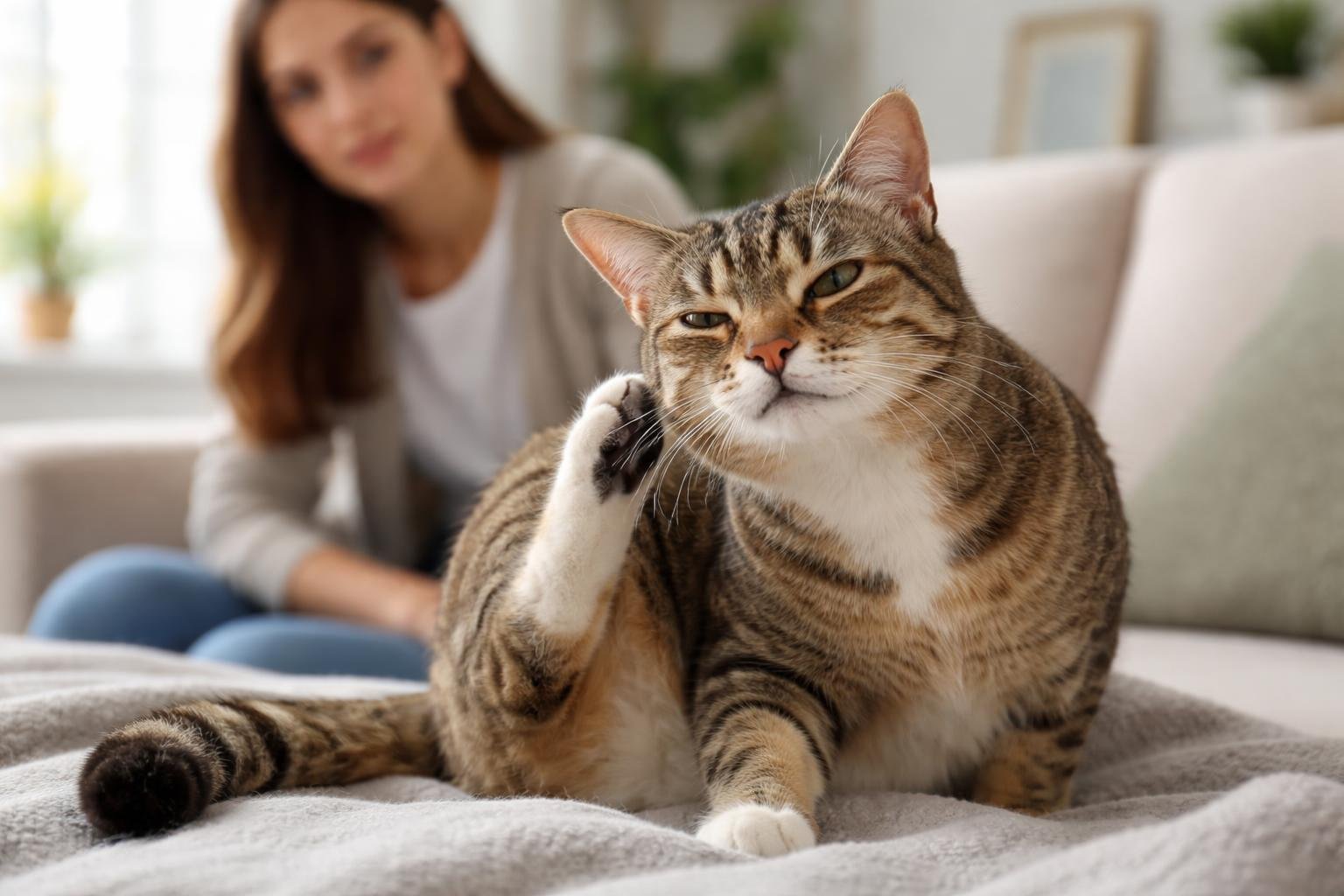
    An itchy cat constantly scratching, licking, or biting at their skin is one of the most visible signs of an allergic reaction. You’ll notice your cat focusing attention on specific areas like the face, ears, paws, or base of the tail.

    The scratching often becomes excessive and obsessive. Your cat may scratch so intensely that they create bald patches or open wounds on their skin. This behavior stems from the inflammatory chemicals released when their body encounters an allergen.

    Common scratch sites include:

    • Behind the ears
    • Under the chin
    • Between the toes
    • Lower back near the tail

    A skin rash may develop in affected areas, appearing as red, inflamed bumps or patches. The skin can become dry, flaky, or develop scabs from repeated scratching.

    Sneezing and Nasal Symptoms

    Sneezing is a primary respiratory response when your cat inhales allergens. You’ll hear repeated sneezing fits that occur multiple times throughout the day rather than just occasional sneezes.

    Nasal discharge often accompanies the sneezing. The discharge may start clear and watery but can become thick or discolored if secondary infections develop. Your cat might paw at their nose or rub their face against furniture to relieve discomfort.

    Other nasal symptoms include congestion and noisy breathing. Your cat may breathe through their mouth if their nasal passages become significantly blocked. Some cats develop a runny nose that persists for days or weeks when exposed to ongoing allergens.

    Watery Eyes and Ocular Issues

    Watery eyes are a telltale sign of allergic reactions in cats. You’ll see excessive tearing that causes the fur around your cat’s eyes to become damp or stained.

    The eyes may appear red and inflamed. Your cat might squint, blink frequently, or keep one or both eyes partially closed due to irritation. Eye discharge can range from clear and watery to thick and mucus-like.

    Eye-related allergy symptoms include:

    • Excessive tearing
    • Redness in the whites of the eyes
    • Swollen eyelids
    • Rubbing or pawing at the eyes

    Your cat may develop conjunctivitis, an inflammation of the membrane lining the eyelids. This condition causes additional redness, swelling, and discomfort that compounds the allergic response.

    Coughing and Wheezing

    Coughing indicates that allergens have irritated your cat’s respiratory tract. The cough may sound dry and hacking or wet and productive, depending on the severity of the reaction.

    Wheezing produces a high-pitched whistling sound when your cat breathes. This occurs when airways narrow due to inflammation, making it harder for air to pass through. You’ll typically hear wheezing most clearly when your cat exhales.

    Respiratory distress can escalate quickly in severe cases. Your cat may breathe rapidly, struggle to catch their breath, or show labored breathing with visible chest movements. These cat allergy symptoms require immediate veterinary attention to prevent life-threatening complications.

    Skin Manifestations and Secondary Issues

    A pet parent gently examining a domestic cat's skin showing mild irritation in a bright indoor setting.

    Allergic reactions in cats frequently manifest through distinctive skin conditions that range from small crusty bumps to open sores and patchy fur loss. These visible changes often lead to complications like bacterial infections when cats scratch or over-groom affected areas.

    Miliary Dermatitis and Scabbing

    Miliary dermatitis appears as numerous small, crusty bumps scattered across your cat’s skin, typically feeling like tiny scabs under their fur. You’ll most commonly find these lesions along the back, neck, and base of the tail. The bumps resemble millet seeds in size and texture, which is how this condition got its name.

    Your cat may scratch intensively at these areas, causing the scabs to break open and bleed. Allergic dermatitis causes excessive itchiness that makes cats uncomfortable and restless. The condition can result from flea allergies, food sensitivities, or environmental allergens. You might notice your cat’s coat looks unkempt or feels rough when you pet them due to the widespread scabbing.

    Eosinophilic Granuloma Complex

    Eosinophilic granuloma complex encompasses three distinct lesion types that develop as allergic responses in cats. The indolent ulcer appears as a raw, open sore on the upper lip, while eosinophilic plaques present as raised, red, moist lesions typically on the belly or inner thighs. Eosinophilic granulomas form as firm, raised nodules or linear lesions, often appearing on the back of the thighs or in the mouth.

    These lesions can look alarming but are not contagious to other pets or humans. Your cat may lick or chew at these areas excessively. The underlying cause is usually an allergic reaction, though determining the specific allergen requires veterinary investigation through elimination trials or allergy testing.

    Hair Loss and Bald Patches

    Hair loss in allergic cats occurs through two mechanisms: excessive grooming or direct damage to hair follicles from inflammation. You’ll notice symmetrical bald patches, often on the belly, inner thighs, or flanks where your cat can easily reach with their tongue. The skin underneath may appear normal or show redness and irritation.

    Common hair loss patterns include:

    • Belly and groin area
    • Inner and back legs
    • Lower back near the tail base
    • Flanks on both sides

    Some cats groom so frequently that you won’t catch them in the act, making it seem like the hair simply fell out. The remaining fur may break off at different lengths, creating a stubbled appearance rather than smooth baldness.

    Secondary Skin Infection

    When your cat scratches or licks irritated skin repeatedly, they break down the protective skin barrier and introduce bacteria. Cat skin allergies can lead to secondary infections that require separate treatment beyond addressing the original allergy. You’ll notice signs like crusting, oozing, a foul odor, or increased warmth around affected areas.

    The most common bacterial culprit is Staphylococcus, which naturally lives on cat skin but causes problems when it penetrates damaged tissue. Your cat may develop pustules, yellow or green discharge, or thick crusts. These infections worsen the itching and discomfort, creating a cycle where your cat continues damaging their skin.

    Digestive and Severe Systemic Reactions

    A pet parent gently holding a cat that looks uncomfortable, showing concern in a bright home setting.

    While skin and respiratory symptoms are more common, cats can experience gastrointestinal distress and life-threatening systemic reactions when exposed to allergens. These reactions require prompt attention and can escalate quickly in severe cases.

    Vomiting and Diarrhea

    Digestive symptoms indicate your cat’s body is reacting to an allergen through the gastrointestinal tract. Food allergies frequently trigger these responses, though environmental allergens and medication reactions can also cause digestive upset.

    Your cat may vomit shortly after eating or experience chronic episodes over time. Diarrhea can range from soft stools to watery discharge, sometimes containing mucus or blood in severe cases.

    Common digestive allergy signs include:

    • Frequent vomiting after meals
    • Loose or watery stools
    • Increased gas or bloating
    • Loss of appetite
    • Weight loss over time

    These symptoms differ from typical food intolerance because they involve your cat’s immune system response. If your cat experiences persistent vomiting or diarrhea lasting more than 24 hours, contact your veterinarian to rule out other conditions and prevent dehydration.

    Collapse and Anaphylaxis

    Anaphylaxis represents the most dangerous allergic reaction cats can experience, requiring immediate emergency care. This severe systemic response occurs when your cat’s immune system overreacts to an allergen, typically from insect stings, medications, or vaccines.

    Your cat may suddenly collapse, struggle to breathe, or become unresponsive. Anaphylaxis causes blood pressure to drop rapidly and airways to constrict, creating a life-threatening emergency within minutes.

    Critical anaphylaxis symptoms include:

    • Sudden weakness or collapse
    • Pale or blue gums
    • Rapid or weak pulse
    • Difficulty breathing or gasping
    • Cold limbs
    • Loss of consciousness

    If you suspect anaphylaxis, transport your cat to the nearest veterinary emergency clinic immediately. Time is critical, and veterinarians can administer epinephrine, oxygen, and fluids to stabilize your cat. Keep antihistamines on hand only if your veterinarian has previously recommended them for your specific cat’s situation.

    Types and Causes of Allergies in Cats

    A cat scratching behind its ear indoors while a woman watches with concern.

    Cats develop allergic reactions when their immune systems overreact to specific substances in their environment, food, or parasites. The four main categories of feline allergies each have distinct triggers and affect cats differently.

    Flea Allergy Dermatitis

    Flea allergy dermatitis represents the most common allergic condition affecting cats. Your cat doesn’t need a heavy flea infestation to suffer from this allergy—just one or two flea bites can trigger an intense reaction.

    The allergy occurs when your cat’s immune system reacts to proteins in flea saliva. When a flea bites your cat, it injects saliva into the skin, causing severe itching that can last for days or weeks after a single bite.

    Affected cats typically show the most irritation around the base of the tail, back legs, and abdomen. Cats may suffer from flea allergy dermatitis alongside other allergic conditions, which can complicate diagnosis and treatment.

    Food Allergies in Cats

    Food allergies develop when your cat’s immune system identifies certain proteins as threats. Common culprits include chicken, beef, fish, and dairy products, though cats can become allergic to virtually any protein source.

    Unlike food intolerances that cause digestive upset, true food allergies in cats trigger immune responses that manifest as skin problems or gastrointestinal symptoms. Your cat may develop itchy skin, hair loss, or recurrent ear infections.

    These allergies can develop at any age, even to foods your cat has eaten for years without problems. Diagnosis requires an elimination diet trial lasting 8-12 weeks, during which your cat eats only novel proteins they’ve never consumed before.

    Environmental and Seasonal Allergens

    Environmental allergens include pollen, mold spores, dust mites, and other airborne particles. Your cat inhales or contacts these substances, triggering allergic reactions that may worsen during specific seasons.

    Pollen from trees, grasses, and weeds causes seasonal flare-ups in spring, summer, or fall. Dust mites and mold create year-round problems since they thrive indoors regardless of weather.

    Environmental allergies affect cats’ skin rather than causing sneezing and watery eyes like human hay fever. Your cat will scratch, lick, and develop skin lesions primarily on the face, ears, belly, and paws.

    Contact Allergies

    Contact allergies occur when your cat’s skin directly touches irritating substances. These reactions are less common than other allergy types but can cause significant discomfort.

    Materials like certain plastics, rubber, fabrics, cleaning products, and grooming products trigger contact allergies. Your cat develops skin inflammation only in areas that touched the allergen—often the chin, face, or paws.

    Plastic food bowls frequently cause chin acne and irritation in sensitive cats. Switching to ceramic or stainless steel dishes often resolves these issues quickly.

    Diagnosis and Allergy Testing

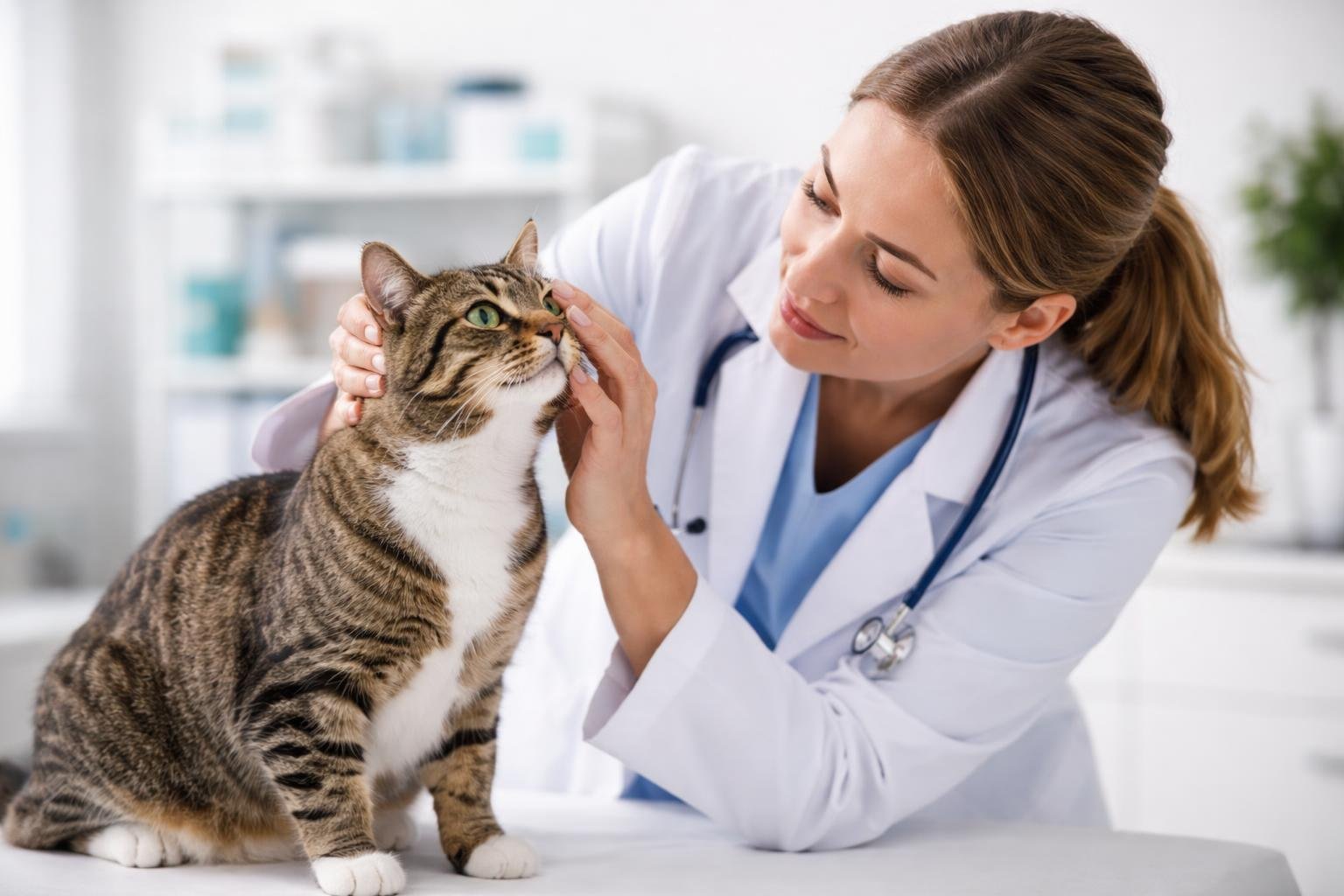
    A veterinarian gently examining a cat on an examination table in a bright veterinary clinic.

    Identifying the specific allergen causing your cat’s reaction requires professional veterinary assessment and specialized testing. Your veterinarian will evaluate symptoms, perform diagnostic tests, and may refer you to a specialist for comprehensive allergy identification.

    When to Suspect an Allergic Reaction

    You should suspect an allergic reaction when your cat displays persistent itching, skin lesions, or respiratory symptoms that don’t resolve on their own. Excessive scratching, hair loss, red or inflamed skin, and repeated ear infections are common signs of allergies in cats that warrant veterinary attention.

    Seasonal patterns in symptoms may indicate environmental allergies, while year-round issues often point to food sensitivities or indoor allergens. Cats can suffer from multiple allergic conditions simultaneously, such as flea allergy dermatitis combined with food allergies.

    Pay attention to when symptoms worsen or improve. Changes related to diet modifications, new cleaning products, or time spent outdoors provide valuable diagnostic clues for your veterinarian.

    Veterinary Evaluation and Skin Tests

    Your veterinarian will begin with a thorough physical examination and medical history review. They’ll ask about your cat’s diet, environment, flea control measures, and symptom timeline to narrow down potential allergens.

    Intradermal skin testing involves injecting small amounts of common allergens under your cat’s skin to observe reactions. This method identifies environmental allergens like pollen, dust mites, and mold spores with high accuracy. Blood tests measuring allergen-specific antibodies offer an alternative when skin testing isn’t feasible.

    Food allergy diagnosis requires elimination diet trials lasting 8-12 weeks. Your cat consumes a novel protein source they’ve never eaten before, then foods are gradually reintroduced to identify triggers.

    Role of the Veterinary Dermatologist

    A veterinary dermatologist specializes in diagnosing and treating complex allergic conditions that don’t respond to standard care. Your regular veterinarian may refer you when allergies are severe, diagnosis is unclear, or initial treatments fail.

    These specialists have advanced training in allergy testing for cats and access to specialized diagnostic equipment. They can perform comprehensive intradermal testing panels, interpret complex test results, and develop customized immunotherapy protocols.

    Dermatologists also manage complicated cases involving multiple allergies or secondary infections. They provide long-term treatment plans including allergen-specific immunotherapy, which gradually desensitizes your cat to identified allergens over time.

    Managing and Treating Allergic Reactions

    A person gently examining their cat indoors, showing concern while caring for the pet.

    Effective allergy management involves quick response during acute episodes, appropriate medications, reducing environmental triggers, and establishing sustainable long-term strategies. The right combination of immediate care and preventive measures can significantly improve your cat’s quality of life.

    Immediate Steps and Emergency Care

    If you notice signs of a cat allergic reaction such as facial swelling, difficulty breathing, or sudden collapse, contact your veterinarian immediately. Severe reactions require emergency treatment within minutes.

    For mild reactions like localized itching or minor hives, monitor your cat closely for progression. Remove the suspected allergen if known, such as a new food or cleaning product. Keep your cat calm and comfortable while you assess whether veterinary attention is needed.

    Emergency symptoms requiring immediate care:

    • Difficulty breathing or wheezing
    • Severe facial or throat swelling
    • Vomiting and diarrhea
    • Weakness or collapse

    Do not administer human medications without veterinary guidance, as many common antihistamines can be toxic to cats at improper doses.

    Medical Treatments and Medications

    Your veterinarian may prescribe antihistamines for mild to moderate allergic reactions, though cats respond differently than humans to these medications. Common options include diphenhydramine or chlorpheniramine at specific feline-safe dosages.

    For chronic skin allergies, Atopica (cyclosporine) helps suppress the immune response causing inflammation and itching. This medication requires several weeks to reach full effectiveness and needs regular veterinary monitoring.

    Corticosteroids provide rapid relief for severe inflammation but are typically reserved for short-term use due to potential side effects. Injectable, oral, or topical forms may be recommended based on the severity and location of symptoms.

    Immunotherapy offers a long-term solution for environmental allergies by gradually desensitizing your cat’s immune system to specific allergens. This treatment involves allergy testing to identify triggers, followed by customized injections or oral drops administered over months to years.

    Environmental Control and Allergen Reduction

    HEPA filters in air purifiers effectively capture airborne allergens like pollen, dust mites, and mold spores that trigger cat allergies. Place these units in rooms where your cat spends the most time.

    Regular grooming removes environmental allergens from your cat’s fur before they can be ingested during self-cleaning. Wipe your cat’s coat with a damp cloth after outdoor exposure or use hypoallergenic pet wipes.

    Environmental Strategy Frequency Benefit
    Vacuum with HEPA filter 2-3 times weekly Reduces dust and pollen
    Wash bedding Weekly Eliminates dust mites
    Air purifiers Continuous Filters airborne allergens
    Grooming sessions 2-3 times weekly Removes surface allergens

    Keep windows closed during high pollen seasons and maintain indoor humidity between 30-50% to discourage dust mites and mold growth.

    Long-Term Allergy Management Options

    Dietary modifications can address food allergies once your veterinarian identifies the trigger through elimination trials. Limited ingredient diets or hydrolyzed protein formulas prevent reactions by using novel proteins your cat hasn’t encountered.

    For cats with multiple allergic conditions, create a comprehensive management plan that addresses each trigger. This may combine medications, environmental controls, and dietary changes tailored to your cat’s specific needs.

    Schedule regular veterinary check-ups to monitor treatment effectiveness and adjust medications as needed. Some cats require seasonal adjustments to their allergy management protocol, while others need year-round intervention.

    Consider keeping a symptom diary to track flare-ups, potential triggers, and treatment responses. This information helps your veterinarian refine your cat’s care plan and identify patterns you might otherwise miss.

  • Wet Cat Food vs Dry Cat Food: A Comprehensive Comparison of Nutrition, Cost, and Health Benefits

    Wet Cat Food vs Dry Cat Food: A Comprehensive Comparison of Nutrition, Cost, and Health Benefits

    Choosing between wet and dry cat food is one of the most common decisions cat owners face. Both options offer distinct benefits and potential drawbacks that can affect a cat’s health, hydration, and overall well-being.

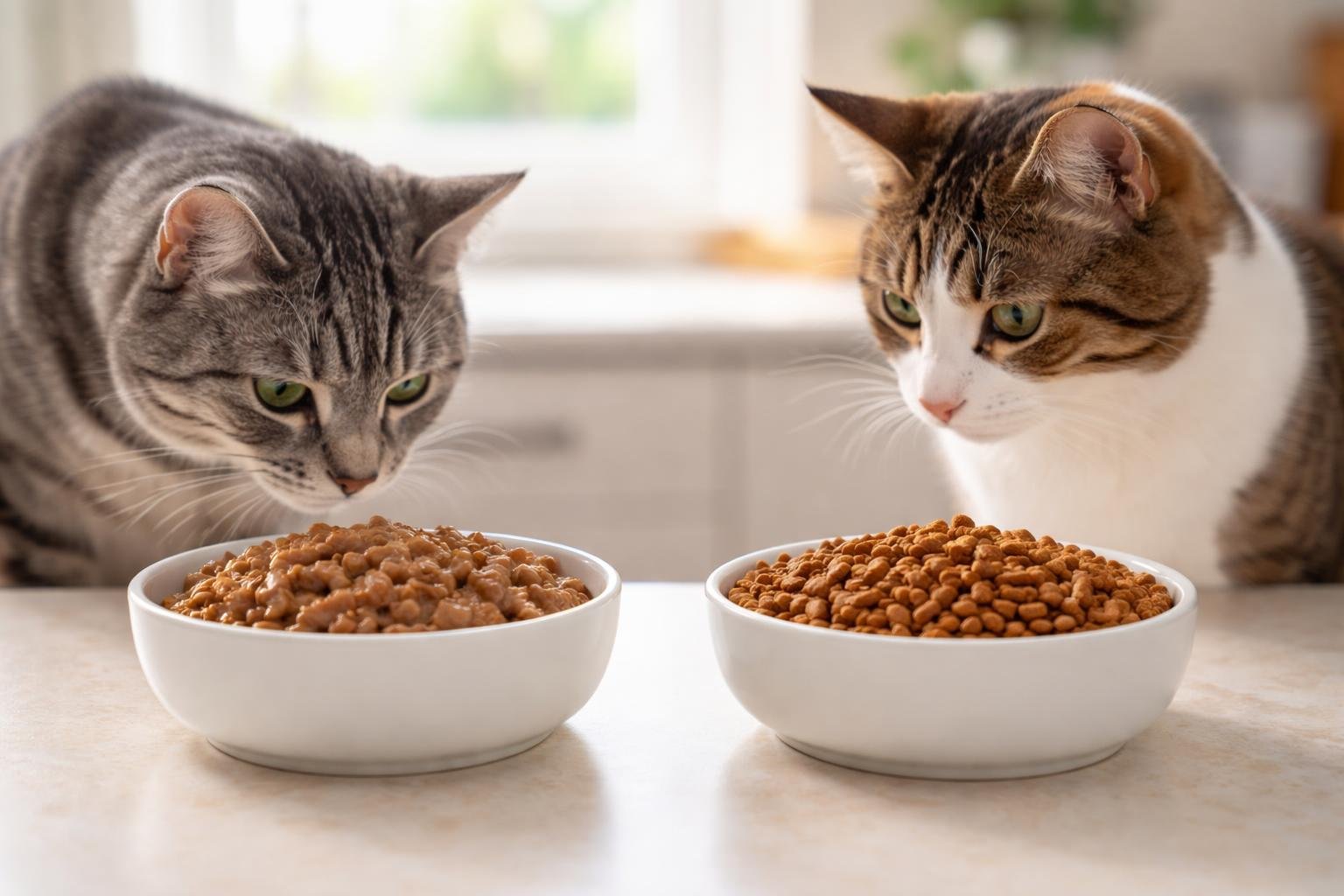
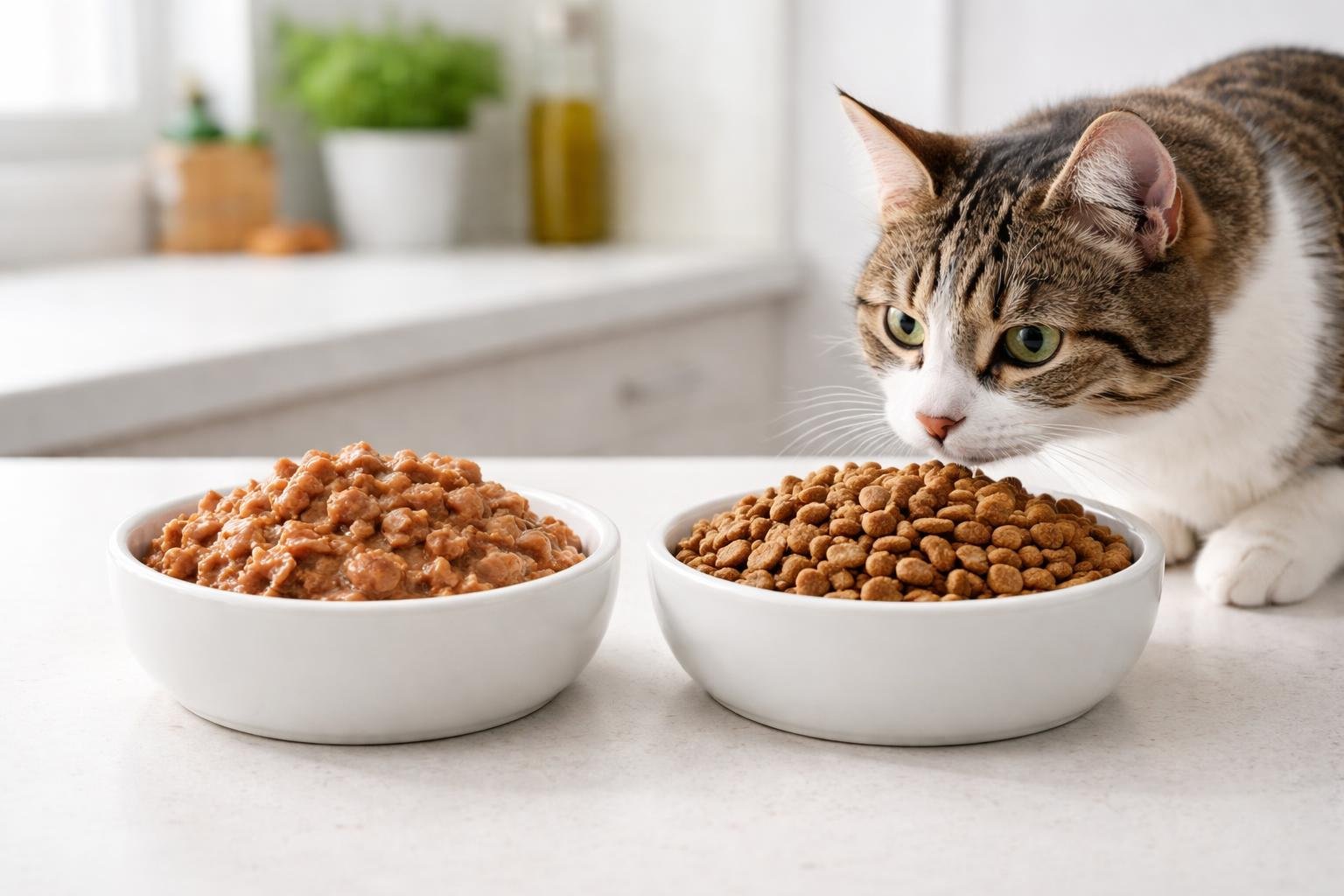
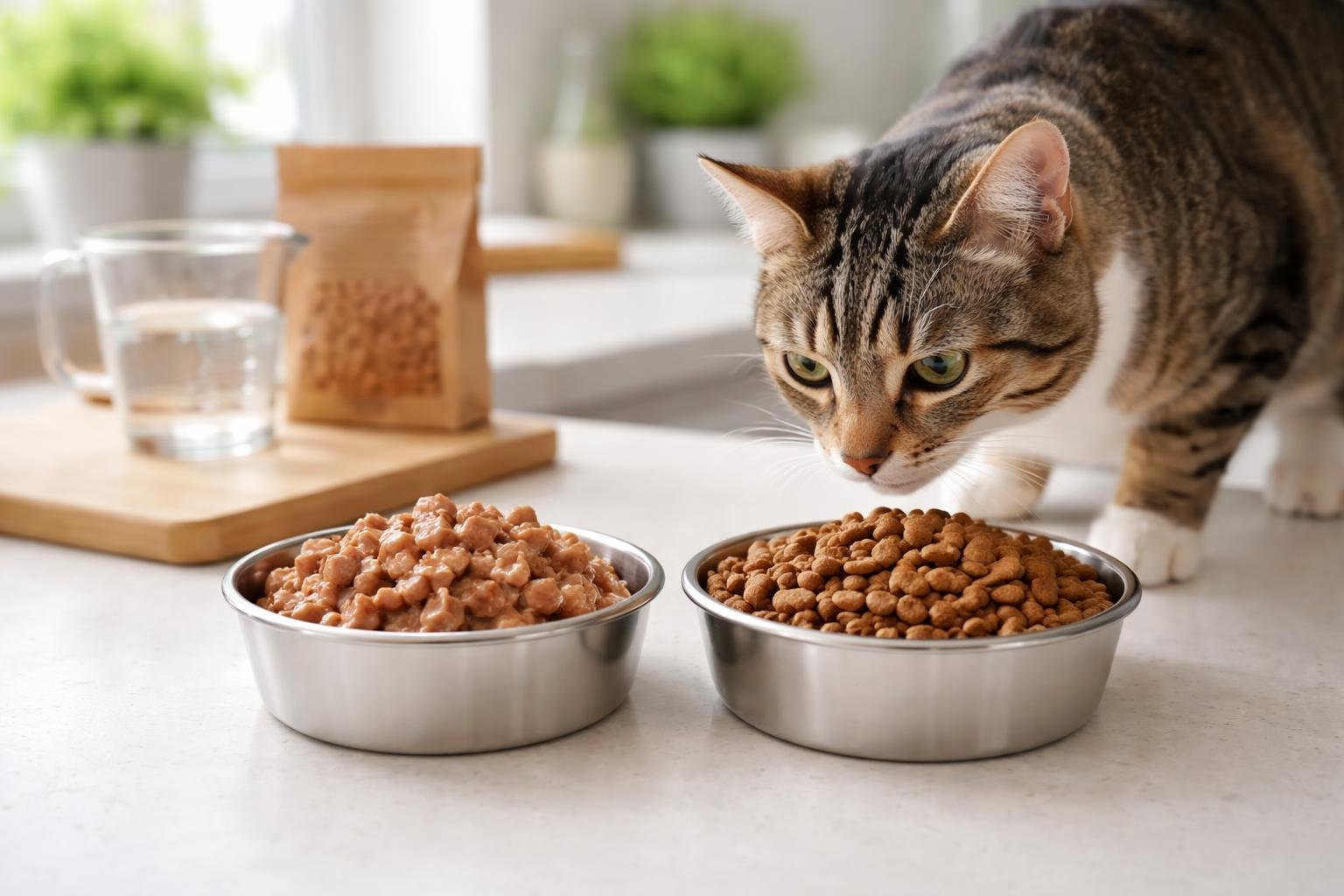
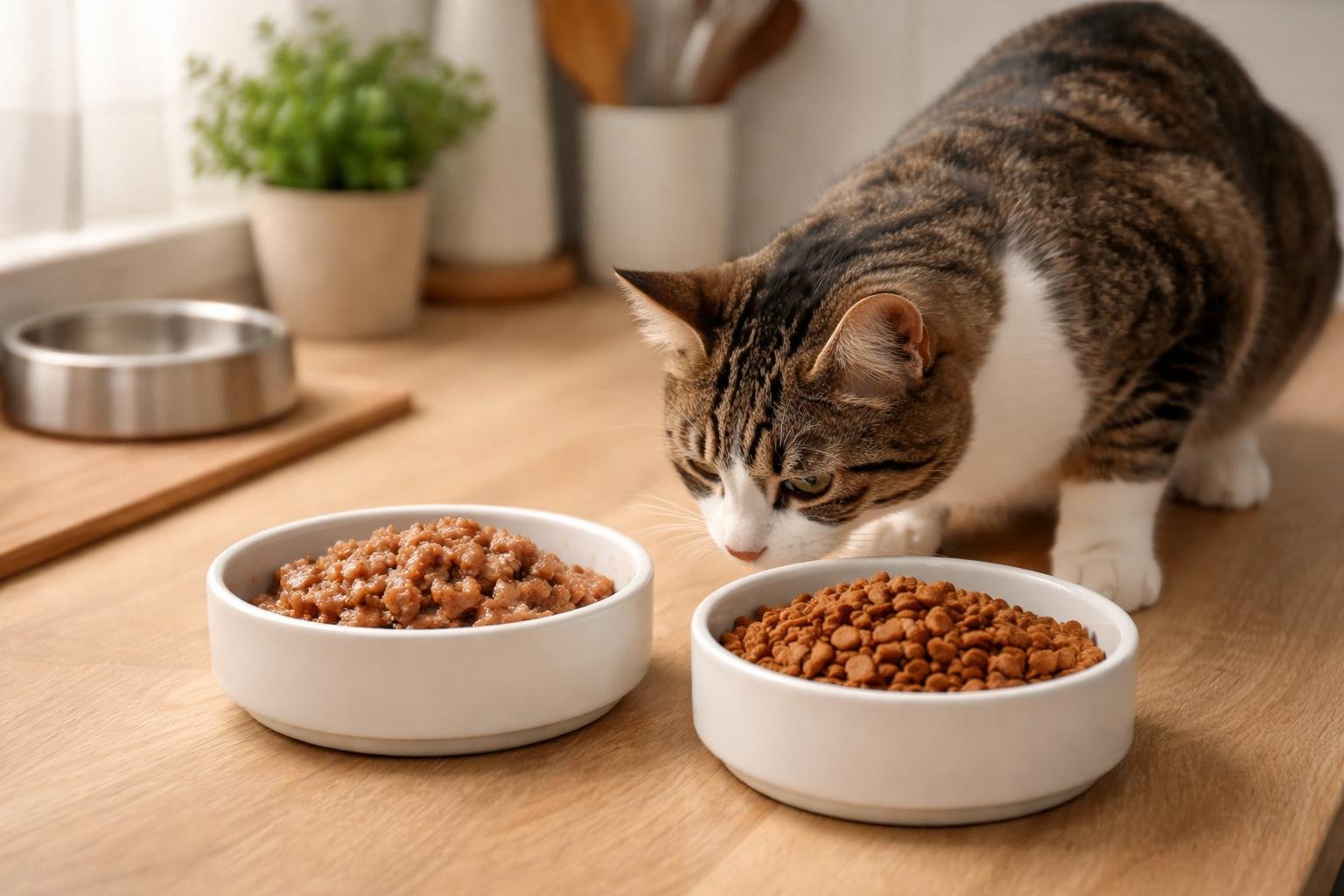
    Two bowls of cat food on a kitchen countertop with one cat near each bowl, one bowl containing wet food and the other dry kibble.

    The truth is that neither wet nor dry cat food is universally better—the right choice depends on the individual cat’s health needs, age, lifestyle, and owner’s circumstances. Some cats thrive on wet food because of its high moisture content, which supports kidney health and hydration. Others do well with dry food, which offers convenience and helps maintain dental health through its texture.

    This article breaks down the key differences between wet and dry cat food, examines their nutritional profiles, and explores the practical factors that influence which option works best. Understanding these elements helps cat owners make informed decisions that support their pet’s long-term health.

    Fundamental Differences Between Wet and Dry Cat Food

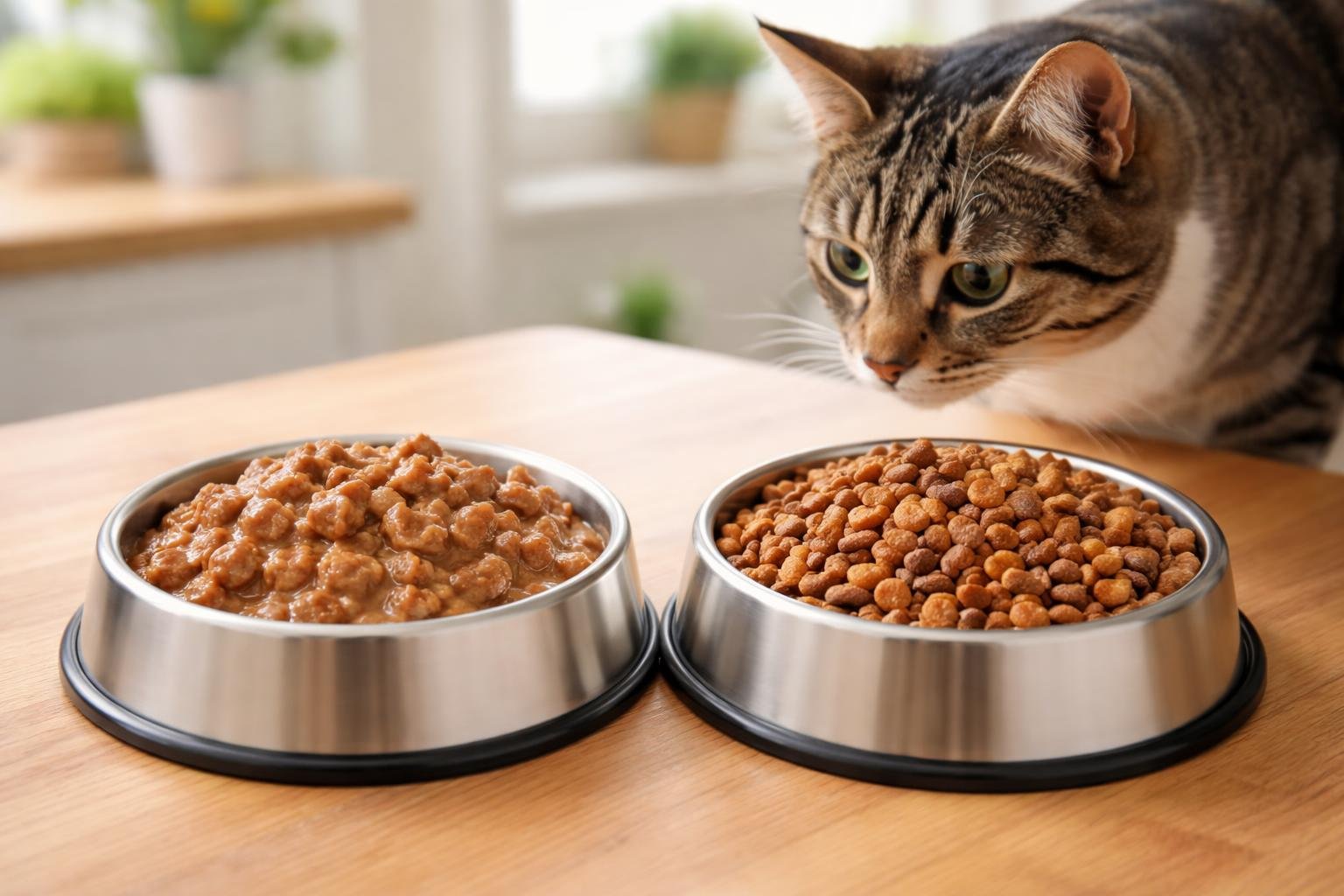
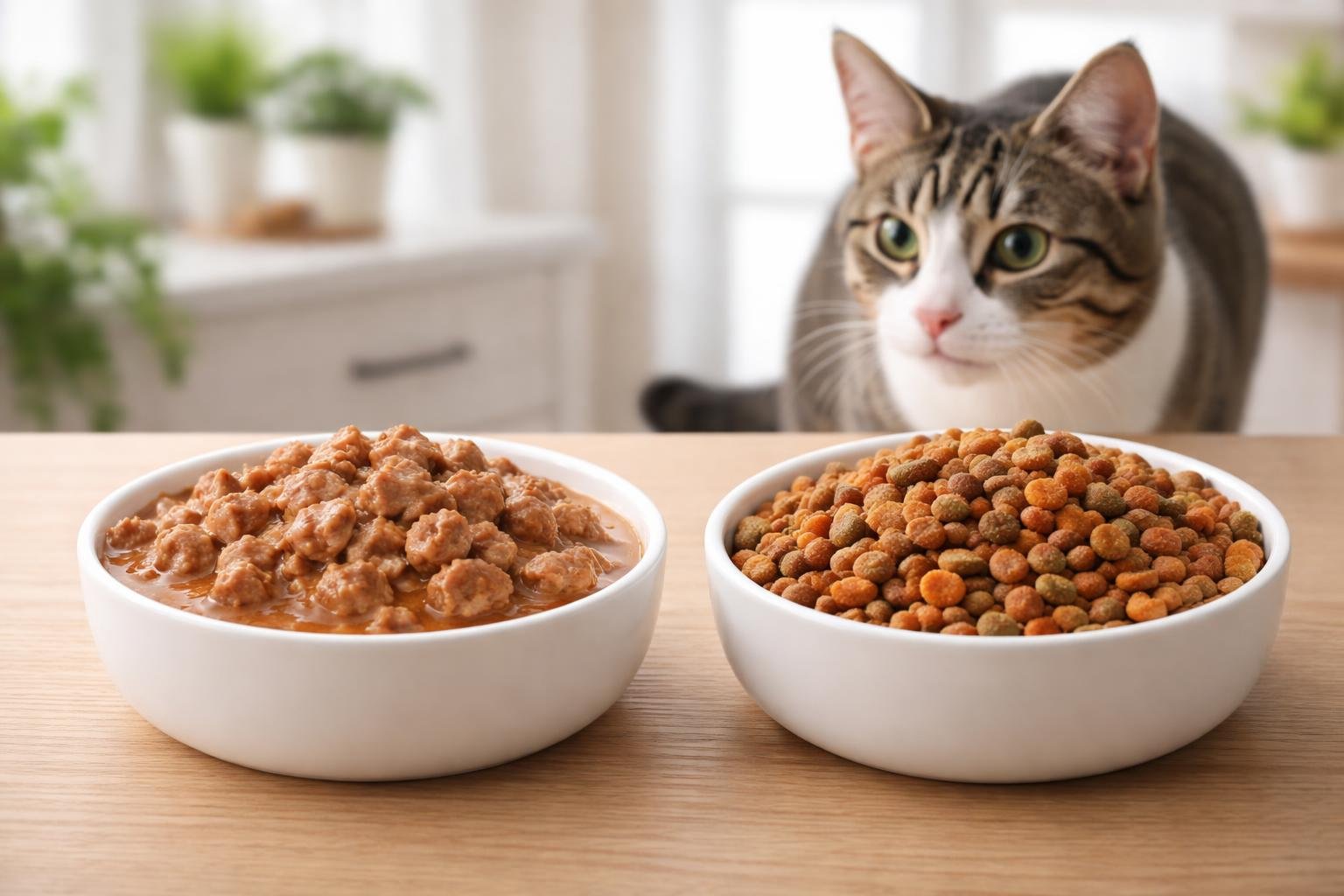
    A domestic cat looking at two bowls, one with wet cat food and the other with dry cat food, placed side by side on a clean surface.

    Wet and dry cat foods differ mainly in their water content, physical form, and how they need to be stored. These differences affect everything from how long the food lasts to how it supports a cat’s hydration needs.

    Definition and Types of Wet Cat Food

    Wet cat food comes in cans, pouches, or trays and has a soft, moist texture. This type of food contains 70-85% water, which makes it closer to the natural moisture content found in prey animals that cats would eat in the wild.

    The main types of wet cat food include pate, chunks in gravy, shredded pieces, and minced varieties. Pate has a smooth, uniform texture throughout. Chunks in gravy feature larger pieces of meat or fish in a sauce. Shredded options contain thin strips of protein, while minced varieties have small, ground pieces.

    Some wet foods are complete meals that provide all the nutrients a cat needs. Others are designed as toppers or supplements meant to be mixed with other foods.

    Definition and Types of Dry Cat Food

    Dry cat food, often called kibble, comes in the form of small, hard pellets or biscuits. These foods contain only 6-10% water, which makes them completely different in texture and composition from wet options.

    Kibble is made through a process called extrusion, where ingredients are mixed, cooked under pressure, and then shaped into small pieces. The pieces are then dried to remove most of the moisture.

    Types of dry cat food vary by shape, size, and formula. Some brands make small kibble for kittens or cats with small mouths. Others create larger pieces designed to encourage chewing. Special formulas exist for different life stages, health conditions, and dietary needs.

    Moisture Content and Its Impact

    The water content gap between wet and dry cat food creates significant differences in how each type affects a cat’s health. Wet food contains 70-85% moisture, while dry food has only 6-10%.

    This difference matters because cats have a low thirst drive compared to other animals. Cats that eat primarily dry food need to drink much more water to stay properly hydrated. Those fed wet food get most of their daily water needs met through their meals.

    Higher moisture intake helps support kidney function and urinary tract health. It can also help prevent issues like urinary crystals and stones. Cats with certain health conditions may benefit more from the extra hydration that wet food provides.

    Storage and Shelf Life Comparison

    Dry cat food stays fresh much longer than wet food due to its low moisture content. An unopened bag of kibble can last for months when stored in a cool, dry place. Once opened, dry food remains good for several weeks if kept in an airtight container.

    Wet cat food has a shorter shelf life after opening. An unopened can or pouch lasts for years on the shelf. However, once opened, wet food must be refrigerated and used within 2-3 days.

    Dry food offers more convenience for pet owners who prefer to leave food out during the day. Wet food can spoil if left at room temperature for more than 2-4 hours, especially in warm conditions. This makes kibble easier to manage for free-feeding schedules, while wet food works better for scheduled meal times.

    Nutritional Profile and Health Impacts

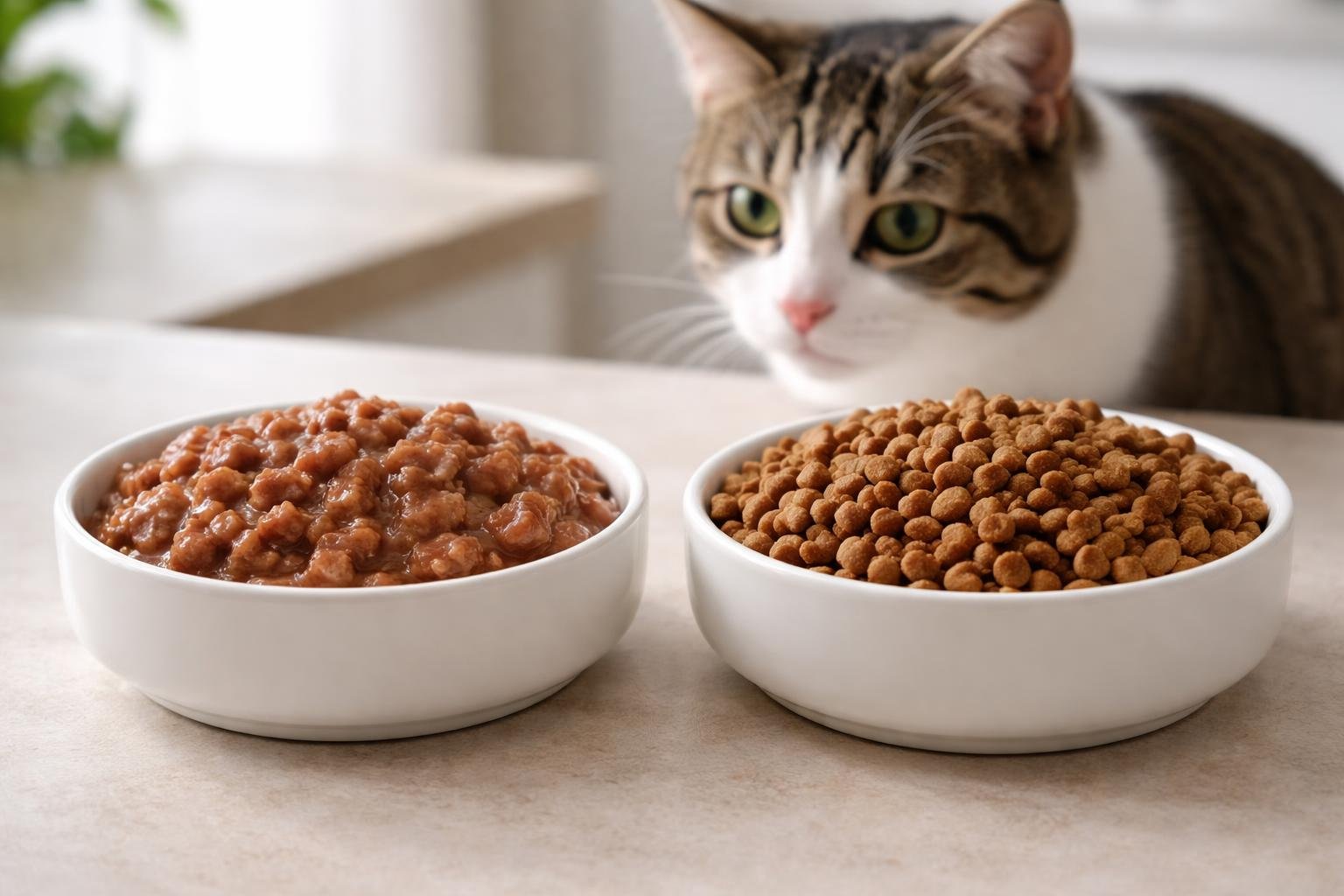
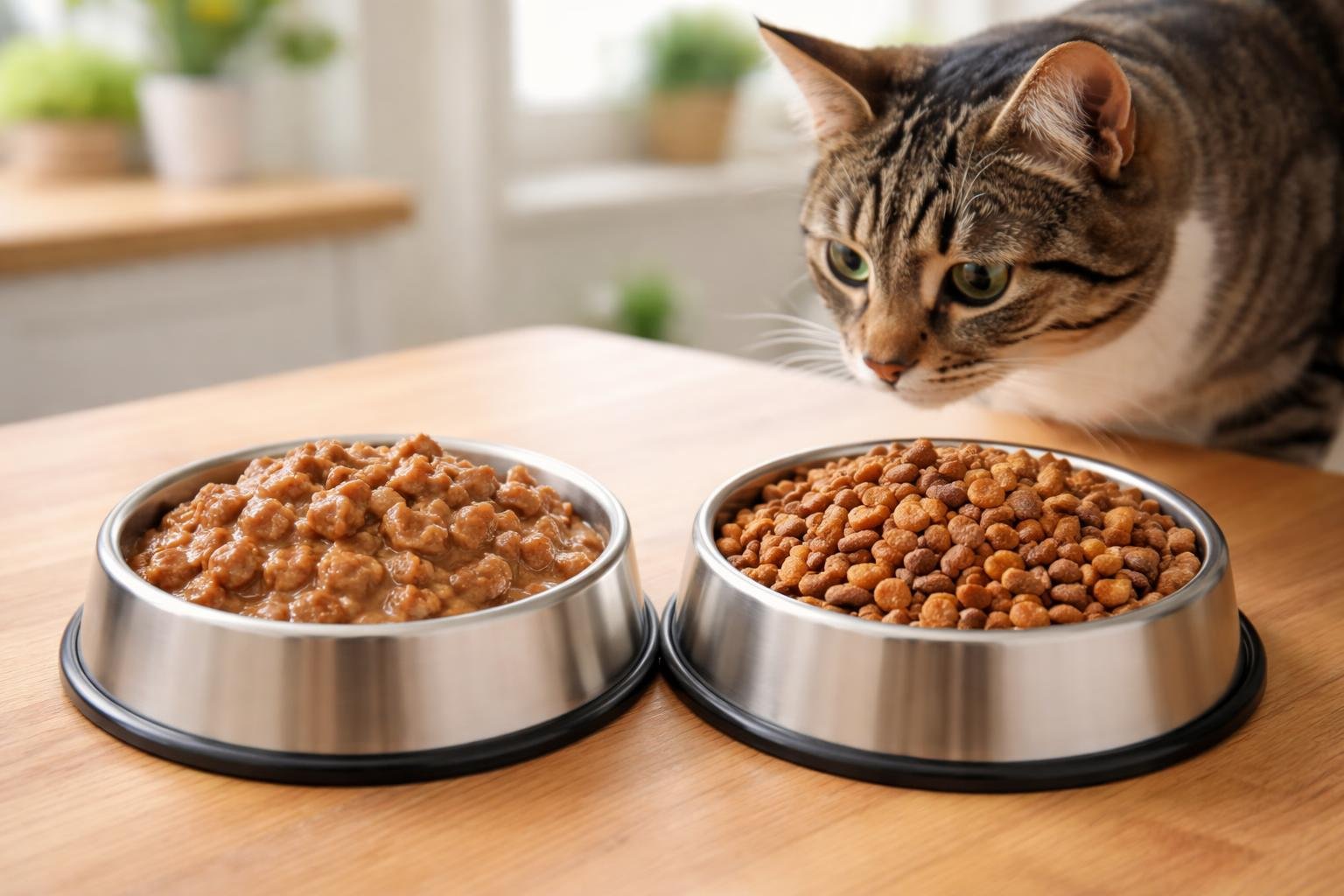
    Two bowls of cat food side by side, one with wet food and one with dry kibble, with a healthy cat nearby.

    Wet and dry cat foods differ significantly in their nutritional makeup, which directly affects a cat’s hydration, weight, and overall health. Understanding these differences helps cat owners choose the right food for their pet’s specific needs.

    Protein, Fat, and Carbohydrate Content

    Wet cat food typically contains higher levels of animal protein compared to dry options. Most wet foods provide 8-12% protein on an as-fed basis, which translates to 30-50% protein on a dry matter basis. This matches what cats need as obligate carnivores.

    Dry cat food often has more carbohydrates than wet food. Many dry foods contain 30-40% carbohydrates, while wet foods usually have less than 10%. Cats have no biological requirement for carbohydrates, though they can digest them.

    Fat content varies between brands rather than between food types. Both wet and dry options can provide adequate fat levels for feline nutrition. The key difference lies in how concentrated these nutrients are due to moisture content.

    Calories and Weight Management

    Wet cat food contains fewer calories per cup than dry food because of its high water content. A typical 3-ounce can provides 70-100 calories, while the same weight of dry food offers 300-400 calories.

    This calorie difference makes wet food useful for weight management in overweight cats. Cats can eat larger portions of wet food and feel full while consuming fewer calories. This helps satisfy their appetite without excess energy intake.

    Dry cat food works better for underweight or highly active cats that need more calories. Free-feeding dry food lets cats graze throughout the day, which suits some eating styles. However, this approach can lead to overeating in less active cats.

    Hydration and Urinary Tract Health

    Wet cat food contains 70-80% water, while dry food has only 10% moisture. This extra water intake supports kidney function and helps prevent urinary tract problems. Cats evolved to get most of their water from prey, making wet food closer to their natural diet.

    Adequate hydration dilutes urine and reduces the risk of crystal formation and bladder stones. Cats eating only dry food often don’t drink enough water to compensate for the low moisture content. This can lead to chronic dehydration and urinary issues over time.

    Feline Nutrition Requirements

    Cats need specific nutrients that come primarily from animal sources. Taurine, arachidonic acid, and vitamin A are essential nutrients cats cannot produce on their own. Both wet and dry cat food can be formulated to meet these requirements.

    Kitten food contains higher protein and fat levels than adult formulas to support growth. Whether choosing wet or dry options, kitten-specific formulas provide the extra nutrients young cats need.

    The best cat food meets AAFCO standards for complete and balanced nutrition. These standards apply to both wet and dry foods, so either type can provide proper feline nutrition when properly formulated.

    Pros and Cons of Wet Cat Food

    A domestic cat looking at two bowls on a wooden surface, one with wet cat food and the other with dry cat food.

    Wet cat food offers distinct advantages in hydration and nutrition, but it also comes with practical challenges that cat owners need to consider. Understanding both sides helps in making the right choice for a cat’s dietary needs.

    Benefits of Wet Cat Food

    Wet cat food contains 70-80% moisture, which helps cats stay hydrated throughout the day. This high water content supports kidney function and urinary tract health. Cats that eat wet food are less likely to develop urinary issues or kidney problems.

    The protein content in wet cat food is typically higher than dry options. Most wet foods contain real meat as the primary ingredient. This closely matches what cats would eat in nature.

    Wet food works well for weight management. It has fewer calories per serving compared to dry food. Cats feel full from eating wet food without consuming excessive calories.

    Picky eaters often prefer wet cat food because of its strong smell and soft texture. The palatability makes it easier to feed senior cats or those with dental problems. Cats with missing teeth or gum disease can eat wet food without pain.

    Drawbacks of Wet Cat Food

    Wet cat food costs more than dry food. The price difference adds up quickly for cat owners with multiple pets or those feeding larger portions.

    Storage becomes a concern once a can or pouch is opened. Wet food spoils within a few hours at room temperature. Owners must refrigerate leftovers and use them within 2-3 days.

    Feeding wet food requires more cleanup. Bowls need washing after each meal to prevent bacterial growth. The food can also create messes if a cat is a messy eater.

    Dental health may suffer with an all-wet diet. Wet food doesn’t provide the mechanical cleaning action that some dry foods offer. Cats eating only wet food may need additional dental care routines.

    Pros and Cons of Dry Cat Food

    A domestic cat looking at two bowls on a kitchen counter, one with wet cat food and the other with dry kibble.

    Dry cat food offers several practical advantages for cat owners, including affordability and convenience. However, kibble also comes with notable drawbacks that may affect a cat’s health and wellbeing.

    Benefits of Dry Cat Food

    Dry cat food costs less than wet food, making it a practical choice for pet owners on a budget. The price difference becomes significant over time, especially for households with multiple cats.

    Kibble has a long shelf life and doesn’t require refrigeration after opening. Cat owners can leave it out for free feeding without worrying about spoilage. This makes dry food convenient for busy schedules or cats that prefer to graze throughout the day.

    Dental benefits are another advantage of kibble. The crunchy texture helps scrape away plaque and tartar as cats chew, supporting better oral health.

    Dry cat food also provides higher caloric density than wet food. Cats need to eat less volume to get the same amount of energy, which can be helpful for maintaining healthy body weight in less active cats.

    Drawbacks of Dry Cat Food

    The biggest concern with dry cat food is its low moisture content, typically only 9-12%. Cats evolved to get most of their water from prey, so kibble-only diets can lead to chronic dehydration. This increases the risk of urinary tract issues and kidney problems.

    Dry food contains more carbohydrates than wet food because it needs starch to bind the kibble together. Cats are obligate carnivores with limited ability to process carbs, making high-carbohydrate diets less ideal for their biology.

    Many dry foods also contain less protein and fat compared to canned options. Since cats need animal protein as their primary nutrient, lower protein levels may not meet their nutritional needs as effectively.

    Choosing the Best Option for Your Cat

    A cat sniffing two bowls of cat food, one with wet food and one with dry kibble, on a kitchen countertop.

    The right cat food depends on your cat’s specific needs, health status, and lifestyle. Many cat owners find success with either wet food, dry food, or a combination of both.

    Factors to Consider for Individual Cats

    Age plays a major role in food selection. Kittens need kitten food with higher calories and protein to support growth. Adult cats require balanced nutrition to maintain their weight. Senior cats often benefit from wet cat food because it’s easier to chew and digest.

    Health conditions determine what type of food works best. Cats with kidney disease or urinary issues often need more moisture in their diet. Wet cat food provides significantly more water content than dry options. Cats with dental problems may struggle with dry kibble.

    Weight management affects food choice too. Dry cat food is calorie-dense, which means cats can overeat if portions aren’t controlled. Wet food typically contains fewer calories per serving and helps cats feel full.

    Some cats simply prefer one texture over another. A cat that refuses to eat isn’t getting proper nutrition regardless of which type is healthier.

    Blended Feeding Strategies

    Combining wet and dry cat food gives cats benefits from both types. This approach provides hydration from wet food while offering the dental benefits and convenience of dry food.

    A common strategy is feeding wet food twice daily and leaving dry food available between meals. Another option is mixing wet and dry food together in the same bowl. The ratio can be adjusted based on the cat’s needs and preferences.

    Budget matters when choosing a blended approach. Wet food costs more per serving than dry food. Many cat owners use mostly dry food with wet food as a supplement or treat.

    Cats on blended diets still need measured portions. The total daily calories should come from both food types combined, not from each separately.

    Transitioning Between Food Types

    Sudden food changes can upset a cat’s stomach. The transition should happen gradually over 7-10 days.

    Start by mixing 25% new food with 75% current food for 2-3 days. Then move to a 50-50 mix for another 2-3 days. Increase to 75% new food for 2-3 days before switching completely.

    Watch for signs of digestive upset like vomiting, diarrhea, or reduced appetite. If these occur, slow down the transition process. Some cats need two weeks or longer to adjust.

    Switching between brands of the same food type (wet to wet or dry to dry) is usually easier than switching between wet and dry. The best cat food is one your cat will actually eat while meeting their nutritional needs.

    Practical Considerations for Feeding and Daily Life

    A domestic cat eating from a bowl of wet cat food on a kitchen countertop next to a bowl of dry cat food.

    Budget, storage requirements, and feeding equipment differ significantly between wet and dry cat food. These practical factors often influence which food type works best for a household’s specific situation.

    Cost and Budget Considerations

    Dry cat food typically costs less per serving than wet food. A 15-pound bag of quality dry food ranges from $20 to $60 and can last a single cat several weeks.

    Wet food costs more per meal. Individual cans or pouches range from $1 to $3 each, and most cats need 2-3 cans daily. This adds up to $60 to $270 per month compared to $20 to $60 for dry food.

    Buying in bulk reduces costs for both types. Larger bags of dry food offer better value per pound. Cases of wet food cans cost less per unit than buying individual cans.

    Budget-Friendly Approach:

    • Feed primarily dry food with wet food as a supplement
    • Mix half portions of each type to balance cost and benefits
    • Watch for sales and stock up during discounts

    Convenien­ce and Storage

    Dry cat food offers the most convenience for busy households. Bags stay fresh for weeks after opening when stored in airtight containers. The food can sit in a bowl all day without spoiling.

    Wet cat food requires refrigeration after opening. Opened cans last 2-3 days in the fridge and must be covered. The food spoils within 2-4 hours at room temperature.

    Storage space matters for both types. Dry food bags need a cool, dry location away from moisture. Wet food cans require pantry space and refrigerator room for opened portions.

    Travel and feeding schedules work differently with each type. Dry food works well for free-feeding cats who eat throughout the day. Wet food needs scheduled meal times and proper cleanup.

    Feeding Accessories and Tools

    Different food types require specific bowls and equipment. Shallow, wide bowls like the Hepper NomNom Cat Bowl work well for wet cat food because they prevent whisker fatigue. Stainless steel or ceramic bowls are easiest to clean and don’t retain odors.

    Dry cat food works in most bowl types. Puzzle feeders and slow-feed bowls help cats who eat too quickly. Automatic feeders dispense dry food on schedules for owners away from home.

    Storage containers keep dry food fresh longer. Airtight bins with secure lids prevent moisture and pests from reaching the food. Plastic or silicone lids cover opened wet food cans in the refrigerator.

    Additional tools make feeding easier. Can openers designed for pet food create smooth edges. Food scoops measure consistent portions for weight management.

    Frequently Asked Questions

    A cat looking at two bowls on a table, one with wet cat food and the other with dry cat food.

    Both wet and dry cat food can meet a cat’s nutritional needs, but each has distinct advantages depending on the cat’s health status, hydration needs, and lifestyle factors.

    Is wet food healthier than dry food for most cats?

    Wet food offers more moisture and typically contains higher protein levels, which aligns with a cat’s natural dietary needs. Cats evolved as desert animals and often don’t drink enough water on their own. Wet food provides around 70-80% water content compared to dry food’s 10%.

    Neither option is universally healthier for all cats. The best choice depends on individual health conditions, age, and specific nutritional requirements. Some cats thrive on dry food while others benefit more from wet food or a combination of both.

    Why do many veterinarians recommend wet food for cats?

    Veterinarians often recommend wet food because it supports hydration and urinary tract health. Cats that eat wet food are less likely to develop kidney problems and urinary issues. The high moisture content helps flush the urinary system and reduces the risk of crystal formation.

    Wet food also helps with weight management since it contains fewer calories per volume than dry food. Cats can eat a satisfying portion while consuming fewer calories overall.

    What are the disadvantages of feeding wet cat food compared to dry food?

    Wet food costs more than dry food and requires refrigeration after opening. It spoils quickly if left out at room temperature, usually within 2-4 hours. This makes free-feeding difficult for owners who work long hours.

    Wet food can be messier to serve and creates more waste with individual cans or pouches. Some cats are picky eaters and may refuse wet food if it’s too cold from the refrigerator. Storage takes up more space, especially for multi-cat households.

    How often should I feed my cat wet food, and is it okay to serve it every day?

    Feeding wet food daily is safe and beneficial for most cats. Many owners provide wet food twice a day at scheduled meal times. Adult cats typically need about 5-6 ounces of wet food per day, divided into two or more meals.

    Daily wet food feeding works well for cats with urinary issues, kidney concerns, or weight management needs. The feeding frequency depends on the cat’s age, activity level, and whether wet food is the sole diet or part of a mixed feeding plan.

    Is it safe and beneficial to mix wet and dry cat food, and how do I calculate portions?

    Mixing wet and dry food is safe and gives cats the benefits of both types. This approach provides the hydration of wet food while offering the dental benefits and convenience of dry food. Many veterinarians support mixed feeding as a balanced option.

    To calculate portions, owners need to check the calorie content on both food packages. A typical adult cat needs about 200-300 calories per day depending on weight and activity level. If feeding half wet and half dry, divide the daily calorie needs between both food types.

    One method is to feed wet food at morning and evening meals while leaving a small portion of dry food available during the day. Another approach is to mix wet and dry food together in the same bowl at each feeding.

    Which type of diet is better for indoor cats in terms of weight control and hydration?

    Wet food works better for weight control in indoor cats because it provides more volume with fewer calories. Indoor cats often face obesity risks due to lower activity levels. Wet food helps cats feel full while consuming less energy.

    Hydration is especially important for indoor cats who may be less active and drink less water. Wet food supplies moisture that helps prevent urinary problems, which are common in indoor cats. The combination of weight management and hydration makes wet food particularly beneficial for this group.

    Some owners choose to mix wet and dry food to balance the hydration benefits with the convenience of dry food. This approach lets indoor cats maintain a healthy weight while staying properly hydrated throughout the day.

  • How Do You Know When To Put a Cat Down: Essential Quality of Life Indicators for Pet Owners

    How Do You Know When To Put a Cat Down: Essential Quality of Life Indicators for Pet Owners

    Deciding when to euthanize a beloved cat is one of the most painful choices you’ll face as a pet owner. You should consider putting your cat down when their quality of life has diminished to the point where they experience more suffering than joy, often indicated by unmanageable pain, inability to eat or drink, difficulty breathing, or loss of interest in normal activities. This decision requires careful evaluation of your cat’s physical condition, behavior changes, and overall well-being.

    A veterinarian gently comforting an elderly cat on an examination table while a concerned pet owner watches nearby in a veterinary clinic.

    Understanding when to put a cat down involves assessing multiple factors beyond just a terminal diagnosis. Your cat’s daily comfort, their ability to perform basic functions, and whether treatments are improving or merely prolonging suffering all play crucial roles in this decision.

    Working with your veterinarian can help you evaluate your cat’s condition objectively and determine the most compassionate path forward. This article will guide you through the signs to watch for, quality-of-life assessments you can perform, and the practical considerations involved in making this difficult but loving choice.

    Key Takeaways

    • Assess your cat’s quality of life by monitoring pain levels, eating habits, mobility, and engagement with daily activities
    • Deciding when to euthanize a cat requires evaluating your cat’s health status alongside your personal principles and caregiving capabilities
    • Consult with your veterinarian to understand treatment options and make an informed decision that prioritizes your cat’s comfort and dignity

    Understanding Cat Euthanasia

    A veterinarian gently holding a calm cat in a veterinary clinic, showing care and compassion.

    Cat euthanasia involves a veterinarian administering medication to peacefully end your cat’s life when they are suffering from terminal illness, severe injury, or irreversible decline in quality of life. The procedure uses controlled substances to ensure a pain-free passing.

    What Is Cat Euthanasia?

    Cat euthanasia is a medical procedure where a veterinarian intentionally ends your cat’s life to prevent further suffering. The term comes from Greek words meaning “good death.”

    This option becomes relevant when your cat faces terminal conditions like advanced cancer, untreatable kidney failure, or severe trauma. It’s also considered when chronic pain cannot be managed effectively with medication or when your cat has lost the ability to perform basic functions like eating, drinking, or moving without distress.

    Euthanasia differs from natural death because it prevents the prolonged suffering that often accompanies the final stages of serious illness. Veterinarians perform this procedure using pharmaceutical agents specifically designed for this purpose. The decision requires consultation with your veterinarian, who can assess your cat’s medical condition and help you understand whether treatment options remain viable.

    How the Euthanasia Process Works

    The euthanasia procedure for cats typically involves two injections administered by a licensed veterinarian. Your veterinarian will first give your cat a sedative to help them relax and become unconscious.

    Once your cat is fully sedated and unaware, the veterinarian administers a second injection containing a concentrated anesthetic agent, usually pentobarbital. This medication stops brain function and heart activity within seconds to minutes. Your cat feels no pain during this process.

    You can choose to be present during the procedure or step out of the room. Many veterinarians offer in-home euthanasia services so your cat can pass in familiar surroundings. The entire process usually takes 10 to 20 minutes from start to finish. Your veterinarian will confirm your cat has passed by checking for a heartbeat and breathing.

    Why Euthanasia Is Considered Humane

    Euthanasia for cats is considered humane because it prevents unnecessary suffering when no treatment can restore quality of life. Cats instinctively hide pain and discomfort, which means they may endure significant distress that isn’t immediately visible to you.

    The procedure provides a controlled, peaceful passing rather than allowing your cat to experience the physical deterioration of terminal illness. Natural death from disease often involves pain, difficulty breathing, seizures, or organ failure that can last hours or days.

    Veterinary professionals view euthanasia as a final act of compassion when medical intervention can no longer help your cat. The medications used work quickly and eliminate consciousness before any discomfort occurs. This allows you to spare your cat from the fear and pain associated with dying from disease or injury while giving you the opportunity to be present during their final moments.

    When to Put a Cat Down: Key Signs to Look For

    A veterinarian gently holding a calm elderly cat on an examination table in a veterinary clinic.

    Recognizing when your cat’s quality of life has deteriorated to the point where euthanasia may be the most compassionate option requires careful observation of physical health, behavior, and pain levels. These indicators help you make an informed decision about your cat’s end-of-life care.

    Physical Indicators of Declining Health

    Your cat’s physical condition provides clear signals about their overall health status. Watch for persistent difficulty breathing, which may appear as labored respiration, open-mouth breathing, or rapid chest movements. These respiratory issues often indicate serious underlying conditions.

    Deteriorating mobility and physical condition are significant warning signs. Your cat may struggle to stand, walk, or jump to previously accessible locations. Severe weight loss despite eating, or complete loss of appetite for several days, signals that your cat’s body is failing.

    Additional physical signs include:

    • Chronic vomiting or diarrhea that doesn’t respond to treatment
    • Dehydration shown by sunken eyes and dry gums
    • Uncontrolled seizures or neurological symptoms
    • Inability to regulate body temperature
    • Incontinence or loss of bladder and bowel control

    Terminal illnesses like renal failure, cancer, or heart disease often progress to a point where treatment no longer improves your cat’s condition.

    Behavioral and Emotional Changes

    Your cat’s behavior shifts dramatically when they’re approaching the end of life. They may withdraw from family members, hide in unusual places, or show no interest in activities they once enjoyed. Some cats become unusually clingy or vocal as they experience discomfort.

    Changes in hygiene and litter box behavior are telling indicators. Cats who stop grooming themselves or eliminate outside the litter box may lack the physical ability or mental awareness to maintain normal habits. This represents a significant decline in their wellbeing.

    You may notice your cat no longer responds to your presence or their name. They might stare blankly or seem confused about their surroundings. Loss of interest in food, water, and interaction with other pets indicates serious distress.

    Chronic Pain and Suffering

    Assessing whether your cat is suffering helps determine when to euthanize a cat. Pain manifests through persistent crying, growling when touched, or aggressive reactions to handling. Your cat may exhibit a hunched posture, flattened ears, or rapid breathing even at rest.

    Unmanaged pain that doesn’t improve with medication means your cat experiences constant discomfort. Watch for reluctance to move, inability to find a comfortable position, or restlessness despite exhaustion. Your cat might have more bad days than good days, which diminishes their quality of life significantly.

    Consider using a quality-of-life assessment tool to evaluate your cat’s daily experience objectively. These tools measure factors like pain control, appetite, mobility, and happiness to help you determine if suffering outweighs any remaining enjoyment in your cat’s life.

    Cat Quality-of-Life Assessment

    A veterinarian gently examining a calm adult cat on an exam table in a bright veterinary clinic.

    Assessing your cat’s quality of life involves systematic evaluation tools that measure daily experiences and physical capabilities. These assessments help determine whether your cat’s needs are being met and if medical intervention or end-of-life decisions should be considered.

    Using Quality-of-Life Scales

    Quality-of-life assessment tools provide structured frameworks to evaluate your cat’s well-being across multiple dimensions. These scales typically measure factors such as pain levels, appetite, mobility, hygiene, breathing comfort, and ability to engage in normal behaviors.

    Most scales use numerical ratings or descriptive categories for each factor. You assign scores based on your observations, then total them to determine overall quality of life. Some veterinarians use the HHHHHMM scale, which evaluates Hurt, Hunger, Hydration, Hygiene, Happiness, Mobility, and More good days than bad.

    Regular measurement using these scales helps track changes over time rather than relying on subjective impressions. Document your assessments weekly or monthly to identify gradual declines that might otherwise go unnoticed.

    Evaluating Good Days vs. Bad Days

    Tracking the ratio of good days to bad days provides practical insight into your cat’s quality of life. A good day means your cat shows interest in surroundings, eats willingly, seeks interaction, and moves without obvious distress.

    Bad days include increased pain behaviors, refusal to eat, inability to reach the litter box, withdrawal from family, or labored breathing. Keep a simple calendar marking each day as positive, neutral, or negative.

    When bad days consistently outnumber good days, quality of life has significantly declined. This pattern indicates your cat experiences more suffering than comfort, which becomes an important factor when considering euthanasia timing.

    Role of Caregiver Well-Being

    Your physical and emotional capacity to provide care directly impacts your cat’s quality of life. Exhaustion, financial strain, or inability to manage complex medical needs can compromise the level of care your cat receives.

    Honest assessment of your limitations does not reflect failure as a caregiver. Consider whether you can maintain required medication schedules, perform necessary treatments, or provide adequate monitoring. Your stress levels and sleep deprivation affect your ability to make clear decisions.

    Support resources like hospice veterinary services can extend your caregiving capacity. However, recognizing when care demands exceed your sustainable capabilities becomes part of the broader quality-of-life evaluation for both you and your cat.

    Working With Veterinarians and End-of-Life Services

    A veterinarian gently holding a senior cat on an examination table while speaking with a concerned pet owner in a veterinary clinic.

    Professional veterinary guidance provides essential support during end-of-life decisions, offering medical assessments, pain management options, and peaceful euthanasia services. Your veterinarian can help you evaluate your cat’s condition objectively and explore care options that prioritize comfort.

    Consulting Your Veterinarian

    Your veterinarian plays a central role in assessing your cat’s quality of life and helping you make informed decisions. They can evaluate physical symptoms, pain levels, and your cat’s overall well-being through examinations and diagnostic tests.

    During consultations, ask specific questions about your cat’s prognosis, treatment options, and expected disease progression. Veterinarians familiar with end-of-life care can explain how symptoms might worsen and whether interventions can improve your cat’s comfort.

    Your veterinarian should maintain compassion and provide objective guidance without judgment. They can offer quality-of-life assessment tools to help you track good days versus bad days. These conversations should cover all available options, including palliative care, hospice, and euthanasia for cats.

    Palliative and Hospice Care for Cats

    Palliative care focuses on managing pain and discomfort to improve your cat’s quality of life without attempting to cure the underlying condition. This approach includes pain medications, anti-nausea drugs, appetite stimulants, and other treatments that address specific symptoms.

    Hospice care extends palliative measures while providing support during your cat’s final weeks or months. Your veterinarian can create a care plan tailored to your cat’s needs, which may include prescription medications, dietary modifications, and guidance on comfort measures you can provide at home.

    These options allow your cat to remain in familiar surroundings while receiving medical support. Regular check-ins with your veterinarian help adjust treatments as your cat’s condition changes. Palliative and hospice care work best when you can commit to monitoring your cat’s comfort level and administering medications as prescribed.

    In-Home Euthanasia Services like Lap of Love

    In-home euthanasia allows your cat to pass peacefully in familiar surroundings without the stress of travel. Services like Lap of Love provide veterinarians who specialize in compassionate end-of-life care and come to your residence.

    The process typically involves an initial sedative that helps your cat relax, followed by the euthanasia solution administered once your cat is comfortable. You can choose your cat’s favorite location in your home and have family members present.

    Mobile euthanasia veterinarians often provide more time for the appointment than traditional clinic visits. They can discuss aftercare options, including cremation services and memorialization choices. Many pet owners find home euthanasia reduces anxiety for both themselves and their cats during this difficult time.

    Emotional and Practical Considerations for Pet Owners

    A person gently holding an elderly cat in a calm living room, showing a tender and thoughtful moment.

    The decision to euthanize a cat involves navigating intense emotions while managing practical realities like family dynamics and financial constraints. Understanding these interconnected aspects helps you make a choice aligned with both your cat’s welfare and your circumstances.

    Coping With the Decision

    The emotional weight of deciding when to put a pet down creates anticipatory grief, guilt, and second-guessing before the procedure even occurs. These feelings are normal responses to losing a companion you’ve cared for through years or even decades.

    You may benefit from speaking with your veterinarian about your concerns without judgment. They can provide clarity on your cat’s medical status and quality of life factors.

    Common emotional challenges include:

    • Wondering if you’re acting too soon or waiting too long
    • Feeling responsible for ending your cat’s life
    • Experiencing grief before the actual loss occurs
    • Questioning whether your cat would want more time

    Pet loss counseling and support groups can help during the grieving process as you work through these complex emotions. Professional guidance offers perspective when you’re struggling to think clearly during this difficult time.

    Family Discussions and Value Alignment

    When multiple people care for the cat, disagreements about timing can create additional stress. Children, partners, or other household members may have different thresholds for when to euthanize a cat based on their personal values and attachment levels.

    Hold a family meeting to discuss your cat’s current condition openly. Share observations about pain levels, mobility changes, eating habits, and behavioral shifts that each person has noticed.

    Some family members may prioritize extending life regardless of suffering, while others focus on preventing any discomfort. Finding common ground requires honest dialogue about what serves your cat’s interests rather than human emotional needs.

    If consensus seems impossible, consider involving your veterinarian in a family discussion. Their medical expertise can help everyone understand the cat’s prognosis and likely trajectory without treatment or with palliative care.

    Financial and Logistical Factors

    The cost of end-of-life care varies significantly based on location and services chosen. In-home euthanasia typically costs more than clinic procedures but provides comfort and privacy during your cat’s final moments.

    Financial considerations include:

    • Euthanasia procedure fees ($50-$500 depending on location and setting)
    • Aftercare options like cremation or burial
    • Transportation if using a clinic
    • Memorial items or keepsakes

    Some veterinary practices offer payment plans or work with care credit programs. Animal welfare organizations occasionally provide financial assistance for euthanasia when cost prevents a humane decision.

    Deciding between at-home or clinic euthanasia affects both logistics and your cat’s final experience. Home procedures eliminate stressful car rides but require scheduling and may take longer to arrange than clinic visits.

    Aftercare and Honoring Your Cat

    A person gently holding an elderly cat in a softly lit living room, conveying care and compassion.

    After cat euthanasia, you have several options for handling your cat’s remains and creating lasting tributes to their memory. These decisions allow you to say goodbye in a way that feels meaningful to you.

    Aftercare Options: Burial and Cremation

    You can choose between home burial, cemetery burial, or cremation for your cat’s remains. Home burial requires checking local regulations, as some municipalities prohibit pet burials on private property. If allowed, select a spot at least three feet deep and away from water sources.

    Pet cemeteries offer dedicated spaces with maintenance included. These facilities provide marked graves and sometimes memorial services.

    Cremation comes in three forms:

    • Private cremation: Your cat is cremated alone, and you receive only their ashes
    • Individual cremation: Your cat is cremated separately but with other pets, with minimal ash mixing
    • Communal cremation: Multiple pets are cremated together, and ashes are not returned

    Your veterinarian can arrange cremation services and provide urns or containers for ashes. Many veterinary clinics partner with cremation facilities and handle the logistics on your behalf.

    Memorializing Your Cat

    Creating a memorial helps process grief and celebrate your cat’s life. Physical memorials include planting a tree or garden in your cat’s favorite outdoor spot, displaying their photo in a special frame, or creating a shadow box with their collar and toys.

    You can commission custom artwork, jewelry containing their ashes, or paw print keepsakes. Some pet owners maintain digital memorials through online tribute pages or photo albums.

    Consider donating to animal shelters or rescue organizations in your cat’s name. This honors their memory while helping other cats in need.