Cat owners often worry about bringing plants and flowers into their homes. Many common houseplants and garden flowers can make cats sick or cause serious health problems if eaten. This concern can stop people from enjoying greenery in their living spaces.
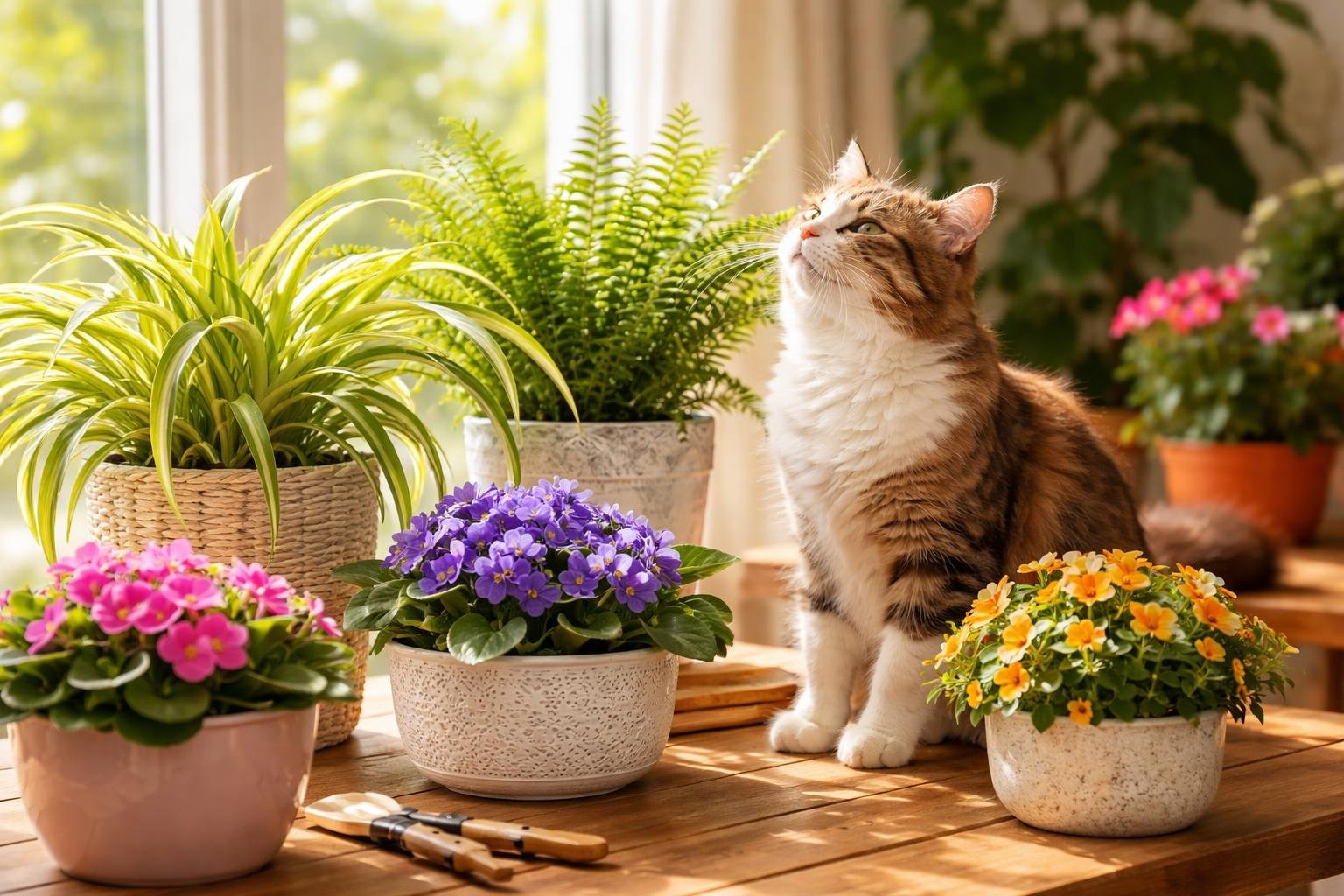
The good news is that many beautiful flowers and plants are completely safe to keep around cats. From popular houseplants to colorful blooms, you have plenty of options that won’t put your pet at risk. These safe choices let you decorate your home with living plants while keeping your cat healthy.
Learning which specific plants are safe helps you make smart choices for your home. You can also find out why certain plants are safer than others and how to bring new greenery into your space without problems. This knowledge makes it easier to create a home that works well for both you and your cat.
1) Roses (non-toxic varieties)
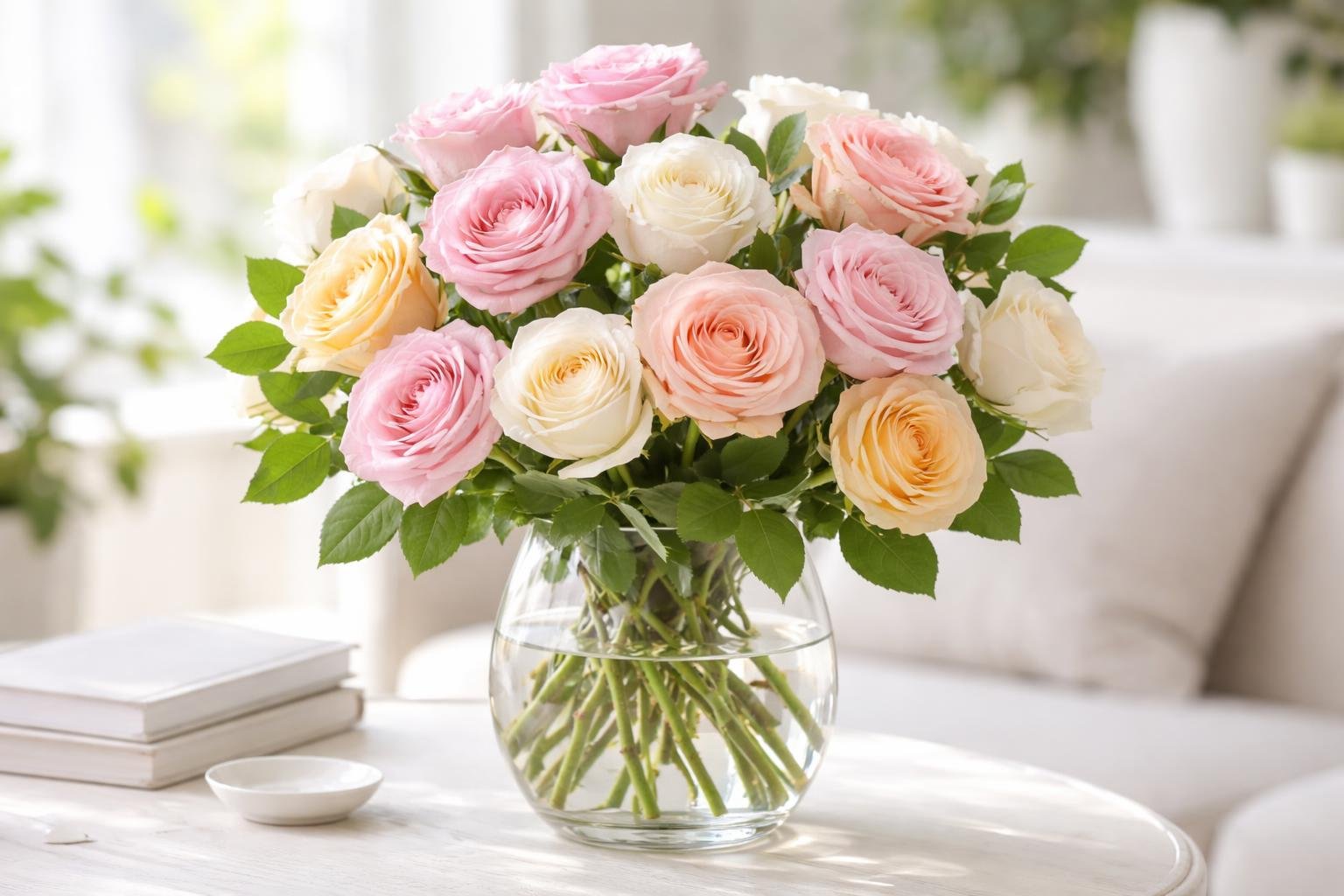
Roses are completely safe for your cat. Every part of a true rose is non-toxic, including the petals, leaves, stems, and hips.
You can bring roses into your home without worrying about poisoning your pet. The ASPCA confirms that roses pose no toxic threat to cats. This makes them one of the most popular choices for cat owners who want fresh flowers.
The main concern with roses is their sharp thorns. These thorns can injure your cat if they try to play with or chew on the stems. Keep the stems trimmed or place them in a secure vase to prevent accidental pokes.
Roses come in many colors and varieties. You can choose from classic red roses, soft pink blooms, or sunny yellow petals. All true rose varieties are safe for cats, giving you plenty of options to match your home decor while keeping your pet protected.
2) Phalaenopsis orchid
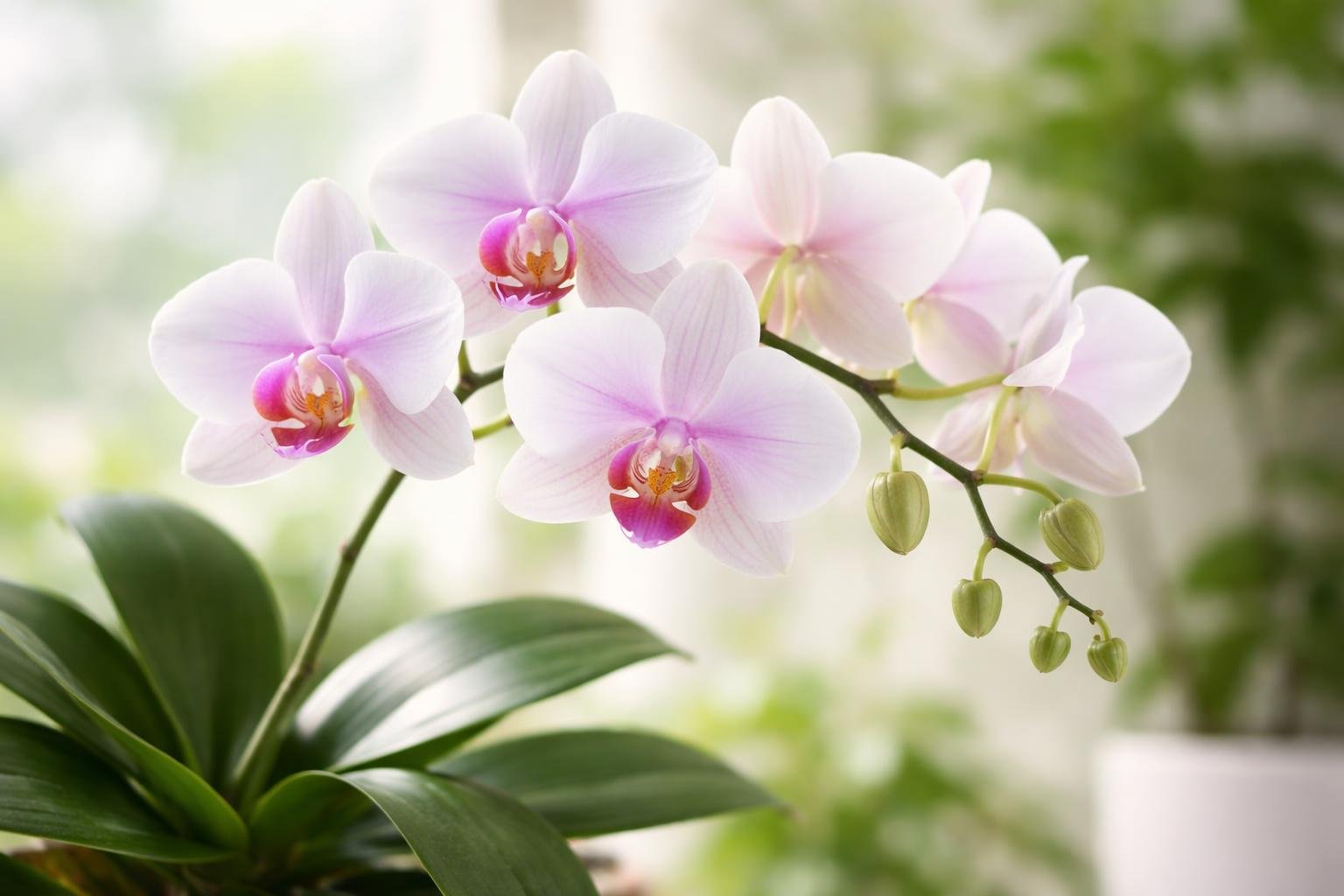
You can safely keep Phalaenopsis orchids in your home with cats. These popular plants, also called Moth Orchids, are non-toxic to cats and dogs according to the ASPCA.
Your cat won’t get seriously sick if they nibble on the flowers or leaves. Most orchid species won’t harm your cat even if they chew on them.
You should still try to keep your cat from eating the plant. While Phalaenopsis orchids are safe, they may cause minor drooling or vomiting if your cat eats the flowers. Your cat might also have an upset stomach from eating plant material.
These orchids add beauty to your indoor space without putting your cat at risk. You don’t need to worry if your cat gets near your Phalaenopsis orchid. Just remember that discouraging plant chewing helps avoid any digestive issues.
3) Spider plant (Chlorophytum comosum)
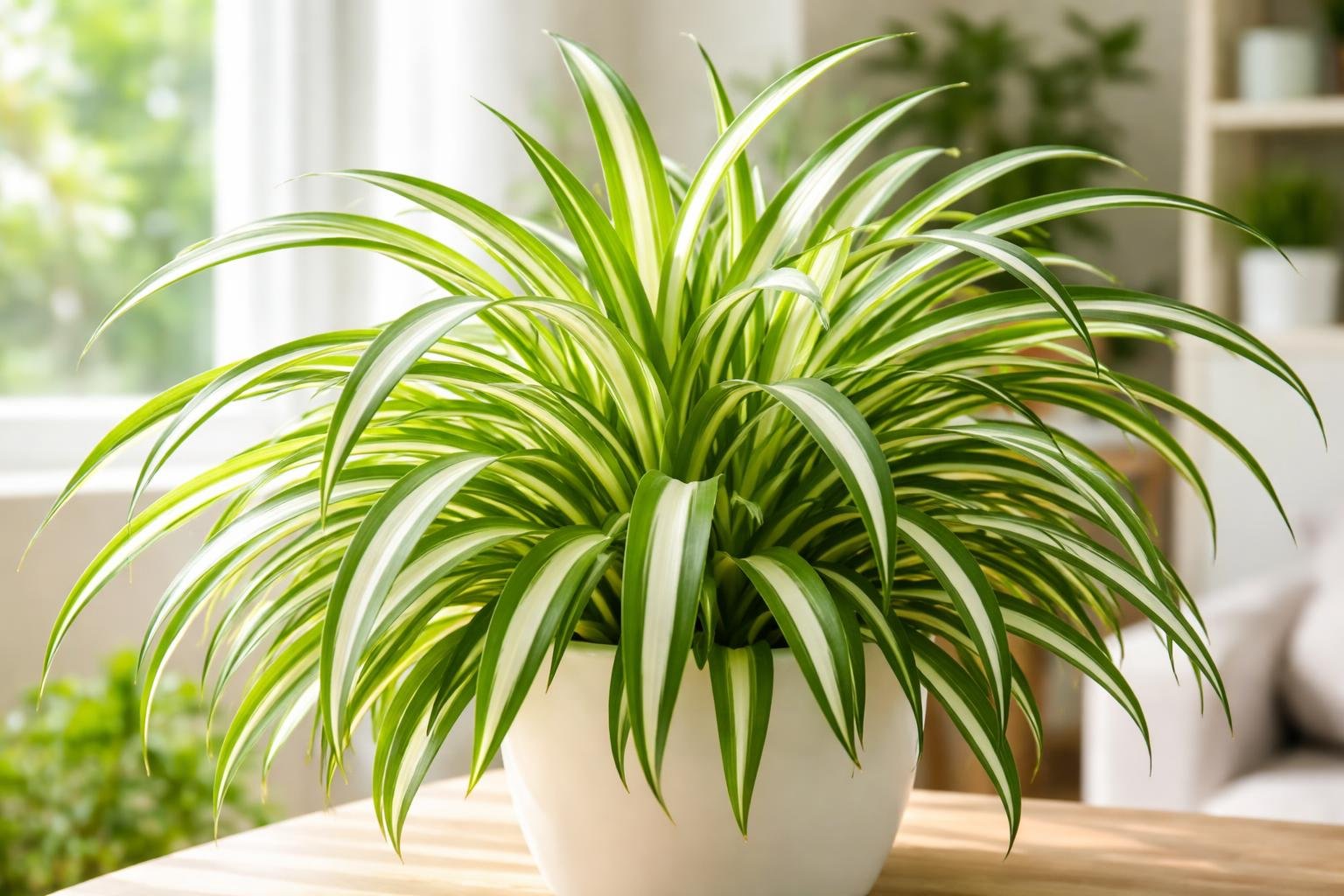
Spider plants are non-toxic to cats according to the ASPCA. You can safely keep this popular houseplant in your home without worrying about serious health risks to your feline friend.
These plants have long, thin leaves and small white flowers. They’re easy to care for and grow well in bright, indirect sunlight with well-drained soil.
You might notice your cat seems drawn to spider plants. Cats are particularly attracted to this houseplant for reasons that aren’t fully understood. While the plant isn’t poisonous, you should still discourage your cat from chewing on the leaves.
Eating large amounts of spider plant can cause minor digestive upset in cats. Your cat might experience mild stomach discomfort if they consume too much of the plant. Keep an eye on your pet’s behavior around the plant and redirect their attention when needed.
Spider plants make excellent choices for homes with cats because they won’t cause serious illness. You don’t need to worry about emergency vet visits if your cat takes a nibble.
4) Basil (Ocimum basilicum)
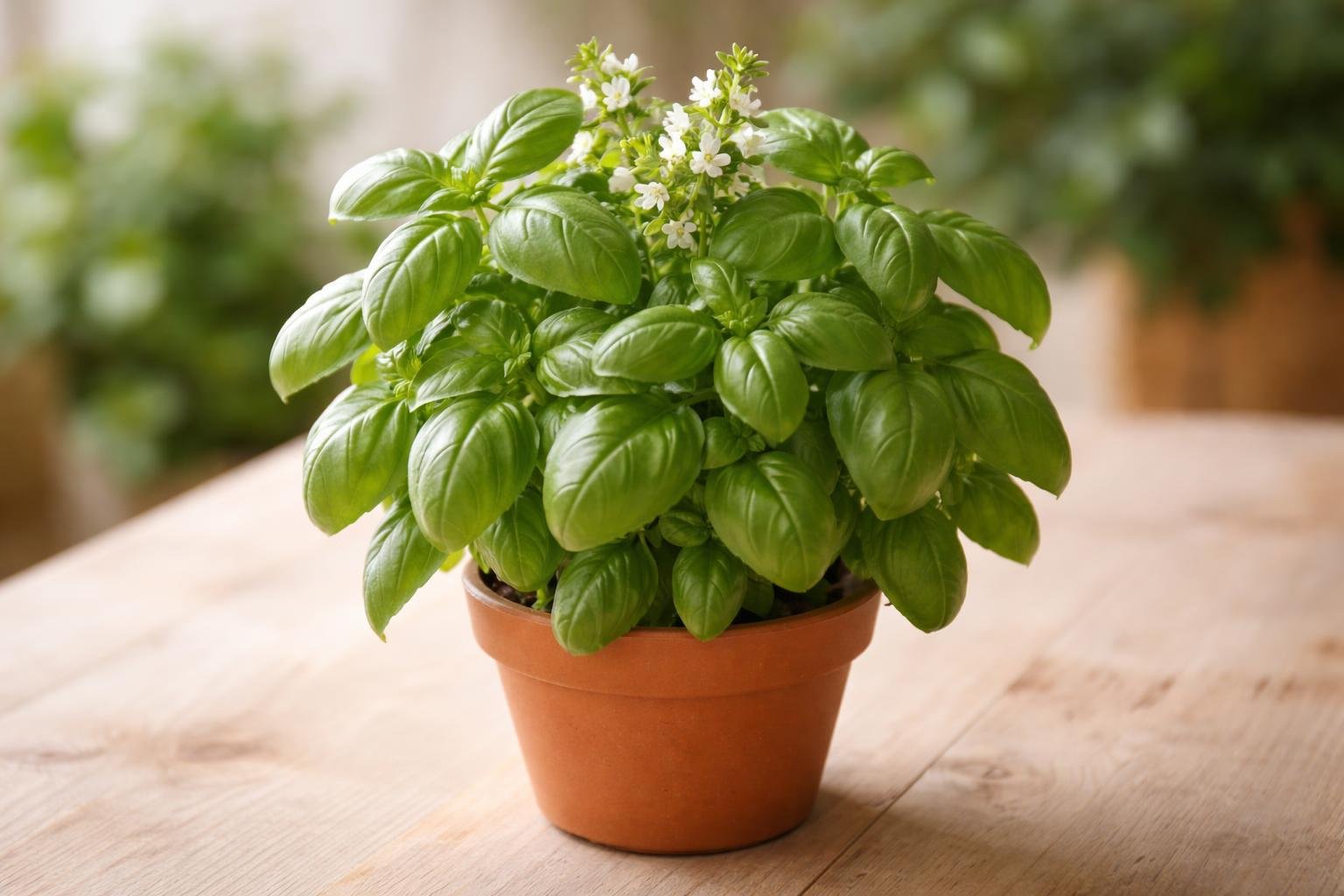
Basil is safe for your cat. This common herb from the mint family is non-toxic to cats according to the ASPCA.
Your cat can safely sniff, lick, or even nibble on basil plants without harm. The herb does not contain chemicals that damage your cat’s organs or nervous system.
If your cat shows interest in your kitchen herb garden, basil is one plant you don’t need to worry about. Small amounts are perfectly fine for cats to consume.
However, you should still use caution with basil essential oils. Only a few essential oils are safe for cats, and concentrated forms can cause problems.
Even though basil is considered safe, eating too much of any plant can upset your cat’s stomach. You might notice vomiting or diarrhea if your cat eats large amounts. Keep an eye on how much your cat consumes to avoid digestive issues.
Fresh or dried basil both pose no toxic risk to your feline friend.
5) Parlor palm (Chamaedorea elegans)
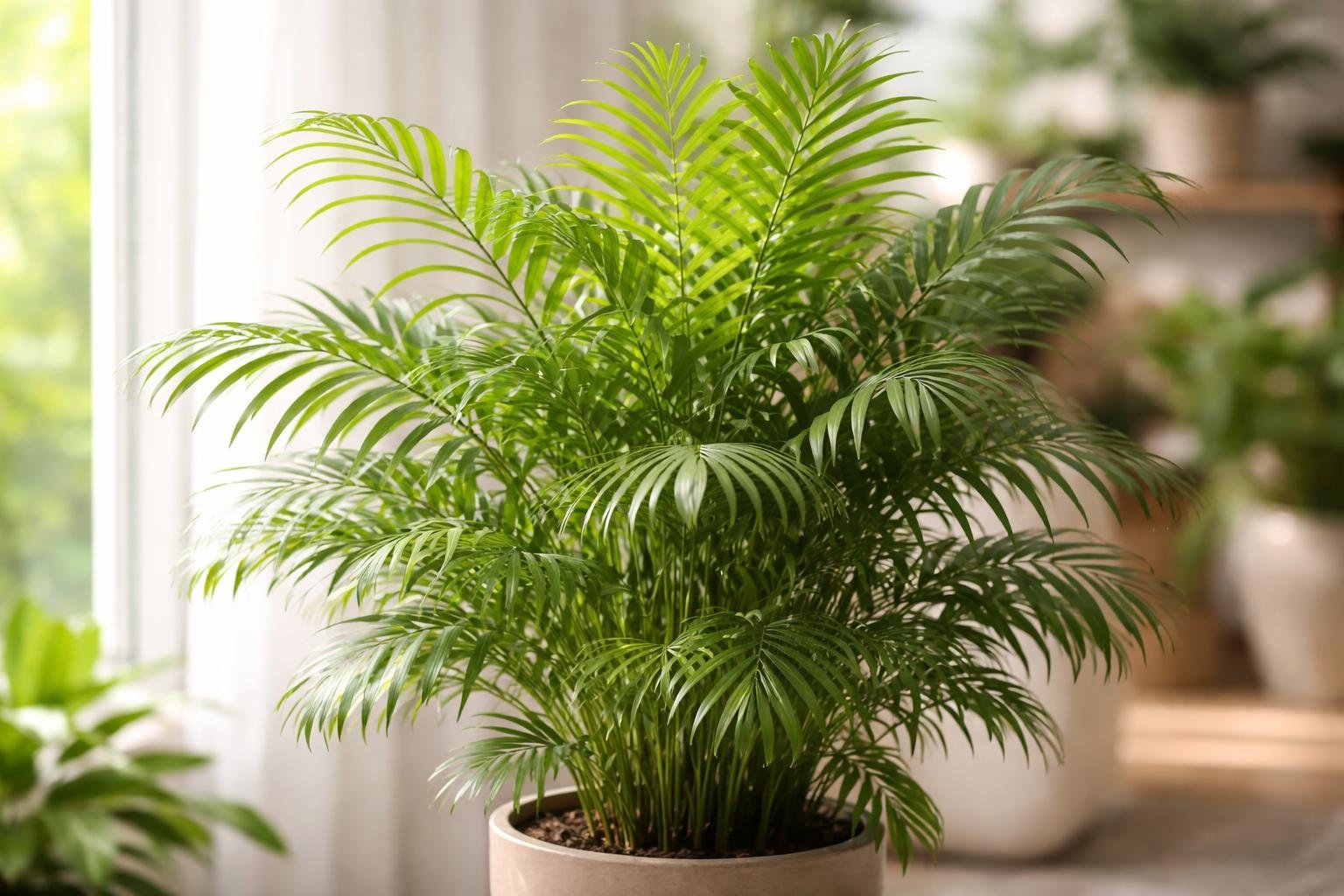
The parlor palm is non-toxic to cats according to the ASPCA. This makes it a safe choice if your cat likes to nibble on plants.
This palm tree became popular as a houseplant during the Victorian era. It remains one of the most widely sold palms today.
The parlor palm grows well indoors and adapts to artificial lighting. It needs low to medium light and doesn’t require complicated care. You can place it in rooms without bright windows.
Your cat can chew on the parlor palm’s lush green leaves without risk of poisoning. The plant is also safe for dogs and horses.
Native to the rainforests of Southern Mexico and Guatemala, these palms naturally thrive in shaded conditions. This trait makes them perfect for indoor spaces where sunlight is limited. You don’t need to worry about finding the brightest spot in your home.
6) Boston fern (Nephrolepis exaltata)
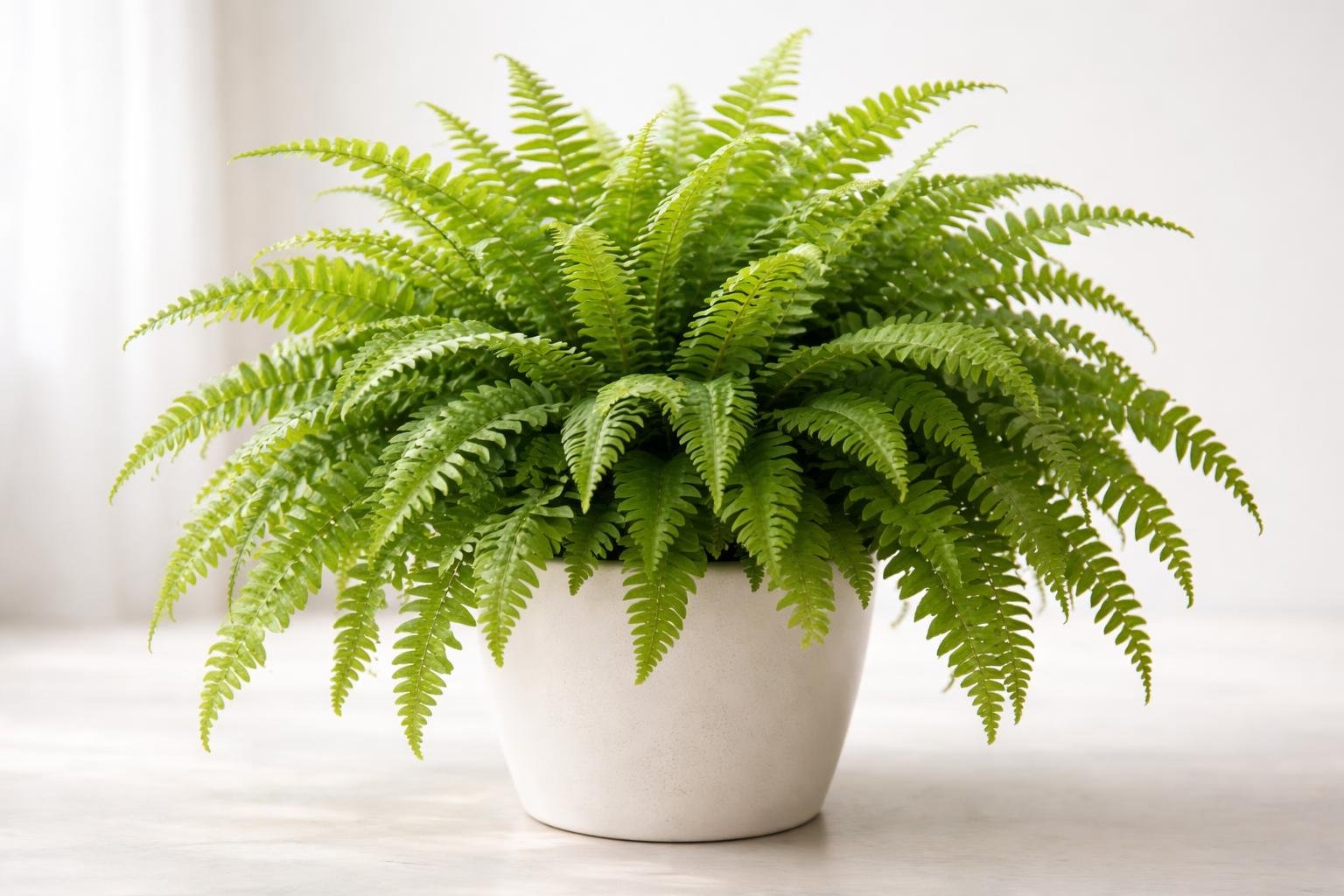
Boston ferns are non-toxic to cats, making them a safe choice for your home. These lush plants feature feathery fronds that add visual interest to any room.
The ASPCA confirms Boston ferns are safe for both cats and dogs. You don’t need to worry if your cat takes a nibble of the leaves. Even though the plant is safe, you should still monitor your pets around it.
Boston ferns prefer bright, indirect light and high humidity. They work well in bathrooms or kitchens where moisture levels are naturally higher. These ferns require consistent moisture and occasional misting to stay healthy.
The plant belongs to the Dryopteridaceae family and goes by the scientific name Nephrolepis exaltata. You can keep this hardy plant that removes impurities from the air without putting your cat at risk. Their sword-shaped fronds create a tropical look while keeping your indoor space safe for your pets.
7) African Violet (Saintpaulia)
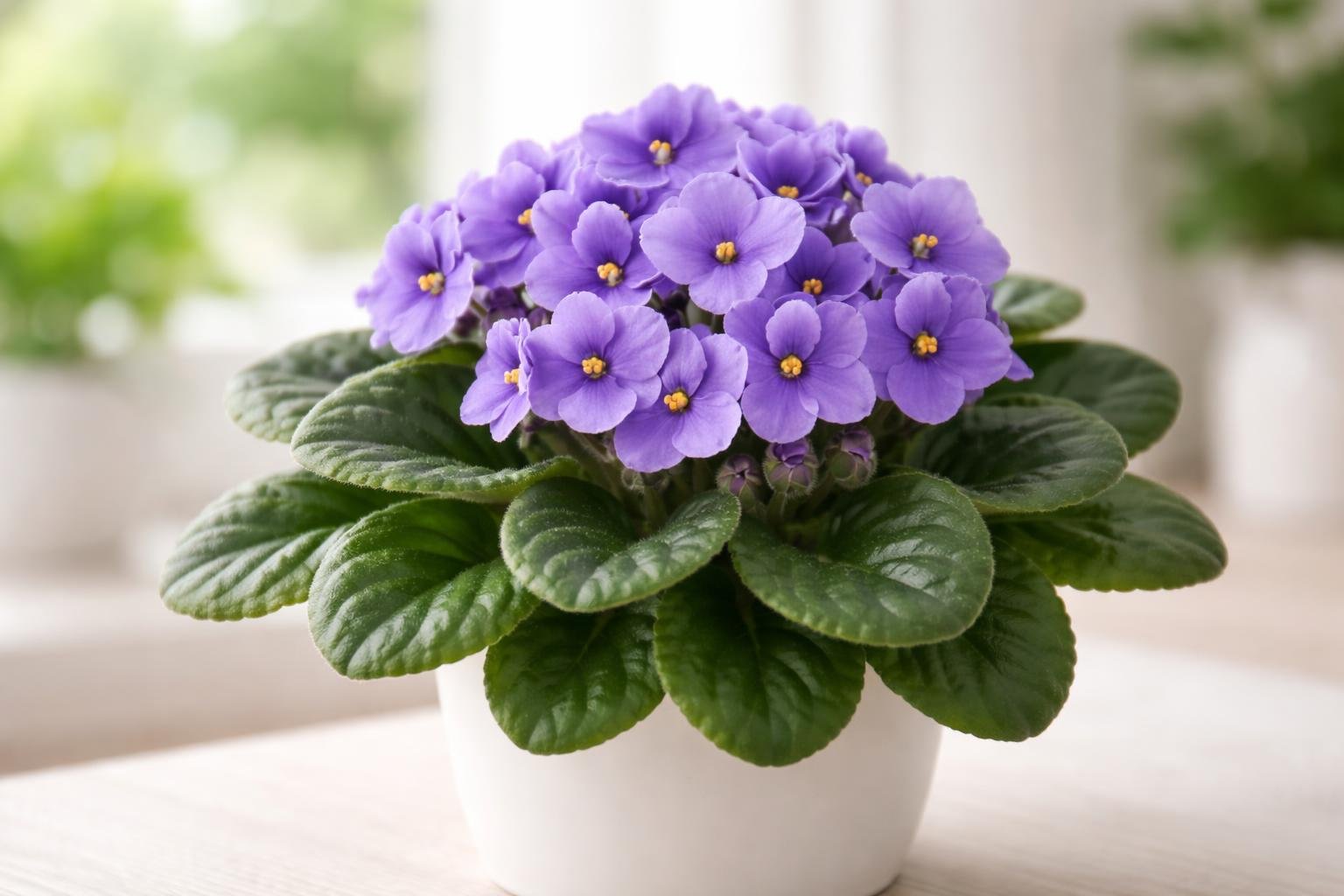
African violets are non-toxic to cats according to the ASPCA. All parts of the plant are safe, including the leaves, flowers, stems, and roots.
These popular houseplants belong to the Gesneriaceae family. You can enjoy their beautiful blooms without worrying about your cat’s safety.
African violets are safe for dogs and horses too. The plant contains no toxic principles that would harm your pets.
You should still discourage your cat from eating African violets even though they’re not poisonous. Eating any plant material can cause mild stomach upset in some cats. Keep your violets in spots where your cat is less likely to chew on them.
African violets bloom in low light and thrive in moderate temperatures. They make excellent pet-safe houseplants for your home. Their colorful flowers add beauty to your space while keeping your cat out of danger.
8) Christmas cactus (Schlumbergera)
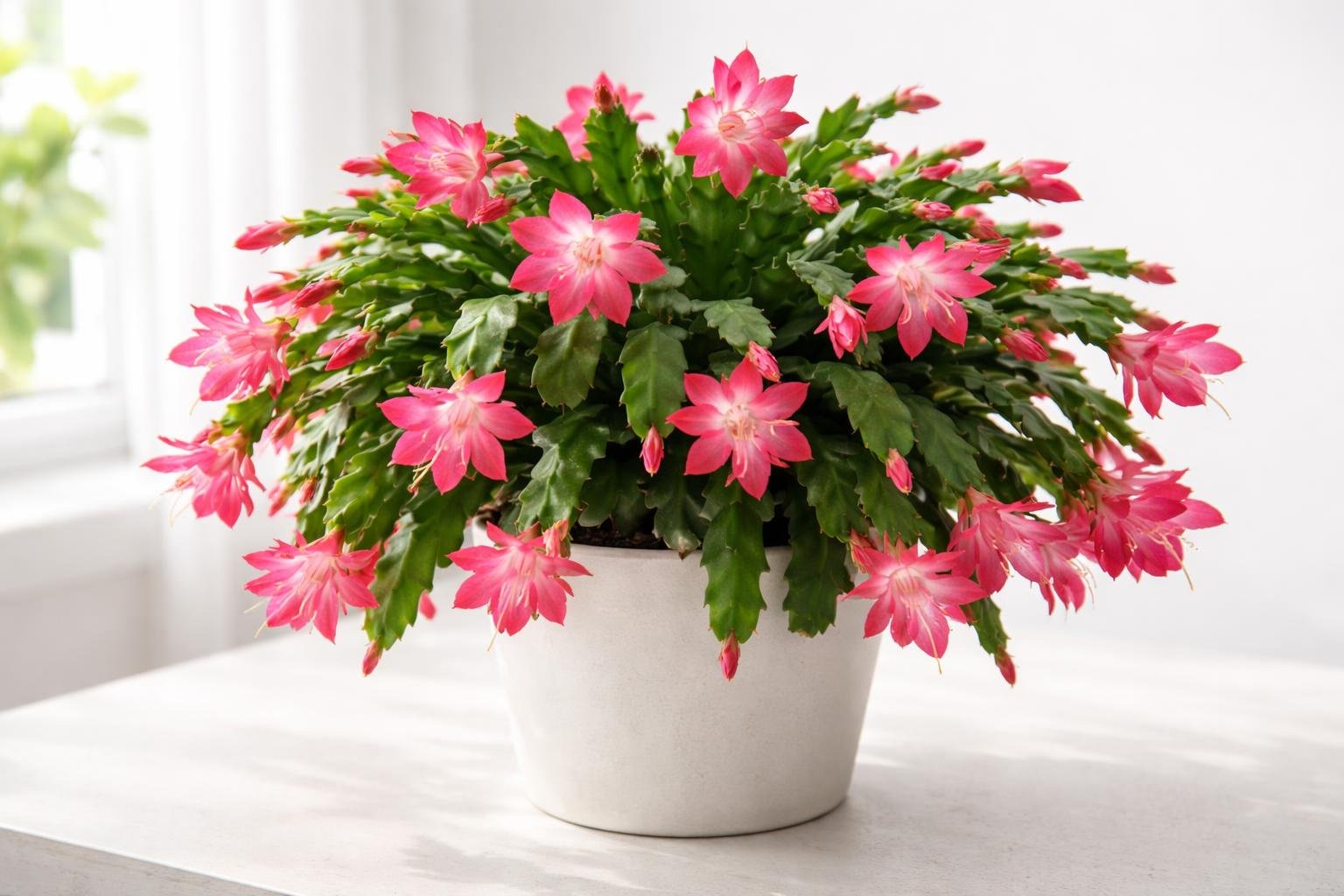
The Christmas cactus is not poisonous to cats, according to the ASPCA. You can safely display this festive plant in your home during the holidays without worrying about your cat’s safety.
This popular houseplant features pink or red flowers and cascading leaves that make it attractive for holiday decorating. The plant goes by several names, including Easter cactus and holiday cactus.
While the Christmas cactus itself is safe for cats, you should still be careful about chemicals on the plant. Fertilizers and insecticides used during growing could harm your cat if ingested.
If your cat eats part of a Christmas cactus, it may experience minor stomach upset. This typically passes quickly and doesn’t require veterinary care. However, you should still try to keep your cat from chewing on the plant to avoid any digestive discomfort.
You can enjoy this festive addition to your home knowing it won’t poison your cat.
9) Friendship plant (Pilea peperomioides)
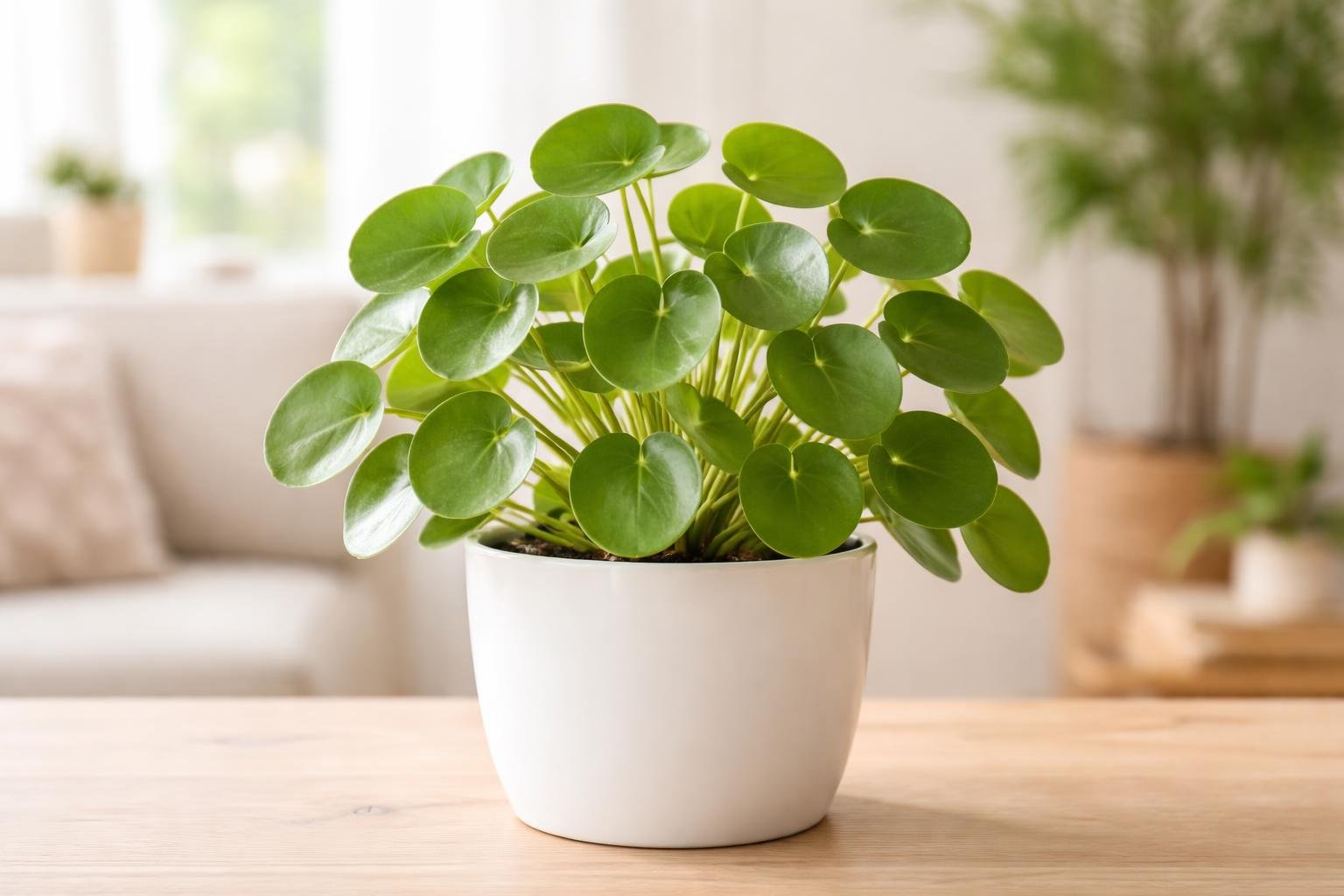
The Friendship plant, also called the Chinese Money Plant or Pancake Plant, is a safe choice for homes with cats. Pilea peperomioides is listed as non-toxic to cats, dogs, and horses by the ASPCA.
This plant belongs to the Pilea genus, which contains over 100 species of tropical plants from Central and South America. All members of the Pilea family are considered safe for your pets.
Your cat won’t experience serious harm if they nibble on the leaves. However, eating plant material can sometimes cause mild stomach upset in pets. Keep the plant in a spot where your cat is less likely to chew on it if they have a habit of eating houseplants.
The Friendship plant earned its name because it’s easy to share cuttings with others. It grows well in indirect light and adds a unique look to your home with its round, flat leaves. You can enjoy this pet-friendly houseplant without worrying about your cat’s safety.
10) Areca palm (Dypsis lutescens)
The Areca palm is a safe choice for cat owners. This tropical plant, also known as the butterfly palm or golden cane palm, poses no threat to your feline friends.
The ASPCA confirms that Areca palms are non-toxic to cats, dogs, and horses. You can place this plant anywhere in your home without worrying about your cat’s safety.
The plant features long, arching fronds with narrow, feathery leaflets. It adds a tropical look to your indoor spaces while keeping your pets safe. Native to Madagascar, this palm grows tall and creates an elegant focal point in any room.
You don’t need to panic if your cat chews on the leaves. The Areca palm contains no toxic compounds that would harm your pet. This makes it one of the better options for households with curious cats who like to explore plants.
The plant also offers air-purifying benefits. You get both a beautiful decoration and cleaner air without risking your cat’s health.
Understanding Why Some Flowers And Plants Are Safe For Cats
Certain plants lack the toxic compounds that harm cats, while many supposed dangers to felines turn out to be based on incomplete information or confusion with other species.
Cat-Friendly Plant Compounds
Cat-safe plants and flowers don’t contain the specific chemical compounds that trigger toxic reactions in felines. These plants have different structures and chemistry that your cat’s body can handle without problems.
Safe plants typically lack alkaloids, glycosides, and other harmful substances that cause symptoms like vomiting or organ damage. Your cat might still chew on these plants without facing serious health risks. The compounds in safe flowers break down in ways that don’t create toxic byproducts in your cat’s digestive system.
Some plants produce compounds that are toxic to other animals but harmless to cats. This happens because cats process certain chemicals differently than dogs or humans do. Their liver enzymes work in specific ways that make some substances dangerous while leaving others completely safe.
Common Toxicity Myths Dispelled
Not all flowers that are safe for dogs are toxic to cats, though lilies remain highly dangerous to felines while only causing mild stomach upset in dogs. You need to check species-specific information rather than assuming all pets react the same way.
Common plant names can mislead you into thinking a plant is dangerous when it’s actually safe. Using the scientific name helps avoid confusion since many different plants share similar common names. A plant called “palm” might be completely safe while another “palm” variety could pose risks.
The amount of plant material your cat eats matters more with some plants than others. Safe plants remain non-toxic regardless of quantity, while truly dangerous plants can cause harm even in small amounts.
Tips For Introducing New Plants Into Cat Households
Bringing new plants home requires careful planning to keep your cat safe and help them adjust to the greenery in their space. Start with slow introductions and set up your home to prevent unwanted nibbling or accidents.
Observation And Gradual Introduction
Place new plants in a single room where you can watch how your cat reacts to them. Keep the door closed for the first few days so your cat can’t access the plants unsupervised.
When you do introduce your cat to the plant, stay in the room and observe their behavior closely. Some cats will ignore plants completely, while others may try to smell, bat at, or chew the leaves. Even non-toxic plants can cause vomiting or diarrhea if your cat eats them.
If your cat shows interest in the plant, redirect their attention with a toy or treat. You can also provide cat grass as an alternative for cats who like to chew on greenery. Move the plant to its permanent spot only after your cat loses interest or ignores it consistently for several days.
Creating A Cat-Safe Environment
Place plants out of reach by using:
- High shelves your cat cannot jump to
- Hanging planters with secure hooks
- Closed rooms like bathrooms or offices
- Plant stands with sturdy bases that won’t tip over
Cover the soil with smooth river rocks or aluminum foil to discourage digging. Cats often dig in potting soil, which can create a mess and expose them to fertilizers or soil additives.
Spray bottle training can help deter persistent plant-chewers, but never use it as punishment. A gentle spritz when your cat approaches the plant teaches them to avoid it. You can also apply bitter apple spray to plant leaves to make them taste unpleasant, though this needs reapplication every few days.
Leave a Reply