Deciding when to euthanize a beloved cat is one of the most painful choices you’ll face as a pet owner. You should consider putting your cat down when their quality of life has diminished to the point where they experience more suffering than joy, often indicated by unmanageable pain, inability to eat or drink, difficulty breathing, or loss of interest in normal activities. This decision requires careful evaluation of your cat’s physical condition, behavior changes, and overall well-being.

Understanding when to put a cat down involves assessing multiple factors beyond just a terminal diagnosis. Your cat’s daily comfort, their ability to perform basic functions, and whether treatments are improving or merely prolonging suffering all play crucial roles in this decision.
Working with your veterinarian can help you evaluate your cat’s condition objectively and determine the most compassionate path forward. This article will guide you through the signs to watch for, quality-of-life assessments you can perform, and the practical considerations involved in making this difficult but loving choice.
Key Takeaways
- Assess your cat’s quality of life by monitoring pain levels, eating habits, mobility, and engagement with daily activities
- Deciding when to euthanize a cat requires evaluating your cat’s health status alongside your personal principles and caregiving capabilities
- Consult with your veterinarian to understand treatment options and make an informed decision that prioritizes your cat’s comfort and dignity
Understanding Cat Euthanasia

Cat euthanasia involves a veterinarian administering medication to peacefully end your cat’s life when they are suffering from terminal illness, severe injury, or irreversible decline in quality of life. The procedure uses controlled substances to ensure a pain-free passing.
What Is Cat Euthanasia?
Cat euthanasia is a medical procedure where a veterinarian intentionally ends your cat’s life to prevent further suffering. The term comes from Greek words meaning “good death.”
This option becomes relevant when your cat faces terminal conditions like advanced cancer, untreatable kidney failure, or severe trauma. It’s also considered when chronic pain cannot be managed effectively with medication or when your cat has lost the ability to perform basic functions like eating, drinking, or moving without distress.
Euthanasia differs from natural death because it prevents the prolonged suffering that often accompanies the final stages of serious illness. Veterinarians perform this procedure using pharmaceutical agents specifically designed for this purpose. The decision requires consultation with your veterinarian, who can assess your cat’s medical condition and help you understand whether treatment options remain viable.
How the Euthanasia Process Works
The euthanasia procedure for cats typically involves two injections administered by a licensed veterinarian. Your veterinarian will first give your cat a sedative to help them relax and become unconscious.
Once your cat is fully sedated and unaware, the veterinarian administers a second injection containing a concentrated anesthetic agent, usually pentobarbital. This medication stops brain function and heart activity within seconds to minutes. Your cat feels no pain during this process.
You can choose to be present during the procedure or step out of the room. Many veterinarians offer in-home euthanasia services so your cat can pass in familiar surroundings. The entire process usually takes 10 to 20 minutes from start to finish. Your veterinarian will confirm your cat has passed by checking for a heartbeat and breathing.
Why Euthanasia Is Considered Humane
Euthanasia for cats is considered humane because it prevents unnecessary suffering when no treatment can restore quality of life. Cats instinctively hide pain and discomfort, which means they may endure significant distress that isn’t immediately visible to you.
The procedure provides a controlled, peaceful passing rather than allowing your cat to experience the physical deterioration of terminal illness. Natural death from disease often involves pain, difficulty breathing, seizures, or organ failure that can last hours or days.
Veterinary professionals view euthanasia as a final act of compassion when medical intervention can no longer help your cat. The medications used work quickly and eliminate consciousness before any discomfort occurs. This allows you to spare your cat from the fear and pain associated with dying from disease or injury while giving you the opportunity to be present during their final moments.
When to Put a Cat Down: Key Signs to Look For
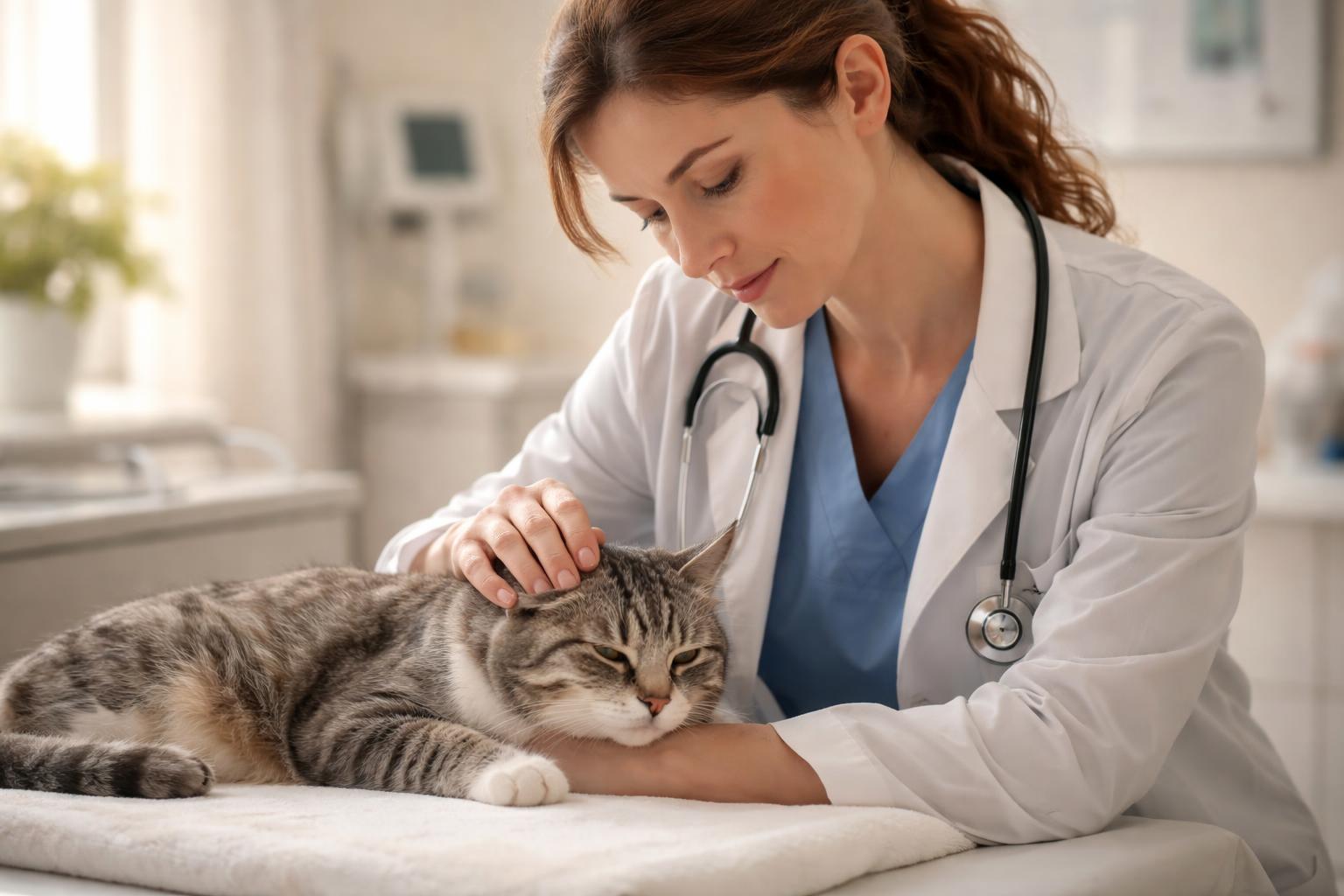
Recognizing when your cat’s quality of life has deteriorated to the point where euthanasia may be the most compassionate option requires careful observation of physical health, behavior, and pain levels. These indicators help you make an informed decision about your cat’s end-of-life care.
Physical Indicators of Declining Health
Your cat’s physical condition provides clear signals about their overall health status. Watch for persistent difficulty breathing, which may appear as labored respiration, open-mouth breathing, or rapid chest movements. These respiratory issues often indicate serious underlying conditions.
Deteriorating mobility and physical condition are significant warning signs. Your cat may struggle to stand, walk, or jump to previously accessible locations. Severe weight loss despite eating, or complete loss of appetite for several days, signals that your cat’s body is failing.
Additional physical signs include:
- Chronic vomiting or diarrhea that doesn’t respond to treatment
- Dehydration shown by sunken eyes and dry gums
- Uncontrolled seizures or neurological symptoms
- Inability to regulate body temperature
- Incontinence or loss of bladder and bowel control
Terminal illnesses like renal failure, cancer, or heart disease often progress to a point where treatment no longer improves your cat’s condition.
Behavioral and Emotional Changes
Your cat’s behavior shifts dramatically when they’re approaching the end of life. They may withdraw from family members, hide in unusual places, or show no interest in activities they once enjoyed. Some cats become unusually clingy or vocal as they experience discomfort.
Changes in hygiene and litter box behavior are telling indicators. Cats who stop grooming themselves or eliminate outside the litter box may lack the physical ability or mental awareness to maintain normal habits. This represents a significant decline in their wellbeing.
You may notice your cat no longer responds to your presence or their name. They might stare blankly or seem confused about their surroundings. Loss of interest in food, water, and interaction with other pets indicates serious distress.
Chronic Pain and Suffering
Assessing whether your cat is suffering helps determine when to euthanize a cat. Pain manifests through persistent crying, growling when touched, or aggressive reactions to handling. Your cat may exhibit a hunched posture, flattened ears, or rapid breathing even at rest.
Unmanaged pain that doesn’t improve with medication means your cat experiences constant discomfort. Watch for reluctance to move, inability to find a comfortable position, or restlessness despite exhaustion. Your cat might have more bad days than good days, which diminishes their quality of life significantly.
Consider using a quality-of-life assessment tool to evaluate your cat’s daily experience objectively. These tools measure factors like pain control, appetite, mobility, and happiness to help you determine if suffering outweighs any remaining enjoyment in your cat’s life.
Cat Quality-of-Life Assessment

Assessing your cat’s quality of life involves systematic evaluation tools that measure daily experiences and physical capabilities. These assessments help determine whether your cat’s needs are being met and if medical intervention or end-of-life decisions should be considered.
Using Quality-of-Life Scales
Quality-of-life assessment tools provide structured frameworks to evaluate your cat’s well-being across multiple dimensions. These scales typically measure factors such as pain levels, appetite, mobility, hygiene, breathing comfort, and ability to engage in normal behaviors.
Most scales use numerical ratings or descriptive categories for each factor. You assign scores based on your observations, then total them to determine overall quality of life. Some veterinarians use the HHHHHMM scale, which evaluates Hurt, Hunger, Hydration, Hygiene, Happiness, Mobility, and More good days than bad.
Regular measurement using these scales helps track changes over time rather than relying on subjective impressions. Document your assessments weekly or monthly to identify gradual declines that might otherwise go unnoticed.
Evaluating Good Days vs. Bad Days
Tracking the ratio of good days to bad days provides practical insight into your cat’s quality of life. A good day means your cat shows interest in surroundings, eats willingly, seeks interaction, and moves without obvious distress.
Bad days include increased pain behaviors, refusal to eat, inability to reach the litter box, withdrawal from family, or labored breathing. Keep a simple calendar marking each day as positive, neutral, or negative.
When bad days consistently outnumber good days, quality of life has significantly declined. This pattern indicates your cat experiences more suffering than comfort, which becomes an important factor when considering euthanasia timing.
Role of Caregiver Well-Being
Your physical and emotional capacity to provide care directly impacts your cat’s quality of life. Exhaustion, financial strain, or inability to manage complex medical needs can compromise the level of care your cat receives.
Honest assessment of your limitations does not reflect failure as a caregiver. Consider whether you can maintain required medication schedules, perform necessary treatments, or provide adequate monitoring. Your stress levels and sleep deprivation affect your ability to make clear decisions.
Support resources like hospice veterinary services can extend your caregiving capacity. However, recognizing when care demands exceed your sustainable capabilities becomes part of the broader quality-of-life evaluation for both you and your cat.
Working With Veterinarians and End-of-Life Services

Professional veterinary guidance provides essential support during end-of-life decisions, offering medical assessments, pain management options, and peaceful euthanasia services. Your veterinarian can help you evaluate your cat’s condition objectively and explore care options that prioritize comfort.
Consulting Your Veterinarian
Your veterinarian plays a central role in assessing your cat’s quality of life and helping you make informed decisions. They can evaluate physical symptoms, pain levels, and your cat’s overall well-being through examinations and diagnostic tests.
During consultations, ask specific questions about your cat’s prognosis, treatment options, and expected disease progression. Veterinarians familiar with end-of-life care can explain how symptoms might worsen and whether interventions can improve your cat’s comfort.
Your veterinarian should maintain compassion and provide objective guidance without judgment. They can offer quality-of-life assessment tools to help you track good days versus bad days. These conversations should cover all available options, including palliative care, hospice, and euthanasia for cats.
Palliative and Hospice Care for Cats
Palliative care focuses on managing pain and discomfort to improve your cat’s quality of life without attempting to cure the underlying condition. This approach includes pain medications, anti-nausea drugs, appetite stimulants, and other treatments that address specific symptoms.
Hospice care extends palliative measures while providing support during your cat’s final weeks or months. Your veterinarian can create a care plan tailored to your cat’s needs, which may include prescription medications, dietary modifications, and guidance on comfort measures you can provide at home.
These options allow your cat to remain in familiar surroundings while receiving medical support. Regular check-ins with your veterinarian help adjust treatments as your cat’s condition changes. Palliative and hospice care work best when you can commit to monitoring your cat’s comfort level and administering medications as prescribed.
In-Home Euthanasia Services like Lap of Love
In-home euthanasia allows your cat to pass peacefully in familiar surroundings without the stress of travel. Services like Lap of Love provide veterinarians who specialize in compassionate end-of-life care and come to your residence.
The process typically involves an initial sedative that helps your cat relax, followed by the euthanasia solution administered once your cat is comfortable. You can choose your cat’s favorite location in your home and have family members present.
Mobile euthanasia veterinarians often provide more time for the appointment than traditional clinic visits. They can discuss aftercare options, including cremation services and memorialization choices. Many pet owners find home euthanasia reduces anxiety for both themselves and their cats during this difficult time.
Emotional and Practical Considerations for Pet Owners
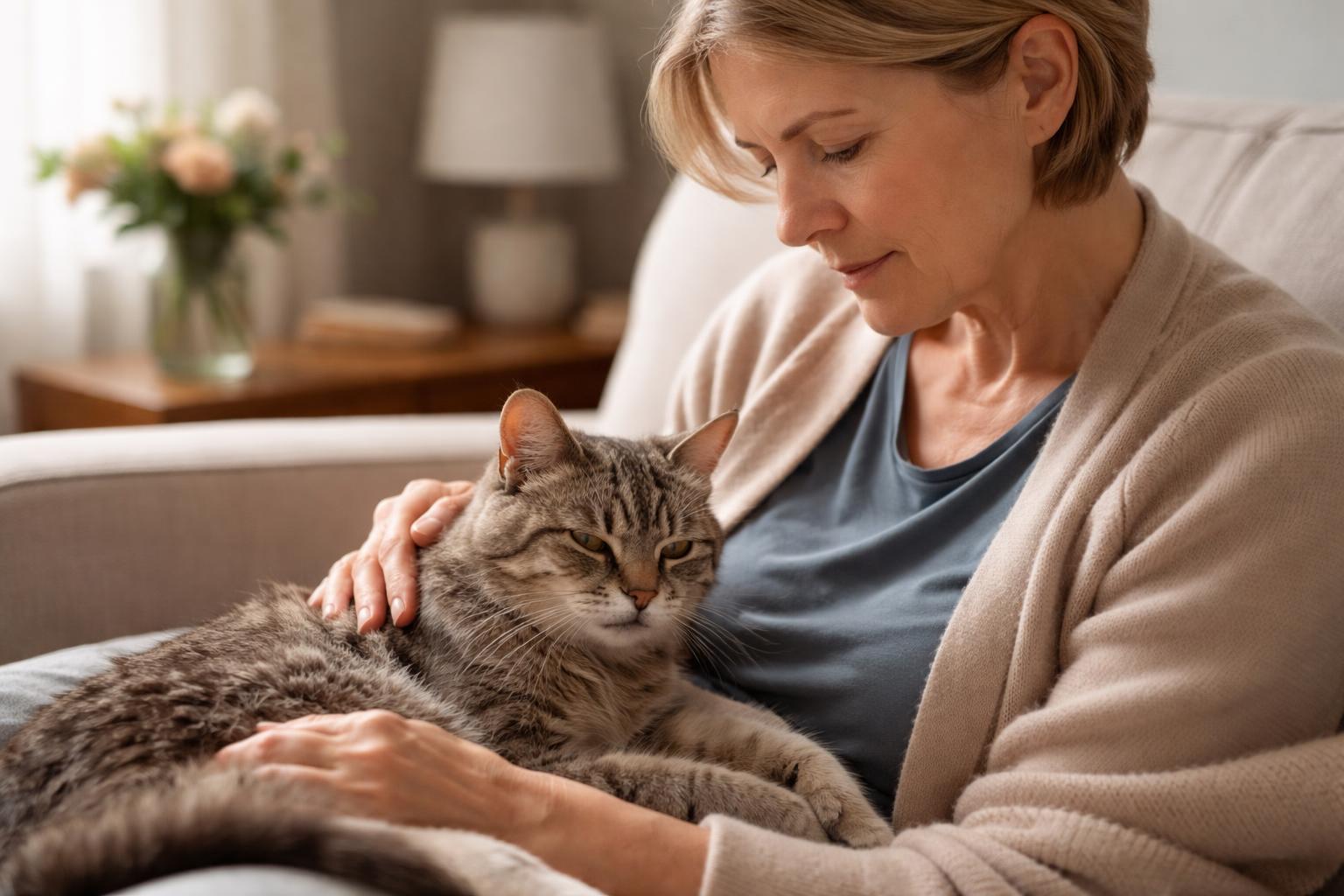
The decision to euthanize a cat involves navigating intense emotions while managing practical realities like family dynamics and financial constraints. Understanding these interconnected aspects helps you make a choice aligned with both your cat’s welfare and your circumstances.
Coping With the Decision
The emotional weight of deciding when to put a pet down creates anticipatory grief, guilt, and second-guessing before the procedure even occurs. These feelings are normal responses to losing a companion you’ve cared for through years or even decades.
You may benefit from speaking with your veterinarian about your concerns without judgment. They can provide clarity on your cat’s medical status and quality of life factors.
Common emotional challenges include:
- Wondering if you’re acting too soon or waiting too long
- Feeling responsible for ending your cat’s life
- Experiencing grief before the actual loss occurs
- Questioning whether your cat would want more time
Pet loss counseling and support groups can help during the grieving process as you work through these complex emotions. Professional guidance offers perspective when you’re struggling to think clearly during this difficult time.
Family Discussions and Value Alignment
When multiple people care for the cat, disagreements about timing can create additional stress. Children, partners, or other household members may have different thresholds for when to euthanize a cat based on their personal values and attachment levels.
Hold a family meeting to discuss your cat’s current condition openly. Share observations about pain levels, mobility changes, eating habits, and behavioral shifts that each person has noticed.
Some family members may prioritize extending life regardless of suffering, while others focus on preventing any discomfort. Finding common ground requires honest dialogue about what serves your cat’s interests rather than human emotional needs.
If consensus seems impossible, consider involving your veterinarian in a family discussion. Their medical expertise can help everyone understand the cat’s prognosis and likely trajectory without treatment or with palliative care.
Financial and Logistical Factors
The cost of end-of-life care varies significantly based on location and services chosen. In-home euthanasia typically costs more than clinic procedures but provides comfort and privacy during your cat’s final moments.
Financial considerations include:
- Euthanasia procedure fees ($50-$500 depending on location and setting)
- Aftercare options like cremation or burial
- Transportation if using a clinic
- Memorial items or keepsakes
Some veterinary practices offer payment plans or work with care credit programs. Animal welfare organizations occasionally provide financial assistance for euthanasia when cost prevents a humane decision.
Deciding between at-home or clinic euthanasia affects both logistics and your cat’s final experience. Home procedures eliminate stressful car rides but require scheduling and may take longer to arrange than clinic visits.
Aftercare and Honoring Your Cat
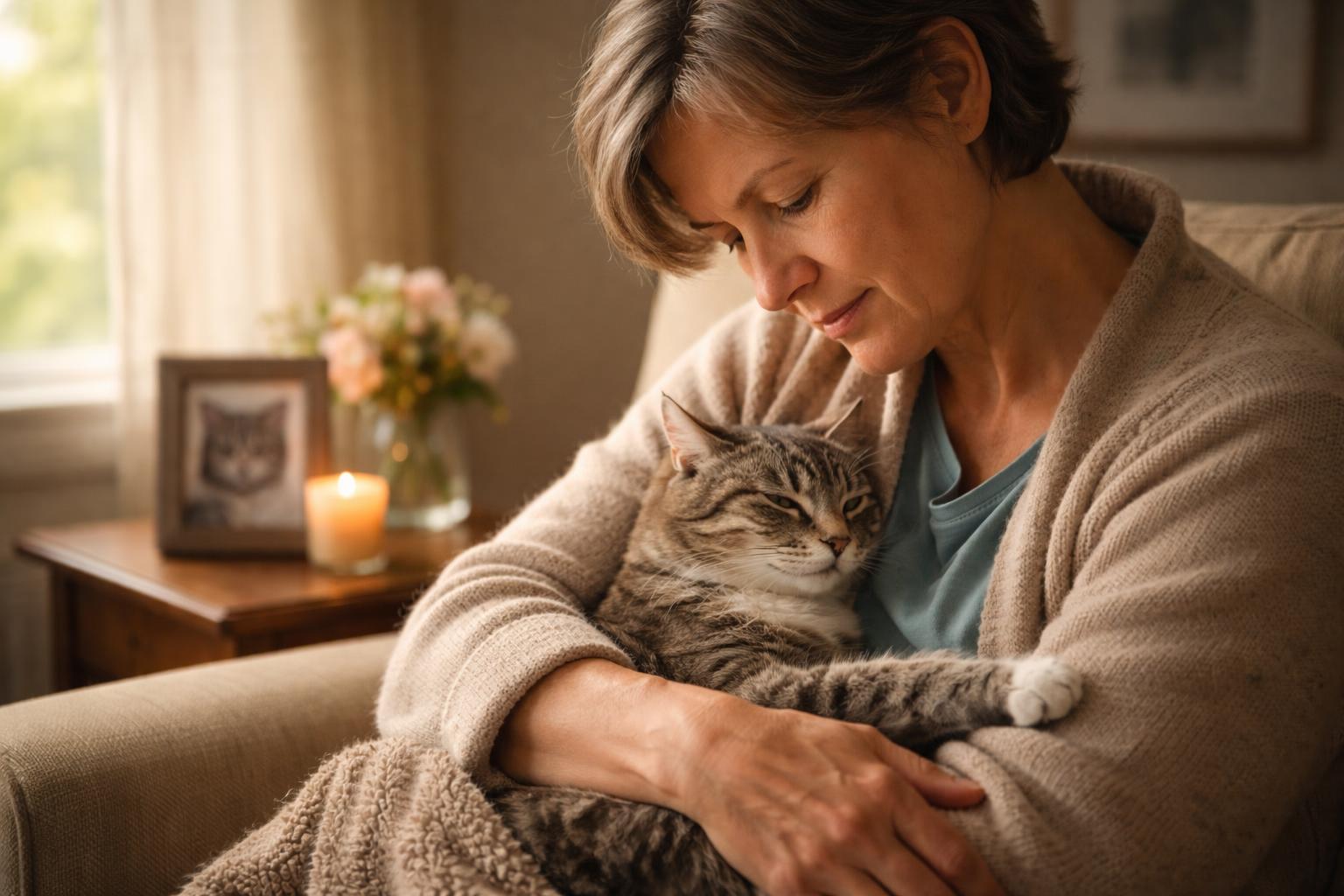
After cat euthanasia, you have several options for handling your cat’s remains and creating lasting tributes to their memory. These decisions allow you to say goodbye in a way that feels meaningful to you.
Aftercare Options: Burial and Cremation
You can choose between home burial, cemetery burial, or cremation for your cat’s remains. Home burial requires checking local regulations, as some municipalities prohibit pet burials on private property. If allowed, select a spot at least three feet deep and away from water sources.
Pet cemeteries offer dedicated spaces with maintenance included. These facilities provide marked graves and sometimes memorial services.
Cremation comes in three forms:
- Private cremation: Your cat is cremated alone, and you receive only their ashes
- Individual cremation: Your cat is cremated separately but with other pets, with minimal ash mixing
- Communal cremation: Multiple pets are cremated together, and ashes are not returned
Your veterinarian can arrange cremation services and provide urns or containers for ashes. Many veterinary clinics partner with cremation facilities and handle the logistics on your behalf.
Memorializing Your Cat
Creating a memorial helps process grief and celebrate your cat’s life. Physical memorials include planting a tree or garden in your cat’s favorite outdoor spot, displaying their photo in a special frame, or creating a shadow box with their collar and toys.
You can commission custom artwork, jewelry containing their ashes, or paw print keepsakes. Some pet owners maintain digital memorials through online tribute pages or photo albums.
Consider donating to animal shelters or rescue organizations in your cat’s name. This honors their memory while helping other cats in need.
Leave a Reply