How Much Wet Food to Feed a Cat: A Complete Guide by Age, Weight and Lifestyle
Figuring out how much wet food to feed your cat can feel overwhelming with so many different recommendations out there. Most healthy adult cats need about 3 to 5 ounces of wet food per day, but the exact amount depends on your cat’s age, weight, activity level, and the specific food you choose. A kitten burns through calories much faster than a senior cat, and an active outdoor cat has different needs than one who lounges indoors all day.
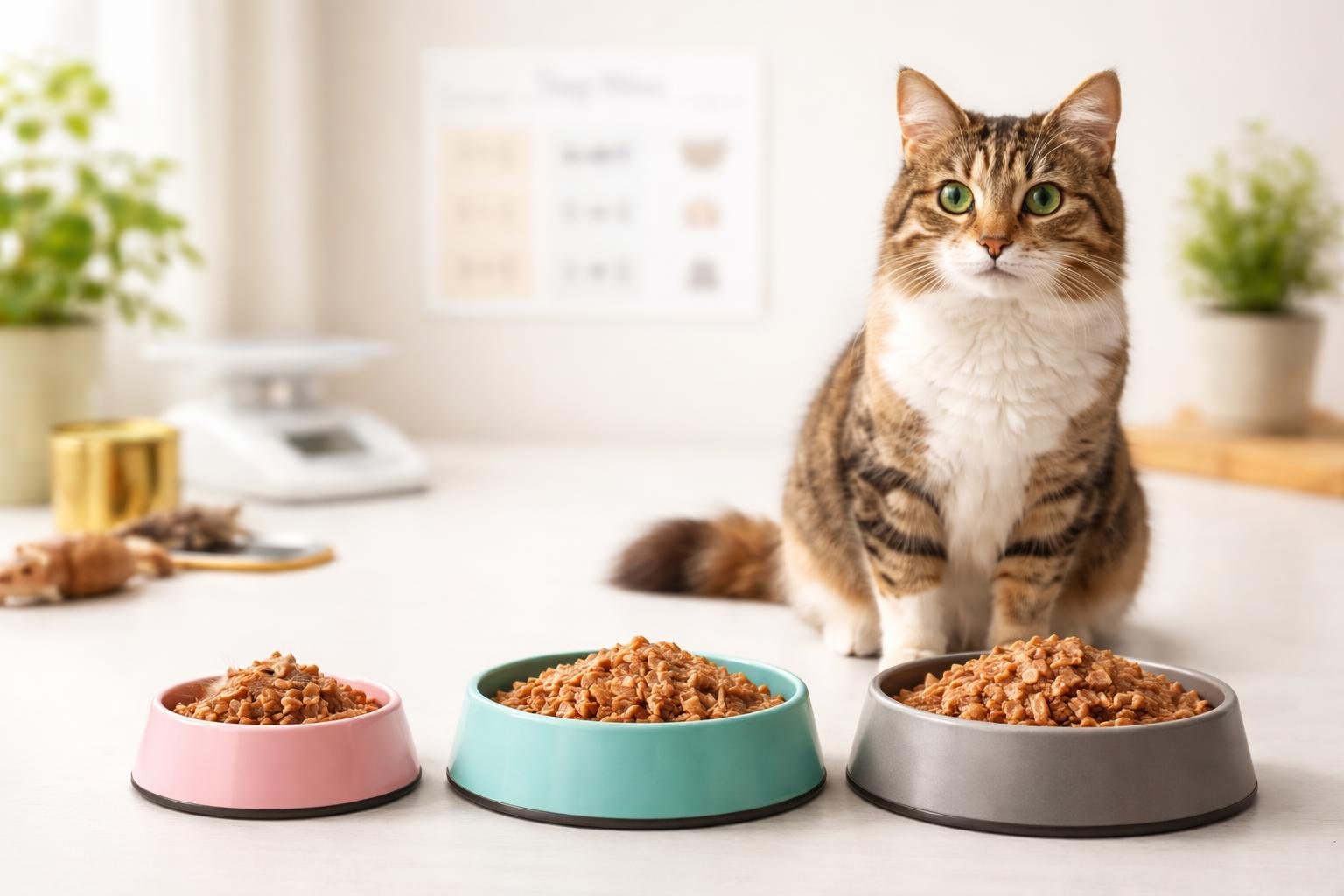
Getting your cat’s portions right helps maintain a healthy weight and prevents problems like obesity or malnutrition. You need to look beyond just scooping food into a bowl and instead consider your cat’s individual needs. The labels on cat food cans provide guidelines, but they don’t tell the whole story about what your specific cat requires.
This guide breaks down exactly how to calculate the right amount of wet food for your cat based on their unique characteristics. You’ll learn how to read food labels, adjust portions as your cat ages, and even how to mix wet and dry food if that works better for your household.
Key Factors Influencing Wet Food Portions
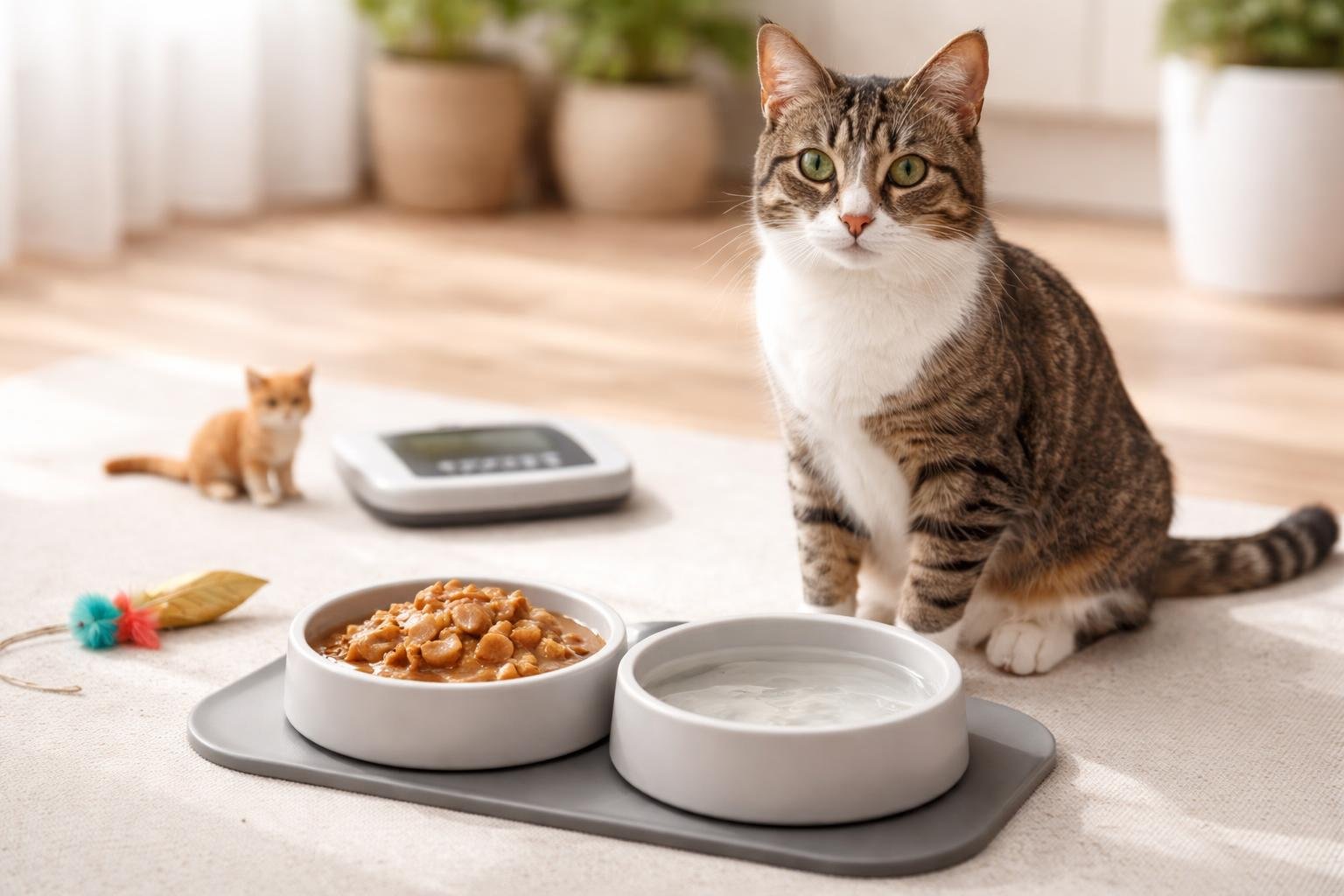
Your cat’s wet food portions depend on multiple factors that work together to determine daily calorie needs. The right amount changes based on age, current weight, how active your cat is, and any health issues they may have.
Age and Life Stage
Kittens need significantly more calories per pound than adult cats because they’re growing rapidly. A kitten requires about twice the calories of an adult cat of the same weight. They should eat three to four times daily until they’re six months old.
Adult cats between one and seven years old have stable energy needs. Most healthy adult cats need about 3-5 ounces of wet food per day, though the exact amount varies.
Senior cats over seven years old often become less active and may need fewer calories. However, some older cats actually need more food if they’re losing muscle mass or have certain health conditions. You’ll need to monitor their weight closely and adjust portions as they age.
Weight and Body Condition
Your cat’s ideal weight determines their resting energy requirement, which is the baseline for calculating how much wet food to feed a cat. A general guideline is approximately 3 to 4 ounces of wet food per 5 pounds of body weight per day.
If your cat is overweight, you should base portions on their target weight, not their current weight. Feeding based on actual weight when a cat is heavy will maintain the excess pounds rather than help them lose weight.
Underweight cats need more calories to reach a healthy body condition. Your vet can help you determine if your cat needs weight gain portions or if an underlying health issue is causing the low weight.
Lifestyle and Activity Level
Indoor cats typically need fewer calories than outdoor cats because they move around less. An indoor cat might need 20-30% fewer calories than an active outdoor cat of the same weight.
Your cat’s activity level directly affects their energy needs:
- Very active cats: Need more calories to maintain their energy output
- Moderately active cats: Require standard portions based on weight
- Sedentary cats: Need reduced portions to prevent weight gain
Cats that hunt, play frequently, or have access to outdoor spaces burn more calories throughout the day. You’ll need to increase their cat food portions to match their energy expenditure.
Underlying Health Considerations
Certain health conditions change how much you should feed your cat. Diabetes, kidney disease, and hyperthyroidism all affect calorie needs and may require special diets.
Pregnant and nursing cats need substantially more food. A pregnant cat requires about 25% more calories, while nursing mothers may need two to three times their normal amount depending on litter size.
Cats recovering from surgery or illness often have increased calorie needs for healing. Your vet will provide specific feeding instructions based on your cat’s condition and recovery stage.
Age-Based Wet Food Guidelines
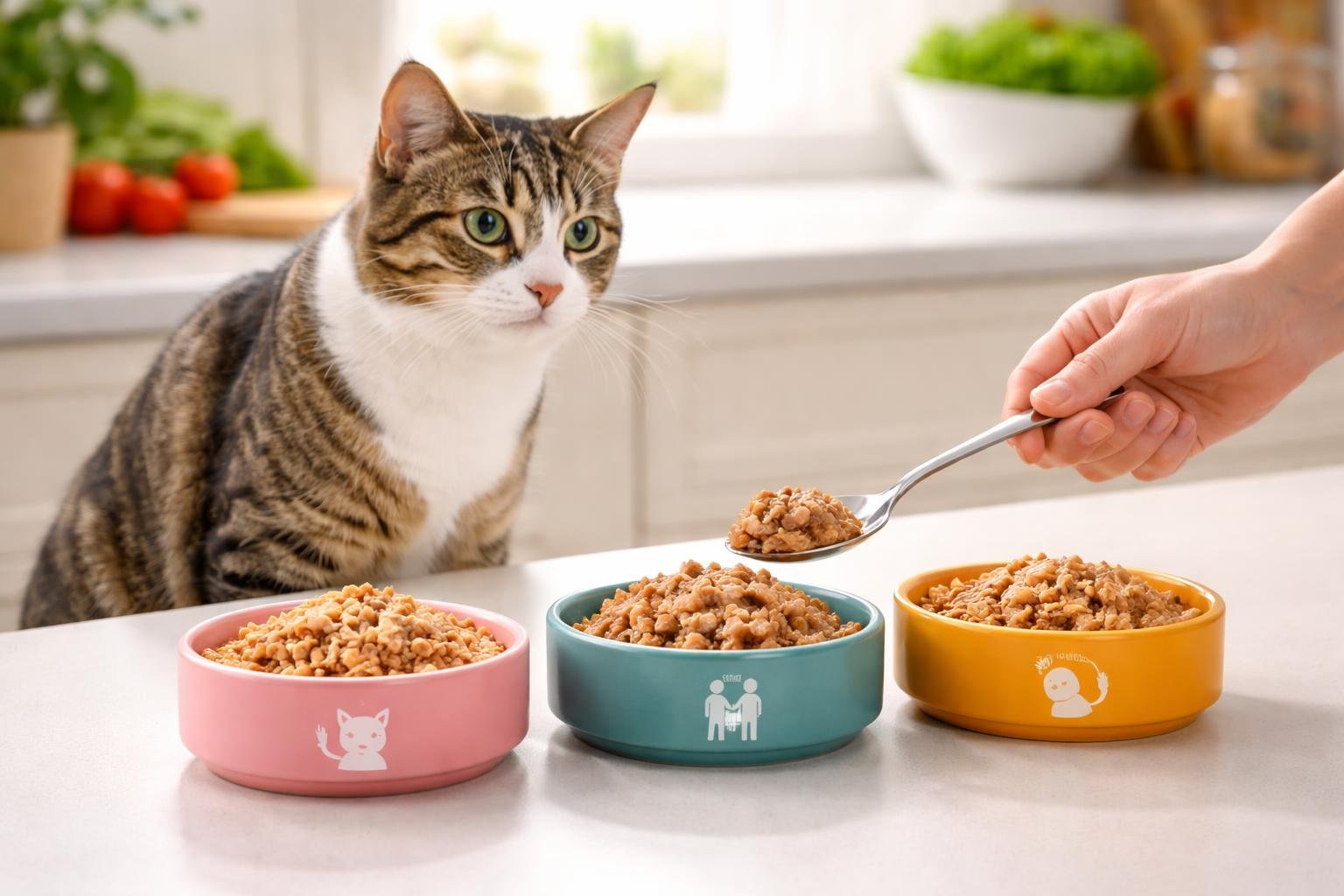
A cat’s age directly affects how much food they need each day. Kittens require more calories per pound than adults, while senior cats often need fewer calories but higher quality nutrition.
Kitten Feeding Recommendations
Kittens grow rapidly and need significantly more food than adult cats. From 8 weeks to 6 months old, your kitten needs about 3-4 meals per day totaling roughly 5-8 ounces of wet food daily.
During this growth phase, kittens burn calories quickly to support bone development, muscle growth, and high energy levels. You should feed kitten-specific formulas that contain higher protein and fat content.
Between 6 months and 12 months, you can reduce feeding to 2-3 times daily. Most kittens in this age range need approximately 4-6 ounces of wet food per day. A cat feeding guide can help you determine exact portions based on your kitten’s current weight.
Always check the feeding instructions on your specific kitten food brand, as calorie density varies between products.
Adult Cat Feeding Strategies
Adult cats between 1-7 years old typically need 3-5 ounces of wet food daily split into two meals. The exact amount depends on your cat’s weight and activity level.
An average 10-pound adult cat requires approximately 200-250 calories per day. If you’re wondering how much wet food should I feed my cat, start by checking the calorie content listed on your cat food can.
Most wet foods contain 70-100 calories per 3-ounce can. This means your cat needs roughly 2-3 cans daily. Active cats may need the higher end of this range, while less active indoor cats need less.
You can use a cat feeding chart to calculate portions more precisely based on your cat’s exact weight.
Senior Cat Nutritional Adjustments
Senior cats aged 7 years and older often need fewer total calories but benefit from higher-quality protein sources. Many senior cats need about 2.5-4 ounces of wet food daily.
Older cats tend to be less active and have slower metabolisms. However, they also may lose muscle mass more easily, so maintaining adequate protein intake remains important.
Senior cats often develop dental issues that make eating easier with wet food versus dry kibble. You should monitor your senior cat’s body condition closely and adjust portions if you notice weight gain or loss.
Some senior cats develop kidney disease or other health conditions that require special diets. Always consult your veterinarian about specific feeding recommendations if your older cat has been diagnosed with any medical conditions.
Determining the Right Portion by Weight
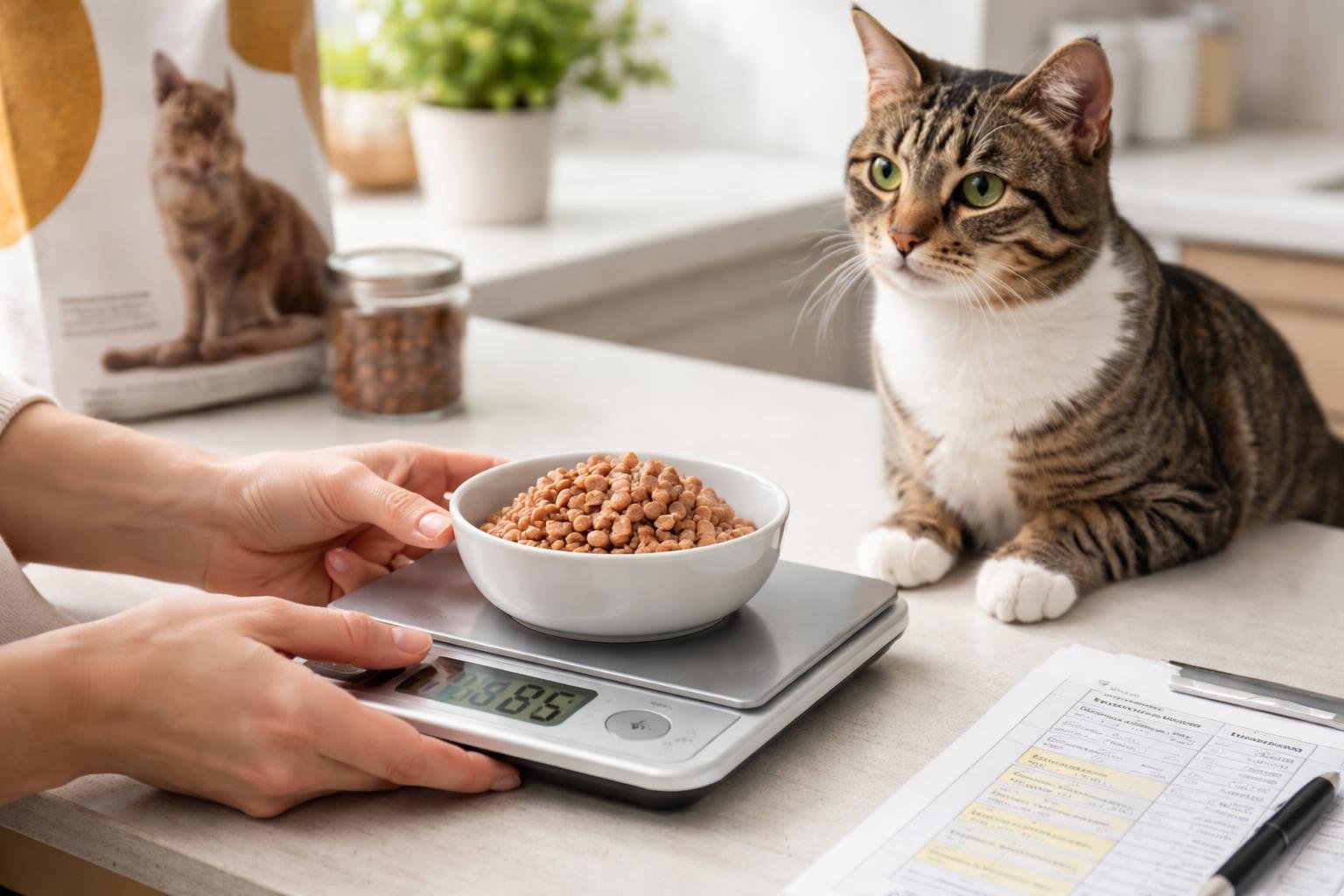
Your cat’s weight is the most important factor when figuring out how much wet food to serve each day. Most adult cats need about 20 to 30 calories per pound of body weight, which translates to roughly 3 to 5 ounces of wet food daily for an average 10-pound cat.
Calculating Daily Wet Food Requirements
Start by finding your cat’s ideal body weight, not their current weight if they’re overweight or underweight. A typical adult cat weighing 10 pounds needs approximately 200 to 250 calories per day. Most healthy adult cats need about 3-5 ounces of wet food per day, depending on the calorie content of their specific food.
Check the label on your cat’s wet food to find the calories per can or pouch. If a 3-ounce can contains 80 calories, your 10-pound cat would need about 2.5 to 3 cans daily. Smaller cats around 5 pounds typically need 1.5 to 2 cans, while larger 15-pound cats may need 4 to 5 cans.
Divide the total daily amount into two or three meals to keep your cat satisfied throughout the day.
Using Cat Feeding Charts Effectively
Cat feeding charts provide quick reference points for determining appropriate portions based on weight ranges. Most commercial wet food brands include feeding guidelines on their packaging that show recommended daily amounts.
These charts typically list weight ranges in the left column and corresponding food amounts in ounces or grams. Look for your cat’s current weight and match it to the suggested portion. Remember that these are starting points, not exact requirements.
Different brands vary in calorie density, so a 3-ounce serving from one brand might have different calories than another. Always adjust portions based on your cat’s individual response and body condition rather than following charts blindly.
Weighing and Monitoring Your Cat for Accurate Portions
Weigh your cat monthly using a pet scale or your home scale to track changes. You can step on the scale holding your cat, then subtract your own weight to get an accurate reading.
Watch your cat’s body condition by feeling their ribs and looking at their waistline from above. You should feel ribs easily without excess fat covering, and see a visible waist behind the ribs. If your cat gains or loses weight, adjust their cat food portions by 10-15% and reassess after two weeks.
Use a kitchen scale to measure wet food portions in grams or ounces instead of eyeballing amounts. This ensures consistency and helps you make precise adjustments when needed.
Understanding Wet Food Calories and Labels
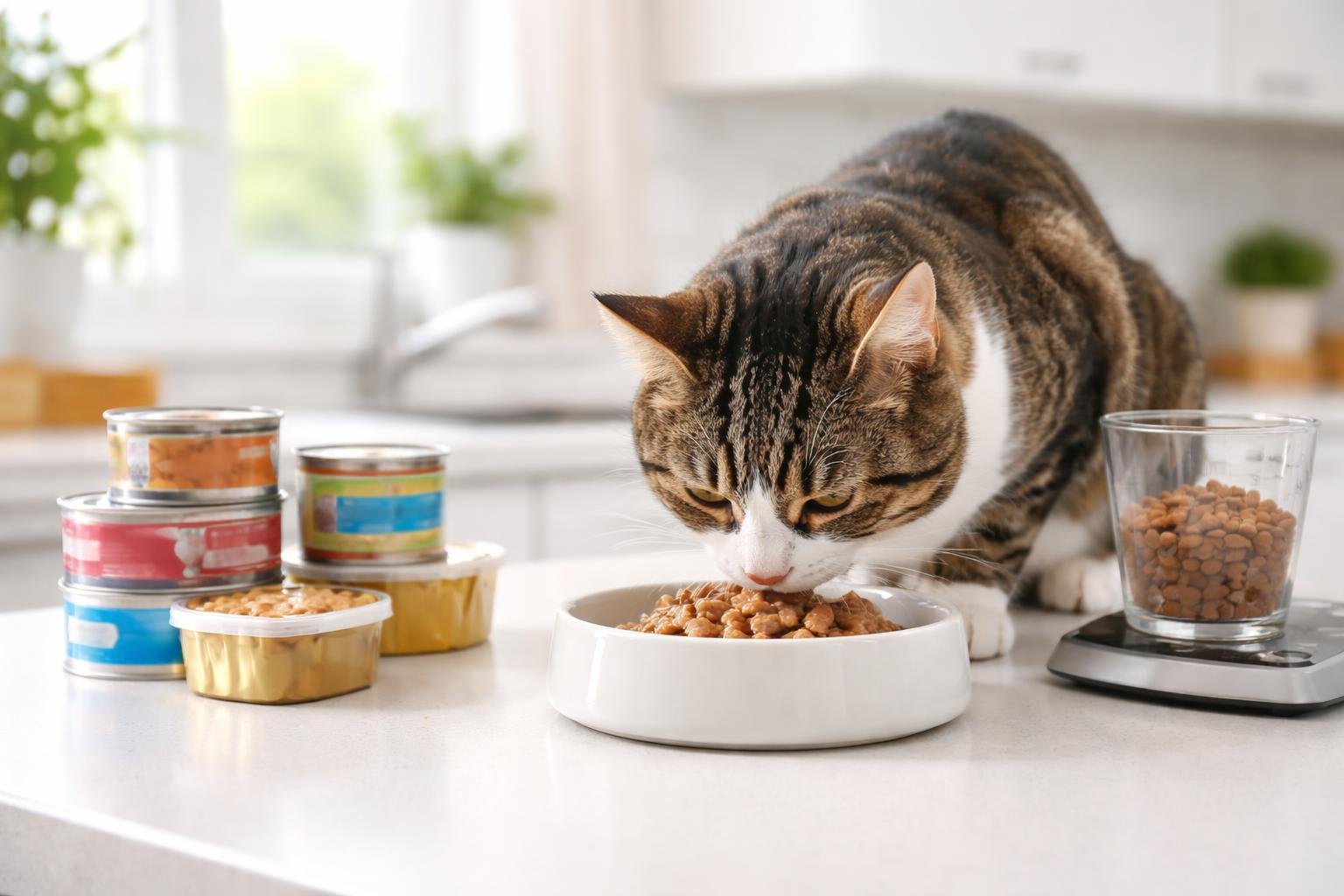
Cat food labels contain the key numbers you need to feed your cat correctly. The calorie content varies widely between brands and formulas, so checking each can’s specific information helps you avoid overfeeding or underfeeding.
Calories per Can: Reading and Calculating
Look for the calorie information on your cat food label, usually listed as “kcal per can” or “kcal per 100g.” Most 3-ounce cans contain between 70 and 100 calories, while 5.5-ounce cans typically range from 150 to 200 calories.
You can calculate calories per can by checking the guaranteed analysis section on the label. If only grams are listed, multiply the kcal per 100g by the total weight of the can in grams, then divide by 100.
Some brands list calories on the back panel, while others place this information on their website. Keep the empty can or take a photo of the label so you have this number when planning meals.
Matching Portions to Caloric Needs
Your cat’s daily calorie needs depend on their resting energy requirement (RER), which is based on body weight. An average 10-pound adult cat needs roughly 200-250 calories per day for maintenance.
Active cats need more calories than sedentary cats. Indoor cats typically require fewer calories than outdoor cats who exercise more throughout the day.
Divide your cat’s total daily calories by the calories per can to determine how many cans to feed. For example, if your cat needs 200 calories daily and each can contains 100 calories, feed two cans per day split between meals.
Adjusting for Brand Variations
Different brands use different ingredients that affect calorie density. Pate-style foods often contain more calories per ounce than chunk-style or gravy-based formulas.
When switching brands, recalculate portions based on the new food’s calorie content. A brand change might mean feeding more or fewer cans to meet the same calorie target.
Premium brands sometimes pack more calories into smaller portions, while budget options may require larger servings. Compare the kcal per can rather than just the can size to make accurate feeding decisions.
Mixing Wet and Dry Food for Balanced Nutrition
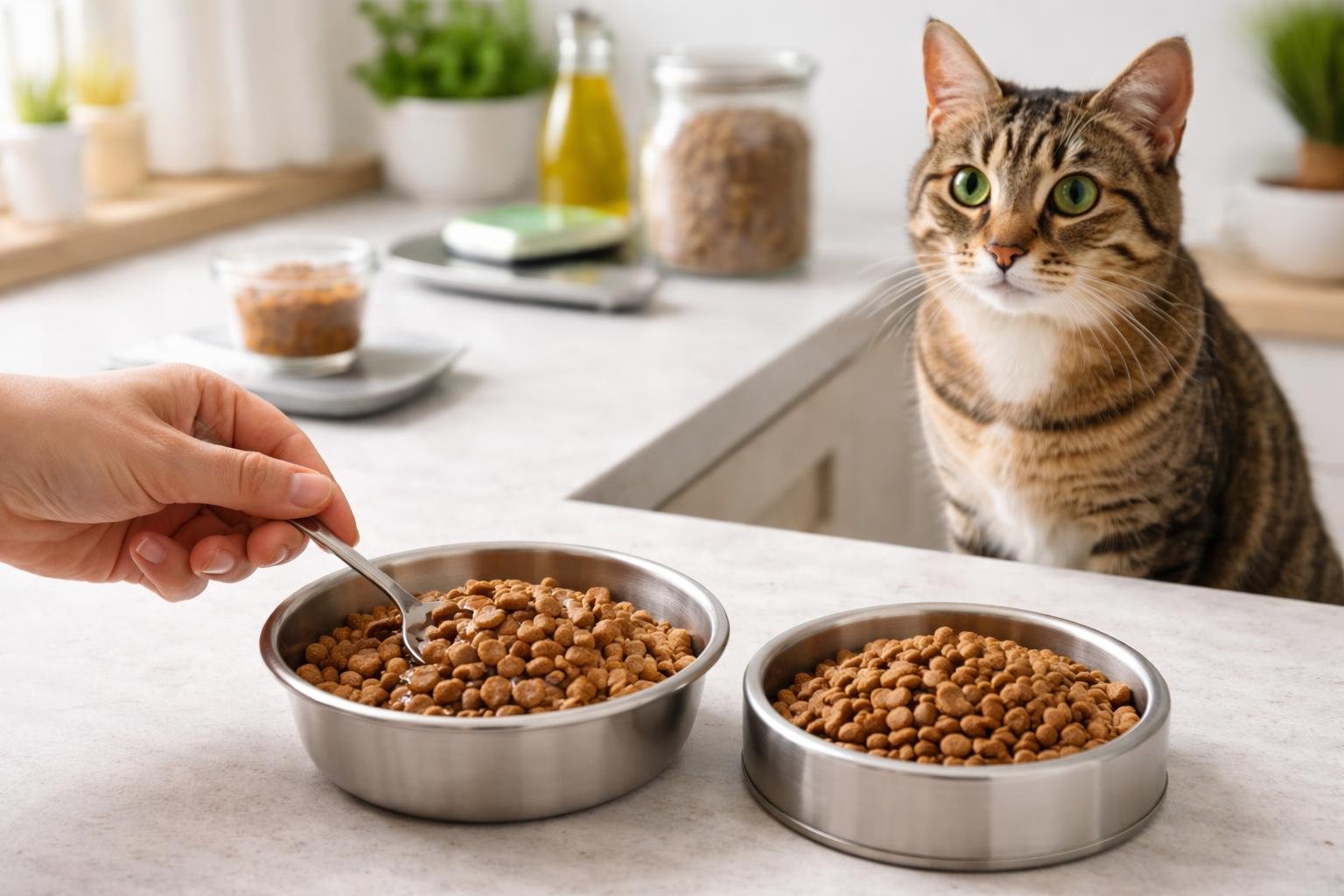
Combining wet and dry cat food lets you take advantage of both food types while meeting your cat’s nutritional needs. A mixing wet and dry cat food calculator can help you determine the right portions based on your cat’s weight and activity level.
Benefits of Mixing Wet and Dry Food
Wet cat food provides high moisture content that helps keep your cat hydrated. This is especially important for cats who don’t drink enough water on their own. Dry cat food offers dental benefits because the crunchy texture can help reduce plaque buildup on your cat’s teeth.
When you combine both types, your cat gets variety in texture and flavor. This can prevent food boredom and encourage better eating habits. Mixing also allows you to balance cost since dry food is typically less expensive than wet food.
The combination provides nutritional flexibility too. You can adjust ratios based on your cat’s specific health needs, age, or weight goals.
Portioning When Combining Diets
You should aim for a ratio of at least 1/3 wet cat food with 2/3 dry cat food for a balanced diet. Don’t simply add wet food on top of your cat’s regular dry food portions, as this leads to overfeeding.
Calculate your cat’s total daily calorie needs first. Then divide those calories between wet and dry food based on your chosen ratio. Wet food contains fewer calories per ounce than dry food, so portion sizes will look different.
Example portions for a 10-pound cat (approximately 200 calories daily):
- 1/3 wet: One 3-ounce can of wet food + 1/4 cup dry food
- 1/2 wet: One 5.5-ounce can of wet food + 1/8 cup dry food
- 2/3 wet: Two 3-ounce cans of wet food + 2 tablespoons dry food
Check the calorie content on your specific food labels since different brands vary. A cat feeding guide with portion charts can help you calculate exact amounts for your cat’s weight.
Transitioning Between Wet and Dry Food
Start slowly when introducing a mixed feeding routine. Add small amounts of the new food type to your cat’s current diet over 7-10 days.
Begin with a 75/25 ratio of old to new food for the first 2-3 days. Then move to 50/50 for another 2-3 days. Gradually increase to your target ratio over the remaining days.
Watch for digestive issues like vomiting, diarrhea, or decreased appetite during the transition. If these occur, slow down the process and give your cat more time to adjust. Some cats need up to two weeks to fully transition without stomach upset.
You can feed wet and dry food in separate meals or mix them together in the same bowl. Both methods work, so choose based on your cat’s preference and your schedule.
Comparing the Benefits of Wet Food and Dry Food
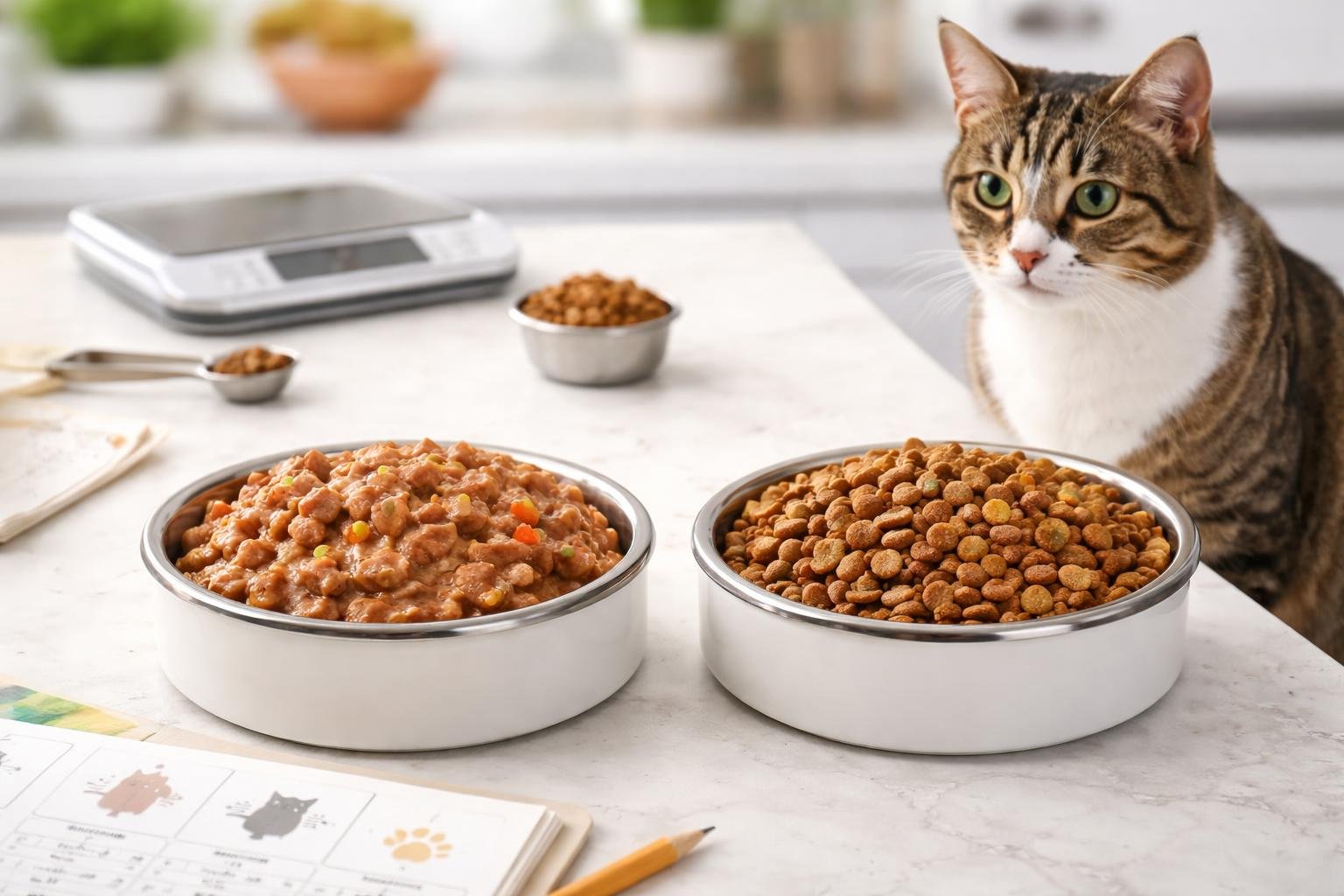
Both wet and dry cat food provide complete nutrition, but each type offers distinct advantages. Wet food delivers more moisture and can support urinary health, while dry food offers convenience and dental benefits.
Advantages of Wet Cat Food
Wet cat food contains 70-80% moisture, which helps keep your cat hydrated throughout the day. This high water content is especially important because cats naturally have a low thirst drive and often don’t drink enough water on their own.
Wet food supports urinary health by diluting urine and reducing the risk of crystals and bladder stones. The extra moisture helps flush out the urinary tract more effectively than dry food alone.
Cats often find wet food more appealing due to its strong aroma and soft texture. This makes it a good choice for picky eaters or cats with dental problems who struggle to chew hard kibble. The higher protein content and lower carbohydrate levels in most wet foods also align better with a cat’s natural carnivorous diet.
Advantages of Dry Cat Food
Dry cat food is convenient to store and can be left out longer without spoiling. You can fill your cat’s bowl in the morning and it will stay fresh throughout the day, making it ideal for free-feeding schedules.
The cost per serving of dry food is typically lower than wet food. A bag of kibble lasts longer and requires less frequent purchases, which helps reduce your monthly feeding expenses.
Dry food’s crunchy texture can help reduce plaque buildup on your cat’s teeth through mechanical action during chewing. However, this benefit is modest and doesn’t replace proper dental care. Kibble also provides mental stimulation through the chewing process, which some cats enjoy.
When to Choose Each Type
Choose wet food if your cat needs extra hydration, has urinary tract issues, or is a poor water drinker. Wet food also works well for overweight cats because the high moisture content creates a feeling of fullness with fewer calories per serving.
Select dry food when you need convenience, have budget constraints, or want to support your cat’s dental health. Kibble is practical for working pet owners who can’t feed multiple times per day.
Many experts recommend feeding a combination of both types to balance the advantages of each. You might feed wet food twice daily for hydration benefits while leaving out a small amount of dry food for snacking between meals.
Frequently Asked Questions
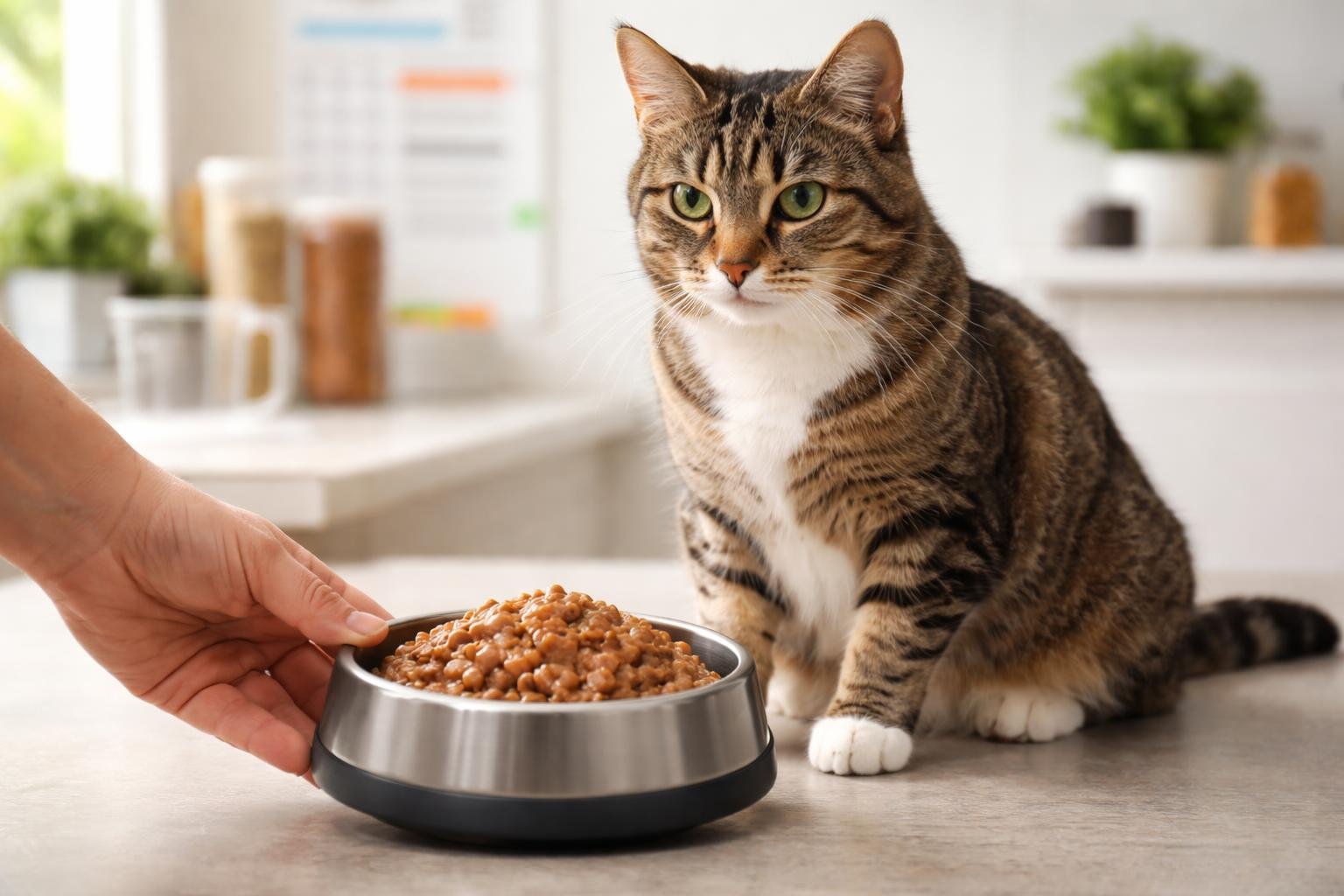
Most adult cats need 3-5 ounces of wet food daily, while kittens require more frequent meals with higher calorie density. The exact amount varies based on your cat’s weight, life stage, and whether you combine wet and dry food.
How many ounces or grams of wet food should I feed my cat per day based on their weight?
Your cat’s weight determines their daily food needs. A typical adult cat needs about 20 calories per pound of body weight each day.
For a 5-pound cat, you should feed approximately 2-3 ounces (57-85 grams) of wet food daily. A 10-pound cat needs around 3-5 ounces (85-142 grams) per day. Cats weighing 15 pounds typically require 5-7 ounces (142-200 grams) daily.
Check the calorie content on your specific wet food label. Different brands and formulas contain different calorie amounts per can or pouch. You’ll need to adjust portions based on the calories in your chosen wet food to meet your cat’s needs.
How does the recommended wet food amount change for kittens, adult cats, and senior cats?
Kittens have the highest calorie needs because they’re growing rapidly. Kittens need around 60-65 calories per pound of body weight each day, which is about three times more than adult cats.
You should feed kittens three to four times daily until they reach six months old. After six months, you can reduce feeding to twice daily.
Adult cats between 1-7 years need about 20 calories per pound of body weight daily. Most healthy adult cats do well with 3-5 ounces of wet food per day split into two meals.
Senior cats over 7 years may need fewer calories if they’re less active. However, some senior cats need more calories if they’re losing muscle mass. Monitor your senior cat’s body condition and adjust portions as needed.
How many times per day should I feed my cat wet food for healthy weight maintenance?
Feeding your cat twice daily works best for most adult cats. This schedule helps prevent overeating and mimics natural hunting patterns.
You can split the daily portion into morning and evening meals. Spacing meals 8-12 hours apart keeps your cat satisfied and maintains steady energy levels.
Some cats do better with three smaller meals throughout the day. This approach can help cats who tend to vomit from eating too quickly or cats with certain medical conditions.
Free feeding wet food isn’t recommended because it spoils quickly. Wet food should not sit out for more than 30 minutes to 1 hour at room temperature.
How many standard cans of wet food does an average cat need each day?
A standard wet food can contains 5.5 ounces. A 10-pound cat typically needs 1 to 1.5 standard cans daily.
Smaller cats weighing 5-7 pounds usually need about half to one full can per day. Larger cats weighing 12-15 pounds may require 1.5 to 2 cans daily.
The number of cans depends on the calorie content of your chosen brand. Some premium wet foods are more calorie-dense and require smaller portions. Always check the feeding guidelines on your specific product.
Pate-style wet foods often contain more calories per can than chunk or shredded varieties. This means you might feed slightly less pate to meet the same calorie needs.
How should I split daily calories between wet food and dry food for my cat’s lifestyle and activity level?
Active cats need more calories than sedentary indoor cats. If you feed both wet and dry food, you need to calculate the total calories from both sources.
Start by determining your cat’s daily calorie needs based on their weight and activity level. Then decide what percentage will come from wet versus dry food.
A common approach is feeding 50% of calories from wet food and 50% from dry food. For a 10-pound indoor cat needing 200 calories daily, you’d provide 100 calories of wet food (about 2.5-3 ounces) and 100 calories of dry food (about 1/4 cup).
You can also feed wet food as the main meal and use dry food for portion-controlled treats or enrichment. Indoor cats with lower activity levels may do better with more wet food since it contains more water and helps with weight control.
Always measure both wet and dry portions to avoid overfeeding. Adjust amounts based on your cat’s body condition and weight changes over time.
Is 200g of wet food per day enough for a typical adult cat?
200 grams (about 7 ounces) of wet food per day is enough for most cats weighing 12-15 pounds. This amount works for average adult cats with normal activity levels.
For smaller cats weighing 8-10 pounds, 200 grams might be too much. These cats typically need 85-142 grams (3-5 ounces) daily.
The calorie content of the wet food matters more than the weight. Some wet foods contain 70 calories per 100 grams, while others contain 100 calories or more per 100 grams.
Check your cat’s body condition regularly. You should be able to feel their ribs easily without pressing hard, and they should have a visible waist when viewed from above. Adjust the amount of food if your cat gains or loses weight.