Cat urine odor ranks among the most challenging household smells to eliminate, but it doesn’t have to be a permanent problem. The distinctive ammonia-like scent can permeate carpets, furniture, and even hardwood floors, making your living space uncomfortable for both you and your guests.
To get rid of cat pee smell, you need to use enzyme-based cleaners that break down the uric acid crystals in cat urine, rather than simply masking the odor with fragrances. Standard household cleaners won’t fully eliminate the smell because cat urine contains strong-smelling proteins and ammonia that require specific treatment methods.
Understanding why cats urinate outside their litter boxes and knowing the right cleaning techniques for different surfaces will help you tackle existing odors and prevent future incidents. Whether you’re dealing with fresh accidents or long-standing smells, the right approach makes all the difference in restoring your home’s freshness.
Key Takeaways
- Enzyme-based cleaners are essential because they break down uric acid crystals that cause persistent cat urine odors
- Different surfaces require specific cleaning methods, from carpets and upholstery to hardwood floors and clothing
- Identifying and addressing why your cat is urinating outside the litter box helps prevent recurring odor problems
Why Does Cat Pee Smell So Bad?
Cat urine contains unique chemical compounds that create an exceptionally strong and persistent odor, with uric acid crystals being the primary culprit that makes the smell so difficult to eliminate.
Understanding Cat Urine Odor
Cat urine smell is significantly stronger than urine from other pets due to its concentrated chemical composition. Domestic cats descended from desert-dwelling ancestors who evolved highly efficient kidneys that conserve water by producing very concentrated urine. This concentration process creates urine with higher levels of waste compounds.
The pungent ammonia smell you detect comes from urea breaking down into ammonia as bacteria metabolize the urine. Cat urine also contains felinine, a sulfur-containing amino acid that becomes particularly odorous when it decomposes. Male cats produce higher levels of felinine, which explains why intact male cat urine typically smells worse than female cat urine.
The combination of these compounds creates the sharp, acrid cat pee smell that immediately alerts you to an accident in your home.
Role of Uric Acid Crystals
Uric acid crystals form the foundation of why cat urine odor persists so stubbornly. Unlike urea and urobilin, which dissolve in water and can be cleaned with traditional methods, uric acid binds tightly to surfaces and crystallizes as it dries. These crystals are not water-soluble, meaning standard household cleaners cannot break them down.
When moisture reintroduces itself to areas containing uric acid crystals—through humidity, new pet accidents, or cleaning attempts—the crystals reactivate and release odor compounds again. This reactivation explains why you might smell cat urine odor weeks or months after the original accident occurred.
Key characteristics of uric acid crystals:
- Insoluble in water and most household cleaners
- Bond permanently to porous surfaces like carpet and wood
- Reactivate when exposed to moisture
- Require enzymatic cleaners for complete removal
Why Cat Urine Odor Lingers
Cat urine odor lingers because uric acid crystals remain in materials long after surface cleaning. Porous surfaces like carpet padding, wood flooring, upholstery, and concrete absorb cat urine deeply, allowing crystals to settle into areas that surface cleaning cannot reach.
The crystalline structure of dried uric acid creates microscopic bonds with fibers and materials. When you clean with water or standard detergents, you only remove the water-soluble components while leaving the crystals intact. This lingering odor can actually attract cats back to the same spot, creating a cycle of repeat accidents.
Temperature and humidity changes in your home cause these embedded crystals to release odor molecules periodically. You might notice the smell becomes stronger on humid days or when your heating system runs, even if the original accident occurred months earlier.
How To Get Rid Of Cat Pee Smell: Essential Steps
Successfully eliminating cat urine odor requires identifying affected areas, treating fresh accidents immediately, and using specialized methods for older stains that have set into surfaces.
Locate the Source of Cat Urine Odor
Finding every spot where your cat has urinated is critical before you can effectively remove cat urine smell. Your nose may detect obvious areas, but cats can urinate in hidden spots that aren’t immediately visible.
Use a blacklight or UV flashlight in a darkened room to reveal urine stains that glow under ultraviolet light. Check common problem areas including carpet edges, furniture corners, closets, and laundry piles where accidents often occur unnoticed.
Pay attention to areas where your cat may return to urinate if lingering odors remain. Focus on vertical surfaces like walls and furniture legs if your cat sprays to mark territory.
Mark each spot you find with tape or a sticky note so you can treat every location thoroughly. Missing even one area will leave odors that encourage repeat accidents.
Blot and Clean Fresh Cat Urine
Acting quickly on fresh urine prevents it from soaking deep into materials and becoming harder to eliminate. Grab paper towels or clean rags and press firmly into the wet area to absorb as much liquid as possible.
Do not rub or scrub the urine, as this pushes it deeper into carpet fibers or upholstery. Instead, apply pressure and blot repeatedly with fresh towels until no more moisture transfers.
After blotting, apply an enzyme-based cleaner specifically designed to break down urine compounds rather than just masking odors. These cleaners contain biological enzymes that digest the proteins and bacteria causing the smell.
Saturate the entire affected area with the enzymatic solution, extending beyond the visible stain. Allow the product to sit for the time specified on the label, typically 10-15 minutes, then blot again and let it air dry completely.
Dealing With Set-In or Old Cat Pee Smell
Old urine stains require more aggressive treatment because the compounds have crystallized and bonded to surfaces. Enzyme-based cleaners remain essential but may need multiple applications to fully clean cat urine that has set in.
For carpet and upholstery, saturate the area thoroughly enough to reach all layers where urine has penetrated. You may need to use more product than seems necessary to match the original depth of the accident.
Avoid ammonia-based cleaners since ammonia smells similar to cat urine and may attract your cat back to the same spot. Instead, consider alternating enzymatic treatments with a white vinegar solution (one part vinegar to one part water) for stubborn odors.
Hard surfaces like tile, hardwood, or concrete may require specialized approaches. Extract as much moisture as possible using wet vacuums or additional blotting, then ensure complete drying with fans or dehumidifiers to prevent bacterial growth that perpetuates odors.
Best Cleaning Methods and Products
Enzyme-based cleaners break down uric acid crystals in cat urine, while vinegar and baking soda offer effective natural alternatives for odor neutralization.
Using Enzymatic Cleaners and Pet Odor Removers
Enzymatic cleaners work by using biological enzymes to break down the compounds in cat urine that cause persistent odors. Unlike regular cleaners that mask smells, an enzyme-based cleaner actually eliminates the source by digesting uric acid crystals. These products are specifically designed to remove cat urine smell at the molecular level.
Nature’s Miracle is one of the most recognized enzyme-based cleaners on the market. When using any pet odor eliminator, you need to saturate the affected area completely so the enzymes can reach all the urine. The area must stay wet for several hours to allow the biological process to work.
Hepper Advanced Bio-Enzyme is another effective option that targets tough stains and odors. You should avoid using ammonia-based products since they smell similar to cat urine and may encourage repeat accidents. The best enzyme cleaner will list specific enzymes like protease, lipase, or amylase on the label. Always test any pet odor remover on a small hidden area first to check for discoloration.
Vinegar and Baking Soda Solutions
White vinegar neutralizes the alkaline salts in dried cat urine, making it an effective natural cleaning agent. Mix equal parts water and white vinegar in a spray bottle for fresh accidents. Spray the solution generously on the affected area and let it sit for 10-15 minutes.
After treating with vinegar, sprinkle baking soda over the damp area. Baking soda absorbs moisture and neutralizes odors through a chemical reaction. For carpets and upholstery, work the baking soda into the fibers gently with a soft brush.
You can create a paste by mixing three parts baking soda with one part water for stubborn stains. Apply this paste directly to dried urine spots and let it dry completely before vacuuming. The vinegar and baking soda method works best on hard surfaces and fresh stains, though it may require multiple applications for older accidents.
Home Remedies and DIY Pet Odor Eliminators
Hydrogen peroxide combined with dish soap creates a powerful homemade pet odor eliminator. Mix 16 ounces of hydrogen peroxide with one teaspoon of dish soap and two tablespoons of baking soda. This solution works similarly to commercial enzyme cleaners but costs significantly less.
You can make an effective DIY cleaner by combining one cup of distilled white vinegar, one cup of water, and two teaspoons of baking soda in a spray bottle. Add a few drops of essential oil like lavender or eucalyptus if desired, though avoid oils toxic to cats.
For washable fabrics, add one cup of apple cider vinegar to your regular detergent during the wash cycle. Cornstarch can absorb fresh urine on carpets when sprinkled immediately and left for 30 minutes before vacuuming. Activated charcoal placed in bowls near affected areas helps absorb lingering odors from the air.
Odor Removal by Surface Type
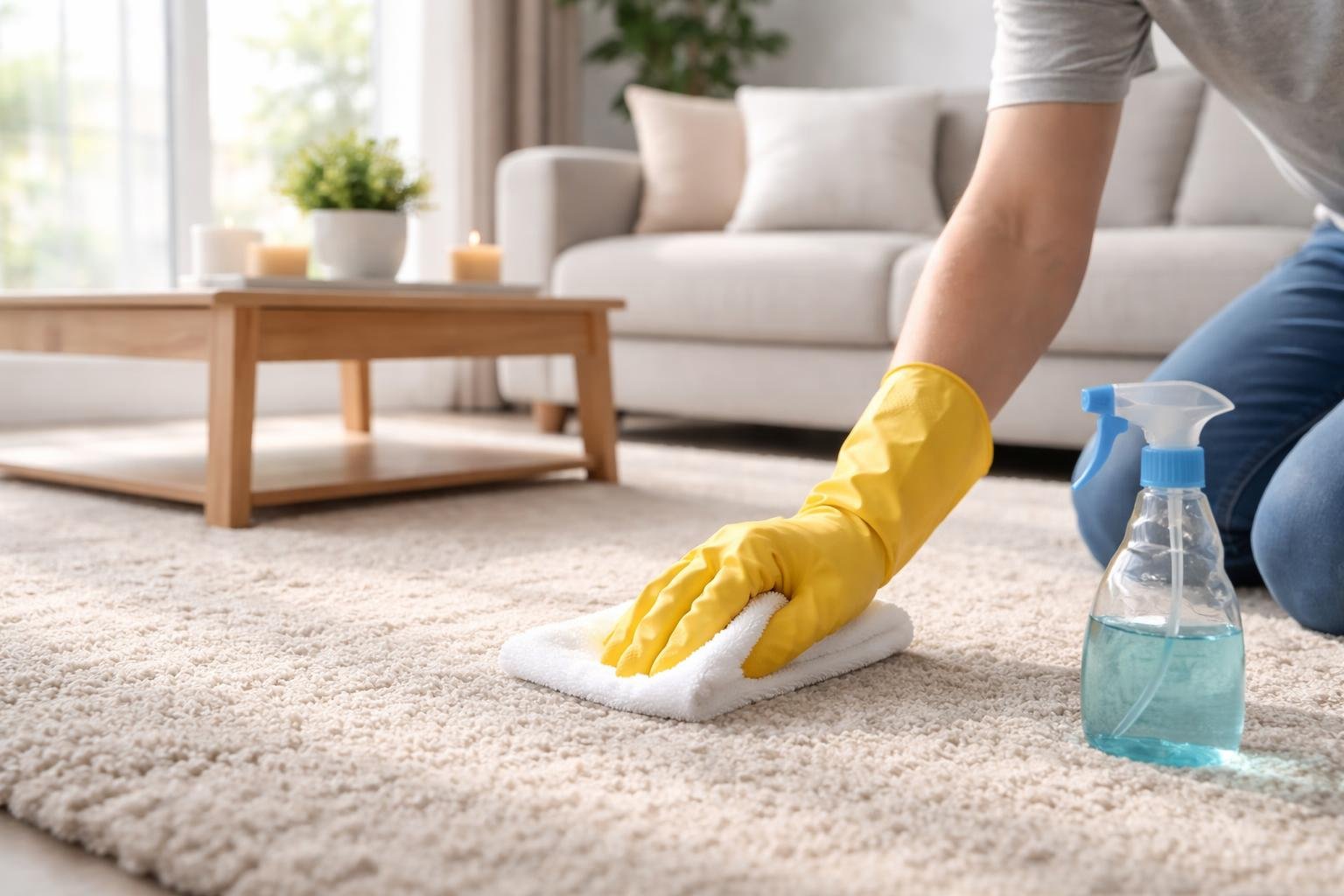
Different surfaces require specific approaches to effectively eliminate cat urine odor. The porous nature of fabrics and padding demands deep penetration of cleaning solutions, while hard surfaces need thorough saturation to reach absorbed urine.
Carpet and Rugs
Blot fresh cat pee immediately with paper towels, applying pressure to absorb as much liquid as possible. Never rub the stain, as this pushes urine deeper into carpet fibers and padding.
Apply an enzyme-based cleaner liberally to the affected area, ensuring it penetrates through to the carpet pad where urine crystals form. These cleaners break down uric acid, which causes persistent odor even after surface cleaning. Follow the product instructions for contact time, typically 10-15 minutes.
For dried stains, you may need to use a blacklight to locate all affected areas. Saturate the spot completely with enzymatic solution and cover it with plastic wrap to keep it moist during treatment. Once the enzymatic cleaner has finished working, you can apply a mixture of white vinegar and water as a secondary treatment.
Allow the carpet to air dry completely. Avoid using steam cleaners or heat, as high temperatures can set the odor permanently into fibers.
Upholstery and Cushions
Remove cushion covers immediately if they’re washable and treat them separately. For the cushion foam itself, blot excess urine and apply an enzyme-based cleaner directly to the foam.
Press the cleaner into upholstered furniture using clean cloths, working from the outside of the stain toward the center. You’ll need to saturate the area thoroughly since cat urine often seeps deep into padding and foam layers.
For non-removable upholstery, test your cleaning solution on an inconspicuous area first. Apply the enzymatic cleaner and let it sit for the recommended time before blotting with clean, damp cloths. You may need multiple applications for removing cat pee smell from upholstery.
Air dry completely in a well-ventilated area or outdoors if possible. Point a fan at the furniture to speed drying and prevent mildew growth.
Mattresses
Strip all bedding immediately and treat the mattress surface before urine soaks deeper. Blot the area thoroughly, then apply an enzymatic cleaner generously across the entire affected section.
The thickness of mattresses makes complete odor removal challenging. You need to saturate the area enough that the cleaner reaches all urine-soaked layers without over-wetting the mattress. Press the cleaner into the mattress with clean towels.
After the enzymatic treatment, sprinkle baking soda over the area once it’s mostly dry. Let the baking soda sit for several hours or overnight to absorb remaining moisture and odors. Vacuum it up thoroughly.
Stand the mattress on its side or prop it up to allow air circulation on all sides during drying. A waterproof mattress protector can prevent future incidents from penetrating the mattress.
Clothing and Bedding
Do not put urine-soaked items directly into the washing machine without pre-treatment. Rinse the items in cold water first to remove excess urine.
Apply an enzymatic pre-treatment solution like Thornell Laundry Odor Eliminator or Skout’s Honor directly to the stained areas. Let the pre-treatment sit for 15-20 minutes before washing.
Wash items in cold water with your regular detergent plus an enzymatic laundry additive. Add white vinegar to the rinse cycle as an additional odor neutralizer. Hot water can set cat urine odor permanently, so always use cold water for the first wash.
Air dry the items completely before checking if the smell remains. If you still detect cat urine odor, repeat the enzymatic treatment and washing process. Never put items in the dryer until the smell is completely gone, as heat will lock in any remaining odor.
Preventing Future Cat Pee Odor Problems
Successful prevention requires maintaining proper litter box hygiene, eliminating odors completely to stop re-marking, and establishing consistent cleaning routines that keep your home fresh.
Addressing Litter Box Problems
Most litter box problems stem from cleanliness issues, box placement, or the number of boxes available. You should scoop litter boxes daily and completely change the litter every 1-2 weeks.
The general rule is one litter box per cat plus one extra. If you have two cats, you need three boxes placed in different locations throughout your home. Cats often avoid boxes that are too dirty, too small, or located in high-traffic areas.
Box size matters more than most people realize. Your litter box should be at least 1.5 times the length of your cat from nose to tail base. Covered boxes can trap odors and make cats reluctant to use them.
Location affects usage rates significantly. Place boxes in quiet, easily accessible areas away from food and water bowls. Avoid basements or laundry rooms where loud appliances might startle your cat during use.
Reducing Repeat Accidents
Cats return to spots where they detect lingering urine odor because residual scents signal an appropriate elimination area. You must completely neutralize cat urine odor rather than mask it with air fresheners.
Enzyme-based cleaners break down uric acid crystals that cause persistent smells. After cleaning an accident spot, use a blacklight to check for any remaining urine you might have missed. Even small traces can trigger repeat marking.
Medical issues cause many inappropriate elimination behaviors. Schedule a veterinary exam if your cat suddenly starts urinating outside the litter box, as urinary tract infections, kidney disease, and diabetes commonly cause these changes.
Stress and anxiety also trigger marking behaviors. Major household changes like new pets, moving, or schedule disruptions can prompt your cat to mark territory. Providing multiple resources, vertical spaces, and hiding spots helps reduce stress-related accidents.
Maintaining a Fresh, Odor-Free Home
Regular deep cleaning prevents cat urine odor from building up in carpets, furniture, and flooring. Vacuum carpets weekly and use a pet odor remover on any areas your cat frequents monthly, even without visible accidents.
Wash cat bedding and any fabric items your cat contacts regularly in hot water. Add a cup of white vinegar to the rinse cycle to neutralize any embedded odors.
Air purifiers with activated carbon filters capture airborne odor molecules effectively. Run them continuously in rooms where your cat spends the most time. Replace filters according to manufacturer specifications for optimal performance.
Key maintenance tasks:
- Deep clean carpets every 3-6 months
- Wash hard floors weekly with enzymatic cleaner
- Replace scratching posts and beds annually
- Monitor humidity levels (30-50% prevents odor intensification)
Professional carpet cleaning services that specialize in pet odors can extract deeply embedded urine from carpet padding that home machines cannot reach.
Choosing the Best Enzyme Cleaners and Pet Odor Removers
Enzyme cleaners work by breaking down the organic compounds in cat urine, while the right product selection and proper application technique ensure complete odor elimination.
What Makes an Enzyme Cleaner Effective?
The best enzyme cleaner contains specific biological catalysts that target uric acid crystals, the main culprit behind persistent cat urine odor. These cleaners use bacteria that produce enzymes to break down urine components into carbon dioxide and water.
Key effectiveness factors include:
- Active enzyme concentration – Higher concentrations work faster on deep-set stains
- Multi-enzyme formulas – Protease, amylase, and lipase enzymes tackle different organic compounds
- pH balance – Neutral pH cleaners are safest for most surfaces
- Contact time – The solution must remain wet long enough for enzymes to work
Enzyme cleaners are designed to break down organic materials like urine, making them highly effective for deodorizing. Unlike traditional cleaners that mask odors, enzymatic cleaners eliminate the source by dismantling the molecular structure of waste.
Temperature also affects enzyme activity. Most enzymatic cleaners work best at room temperature between 65-85°F.
Popular Brands: Nature’s Miracle and Hepper Advanced Bio-Enzyme
Nature’s Miracle has established itself as a reliable enzymatic cleaner with formulas specifically designed for cat urine. The brand offers various products with natural enzymatic bacteria that activate upon contact with stains and odors.
Hepper Advanced Bio-Enzyme stands out with its neutral scent and strong enzymatic solution, earning recognition as a top cat urine odor remover. This cleaner efficiently lifts pet stains while remaining easy to use on multiple surfaces.
When comparing products, you should look at:
- Coverage area per bottle
- Safe surface compatibility
- Scent or unscented options
- Price per ounce
Multiple enzyme cleaners from brands like Bissell and Biokleen effectively tackle cat urine on carpets. Your choice depends on your specific needs, budget, and the surfaces requiring treatment.
How to Use Enzyme-Based Cleaners Safely
You must first blot up fresh urine with paper towels before applying any enzymatic cleaner. This removes excess liquid and allows the enzymes to penetrate deeper into the affected area.
Proper application steps:
- Saturate the entire stained area thoroughly
- Allow the product to sit for 10-15 minutes minimum
- Keep the area wet during this period
- Blot with clean towels and let air dry
- Reapply if odor persists after drying
Never mix enzyme-based cleaners with other cleaning products, especially those containing bleach or ammonia. These chemicals deactivate enzymes and render the cleaner ineffective.
Test the cleaner on an inconspicuous spot first to check for colorfastness. Some surfaces like unsealed wood or certain fabrics may require specialized formulas.
Keep pets away from treated areas until completely dry. While most enzymatic cleaners are non-toxic, ingestion of wet product can cause mild stomach upset. Store bottles in cool, dry places away from direct sunlight to maintain enzyme potency.
Leave a Reply