Cats are masters at hiding illness, a survival instinct inherited from their wild ancestors who couldn’t afford to show weakness. This natural behavior makes it challenging for cat owners to recognize when their feline companions need medical attention. Common signs your cat is sick include changes in eating or drinking habits, lethargy, hiding behavior, vomiting, diarrhea, difficulty breathing, weight loss, and altered grooming patterns.
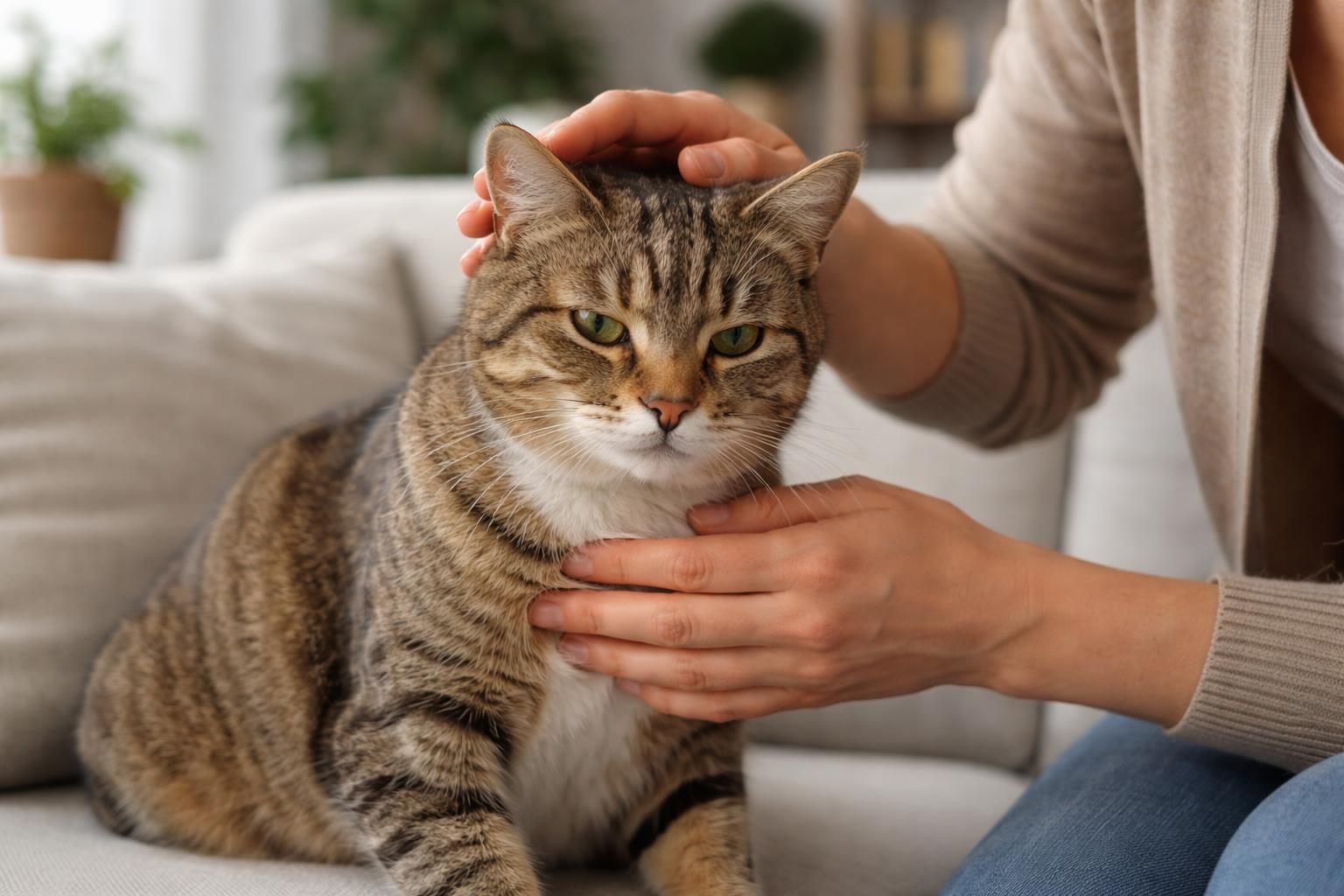
Understanding warning signs of illness in cats can help you catch health problems early when they’re most treatable. Cats communicate discomfort through subtle shifts in behavior and physical appearance that are easy to miss if you don’t know what to look for. Regular observation of your cat’s normal routines and habits creates a baseline that makes it easier to spot when something is wrong.
Learning to detect common signs of illness empowers you to take prompt action and potentially save your cat’s life. This guide covers the key indicators of illness, from minor changes that warrant monitoring to emergency symptoms requiring immediate veterinary care.
Key Takeaways
- Watch for changes in eating, drinking, grooming, litter box habits, and activity levels as early indicators of illness
- Physical symptoms like eye discharge, skin problems, breathing difficulties, and weight changes require veterinary evaluation
- Emergency signs such as difficulty breathing, seizures, inability to urinate, or collapse need immediate medical attention
Key Warning Signs Your Cat Is Sick

Cats naturally hide illness as a survival instinct, making it essential to recognize subtle changes in their behavior and physical condition. Monitoring appetite shifts, digestive issues, energy levels, and body weight helps you detect signs your cat is sick before conditions worsen.
Changes in Appetite
A decrease in food intake is one of the most reliable indicators of illness in cats. If your cat skips more than one meal or shows no interest in food for 24 hours, this warrants attention.
Complete loss of appetite can signal dental problems, kidney disease, or gastrointestinal issues. Painful teeth or mouth ulcers make eating uncomfortable, while systemic illnesses reduce hunger altogether.
Increased appetite with weight loss suggests hyperthyroidism or diabetes. These conditions cause your cat to eat more while losing body mass.
Watch for pickiness that’s out of character. A cat that suddenly refuses their usual food but accepts treats may have nausea or early dental pain rather than simple preference changes.
Vomiting and Diarrhea
Occasional hairballs are normal, but frequent vomiting requires veterinary attention. Vomiting more than once or twice weekly, especially with undigested food or liquid, indicates digestive problems.
Projectile vomiting or vomit containing blood, bile, or foreign objects demands immediate care. These symptoms suggest blockages, toxin ingestion, or severe inflammation.
Diarrhea lasting beyond 24 hours leads to dehydration. Soft stools occasionally occur from diet changes, but persistent loose or watery stool with blood or mucus signals infection, parasites, or inflammatory bowel disease.
Combination symptoms like vomiting with diarrhea require prompt veterinary assessment. This pairing causes rapid fluid loss and electrolyte imbalances.
Lethargy and Low Energy
Healthy cats sleep 12-16 hours daily, but excessive sleeping or withdrawal indicates illness. Your cat should respond to usual stimuli like feeding time, favorite toys, or your arrival home.
A lethargic cat avoids interaction, stops playing, and remains in one spot for extended periods. This differs from normal rest because the cat doesn’t engage when approached.
Look for these specific behaviors:
- Hiding in unusual places for hours
- Not greeting you at the door
- Ignoring meal times
- Refusing to jump to favorite perches
- Sleeping in strange positions
Energy changes often accompany other symptoms. Fever, pain, anemia, and organ dysfunction all manifest as reduced activity levels.
Weight Changes
Noticeable weight loss over weeks indicates serious health problems. Losing 10% of body weight suggests conditions like cancer, hyperthyroidism, or chronic kidney disease.
You can detect weight changes by feeling your cat’s ribs and spine. Prominent bones with minimal fat covering signal excessive weight loss requiring veterinary examination.
Gradual weight gain leads to obesity, which increases diabetes and joint disease risk. Most indoor cats need only 200-300 calories daily, so even small overfeeding causes problems.
Sudden weight gain with abdominal swelling may indicate fluid accumulation rather than fat. This requires immediate evaluation for heart failure, liver disease, or tumors.
Monitor your cat’s body condition monthly by running your hands along their sides and observing their profile from above.
Behavioral and Physical Changes
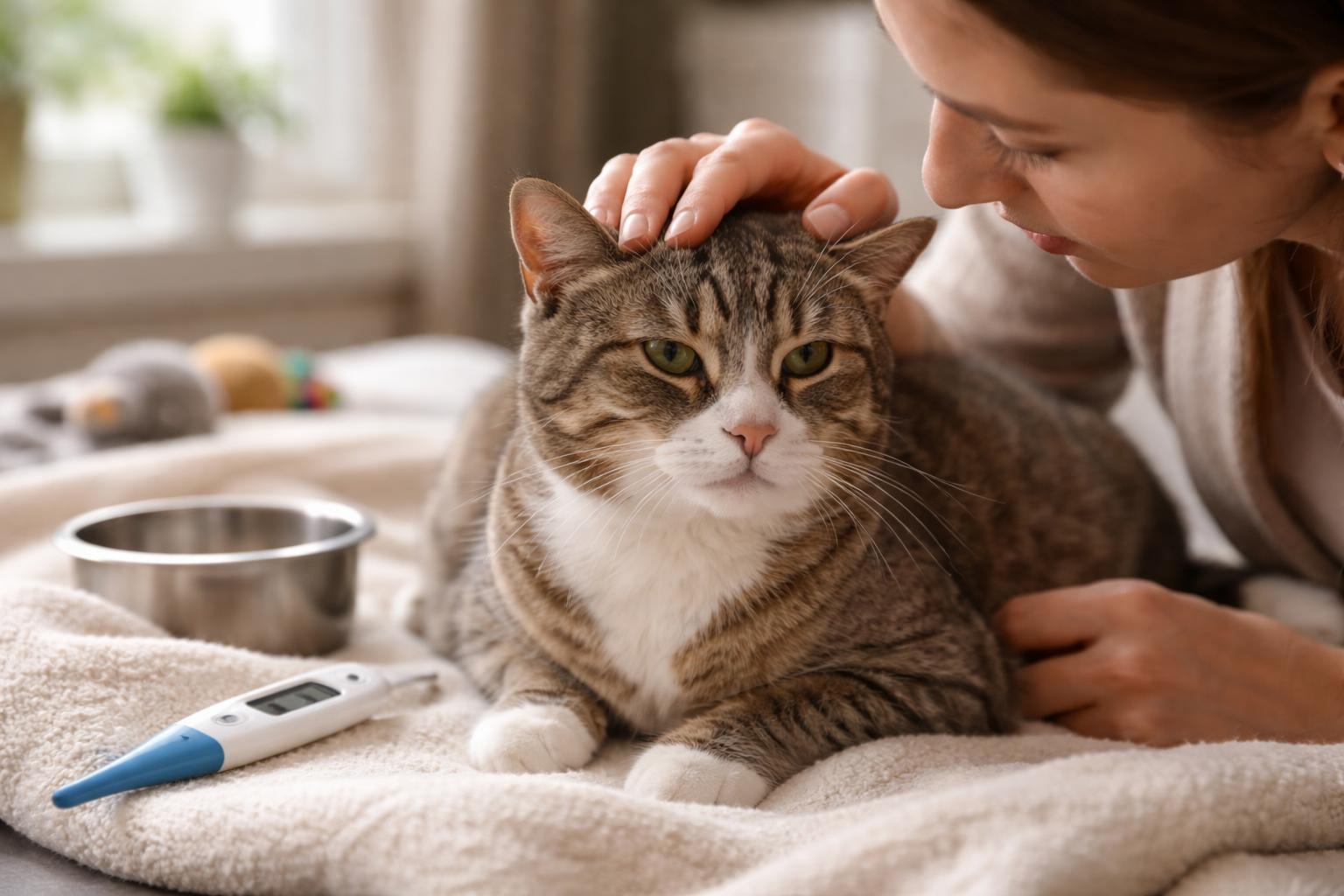
Cats often communicate illness through shifts in their normal patterns, ranging from personality changes and social withdrawal to grooming irregularities and oral health problems. Recognizing these alterations helps you identify when your cat needs veterinary attention.
Sudden Mood Shifts or Aggression
A normally friendly cat that becomes irritable or aggressive may be experiencing pain or discomfort. Cats cannot verbalize their distress, so they often express it through uncharacteristic behavior like hissing, swatting, or biting when approached or touched.
Pay attention if your cat reacts negatively to being handled in specific areas. This targeted aggression often indicates localized pain in joints, the abdomen, or other body parts. A cat that previously enjoyed petting may suddenly lash out when touched.
Conversely, some cats become unusually clingy or vocal when sick. Increased meowing or changes in vocalization patterns can signal physical or emotional distress. Cats may meow more frequently when hungry, in pain, or experiencing cognitive dysfunction as they age.
Hiding or Withdrawal
When cats feel unwell, their instinct drives them to seek isolated, quiet spaces. You might find your cat spending excessive time under beds, in closets, or behind furniture instead of participating in household activities.
This hiding behavior represents a survival mechanism inherited from wild ancestors who concealed vulnerability from predators. A cat that suddenly avoids family members or stops greeting you at the door demonstrates a concerning behavioral shift.
Watch for reduced interaction with favorite toys or loss of interest in activities your cat previously enjoyed. Social cats that stop seeking attention or affectionate pets may be signaling illness. This withdrawal often accompanies other symptoms like lethargy or appetite changes.
Altered Grooming Habits
Healthy cats spend considerable time grooming themselves to maintain a clean, smooth coat. Sick cats often neglect this routine, resulting in a matted, greasy, or unkempt appearance.
Signs of poor grooming include:
- Matted or tangled fur
- Oily or dull coat texture
- Visible dirt or debris
- Uncharacteristic odor
Conversely, excessive grooming indicates stress, anxiety, allergies, or skin conditions. You may notice bald patches, raw skin, or your cat constantly licking specific body areas. This overgrooming can create wounds and secondary infections.
Joint pain and arthritis particularly affect grooming in older cats. Stiffness prevents them from reaching certain areas, especially the lower back and hindquarters. Changes in grooming habits warrant veterinary evaluation.
Bad Breath or Dental Issues
Healthy cats should not have noticeably bad breath. Foul odors from your cat’s mouth typically indicate dental disease, oral infections, or internal health problems affecting the kidneys or digestive system.
Dental disease affects a significant portion of adult cats and causes pain that interferes with eating. Check for red or swollen gums, visible tartar buildup, drooling, or pawing at the mouth. Your cat may drop food while eating or chew on only one side.
Bad breath combined with difficulty eating requires immediate attention. Untreated dental problems lead to tooth loss, bacterial infections, and potentially serious complications affecting major organs. Schedule a veterinary examination if you notice unusual mouth odors or eating difficulties.
Changes in Eyes, Ears, and Skin
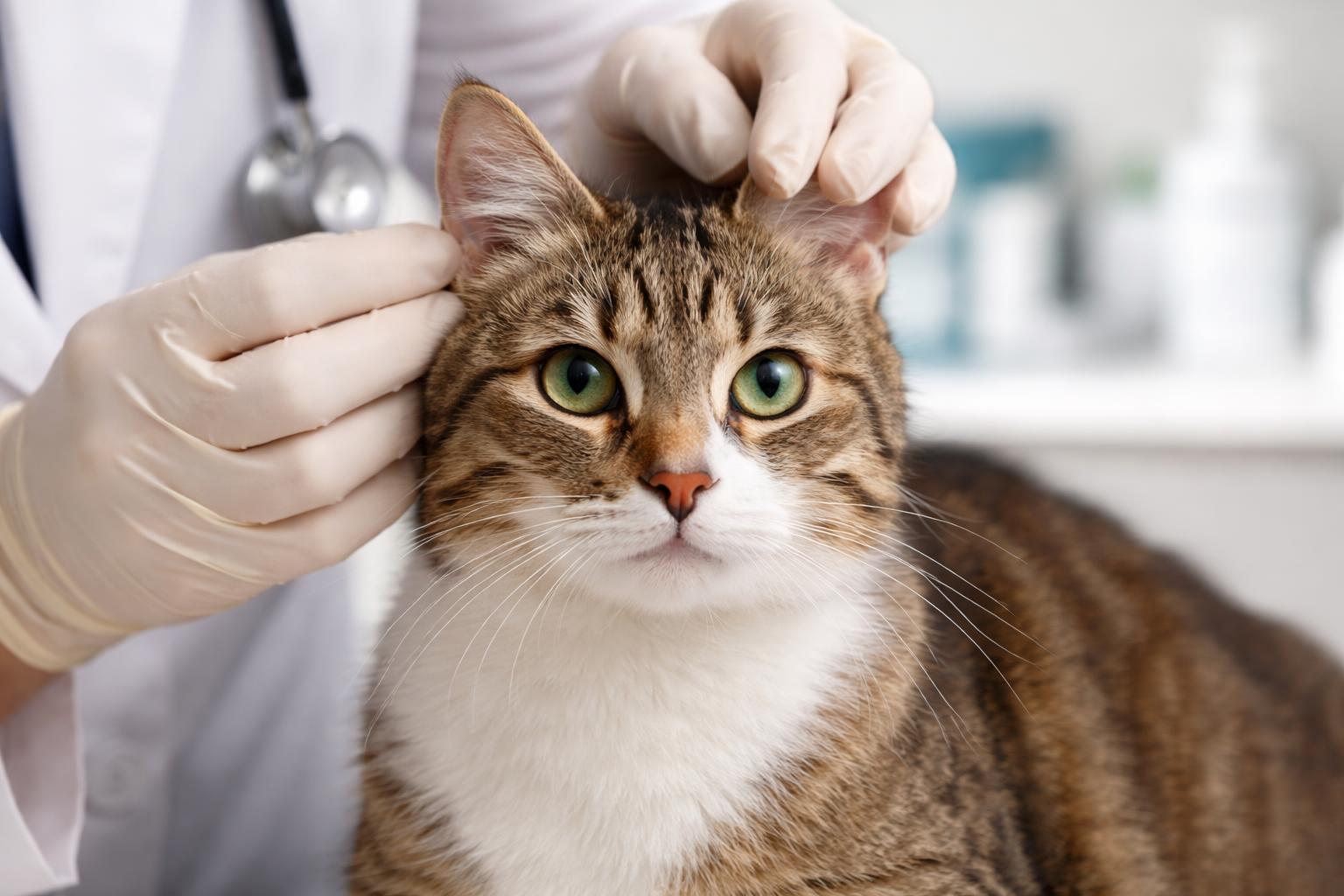
Your cat’s eyes, ears, and skin provide visible indicators of their overall health status. Abnormalities in these areas often signal underlying medical conditions that require veterinary attention.
Change in Pupil Size
Normal cat pupils adjust to lighting conditions, constricting in bright light and dilating in darkness. Pupils that remain dilated or constricted regardless of lighting indicate a potential health problem.
Anisocoria, where one pupil is dilated and the other constricted, represents a serious warning sign. This condition may indicate neurological issues, eye trauma, or glaucoma. You should also watch for pupils that stay consistently dilated in normal lighting, which can signal pain, high blood pressure, or retinal disease.
Changes in pupil size accompanied by other symptoms like squinting, cloudiness, or behavioral changes require immediate veterinary evaluation. Your cat’s pupils should respond symmetrically to light changes under normal circumstances.
Discharge or Redness in Eyes
Healthy cat eyes appear bright and clear without discharge or redness. Eye discharge may result from an irritant, corneal injury, bacterial or viral infection, or eyelid disease.
Green, yellow, or white discharge typically indicates infection requiring antibiotic treatment. Clear, watery discharge might suggest allergies or mild irritation, though persistent tearing warrants examination.
Watery or red eyes, squinting, discharge, or cloudiness can indicate eye problems requiring professional care. Watch for your cat’s third eyelid becoming visible, which often appears as a white or pink membrane in the inner corner of the eye. An elevated third eyelid frequently accompanies illness or eye trauma.
Redness in the whites of the eyes combined with squinting suggests conjunctivitis or other inflammatory conditions. You should never attempt to treat eye issues at home without veterinary guidance.
Ear Discharge or Itching
Clean cat ears have minimal odor and no visible discharge. Ear discharge is most commonly caused by a bacterial or fungal infection or ear mites, all requiring specific treatments.
Ear mites produce dark, coffee-ground-like debris in the ear canal and cause intense itching. You’ll notice affected cats scratching their ears excessively, shaking their heads, or holding their ears at odd angles. Bacterial infections create yellow or pus-like discharge with a foul odor.
Yeast infections produce brown, waxy buildup and a distinctive musty smell. Red, inflamed ear tissue indicates irritation regardless of the underlying cause.
Watch for behavioral changes like head tilting, loss of balance, or sensitivity when you touch the ears. These signs may indicate the infection has progressed to the inner ear.
Hair Loss and Skin Issues
Normal shedding differs from abnormal hair loss, which creates bald patches or thinning fur. Excessive grooming from stress, allergies, or pain can cause hair loss in specific areas.
Skin problems manifest as redness, flaking, scabs, bumps, or changes in texture. Parasites like fleas cause small scabs, particularly along the spine and neck base. Allergies often produce itchy, inflamed skin with hair loss from scratching.
Look for changes in your cat’s coat quality, such as greasiness, dandruff, or a dull appearance. Fungal infections like ringworm create circular patches of hair loss with scaly skin.
Lumps or masses under the skin require veterinary examination to rule out cysts, abscesses, or tumors. Check your cat’s skin regularly during petting sessions to identify new abnormalities early.
Abnormal Litter Box Habits
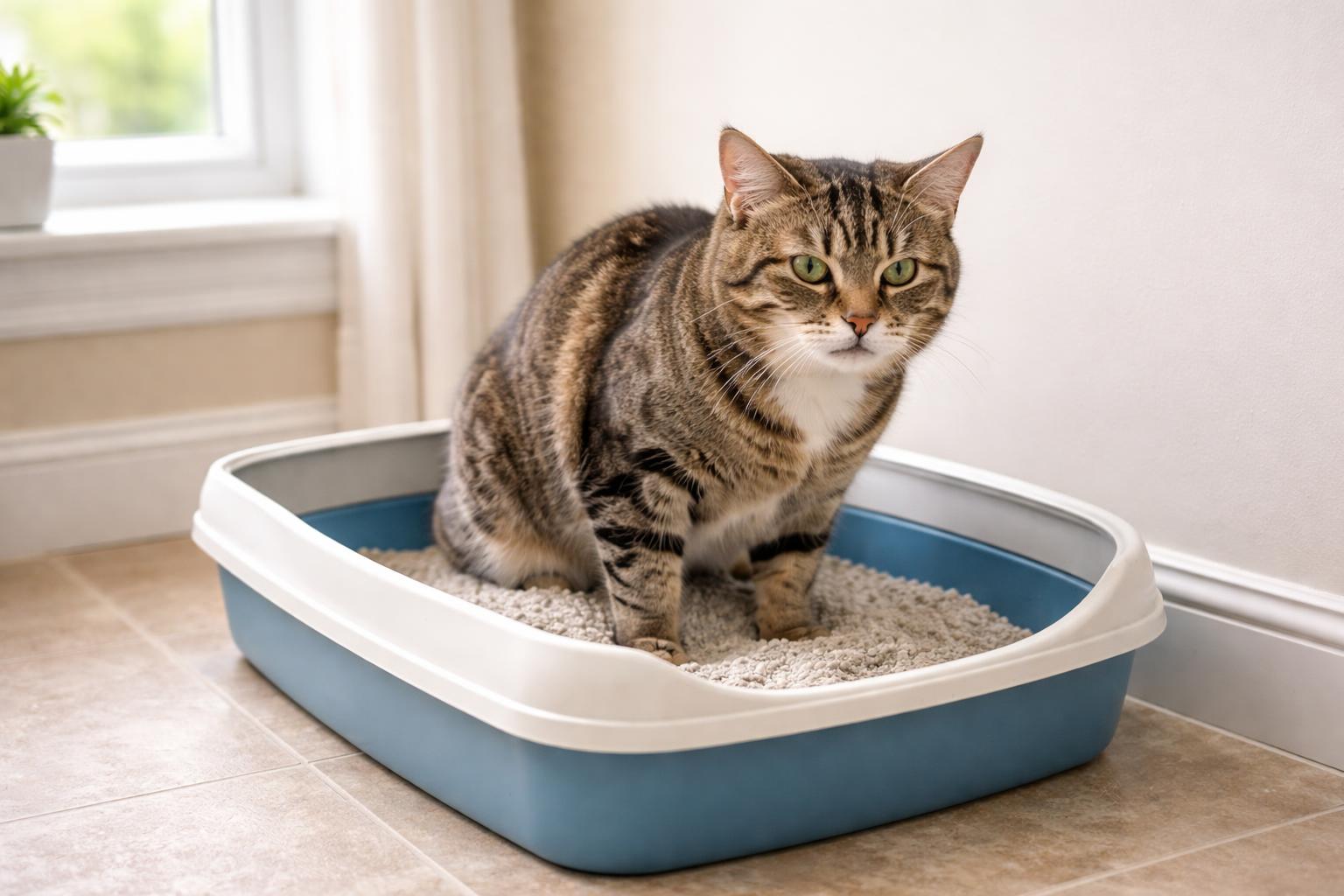
Changes in your cat’s litter box behavior often serve as the first indication of illness, appearing before other clinical symptoms become apparent. Paying attention to elimination patterns can help you identify health problems early and seek appropriate veterinary care.
Increased or Decreased Urination
Noticing changes in how often your cat urinates requires careful observation of the litter box. Increased urination can signal diabetes, kidney disease, or hyperthyroidism, while decreased urination may indicate dehydration or urinary tract problems.
You should monitor the size and frequency of urine clumps in the litter box. Larger or more frequent clumps suggest increased urination, whereas smaller or fewer clumps indicate decreased output.
Male cats who suddenly cannot urinate face a medical emergency due to potential urethral obstruction. This condition requires immediate veterinary attention to prevent serious complications or death.
Track your cat’s water consumption alongside urination patterns. Excessive drinking combined with increased urination points to metabolic disorders that need professional diagnosis and treatment.
Straining or Difficulty Eliminating
Your cat straining in the litter box indicates potential urinary or digestive issues. You may observe your cat spending extended periods in the box, crying out, or making repeated trips with little to no results.
Urinary straining often results from bladder infections, crystals, or blockages. Digestive straining typically stems from constipation, inflammatory bowel disease, or intestinal obstructions.
Watch for these warning signs:
- Vocalizing while in the litter box
- Adopting an unusual posture
- Producing only small amounts of urine or feces
- Blood in urine or stool
- Frequent litter box visits
Changes in litter box habits warrant early detection to improve health outcomes. Contact your veterinarian if straining persists beyond 24 hours or accompanies other symptoms.
Accidents Outside the Litter Box
When your previously litter-trained cat begins eliminating outside the box, this behavior change signals potential health issues rather than simple misbehavior. Medical conditions causing discomfort often lead cats to associate the litter box with pain.
Urinary tract infections, bladder stones, and arthritis commonly cause inappropriate elimination. Older cats with joint pain may struggle to enter the box, while cats with urinary issues may not reach it in time.
The litter box serves as a health indicator beyond just a bathroom facility. Cats avoiding the box or displaying unusual behaviors around it send important distress signals.
Rule out medical causes before addressing behavioral factors. Your veterinarian can perform tests to identify infections, organ dysfunction, or other conditions. Document where accidents occur, their frequency, and whether your cat eliminates urine, feces, or both to help with diagnosis.
Emergency Signs That Require Immediate Vet Attention
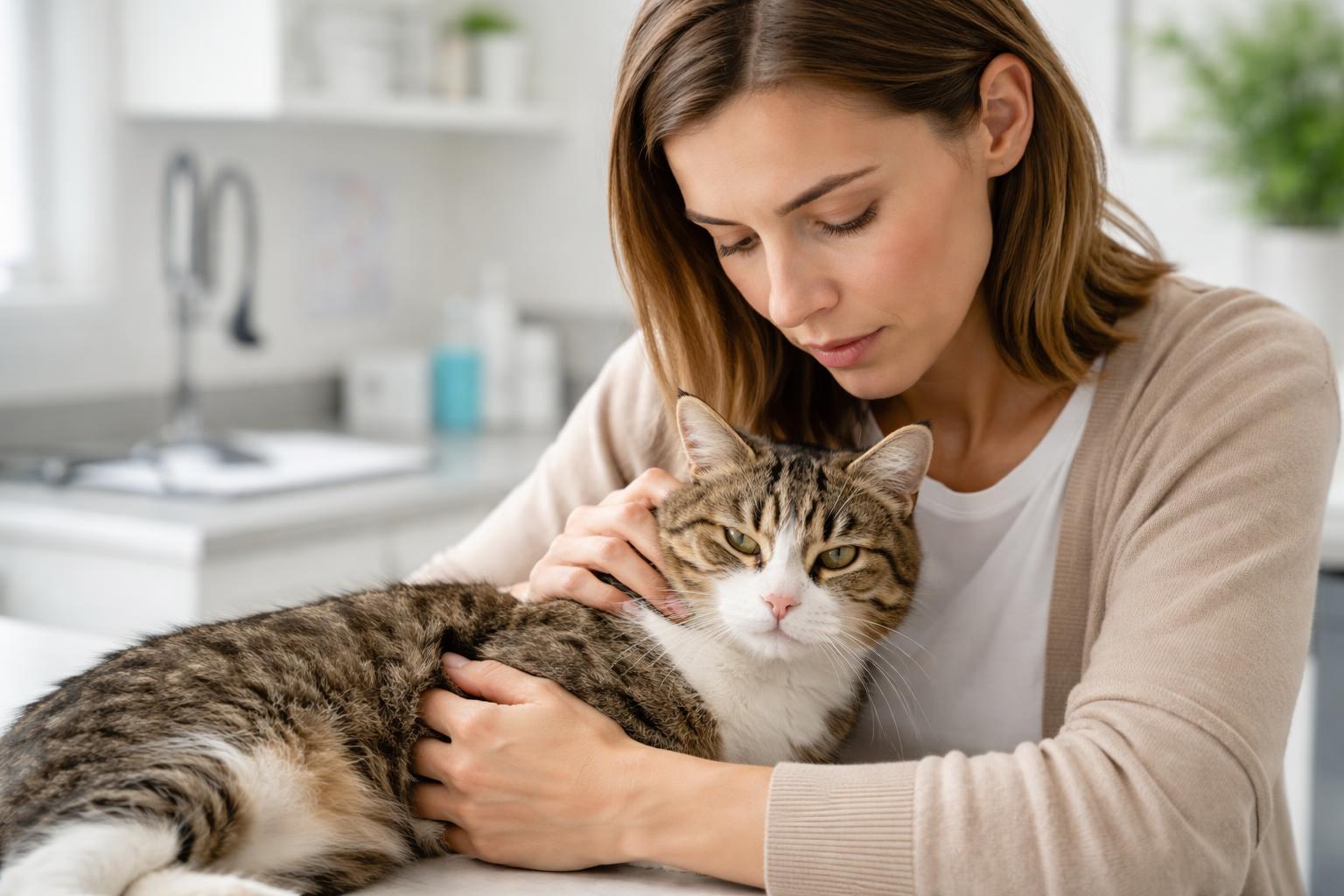
Certain symptoms indicate life-threatening conditions that require you to seek emergency vet care without delay. These critical signs include respiratory distress, loss of consciousness, urinary blockage, and neurological symptoms that can rapidly deteriorate without immediate intervention.
Difficulty Breathing or Open-Mouth Breathing
Cats normally breathe through their noses, so open-mouth breathing signals severe respiratory distress. You may notice your cat breathing rapidly, showing labored chest movements, or making wheezing sounds.
Blue or pale gums indicate oxygen deprivation and constitute a medical emergency. Your cat might extend their neck forward or refuse to lie down in an attempt to get more air. Respiratory emergencies demand immediate attention because oxygen deprivation can cause organ damage within minutes.
Common causes include asthma attacks, fluid in the lungs, heart disease, or airway obstruction. If your cat ingested a foreign object or ate something toxic, breathing problems may develop quickly. Contact an emergency clinic immediately if you observe any breathing difficulties, as these situations deteriorate rapidly.
Collapse or Unresponsiveness
A cat that suddenly collapses or becomes unresponsive requires immediate emergency care. Collapse indicates potential heart failure, shock, severe blood loss, or poisoning.
Your cat may appear limp, fail to respond to your voice or touch, or lose consciousness entirely. Check for breathing and a heartbeat, but transport your cat to the nearest emergency facility immediately regardless of what you find. Even if your cat regains consciousness, the underlying cause remains dangerous.
Sudden collapse can result from conditions like blood clots, severe dehydration, or internal bleeding. Mobility loss and incoordination are time-sensitive conditions that require immediate intervention. Minutes matter in these situations, so don’t wait to see if your cat improves on their own.
Inability to Urinate
A cat straining in the litter box without producing urine faces a life-threatening urinary blockage. This emergency occurs more frequently in male cats due to their narrower urethras.
Watch for repeated trips to the litter box, crying while attempting to urinate, or only producing drops of urine. Your cat may lick their genital area excessively or show signs of abdominal pain. A complete urinary blockage can cause kidney failure and death within 24-48 hours.
Don’t confuse constipation with urinary blockage—both involve straining, but urinary obstruction is far more dangerous. If you cannot confirm that your cat has urinated within the past 24 hours, seek emergency care. The veterinarian will need to relieve the blockage and address the underlying cause to prevent recurrence.
Seizures or Paralysis
Seizures involve uncontrolled muscle movements, loss of consciousness, drooling, or paddling motions with the legs. Your cat may lose bladder or bowel control during a seizure episode.
Single seizures lasting less than two minutes may not be immediately life-threatening, but you should contact your vet promptly. However, repeated seizures or episodes lasting more than five minutes require emergency intervention to prevent brain damage.
Sudden paralysis or inability to move the hind legs often indicates a blood clot blocking blood flow to the limbs. Your cat may cry out in pain and drag their back legs. This condition causes extreme pain and can lead to permanent nerve damage without rapid treatment. Both seizures and paralysis require immediate veterinary assessment to determine the cause and begin treatment.
Supporting Your Cat’s Health and Prevention
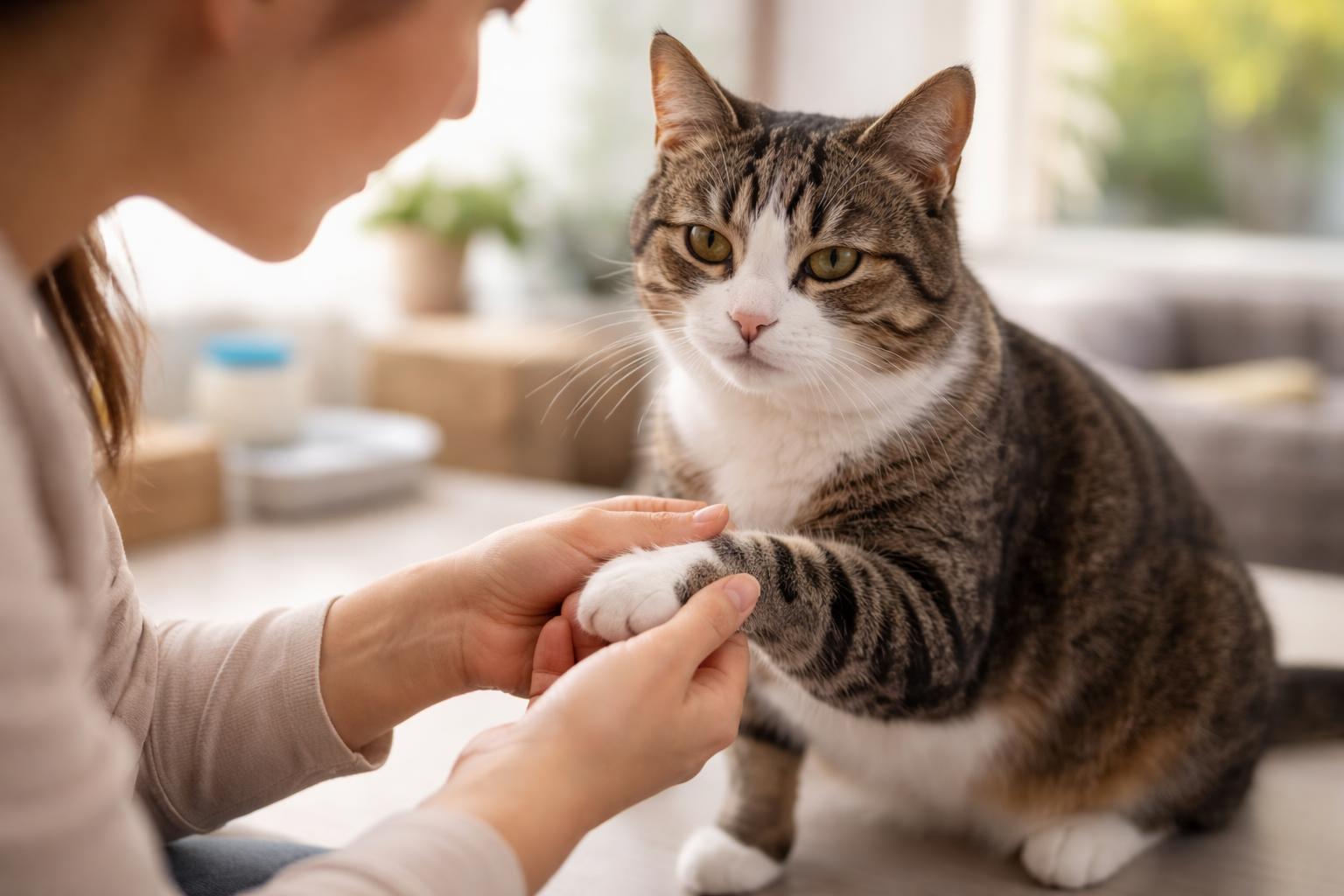
Maintaining your cat’s wellness requires consistent veterinary oversight, daily observation of behavioral patterns, and proactive measures against parasites and environmental hazards. These three pillars work together to catch problems early and prevent many common feline illnesses.
Routine Veterinary Care
Schedule annual wellness exams for adult cats and biannual visits for senior cats over seven years old. Your veterinarian performs comprehensive physical examinations that detect issues you might miss at home, including dental disease, heart murmurs, and early organ dysfunction.
During these visits, your vet checks vital signs, palpates the abdomen, examines the eyes and ears, and reviews your cat’s vaccination status. Blood work becomes important for cats over seven to establish baseline values for kidney function, liver enzymes, and thyroid levels.
Core preventive services include:
- Annual vaccinations (rabies, FVRCP)
- Dental cleanings as recommended
- Fecal examinations for parasites
- Body condition scoring and weight monitoring
Keep a health journal noting any signs your cat is sick between appointments. This documentation helps your veterinarian identify patterns and make more accurate diagnoses.
At-Home Health Monitoring
Observe your cat daily for changes in eating habits, water consumption, litter box usage, and activity levels. Weigh your cat monthly using a digital scale, as gradual weight loss often signals underlying disease.
Check your cat’s coat weekly for bald patches, excessive shedding, or skin lesions. Gently lift the lip to examine gum color, which should be pink rather than pale or yellow. Monitor breathing patterns during rest—normal cats take 15-30 breaths per minute.
Track litter box output carefully. Changes in urination frequency, stool consistency, or the presence of blood require immediate veterinary attention. Document when symptoms begin and their severity to provide accurate information during veterinary consultations.
Parasite Prevention and Hygiene
Administer monthly flea and tick preventatives year-round, even for indoor cats. Fleas enter homes on clothing and other pets, creating infestations that cause skin irritation and transmit tapeworms.
Use veterinarian-recommended deworming protocols based on your cat’s lifestyle and exposure risk. Indoor cats typically need less frequent treatment than outdoor cats, but all cats require baseline parasite screening.
Essential hygiene practices:
- Scoop litter boxes daily
- Deep clean boxes weekly with mild soap
- Wash food and water bowls daily
- Replace scratching posts when worn
Check ears monthly for dark debris that might indicate ear mites, particularly in cats with outdoor access or multi-cat households. Clean visible dirt from ear flaps with a damp cloth, but never insert anything into the ear canal. Trim nails every 2-3 weeks to prevent overgrowth and splitting.
Leave a Reply