Hypoallergenic Cats for People With Allergies: Best Breeds and What You Need to Know
Many people who love cats face a difficult choice when allergies get in the way of pet ownership. Sneezing, itchy eyes, and other allergy symptoms can make living with a cat seem impossible. The good news is that some cat breeds may work better for people with allergies.
No cat is completely hypoallergenic, but certain breeds produce fewer allergens than others, which can lead to milder allergic reactions. Cat allergies are caused by proteins found in saliva, skin, and urine, not by fur itself. When cats groom themselves, these proteins spread onto their coat and become airborne.
This guide will help you learn about specific cat breeds that may be a better fit for your home. You’ll also discover how allergens work and find tips for managing symptoms if you decide to bring a cat into your life.
1) Siberian
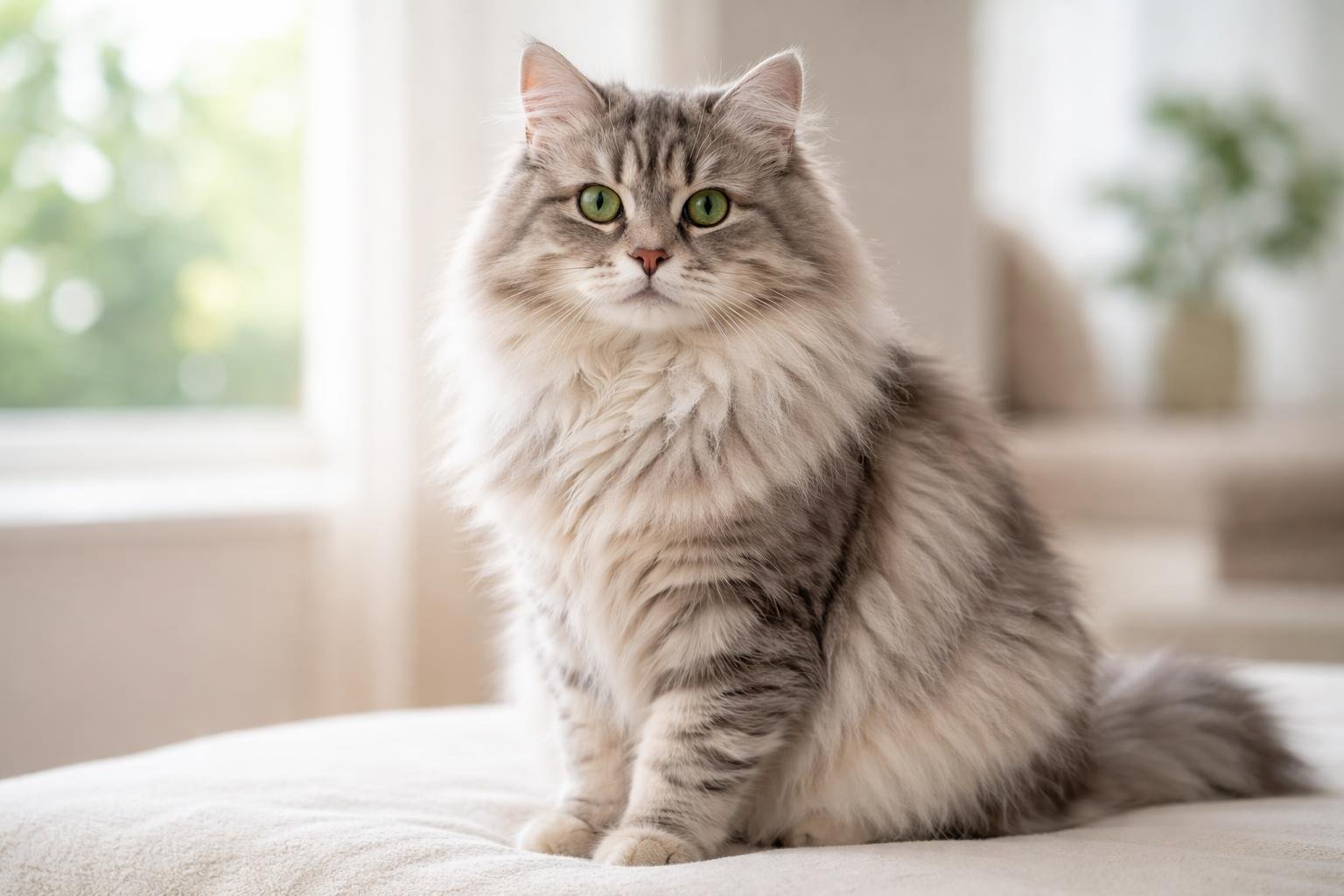
Siberian cats are often called hypoallergenic, but no cat breed is completely allergen-free. These cats may produce lower levels of Fel d 1, the protein that causes most cat allergies.
Some Siberian cats work better for people with allergies than other breeds. However, the amount of allergen they produce varies from cat to cat. You might react differently to individual Siberians even within the same litter.
Research shows that Siberian cats can trigger fewer allergy symptoms in some people. But this doesn’t mean you won’t have any reaction at all. Your tolerance depends on how sensitive you are to cat allergens.
If you’re considering a Siberian cat, spend time with the specific cat before bringing it home. This helps you see how your allergies respond. Some breeders let potential owners visit multiple times to test their reactions.
Keep in mind that Siberians do shed despite claims about being low-shedding. They have thick, triple-layered coats that require regular grooming. This grooming helps reduce loose fur and dander in your home.
2) Balinese
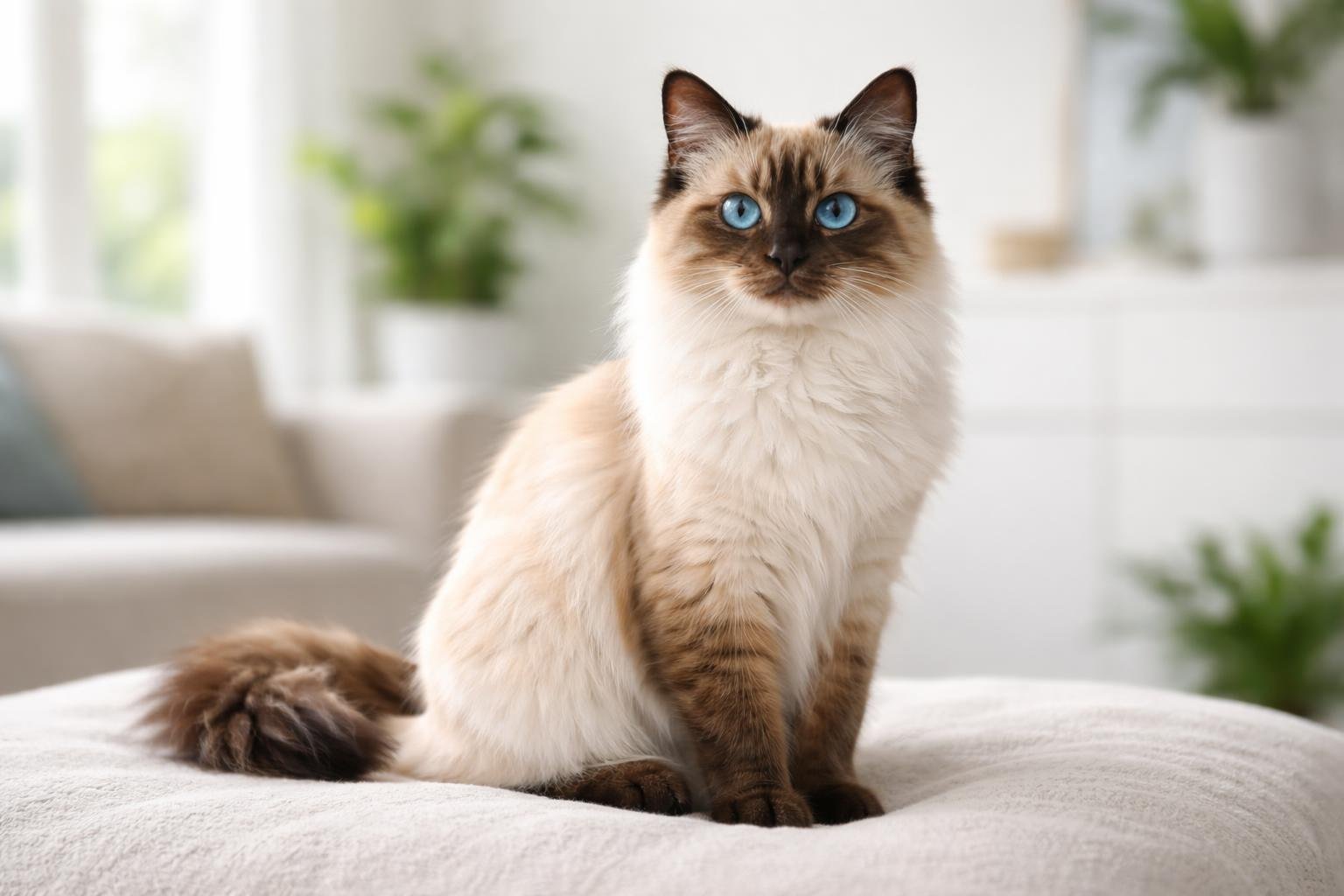
Balinese cats are a popular choice if you have allergies but want a long-haired cat. They produce less Fel d1 protein than many other breeds. This protein is what causes most allergic reactions in people.
No cat is completely hypoallergenic. However, Balinese cats are among the best options for allergy sufferers.
These cats also shed less than other long-haired breeds. This means less dander spreads around your home. The combination of lower protein levels and less shedding can help reduce your symptoms.
You might still experience some allergic reactions with a Balinese cat. The severity depends on how sensitive you are to cat allergens. People with mild to moderate allergies often find Balinese cats more manageable than other breeds.
Regular grooming can further reduce allergens. You should also vacuum frequently and use air purifiers in your home. These steps help manage any remaining allergens your Balinese cat produces.
3) Sphynx
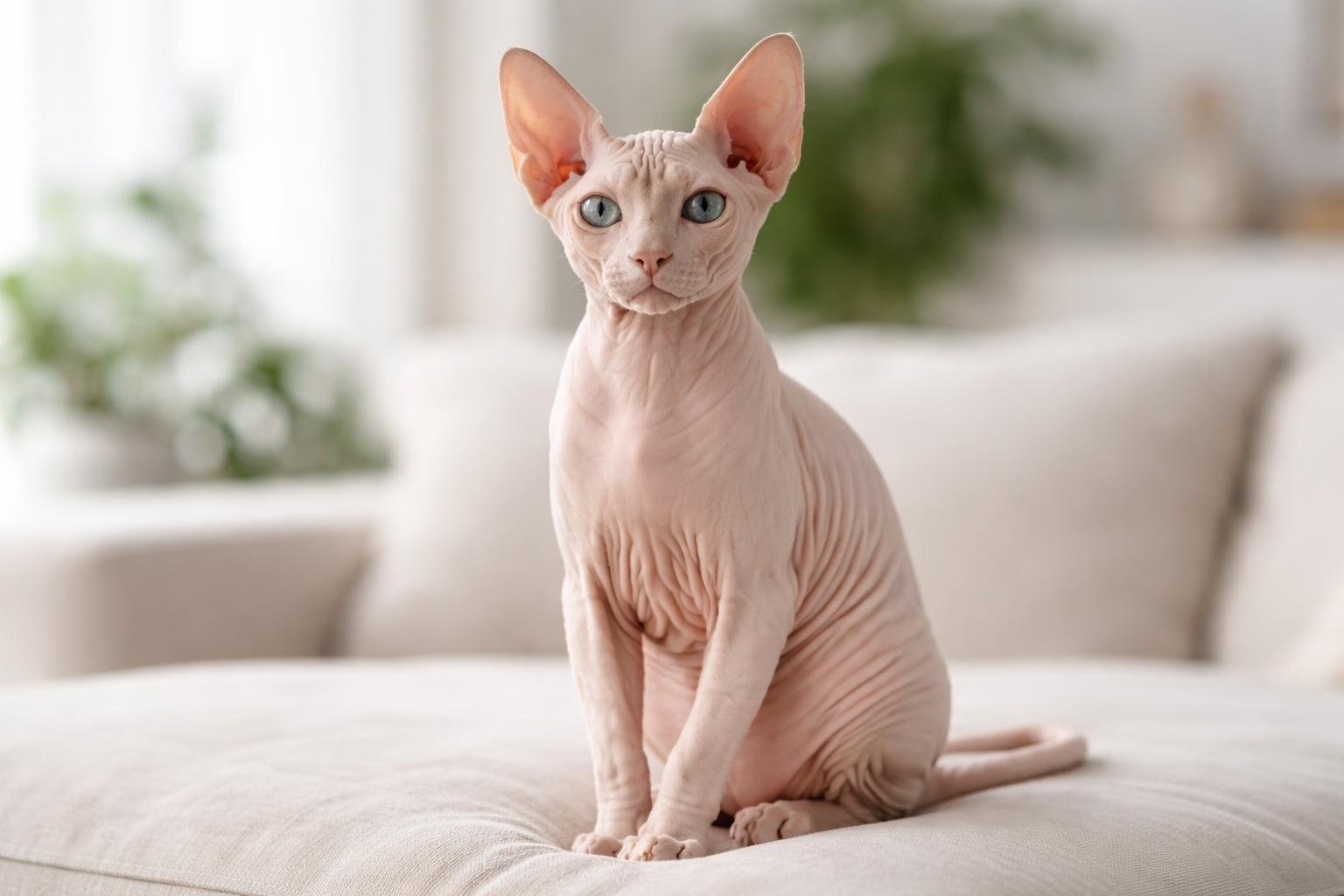
The Sphynx cat stands out because of its hairless appearance. Many people assume this means the breed won’t trigger allergies.
However, no cat is completely hypoallergenic. All cats produce a protein called Fel d1 in their skin, and this protein causes most allergic reactions in people.
Since Sphynx cats lack fur, you might think they produce fewer allergens. The reality is different. Their skin still produces oils and proteins that can trigger your allergies. In fact, the body oils of the Sphynx may be more of an allergen for some people because of the excess oil on their skin.
The lack of fur means there’s less to trap the allergens, but the allergens are still present. You’re coming into direct contact with the oils and proteins on their skin when you touch them.
If you have cat allergies and want a Sphynx, spend time with the breed first. This helps you gauge your personal reaction before bringing one home.
4) Russian Blue
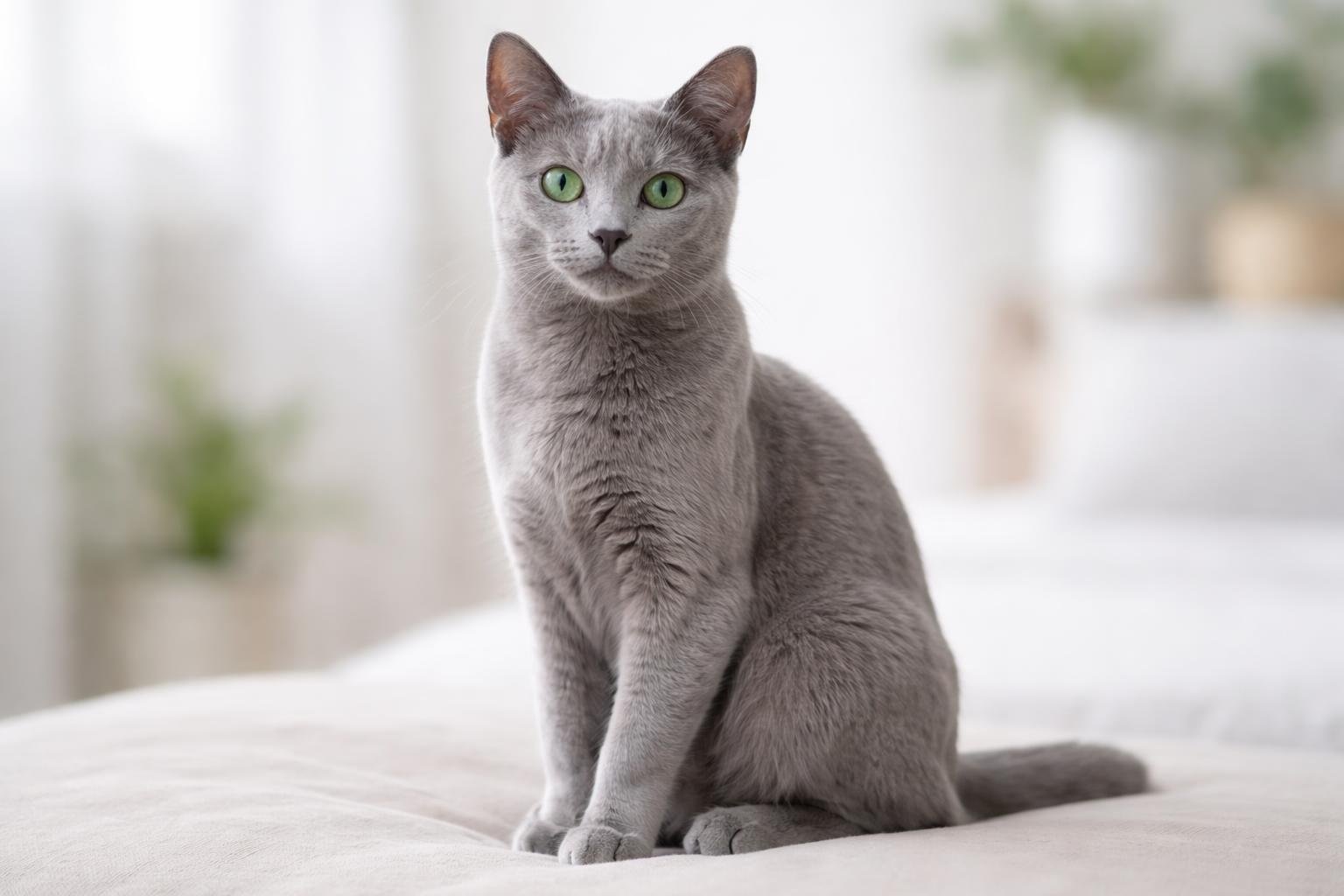
Russian Blue cats often come up in discussions about pets for allergy sufferers. These cats produce lower levels of Fel d 1, the main protein that triggers allergic reactions in people.
No cat is completely hypoallergenic. However, Russian Blue cats produce fewer allergens than many other breeds. This makes them a better option if you have mild to moderate cat allergies.
The Russian Blue’s dense, plush coat sheds less than other cats. Less shedding means less dander spreading around your home. Their saliva and skin still contain some Fel d 1 protein, so you may still experience symptoms.
You can reduce allergic reactions by brushing your Russian Blue regularly. This removes loose fur and dander before it spreads. Using air purifiers and vacuuming often also helps control allergens in your space.
Some people with allergies find Russian Blues suitable, while others still react to them. Your individual sensitivity matters more than the breed alone. Spending time with a Russian Blue before adopting helps you gauge your reaction.
5) Devon Rex
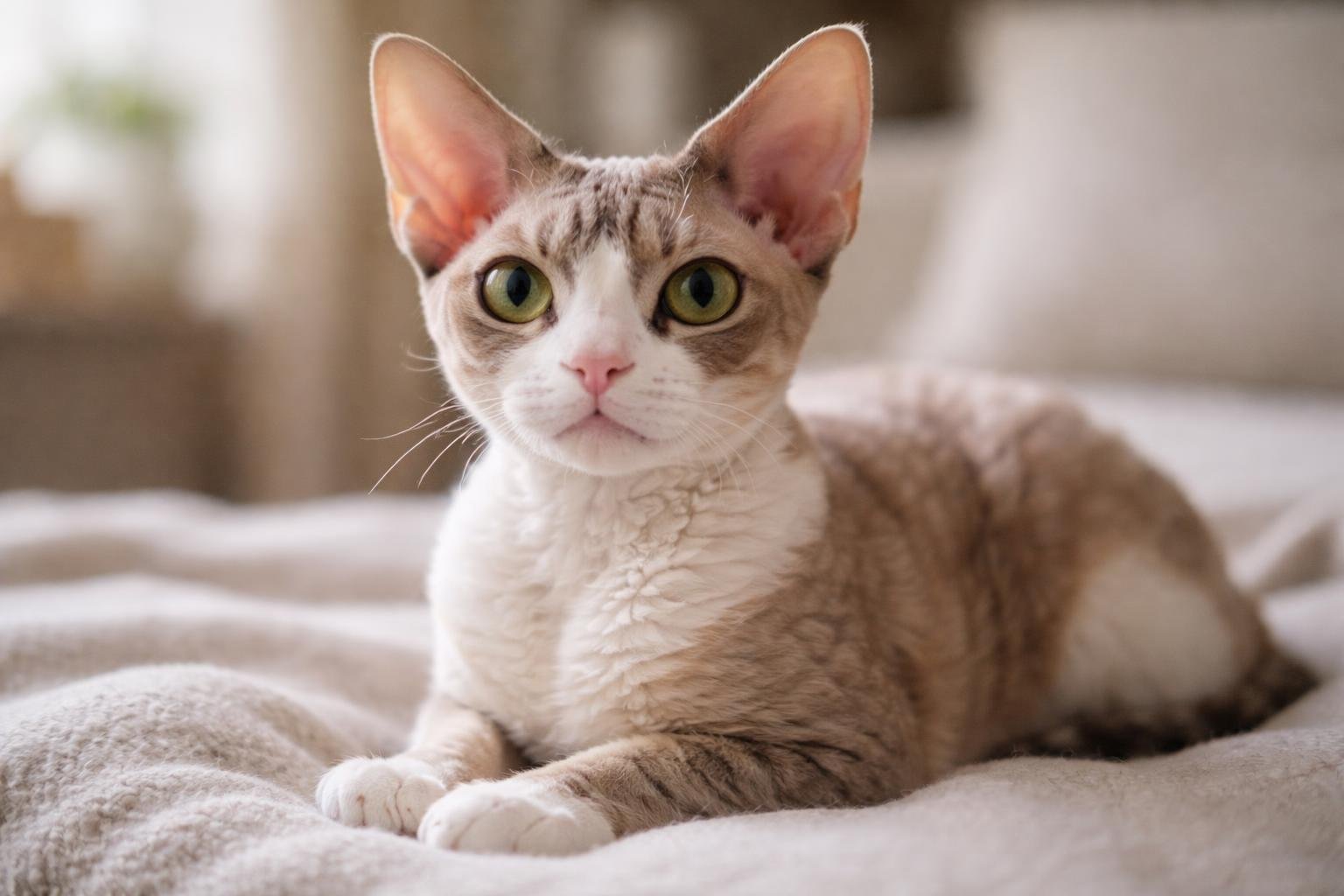
The Devon Rex has a short, wavy coat that sheds less than most cat breeds. This makes them a popular choice for people with mild to moderate cat allergies.
You should know that no cat breed is completely hypoallergenic. Cat allergies come from a protein called Fel d 1, which is found in cat saliva, skin, and urine. All cats produce this protein, including the Devon Rex.
However, the Devon Rex may work better for you than other breeds. Their unique coat type means less dander spreads around your home. When you pair a Devon Rex with strong allergen management, you can reduce allergy symptoms.
Regular grooming helps control allergens even more. You’ll want to bathe your Devon Rex regularly and clean your home often. Air purifiers and keeping your bedroom cat-free also help.
The Devon Rex works best for people with mild to moderate allergies. If you have severe cat allergies, this breed may still cause reactions. You should spend time with a Devon Rex before bringing one home to test your response.
6) Cornish Rex
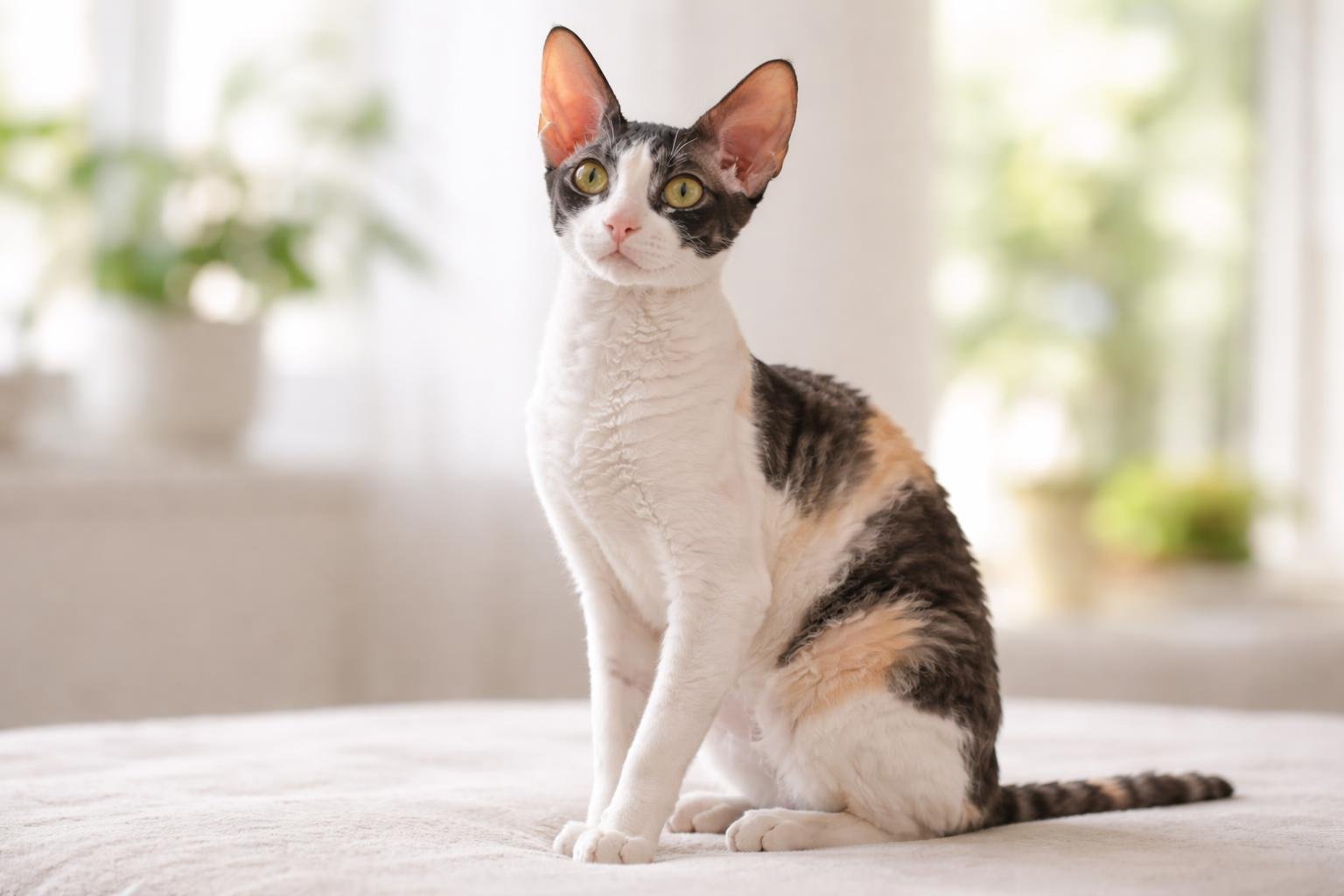
The Cornish Rex has a unique curly coat that feels soft like velvet. Many people think this breed is hypoallergenic, but no cat breed is truly hypoallergenic.
These cats shed less than other breeds because they have less fur. However, they still produce the same proteins that cause allergic reactions. The main allergen comes from cat saliva, not from fur length.
You might find a Cornish Rex easier to tolerate than long-haired breeds. Their reduced shedding means less fur spreads around your home. This can help lower the amount of allergens in your living space.
The distinctive wavy coat of a Cornish Rex requires regular grooming. When you brush them, you remove loose hair and reduce allergen spread. Some allergy sufferers report fewer symptoms with this breed compared to others.
If you have cat allergies, spend time with a Cornish Rex before bringing one home. This helps you see how your body reacts to this specific breed.
7) Bengal
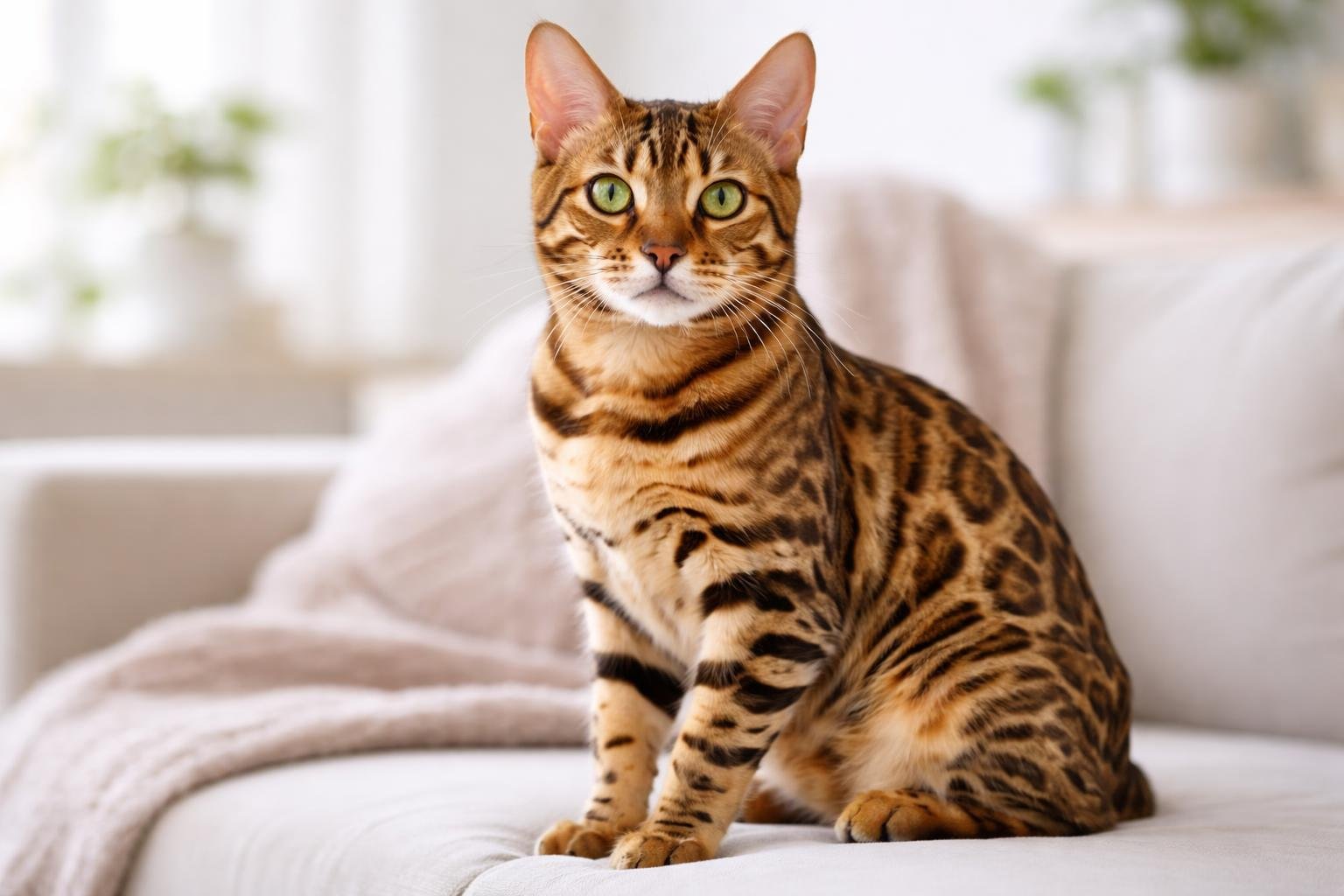
Bengal cats are often called hypoallergenic, but this doesn’t mean they’re completely allergy-free. Hypoallergenic means producing fewer allergens than other cat breeds.
The main allergen that affects you is a protein called Fel d 1. This protein is found in cat saliva, urine, and skin cells. When cats groom themselves, the protein spreads to their fur.
Bengals shed less than many other cat breeds because of their short, silky coat. Their reduced shedding means fewer allergens spread around your home. The allergen proteins stay more confined to the cat instead of floating through the air.
You should know that everyone’s allergies are different. Some people with mild allergies can live with Bengal cats without problems. Others may still have reactions even though Bengals produce fewer allergens.
If you have mild cat allergies, you might be able to manage symptoms with antihistamines. However, doctors advise against living with cats if you have severe allergies.
8) Oriental Shorthair
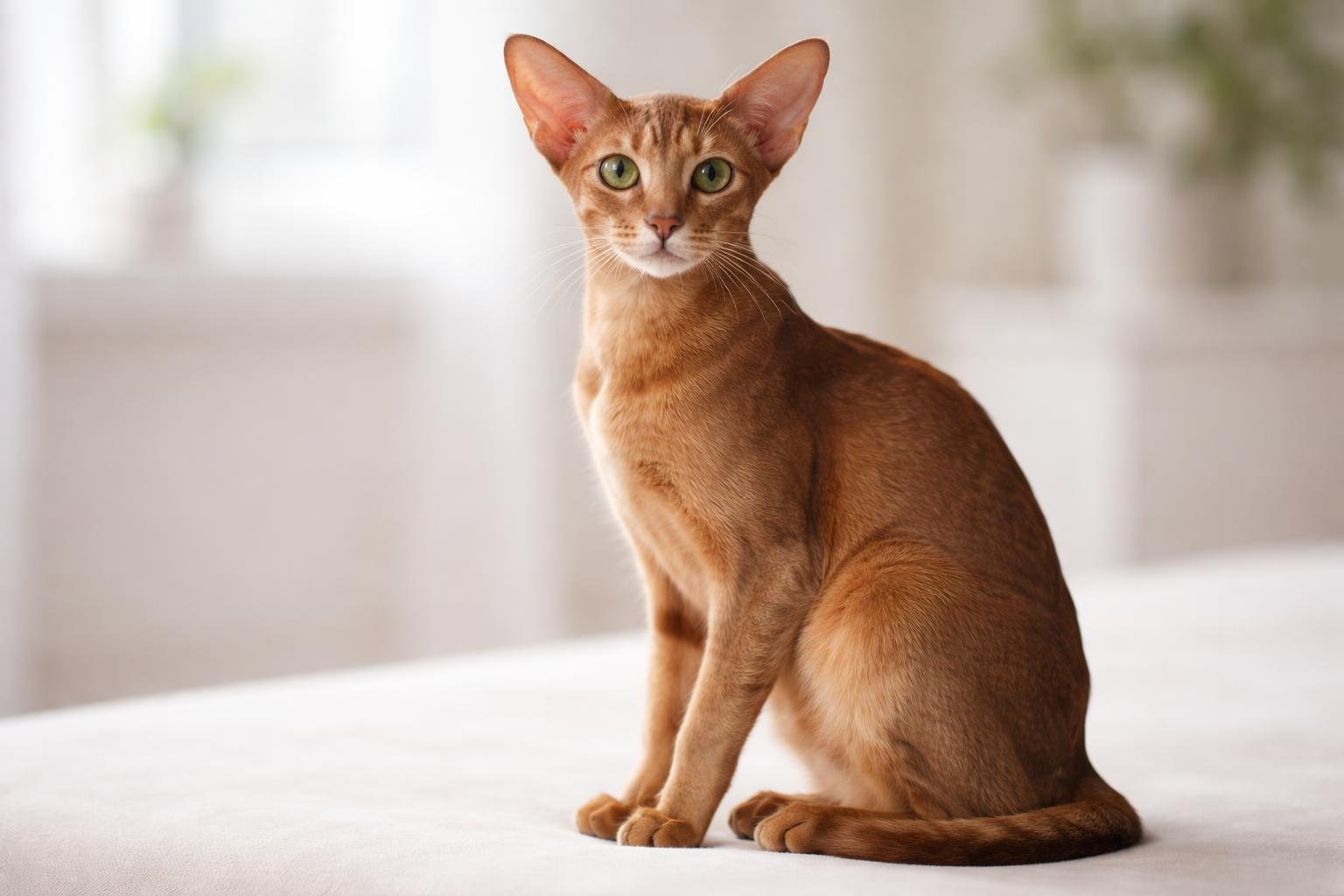
Oriental Shorthair cats have a reputation among some people as being better for allergies, but you need to understand the full picture. No cat breed is truly hypoallergenic, including Oriental Shorthairs.
These cats produce the same allergens as other breeds. The main allergen that affects you is a protein called Fel d 1, which all cats make. Some sources claim that Oriental Shorthairs produce less of this protein, but this varies between individual cats.
Their short, sleek coat does shed less than longer-haired breeds. This means less loose hair and dander floating around your home. Less shedding can reduce your exposure to allergens, but it doesn’t eliminate them completely.
If you have allergies and want an Oriental Shorthair, you should spend time with the specific cat first. Your reaction depends on your personal sensitivity level. Some people with cat allergies find they react less to certain breeds, while others don’t notice a difference.
Regular grooming and cleaning your home can help reduce allergens regardless of the breed you choose.
9) Siamese
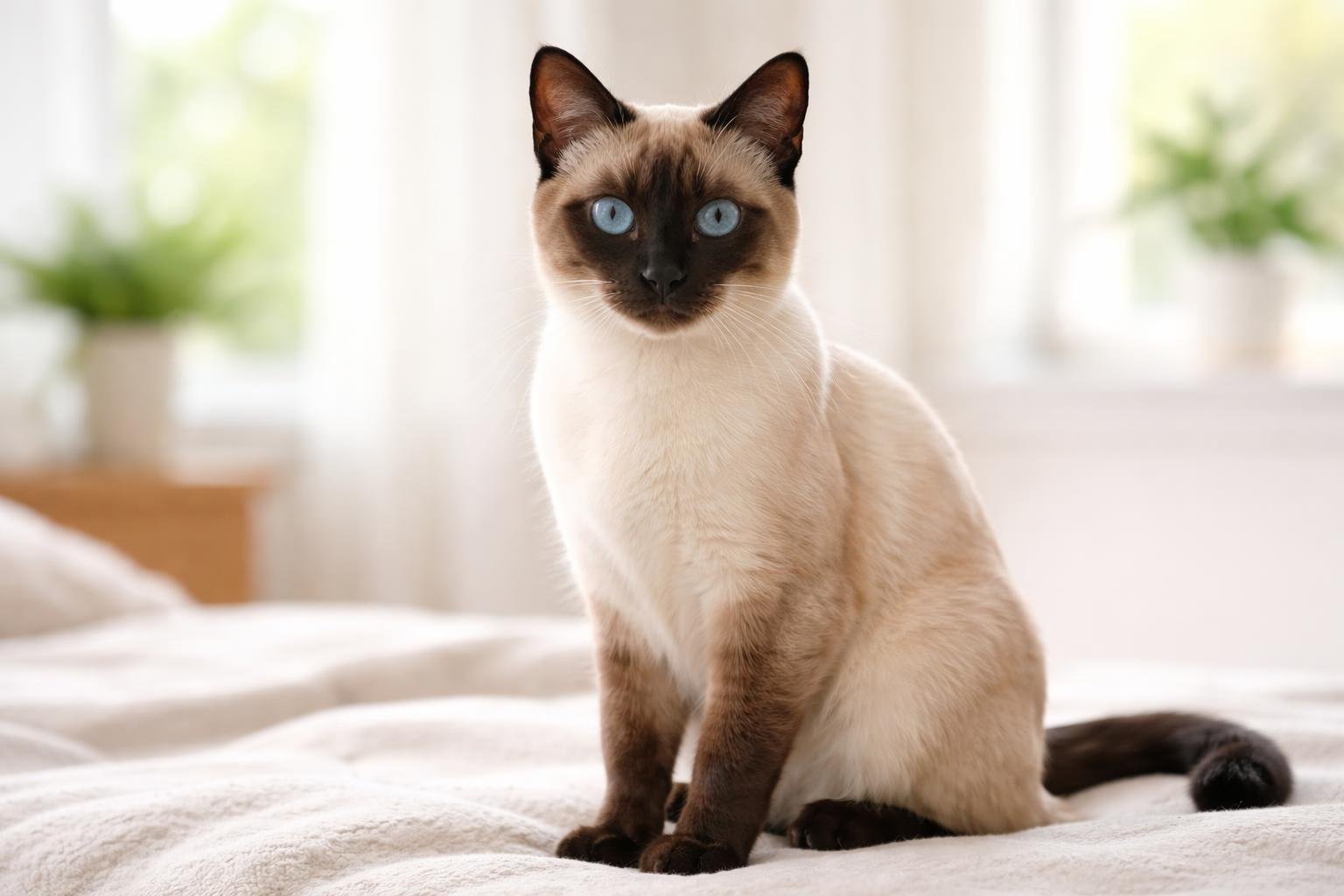
Siamese cats are often included on lists of cats that may work better for people with allergies. However, you should know that no cat breed is completely hypoallergenic.
These cats have short, fine coats that shed less than many other breeds. This means fewer allergens spread around your home compared to cats with longer or thicker fur.
Siamese cats produce less Fel d 1 protein than some other breeds. This protein is found in cat saliva, urine, and skin, and it causes most allergic reactions in people. About ten percent of humans are sensitive to this protein.
People with mild to moderate cat allergies typically do well with Siamese cats. But your personal reaction will depend on your specific allergy level.
If you have cat allergies and want a Siamese, spend time with the breed first. Visit a breeder or shelter to see how your body reacts before making a commitment.
10) Burmese
Burmese cats are not truly hypoallergenic. No cat breed is completely free of allergens, and Burmese cats are no exception.
These cats produce Fel d 1, which is the main protein that triggers allergic reactions in people. This protein is found in their saliva, skin, and urine.
However, Burmese cats may be a better choice if you have mild allergies. They shed less than many other breeds, which means less hair and dander spreading around your home. Some studies suggest that Burmese cats produce lower levels of Fel d 1 compared to other breeds.
You should know that even low-shedding breeds can still cause problems. Dander from skin can trigger allergies even without much fur. There is no guarantee you won’t have an allergic reaction to a Burmese cat.
If you want a Burmese cat but have allergies, spend time with the breed first. This will help you see how your body reacts before making a commitment.
Understanding Feline Allergens
Cat allergies stem from proteins found in cat saliva, skin, and urine rather than cat fur itself. The primary culprit is a protein called Fel d 1, which cats spread across their bodies during grooming.
How Cat Allergens Affect Humans
When cats groom themselves, they deposit Fel d 1 protein onto their fur and skin. This protein becomes airborne through tiny particles that float in the air and settle on surfaces throughout your home.
Your immune system mistakenly identifies Fel d 1 as a harmful substance when you breathe it in or touch contaminated surfaces. This triggers an allergic reaction that releases histamines into your bloodstream.
Common symptoms include sneezing, runny nose, itchy eyes, and skin rashes. Some people experience more severe reactions like difficulty breathing or asthma attacks. The severity of your symptoms depends on how sensitive your immune system is to the protein and how much exposure you have.
Typical allergic reactions include:
- Respiratory issues (sneezing, coughing, wheezing)
- Eye irritation (redness, watering, itching)
- Skin reactions (hives, rashes, eczema flare-ups)
- Nasal congestion
Myths and Facts About Allergen Levels
No cat is completely hypoallergenic despite what some breeders claim. Certain breeds produce less Fel d 1 protein, which may reduce your allergic reactions, but they still generate some allergens.
Long fur does not cause more allergies than short fur. The amount of Fel d 1 protein a cat produces matters more than coat length or shedding frequency.
Male cats typically produce more allergens than female cats. Neutered males produce less Fel d 1 than intact males, making them a better choice if you have allergies.
Common misconceptions:
-
Myth: Hairless cats are allergen-free
-
Fact: They still produce Fel d 1 through saliva and skin oils
-
Myth: Regular bathing eliminates allergens completely
-
Fact: It only temporarily reduces allergen levels
Managing Allergy Symptoms at Home
Keeping your living space clean and selecting the right products can reduce cat allergens by up to 90 percent in your home. These steps work alongside choosing a hypoallergenic breed to create a more comfortable environment.
Cleaning Tips for Allergy Reduction
You need to vacuum at least twice per week using a vacuum with a HEPA filter. Regular vacuums can blow allergens back into the air, making your symptoms worse.
Wash all bedding weekly in hot water above 130 degrees Fahrenheit. This kills allergens that settle on sheets, blankets, and pillowcases. Keep your cat out of your bedroom entirely to create one allergen-free zone where you sleep.
Hard flooring works better than carpet for allergy sufferers. If you have carpet, steam clean it monthly to remove trapped allergens. Wipe down walls and hard surfaces with damp cloths weekly since cat allergens can stick to various surfaces throughout your home.
Change your HVAC filters every 30 days. Use filters rated MERV 11 or higher to trap smaller particles.
Choosing Allergy-Friendly Products
Air purifiers with HEPA filters remove airborne allergens from rooms where you spend the most time. Place one in your bedroom and one in your main living area for best results.
Allergen-reducing cat foods can decrease the amount of allergens your cat produces. Some specially formulated diets neutralize the Fel d 1 protein in your cat’s saliva before it spreads through grooming.
Use allergen-neutralizing sprays on furniture, curtains, and cat bedding. These products break down proteins that trigger allergic reactions. Choose unscented versions if you have sensitivity to fragrances.
Leather or vinyl furniture beats fabric upholstery for homes with allergies. These smooth surfaces don’t trap allergens like cloth does, and you can wipe them clean easily.
Frequently Asked Questions
No cat breed is completely allergen-free, but some produce less of the Fel d 1 protein that triggers reactions. Understanding what makes certain breeds better for allergy sufferers can help you make an informed choice.
What does “hypoallergenic” mean when describing a cat breed?
The term “hypoallergenic” means a cat breed produces fewer allergens than other cats. It does not mean the cat is 100% allergy-free.
Cats that are labeled hypoallergenic may produce lower levels of the Fel d 1 protein, which is the main cause of allergic reactions in people. This protein is found in cat saliva, skin, and urine.
When cats groom themselves, the protein spreads to their fur and becomes airborne. Hypoallergenic breeds are more tolerable for people with mild to moderate allergies, though they may still cause some sneezing or itching.
Which cat breeds are typically considered the best options for people with cat allergies?
The Siberian, Sphynx, and Russian Blue are considered the best options for severe allergy sufferers. These breeds produce lower amounts of the Fel d 1 protein.
The Balinese and Devon Rex also make good choices for people with allergies. Hairless and low-shedding breeds tend to be better because they spread fewer allergens around your home.
You should spend time with any breed before adoption to see how your allergies react. Individual reactions vary from person to person, even with lower-allergen breeds.
Are Siberian cats truly lower-allergen compared to other breeds?
Siberian cats produce less Fel d 1 protein than most other cat breeds. Studies have shown that many Siberian cats have naturally lower levels of this allergen in their saliva and skin.
Not all Siberian cats are the same, though. Some individual Siberians produce more allergens than others within the breed.
You need to meet the specific cat you plan to adopt and spend time with it. This helps you determine if that particular Siberian cat triggers your allergies.
Do certain coat types or grooming habits reduce allergens in the home?
Hairless cats like the Sphynx spread fewer allergens because they don’t shed fur around your home. However, they still produce the Fel d 1 protein on their skin and need regular bathing to remove it.
Brushing your cat regularly can help minimize allergens by removing loose hair and dander before it spreads. Have someone without allergies do the brushing outside or in a well-ventilated area.
Cats that groom themselves less frequently may spread less saliva on their fur. Low-shedding breeds keep more allergens on their body instead of releasing them into your environment.
Which cat breeds tend to trigger the strongest allergic reactions and are best avoided?
High-shedding breeds tend to be worse for people with allergies because they spread more fur and dander around your home. Persian cats shed heavily and have long, dense coats that trap allergens.
Maine Coons also shed a lot due to their thick, fluffy coats. Himalayan cats combine heavy shedding with long fur that requires frequent grooming.
These breeds release more allergen-carrying hair into the air and onto furniture. If you have moderate to severe cat allergies, you should avoid these high-shedding, long-haired breeds.
Can living with a lower-allergen cat reduce allergy or asthma symptoms over time?
Some people experience reduced allergy symptoms after living with a cat for several months. This happens because your immune system may become less sensitive to that specific cat’s allergens.
This adaptation does not work for everyone, and it only applies to the cat you live with. You will still react to other cats and may continue having symptoms even with your own pet.
People with asthma should be especially careful because cat allergens can trigger serious breathing problems. Talk to your doctor before getting a cat if you have asthma or severe allergies, even if you choose a lower-allergen breed.