Cat purring is one of the most recognizable sounds in the animal kingdom, yet many cat owners don’t fully understand what their feline companion is trying to communicate. While purring cats are often expressing contentment and relaxation, cat purring can also signal stress, pain, self-healing, or a request for attention. The vibrations you feel when your cat settles on your lap tell a more complex story than simple happiness.
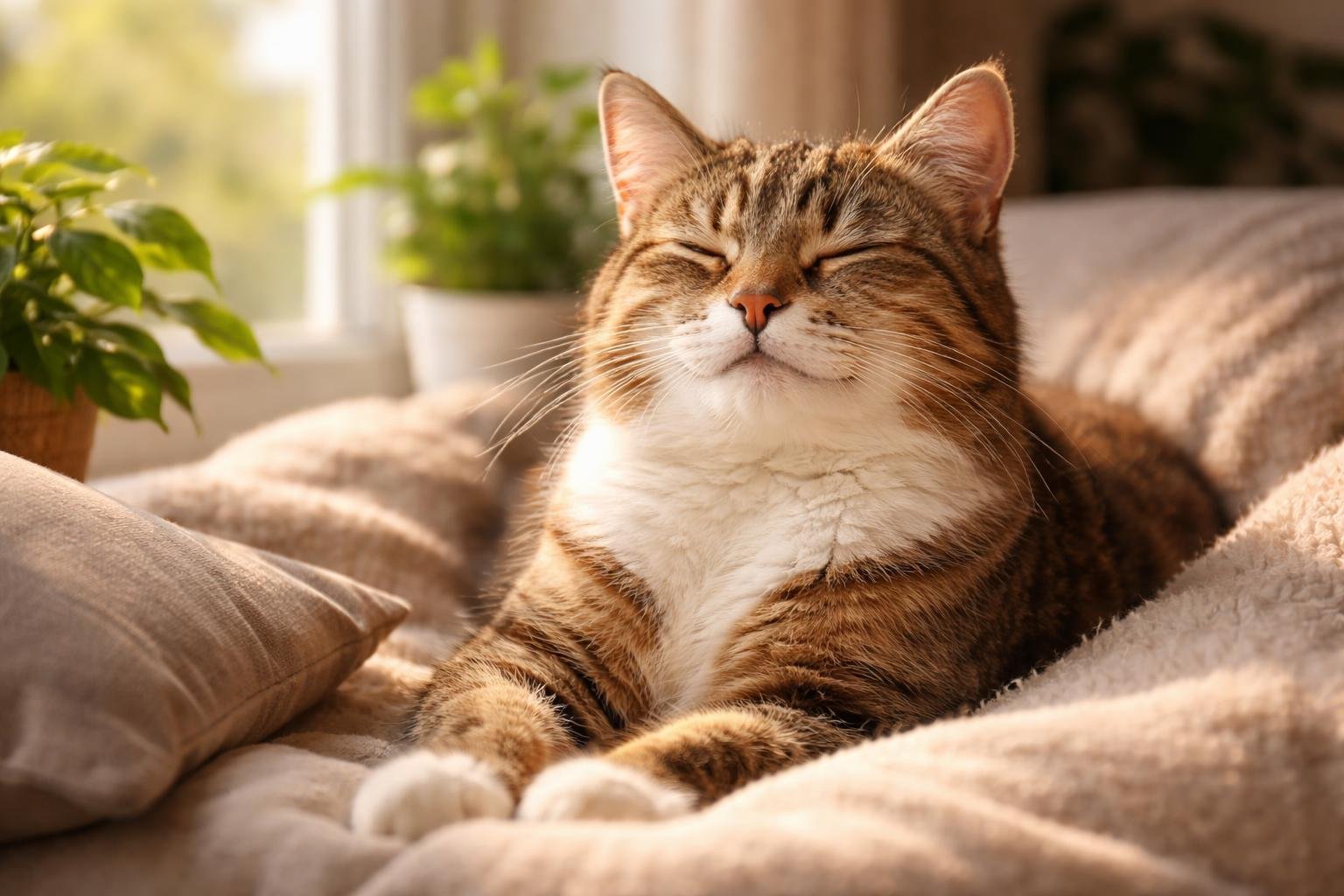
Understanding the meanings behind a purring cat helps you respond appropriately to your pet’s needs and strengthens your bond. A cat purr isn’t just a single emotion translated into sound—it’s a multifaceted form of communication that changes based on context, intensity, and accompanying body language. Learning to decode these subtle variations can alert you to potential health concerns and deepen your appreciation for feline behavior.
The sound that seems so straightforward actually serves multiple purposes throughout a cat’s life, from kittenhood communication with their mother to adult self-soothing during illness. By recognizing when your cat’s purring indicates comfort versus distress, you’ll become a more attentive and informed pet owner.
Key Takeaways
- Cat purring communicates multiple emotions including contentment, stress, pain, and requests for attention
- Cats use purring throughout their lives for self-healing, bonding, and communication with humans and other animals
- Understanding the context and body language accompanying your cat’s purr helps you respond to their physical and emotional needs
What Is Cat Purring?
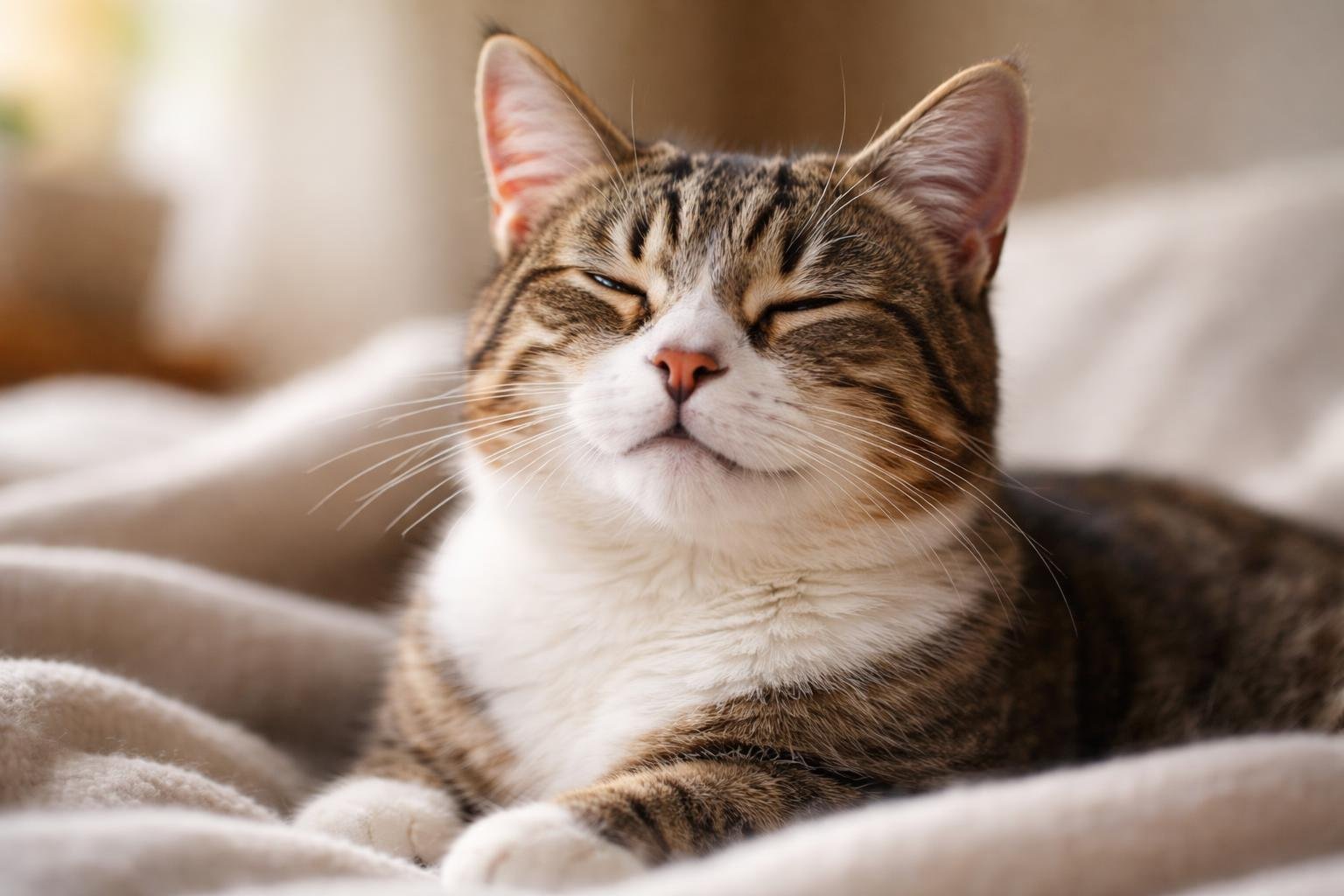
Cat purring is a rhythmic, vibratory sound that cats produce through specialized physiological mechanisms involving their larynx and diaphragm. This vocalization occurs at specific frequencies and serves multiple purposes in feline behavior, from communication to self-soothing.
The Science and Anatomy of Purring
Understanding how cats purr requires examining the unique anatomical structures involved in this behavior. Your cat’s laryngeal muscles play the central role in producing purring sounds. These muscles control the opening and closing of the space between the vocal cords, called the glottis.
The process involves rapid contractions of the intrinsic laryngeal muscles, which occur at a rate of 25 to 150 vibrations per second. Your cat’s brain sends repetitive neural signals to these muscles, causing them to twitch in a coordinated pattern. This creates the characteristic vibration you feel when you touch a purring cat.
The entire respiratory system participates in purring. Unlike meowing, which only occurs during exhalation, purring happens during both inhalation and exhalation, creating a continuous sound.
How Cats Produce Purring Sounds
The mechanics of cat purring involve a coordinated effort between multiple body systems. When your cat’s laryngeal muscles contract and relax, they cause the vocal cords to separate and come together rapidly. Air passes through these vibrating vocal cords during both breathing in and breathing out.
Your cat’s diaphragm works in tandem with the laryngeal muscles to maintain consistent airflow. This coordination allows for the uninterrupted purring sound that distinguishes it from other vocalizations. The hyoid bone, a small bone in your cat’s throat, may also contribute to the resonance of the purr.
Key components involved:
- Laryngeal muscles
- Vocal cords (glottis)
- Diaphragm
- Hyoid bone
- Neural pathways from the brain
Frequency Range and Physical Mechanisms
Cat purring typically occurs within a frequency range of 25 to 50 hertz, though some cats can purr at frequencies up to 150 hertz. This specific range has biological significance beyond simple communication. Research suggests these low-frequency vibrations may promote healing and bone density.
The physical mechanism creates vibrations that travel throughout your cat’s body. You can feel these vibrations when you place your hand on your cat’s throat, chest, or body. The intensity and volume of purring vary between individual cats based on their size, age, and physical condition.
The continuous nature of purring distinguishes it from other cat vocalizations. Your cat maintains this sound without needing to pause for breath, which is possible because the mechanism works during both inhalation and exhalation cycles.
Common Reasons Behind Cat Purring
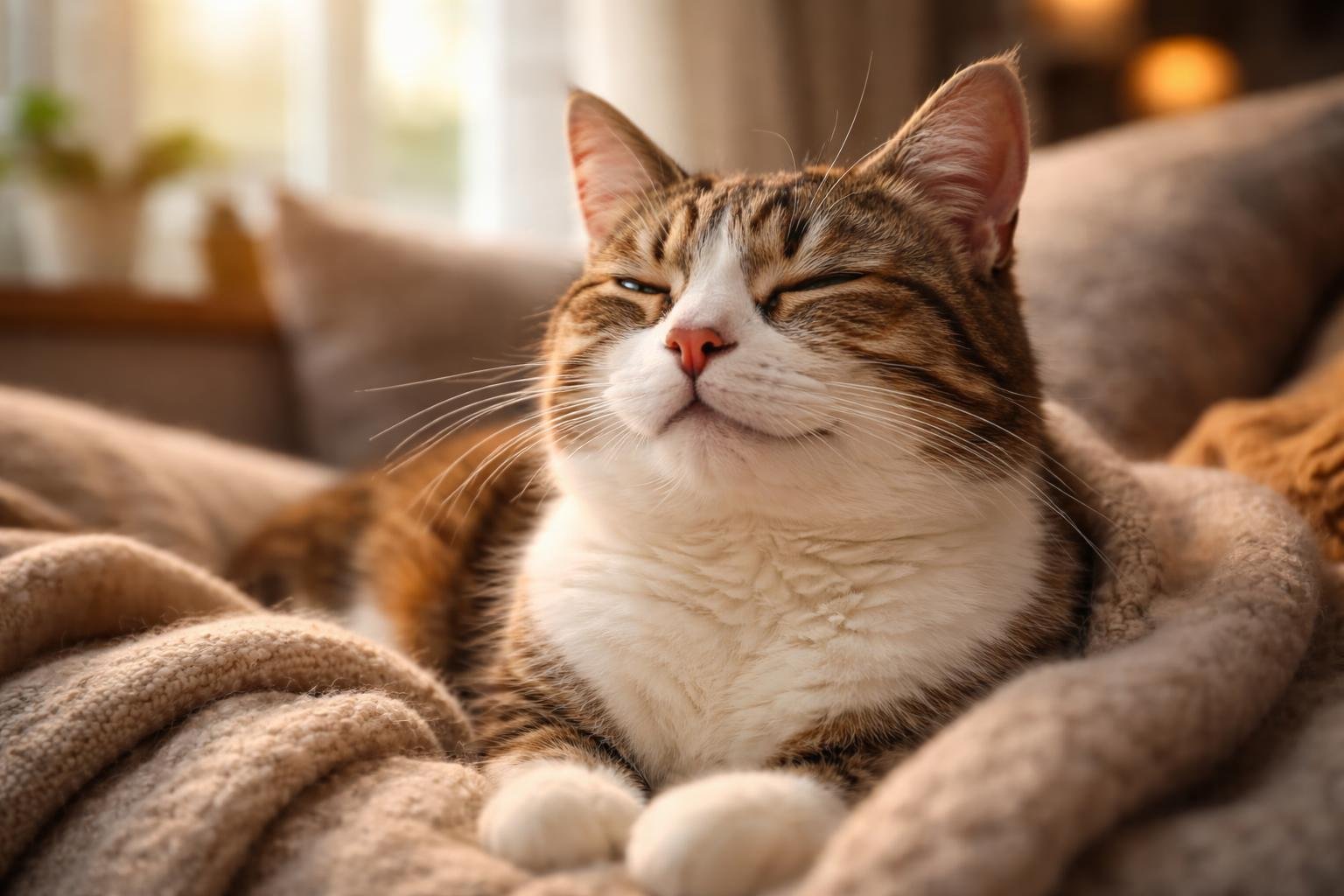
Cats purr in multiple contexts that reveal different emotional and physical states. Understanding these primary motivations helps you interpret what your cat communicates through this distinctive vibration.
Contentment and Relaxation
When your cat curls up on your lap and begins to purr, this typically signals genuine happiness and comfort. Contentment is the most common reason for purring, occurring when cats feel safe and relaxed in their environment.
You’ll notice this type of purr during peaceful moments—while your cat lounges in a sunny spot, receives gentle petting, or settles down for a nap. The purr serves as both an expression of satisfaction and a way to maintain a calm state.
Common situations that trigger contentment purring:
- Being petted or groomed by you
- Resting in comfortable, familiar spaces
- Eating favorite foods
- Settling down after playtime
This relaxed purring usually comes with other positive body language. Your cat may have half-closed eyes, a loose posture, and a gently swaying tail.
Social Bonding and Communication
Kittens begin purring as early as two days old to communicate with their mothers during nursing. This early behavior establishes purring as a fundamental social tool that cats carry into adulthood.
Your cat uses purring to strengthen bonds with you and other household animals. When your cat approaches you with a purr, it often functions as a friendly greeting or an invitation for interaction. The vibration creates a shared sensory experience that reinforces your connection.
Cats also purr to signal specific needs to you. A purr combined with meowing or rubbing against your legs frequently means your cat wants food, attention, or access to a particular space. This communicative purring differs slightly in intensity and pattern from pure contentment purring.
Stress Relief and Self-Soothing
Cats also purr in situations of great stress, fear, and pain, which contradicts the common belief that purring only indicates happiness. Your cat may purr during veterinary visits, while ill, or when injured as a coping mechanism.
This self-soothing behavior helps cats manage anxiety and discomfort. The vibration frequency of a purr falls within ranges that may promote healing and pain relief. Some researchers suggest purring serves as a form of self-healing for cats during recovery.
Anecdotal evidence shows that if a cat is injured, a companion cat may lie beside it and purr, suggesting purring may have therapeutic benefits beyond individual comfort. If you notice sudden or unusual purring patterns in your cat—especially when combined with signs of distress, hiding, or changes in appetite—this warrants veterinary attention. Context and accompanying body language help you distinguish between contentment purring and stress-related purring.
Solicitation and Attention-Seeking Purrs
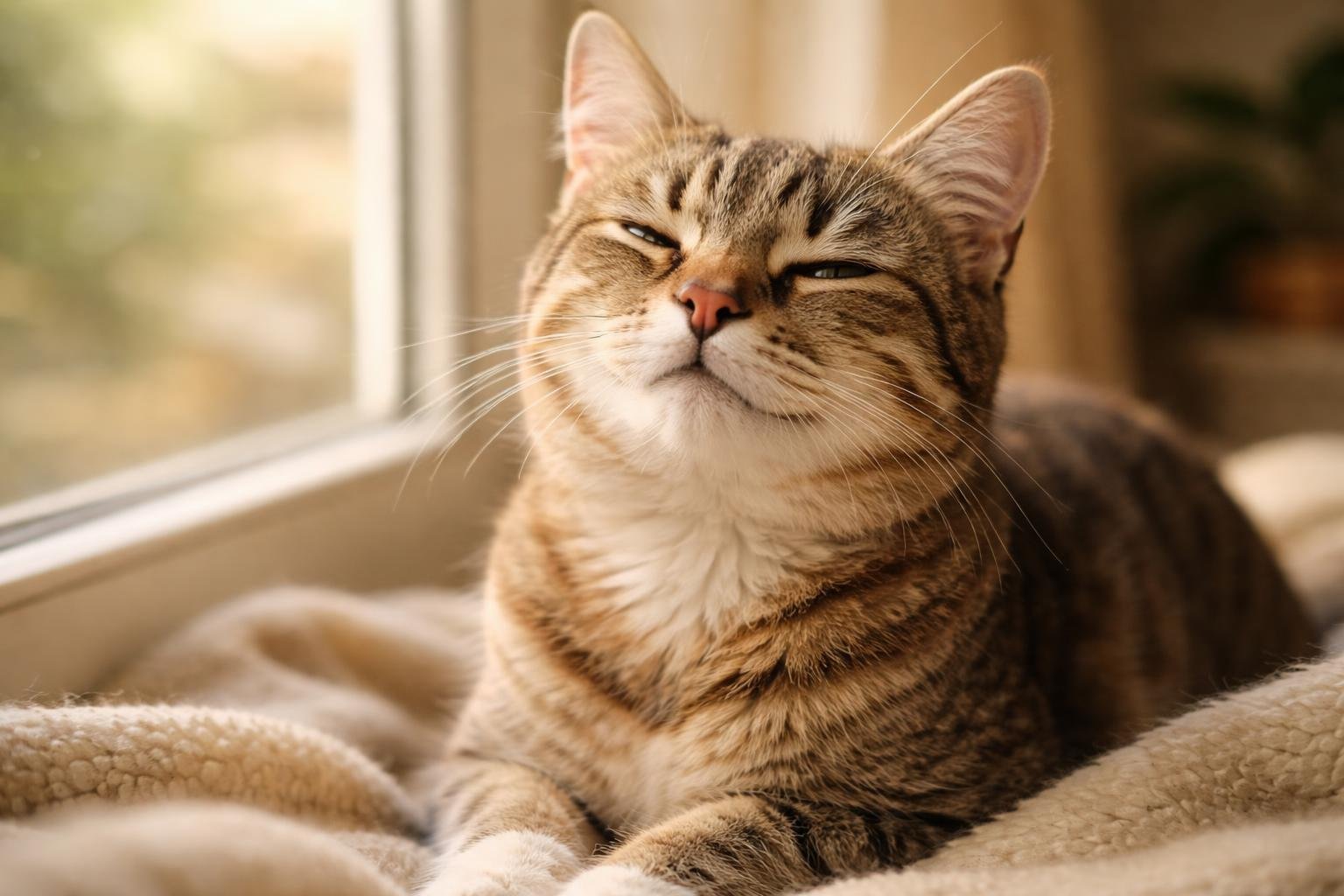
Cats produce a distinct type of purr when they want something from you, characterized by higher frequencies and more urgent tones than their typical contentment sounds. This solicitation purr combines purring with subtle vocal cues that trigger faster responses from owners.
Solicitation Purr vs. Contentment Purr
The solicitation purr differs from regular purring in several noticeable ways. It reaches higher pitches and includes sounds similar to a baby’s cry embedded within the purr itself.
When you pet your cat and hear a smooth, steady purr at lower frequencies, that typically indicates contentment. In contrast, solicitation purring sounds more insistent and urgent. The frequency can reach well above typical purr ranges, sometimes mixing with meow-like vocalizations.
You’ll notice the rhythm differs too. Contentment purrs maintain a consistent, relaxed pattern, while solicitation purrs often have irregular rhythms designed to capture your attention immediately.
How Cats Use Purring to Communicate Needs
Your cat employs solicitation purring strategically when seeking specific responses from you, particularly during feeding times or when wanting attention. This cat behavior represents a learned communication method developed specifically for human interaction.
Cats direct this purr type toward their owners to request food, petting, or playtime. The sound manipulates human responses because it mimics distress signals that people are hardwired to notice and address quickly.
You might observe your cat using this purr while standing near their empty food bowl, rubbing against your legs, or staring at you from across the room. The context helps you identify what they want. Different types of cat purrs serve various purposes, but solicitation purring remains one of the most purposeful forms of feline communication aimed exclusively at humans.
Kitten Purring and Developmental Meanings
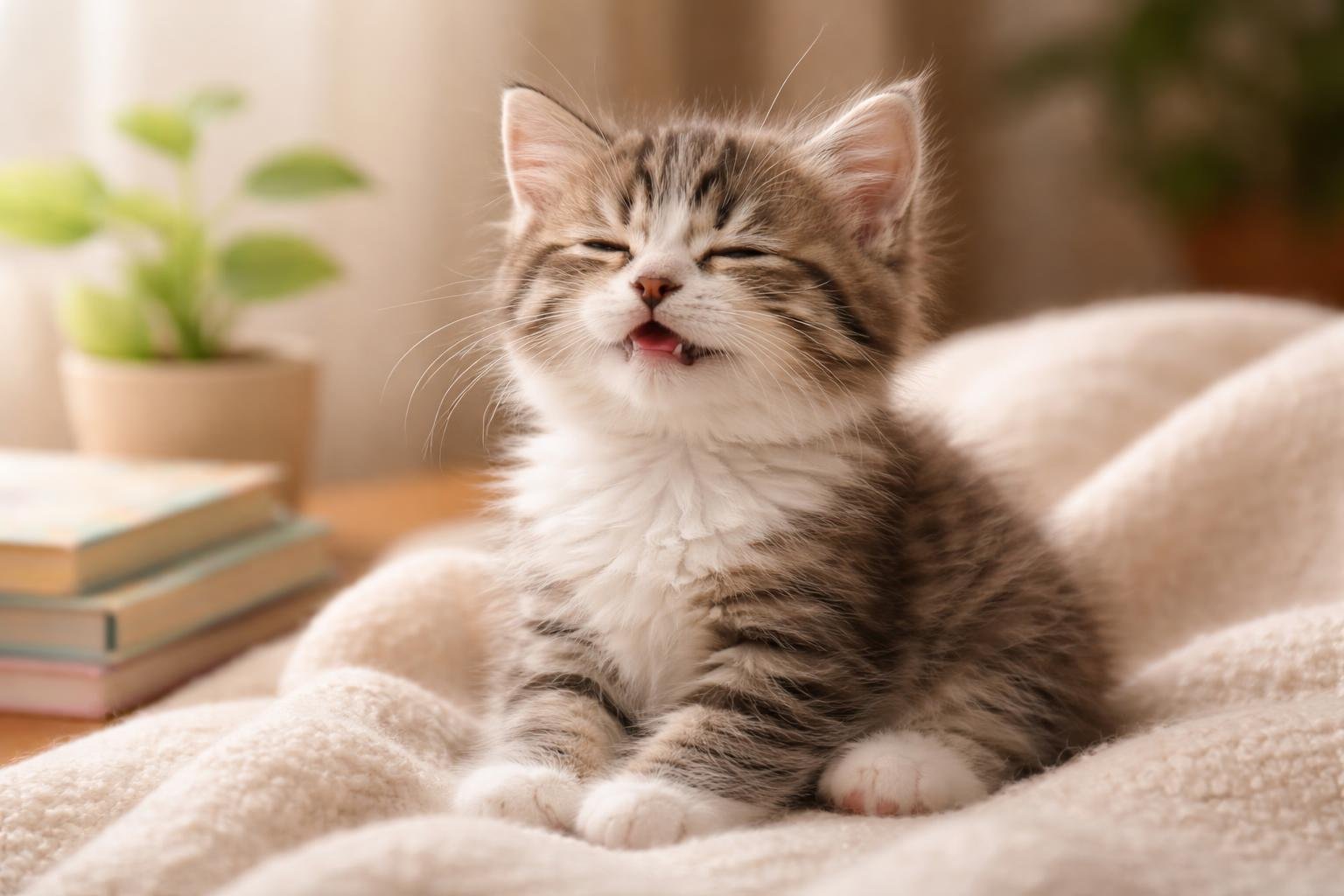
Kittens begin purring within their first few days of life as a vital communication tool with their mothers. This early purring serves multiple developmental purposes, from coordinating feeding sessions to strengthening the mother-kitten bond during critical growth periods.
Kittens Purr to Communicate with Mothers
Your kitten uses purring as one of its earliest forms of communication, often starting when they are just a few days old. This vocalization helps the mother cat locate her offspring, especially since newborn kittens are born blind and deaf.
The purring acts as a homing beacon that guides the mother back to her litter. Kittens purr to signal their presence and communicate their basic needs to their mother throughout the day and night.
This communication between kittens and their mothers establishes the foundation for later social behaviors. The vibrations and sounds help maintain contact when vision and hearing are not yet fully developed.
Kitten Purring During Nursing and Bonding
When you observe kittens nursing, you’ll notice they purr continuously during feeding sessions. This purring serves a dual purpose: it signals contentment to the mother while also creating a feedback loop that encourages milk production.
The vibrations from purring cats during nursing help stimulate the mother’s mammary glands. Your kitten’s purring during these moments strengthens the emotional bond between mother and offspring, creating a sense of safety and security.
This bonding behavior through purring continues beyond feeding times. Kittens will purr when cuddled by their mother or littermates, reinforcing social connections that influence their future interactions with humans and other animals.
Why Do Kittens Purr?
Beyond maternal communication, kittens purr for several developmental reasons. They purr when content, comfortable, or seeking attention from their caretakers.
Common reasons kittens purr include:
- Hunger or feeding time – signaling they’re ready to nurse
- Comfort and warmth – when nestled with littermates or mother
- Self-soothing – during stressful situations or when ill
- Social bonding – when interacting with humans or other pets
Young kittens also use purring as a self-calming mechanism during veterinary visits or new experiences. Understanding why kittens purr helps you interpret their needs and emotional state as they grow. The frequency and intensity of kitten purring can vary based on their individual personality and current circumstances.
The Therapeutic and Healing Aspects of Purring
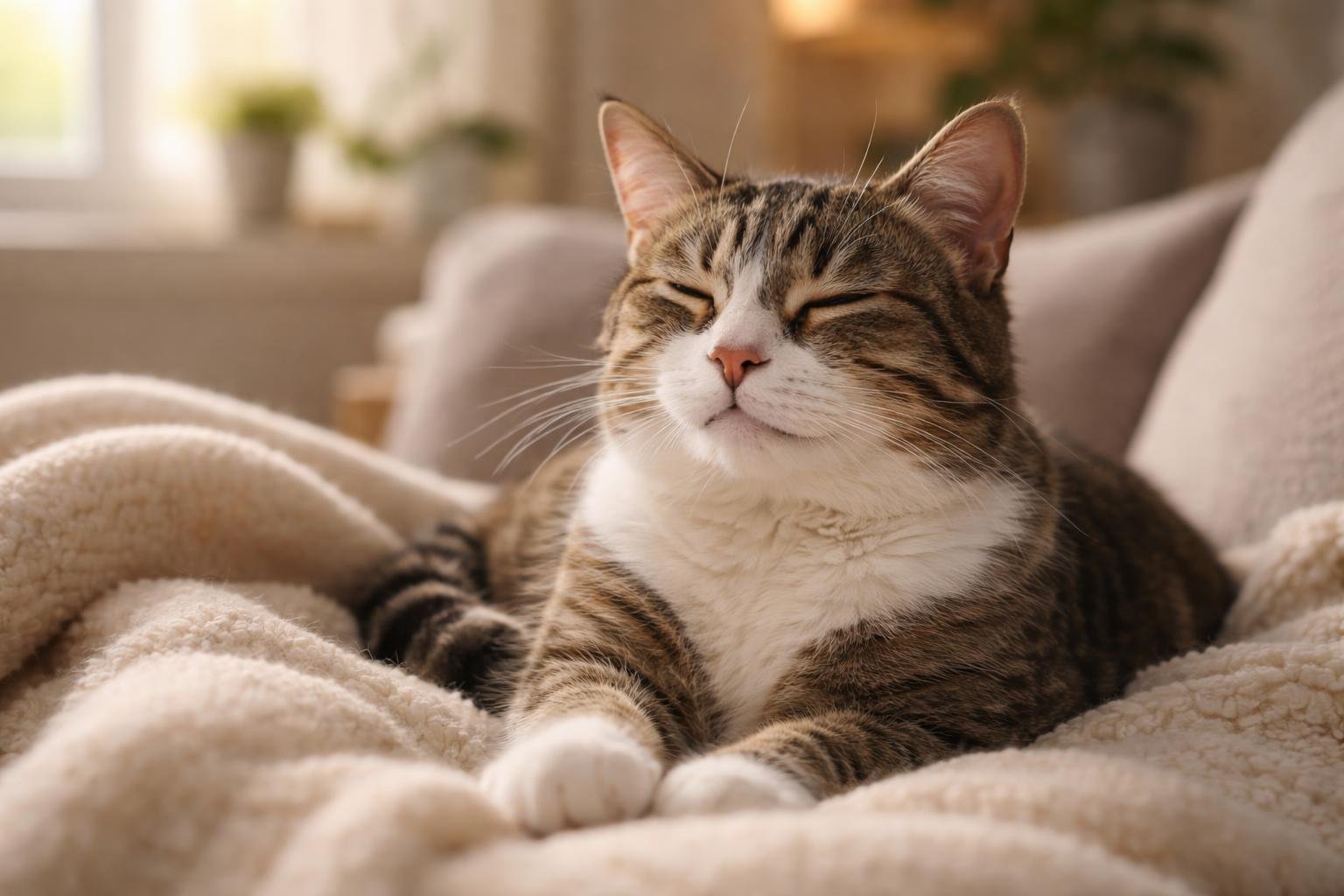
Purring operates at specific frequencies that promote physical healing and emotional well-being in both cats and humans. The vibrations generated during purring can trigger endorphin release, strengthen bones, and create calming physiological responses.
Purring Releases Endorphins
When your cat purrs, the vibrations stimulate endorphin production in their own body, acting as a natural pain reliever and mood enhancer. These endorphins help cats manage discomfort, anxiety, and stress during challenging situations. You may notice your cat purring during veterinary visits or when recovering from illness, using this self-soothing mechanism to cope with pain.
The benefits of cat purring extend to you as well. Research indicates that proximity to a purring cat can influence your hormone levels, potentially triggering endorphin release in your own system. This biochemical response contributes to the relaxed feeling you experience when spending time with your purring cat. The rhythmic vibrations and sound create a multisensory experience that affects your nervous system directly.
Healing Frequencies and Bone Health
Cats purr at frequencies between 25 to 150 Hz, a range that overlaps with therapeutic vibrations used in medical treatments. Most domestic cats produce these sounds at 20 to 50 Hz, matching frequencies employed for tissue healing and bone growth in human medicine.
These specific vibrations may explain why cats heal from fractures and injuries more efficiently than many other animals. The constant exposure to these frequencies during purring sessions potentially stimulates bone density and accelerates tissue repair. For humans, the therapeutic effects of purr frequencies have shown promise in lowering blood pressure and reducing stress levels. The low-frequency vibrations create effects comparable to Pulsed Electromagnetic Field therapy, which medical professionals use for pain management.
Calming Effects of Purring
The calming effects of purring work through multiple pathways in your body. The consistent, low-frequency sound creates a meditative environment that helps regulate your breathing and heart rate. Your nervous system responds to these vibrations by shifting toward a parasympathetic state, which promotes relaxation and recovery.
Studies have documented measurable reductions in stress markers when you interact with a purring cat. Your cortisol levels may decrease while your body experiences the soothing vibrations. This physiological response explains why many people seek out their cats during stressful periods or use cat companionship as part of anxiety management strategies.
Unique Scenarios and Health-Related Purring
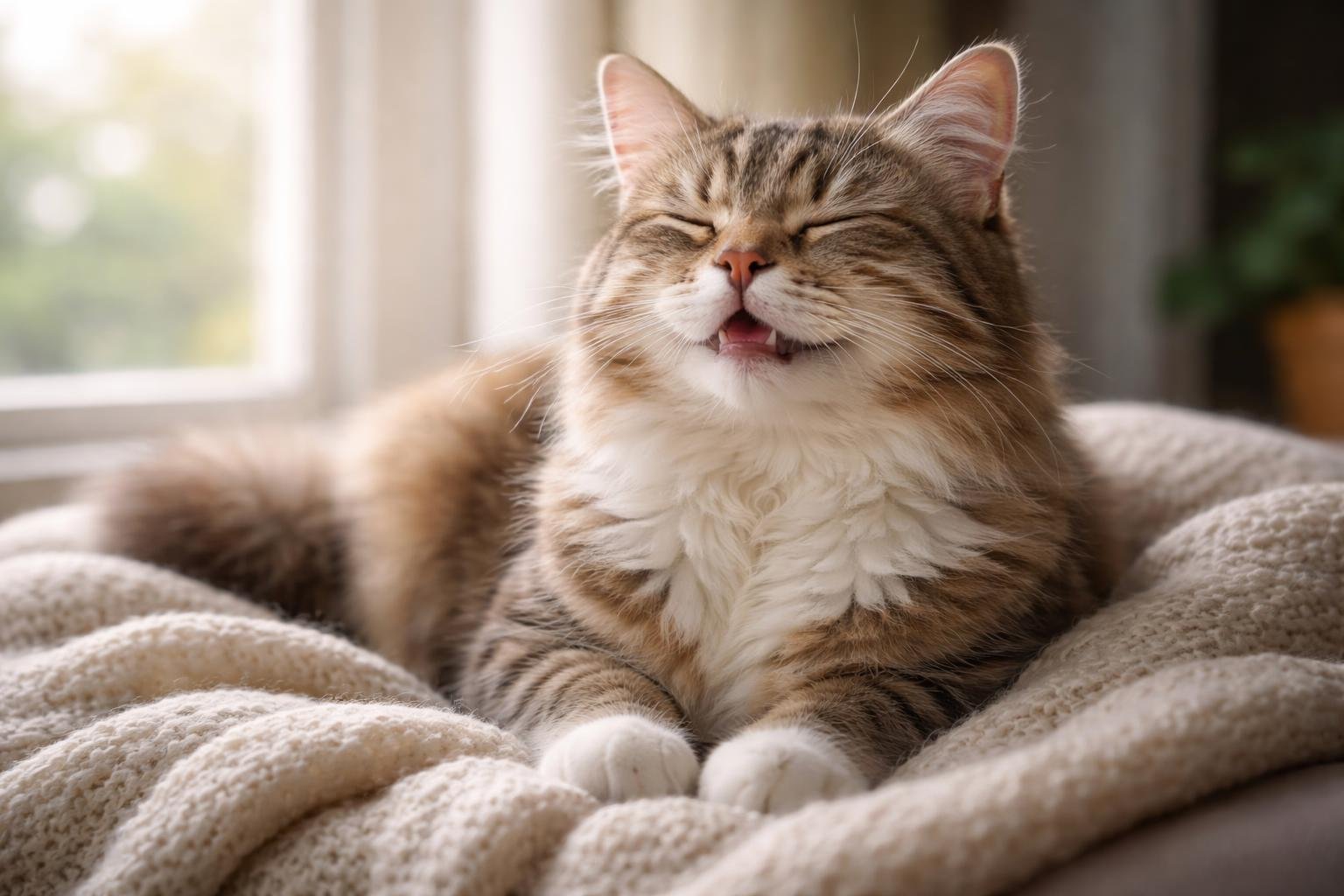
Cats don’t only purr when content—they also use this behavior during illness, stress, and pain, which means understanding context is critical for recognizing when your cat needs help.
Purring During Illness or Pain
Cats frequently purr when experiencing stress or illness, not just contentment. This behavior serves as a self-soothing mechanism that helps them cope with discomfort. Research suggests that the vibration frequencies produced during purring may promote healing by reducing pain and encouraging tissue repair.
You should pay attention to accompanying body language when your cat purrs. A sick cat might purr while showing signs like hiding, lethargy, reduced appetite, or tense body posture. These combinations indicate distress rather than happiness.
Purring cats produce continuous sound during both inhalation and exhalation, which distinguishes it from other vocalizations. During painful situations like veterinary visits or injuries, this sound may actually help them manage their discomfort through natural pain relief mechanisms.
Excessive Purring and When to Be Concerned
Excessive purring becomes concerning when it represents a significant change from your cat’s normal behavior patterns. If your typically quiet cat suddenly purrs constantly or your regular purrer increases intensity and frequency, this warrants attention.
Watch for these warning signs alongside increased purring:
- Aggressive behavior or irritability
- Loss of appetite or thirst changes
- Breathing difficulties or labored respiration
- Avoidance of interaction or hiding
- Vocalization changes beyond purring
Many pet owners believe purring always indicates happiness, but cats purr in various situations including stress and pain. Contact your veterinarian if excessive purring occurs with any behavioral or physical changes.
Do All Cats Purr?
Most domestic cats purr, but not all felines possess this ability. Big cats like lions, tigers, and leopards cannot purr due to differences in their laryngeal anatomy. These large cats can roar instead, which domestic cats cannot do.
Some domestic cats purr more quietly than others or rarely purr at all. This variation stems from individual personality differences rather than health problems. Certain breeds tend to be more vocal with their purring, while others communicate through different methods like chirping or meowing.
Your cat’s purring frequency depends on genetics, socialization, and personal temperament. A cat that doesn’t purr much isn’t necessarily unhappy—they simply express contentment through other behaviors like slow blinking, kneading, or rubbing against you.
Encouraging Healthy Purring in Cats
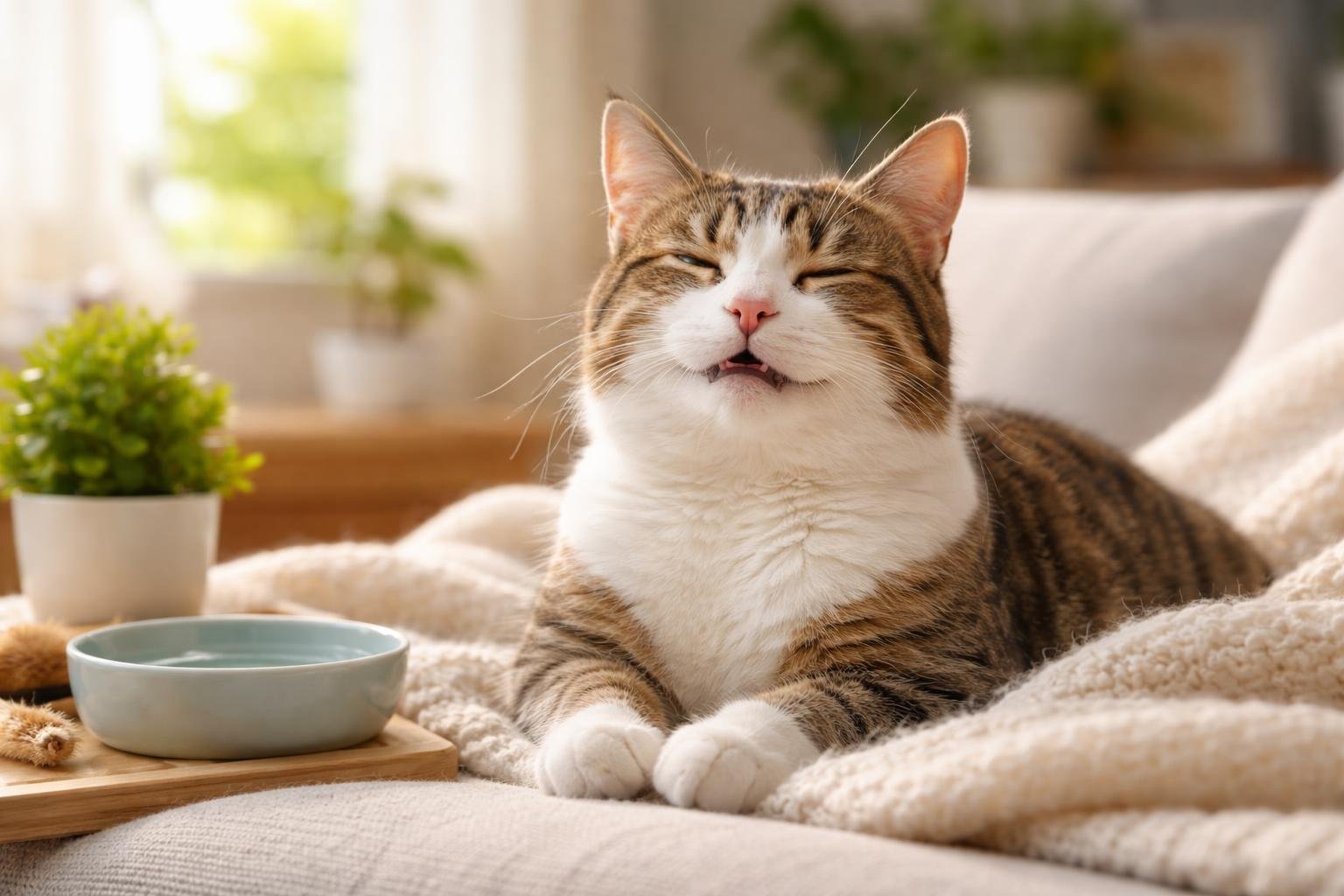
Creating an environment that promotes natural purring behavior helps maintain your cat’s emotional well-being. Recognizing the difference between contentment and stress-related purring allows you to respond appropriately to your cat’s needs.
Tips to Encourage Purring
You can encourage purring by establishing a calm, predictable routine for your cat. Gentle petting sessions in areas your cat enjoys, such as under the chin or behind the ears, often trigger contentment purring. Set aside 10-15 minutes daily for quiet interaction when your cat seems relaxed.
Providing comfortable resting spots with soft bedding near windows or quiet corners gives your cat secure places to settle. Cats purr more frequently when they feel safe in their territory.
Regular play sessions using interactive toys help reduce stress and build positive associations with you. A tired, satisfied cat is more likely to purr during downtime. Maintaining consistent feeding schedules and keeping litter boxes clean also contributes to overall comfort levels that promote healthy cat behavior.
Avoid forcing interaction when your cat shows signs of wanting space, as this can create negative associations that suppress natural purring responses.
Signs of Healthy Versus Unhealthy Purring
Healthy purring typically occurs when your cat appears relaxed with soft eyes, loose body posture, and rhythmic breathing. The purr sounds steady and moderate in volume. Your cat may knead with their paws or seek physical contact during these episodes.
Unhealthy purring often accompanies signs of stress or illness and requires attention. Watch for these indicators:
- Tense body language with flattened ears
- Hiding or avoiding interaction
- Rapid breathing or panting
- Loss of appetite or lethargy
- Purring while showing signs of pain when touched
Cats sometimes purr as a self-soothing mechanism during discomfort or fear. If your cat purrs persistently while displaying unusual behaviors like reduced activity or changes in eating habits, schedule a veterinary examination to rule out underlying health issues.
Leave a Reply