Overweight Cat: Essential Guide to Health Risks and Safe Weight Loss Strategies
If your cat has been putting on extra pounds, you’re not alone. Many cat owners struggle with managing their pet’s weight, and obesity in cats has become a common health concern.
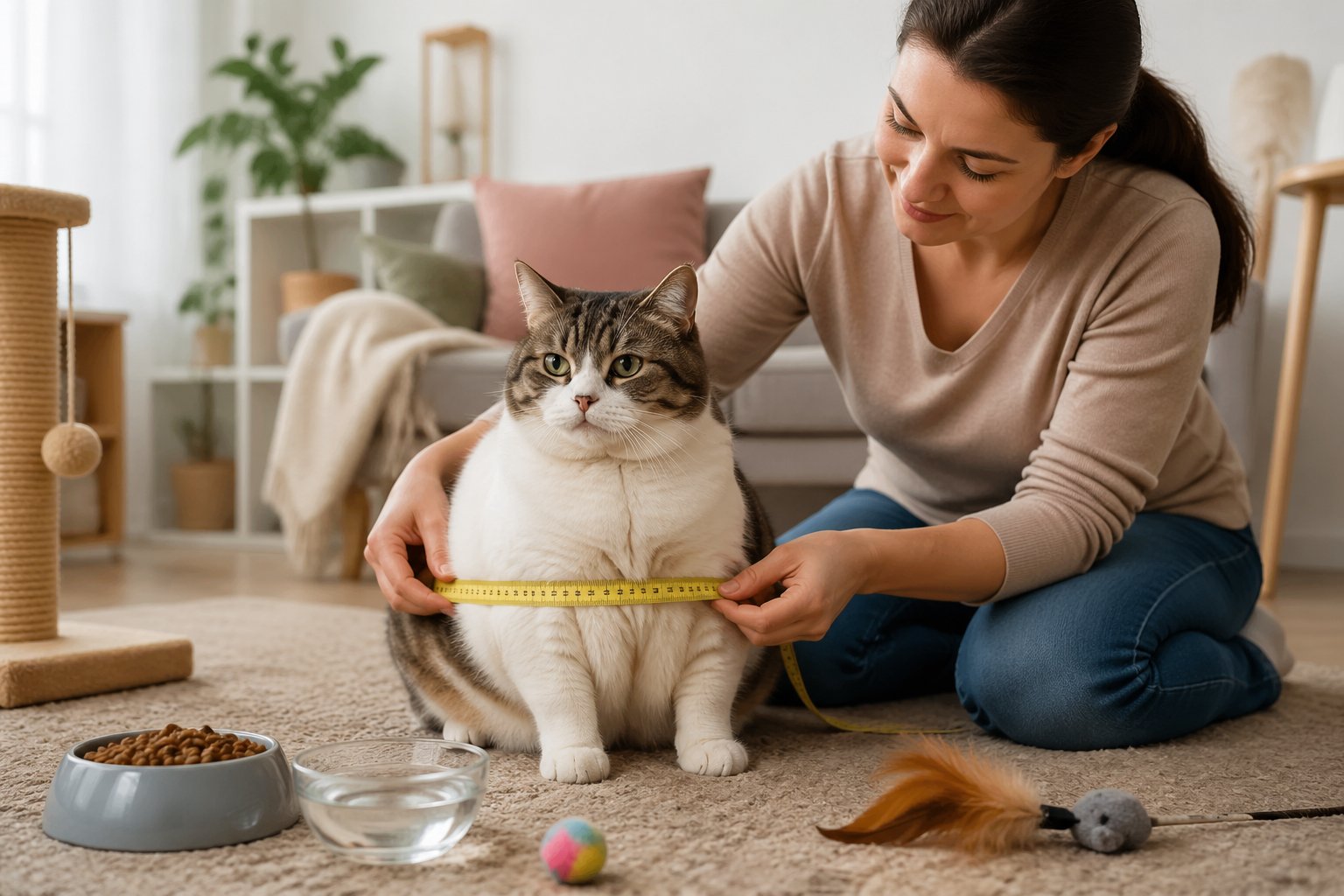
Carrying excess weight puts your cat at risk for serious health problems including diabetes, heart disease, arthritis, and a shorter lifespan. Overweight cats typically have shorter lifespans than those at a healthy weight. The good news is that with the right approach, you can help your cat safely shed those extra pounds and improve their quality of life.
Understanding how to recognize when your cat is overweight, what causes weight gain, and how to create a safe weight loss plan will give you the tools to help your pet get healthier. This guide will walk you through practical strategies for managing your cat’s diet, increasing their activity level, and working toward a healthier weight.
Recognizing When Your Cat Is Overweight
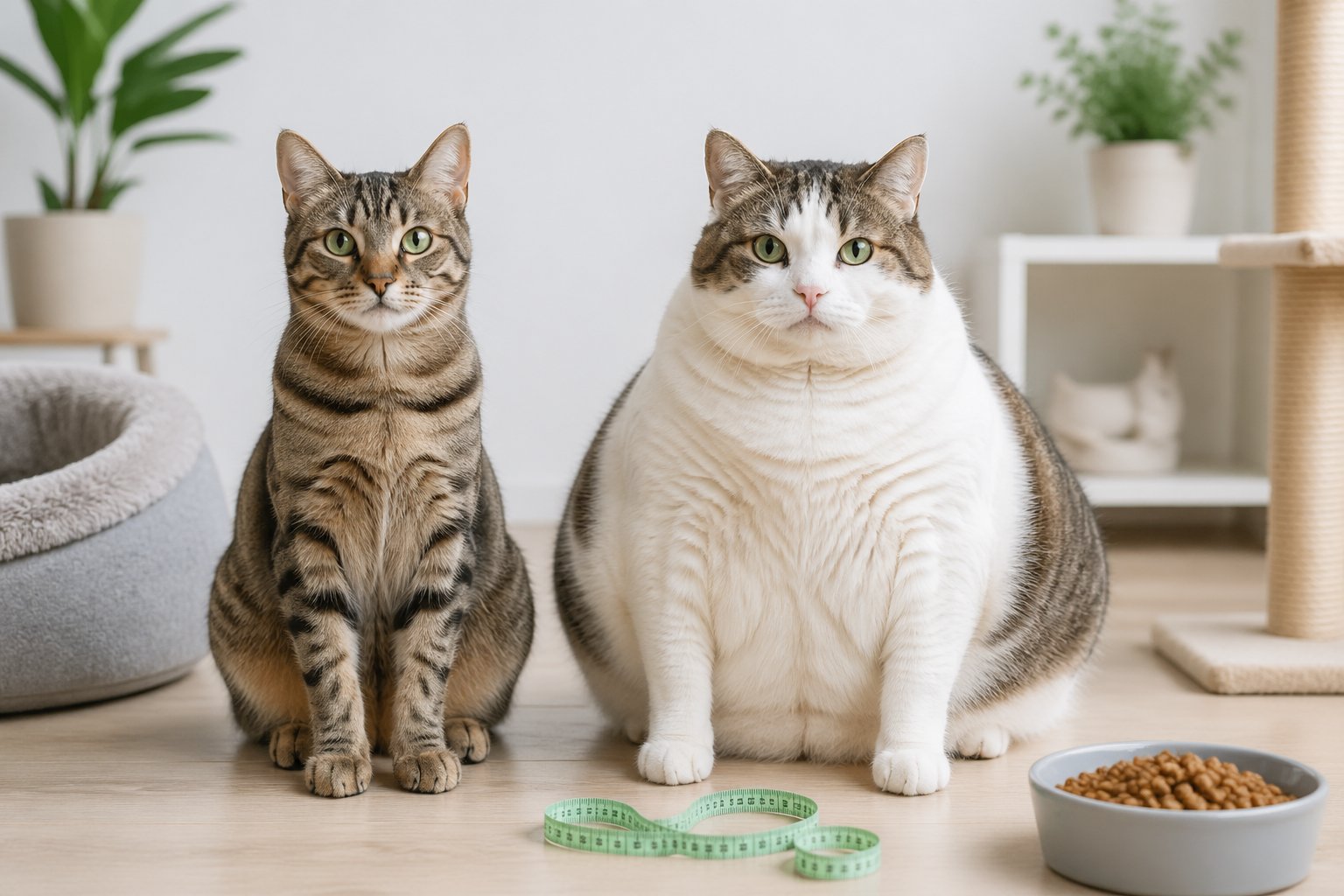
Knowing if your cat carries extra weight requires checking specific physical markers and tracking changes over time. A cat is overweight when it weighs 10% to 20% above its ideal body weight, while obesity in cats occurs when they exceed that range.
Physical Signs and Body Condition Scoring
You can check if your cat is overweight by looking at its body shape from above and the side. When you look down at your cat, you should see a visible waist behind the ribs. If your cat’s sides bulge out or look rounded, this signals excess weight.
Feel along your cat’s ribcage with gentle pressure. You should be able to feel the ribs easily without pressing hard, but they should not be visible. If you cannot feel the ribs at all, your cat likely carries too much fat.
A Body Condition System (BCS) chart helps determine if your cat is overweight by rating body shape on a scale. Most systems use a 1-9 scale, where 5 is ideal. Cats scoring 6-7 are overweight, while 8-9 indicates obesity.
Check your cat’s belly area when it stands. An overweight cat often has a sagging belly that hangs down. The abdomen should tuck up slightly behind the ribs in a healthy cat.
Breed, Age, and Gender Considerations
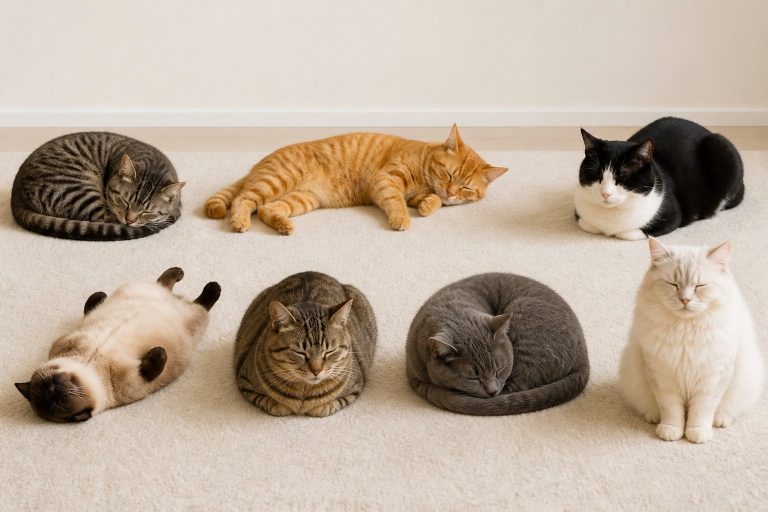
Different cat breeds have different ideal weights. A Maine Coon naturally weighs 15-25 pounds, while a Siamese typically weighs 8-12 pounds. You cannot use the same weight standards for all cats.
Male cats usually weigh more than female cats of the same breed. A healthy adult male domestic shorthair might weigh 11-15 pounds, while females of the same breed typically weigh 8-12 pounds.
Age affects your cat’s metabolism and activity level. Cats between 2-10 years old face the highest risk of weight gain. Senior cats may lose muscle mass but still carry excess fat.
Spayed and neutered cats need fewer calories than intact cats. Their metabolism slows after the procedure, which increases the risk of weight gain if you do not adjust their food intake.
How to Monitor Your Cat’s Weight at Home
Weigh your cat monthly using a digital scale. Place a box or carrier on the scale, zero it out, then place your cat inside. Write down the weight to track changes over time.
Monthly weight tracking helps you:
- Spot gradual weight gain early
- Measure progress during weight loss
- Adjust food portions as needed
- Share accurate data with your vet
Take photos of your cat from the same angles each month. Pictures from above and the side help you see body shape changes that scales might not show. Compare photos side by side to notice subtle changes.
Set up a regular schedule for body condition checks. Run your hands along your cat’s ribs, spine, and hips every two weeks. This hands-on approach helps you feel changes in fat coverage before they become obvious.
Health Implications of Feline Obesity
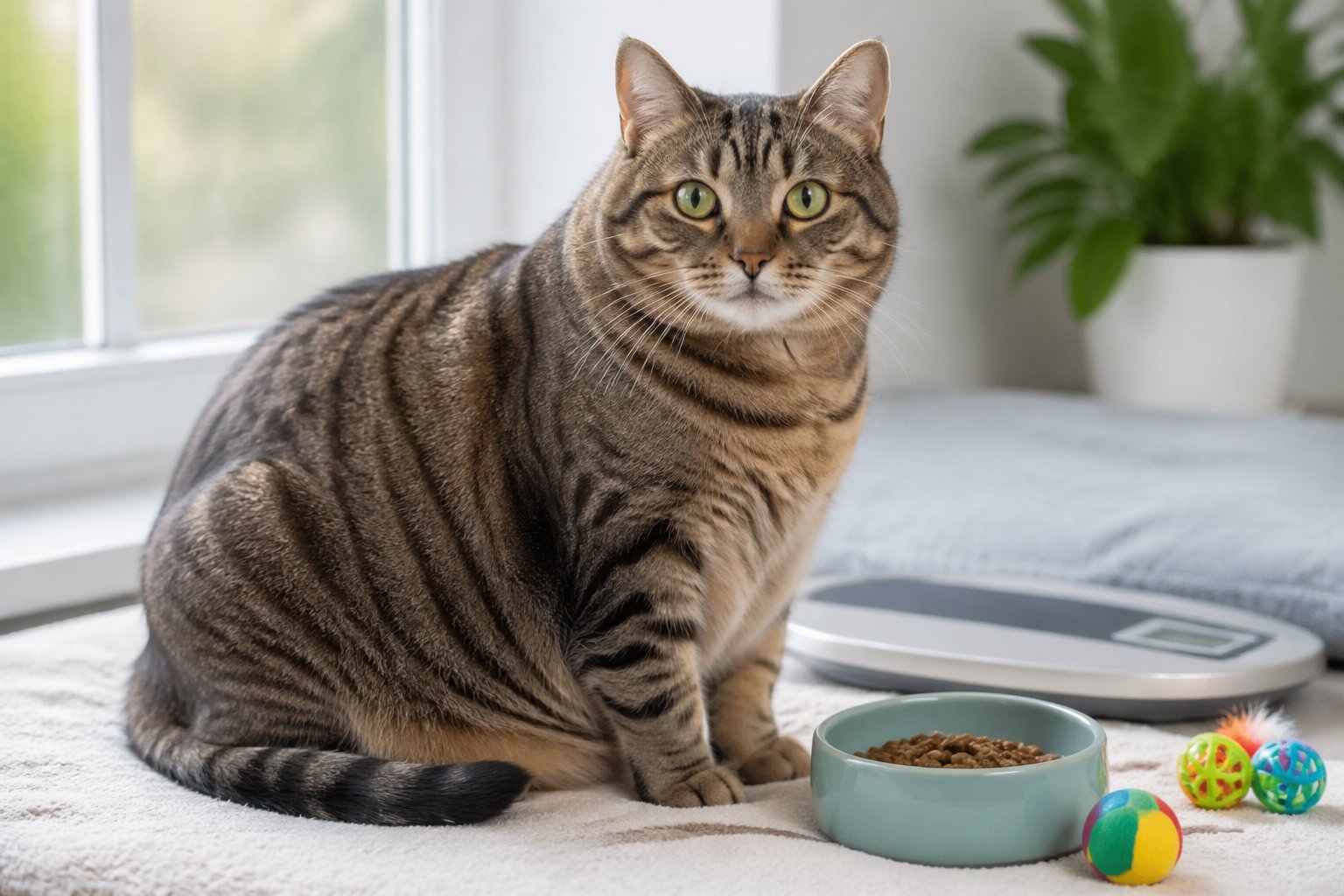
Carrying excess weight puts your cat at risk for serious medical conditions that affect major organs and body systems. Obesity in cats leads to chronic health problems that reduce quality of life and require ongoing veterinary care.
Risks of Diabetes and Arthritis
Overweight cats face a significantly higher risk of developing type 2 diabetes. The excess body fat makes your cat’s cells less responsive to insulin, which forces the pancreas to work harder. Over time, this can lead to insulin resistance and diabetes that requires daily medication and monitoring.
Joint problems become more common as your cat gains weight. The extra pounds put constant pressure on joints, cartilage, and bones. This wear and tear causes inflammation and pain, especially in older cats.
Common joint issues in overweight cats include:
- Osteoarthritis in hips and knees
- Damaged cartilage from excess stress
- Reduced joint flexibility
- Chronic pain during movement
Heart and Liver Conditions
Your cat’s heart must work harder to pump blood through a larger body. This extra workload can lead to high blood pressure and heart disease over time. The cardiovascular system becomes strained, which increases the risk of heart failure.
Hepatic lipidosis, also known as fatty liver disease, poses a serious threat to overweight cats. This condition develops when your cat loses weight too quickly or stops eating. Fat moves into the liver faster than it can be processed, which damages liver cells and impairs function.
Warning signs of liver problems:
- Loss of appetite
- Yellowing of eyes or gums
- Lethargy and weakness
- Vomiting
Decreased Mobility and Grooming Challenges
Pet obesity limits your cat’s ability to move comfortably and perform normal activities. Your cat may struggle to jump onto furniture, climb stairs, or play with toys. This reduced activity creates a cycle where less movement leads to more weight gain.
Grooming becomes difficult when your cat cannot reach certain areas of their body. You may notice a dull, matted coat or skin problems in areas your cat can no longer clean. The inability to groom properly can lead to skin infections, especially around the tail and back legs.
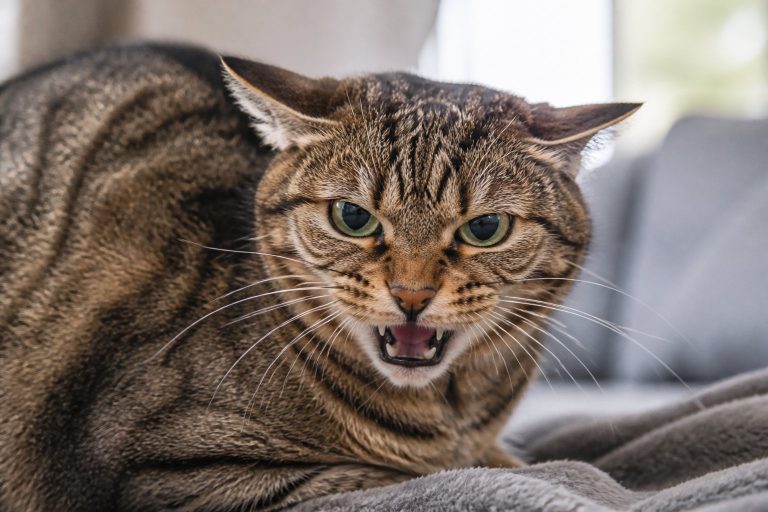
Your cat may also develop behavioral changes due to physical limitations. Irritability and aggression can increase when movement causes pain or discomfort.
Impact on Life Expectancy
Feline obesity shortens your cat’s lifespan by increasing the risk of life-threatening diseases. Studies show that maintaining a healthy weight helps cats live longer, more active lives.
The cumulative effect of obesity-related health problems takes years off your cat’s life. Diabetes, heart disease, and joint problems all contribute to a shorter life expectancy. These conditions also reduce your cat’s quality of life during their remaining years.
Your overweight cat faces higher risks during surgery and anesthesia. The excess fat makes medical procedures more complicated and increases recovery time. Even routine dental cleanings become more dangerous when your cat carries extra weight.
Common Causes of Weight Gain in Cats
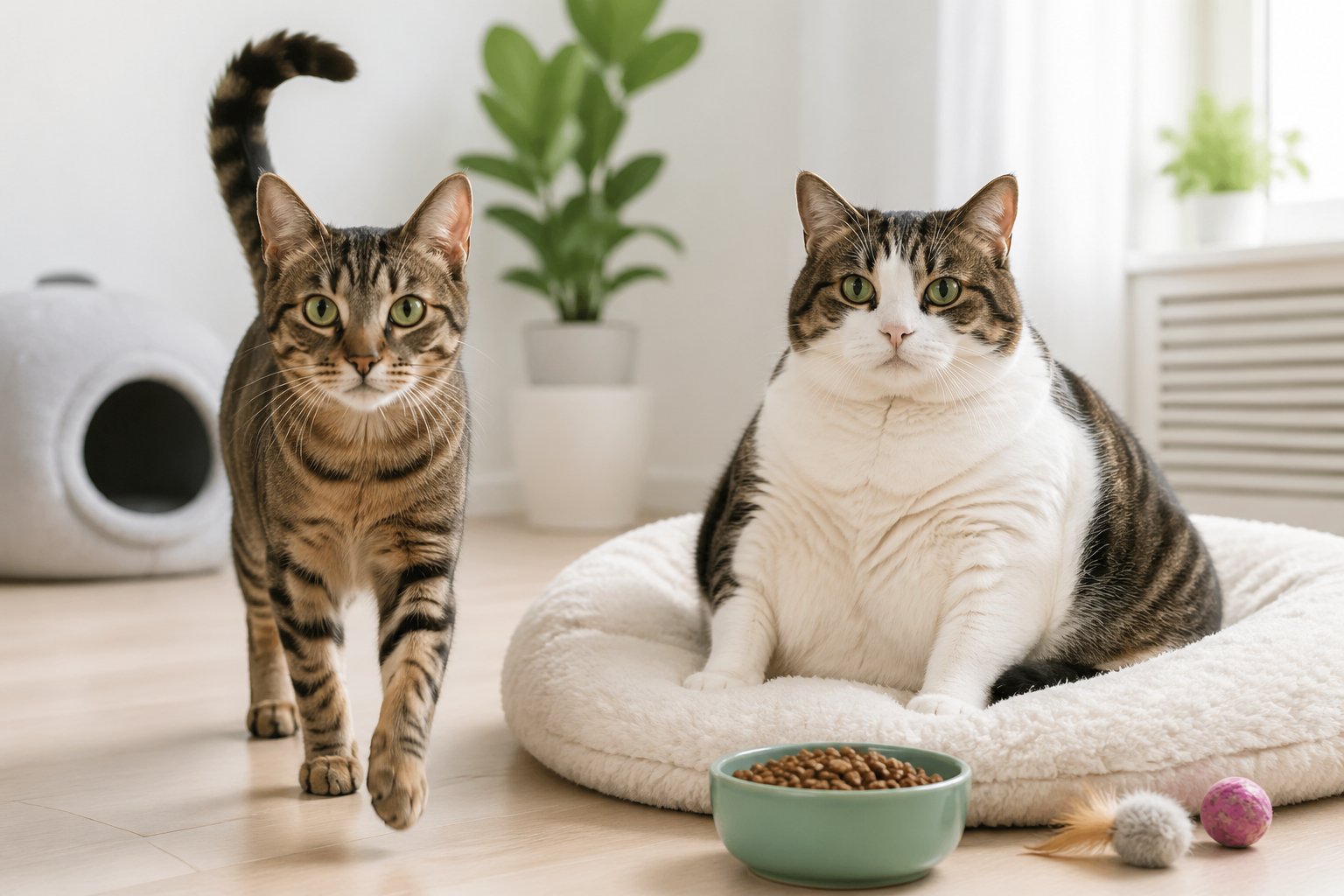
Cats gain weight when they consume more calories than they burn through daily activities. Obesity in cats affects up to 63% of cats in developed countries, making it one of the most common health issues pet owners face.
Diet and Calorie Intake
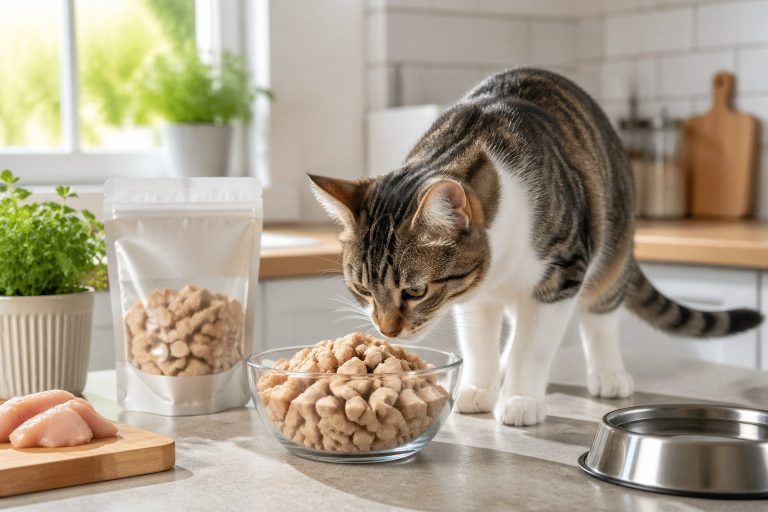
Overfeeding is the primary reason your cat becomes overweight. Many cat owners provide too much food at mealtimes or leave dry food available all day, which leads to overeating.
Free-feeding allows your cat to graze continuously throughout the day. This eating pattern makes it difficult to track how much your cat actually consumes. Treats and table scraps add extra calories that many owners forget to count toward daily intake.
Commercial cat foods vary widely in caloric density. Some brands pack more calories into smaller portions than others. If you don’t measure your cat’s food accurately, you might be serving larger portions than the feeding guidelines recommend.
Low-quality foods with excessive carbohydrates can contribute to weight gain. Cats are obligate carnivores and need protein-based diets rather than grain-heavy formulas.
Lack of Exercise and Environmental Factors
Physical inactivity plays a major role in feline weight gain. Cats that don’t move enough throughout the day burn fewer calories than their more active counterparts.
Indoor environments often lack stimulation that encourages natural hunting behaviors. Without opportunities to chase, climb, and explore, your cat becomes sedentary. A boring living space leads to long naps instead of active play sessions.
The lack of exercise combined with dietary factors creates the perfect conditions for excess weight. Your cat needs daily physical activity to maintain muscle mass and healthy metabolism. Interactive toys, climbing trees, and regular play sessions help increase activity levels.
Multi-cat households sometimes discourage movement if one cat dominates play areas or resources. Stress and boredom can also reduce your cat’s desire to be active.
Medical and Hormonal Issues
Certain health conditions cause unexpected weight gain in cats. Hypothyroidism slows down metabolism, making it easier for your cat to gain weight even with normal food intake.
Diabetes can develop as a result of obesity but also contributes to weight management problems. Cushing’s disease, though rare in cats, affects hormone production and leads to increased appetite and fat storage.
Some medications cause weight gain as a side effect. Steroids and certain behavioral medications can increase your cat’s appetite or slow their metabolism. If your cat experiences sudden weight gain, a veterinary consultation helps rule out underlying medical problems.
Fluid retention from heart or kidney disease sometimes appears as weight gain. These conditions require immediate medical attention and proper diagnosis.
Influence of Neutering and Indoor Living
Spayed and neutered cats have different metabolic needs than intact cats. The surgery reduces energy requirements by 25-30%, meaning your cat needs fewer calories to maintain the same weight.
Middle-aged spayed or neutered cats that live primarily indoors face the highest risk for obesity. Hormonal changes after the procedure increase appetite while decreasing energy expenditure. If you don’t adjust portion sizes after surgery, your cat will likely gain weight.
Indoor-only cats burn significantly fewer calories than outdoor cats. They don’t patrol territories, hunt prey, or navigate diverse terrain. This sedentary lifestyle combined with altered hormones from neutering creates a strong tendency toward weight gain.
You need to reduce your cat’s food intake by about 20-25% after spaying or neutering. Monitor their body condition closely during the first year following surgery when weight gain typically occurs.
Creating a Safe and Effective Weight Loss Plan
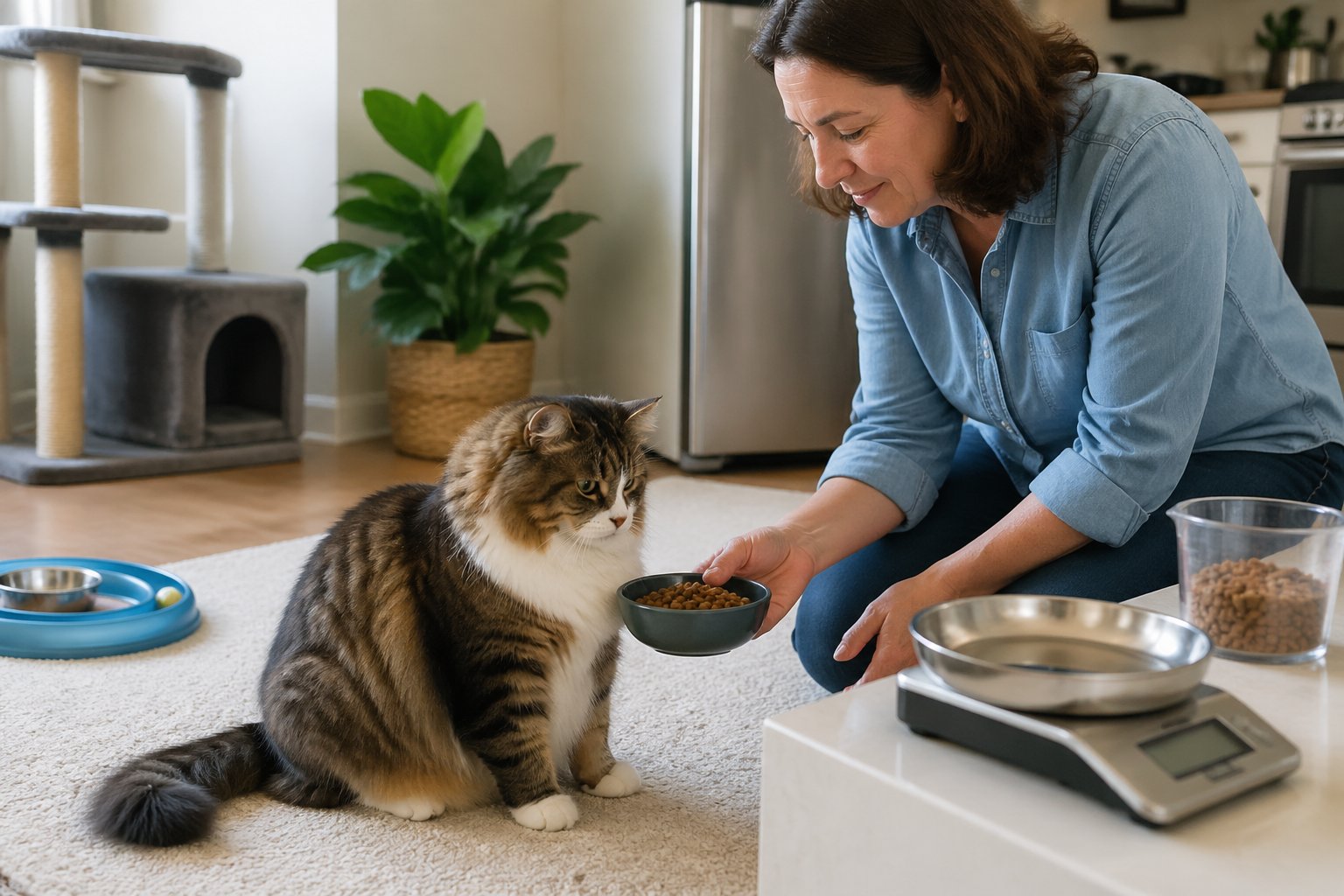
Creating a weight reduction plan for cats requires professional guidance and patience to ensure your cat sheds pounds without health complications. A structured approach that includes veterinary oversight and gradual progress protects your pet from serious risks associated with rapid weight changes.
Working With Your Veterinarian
Your veterinarian needs to evaluate your overweight cat before you start any weight loss program. They will perform a physical exam and may run blood tests to rule out underlying conditions like diabetes or thyroid problems that can contribute to obesity in cats.
Your vet will calculate your cat’s ideal weight and determine how many calories they should eat each day. This calculation depends on your cat’s age, activity level, and current body condition. They can also recommend specific foods designed for weight loss that provide proper nutrition while reducing calories.
Schedule regular check-ins with your vet every two to four weeks. These visits allow your veterinarian to track progress and adjust the plan if needed. If your cat isn’t losing weight or seems unwell, your vet can identify problems early.
Establishing Realistic Weight Loss Goals
Your overweight cat should lose weight gradually at a rate of 1-2% of body weight per week. For a 15-pound cat, this means losing about 2-4 ounces per week.
Set a timeline based on how much weight your cat needs to lose. A cat that needs to drop 3 pounds might take 3-6 months to reach their goal weight safely. Rushing the process can cause serious health problems.
Track your cat’s weight weekly using the same scale at the same time of day. Keep a simple log to monitor progress:
- Week 1: Starting weight
- Week 2: Change in ounces
- Week 4: Total pounds lost
- Week 8: Percentage of goal reached
Adjust your expectations if you have multiple cats in your household, as managing food intake becomes more challenging.
Dangers of Rapid Weight Loss
Rapid weight loss in overweight cats can trigger hepatic lipidosis, a life-threatening liver condition. This disease occurs when a cat’s body breaks down fat too quickly, overwhelming the liver with fatty deposits.
Cats who lose more than 2% of their body weight weekly face increased risk. Even missing meals for 2-3 days can trigger this condition in obese cats. Symptoms include yellowing of the eyes and skin, lethargy, and loss of appetite.
Never put your cat on a crash diet or drastically cut their food intake. Gradual calorie reduction allows their body to adjust safely. If your cat stops eating during a weight loss program, contact your vet immediately.