Cats can develop allergic reactions to various triggers, and recognizing the warning signs early helps protect your pet’s health and comfort. Cat allergic reactions occur when your feline is exposed to an allergen, causing their body to release inflammatory chemicals that lead to symptoms ranging from mild skin irritation to severe respiratory distress. Understanding these reactions matters because prompt identification allows you to seek appropriate veterinary care before minor symptoms escalate.
Symptoms of allergies in cats vary widely depending on the allergen type and severity of the reaction. Some cats develop immediate symptoms after exposure, while others show subtle signs that worsen gradually over months or years. Your cat might scratch excessively, develop skin lesions, experience digestive upset, or show respiratory problems.
Knowing what to watch for empowers you to distinguish between normal behavior and signs that require veterinary attention. This guide covers the most common allergic reaction signs in cats, what triggers these responses, and how to manage them effectively.
Key Takeaways
- Allergic reactions in cats trigger inflammatory responses that cause symptoms affecting the skin, digestive system, or respiratory tract
- Common signs include excessive scratching, hair loss, skin lesions, vomiting, diarrhea, and breathing difficulties
- Early recognition and veterinary diagnosis enable effective treatment through allergen avoidance, medications, or immunotherapy
Understanding Cat Allergic Reactions
Cats experience allergic reactions when their immune systems overreact to substances they encounter in their environment, food, or through contact with insects. These reactions involve specific biological processes and can be triggered by various allergens that differ from the allergens that cause human reactions to cats.
What Happens During an Allergic Reaction
When your cat encounters an allergen for the first time, their immune system identifies it as a threat and creates antibodies against it. Upon subsequent exposures, these antibodies trigger the release of inflammatory chemicals like histamine throughout your cat’s body.
Allergic reactions occur when inflammatory chemicals are released, causing various symptoms depending on where these chemicals concentrate. The reaction can affect your cat’s skin, respiratory system, or digestive tract.
The severity of the response varies based on your cat’s individual sensitivity and the amount of allergen exposure. Some cats develop immediate symptoms within minutes, while others show gradual signs that worsen over repeated exposures.
Common Triggers and Allergens
Your cat can develop allergies to numerous substances in their daily environment. The three most common allergies in cats include environmental factors, flea saliva, or food.
Environmental allergens include:
- Pollen from trees, grasses, and weeds
- Mold spores
- Dust mites
- Household cleaning products
Flea allergy dermatitis occurs when your cat reacts to proteins in flea saliva, making even a single flea bite problematic. Food allergens typically involve proteins from chicken, beef, fish, or dairy products that your cat consumes regularly.
Your cat may also react to fabrics, cigarette smoke, perfumes, or certain medications. Cats can suffer from multiple allergic conditions simultaneously, such as both flea allergy and food sensitivities.
Differences Between Cat Allergies and Allergic Reactions in Cats
Cat allergies refer to reactions that humans experience when exposed to cat dander, saliva, or urine proteins. These allergens cause respiratory symptoms, sneezing, and skin irritation in people who are sensitive to cats.
Allergic reactions in cats describe how your feline responds to various environmental, food, or insect-related triggers. Your cat’s symptoms differ significantly from human cat allergies and primarily manifest as skin problems, digestive issues, or respiratory distress.
While cat dander triggers human allergies, your cat doesn’t react to their own dander. Instead, feline allergies develop against external substances they inhale, ingest, or touch. Understanding this distinction helps you recognize that managing your cat’s allergies requires identifying what affects your pet specifically, not what affects humans around cats.
Key Signs of a Cat Allergic Reaction
Cats experiencing allergic reactions display several distinctive physical symptoms that range from skin irritation to respiratory distress. Recognizing these allergy symptoms in cats early allows you to provide prompt care and prevent complications.
Itchy Skin and Scratching
An itchy cat constantly scratching, licking, or biting at their skin is one of the most visible signs of an allergic reaction. You’ll notice your cat focusing attention on specific areas like the face, ears, paws, or base of the tail.
The scratching often becomes excessive and obsessive. Your cat may scratch so intensely that they create bald patches or open wounds on their skin. This behavior stems from the inflammatory chemicals released when their body encounters an allergen.
Common scratch sites include:
- Behind the ears
- Under the chin
- Between the toes
- Lower back near the tail
A skin rash may develop in affected areas, appearing as red, inflamed bumps or patches. The skin can become dry, flaky, or develop scabs from repeated scratching.
Sneezing and Nasal Symptoms
Sneezing is a primary respiratory response when your cat inhales allergens. You’ll hear repeated sneezing fits that occur multiple times throughout the day rather than just occasional sneezes.
Nasal discharge often accompanies the sneezing. The discharge may start clear and watery but can become thick or discolored if secondary infections develop. Your cat might paw at their nose or rub their face against furniture to relieve discomfort.
Other nasal symptoms include congestion and noisy breathing. Your cat may breathe through their mouth if their nasal passages become significantly blocked. Some cats develop a runny nose that persists for days or weeks when exposed to ongoing allergens.
Watery Eyes and Ocular Issues
Watery eyes are a telltale sign of allergic reactions in cats. You’ll see excessive tearing that causes the fur around your cat’s eyes to become damp or stained.
The eyes may appear red and inflamed. Your cat might squint, blink frequently, or keep one or both eyes partially closed due to irritation. Eye discharge can range from clear and watery to thick and mucus-like.
Eye-related allergy symptoms include:
- Excessive tearing
- Redness in the whites of the eyes
- Swollen eyelids
- Rubbing or pawing at the eyes
Your cat may develop conjunctivitis, an inflammation of the membrane lining the eyelids. This condition causes additional redness, swelling, and discomfort that compounds the allergic response.
Coughing and Wheezing
Coughing indicates that allergens have irritated your cat’s respiratory tract. The cough may sound dry and hacking or wet and productive, depending on the severity of the reaction.
Wheezing produces a high-pitched whistling sound when your cat breathes. This occurs when airways narrow due to inflammation, making it harder for air to pass through. You’ll typically hear wheezing most clearly when your cat exhales.
Respiratory distress can escalate quickly in severe cases. Your cat may breathe rapidly, struggle to catch their breath, or show labored breathing with visible chest movements. These cat allergy symptoms require immediate veterinary attention to prevent life-threatening complications.
Skin Manifestations and Secondary Issues
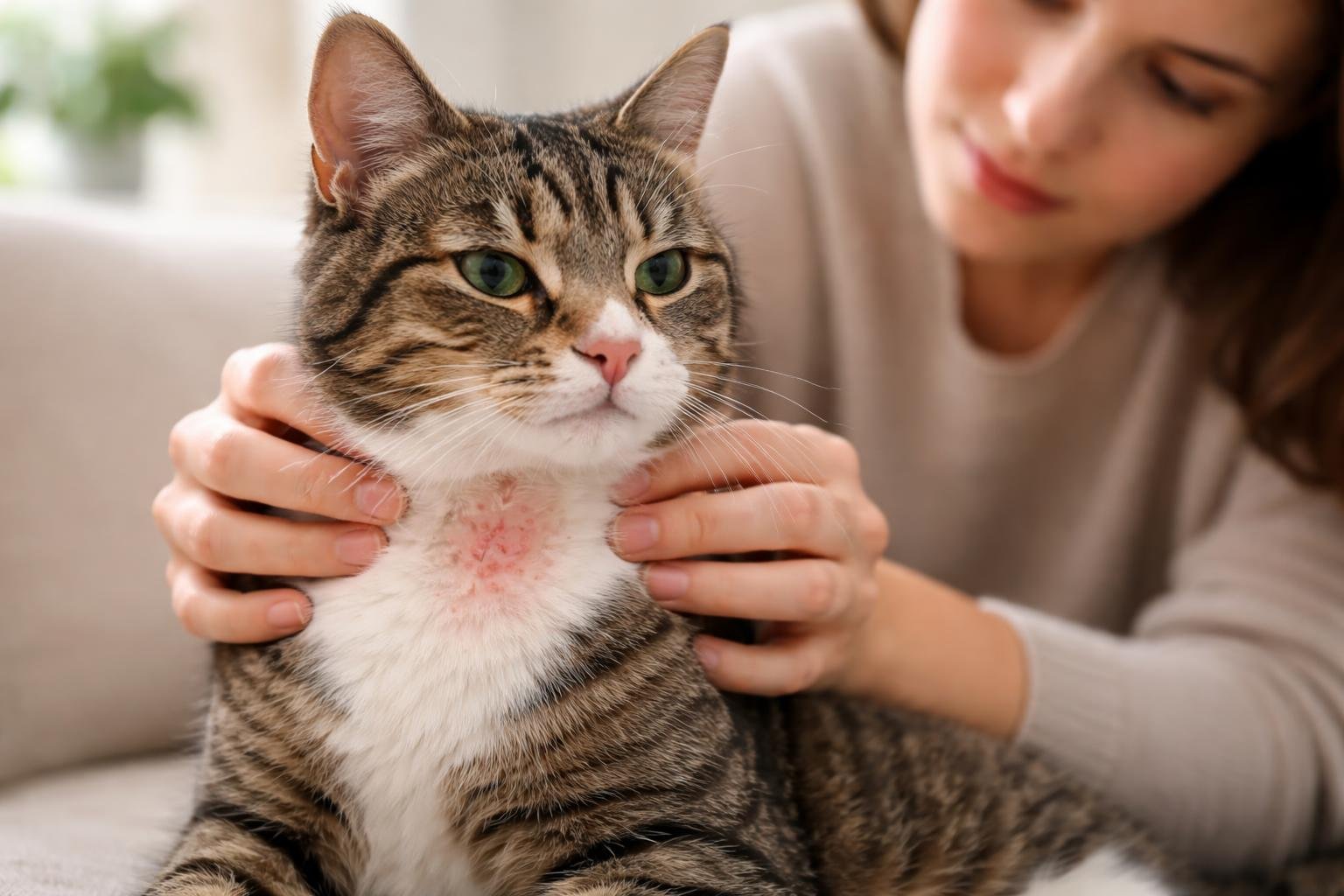
Allergic reactions in cats frequently manifest through distinctive skin conditions that range from small crusty bumps to open sores and patchy fur loss. These visible changes often lead to complications like bacterial infections when cats scratch or over-groom affected areas.
Miliary Dermatitis and Scabbing
Miliary dermatitis appears as numerous small, crusty bumps scattered across your cat’s skin, typically feeling like tiny scabs under their fur. You’ll most commonly find these lesions along the back, neck, and base of the tail. The bumps resemble millet seeds in size and texture, which is how this condition got its name.
Your cat may scratch intensively at these areas, causing the scabs to break open and bleed. Allergic dermatitis causes excessive itchiness that makes cats uncomfortable and restless. The condition can result from flea allergies, food sensitivities, or environmental allergens. You might notice your cat’s coat looks unkempt or feels rough when you pet them due to the widespread scabbing.
Eosinophilic Granuloma Complex
Eosinophilic granuloma complex encompasses three distinct lesion types that develop as allergic responses in cats. The indolent ulcer appears as a raw, open sore on the upper lip, while eosinophilic plaques present as raised, red, moist lesions typically on the belly or inner thighs. Eosinophilic granulomas form as firm, raised nodules or linear lesions, often appearing on the back of the thighs or in the mouth.
These lesions can look alarming but are not contagious to other pets or humans. Your cat may lick or chew at these areas excessively. The underlying cause is usually an allergic reaction, though determining the specific allergen requires veterinary investigation through elimination trials or allergy testing.
Hair Loss and Bald Patches
Hair loss in allergic cats occurs through two mechanisms: excessive grooming or direct damage to hair follicles from inflammation. You’ll notice symmetrical bald patches, often on the belly, inner thighs, or flanks where your cat can easily reach with their tongue. The skin underneath may appear normal or show redness and irritation.
Common hair loss patterns include:
- Belly and groin area
- Inner and back legs
- Lower back near the tail base
- Flanks on both sides
Some cats groom so frequently that you won’t catch them in the act, making it seem like the hair simply fell out. The remaining fur may break off at different lengths, creating a stubbled appearance rather than smooth baldness.
Secondary Skin Infection
When your cat scratches or licks irritated skin repeatedly, they break down the protective skin barrier and introduce bacteria. Cat skin allergies can lead to secondary infections that require separate treatment beyond addressing the original allergy. You’ll notice signs like crusting, oozing, a foul odor, or increased warmth around affected areas.
The most common bacterial culprit is Staphylococcus, which naturally lives on cat skin but causes problems when it penetrates damaged tissue. Your cat may develop pustules, yellow or green discharge, or thick crusts. These infections worsen the itching and discomfort, creating a cycle where your cat continues damaging their skin.
Digestive and Severe Systemic Reactions
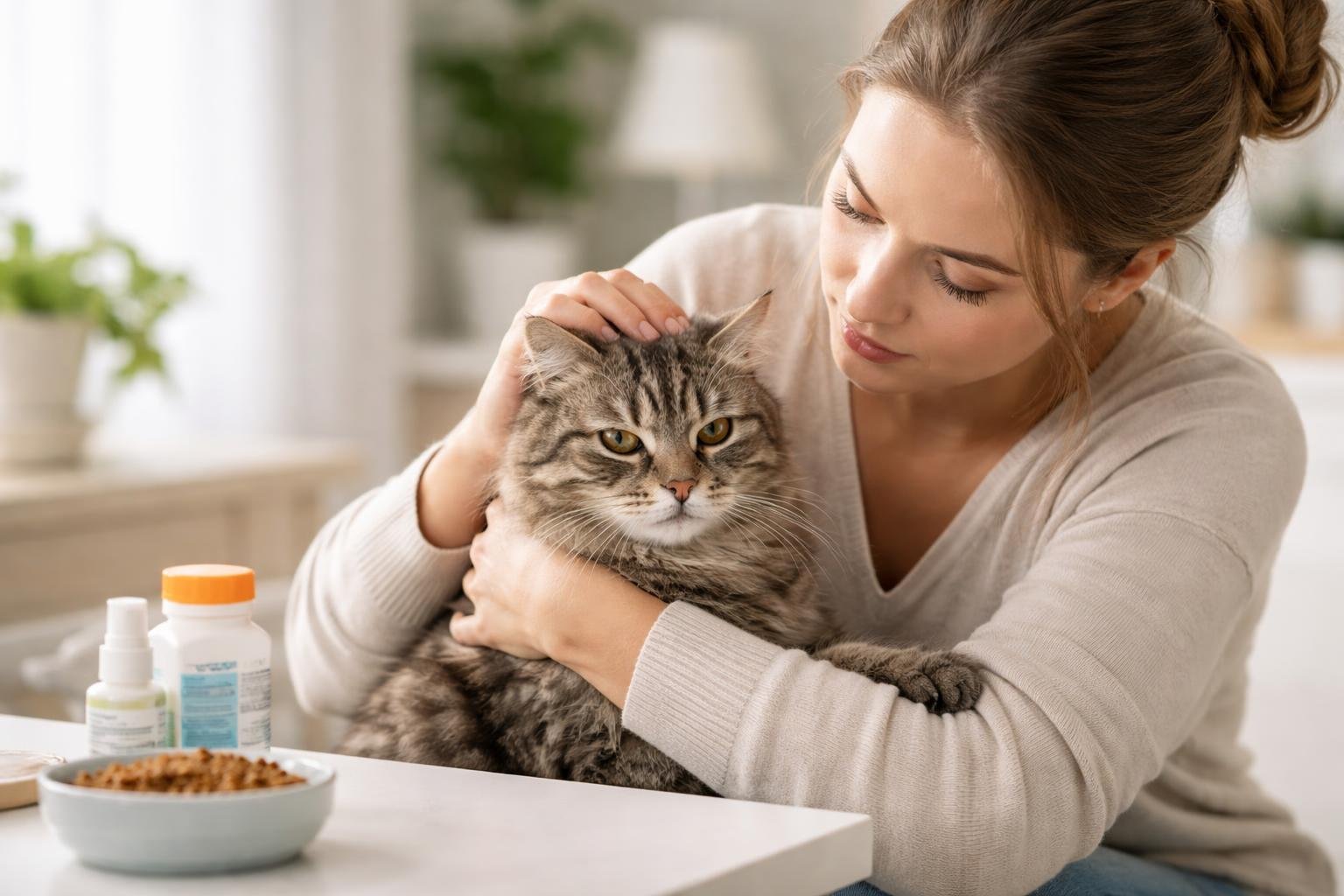
While skin and respiratory symptoms are more common, cats can experience gastrointestinal distress and life-threatening systemic reactions when exposed to allergens. These reactions require prompt attention and can escalate quickly in severe cases.
Vomiting and Diarrhea
Digestive symptoms indicate your cat’s body is reacting to an allergen through the gastrointestinal tract. Food allergies frequently trigger these responses, though environmental allergens and medication reactions can also cause digestive upset.
Your cat may vomit shortly after eating or experience chronic episodes over time. Diarrhea can range from soft stools to watery discharge, sometimes containing mucus or blood in severe cases.
Common digestive allergy signs include:
- Frequent vomiting after meals
- Loose or watery stools
- Increased gas or bloating
- Loss of appetite
- Weight loss over time
These symptoms differ from typical food intolerance because they involve your cat’s immune system response. If your cat experiences persistent vomiting or diarrhea lasting more than 24 hours, contact your veterinarian to rule out other conditions and prevent dehydration.
Collapse and Anaphylaxis
Anaphylaxis represents the most dangerous allergic reaction cats can experience, requiring immediate emergency care. This severe systemic response occurs when your cat’s immune system overreacts to an allergen, typically from insect stings, medications, or vaccines.
Your cat may suddenly collapse, struggle to breathe, or become unresponsive. Anaphylaxis causes blood pressure to drop rapidly and airways to constrict, creating a life-threatening emergency within minutes.
Critical anaphylaxis symptoms include:
- Sudden weakness or collapse
- Pale or blue gums
- Rapid or weak pulse
- Difficulty breathing or gasping
- Cold limbs
- Loss of consciousness
If you suspect anaphylaxis, transport your cat to the nearest veterinary emergency clinic immediately. Time is critical, and veterinarians can administer epinephrine, oxygen, and fluids to stabilize your cat. Keep antihistamines on hand only if your veterinarian has previously recommended them for your specific cat’s situation.
Types and Causes of Allergies in Cats

Cats develop allergic reactions when their immune systems overreact to specific substances in their environment, food, or parasites. The four main categories of feline allergies each have distinct triggers and affect cats differently.
Flea Allergy Dermatitis
Flea allergy dermatitis represents the most common allergic condition affecting cats. Your cat doesn’t need a heavy flea infestation to suffer from this allergy—just one or two flea bites can trigger an intense reaction.
The allergy occurs when your cat’s immune system reacts to proteins in flea saliva. When a flea bites your cat, it injects saliva into the skin, causing severe itching that can last for days or weeks after a single bite.
Affected cats typically show the most irritation around the base of the tail, back legs, and abdomen. Cats may suffer from flea allergy dermatitis alongside other allergic conditions, which can complicate diagnosis and treatment.
Food Allergies in Cats
Food allergies develop when your cat’s immune system identifies certain proteins as threats. Common culprits include chicken, beef, fish, and dairy products, though cats can become allergic to virtually any protein source.
Unlike food intolerances that cause digestive upset, true food allergies in cats trigger immune responses that manifest as skin problems or gastrointestinal symptoms. Your cat may develop itchy skin, hair loss, or recurrent ear infections.
These allergies can develop at any age, even to foods your cat has eaten for years without problems. Diagnosis requires an elimination diet trial lasting 8-12 weeks, during which your cat eats only novel proteins they’ve never consumed before.
Environmental and Seasonal Allergens
Environmental allergens include pollen, mold spores, dust mites, and other airborne particles. Your cat inhales or contacts these substances, triggering allergic reactions that may worsen during specific seasons.
Pollen from trees, grasses, and weeds causes seasonal flare-ups in spring, summer, or fall. Dust mites and mold create year-round problems since they thrive indoors regardless of weather.
Environmental allergies affect cats’ skin rather than causing sneezing and watery eyes like human hay fever. Your cat will scratch, lick, and develop skin lesions primarily on the face, ears, belly, and paws.
Contact Allergies
Contact allergies occur when your cat’s skin directly touches irritating substances. These reactions are less common than other allergy types but can cause significant discomfort.
Materials like certain plastics, rubber, fabrics, cleaning products, and grooming products trigger contact allergies. Your cat develops skin inflammation only in areas that touched the allergen—often the chin, face, or paws.
Plastic food bowls frequently cause chin acne and irritation in sensitive cats. Switching to ceramic or stainless steel dishes often resolves these issues quickly.
Diagnosis and Allergy Testing
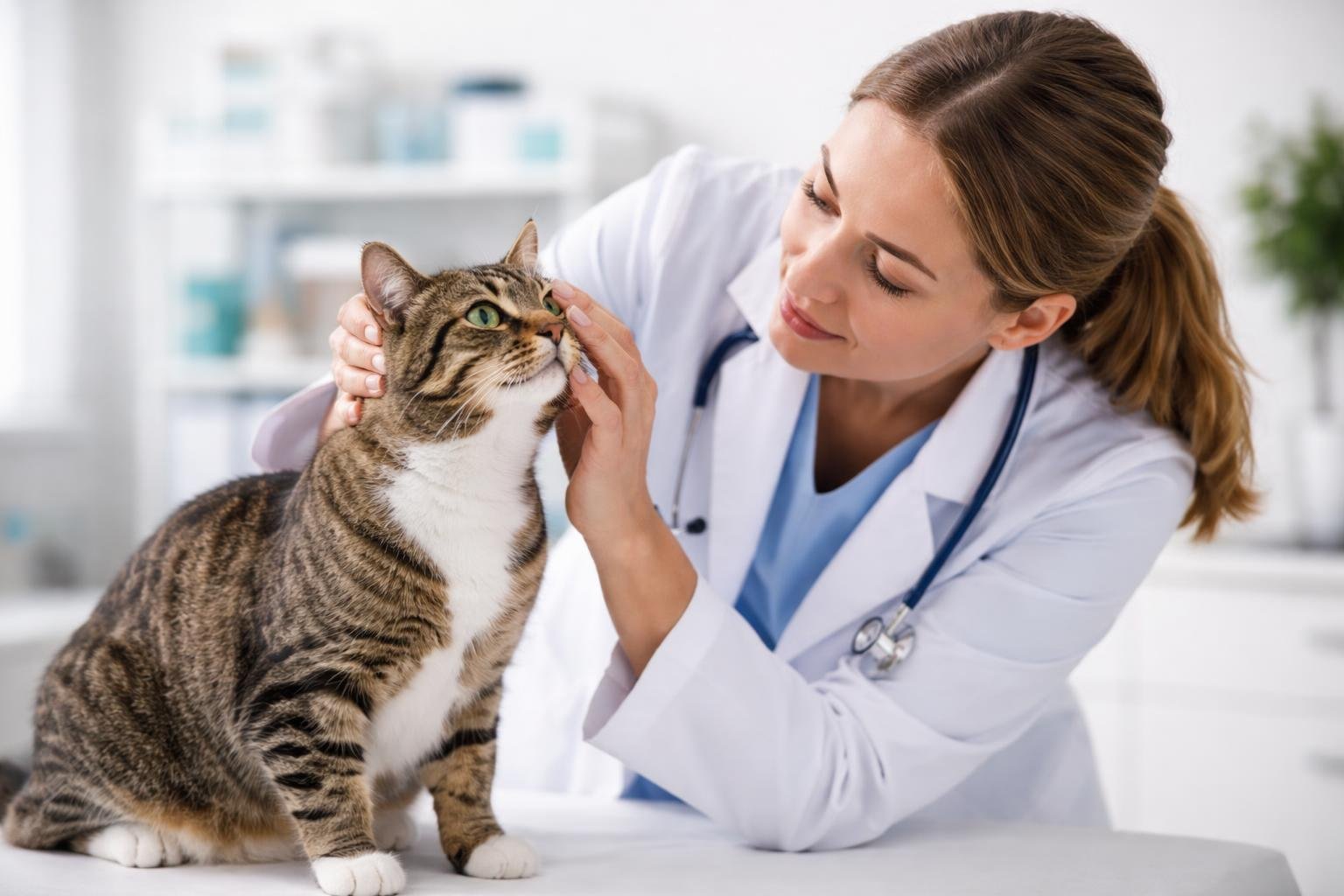
Identifying the specific allergen causing your cat’s reaction requires professional veterinary assessment and specialized testing. Your veterinarian will evaluate symptoms, perform diagnostic tests, and may refer you to a specialist for comprehensive allergy identification.
When to Suspect an Allergic Reaction
You should suspect an allergic reaction when your cat displays persistent itching, skin lesions, or respiratory symptoms that don’t resolve on their own. Excessive scratching, hair loss, red or inflamed skin, and repeated ear infections are common signs of allergies in cats that warrant veterinary attention.
Seasonal patterns in symptoms may indicate environmental allergies, while year-round issues often point to food sensitivities or indoor allergens. Cats can suffer from multiple allergic conditions simultaneously, such as flea allergy dermatitis combined with food allergies.
Pay attention to when symptoms worsen or improve. Changes related to diet modifications, new cleaning products, or time spent outdoors provide valuable diagnostic clues for your veterinarian.
Veterinary Evaluation and Skin Tests
Your veterinarian will begin with a thorough physical examination and medical history review. They’ll ask about your cat’s diet, environment, flea control measures, and symptom timeline to narrow down potential allergens.
Intradermal skin testing involves injecting small amounts of common allergens under your cat’s skin to observe reactions. This method identifies environmental allergens like pollen, dust mites, and mold spores with high accuracy. Blood tests measuring allergen-specific antibodies offer an alternative when skin testing isn’t feasible.
Food allergy diagnosis requires elimination diet trials lasting 8-12 weeks. Your cat consumes a novel protein source they’ve never eaten before, then foods are gradually reintroduced to identify triggers.
Role of the Veterinary Dermatologist
A veterinary dermatologist specializes in diagnosing and treating complex allergic conditions that don’t respond to standard care. Your regular veterinarian may refer you when allergies are severe, diagnosis is unclear, or initial treatments fail.
These specialists have advanced training in allergy testing for cats and access to specialized diagnostic equipment. They can perform comprehensive intradermal testing panels, interpret complex test results, and develop customized immunotherapy protocols.
Dermatologists also manage complicated cases involving multiple allergies or secondary infections. They provide long-term treatment plans including allergen-specific immunotherapy, which gradually desensitizes your cat to identified allergens over time.
Managing and Treating Allergic Reactions
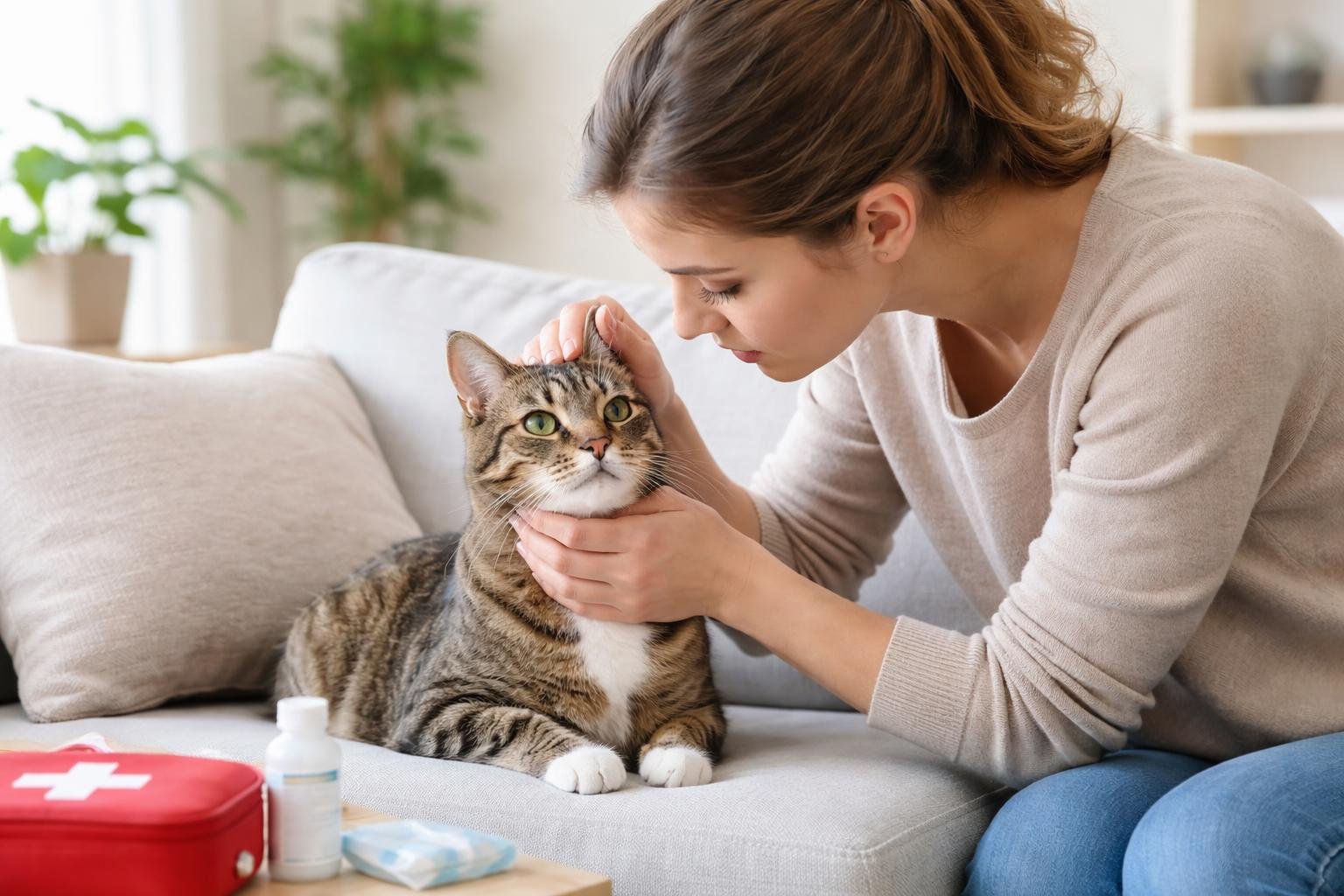
Effective allergy management involves quick response during acute episodes, appropriate medications, reducing environmental triggers, and establishing sustainable long-term strategies. The right combination of immediate care and preventive measures can significantly improve your cat’s quality of life.
Immediate Steps and Emergency Care
If you notice signs of a cat allergic reaction such as facial swelling, difficulty breathing, or sudden collapse, contact your veterinarian immediately. Severe reactions require emergency treatment within minutes.
For mild reactions like localized itching or minor hives, monitor your cat closely for progression. Remove the suspected allergen if known, such as a new food or cleaning product. Keep your cat calm and comfortable while you assess whether veterinary attention is needed.
Emergency symptoms requiring immediate care:
- Difficulty breathing or wheezing
- Severe facial or throat swelling
- Vomiting and diarrhea
- Weakness or collapse
Do not administer human medications without veterinary guidance, as many common antihistamines can be toxic to cats at improper doses.
Medical Treatments and Medications
Your veterinarian may prescribe antihistamines for mild to moderate allergic reactions, though cats respond differently than humans to these medications. Common options include diphenhydramine or chlorpheniramine at specific feline-safe dosages.
For chronic skin allergies, Atopica (cyclosporine) helps suppress the immune response causing inflammation and itching. This medication requires several weeks to reach full effectiveness and needs regular veterinary monitoring.
Corticosteroids provide rapid relief for severe inflammation but are typically reserved for short-term use due to potential side effects. Injectable, oral, or topical forms may be recommended based on the severity and location of symptoms.
Immunotherapy offers a long-term solution for environmental allergies by gradually desensitizing your cat’s immune system to specific allergens. This treatment involves allergy testing to identify triggers, followed by customized injections or oral drops administered over months to years.
Environmental Control and Allergen Reduction
HEPA filters in air purifiers effectively capture airborne allergens like pollen, dust mites, and mold spores that trigger cat allergies. Place these units in rooms where your cat spends the most time.
Regular grooming removes environmental allergens from your cat’s fur before they can be ingested during self-cleaning. Wipe your cat’s coat with a damp cloth after outdoor exposure or use hypoallergenic pet wipes.
| Environmental Strategy | Frequency | Benefit |
|---|---|---|
| Vacuum with HEPA filter | 2-3 times weekly | Reduces dust and pollen |
| Wash bedding | Weekly | Eliminates dust mites |
| Air purifiers | Continuous | Filters airborne allergens |
| Grooming sessions | 2-3 times weekly | Removes surface allergens |
Keep windows closed during high pollen seasons and maintain indoor humidity between 30-50% to discourage dust mites and mold growth.
Long-Term Allergy Management Options
Dietary modifications can address food allergies once your veterinarian identifies the trigger through elimination trials. Limited ingredient diets or hydrolyzed protein formulas prevent reactions by using novel proteins your cat hasn’t encountered.
For cats with multiple allergic conditions, create a comprehensive management plan that addresses each trigger. This may combine medications, environmental controls, and dietary changes tailored to your cat’s specific needs.
Schedule regular veterinary check-ups to monitor treatment effectiveness and adjust medications as needed. Some cats require seasonal adjustments to their allergy management protocol, while others need year-round intervention.
Consider keeping a symptom diary to track flare-ups, potential triggers, and treatment responses. This information helps your veterinarian refine your cat’s care plan and identify patterns you might otherwise miss.
Leave a Reply