Signs Your Cat Is Stressed: Key Behavioral Changes Every Owner Should Recognize
Cats are masters at hiding discomfort, but stress affects their health and behavior in significant ways. Common signs your cat is stressed include changes in appetite, increased hiding, excessive grooming, inappropriate urination, and shifts in vocalization or activity levels. Recognizing these signs of stress in cats early allows you to address problems before they escalate into serious health issues.
Chronic stress in cats differs from momentary reactions like hissing or an arched back during a brief scare. Long-term stress manifests through subtle behavioral changes that you might dismiss as personality quirks. Understanding what triggers feline stress and how it appears helps you create a calmer environment for your pet.
The good news is that once you learn to spot the signs of cat stress, you can take specific steps to reduce it. This guide walks you through the key indicators to watch for and practical solutions to help your cat feel secure and comfortable again.
Key Takeaways
- Watch for behavioral changes like hiding, aggression, excessive grooming, litter box avoidance, and altered eating patterns
- Stress in cats stems from environmental changes, household disruptions, health issues, and inadequate resources
- You can reduce feline stress by maintaining routines, providing safe spaces, enrichment activities, and consulting your veterinarian when needed
Understanding Cat Stress
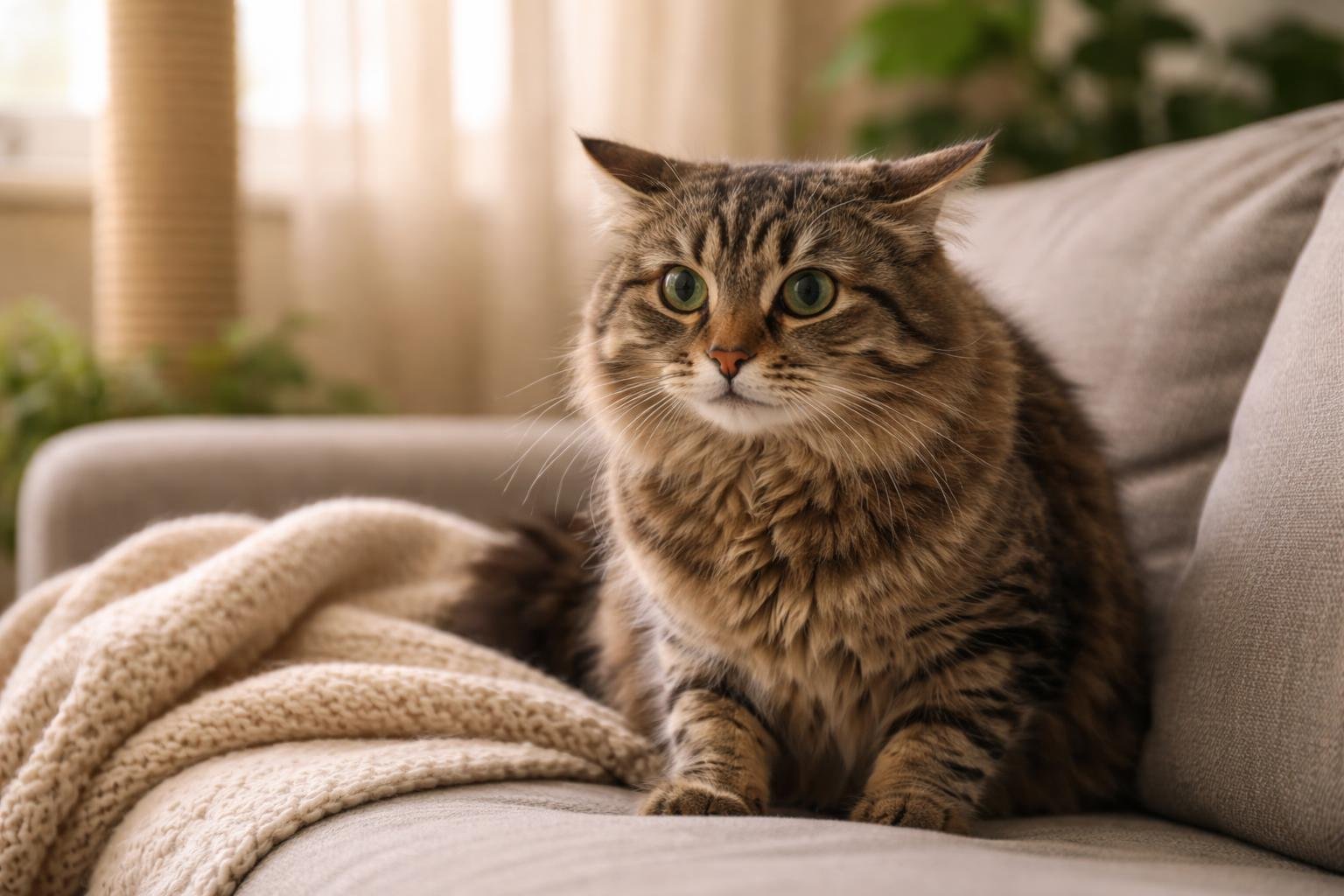
Cats experience stress differently than humans, and recognizing the distinction between temporary anxiety and ongoing distress is essential for maintaining your pet’s health and wellbeing.
What Is Cat Stress?
Cat stress is your pet’s physiological and behavioral response to perceived threats or changes in their environment. Cats are sensitive animals that react to disruptions in their routine, unfamiliar situations, or environmental changes.
Stress in cats can stem from various triggers including moving to a new home, introduction of new pets or family members, loud noises, veterinary visits, or changes in their feeding schedule. Your cat’s stress response involves the release of hormones like cortisol and adrenaline, which prepare their body to respond to danger.
The intensity of stress varies based on your cat’s personality, past experiences, and the specific trigger. Some cats are naturally more anxious while others remain calm in most situations.
Why Recognizing Stress Matters
Identifying signs that your cat is stressed prevents serious health complications and behavioral problems. Unaddressed stress weakens your cat’s immune system, making them more susceptible to infections and diseases.
Stressed cats may develop urinary tract problems, digestive issues, or skin conditions from excessive grooming. Behavioral changes like aggression, inappropriate elimination, or destructive scratching can damage your relationship with your pet and create household tension.
Early intervention allows you to address the underlying cause before it escalates. Your cat cannot verbally communicate discomfort, so observing physical and behavioral changes is your primary method of understanding their emotional state.
Short-Term Versus Chronic Stress
Short-term stress occurs during specific events like thunderstorms or car rides and typically resolves once the trigger disappears. Your cat may hide, show dilated pupils, or exhibit a tense body posture, but these reactions are temporary.
Chronic stress in cats persists over extended periods and poses greater health risks. Long-term stress develops from ongoing situations like living with incompatible pets, inadequate resources, or persistent environmental stressors.
Unlike acute stress, chronic stress gradually impacts your cat’s physical health and can lead to permanent behavioral changes. Your cat may lose weight, develop chronic health conditions, or become withdrawn and antisocial over time.
Key Signs Your Cat Is Stressed
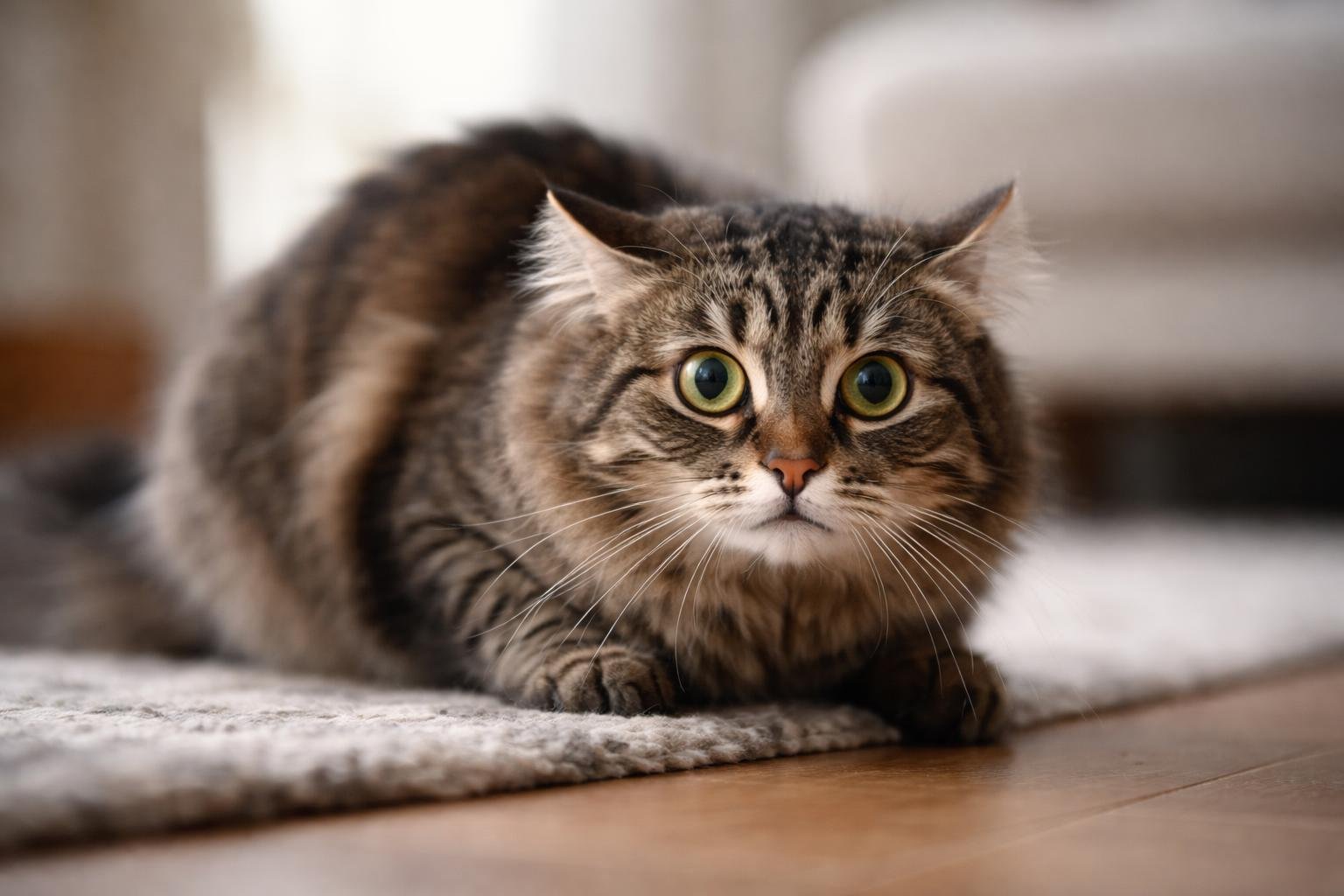
Cats display stress through distinct behavioral shifts, physical manifestations, and emotional responses that often overlap but require different approaches to address. Recognizing these feline stress symptoms early allows you to intervene before the condition impacts your cat’s overall health.
Behavioral Changes
Your cat’s daily habits provide the clearest window into their stress levels. Common cat stress symptoms include hiding, changes in litter box usage, and sudden aggression toward people or other pets.
A stressed cat may avoid their usual favorite spots and seek isolated areas like closets or under furniture. You might notice your cat spending significantly more time alone than usual.
Changes in appetite represent another critical behavioral indicator. Your cat may eat less, refuse food entirely, or in some cases eat more as a coping mechanism. Behavioral stress manifests through appetite shifts that can be subtle at first.
Litter box avoidance or elimination outside the box often signals distress. Your cat might also show increased vocalization, including excessive meowing or yowling at unusual times. These changes in normal patterns should prompt immediate attention.
Physical Symptoms
Signs of stress overlap with medical conditions, making it essential to rule out physical illness first. Observable physical indicators include overgrooming, leading to bald patches or skin irritation on your cat’s body.
Your stressed cat may develop digestive issues like vomiting or diarrhea without an apparent medical cause. Watch for changes in your cat’s coat quality, as stress can make fur appear dull or unkempt.
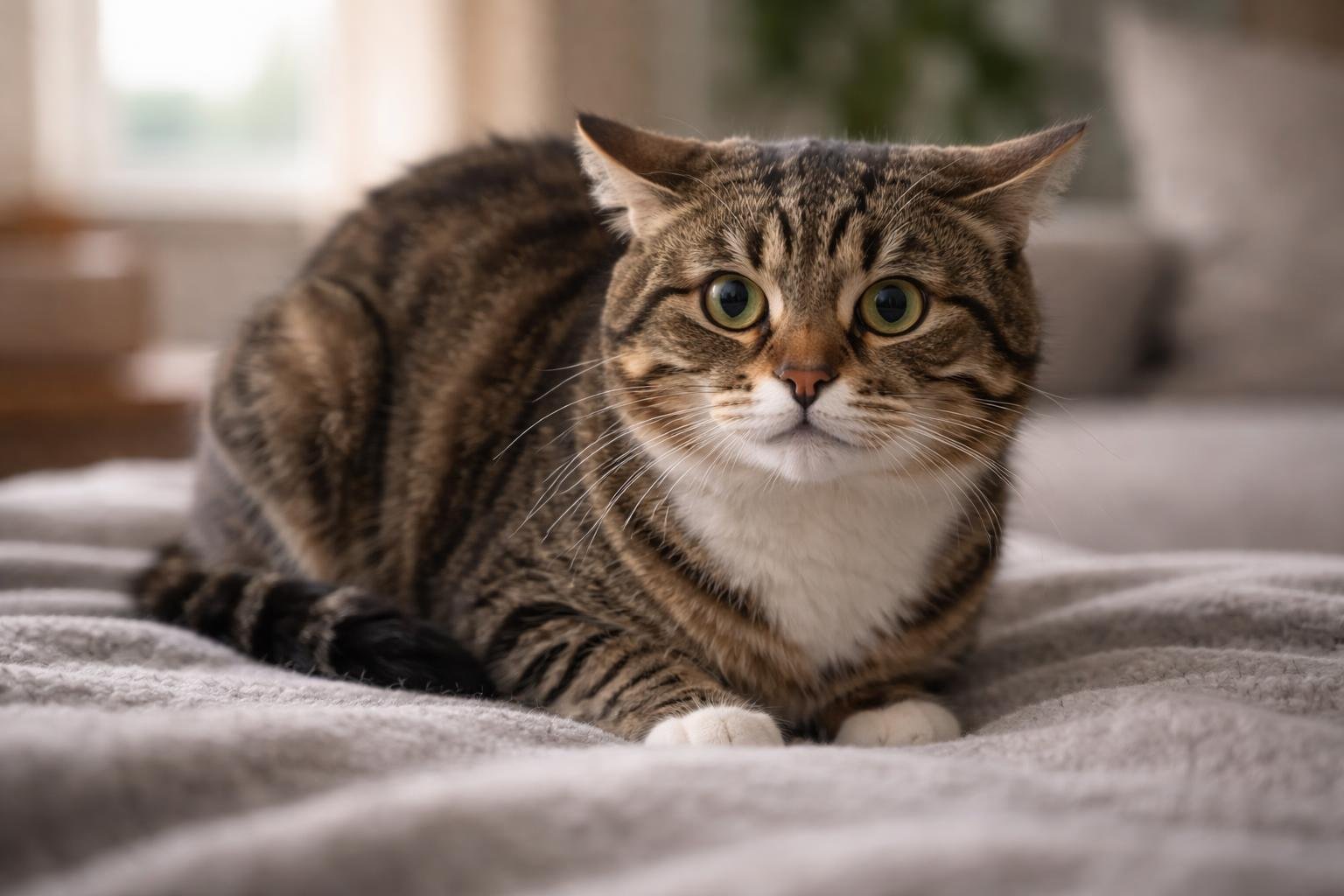
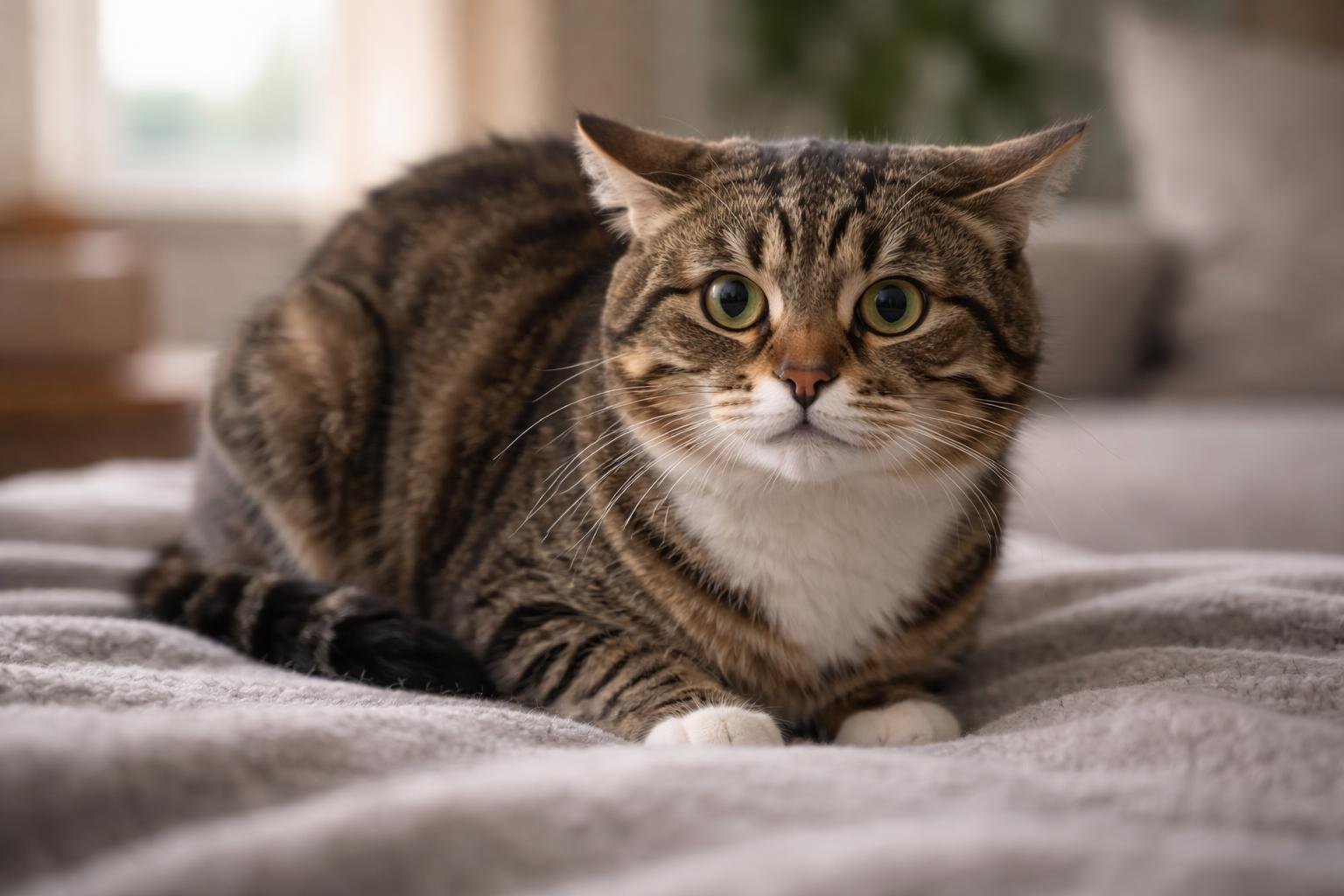
Dilated pupils, flattened ears, and a tucked tail indicate acute stress responses. Your cat’s body posture becomes tense, with muscles appearing rigid rather than relaxed. Excessive shedding beyond normal seasonal patterns also indicates anxiety in cats.
Common Emotional Indicators
Your cat’s emotional state manifests through body language and interaction patterns. A stressed cat displays defensive postures, including arched backs, puffed tails, or crouching low to the ground.
Reduced social interaction marks a significant emotional shift. Your previously affectionate cat may suddenly avoid petting, lap time, or playtime activities they once enjoyed.
Increased startle responses show heightened anxiety levels. Your cat might jump at minor noises or movements that previously wouldn’t have bothered them. They may also become hypervigilant, constantly scanning their environment with wide eyes and alert ears.
Displacement behaviors like excessive face rubbing, pacing, or repetitive movements without purpose indicate internal emotional turmoil. Your cat might also show less interest in grooming or abandon their regular grooming routine entirely.
Behavioral Signs of Stress
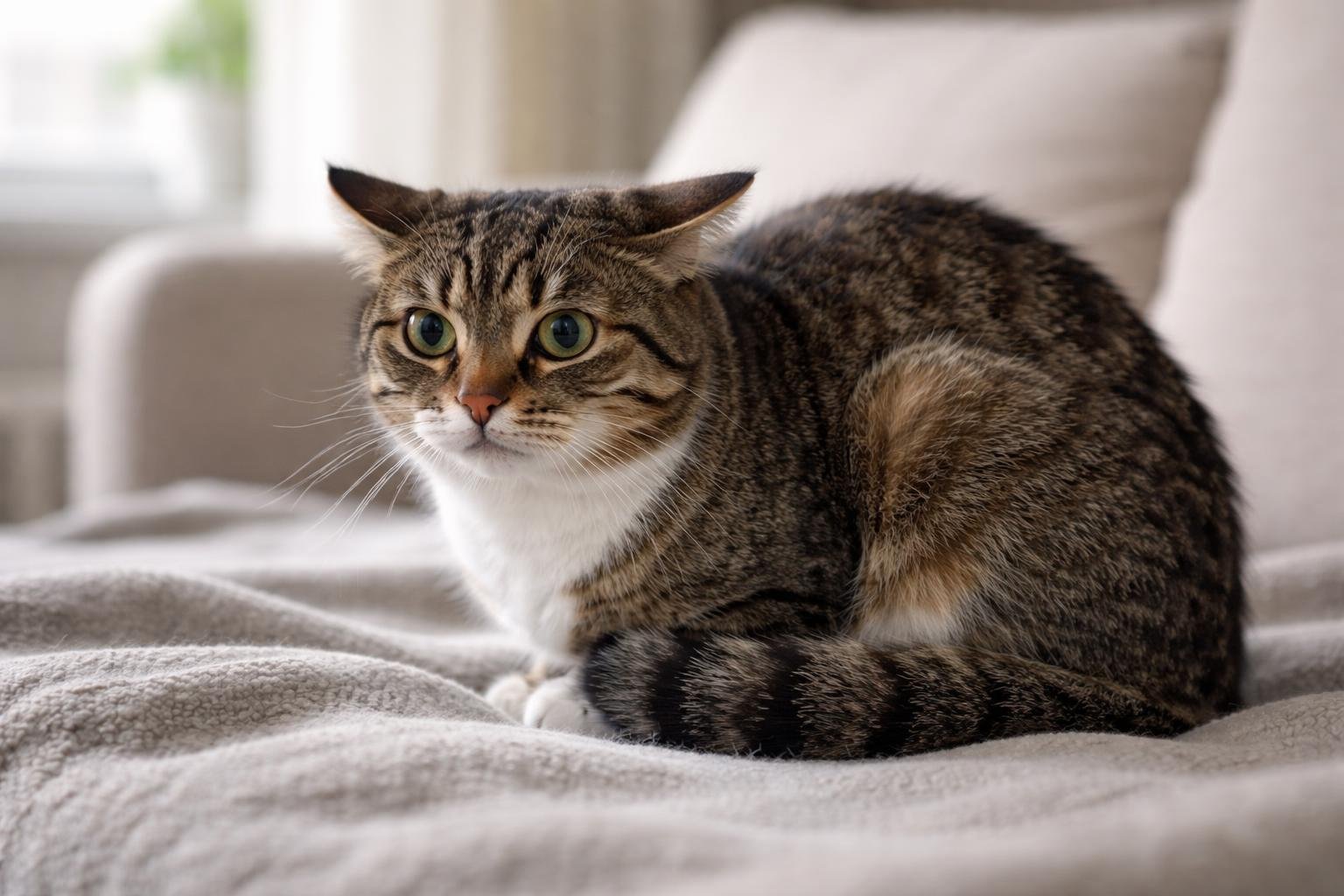
Cats experiencing stress often display distinct behavioral changes that differ from their normal patterns. Changes in behavior can range from withdrawal and hiding to increased aggression and restlessness.
Hiding and Withdrawal
When your cat suddenly starts spending excessive time under the bed, in closets, or behind furniture, this signals potential stress. Cats naturally seek enclosed spaces for security, but prolonged isolation indicates something is wrong.
A stressed cat may avoid family members they previously enjoyed being around. You might notice your cat no longer greets you at the door or refuses to sit in common areas. This withdrawal behavior represents a coping mechanism where your cat attempts to remove itself from perceived threats.
Common hiding behaviors include:
- Staying under furniture for hours at a time
- Avoiding eye contact with family members
- Retreating when approached
- Choosing isolated rooms over social spaces
Aggression or Irritability
Stress can transform even the gentlest cat into one that hisses, swats, or bites without apparent provocation. Your cat may suddenly become defensive when touched in areas they previously enjoyed being petted.
Anxiety in cats often manifests as unpredictable aggressive outbursts. You might observe dilated pupils, flattened ears, or a twitching tail before an aggressive episode. These physical cues accompany the behavioral shift and serve as warning signals.
Some cats redirect their stress-induced aggression toward other pets in the household. A cat experiencing chronic stress may attack a companion animal that approaches their safe space or food bowl.
Restlessness and Pacing
A stressed cat struggles to settle down and may pace repeatedly along the same route through your home. This repetitive movement differs from normal exploration or playful activity.
You’ll notice your cat walking back and forth without purpose, often vocalizing during these episodes. The pacing may intensify during specific times or when certain triggers appear in the environment. Your cat might also seem unable to get comfortable in their usual resting spots, constantly shifting positions or moving between locations.
Signs of stress-related restlessness:
- Repetitive walking patterns
- Excessive meowing or crying
- Inability to settle in one spot
- Nighttime activity increases
Loss of Interest in Play
When your previously playful cat ignores their favorite toys or shows no enthusiasm during interactive play sessions, signs of stress in cats become apparent. This behavioral change can develop gradually or appear suddenly after a stressful event.
Your cat may watch toys move without attempting to engage or walk away mid-play. The lack of interest extends beyond simple boredom—a stressed cat loses the natural drive to hunt and pounce that characterizes healthy feline behavior. You might also notice your cat sleeping more than usual, replacing active periods with prolonged rest.
Changes in Routine and Habits
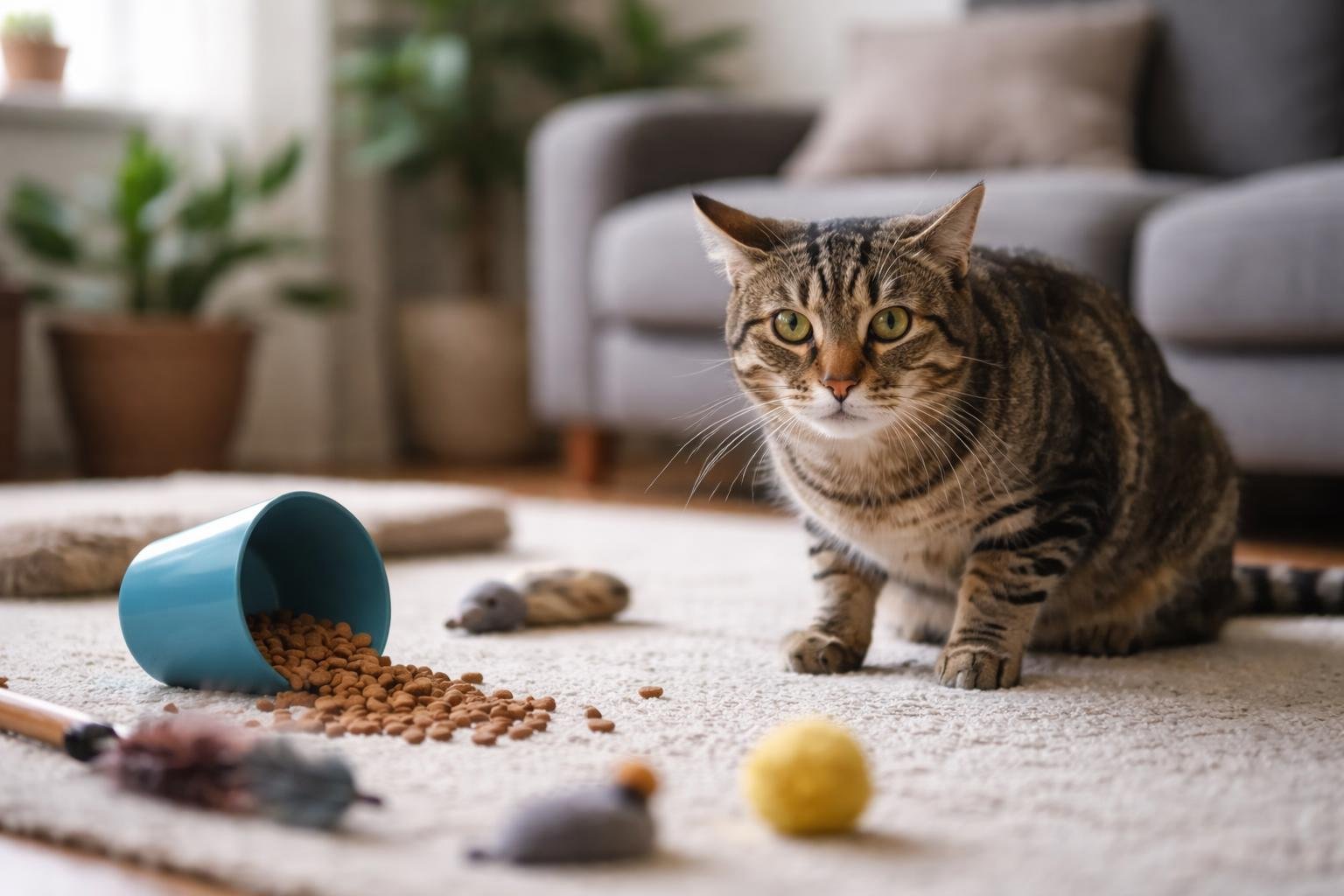
Stressed cats often display their discomfort through noticeable shifts in daily behaviors. These changes can affect grooming, elimination, eating, and sleeping patterns.
Alterations in Grooming Habits
Your cat’s grooming routine serves as a reliable indicator of their emotional state. Excessive grooming or overgrooming is a common response to stress, where your cat repeatedly licks the same area until bald patches or skin irritation develop. This compulsive behavior typically focuses on the belly, legs, or flanks.
Conversely, some stressed cats completely stop grooming themselves. You may notice a dull, matted, or unkempt coat that feels greasy to the touch.
Signs of stress-related grooming changes include:
- Bald patches or thin fur in specific areas
- Red, irritated, or inflamed skin
- Hair loss along the belly or inner legs
- Matted or tangled fur
- Dandruff or oily coat texture
Both extremes indicate your cat is struggling to cope with their environment. The behavior often intensifies during peak stress periods and may become a chronic stress response if the underlying cause remains unaddressed.
Inappropriate Elimination
Changes in litter box habits rank among the most significant signs of cat stress. Your stressed cat may urinate or defecate outside their litter box, even if they’ve been reliably trained for years. This behavior isn’t spite or disobedience—it’s a clear distress signal.
Stressed cats may also increase their urination frequency or spray vertical surfaces to mark territory. You might find small amounts of urine on walls, furniture, or doorways.
Common elimination changes include:
- Urinating on beds, clothing, or soft furnishings
- Defecating in corners or hidden areas
- Avoiding the litter box entirely
- Spraying vertical surfaces
- Straining or crying while eliminating
Rule out medical conditions like urinary tract infections before attributing these behaviors solely to stress. Your veterinarian can perform tests to ensure the issue stems from anxiety rather than physical illness.
Appetite and Hydration Issues
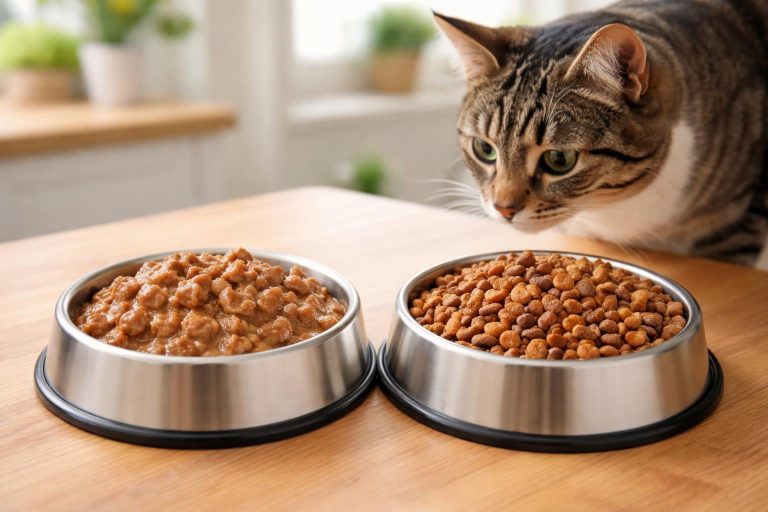
Stress directly impacts your cat’s eating and drinking behaviors. Some cats lose interest in food completely, while others may overeat as a coping mechanism. You’ll notice your cat either leaving food untouched in their bowl or demanding more frequent meals.
Changes in appetite can lead to rapid weight loss or gain within weeks. A stressed cat may also change their food preferences, rejecting favorites or becoming unusually picky.
Water intake often decreases when cats experience stress. Your cat may visit their water bowl less frequently or avoid it in high-traffic areas. Dehydration compounds stress effects and creates additional health risks.
Monitor your cat’s food consumption daily by measuring portions and noting leftovers. Track water levels in their bowl to identify concerning patterns early.
Changes in Sleep Patterns
Your cat’s sleep schedule provides valuable insight into their stress levels. While cats naturally sleep 12-16 hours daily, stressed cats often sleep significantly more or less than usual. Unusual lethargy may indicate your cat is withdrawing from stressors by sleeping excessively.
Alternatively, your stressed cat might remain hypervigilant and struggle to rest. They may frequently change sleeping locations, appearing unable to settle comfortably. You’ll observe restless movements, frequent position changes, or sleeping with eyes partially open.
Stressed cats often abandon their preferred sleeping spots for unusual locations. Your cat might suddenly choose closets, under beds, or high perches instead of their usual sunny windowsill. They may also sleep during normally active periods and pace restlessly at night when they’d typically rest.
Environmental and Physical Clues
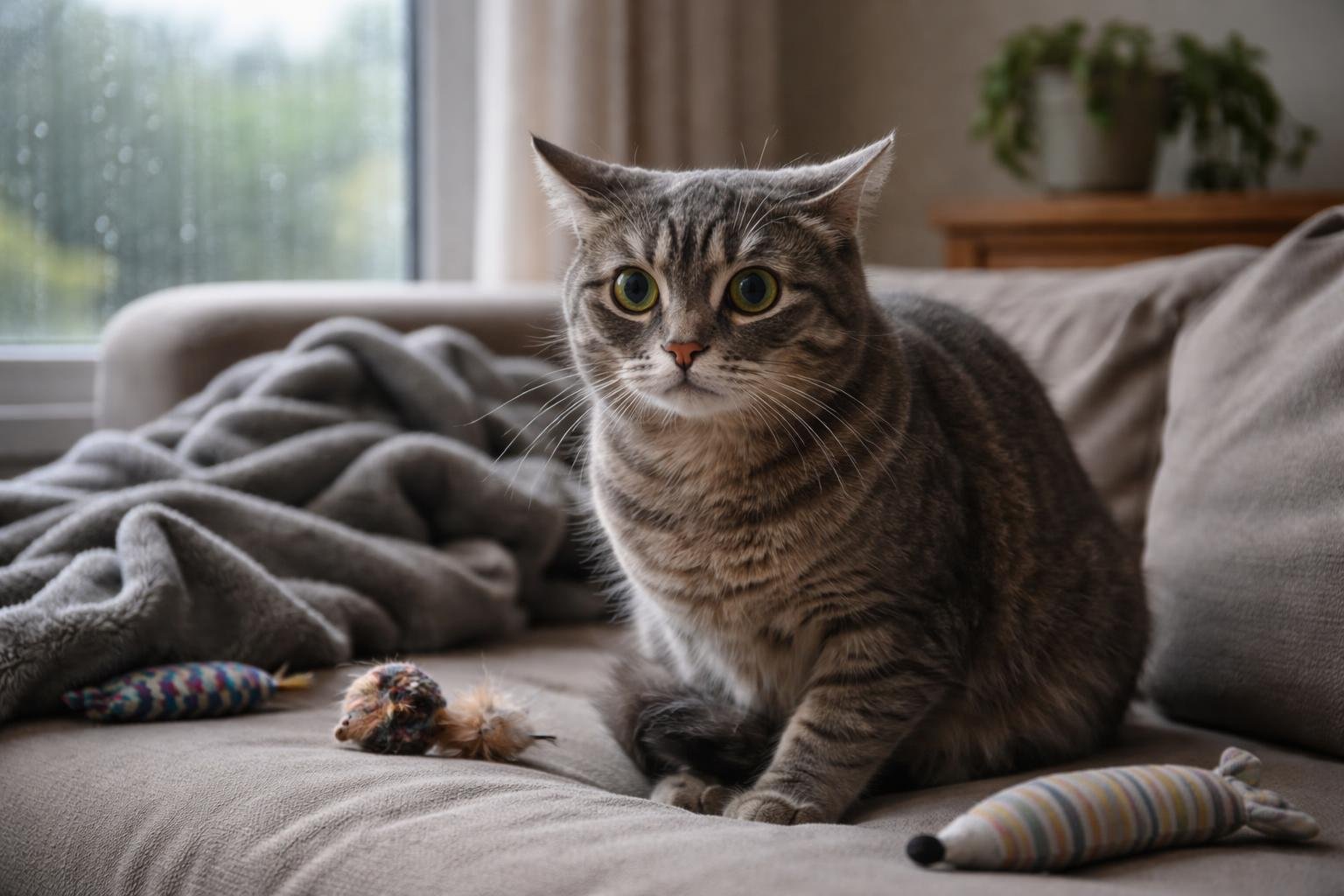
Cats communicate stress through observable changes in their vocalizations, scratching behavior, and body positioning. These physical manifestations often appear before other stress symptoms become apparent.
Increased Vocalizations
Your cat may meow, yowl, or cry more frequently when experiencing stress. These vocalizations typically sound different from normal communication, often appearing more urgent or distressed in tone.
Some cats become unusually quiet instead, which represents an equally significant change in their vocal patterns. Pay attention to any deviation from your cat’s typical vocal habits, whether that means more noise or less.
Nighttime vocalizations can indicate stress, particularly if your cat has always been quiet during evening hours. Excessive meowing directed at you may signal your cat is seeking reassurance or alerting you to their discomfort.
Excessive Scratching
Stressed cats often scratch furniture, walls, or carpets more intensively than usual. This behavior serves as both a physical outlet for tension and a way to mark territory when they feel insecure.
You might notice your cat scratching in new locations or returning obsessively to the same spots. Destructive scratching that damages household items typically indicates your cat needs more appropriate outlets or is experiencing environmental stressors.
Providing multiple scratching posts in different areas can help, but increased scratching despite adequate resources suggests underlying anxiety. The intensity and frequency matter more than the act itself, since scratching is normal feline behavior.
Body Language and Posture
Dilated pupils, flattened ears, and excessive panting serve as clear indicators of feline stress. Your cat’s ears may press flat against their head, and their tail might thrash or remain tucked close to their body.
A stressed cat often adopts a crouched, tense posture with muscles visibly tight. Their whiskers may pull back against their face, and they might hiss or growl when approached.
Watch for piloerection, where your cat’s fur stands on end along their spine and tail. This physical response indicates heightened arousal or fear and requires immediate attention to identify the stressor.
Common Triggers of Cat Stress
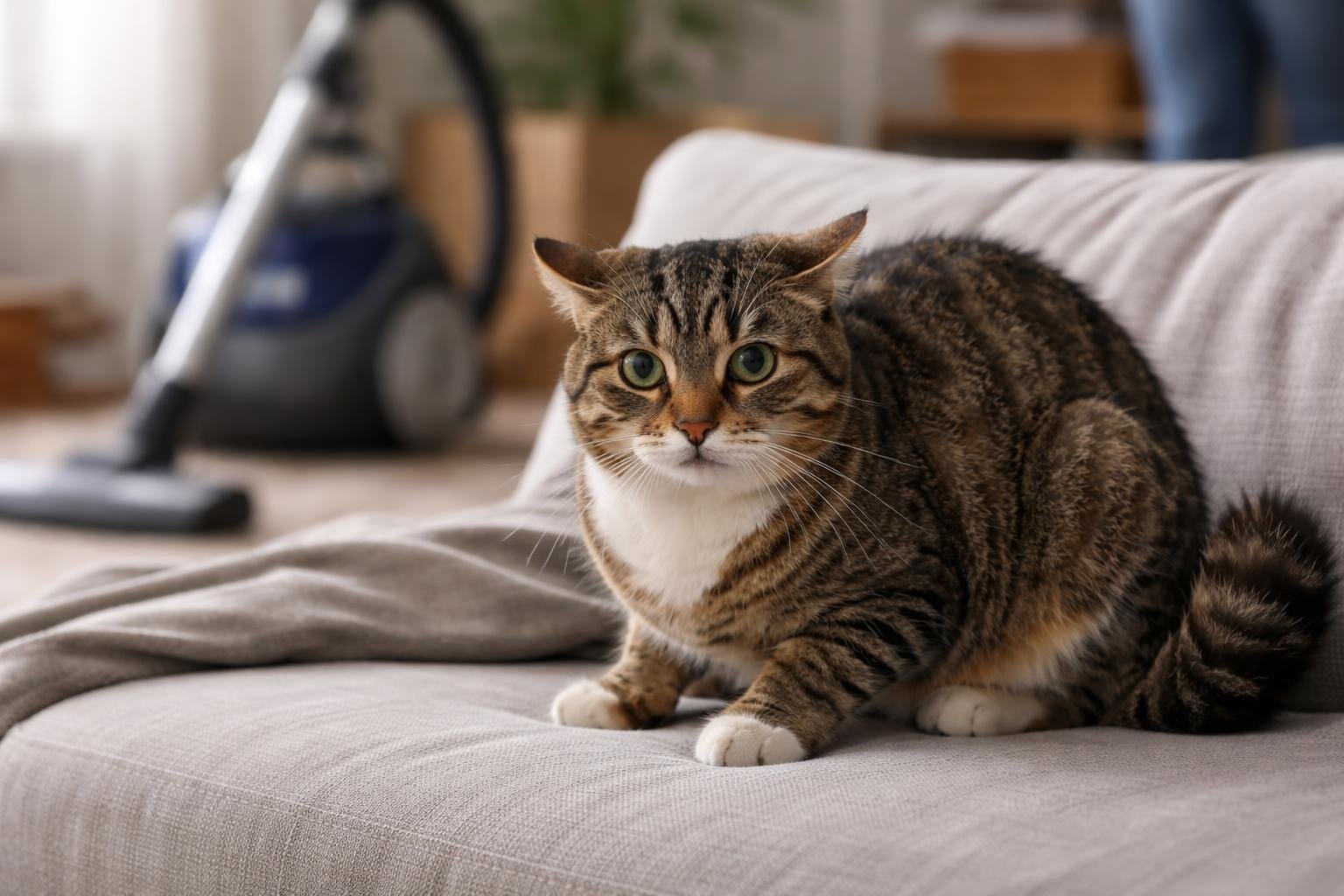
Cats are sensitive to their surroundings, and even small changes in their environment can trigger stress. Understanding what causes anxiety in cats helps you create a more stable living space and prevent behavioral issues before they develop.
Changes in Environment
Moving to a new home ranks among the most stressful experiences for cats. Your cat perceives their territory as a source of security, and sudden changes disrupt this comfort zone.
Renovations, new furniture, or rearranged rooms can also upset your cat. The unfamiliar smells, sounds, and altered layouts make them feel uncertain about their space. Even temporary changes like having guests stay over or bringing in holiday decorations may cause your cat to hide or behave differently.
Temperature fluctuations, new cleaning products, or changes in household routines add to environmental stress. Your cat relies on consistency to feel safe. When you introduce multiple changes at once, the cumulative effect intensifies their anxiety response.
Conflict with Other Pets
New pets or even boredom can trigger stress in cats, particularly when resources become contested. Competition over food bowls, litter boxes, or favorite sleeping spots creates tension between animals sharing the same space.
Aggressive behavior from another pet escalates a stressed cat’s anxiety levels. Your cat may avoid certain areas of your home or stop eating normally if they fear confrontation. Dogs that chase cats, even playfully, can cause ongoing stress that affects your cat’s overall wellbeing.
Personality mismatches between pets contribute to chronic stress. Some cats prefer solitude and become anxious when forced to share territory with more social animals. Watch for signs like hissing, growling, or one pet blocking another’s access to essential resources.
Unpredictable Routines
Cats thrive on predictable schedules for feeding, play, and interaction. When you feed your cat at different times each day, their stress levels increase as they cannot anticipate when their needs will be met.
Irregular work schedules that change when you’re home create uncertainty. Your cat becomes anxious not knowing when to expect your presence or absence. This unpredictability affects their sense of security within their territory.
Inconsistent attention patterns also cause stress. If you sometimes respond to your cat’s requests for play or affection and other times ignore them, they develop anxiety about social interactions. Maintaining regular routines for meals, cleaning litter boxes, and dedicated play sessions helps reduce cat stress.
Lack of Resources and Stimulation
Insufficient litter boxes create significant stress for multi-cat households. You should provide one litter box per cat plus one extra, placed in different locations throughout your home.
Limited vertical space restricts your cat’s natural climbing instincts. Cats need elevated perches where they can observe their surroundings and retreat when stressed. Without adequate climbing structures, shelves, or cat trees, your cat lacks important escape routes from perceived threats.
Boredom from lack of mental stimulation contributes to anxiety in cats. Without interactive toys, puzzle feeders, or regular play sessions, your cat may develop stress-related behaviors. Adequate scratching posts, hiding spots, and window access to watch outdoor activity provide necessary enrichment that prevents stress from building up over time.
How to Help a Stressed Cat
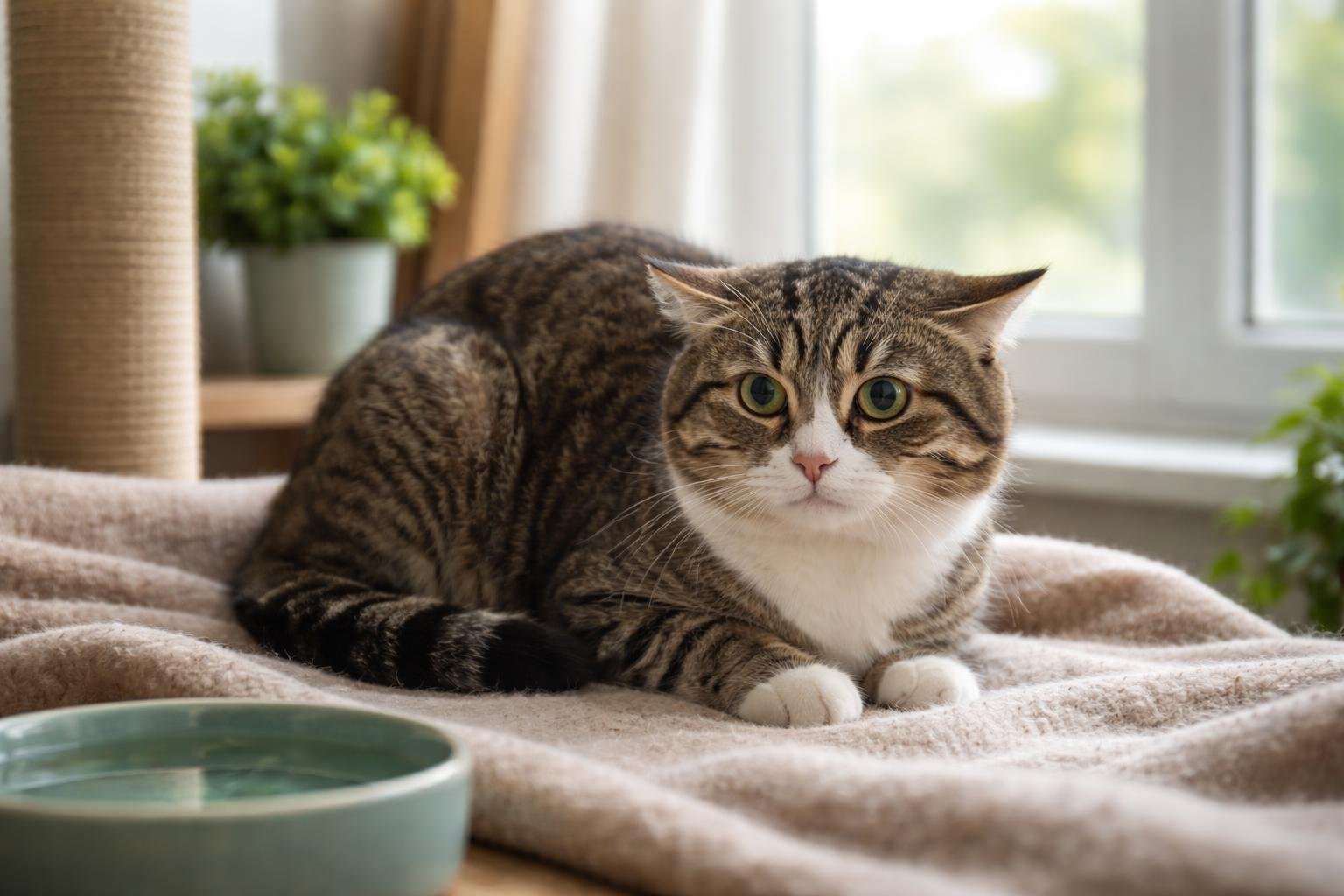
Reducing feline stress requires addressing environmental factors, maintaining consistent routines, and providing appropriate outlets for natural behaviors. A multi-faceted approach that combines physical space modifications with behavioral support delivers the best results for anxious cats.
Creating a Calming Environment
Your cat needs safe spaces where they can retreat when feeling overwhelmed. Set up quiet areas in different rooms with comfortable bedding, preferably elevated or enclosed to give your cat a sense of security.
Synthetic pheromone products like Feliway can help create a calming atmosphere throughout your home. These diffusers release calming signals that mimic the natural facial pheromones cats produce when they feel safe. Plugin diffusers work well in main living areas, while sprays can target specific spots where your cat shows stress.
Minimize loud noises and sudden disruptions in your cat’s primary areas. If you cannot avoid noise from construction, guests, or other disturbances, give your cat access to a quiet room with familiar items. Consider using white noise machines to buffer outside sounds that might trigger anxiety.
Keep litter boxes in low-traffic areas away from noisy appliances. Cats experiencing chronic stress often develop elimination problems when they feel exposed or threatened while using the bathroom.
Supporting Routine and Predictability
Cats thrive on consistency and predictable schedules. Feed your cat at the same times each day and maintain regular play sessions to establish a sense of security.
Keep changes to your cat’s environment gradual when possible. If you need to rearrange furniture, move the litter box, or introduce new items, do so slowly over several days. Sudden changes can trigger stress responses even in well-adjusted cats.
Maintain consistent locations for food bowls, water stations, and sleeping areas. Your cat develops mental maps of their territory, and unexpected alterations disrupt their sense of control. When introducing new pets or family members, use slow introduction protocols that give your cat time to adjust at their own pace.
Environmental Enrichment and Scratching Options
Scratching posts serve as essential stress-relief tools for anxious cats. Place sturdy posts near your cat’s favorite resting spots and in areas where they already attempt to scratch.
Provide multiple types of scratching surfaces to match your cat’s preferences:
- Vertical posts: Tall enough for full-body stretching (at least 30 inches)
- Horizontal scratchers: Flat cardboard or sisal surfaces
- Angled scratchers: Ramps or slanted boards
Create vertical territory through cat trees, wall-mounted shelves, and window perches. Access to high vantage points helps cats feel more secure and gives them escape routes from perceived threats.
Offer interactive toys and puzzle feeders to engage your cat’s hunting instincts. Mental stimulation through food puzzles reduces boredom-related stress and provides a positive outlet for energy. Rotate toys weekly to maintain novelty and interest.
Veterinary and Behavioral Solutions
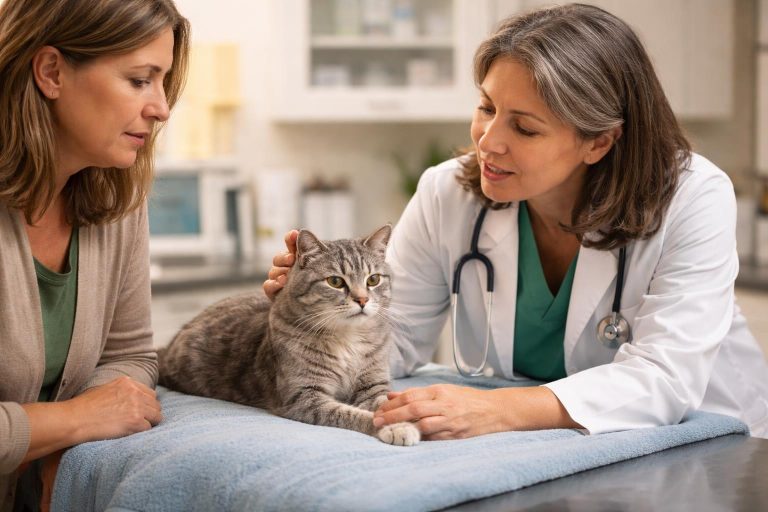
Schedule a veterinary examination to rule out medical conditions that cause stress-like symptoms. Pain, thyroid problems, and other health issues can manifest as behavioral changes that mimic anxiety.
Your veterinarian may recommend anti-anxiety medications or supplements for cats with chronic stress that doesn’t improve with environmental changes. Prescription medications work best when combined with behavioral modification strategies.
Consult a certified cat behavior consultant if your cat’s stress persists despite your efforts. These professionals can identify specific triggers and develop customized treatment plans. Some cats benefit from desensitization protocols that gradually expose them to stress triggers in controlled ways.
Consider calming supplements containing L-theanine or alpha-casozepine if your veterinarian approves. These natural options may help reduce mild to moderate anxiety without prescription medications.