12 Fun Facts About Cats Most Owners Don’t Know: Surprising Insights Into Feline Behavior
Cats live in millions of homes around the world, yet these popular pets still hide many secrets. You might think you know everything about your feline friend, but cats have unique traits that even long-time owners don’t realize.
This article reveals surprising facts about cat biology, behavior, and abilities that challenge common beliefs and explain why cats act the way they do. From their vocal range to their genetic makeup, you’ll discover what makes cats truly different from other pets. You’ll also learn about health needs, physical abilities, and quirks that affect your cat every day.
1) Cats can make over 100 distinct vocal sounds while dogs make about 10
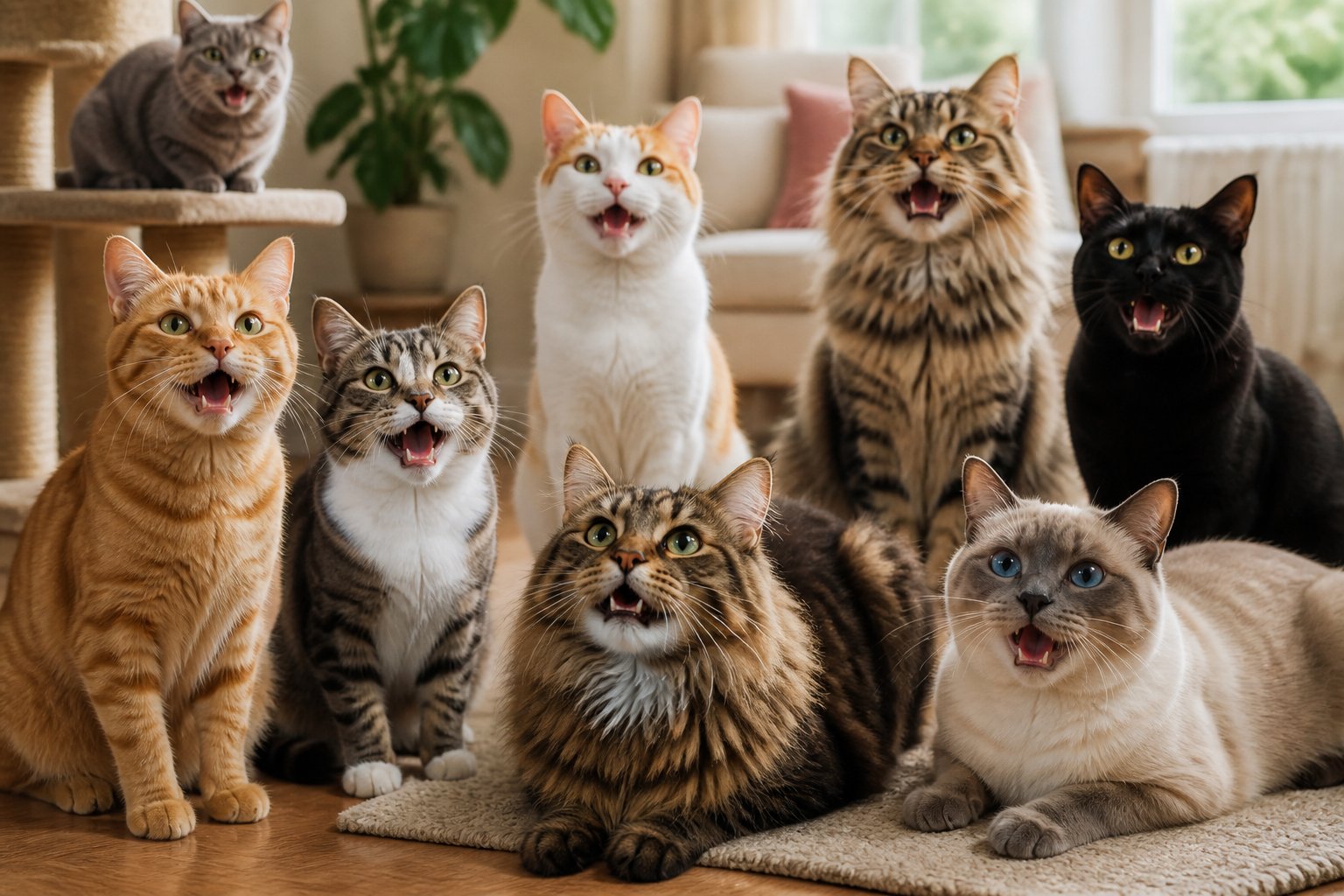
Your cat has a much bigger vocabulary than you might think. Cats can produce over 100 different vocalizations, while dogs typically make about 10 distinct sounds.
This wide range of sounds includes meows, purrs, chirps, trills, hisses, growls, and yowls. Each sound carries its own meaning and purpose. Your cat uses different vocalizations to communicate everything from hunger to happiness to warnings.
The meow is actually special. Adult cats rarely meow at each other in the wild. They developed this sound specifically to communicate with humans after domestication.
Dogs have fewer vocal options available to them. Their repertoire of about 10 sounds includes barks, growls, whines, and howls.
Your cat’s vocal complexity shows how they adapted to living with people. These sounds aren’t just random noises. They fall into specific categories that help your cat express different needs and emotions. Each cat also has its own unique voice and communication style.
2) Domestic cats share 95.6% of their DNA with tigers
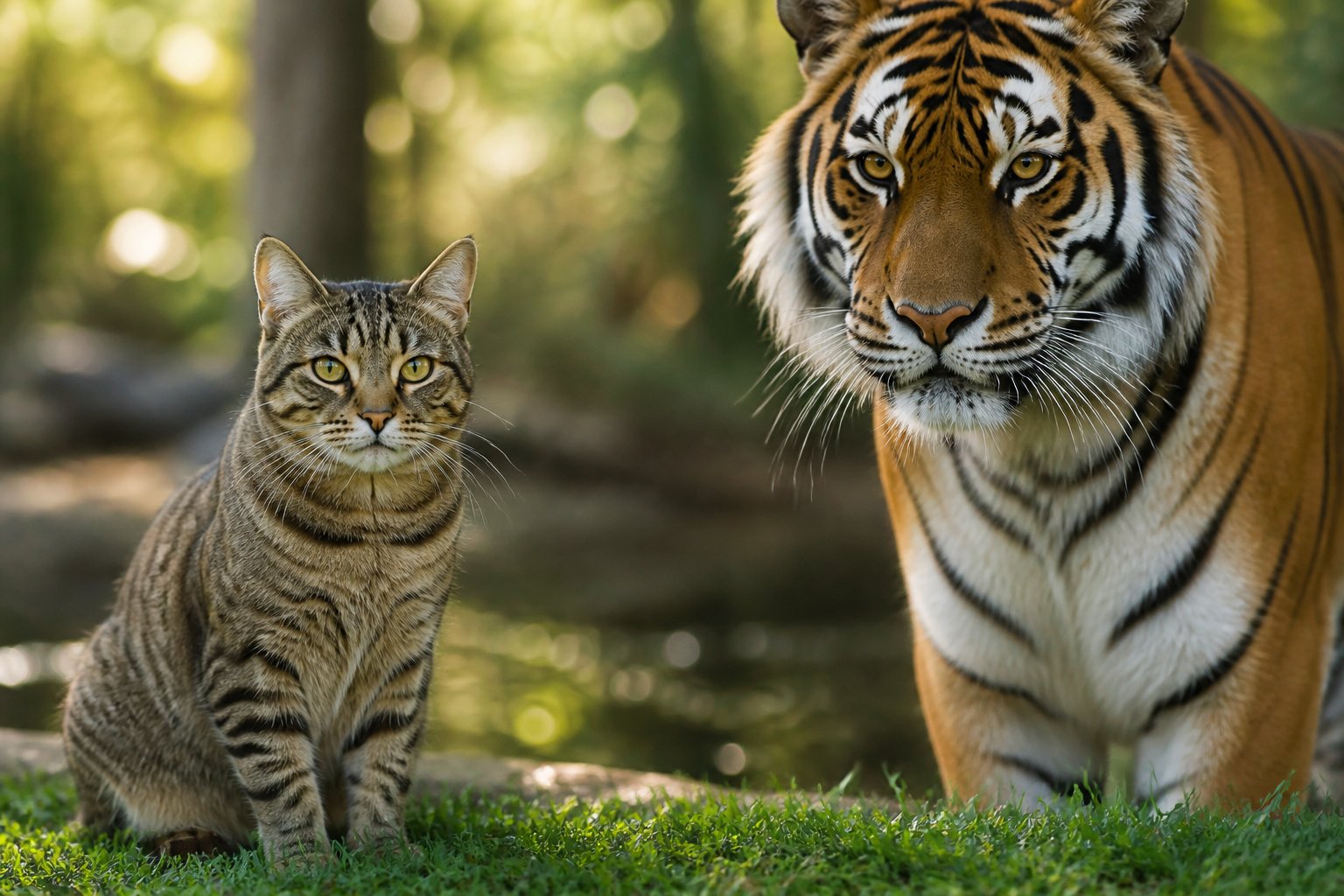
Your pet cat has more in common with wild tigers than you might think. Domestic cats and tigers share about 95.6% of their DNA, which means they’re closely related genetically.
This high percentage comes from their shared family tree. Both species belong to the same feline family and had a common ancestor around 10.8 million years ago.
The similar DNA explains why your cat and a tiger have many of the same physical features. Both animals have whiskers, retractable claws, and similar skull shapes. They also share many of the same hunting instincts and behaviors.
The remaining 4.4% of DNA accounts for the obvious differences between the two animals. This includes their massive size difference, strength, and ability to survive in different environments.
The genetic connection between house cats and tigers shows how all members of the cat family are linked through their evolutionary history. Your indoor cat carries the genetic blueprint of its wild relatives, even if it spends most of its time napping on your couch.
3) A cat’s noseprint is unique, like a human fingerprint
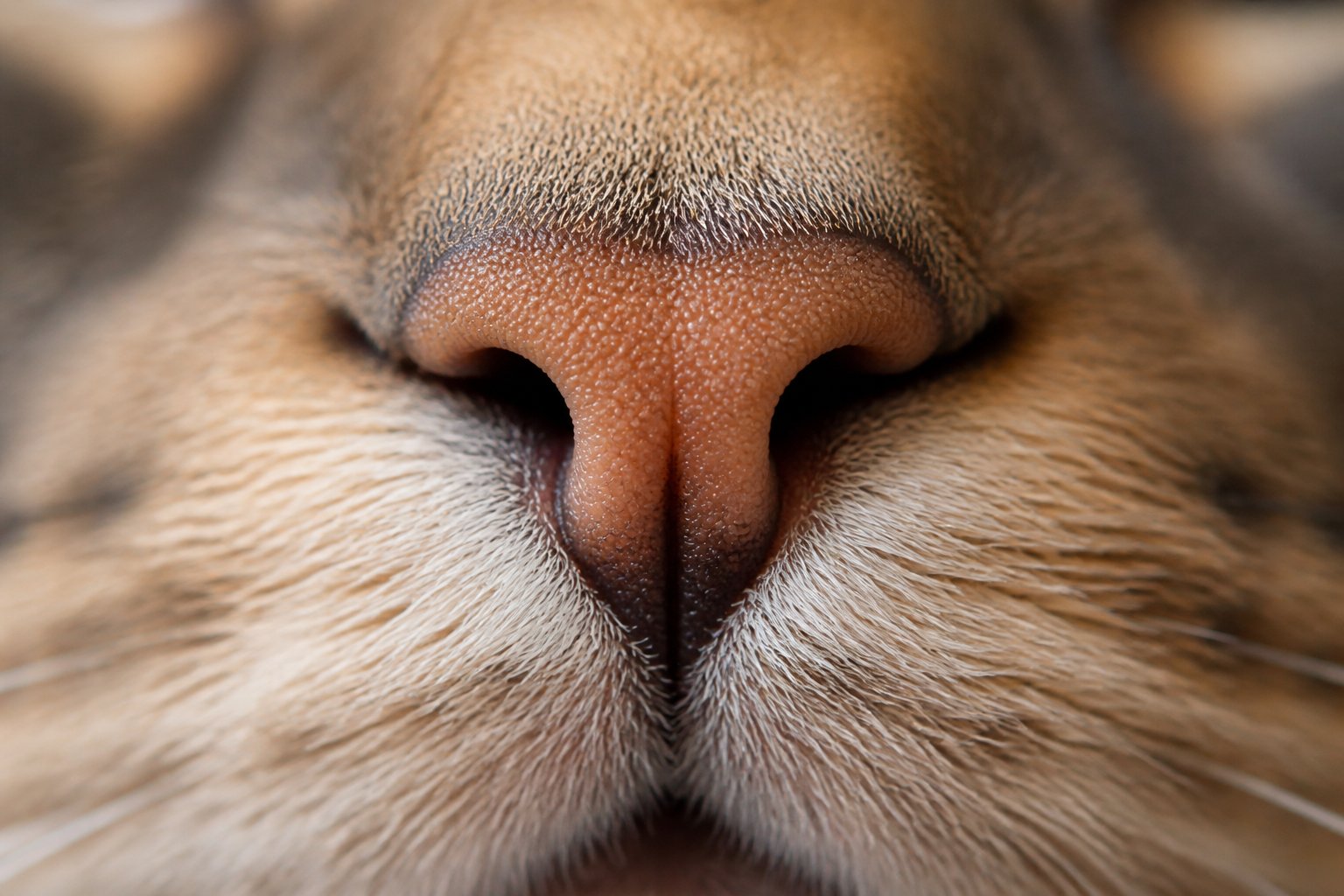
Your cat’s nose has a one-of-a-kind pattern that no other cat shares. Just like your fingerprints identify you, each cat has a unique nose print made up of special bumps and ridges.
The lines and creases on your cat’s nose form a pattern that belongs only to them. Scientists have studied this and confirmed that the prints on your pet’s nose are as unique as human fingerprints.
With an estimated 300 to 600 million cats in the world, that means there are millions of different nose prints out there. Your cat’s nose pattern is theirs alone.
This unique feature could have practical uses in the future. These feline nose prints could potentially be used for identifying lost or stolen cats, similar to how fingerprints help identify people. It’s a simple but remarkable trait that makes your cat even more special.
4) Cats sweat through their paw pads, not their skin
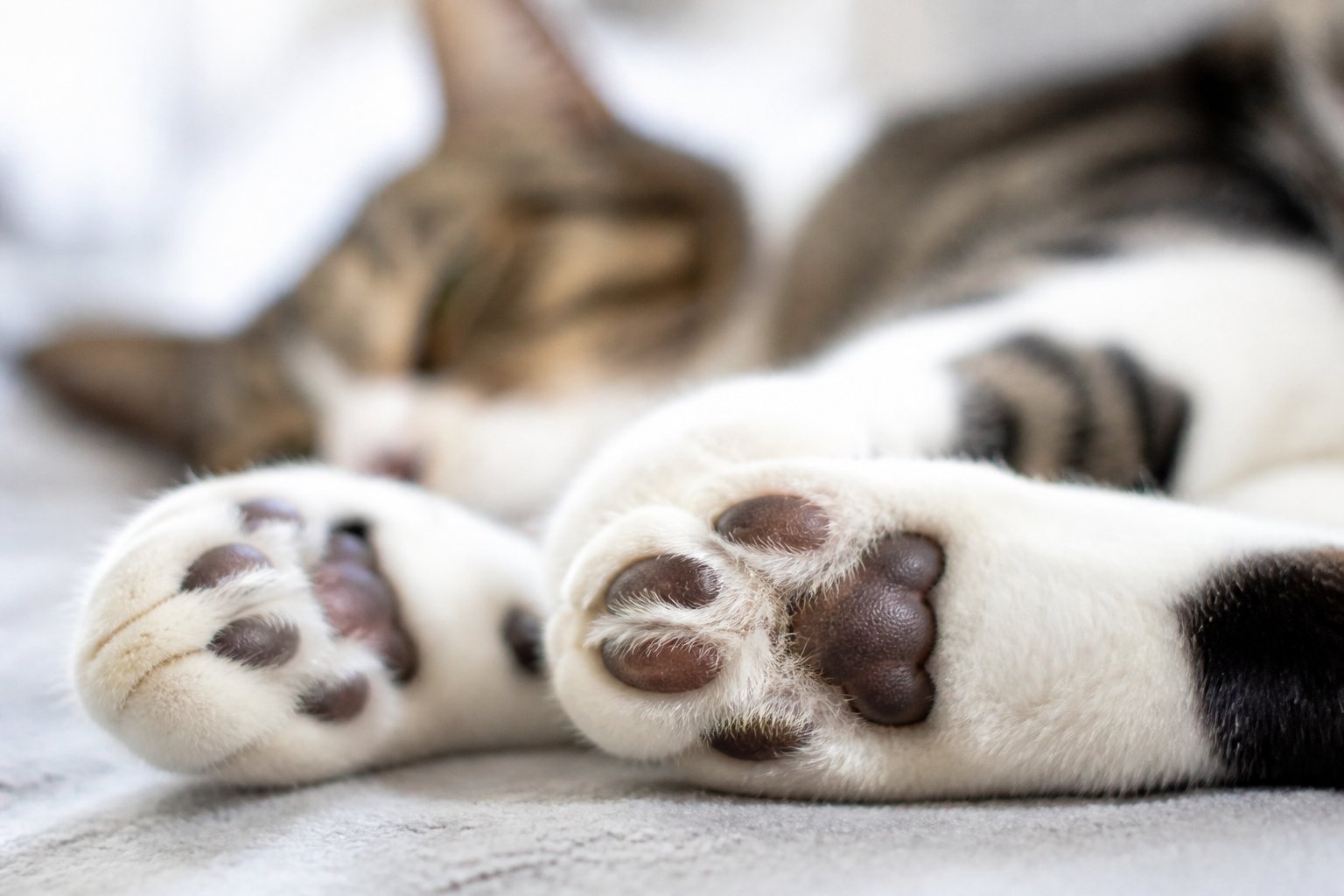
Your cat does sweat, but not like you do. Cats only have sweat glands on hairless areas like their paw pads, lips, and chin.
When your cat gets hot or stressed, you might notice wet paw prints on your floor or the vet’s examination table. These sweaty paw prints are a classic sign of feline anxiety.
The sweat from your cat’s paws doesn’t help much with cooling down. Unlike humans who sweat all over their bodies, cats rely on other methods to regulate their temperature.
Your cat cools off mainly by grooming. When your cat licks their fur, the saliva evaporates and helps lower their body temperature. They also seek out cool spots like tile floors or shady areas when they feel too warm.
Sweating through paw pads provides only minimal cooling for your cat’s body. This is why you’ll see your cat panting or lying stretched out on cool surfaces during hot weather instead of relying on sweat to stay comfortable.
5) Adult cats are obligate carnivores and require taurine in their diet
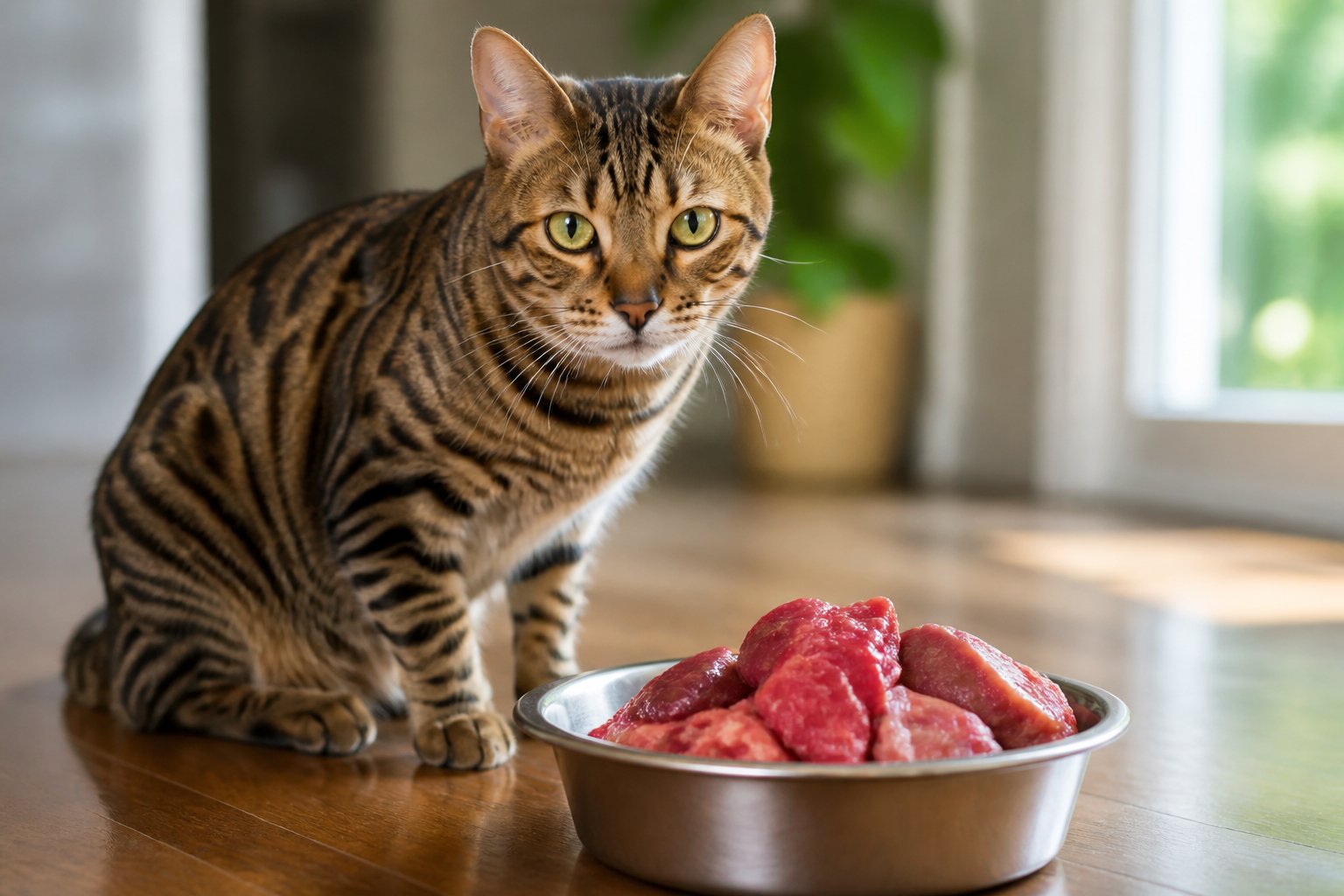
Your cat needs meat to survive. Cats are obligate carnivores, which means they must eat animal-based protein as the main part of their diet.
Unlike dogs or humans, your cat cannot thrive on a plant-based diet. Their bodies are designed to get nutrients only found in animal tissue.
One of the most important nutrients cats need from meat is taurine. This amino acid is essential for your cat’s heart, vision, and reproductive health. Cats cannot make enough taurine on their own, so they must get it from their food.
Protein serves as the primary energy source for your cat. They need between 26-40% protein from animal sources in their diet.
Without meat-based nutrients like taurine, your cat’s health will suffer. Their bodies depend on these specific compounds to function properly. This is why even domestic house cats require animal-based protein to stay healthy and active throughout their lives.
6) A cat’s purr frequency (25–150 Hz) can promote bone and tissue healing
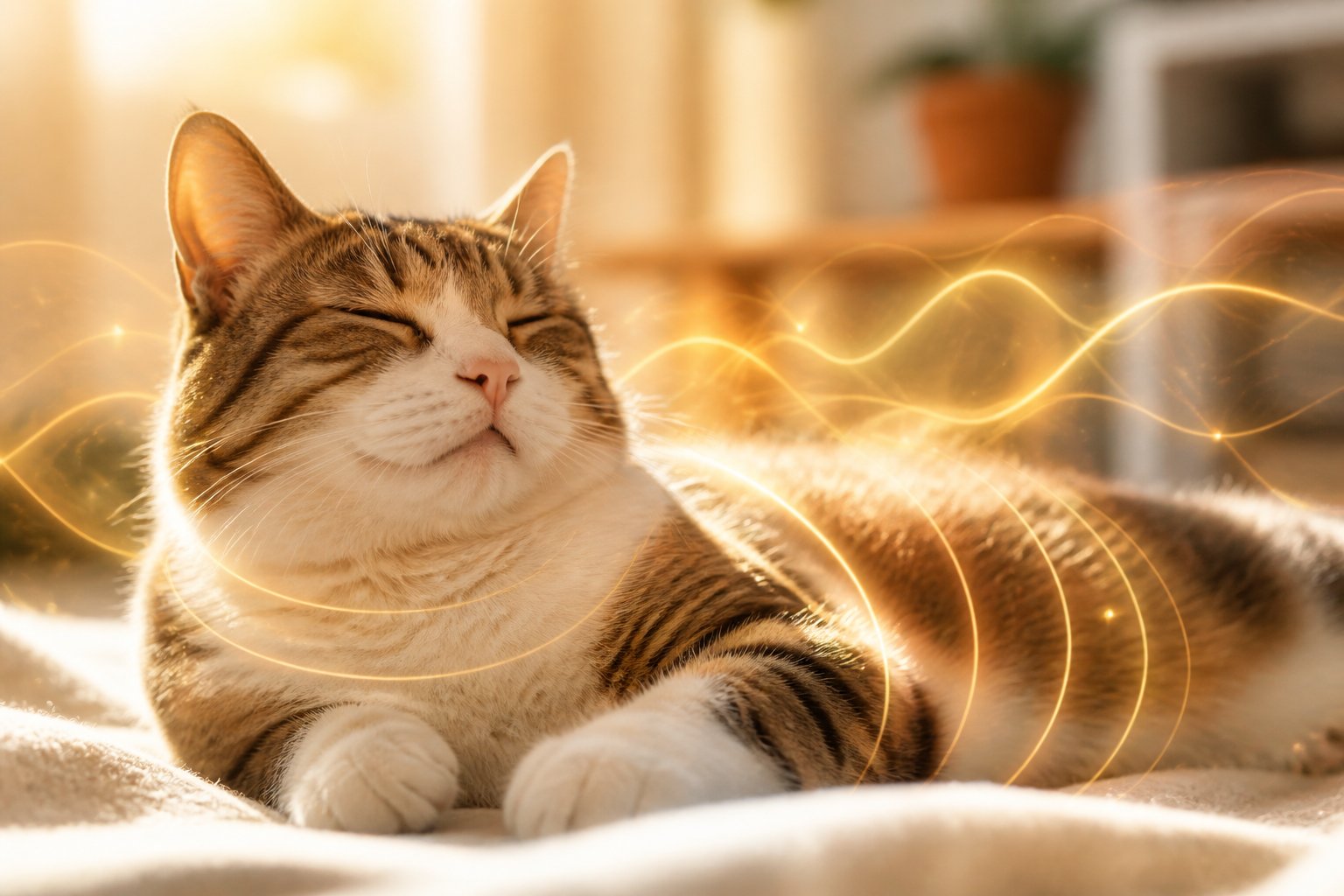
When your cat purrs on your lap, they’re doing more than showing contentment. Cats purr at frequencies between 25 and 150 Hz, which happens to match the exact range used in medical therapy for healing.
These vibrations aren’t random. The frequency range of 20 to 50 Hz is particularly beneficial for bone healing and can improve bone density. Medical professionals actually use these same frequencies in clinical settings to help patients recover from injuries.
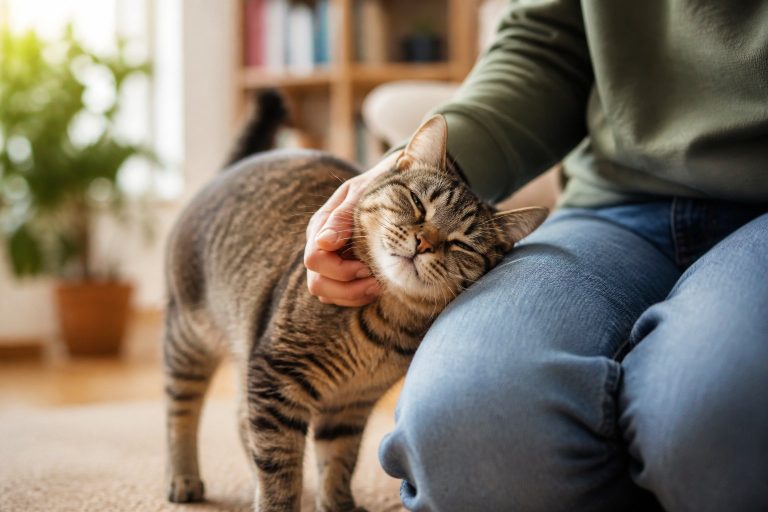
Your cat may be using this as a natural self-healing mechanism. Cats often purr when they’re injured or stressed, not just when they’re happy. The vibrations can stimulate bone density, promote muscle and tendon repair, and reduce pain and swelling.
Studies have shown that these vibrations promote tissue regeneration and reduce inflammation. While more research is needed, the connection between purring frequencies and healing is backed by scientific evidence.
7) Most cats are lactose intolerant despite the stereotype of drinking milk
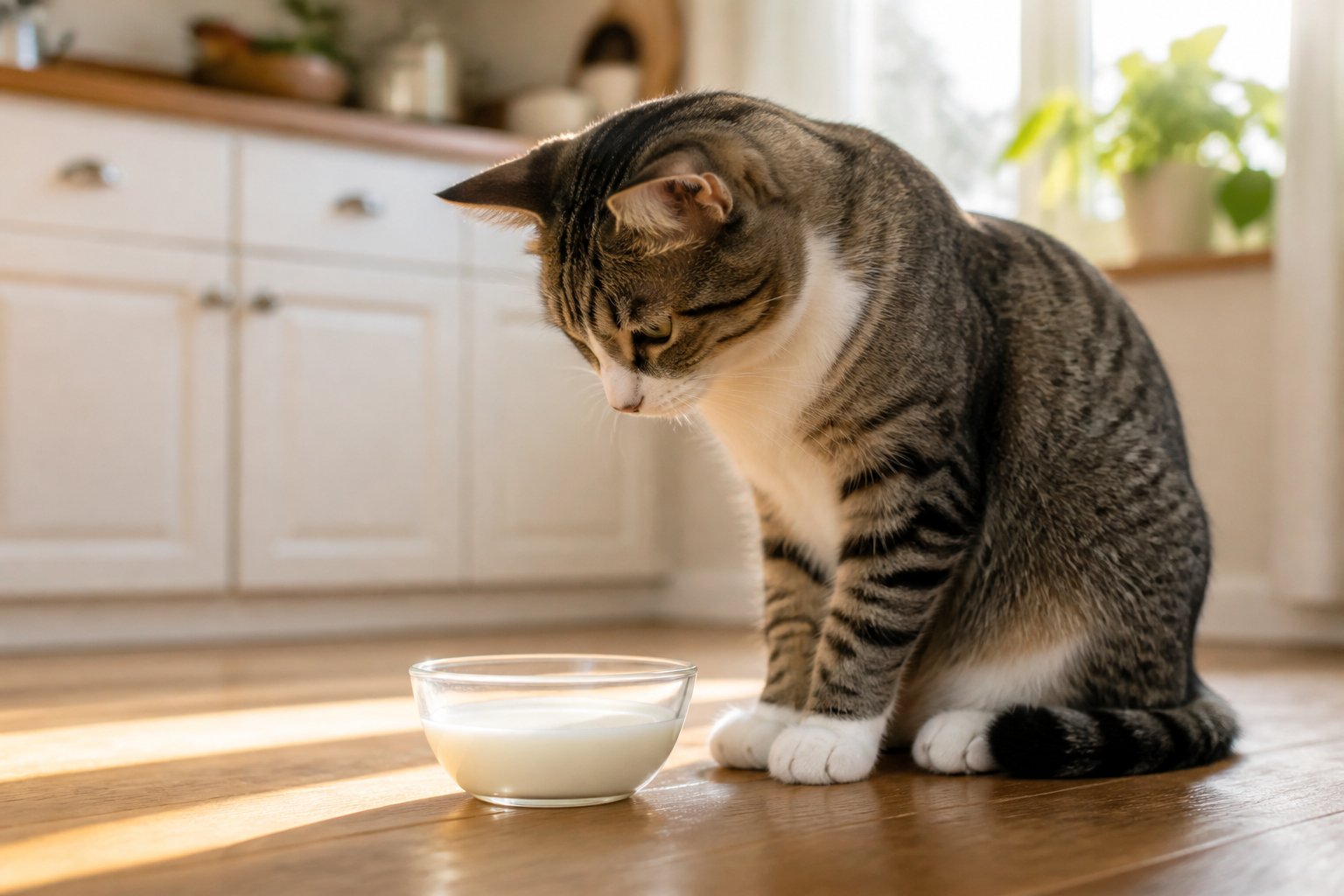
You’ve probably seen countless images of cats happily lapping up milk from a bowl. This classic picture appears in cartoons, movies, and old photographs. But most cats are actually lactose intolerant.
Your cat lacks enough lactase, which is the enzyme needed to break down lactose in milk. Kittens produce this enzyme when they drink their mother’s milk. However, lactase production drops significantly after weaning.
When your cat drinks milk, it can lead to digestive problems. These issues include upset stomach, diarrhea, and general discomfort. The few moments of enjoyment don’t outweigh the digestive distress your cat will likely experience afterward.
Your cat might still show interest in milk because the craving is real. But their ability to digest it properly is not. Milk is completely unnecessary in an adult cat’s diet, so it’s best to skip this treat entirely.
8) Cats have a third eyelid (nictitating membrane) that protects and moistens the eye
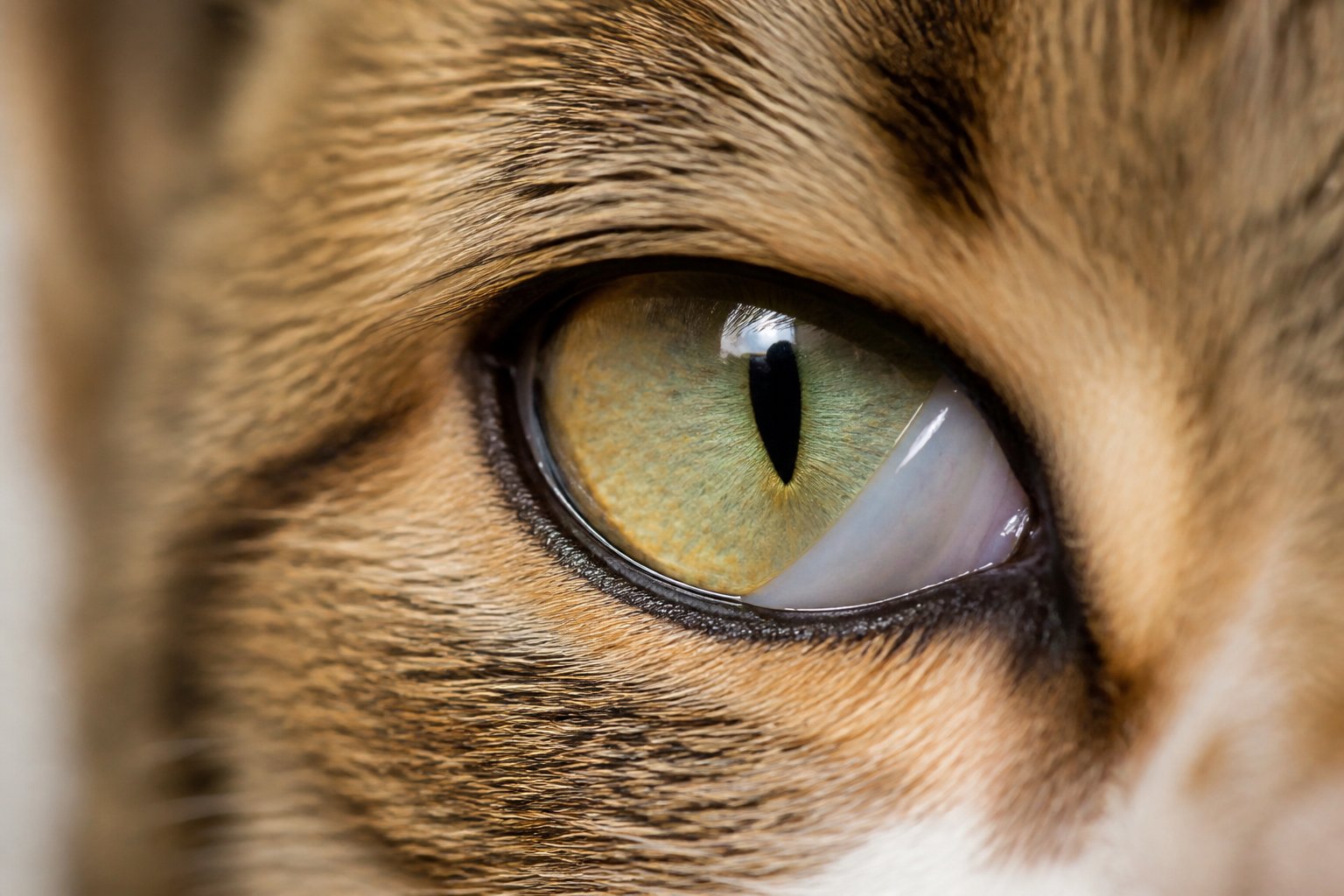
Your cat has an extra eyelid that you might not know about. This third eyelid is called the nictitating membrane, and it sits in the inner corner of your cat’s eye near the nose.
The membrane slides across the eye to provide protection and keep it moist. It works differently than the upper and lower eyelids you normally see.
This special eyelid is mainly made of cartilage and moves diagonally across the eye. The third eyelid contains a tear gland that produces about 30% of your cat’s tears.
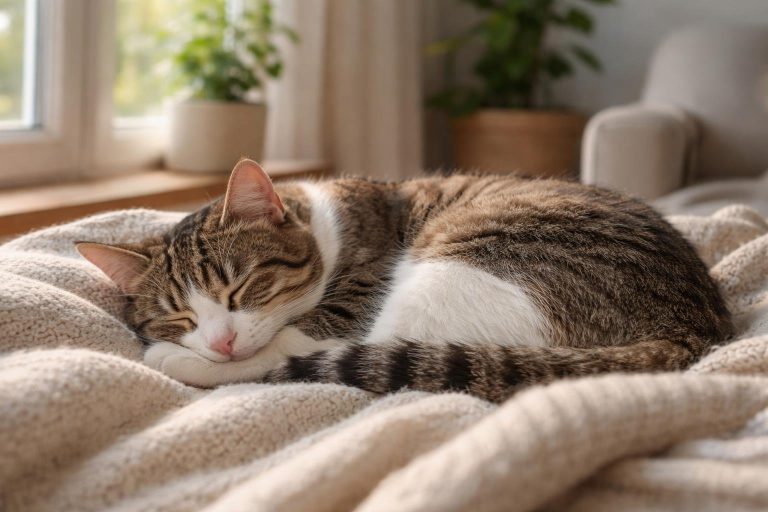
You typically won’t see this eyelid in a healthy cat. It stays hidden most of the time and only appears when your cat is relaxed or sleeping. If you notice the third eyelid showing regularly, it could mean your cat has a health problem that needs attention from a vet.
9) Whisker fatigue happens when whiskers are over-stimulated by repeated contact
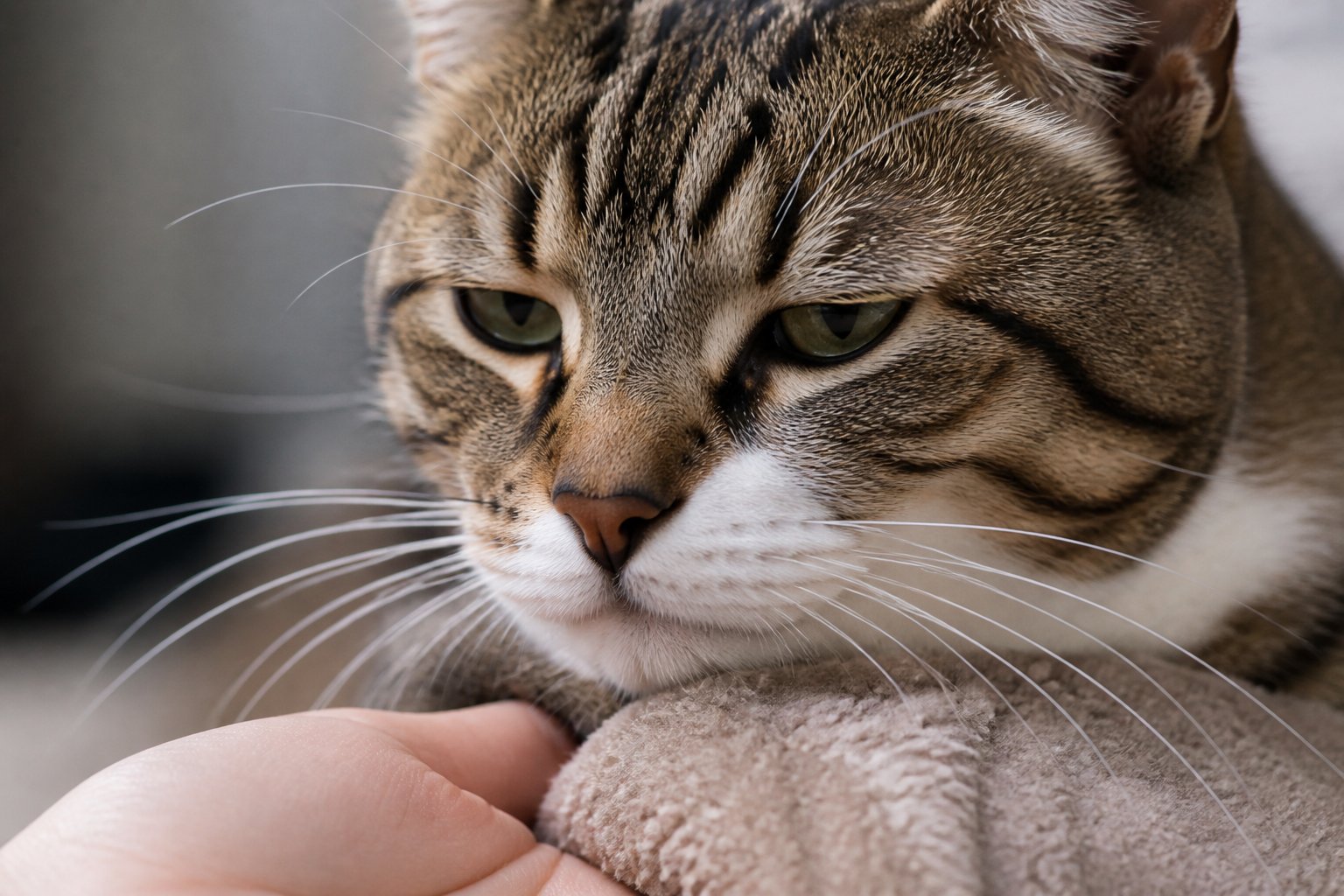
Your cat’s whiskers are highly sensitive tools that send constant information about their surroundings. These specialized hairs work like sensors to help your cat move through spaces and detect nearby objects.
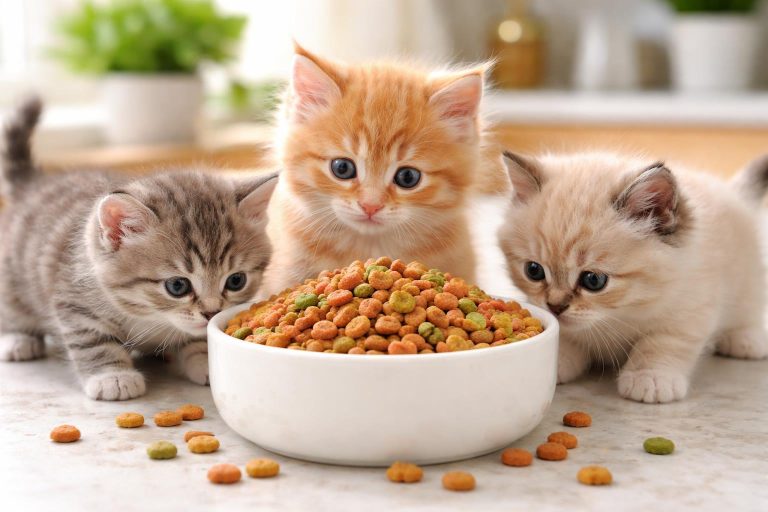
Whisker fatigue occurs when these whiskers become overstimulated from too much contact with objects. The most common cause is when your cat’s whiskers touch the sides of their food or water bowls during meals.
Because whiskers are so sensitive, even light, repeated pressure can cause sensory overload. Your cat receives too much information through their whiskers, which can lead to stress.
You might notice your cat acting strangely around their food bowl if they experience this issue. Some cats will only eat from the center of the bowl or seem less interested in their meals.
It’s worth noting that most veterinarians debate whether whisker fatigue is a real medical condition. However, understanding how sensitive your cat’s whiskers are can help you make better choices about their bowls and feeding setup.
10) Cats can run up to 30 mph (48 km/h) in short bursts
Your cat is faster than you might think. Domestic cats can reach speeds of up to 30 miles per hour when they sprint.
This speed comes from their hunting instincts. Wild cats needed to chase down prey quickly, and your house cat still has those same abilities. Their powerful back legs act like springs that push them forward with each stride.
Your cat can only maintain this top speed for short distances. They’re built for quick bursts of energy rather than long runs. This is why you’ll see your cat zoom across the room in seconds but then stop to rest.
Several factors affect how fast your cat can actually run. Age plays a big role since kittens and older cats won’t reach the same speeds as adult cats in their prime. Your cat’s breed, health, and motivation also matter.
To put this in perspective, cats can run faster than Usain Bolt, who reached 27 miles per hour. That makes your feline friend one impressive sprinter.
11) Polydactyl cats have extra toes due to a dominant genetic mutation
Most cats have 18 toes total, with five on each front paw and four on each back paw. Polydactyl cats break this rule by having extra toes on one or more paws.
This happens because of a genetic mutation passed down through a dominant gene from one parent. If your cat’s mother or father carries this gene, each kitten has about a 50 percent chance of being polydactyl too.
The mutation affects how your cat’s paws develop before birth. You might notice polydactyl cats in any breed, though Maine Coon cats show this trait more often than others.
Your polydactyl cat’s extra toes are usually harmless. Some cats have just one or two extra toes, while others have so many that their paws look like they have thumbs. The most important thing you need to know is that these extra digits require careful nail trimming to prevent overgrowth.
12) Female cats are more likely to be left-pawed; males more often right-pawed
You might be surprised to learn that cats can be right or left-pawed, just like humans have a dominant hand. What makes this even more interesting is that your cat’s paw preference often depends on their biological sex.
Male cats tend to be left-pawed while female cats are more likely to be right-pawed. This pattern has been observed consistently across different tasks and studies.
The reason for this difference relates to hormonal influences and brain structure. Sex hormones affect how neural pathways develop and function during motor tasks.
You can figure out which paw your cat prefers by watching them over time. Notice which paw they use first when reaching for food from a container or which one they lead with when walking down stairs.
Keep in mind that not every cat follows this pattern perfectly. Some cats may show no clear preference at all.
The Science Behind Cat Behavior
Cats rely on ancient instincts to guide their everyday actions, and their memory systems work differently than you might expect.
Instincts That Influence Daily Life
Your cat’s daily behaviors stem from wild survival instincts that remain active even in domestic settings. Scientists have discovered that narrowing your eyes helps you bond with cats because it mimics their natural slow-blink communication signal.
Hunting drives explain why your cat stalks toys or pounces on moving objects. Even well-fed cats display these behaviors because the instinct exists separately from hunger. Your cat’s kneading behavior comes from kitten instincts when they pushed on their mother’s belly to stimulate milk flow.
Key instinctive behaviors include:
- Territorial marking through rubbing and scratching
- Crepuscular activity patterns (most active at dawn and dusk)
- Hiding in small spaces for safety and security
- Grooming rituals for hygiene and stress relief
These instincts shape how your cat interacts with you and their environment every day.
How Feline Memory Works
Cats possess both short-term and long-term memory systems that help them navigate their world. Your cat’s short-term memory lasts about 16 hours, which explains why they remember where you placed their food bowl or which door you closed.
Long-term memory in cats stores important survival information. They remember people who treated them well or poorly, dangerous situations, and successful hunting spots. This understanding of cat behavior shows why cats may avoid the vet’s office or react to specific sounds.
Your cat relies heavily on associative memory. They connect specific actions with outcomes, like the sound of a can opener meaning food or seeing a carrier meaning a car ride. This memory type makes training possible through positive reinforcement.
Myths and Misconceptions Explained
Cats have been misunderstood for centuries, leading to false beliefs that range from harmless superstitions to ideas that can actually affect how you care for your pet. Understanding the truth behind these common misconceptions about cats helps you better interpret your cat’s needs and behavior.
Black Cat Superstitions Debunked
Black cats have unfairly suffered from superstitions for hundreds of years. Many cultures associated them with bad luck, witchcraft, or evil omens.
The truth is that black cats are just like any other cat. Their fur color has no effect on their personality, behavior, or the fortune of people around them. In fact, some cultures consider black cats to be symbols of good luck and prosperity.
These superstitions have real consequences. Black cats often wait longer in shelters for adoption compared to cats of other colors. Some people still avoid them based on these old myths.
The reality about black cats:
- Their coat color comes from genetics, not magic
- They have the same range of personalities as other cats
- No scientific evidence links them to bad luck
- They make equally loving and loyal pets
Misunderstood Body Language
Your cat’s body language is often misread, leading to confusion about what they actually want or feel. People commonly mistake certain behaviors for aggression or disinterest when the opposite is true.
A slow blink from your cat is actually a sign of trust and affection, not boredom. When your cat exposes their belly, it usually means they feel safe around you, not that they want a belly rub. Many cats dislike having their stomach touched even when they trust you.
Tail position tells you a lot about mood. A tail held high with a slight curve at the tip means your cat is happy and confident. A puffed-up tail indicates fear or feeling threatened, not just anger.
Common misinterpretations:
- Purring – Can mean contentment but also pain or stress
- Kneading – Shows comfort and happiness, not just hunger
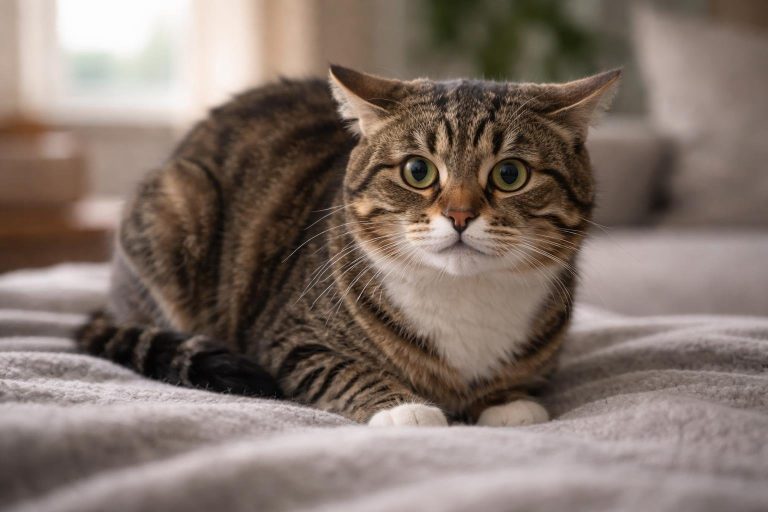
- Ears flattened – Signals fear or aggression, requires space