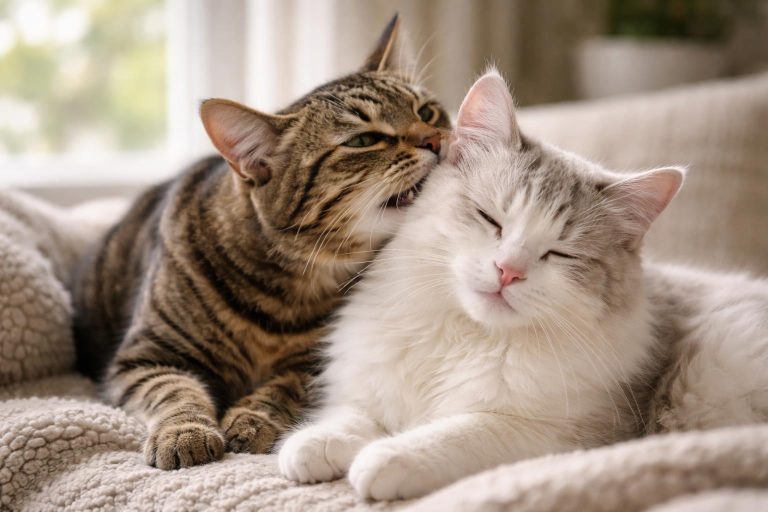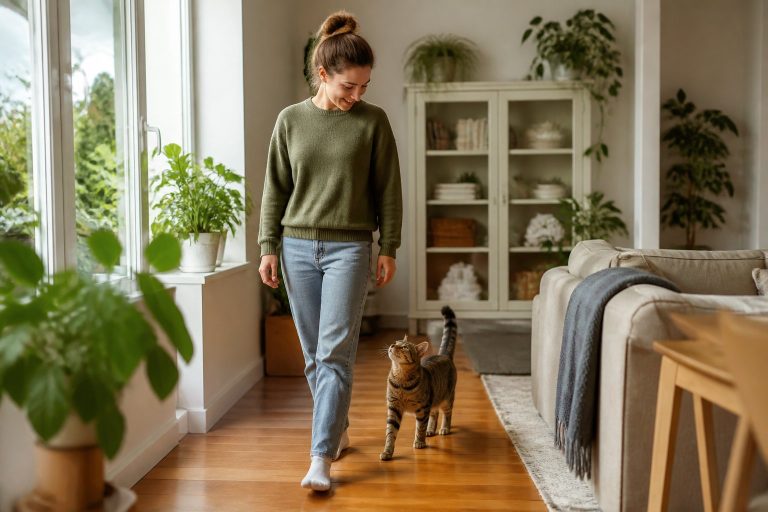
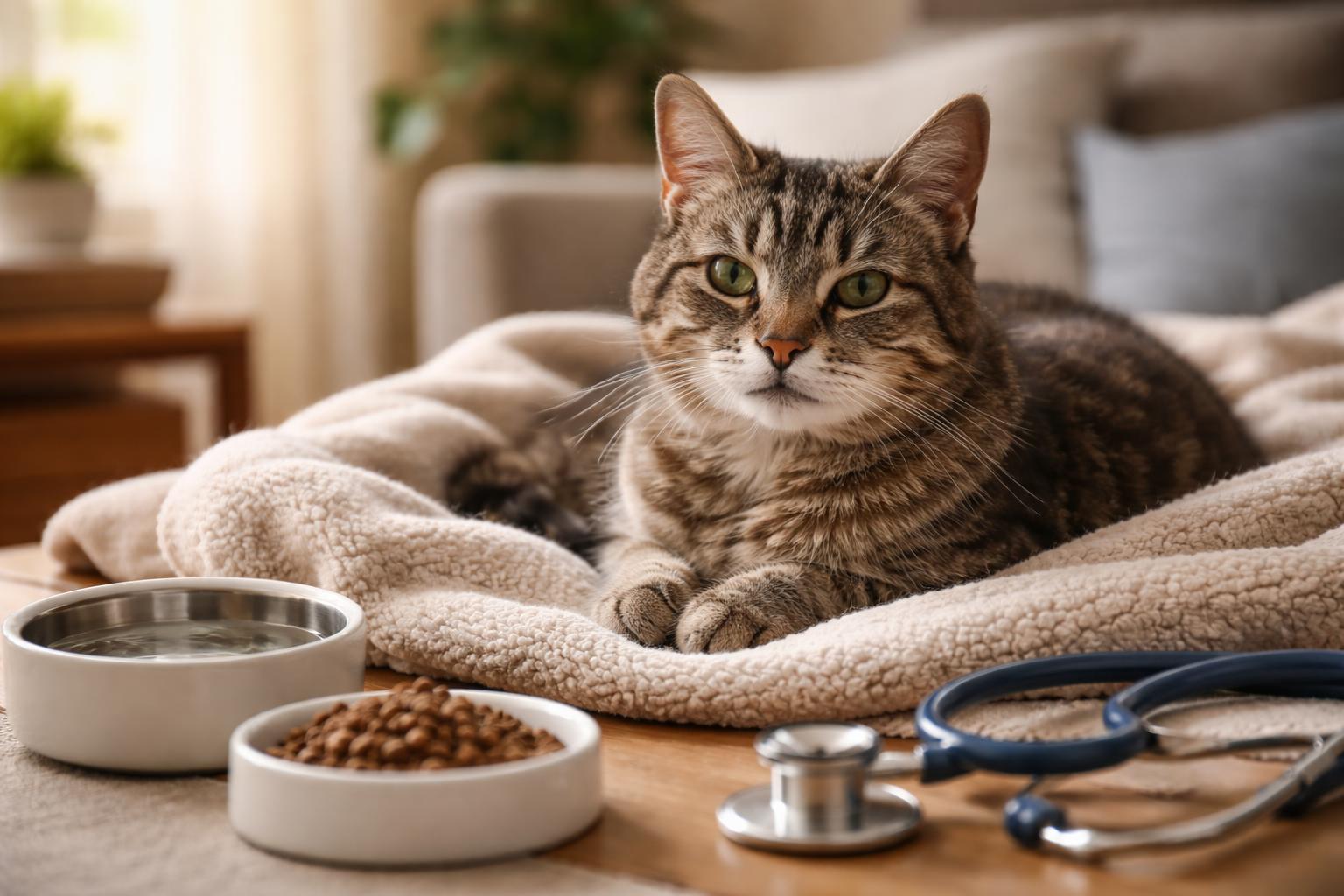
Senior Cat Care: Essential Tips for Health and Happiness
Your cat may seem like they’ll stay young forever, but most cats are considered seniors once they reach 12 to 14 years old. As your feline companion ages, their needs change in ways that require your attention and care. Senior cats need twice-yearly vet visits, easy access to food and water, comfortable resting areas, and help with grooming and mobility to stay healthy and happy in their golden years.
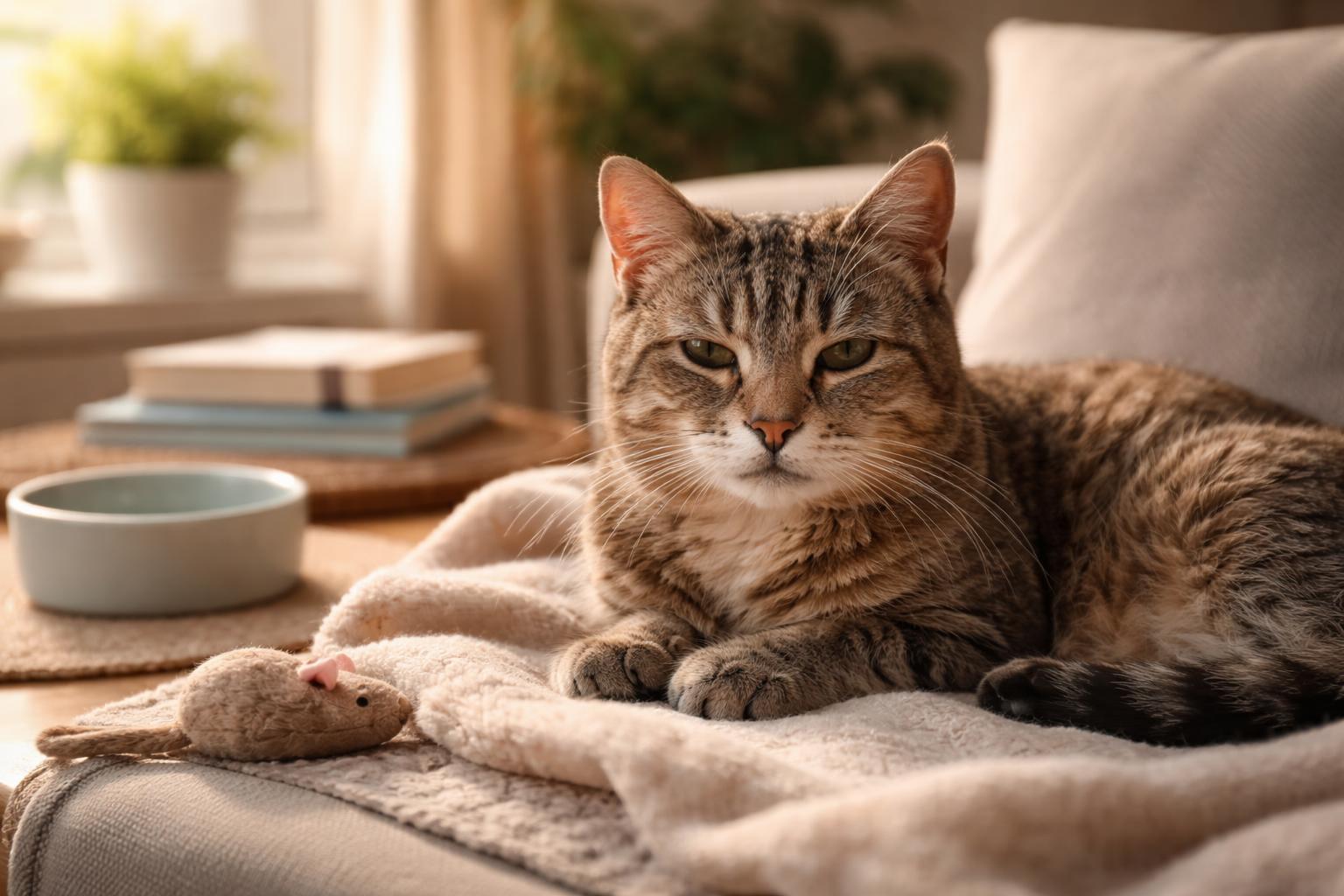
Caring for aging cats doesn’t mean you have to make major life changes. Simple adjustments like adding extra litter boxes, providing low-sided food bowls, or placing steps near favorite perches can make a big difference. Regular health checks twice yearly help catch problems early before they become serious.
The good news is that cats are living longer than ever before thanks to better nutrition and veterinary care. Many cats now live well into their twenties with proper attention. Understanding what your older cat needs at each stage helps you give them the best quality of life possible during their senior years.
Key Takeaways
- Senior cats need veterinary checkups every six months to catch age-related health issues early
- Make litter boxes, food, and water easily accessible on every floor of your home
- Keep your cat’s daily routine consistent and provide gentle grooming and mental stimulation
Recognizing the Aging Process in Cats
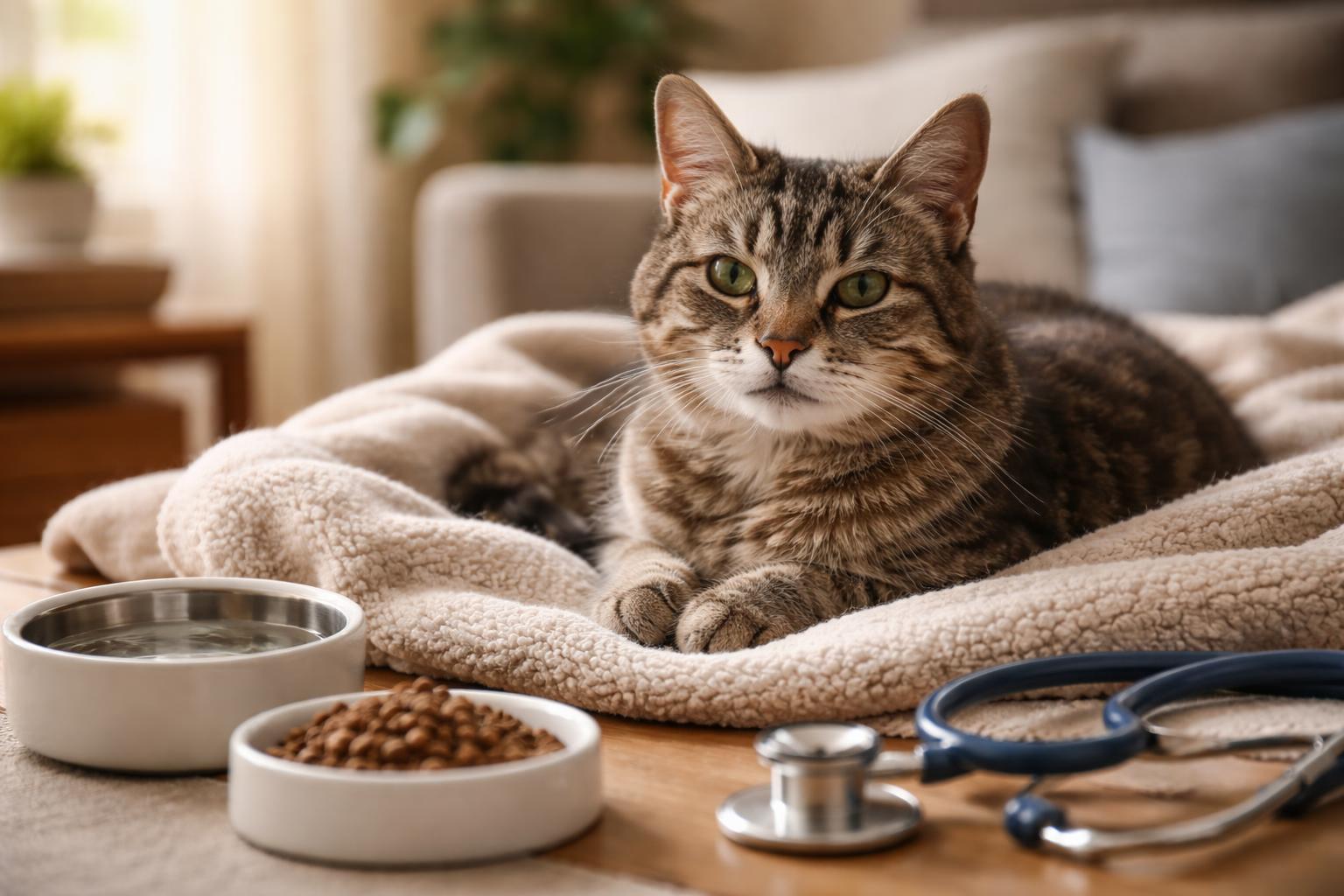
Cats experience distinct physical and behavioral shifts as they age, and understanding when your cat transitions from mature to senior to geriatric helps you provide appropriate care at each life stage.
Physical and Behavioral Changes
Your cat’s body and habits change in noticeable ways as they get older. Older cats tend to be less active and playful, and they often sleep more throughout the day.
Weight fluctuations are common in aging cats. Some gain weight due to reduced activity, while others lose weight because of health issues or decreased appetite. You might notice your cat has trouble jumping to favorite high spots like windowsills or countertops.
Self-grooming often declines in senior cats. Their coat may look duller or develop mats, especially in longhaired breeds. Vision and hearing problems can develop, making your cat less aware of their surroundings.
Many aging cats develop arthritis, which affects how they move and their willingness to use the litter box. You might see your cat become more vocal or seek more attention from you. Some cats become set in their routines and struggle with changes to their environment or schedule.
Defining Senior, Mature, and Geriatric Cats
Cats are now considered ‘mature’ once they reach 7 years, ‘senior’ between 11-14 years, and ‘super senior’ when they’re 15 years and older. These definitions have changed over time as cats live longer lives.
Not long ago, cats were considered seniors at just eight years old. Today, it’s common for cats to live into their twenties thanks to better nutrition and veterinary care. Cats are typically considered geriatric at age 15.
Your veterinarian may adjust care recommendations based on which age category your cat falls into. Each stage requires different attention to diet, exercise, and medical monitoring.
Routine Veterinary Health and Early Detection
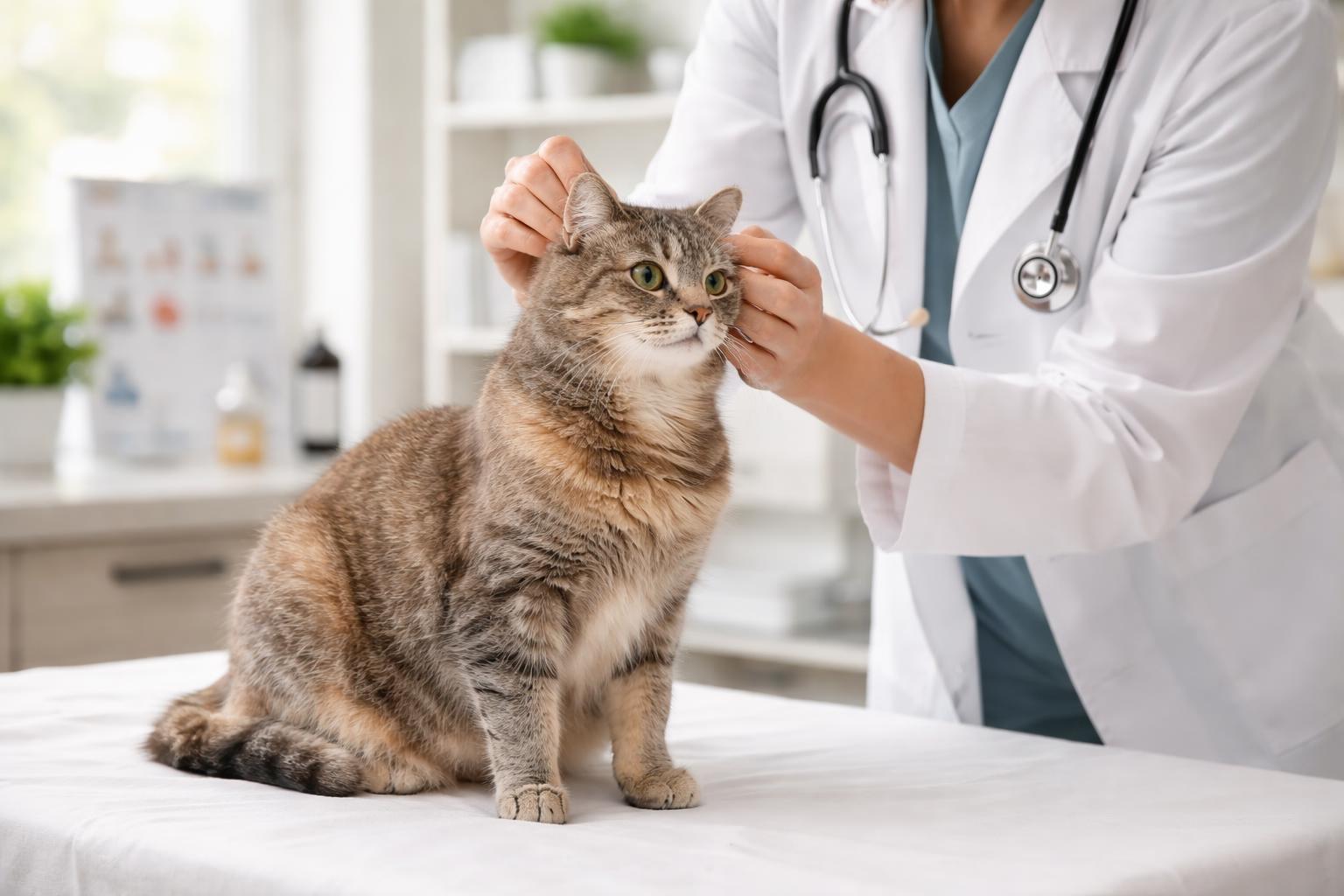
Senior cats need checkups every six months starting at age 10, with specific blood tests and screenings to catch hidden diseases early. Regular monitoring helps detect conditions like kidney disease and hyperthyroidism before they become serious.
Recommended Health Screenings
Your senior cat needs comprehensive testing at each wellness visit to identify problems that don’t show visible symptoms. A complete blood count (CBC) checks for infections and anemia. A blood chemistry panel evaluates kidney and liver function, which commonly decline in older cats.
Urinalysis helps detect kidney disease and urinary tract infections that are common in aging cats. Your vet should also perform thyroid testing to screen for hyperthyroidism in cats over 10 years old.
Blood pressure measurement is important because high blood pressure is common in senior pets. Your vet will conduct a physical exam from nose to tail, checking all body systems. A dental assessment screens for gum disease and tooth problems that worsen with age.
Cats over 15 years old should receive health screenings every four months. Cats with chronic conditions may need even more frequent monitoring.
Common Senior Cat Health Issues
Chronic kidney disease affects 3 out of 10 geriatric cats and requires early detection for successful management. Hyperthyroidism causes weight loss, increased appetite, and restlessness in older cats. Arthritis develops in many senior cats and leads to reduced mobility and pain.
Dental disease becomes more prevalent as cats age. It causes pain, infections, and tooth loss without proper care. Cognitive decline can occur in senior cats, leading to confusion and behavior changes similar to dementia in humans.
Your vet can detect these conditions through regular exams and blood work. Early treatment slows disease progression and maintains quality of life. Many senior cat health problems show no obvious signs until they’re advanced.
Vaccinations and Preventive Care
Your senior cat still needs protection from infectious diseases despite their age. Core vaccines like rabies remain necessary throughout your cat’s life. Your vet will create a vaccination plan based on your cat’s lifestyle and health status.
Year-round flea, tick, and heartworm prevention protects aging cats from parasites. Senior cats have weaker immune systems that make them more vulnerable to parasite-related illnesses. Preventive care helps your geriatric cat avoid infections and complications.
Your vet may adjust vaccination frequency for older cats with certain health conditions. Preventive dental cleanings under anesthesia help avoid painful infections. Regular parasite screening through fecal tests identifies problems early.
Nutrition and Hydration for Senior Cats
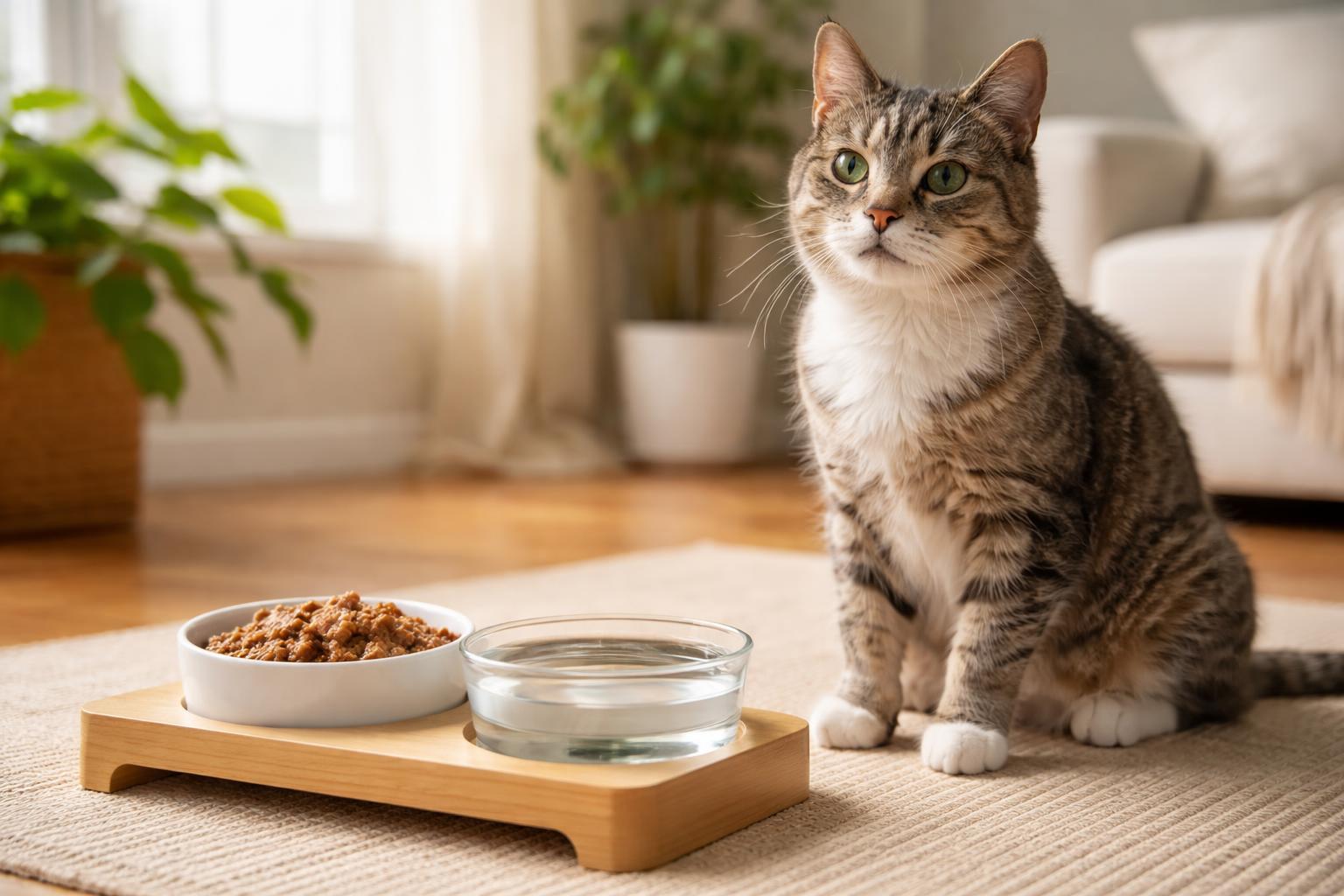
Senior cats need different nutrients and more water than younger cats to stay healthy. Cats are considered seniors at age 10 or 11, when their bodies start changing in ways that affect what they should eat and drink.
Adjusting Diets for Age and Medical Conditions
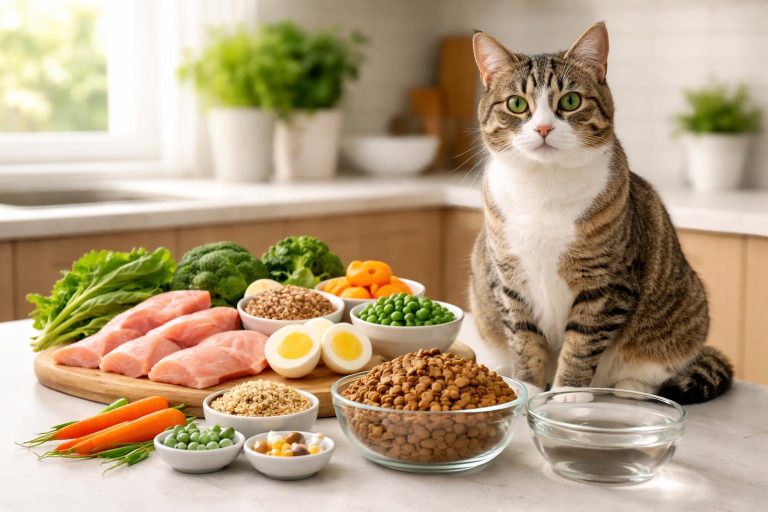
Your senior cat’s metabolism slows down as they age, which means they need fewer calories to maintain a healthy weight. A healthy adult cat needs about 20 calories per pound of body weight daily, while senior cats typically need only 15 calories per pound.
The protein in your cat’s food becomes more important with age. Senior cats need high-quality, easily digestible protein sources like chicken to maintain muscle mass. They also need specific nutrients including:
- Fiber for healthy digestion
- Antioxidants (vitamins E, C, and A) to fight cell damage
- Low phosphorus to protect declining kidney function
- Omega-3 fatty acids for joint health and coat condition
- Carnitine to support the heart and muscles
Wet food works well for senior cats because it contains more moisture and fewer carbohydrates. This makes it ideal for cats with kidney issues or weight problems. Dry food can fit your budget better and allows grazing throughout the day.
Look for foods labeled “senior” that meet AAFCO standards. Your vet can help you choose the right formula based on your cat’s weight, activity level, and any health problems.
Encouraging Proper Hydration
Senior cats need to drink more water than younger cats to support their kidneys, which don’t work as well with age. Dehydration can make existing health problems worse and lead to serious complications.
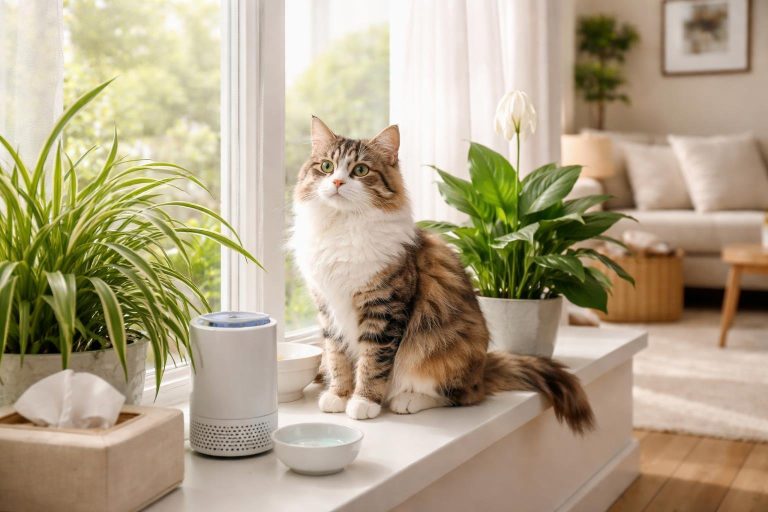
A cat water fountain encourages drinking because many cats prefer running water over still water in a bowl. The movement attracts their attention and the constant circulation keeps the water fresh and cool.
You can also boost hydration by:
- Feeding wet food instead of or alongside dry kibble
- Placing multiple water bowls around your home
- Adding water or low-sodium broth to dry food
- Using wide, shallow bowls that don’t touch their whiskers
- Cleaning water bowls daily to remove debris
Watch for signs of dehydration like sunken eyes, dry gums, or skin that doesn’t bounce back when gently pinched.
Supplements and Feeding Strategies
Switching to a senior diet requires a gradual transition over about seven days. Mix 25% new food with 75% old food for two days, then increase to 50% new food for two days, then 75% for two days, then 100% new food. This prevents digestive upset like vomiting and diarrhea.
Most senior cats prefer eating three or four small meals daily instead of one or two large portions. You can also leave food out for grazing if your cat maintains a healthy weight with this approach.
Hydration supplements and water additives designed for cats can help if your senior cat doesn’t drink enough. Treats should never exceed 10% of daily calories to maintain proper nutrition.
Signs your cat isn’t getting proper nutrition include fur loss, dull coat, digestive problems, low energy, recurring infections, appetite changes, or unexplained weight changes. Contact your vet immediately if you notice these symptoms.
Environmental Modifications for Comfort and Accessibility
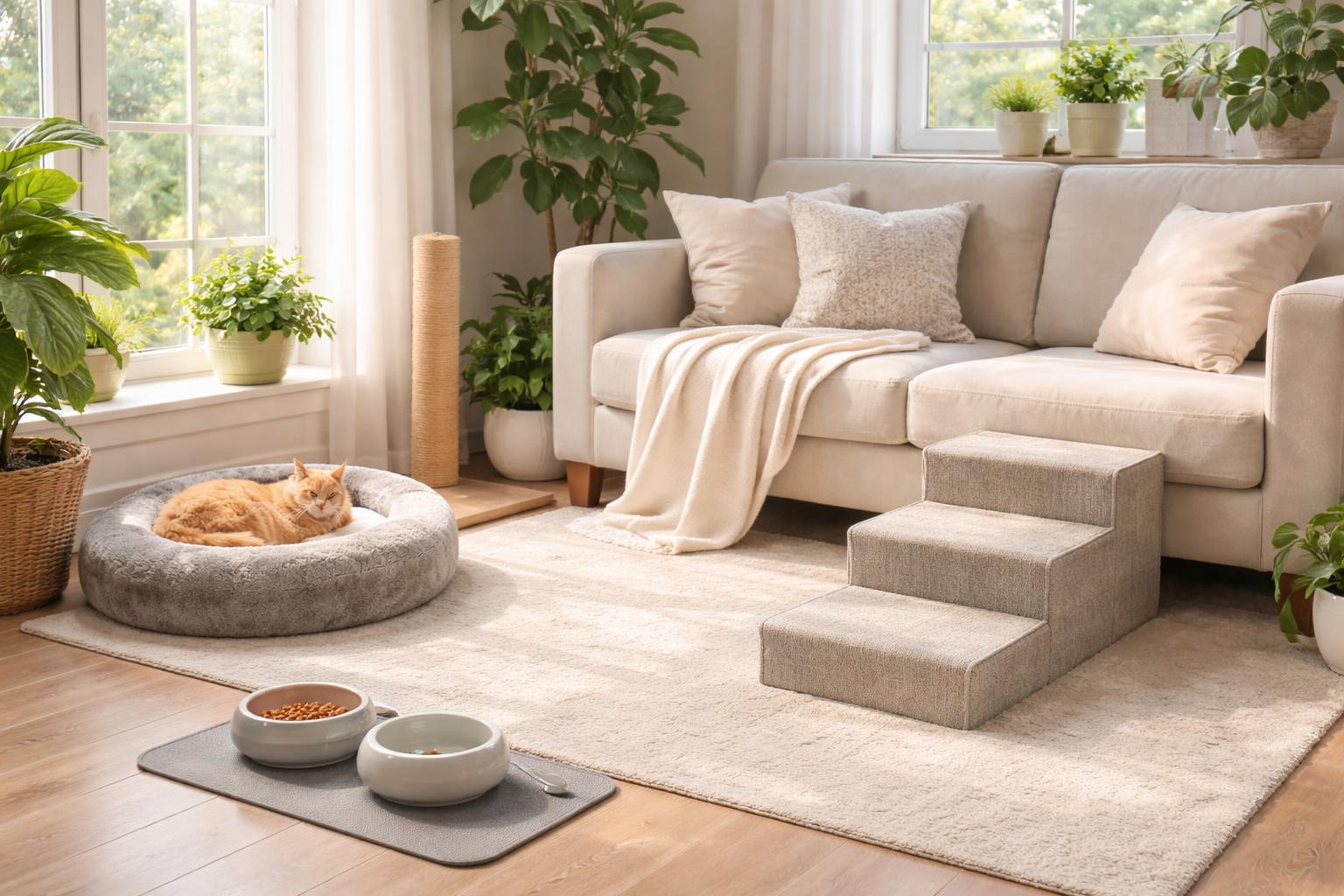
Older cats need specific home changes to stay comfortable and independent as their bodies age. Simple adjustments to litter boxes, floor surfaces, and living spaces help reduce pain and make daily activities easier for your aging companion.
Litter Box Solutions
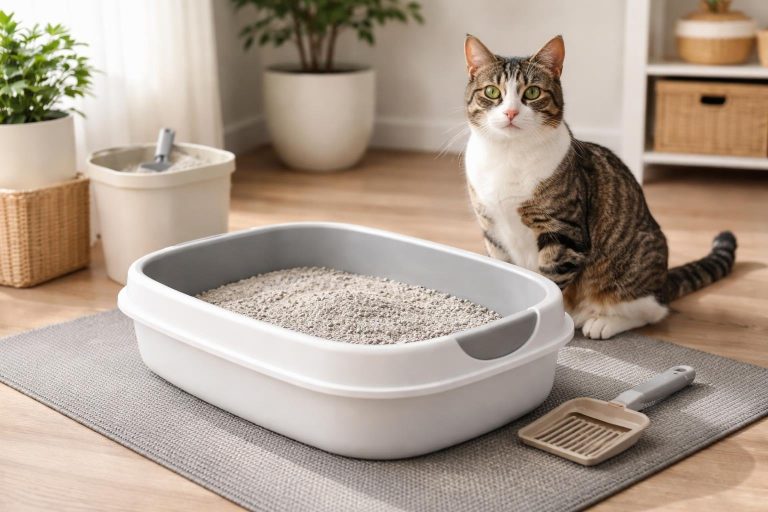
Senior cats often struggle with traditional litter boxes due to arthritis and reduced flexibility. You should replace high-sided boxes with low-entry litter boxes that have sides no higher than 3-4 inches. This allows your cat to step in without climbing or jumping.
Place litter boxes on every floor of your home if you have stairs. Geriatric cats may not make it to distant bathrooms in time, which can lead to accidents. Position boxes in quiet, easy-to-reach locations away from loud appliances or high-traffic areas.
Consider adding ramps if even low-sided boxes pose challenges. Some senior cats benefit from larger boxes that give them more room to turn around without strain. Keep at least one box per cat plus one extra, and make sure each one is easy to access from your cat’s favorite resting spots.
Mobility Support and Home Adaptations
Joint pain and muscle weakness make movement difficult for older cats. Add non-slip surfaces like yoga mats, carpet runners, or textured mats on slippery floors. These give your cat better traction and prevent falls.
Install ramps or pet stairs next to beds, sofas, and windowsills your cat loves. Steps should be sturdy with non-slip surfaces and gentle inclines. Place food and water bowls at floor level in spots your cat can reach without climbing. Elevated bowls may help cats with neck or back problems eat more comfortably.
Remove obstacles that block pathways between key areas like food stations, litter boxes, and sleeping spots. Keep room layouts consistent since changes can confuse geriatric cats, especially those with declining vision or cognitive function.
Providing Safe and Enriched Spaces
Senior cats need comfortable resting areas that support their aging bodies. Provide orthopedic beds or memory foam pads in warm, draft-free locations. Place beds near heat sources or add heated pet pads for cats with arthritis.
Create multiple rest areas throughout your home at different heights. Low perches or window seats with easy access let your cat observe their surroundings without jumping. Keep these spots away from loud noises and active areas where your cat might get bumped or startled.
Offer gentle enrichment through puzzle feeders designed for limited mobility, soft toys, and supervised outdoor access to enclosed patios. Keep interactive items simple and avoid activities requiring jumping or quick movements that could cause injury.
Managing Pain, Illness, and Cognitive Decline
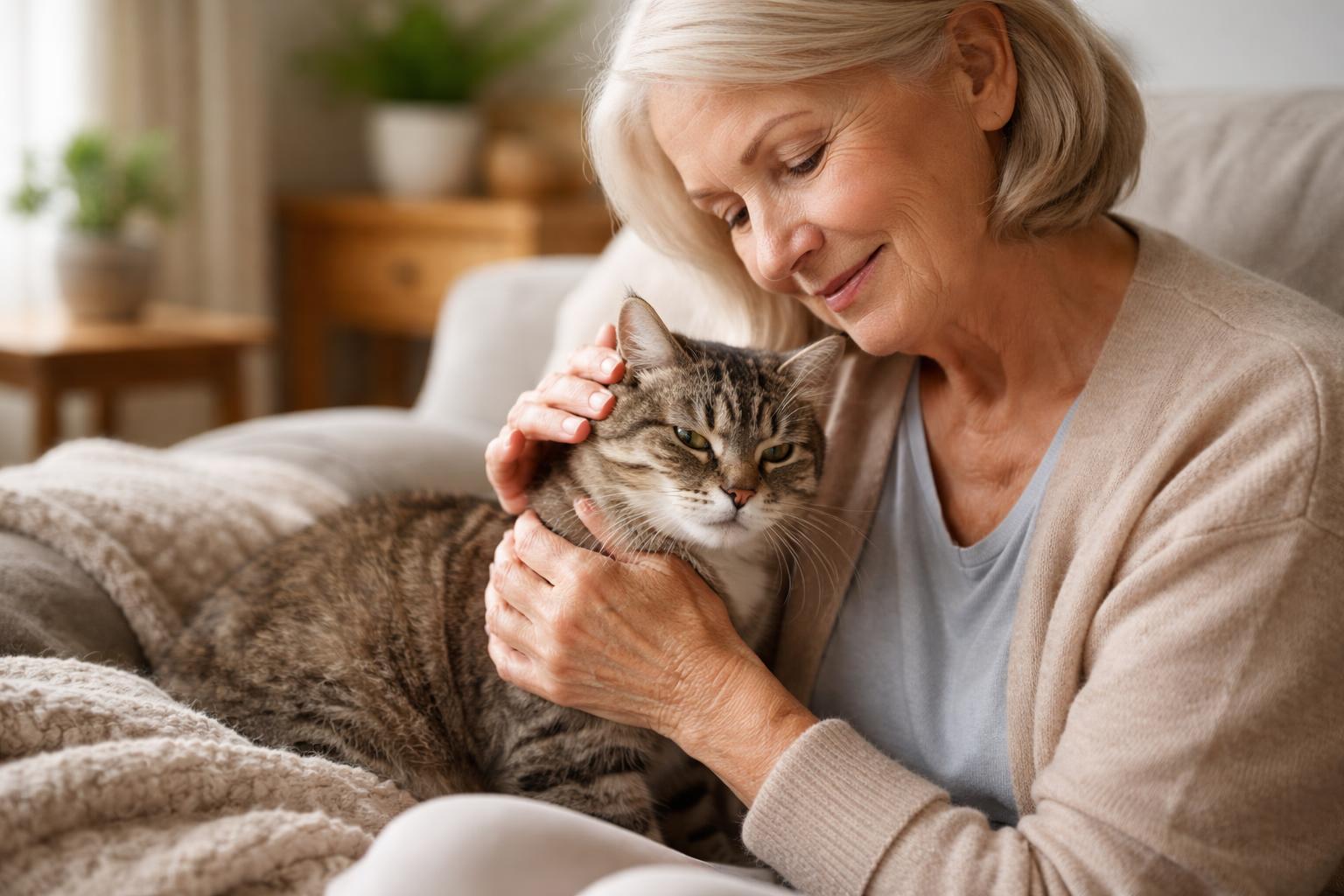
Senior cats face unique health challenges that require careful attention and proactive care. Pain from arthritis, cognitive changes similar to dementia, and chronic diseases become more common as your cat ages, but early recognition and proper management can maintain their quality of life.
Identifying Signs of Pain and Discomfort
Your senior cat may hide pain as a natural instinct, making it harder to spot when something is wrong. Watch for subtle changes in behavior like reduced jumping, difficulty climbing stairs, or hesitating before leaping onto furniture.
Physical signs of pain include a hunched posture, reluctance to be touched in certain areas, and decreased grooming leading to a matted or unkempt coat. Your cat might also show increased irritability, withdraw from family interactions, or vocalize more than usual.
Changes in litter box habits often signal discomfort. If your geriatric cat eliminates outside the box, it may be too painful to climb in rather than a behavioral issue. They might also eat less, sleep in different positions to avoid pressure on sore joints, or move with stiffness after resting.
Common pain indicators:
- Limping or favoring one leg
- Reduced activity and playfulness
- Changes in facial expressions (squinting, flattened ears)
- Aggressive behavior when handled
- Excessive licking of joints
Understanding Cat Dementia and Cognitive Changes
Cognitive dysfunction syndrome affects your cat’s memory, learning ability, and daily functioning as brain cells die off with age. Your cat might seem confused about their surroundings, get trapped in corners, or forget where their food bowl is located.
Sleep pattern changes are common with feline cognitive dysfunction. Your senior cat may pace or cry loudly during the night when they’d normally sleep. They might also forget they’ve eaten and beg for food repeatedly.
Your cat’s personality can shift as cat dementia progresses. Some become more clingy and attention-seeking, while others withdraw from people and other pets. They may stop responding to their name or forget learned behaviors like using the litter box.
Provide night lights to help with navigation during confused episodes. Keep resources like food, water, and litter boxes easily accessible on each floor. Maintain consistent daily routines to reduce confusion and anxiety in your geriatric cat.
Chronic Disease Management
Senior cat health often involves managing ongoing conditions like kidney disease, hyperthyroidism, diabetes, or heart disease. Regular veterinary visits every six months allow for early detection through blood work and physical exams.
Your vet will create a treatment plan tailored to your cat’s specific conditions. This might include daily medications, prescription diets, or supplements. Keep a medication schedule and watch for side effects or changes in your cat’s response to treatment.
Monitor your cat’s eating, drinking, litter box use, and energy levels daily. Sudden changes can indicate that a chronic condition is worsening or that new health issues have developed. Weight loss, increased thirst, or labored breathing require immediate veterinary attention.
Work with your vet to balance treating multiple conditions without overwhelming your cat with too many medications or procedures. Some treatments for one disease may affect another condition, so coordination is essential for your senior cat’s overall wellbeing.
Daily Care Routines and Emotional Well-Being
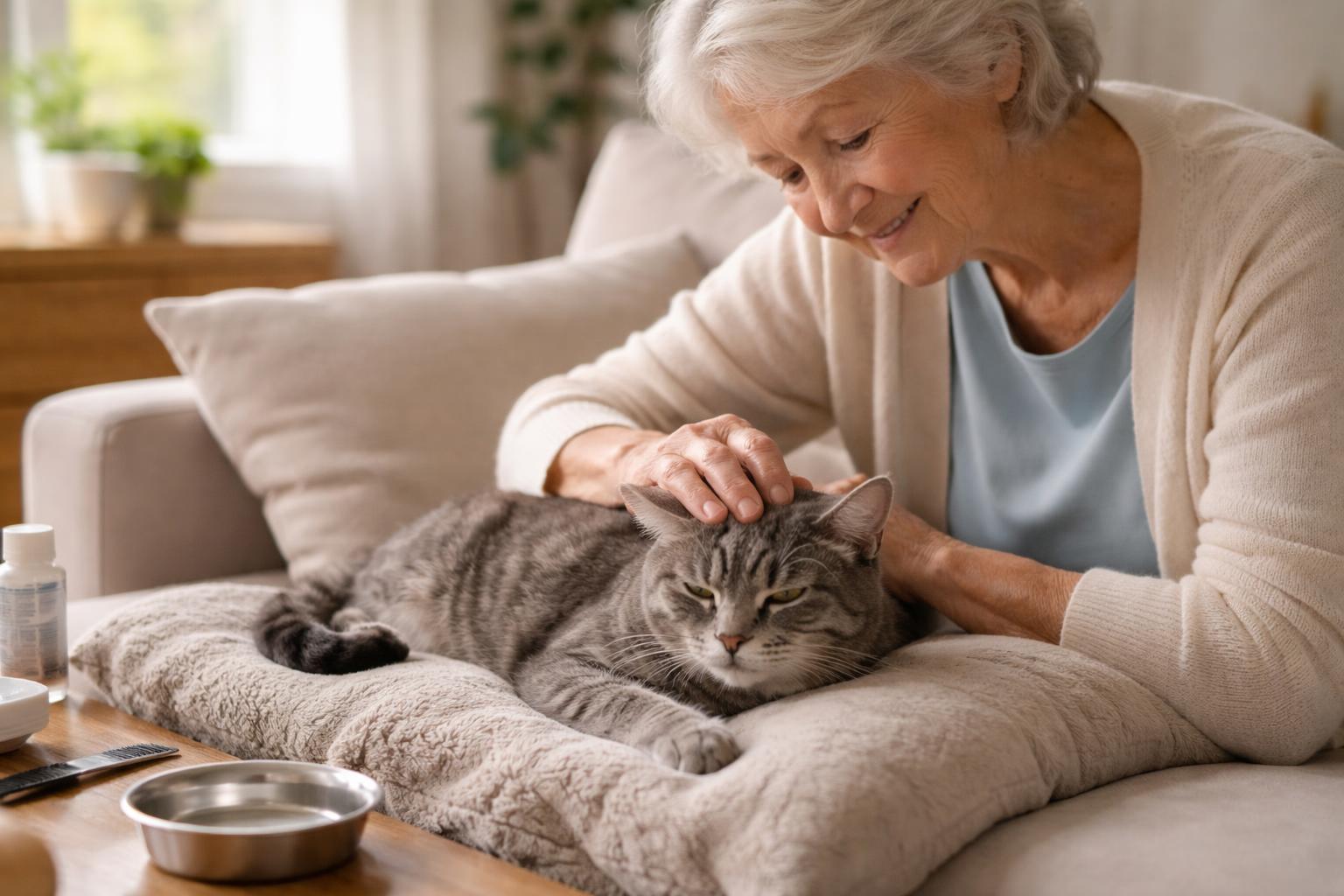
Senior cats need consistent daily habits that address both physical maintenance and mental health. Older cats benefit from routine grooming, gentle activity, and a calm environment to maintain their comfort and happiness as they age.
Grooming and Hygiene
Aging cats often struggle to groom themselves properly due to arthritis or reduced flexibility. You should brush your senior cat daily, especially if they have medium or long hair, to prevent painful matting.
Use a soft brush or comb and work gently through their coat. Pay attention to areas your cat can’t reach easily, like their back and hindquarters. Check their coat for any lumps, bumps, or skin changes during each grooming session.
Nail care becomes more important as older cats stop wearing down their claws naturally. Trim their nails every few weeks to prevent them from growing into their paw pads. Senior cats also need help with dental hygiene, though they may develop oral health problems even with good preventative care.
Gentle Exercise and Mental Stimulation
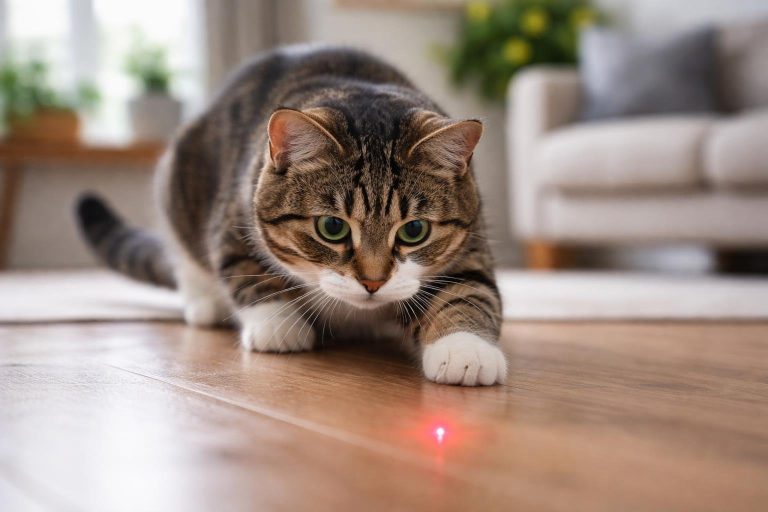
Your senior cat still needs daily exercise to keep muscles conditioned and their mind sharp. Keep play sessions short and low-impact to match their reduced energy levels.
Try these activities for aging cats:
- Wand toys for brief, gentle play
- Stationary track toys that don’t require jumping
- Puzzle feeders placed at easy-to-reach heights
- Indoor hunting kits with treats hidden nearby
You don’t need long play sessions. Even 5-10 minutes of activity once or twice daily helps maintain their physical and cognitive health.
Reducing Stress and Supporting Quality of Life
Senior cat care requires minimizing disruptive changes in your cat’s environment. Avoid bringing new pets into the home if possible, as older cats often don’t appreciate the activity level of kittens or puppies.
Create a quiet space where your cat can retreat when they need alone time. Keep their feeding and play schedule consistent, which helps cats experiencing cognitive decline.
Make their favorite spots accessible with ramps or stairs if mobility becomes limited. Your senior cat should be able to reach windows, beds, and other preferred locations without jumping or climbing steep surfaces.