Seasonal Allergies in Cats: Recognition, Symptoms, and Effective Treatment Options
Your cat might be dealing with seasonal allergies if you notice them scratching more than usual, developing skin problems, or showing signs of discomfort during certain times of the year. Cats can experience seasonal allergies that affect their skin, ears and respiratory system, with symptoms ranging from mild to severe. While many pet owners know about allergies in dogs, they often don’t realize that cats suffer from the same issues.
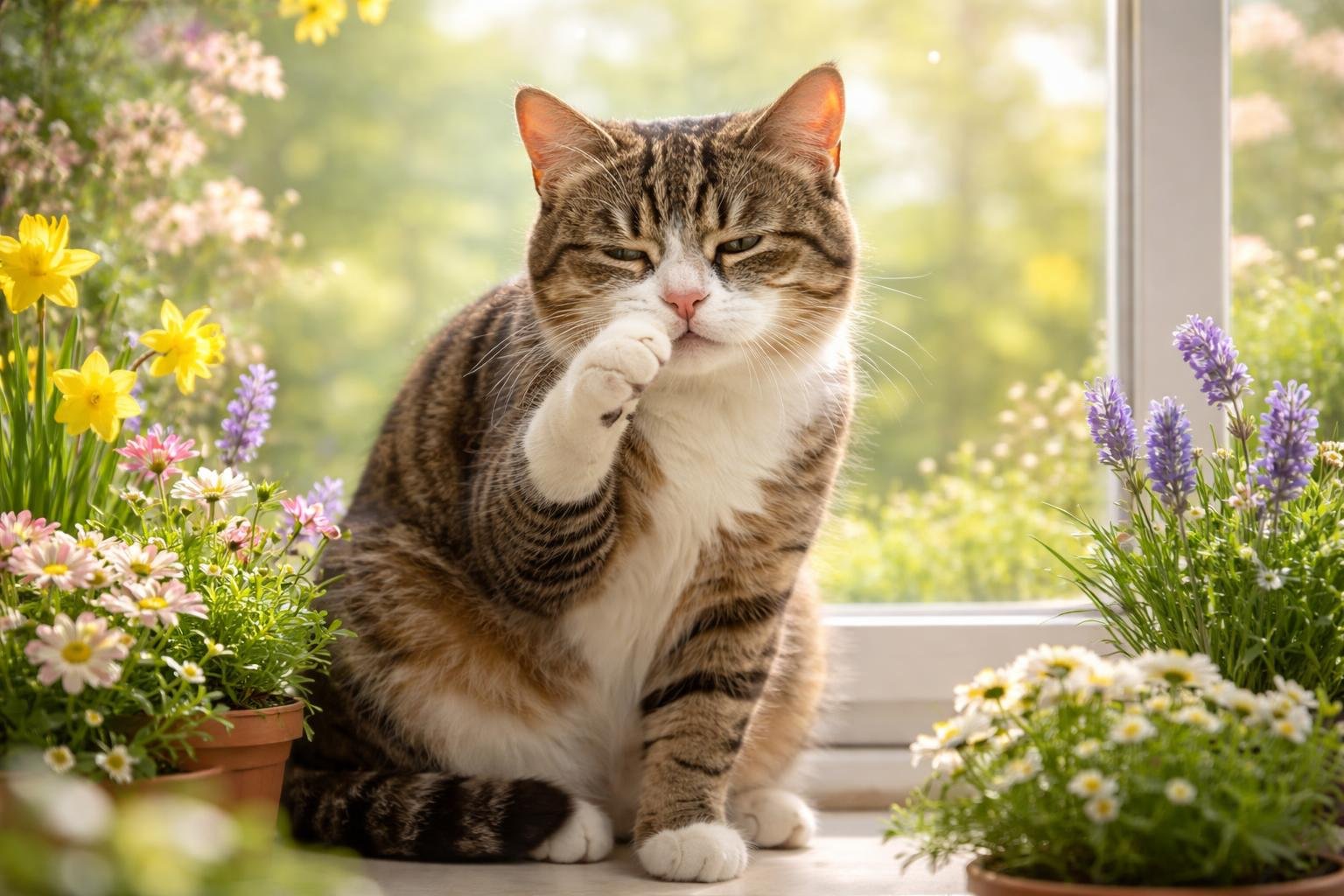
Spring allergies in cats are common as pollen counts rise. Your cat may react to tree pollen, grass, weeds, and mold spores in the air. These allergens can make your pet miserable without proper care.
This guide will help you identify signs of seasonal allergies in cats and understand what triggers them. You’ll learn about diagnosis options, treatment choices, and ways to manage your cat’s symptoms at home. You’ll also discover how to create a comfortable environment for cats with chronic allergies.
Recognizing Signs and Symptoms
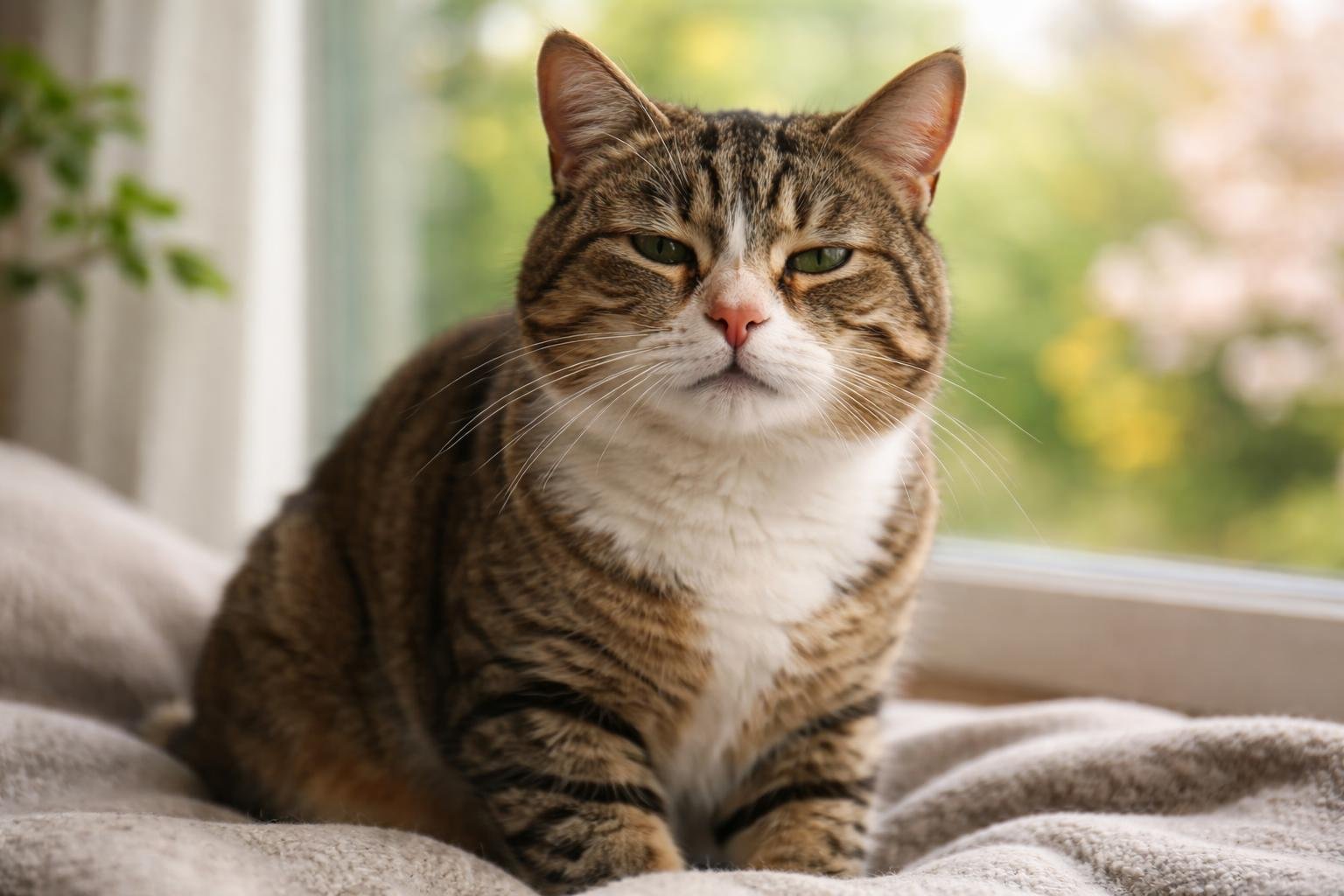
Cats with seasonal allergies show different warning signs than humans do. Watch for skin problems, excessive grooming, ear infections, and breathing changes that appear during certain times of the year.
Common Skin Reactions
Your cat’s skin often shows the first signs of seasonal allergies. Red, inflamed patches may appear on the belly, paws, or face. Some cats develop small, crusty bumps called miliary dermatitis that feel like tiny scabs when you pet them.
Typical skin symptoms include:
- Red or pink skin on the belly and inner legs
- Small scabs or bumps across the back
- Hair loss in patches
- Hot spots or raw areas from scratching
The skin between your cat’s toes and around the neck tends to react most strongly. These areas may feel warm to the touch and look darker than normal. Raised bumps often cluster together in groups rather than spreading evenly across the body.
Itching and Overgrooming
Excessive scratching and licking are key signs of seasonal allergies in cats. Your cat may scratch so much that they create bald spots or open wounds. Unlike normal grooming, allergy-related licking continues for long periods and focuses on the same areas repeatedly.
Watch for these grooming changes:
- Licking the same spot until it’s wet or raw
- Scratching the face, ears, or neck constantly
- Biting at the paws or tail base
- Pulling out clumps of fur
Your cat might also rub their face against furniture or carpet more often than usual. This behavior happens because they’re trying to relieve the uncomfortable itching sensation. Some cats become restless at night due to constant discomfort.
Ear and Respiratory Issues
Ear infections occur frequently with cat seasonal allergies. Your cat may shake their head, scratch at their ears, or hold one ear lower than the other. Dark, waxy discharge or a bad smell coming from the ears signals an infection that needs treatment.
Breathing problems are less common but can occur. Sneezing, coughing, or wheezing may develop during high pollen seasons. Your cat might breathe through their mouth or make noisy sounds while breathing.
Warning signs include:
| Symptom | What to Look For |
|---|---|
| Ear problems | Head shaking, scratching, dark discharge |
| Sneezing | Multiple sneezes in a row, clear nasal discharge |
| Eye issues | Watery eyes, squinting, redness |
Distinguishing Allergy Symptoms
Allergies in cats look similar to other health problems. Flea bites cause itching but usually show tiny black specks in the fur. Food allergies happen year-round instead of seasonally. Skin infections cause similar symptoms but don’t follow a pattern based on outdoor allergen levels.
Seasonal allergies appear during specific times each year. Spring allergies in cats typically start when trees and grasses release pollen. Fall allergies begin when ragweed and mold spores increase. Your cat’s symptoms should improve when you keep them indoors during peak pollen hours.
Track when symptoms start and stop each year. This pattern helps your vet determine if seasonal allergies are the real cause. Keep notes about which months bring the worst symptoms and what helps provide relief.
Understanding Causes and Triggers
Cats develop allergic reactions when their immune system overreacts to normally harmless substances in their environment. The timing and severity of these reactions depend on what triggers them and how often your cat encounters these allergens throughout the year.
Environmental Allergens
Environmental allergens penetrate a genetically weaker skin barrier in cats, causing their immune system to overreact. Unlike humans who sneeze and get watery eyes, your cat’s allergies show up mainly on their skin.
Common environmental triggers include:
- Dust mites from carpets, bedding, and furniture
- Mold spores in damp areas of your home
- Grass and tree pollen that drifts indoors
- Household cleaning products with strong chemicals
Your cat doesn’t need to go outside to encounter these allergens. They float through open windows and doors or stick to your clothes and shoes. Indoor cats can develop just as severe reactions as outdoor cats.
The allergens attach to your cat’s skin and coat. This contact triggers inflammation and itching that makes your cat scratch constantly.
Pollen and Seasonal Factors
Seasonal allergies in cats typically flare up during specific times of the year when certain plants release pollen. Spring and fall are the worst seasons for most cats with allergies.
Tree pollen peaks in early spring from March through May. Grass pollen becomes a problem in late spring and summer. Ragweed and other weed pollens cause issues in late summer and fall.
Your cat’s symptoms will likely follow a predictable pattern each year. They might seem fine in winter but start scratching as soon as spring arrives. This seasonal timing helps your vet identify pollen as the likely trigger.
Weather affects how bad allergy seasons become. Warm, windy days spread more pollen through the air. Rain temporarily washes pollen away and provides relief.
Flea Allergy Dermatitis
Flea allergy dermatitis happens when your cat develops an allergic reaction to flea saliva. Just one flea bite can trigger intense itching that lasts for weeks.
This condition is different from seasonal allergies but often occurs alongside them. Your cat becomes hypersensitive to proteins in flea saliva. Their immune system treats these proteins as dangerous invaders.
You might not see any fleas on your cat because they only need to be bitten once or twice. The reaction causes far more severe itching than the bites themselves would normally produce.
Signs your cat has flea allergy dermatitis:
- Intense scratching near the tail base and back legs
- Small crusty bumps on the skin
- Hair loss in patches
- Red, irritated skin
Fleas are more common in warm, humid months. This makes flea allergies seasonal in many regions.
Year-Round Versus Seasonal Allergies
Year-round allergies in cats come from allergens present all the time, while seasonal allergies appear during specific months. Understanding which type your cat has helps you manage their symptoms better.
| Allergy Type | Common Triggers | When Symptoms Occur |
|---|---|---|
| Seasonal | Tree pollen, grass pollen, ragweed | Spring, summer, or fall |
| Year-Round | Dust mites, mold, food ingredients | Every month of the year |
Your cat might have both types at once. They could be allergic to dust mites year-round but get worse during spring when pollen is added to the mix.
Tracking when symptoms start and stop helps identify the pattern. Keep a simple calendar noting when your cat scratches more or develops skin problems. This information guides your vet toward the right treatment plan.
Some cats with year-round allergies show steady, mild symptoms. Others have severe reactions that never fully go away without treatment.
Diagnosis and Veterinary Evaluation
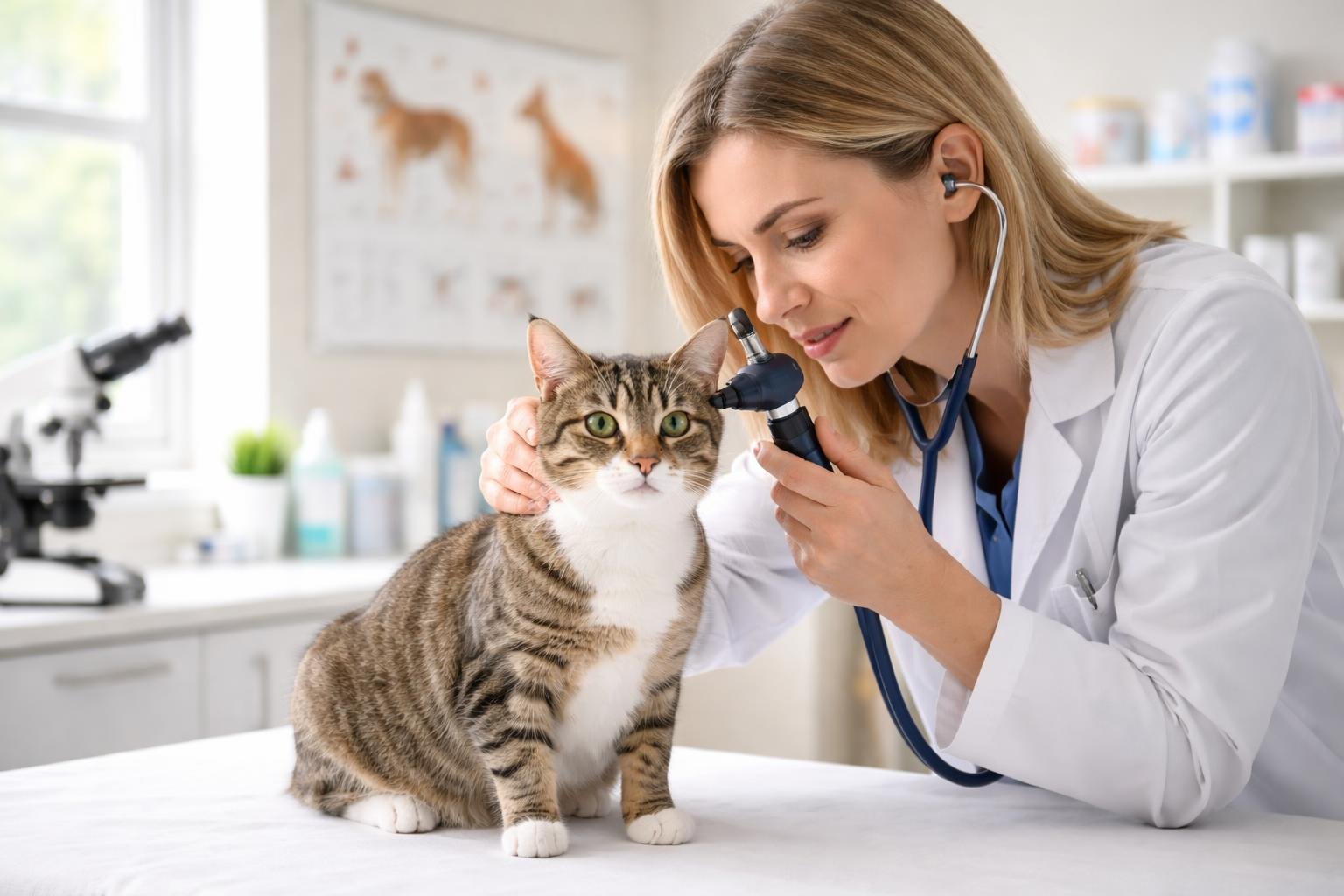
Your vet will need to rule out other skin conditions and perform specific tests to confirm that your cat’s symptoms stem from seasonal allergies. The diagnostic process involves examining your cat’s skin, running laboratory tests, and sometimes using exclusion trials to identify the exact cause of the problem.
Allergy Differentiation
Your veterinarian must distinguish seasonal allergies from other conditions that cause similar symptoms in cats. Redness and crusty rashes commonly affect the neck, back, and head in cats with seasonal allergies, but these signs can also appear with other skin problems.
The vet will examine your cat for signs of flea allergy, food allergies, and skin infections. Each condition causes itching in cats, but they require different treatments. Flea allergies typically create bumps near the tail base and back legs. Food allergies often affect the face and ears year-round rather than seasonally.
Your vet will review when symptoms started and whether they worsen during specific times of the year. Seasonal patterns help separate environmental allergies from food-related issues. The physical exam checks for secondary infections that develop from excessive scratching and licking.
Skin and Laboratory Testing
Your veterinarian will start by examining your cat’s skin and reviewing their medical history. No tests can positively identify airborne allergies, which makes diagnosis challenging.
Skin tests may help identify specific allergens like pollen or dander. These tests involve exposing small areas of skin to different substances to see which ones trigger a reaction. Blood tests can measure antibody levels related to allergic responses.
Your vet might perform skin scrapings to check for mites or fungal infections. Bacterial cultures help identify infections that developed from scratching. These tests eliminate other causes before confirming allergies in cats.
Role of Exclusion Trials
Exclusion trials help determine whether food allergies contribute to your cat’s symptoms. Your vet will recommend feeding a special diet with novel proteins your cat hasn’t eaten before. This trial typically lasts 8 to 12 weeks.
You must feed only the prescribed food during this period. No treats, table scraps, or flavored medications are allowed. If symptoms improve, food played a role in the itching.
After the trial period, your vet will reintroduce the old diet to see if symptoms return. This confirms whether food caused the problem or if seasonal allergies in cats are the main issue. The trial helps create an accurate treatment plan based on your cat’s specific triggers.
Medical Treatment Approaches
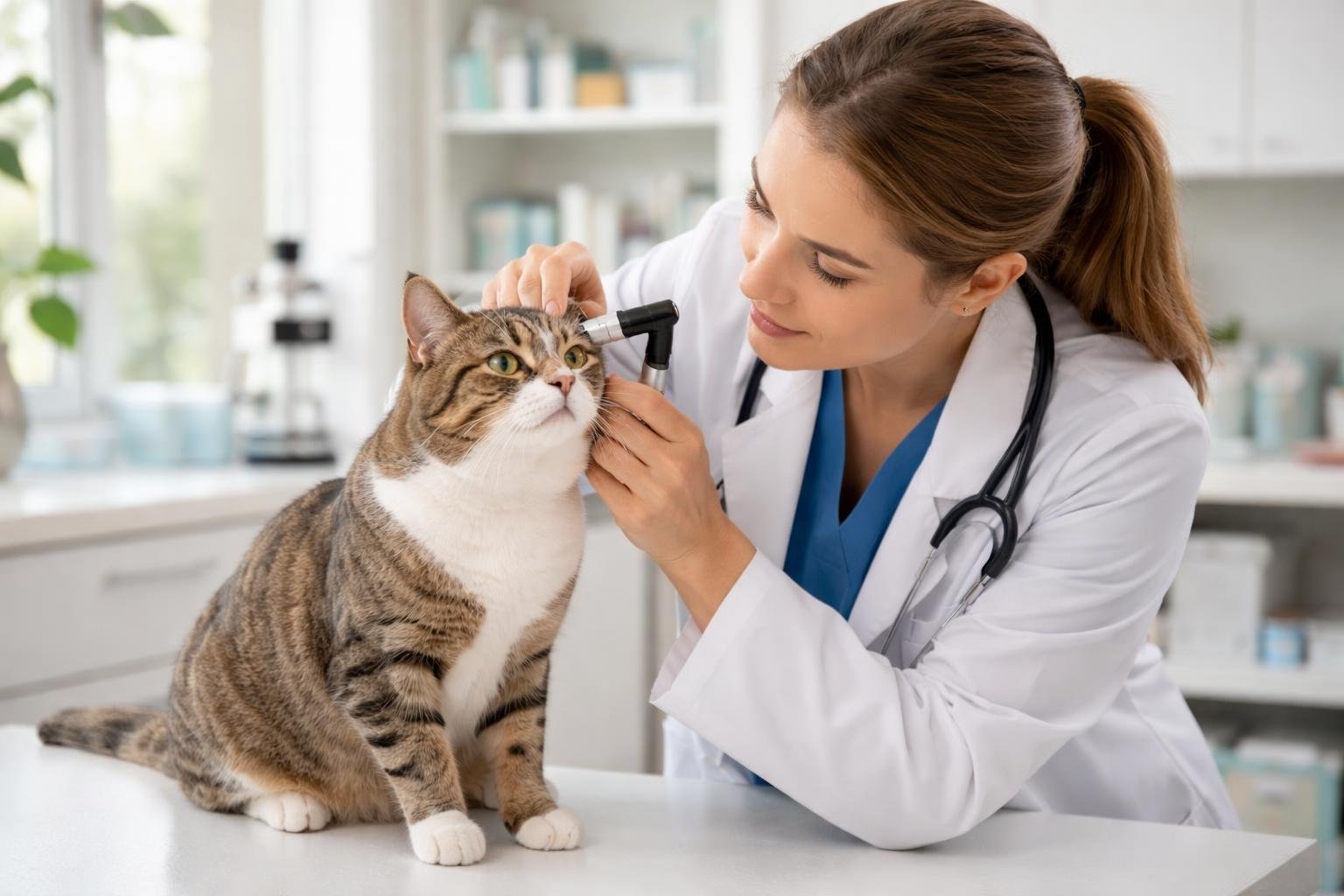
Veterinarians use several proven methods to manage allergies in cats, including medications that reduce symptoms, immunotherapy programs, and targeted flea prevention strategies. The right treatment depends on what triggers your cat’s allergic reactions and how severe the symptoms are.
Medications to Relieve Symptoms
Your vet can prescribe medications to help control itching in cats and other uncomfortable allergy symptoms. Antihistamines work for some cats by blocking the chemicals that cause allergic reactions. Common options include diphenhydramine and chlorpheniramine.
Corticosteroids like prednisolone are stronger medications that reduce inflammation and itching quickly. Your vet might use these for short-term relief during severe flare-ups. Newer medications called Janus kinase (JAK) inhibitors can also control itching without some of the side effects of steroids.
Some cats need a combination of treatments to feel better. Your vet will monitor your cat’s response and adjust the medications as needed to find what works best.
Allergy Shots for Cats
Allergen-specific immunotherapy, also known as allergy shots, helps reduce your cat’s sensitivity to specific allergens over time. Your vet performs allergy testing first to identify which substances trigger your cat’s reactions. This testing doesn’t diagnose allergies but identifies the offending allergens to create a custom treatment plan.
The shots contain small amounts of the allergens and are given regularly, usually starting weekly then spacing out to monthly. Most cats show improvement within 6 to 12 months. This treatment works well for environmental allergies but requires patience and commitment from you.
Flea Control and Management
Flea allergy dermatitis is one of the most common causes of allergic skin diseases in cats. Even one flea bite can trigger severe itching and skin problems in allergic cats. Year-round flea prevention is essential, not just during warm months.
Your vet can recommend effective flea prevention products that kill fleas before they bite your cat. Monthly topical treatments or oral medications work well for most cats. You also need to treat your home environment since fleas live in carpets, furniture, and bedding. Most flea allergies can be cured with effective flea treatment, making this the easiest allergy type to manage.
Managing Allergies at Home
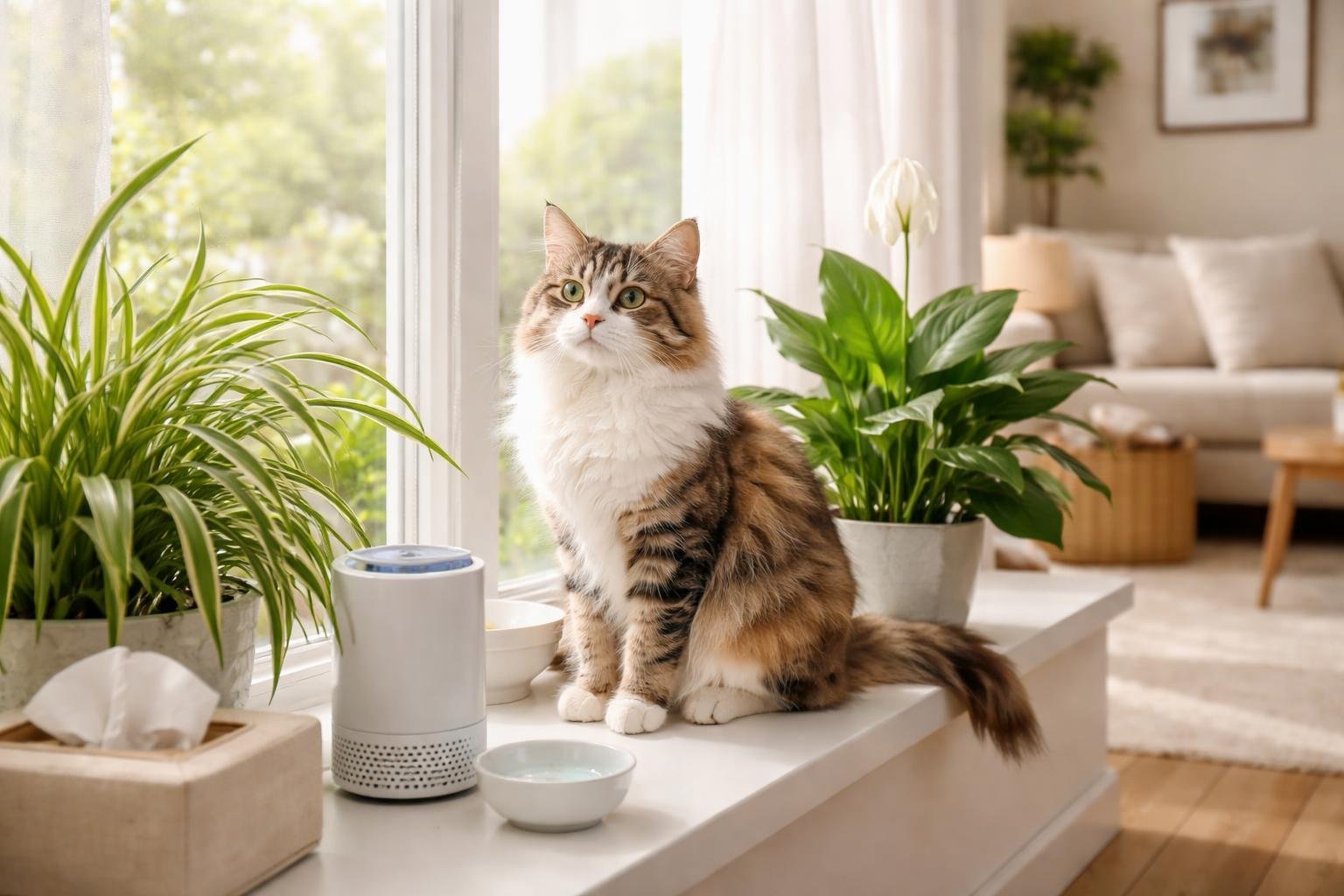
Creating a comfortable environment and maintaining proper care routines can significantly reduce your cat’s allergy symptoms. Simple changes to your home and grooming habits help minimize allergen exposure and provide relief.
Environmental Modifications
Keep windows closed during peak pollen seasons to prevent outdoor allergens from entering your home. This is especially important during spring and fall when pollen counts are highest.
Reducing allergen exposure in your home plays a crucial role in managing seasonal allergies in cats. Use air purifiers with HEPA filters in rooms where your cat spends the most time. These devices trap pollen, dust, and other particles that trigger allergic reactions.
Maintain humidity levels between 30-50% using a dehumidifier or humidifier as needed. Too much moisture encourages mold growth, while dry air can worsen skin irritation and itching in cats.
Wipe down your cat’s paws and coat with a damp cloth after they’ve been outside. This removes pollen and other allergens before they spread throughout your home. Create a designated entry area where you can clean your cat before they move to other rooms.
Grooming and Skin Care
Regular bathing helps remove allergens from your cat’s fur and soothes irritated skin. Use lukewarm water and a gentle, hypoallergenic shampoo formulated for cats. Bathe your cat every 1-2 weeks during allergy season, but avoid over-bathing as this can dry out their skin.
Brush your cat daily to remove loose fur, dander, and trapped allergens. This also distributes natural oils throughout their coat, which helps protect their skin. Use a soft-bristled brush or grooming glove that won’t irritate sensitive skin.
Pay attention to signs of seasonal allergies in cats like excessive scratching, red skin, or hair loss. Check problem areas like the belly, paws, and face for irritation. Apply vet-approved moisturizing sprays or wipes to soothe itchy spots between baths.
Reducing Indoor Allergens
Vacuum with HEPA filters at least twice weekly to capture allergens from carpets and furniture. Focus on areas where your cat sleeps and plays, as these spots accumulate the most dander and environmental particles.
Wash your cat’s bedding in hot water every week. High temperatures kill dust mites and remove pollen that causes both cat seasonal allergies and year-round allergies in cats. Use fragrance-free, hypoallergenic detergent to avoid additional skin irritation.
Replace fabric furniture and curtains with leather or vinyl alternatives when possible. These smooth surfaces don’t trap allergens like fabric does and are easier to wipe clean. Remove area rugs or choose washable options that you can clean frequently.
Keep your cat out of the bedroom if allergies are severe. This creates one allergen-free zone in your home and can improve both your cat’s symptoms and your own sleep quality.
Living With Chronically Allergic Cats
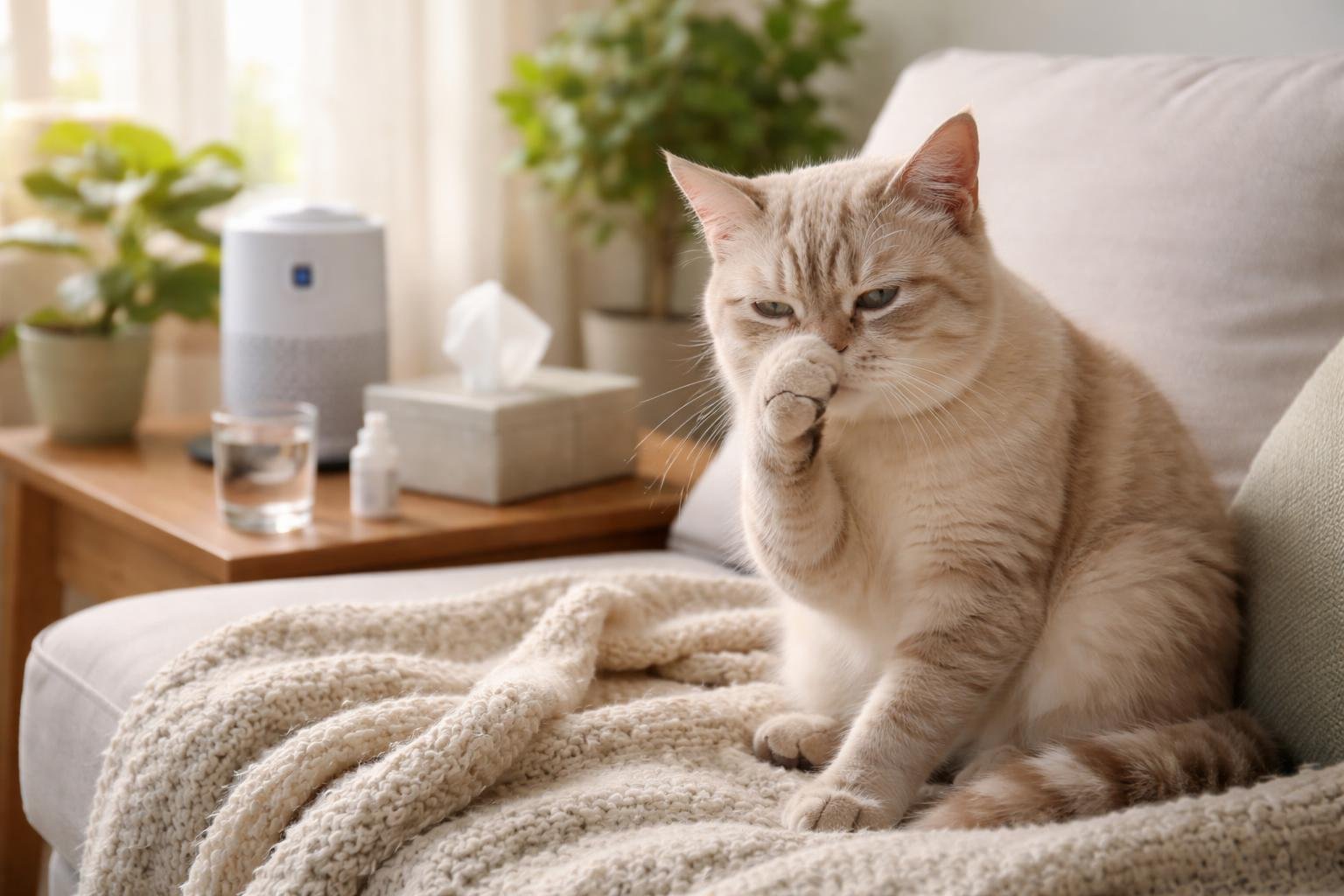
Cats with year-round allergies need consistent care routines and close attention to prevent symptoms from getting worse. Success comes from combining daily preventive measures with quick responses to flare-ups and regular talks with your vet.
Long-Term Preventive Strategies
Your home environment plays a big role in managing allergies in cats. Keep your cat indoors during high pollen seasons like spring and fall. Use air purifiers with HEPA filters in rooms where your cat spends most time.
Clean your home regularly to reduce allergens. Vacuum carpets and furniture twice a week. Wash your cat’s bedding in hot water every week. Dust surfaces with damp cloths instead of dry dusting, which spreads allergens into the air.
Feed your cat a high-quality diet rich in omega-3 fatty acids. These nutrients support skin health and can reduce inflammation. Some cats benefit from allergy shots or immunotherapy, which help build tolerance to specific allergens over time.
Bathe your cat every few weeks using gentle, hypoallergenic shampoo. This removes pollen and other allergens from their coat. Wipe your cat’s paws and fur with a damp cloth after they go outside.
Monitoring for Flare-Ups
Watch for early signs that your cat’s allergies are getting worse. Common symptoms include excessive scratching, hair loss, red or irritated skin, and ear infections. Miliary dermatitis appears as small, scab-like bumps on the skin and signals an allergic reaction.
Check your cat’s skin and ears weekly. Look for new bald patches, redness, or swelling. Note when symptoms appear and what might trigger them. Keep track of:
- Times when scratching increases
- New skin lesions or hot spots
- Changes in grooming behavior
- Ear discharge or head shaking
Take photos of problem areas to track changes over time. This helps you spot patterns and share clear information with your vet.
Communication With Your Veterinarian
Schedule regular check-ups every three to six months for cats with chronic seasonal allergies. These visits let your vet adjust treatment plans before symptoms become severe.
Keep a detailed log of your cat’s symptoms, medications, and any changes you notice. Write down what treatments work and which ones don’t. Share this information at each appointment.
Ask your vet specific questions about your cat’s care. Find out when to give medications, what side effects to watch for, and when to call for help. Get clear instructions on dose amounts and timing.
Contact your vet between appointments if symptoms suddenly worsen or new problems develop. Don’t wait for the next scheduled visit if your cat shows signs of infection or severe discomfort.
Frequently Asked Questions
Cats with seasonal allergies show specific symptoms that differ from human allergies, and understanding when to seek veterinary care can help keep your cat comfortable throughout the year.
What are the most common signs of allergies in cats during certain times of the year?
Your cat will likely scratch or lick excessively when dealing with seasonal allergies. Unlike humans who sneeze and have watery eyes, cats rarely show these respiratory symptoms and instead develop skin problems.
You might notice your cat scratching their face, neck, ears, or belly more than usual. The constant scratching can lead to red, irritated skin or small bumps. Some cats develop hair loss in areas where they groom excessively.
Your cat may also over-groom certain body parts until the fur becomes thin or patchy. This behavior happens because the allergens make their skin feel itchy and uncomfortable.
Can allergy-related sneezing in cats be a sign of a respiratory issue that needs veterinary care?
Sneezing in cats with allergies is less common than skin symptoms, but it can occur. If your cat sneezes occasionally during allergy season without other symptoms, it may be related to environmental allergens.
You should contact your veterinarian if the sneezing becomes frequent or comes with discharge from the nose or eyes. These signs could indicate a respiratory infection rather than simple seasonal allergies. Difficulty breathing, wheezing, or coughing also requires immediate veterinary attention.
Pay attention to whether the sneezing happens alongside skin irritation and itching. This combination points more toward seasonal allergies than a respiratory problem.
What are safe and effective treatment options a veterinarian may recommend for allergy symptoms in cats?
Your veterinarian may prescribe antihistamines to help reduce itching and inflammation in your cat. These medications work similarly to allergy medicines for humans but must be dosed specifically for cats.
Corticosteroids provide another option for controlling severe allergic reactions. Your vet might recommend short-term steroid use during peak allergy seasons to manage intense symptoms.
Immunotherapy represents a treatment option for cats with persistent allergies. This involves giving your cat small amounts of allergens over time to build tolerance.
Your veterinarian might also suggest omega-3 fatty acid supplements to support skin health. Medicated shampoos can soothe irritated skin and remove allergens from your cat’s fur.
Why might an indoor-only cat still show allergy symptoms at particular times of the year?
Indoor cats can develop seasonal allergies because allergens enter your home through windows, doors, and on your clothing. Pollen and mold spores are small enough to travel indoors easily.
You carry outdoor allergens inside on your shoes, clothes, and hair when you come home. These particles settle on furniture, carpets, and other surfaces where your cat spends time.
Air conditioning and heating systems can circulate allergens throughout your home. Open windows during spring and fall allow pollen to drift inside directly.
Dust mites and indoor molds also have seasonal patterns that can trigger allergic reactions. These allergens often increase during humid months or when you turn on heating systems.
How can allergy irritation affect a cat’s eyes, and what symptoms should prompt a vet visit?
Your cat’s eyes may become red and watery when exposed to seasonal allergens. The area around the eyes might look swollen or irritated from rubbing and scratching.
You should schedule a vet visit if your cat develops thick discharge from the eyes or if the discharge changes color to yellow or green. Squinting, keeping one or both eyes closed, or sensitivity to light also requires veterinary examination.
Watch for your cat pawing at their eyes repeatedly or rubbing their face against furniture. Excessive tearing combined with skin irritation around the face typically indicates an allergic reaction.
Cloudiness in the eye or visible changes to the eye’s surface need immediate attention. These symptoms could signal an infection or injury rather than simple allergy irritation.
Do allergy symptoms in cats typically resolve on their own, or do they tend to recur each year?
Seasonal allergies in cats represent a lifelong condition that typically returns each year during the same seasons. Your cat’s symptoms will likely appear when specific allergens are present in the environment.
The symptoms may decrease when the triggering allergen season ends, but they rarely disappear permanently without treatment. Most cats experience the same pattern of symptoms year after year.
Your cat may develop worse symptoms over time as repeated exposure increases sensitivity to allergens. Early management helps prevent complications like skin infections from constant scratching.
Treatment doesn’t cure the underlying allergy but controls symptoms effectively. You’ll need to maintain management strategies each allergy season to keep your cat comfortable.