Freeze-Dried Cat Food: Safety, Benefits, and Nutritional Considerations for Feline Health
Freeze-dried cat food has gained attention as pet owners look for feeding options that combine convenience with nutrition. Freeze-dried cat food is generally safe for most cats and retains essential nutrients through a process that removes moisture while preserving the food’s nutritional content. However, you should understand both the benefits and risks before deciding if this type of diet is right for your pet.
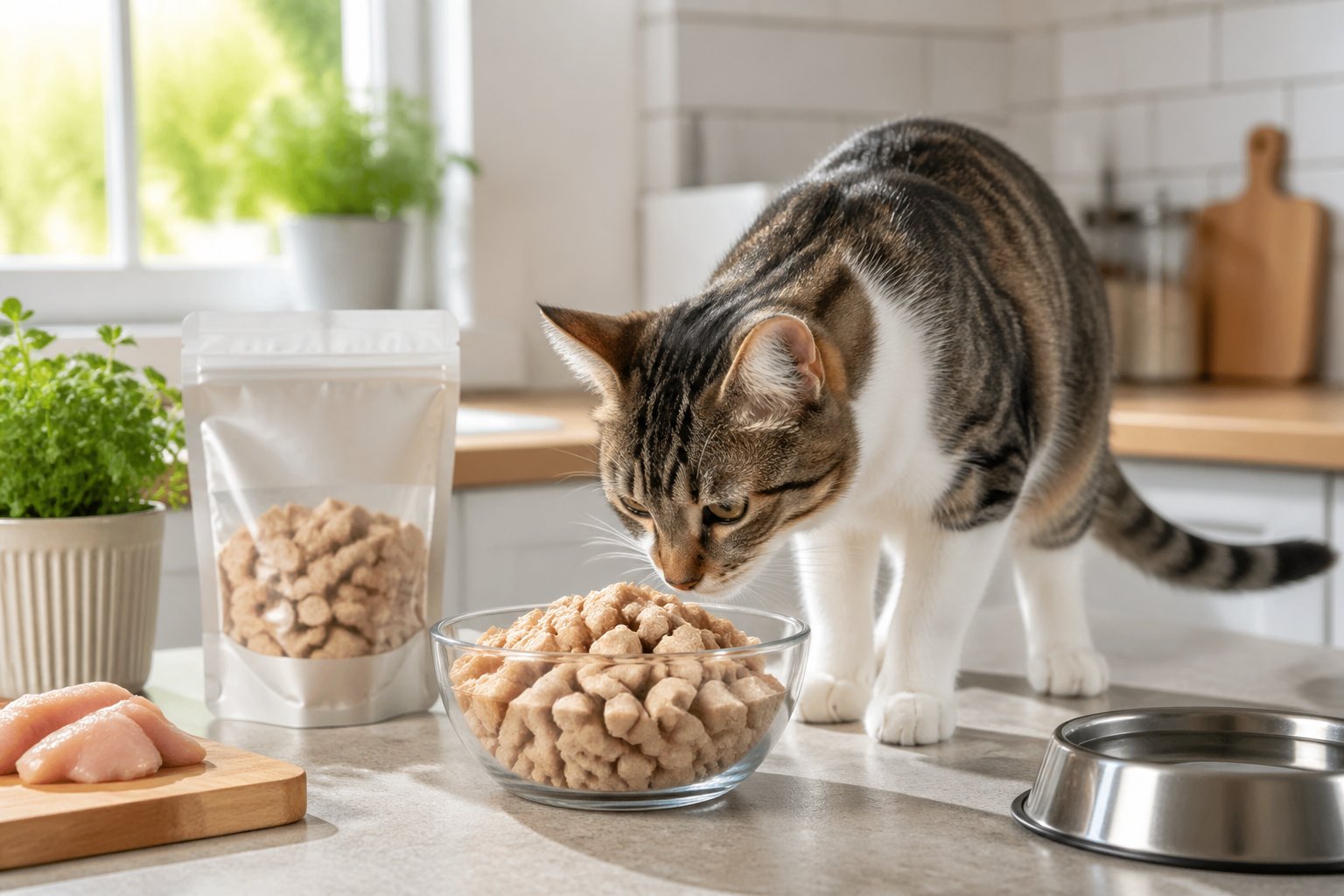
This feeding option sits between traditional kibble and raw diets. The freeze-drying process creates a shelf-stable product that many cat owners find appealing. You’ll want to consider factors like your cat’s health status, your budget, and food safety concerns when making your choice.
Understanding how freeze-dried food works and what makes it different from other options helps you make informed decisions about your cat’s nutrition. This article will walk you through the science behind freeze-drying, compare it to other food types, and give you practical guidance on selecting and preparing these products for your cat.
Understanding the Freeze-Drying Process
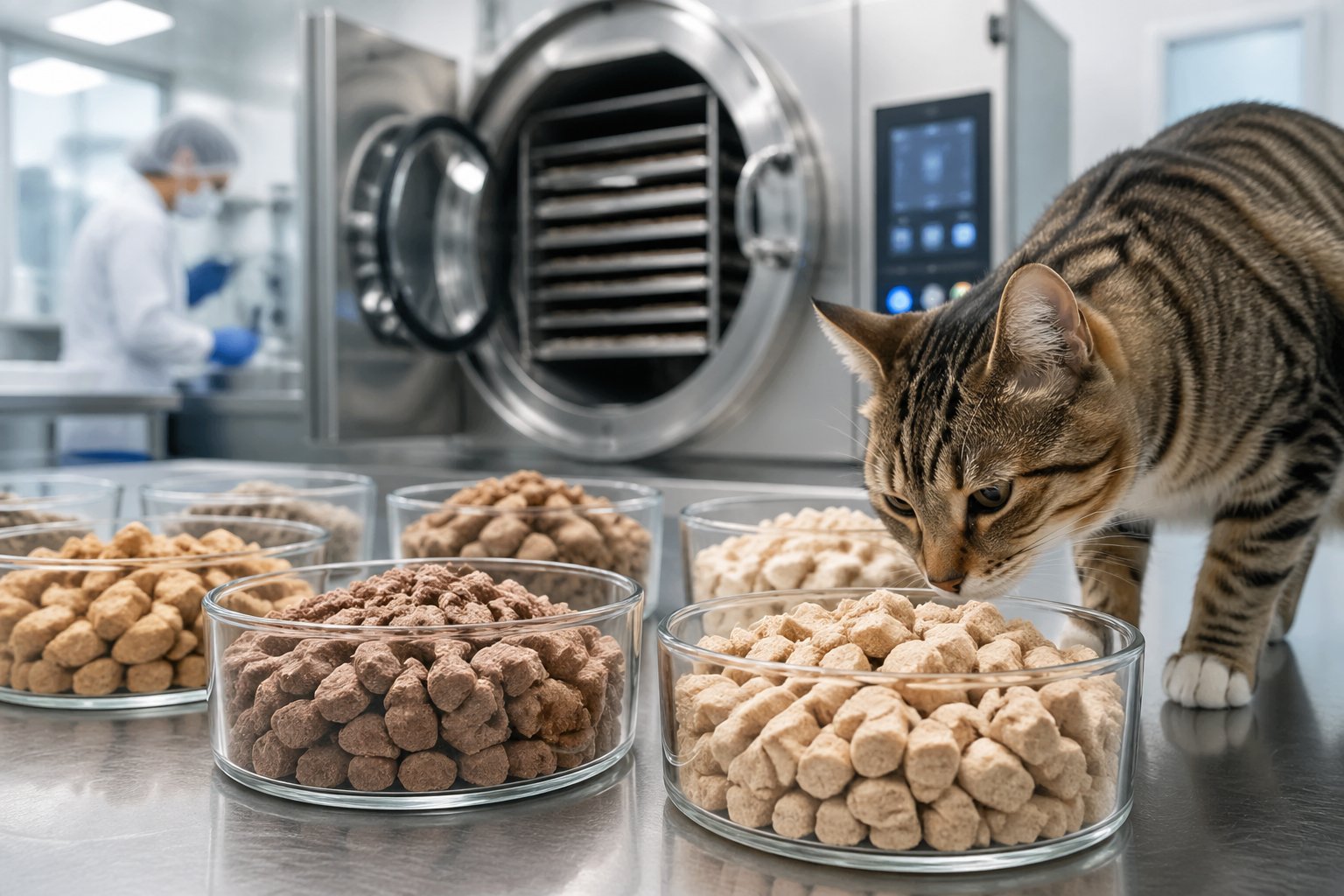
Freeze-drying preserves raw cat food by removing moisture at very low temperatures, which keeps nutrients intact while making the food shelf-stable. This method differs significantly from standard dehydration and offers unique advantages for raw feeding.
How Freeze-Drying Works
Freeze-drying removes moisture from cat food to preserve it without losing nutrients. The process starts by freezing raw ingredients to extremely low temperatures, typically around -40°F.
Once frozen, the food goes into a vacuum chamber. The pressure drops significantly, which causes the ice in the food to turn directly into vapor without becoming liquid first. This step is called sublimation.
The entire process can take 20 to 40 hours depending on the food’s moisture content and thickness. The result is lightweight, shelf-stable food that maintains most of its original nutritional value. When you add water back to freeze-dried food, it returns to a texture similar to raw food.
Difference Between Freeze-Dried and Dehydrated Cat Food
Freeze-drying causes minimal damage to nutritional value, while dehydration uses heat that can destroy some nutrients. Dehydrated cat food is processed at temperatures between 120°F and 160°F, which removes moisture but also breaks down heat-sensitive vitamins and enzymes.
Freeze-dried food keeps proteins, vitamins, and enzymes closer to their raw state. The texture also differs between the two. Dehydrated food becomes harder and crunchier, while freeze-dried food has a light, airy texture that crumbles easily.
Key differences:
- Temperature: Freeze-drying uses cold; dehydration uses heat
- Nutrient retention: Freeze-drying preserves more vitamins and enzymes
- Rehydration: Freeze-dried food absorbs water faster and more completely
- Texture: Freeze-dried is lighter and more porous
Raw Cat Food Preparation Methods
Freeze-dried cat food is a raw food product that has not been cooked or pasteurized with heat. You can feed it dry as a treat or meal, though most experts recommend rehydrating it first.
To rehydrate freeze-dried raw cat food, add warm water in a 1:1 ratio. Let it sit for 2 to 3 minutes until the food absorbs the liquid and softens. Some cats prefer it slightly drier or wetter, so you can adjust the water amount based on your cat’s preference.
Feeding freeze-dried food without rehydration increases the risk of your cat not consuming adequate water. Cats already have a low thirst drive, so adding moisture to their meals helps them stay hydrated.
Nutritional Value and Health Benefits
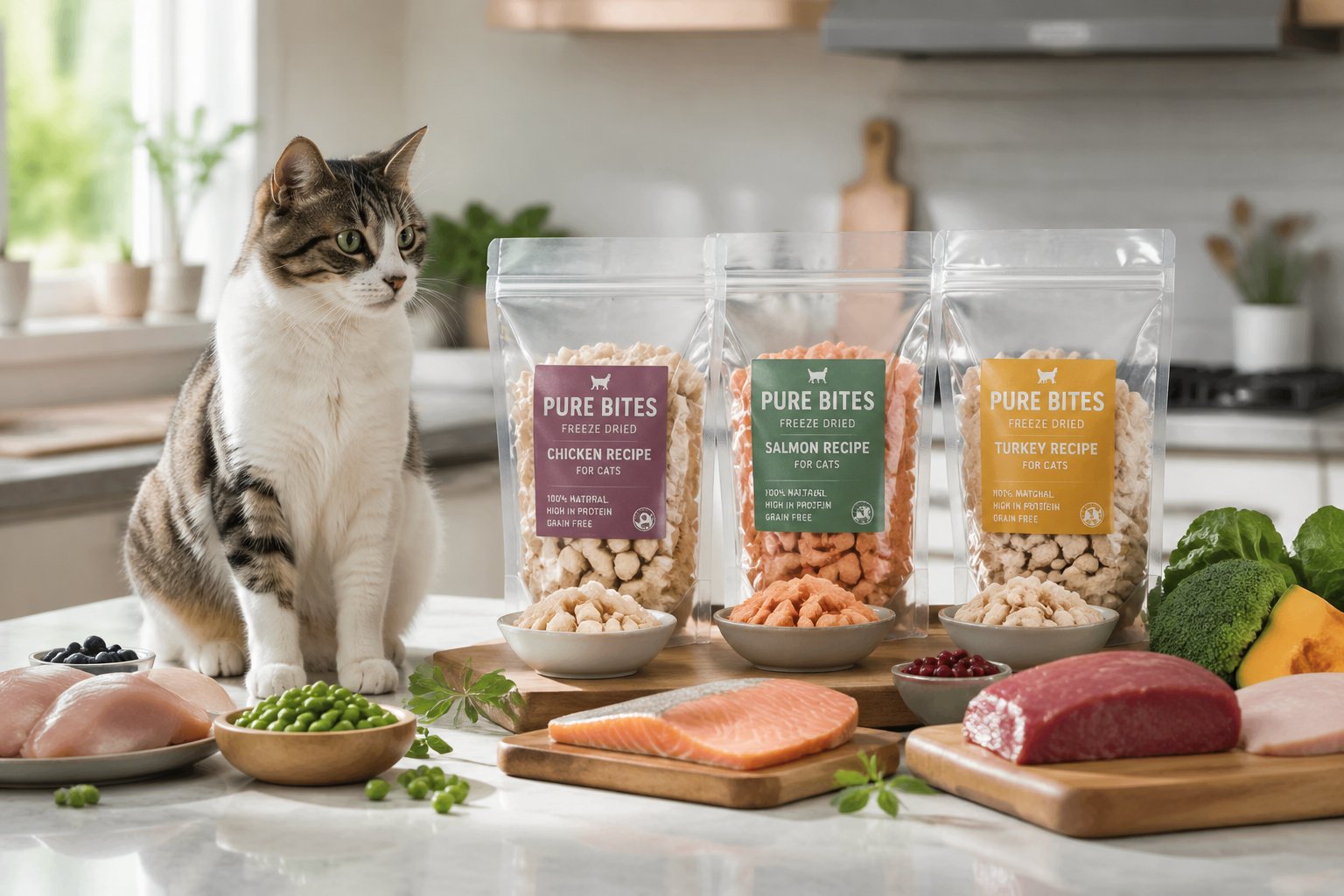
Freeze-dried cat food preserves essential nutrients while delivering high protein levels that match what cats need as carnivores. The freeze-drying process maintains vitamins and minerals better than traditional cooking methods, and the final product is easier for cats to digest.
Nutrient Retention in Freeze-Dried Diets
The freeze-drying process removes water from raw ingredients at very low temperatures. This method keeps more vitamins and minerals intact compared to cooking with heat. Traditional kibble goes through high-heat processing that can destroy heat-sensitive nutrients like vitamin B and vitamin E.
Freeze-dried raw cat food maintains the natural enzymes found in raw meat. These enzymes help your cat break down and absorb nutrients from their food. The process also preserves amino acids, which are the building blocks of protein that your cat needs for healthy muscles and organs.
Key nutrients preserved in freeze-dried diets:
- B vitamins (B1, B6, B12)
- Fat-soluble vitamins (A, D, E, K)
- Natural enzymes
- Essential amino acids like taurine
- Omega-3 and omega-6 fatty acids
Improved Digestibility and Palatability
Your cat’s digestive system is designed to process raw meat efficiently. Freeze-dried raw diets are easier for cats to digest than heavily processed foods because the proteins remain in their natural state. This means your cat can absorb more nutrients from each meal.
Most cats find freeze-dried food very appealing. The texture and smell closely resemble fresh meat, which can encourage picky eaters to finish their meals. When you rehydrate freeze-dried food with water, it releases natural meat aromas that attract cats.
Better digestion often leads to smaller, firmer stools. This happens because your cat absorbs more of what they eat instead of passing undigested material. You may also notice your cat drinks less water since rehydrated freeze-dried food provides moisture.
High Protein Content and Species-Appropriate Nutrition
Cats are obligate carnivores, which means they must eat meat to survive. Freeze-dried raw cat food typically contains 40% to 50% protein on a dry matter basis. This protein comes from whole meat sources like chicken, beef, or fish rather than plant-based fillers.
The benefits of freeze-dried cat food include providing nutrition that matches what cats would eat in nature. These diets usually contain organ meats, muscle tissue, and sometimes ground bone that supply the nutrients your cat needs.
Typical protein sources in freeze-dried diets:
- Chicken or turkey (with organs)
- Beef or lamb
- Fish like salmon or cod
- Rabbit or duck
The fat content in freeze-dried raw food also mirrors natural prey. Most formulas contain 15% to 30% fat, which gives your cat energy and supports skin and coat health.
Safety Considerations and Potential Risks
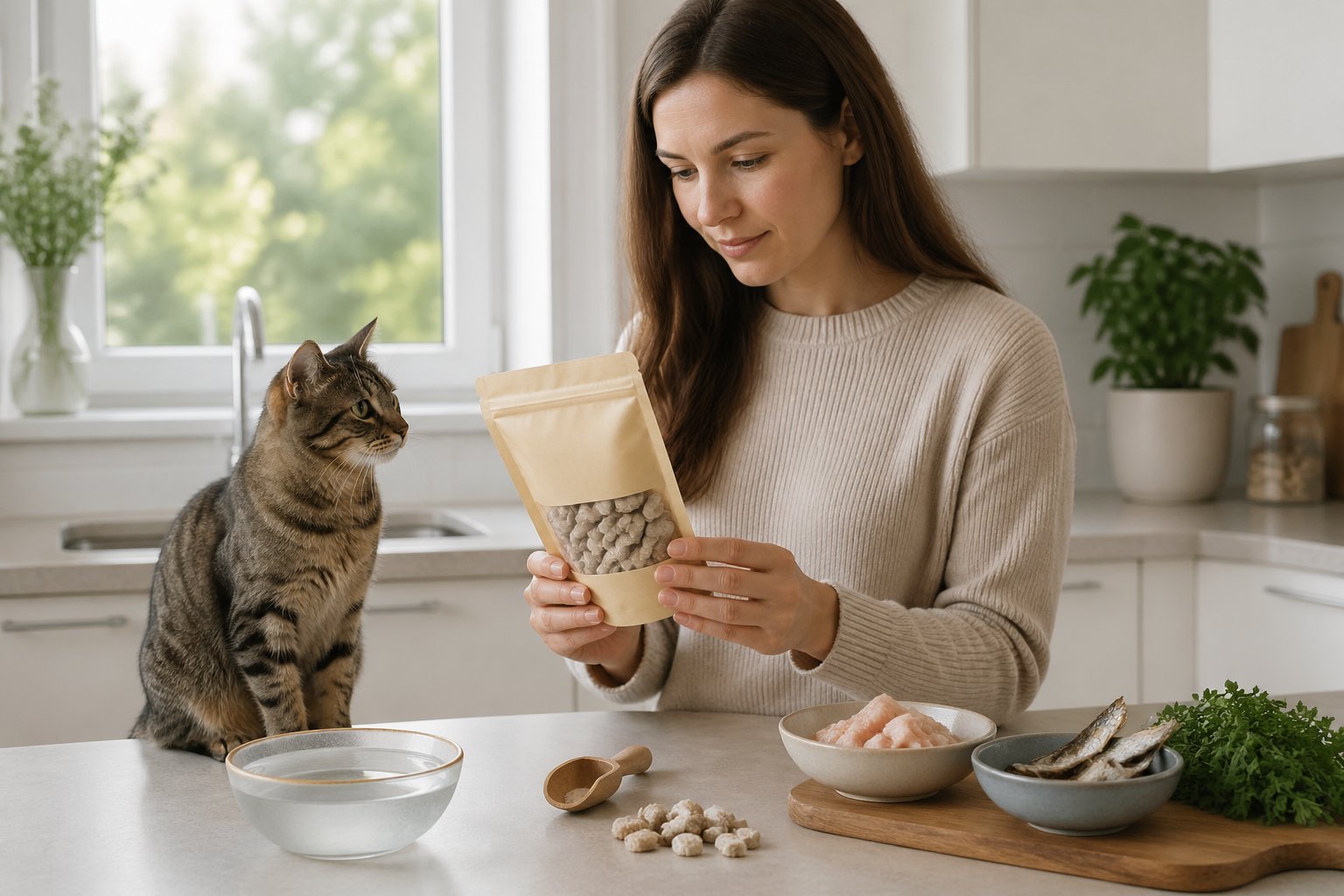
Freeze-dried cat food carries specific safety concerns related to bacterial contamination, nutritional completeness, and proper handling practices. Understanding these risks helps you make informed decisions about whether this food type suits your cat’s needs.
Pathogen and Contamination Risks
Freeze-dried raw cat food may contain pathogenic bacteria similar to other raw diets. The freeze-drying process removes moisture but does not eliminate harmful bacteria like Salmonella, E. coli, or Listeria that may be present in raw meat.
These bacteria pose risks to both your cat and your household members. Young children, elderly individuals, and anyone with weakened immune systems face higher risks of illness from handling contaminated food or contact with surfaces where the food was prepared.
Cats with compromised immune systems should avoid freeze-dried raw diets entirely. Even healthy cats can shed bacteria in their feces after consuming raw food, creating potential exposure risks for people in your home.
Nutritional Imbalance and Deficiency Concerns
Not all freeze-dried cat foods meet complete nutritional standards. You should check product labels for AAFCO (Association of American Feed Control Officials) approval to ensure the food provides adequate nutrition.
Some freeze-dried products serve as treats or toppers rather than complete meals. Feeding these as a primary diet can lead to nutritional deficiencies over time. Essential nutrients like taurine, vitamins, and minerals must be present in proper amounts.
The freeze-drying process preserves most nutrients, but you need to verify that manufacturers have formulated the food correctly from the start. Cost considerations may also limit your ability to feed freeze-dried food exclusively, potentially requiring you to combine it with other food types.
Handling and Preparation Guidelines
Proper handling reduces contamination risks significantly. Wash your hands thoroughly with soap and water before and after touching freeze-dried raw cat food.
Clean and sanitize all bowls, utensils, and surfaces that contact the food using hot soapy water. Store freeze-dried food in a cool, dry place away from human food items.
If rehydrating the food, use clean water and discard any uneaten portions within 30 minutes to prevent bacterial growth. Never leave rehydrated freeze-dried food at room temperature for extended periods.
How to Choose and Prepare Freeze-Dried Cat Food
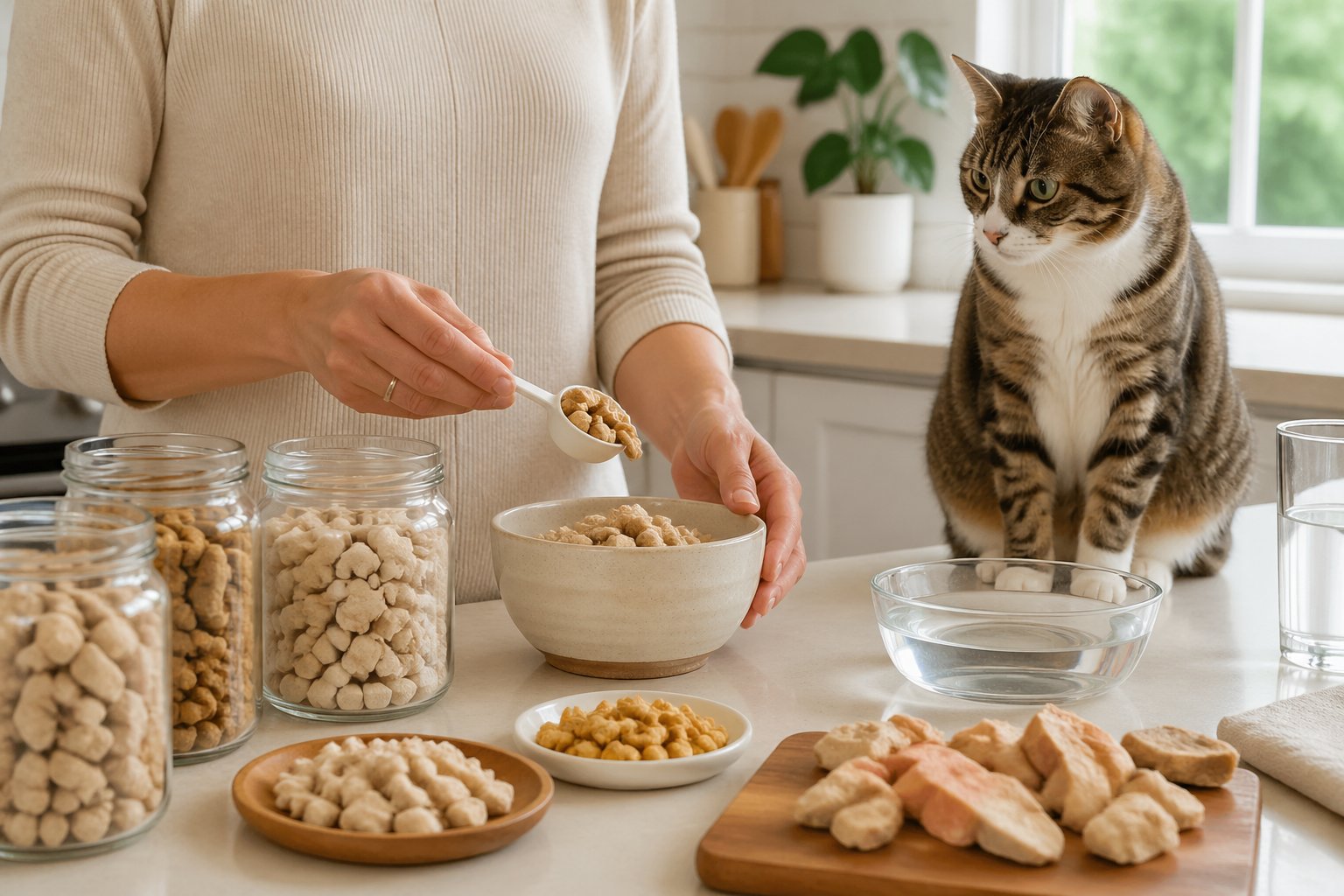
Picking the right freeze-dried cat food requires checking labels for quality ingredients and balanced nutrition. You also need to know how to properly add water to most freeze-dried products before feeding.
Evaluating Labels and Ingredient Quality
Start by reading the ingredient list on any freeze-dried cat food package. The first few ingredients should be named meat sources like chicken, beef, or fish rather than generic terms like “meat meal.”
Look for products that list whole foods you can recognize. Quality freeze-dried raw cat food will include organs like liver and heart, which provide important nutrients cats need.
Avoid products with artificial colors, flavors, or preservatives. These additives offer no nutritional benefit and some cats may react poorly to them.
Check where the ingredients come from if this information is available. Products made with ingredients from trusted sources tend to have better quality control.
Selecting Complete and Balanced Diets
Your freeze-dried cat food should meet AAFCO (Association of American Feed Control Officials) standards. Check labels for nutritional value and AAFCO standards to confirm the product is complete and balanced.
A complete diet includes all the vitamins, minerals, and nutrients your cat needs. Some freeze-dried products are meant as toppers or treats, not full meals.
Look for statements on the package that say “complete and balanced” or “formulated to meet AAFCO cat food nutrient profiles.” This tells you the food can serve as your cat’s main diet.
Key nutrients to verify:
- Protein (at least 26% for adult cats)
- Taurine (essential amino acid)
- Vitamins A, D, and E
- Calcium and phosphorus
Proper Rehydration and Feeding Practices
Many freeze-dried products require rehydration with water or a pet-safe broth before serving. Raw-coated kibble is an exception and can be fed dry.
Add warm water to freeze-dried cat food following the package directions. Most products need about 1-2 parts water to 1 part food. Let it sit for a few minutes until the food absorbs the liquid and becomes soft.
Start with small amounts when introducing freeze-dried diets to your cat. Mix it with their current food and gradually increase the portion over 7-10 days.
Store unused rehydrated food in the refrigerator and use it within 24 hours. Keep dry freeze-dried food in a sealed container in a cool, dry place.
Comparison with Other Cat Food Types
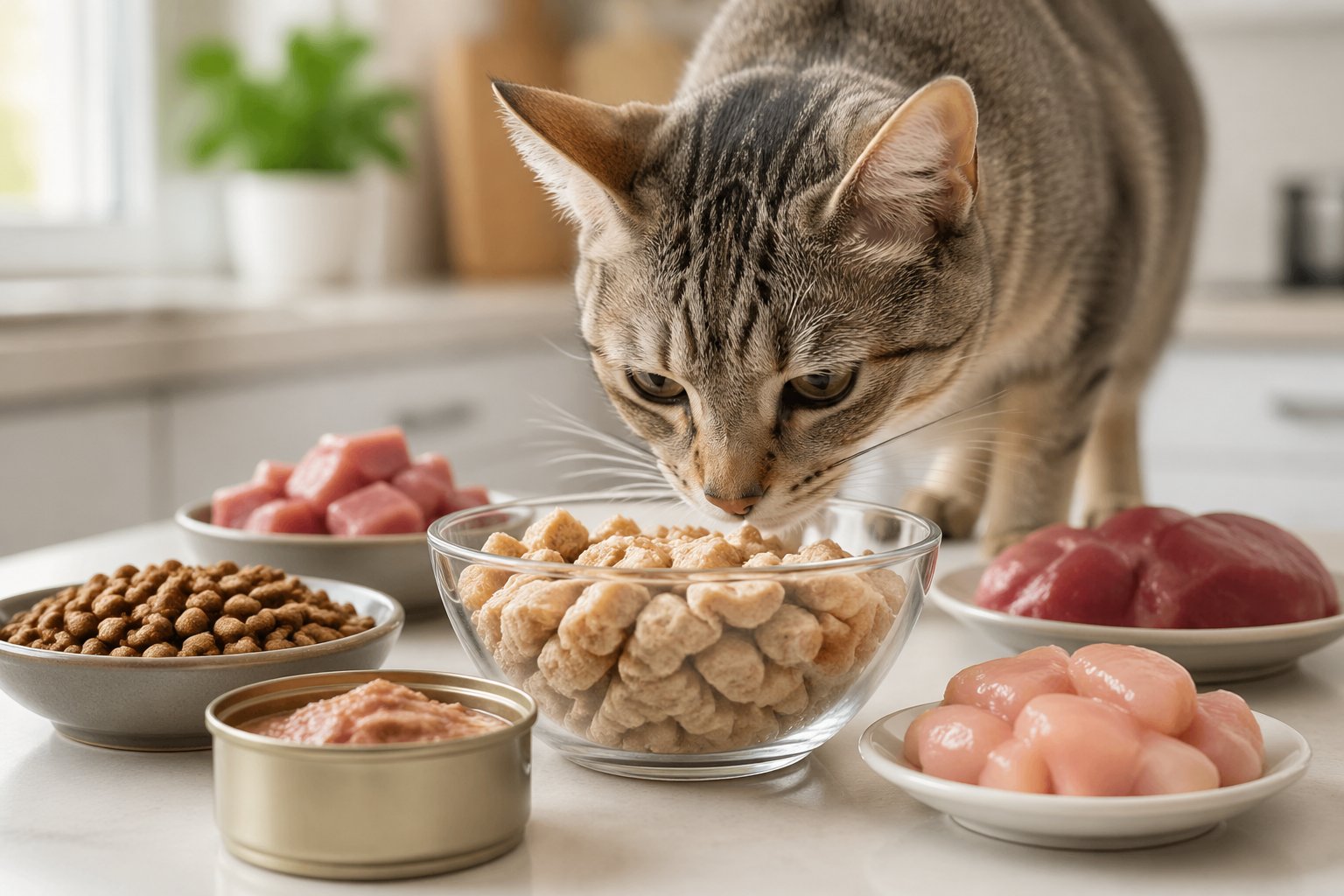
Freeze-dried cat food differs from traditional kibble, canned food, and dehydrated options in processing methods, moisture content, and nutritional preservation. Understanding how freeze-dried food functions as a complete meal versus a supplement helps you choose the right feeding approach for your cat.
Freeze-Dried vs. Traditional Kibble and Canned Food
Freeze-dried cat food retains more nutrients than kibble because it skips the high-heat cooking process. Traditional dry food goes through extrusion, which can destroy some vitamins and enzymes. Your cat gets closer to raw nutrition with freeze-dried options.
Freeze-dried food is often more expensive than kibble or wet food due to the complex processing and premium ingredients used. Kibble typically costs less and stores easily at room temperature for months.
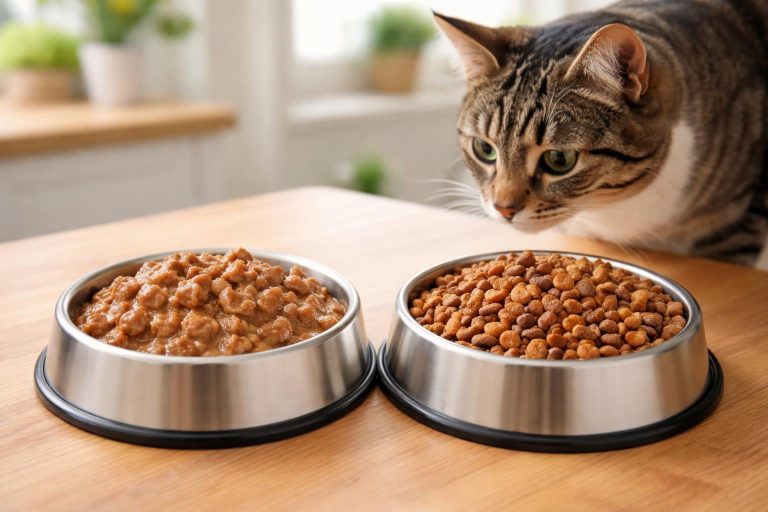
Canned food provides high moisture content, usually around 75-80%, which supports your cat’s hydration. Freeze-dried raw cat food contains minimal moisture until you rehydrate it with water. Once rehydrated, it can match wet food’s moisture levels.
The texture differences matter to some cats. Kibble offers a crunchy texture, while canned food is soft and moist. Freeze-dried food has a light, crispy texture when dry but becomes similar to raw meat when you add water.
Difference Between Freeze-Dried and Dehydrated Diets
Freeze-dried and dehydrated cat food both remove moisture, but they use different methods. Freeze-drying uses cold temperatures and vacuum pressure to extract water. Dehydration uses heat to evaporate moisture from the food.
The temperature difference affects nutrition. Freeze-drying preserves more enzymes, vitamins, and proteins because it never heats the food. Dehydrated cat food exposes ingredients to temperatures between 120-160°F, which can reduce some nutrients.
Key differences include:
- Processing temperature: Freeze-dried stays frozen; dehydrated uses heat
- Nutrient retention: Freeze-dried preserves more enzymes and vitamins
- Rehydration time: Freeze-dried absorbs water faster
- Texture: Freeze-dried is lighter and more porous
- Cost: Freeze-dried typically costs more
Both options are shelf-stable and lightweight. You need to add water to both types before feeding, though freeze-dried raw cat food rehydrates more quickly.
Role as a Meal, Topper, or Treat
You can feed freeze-dried food in three main ways. As a complete meal, it provides all the nutrition your cat needs when formulated as a balanced diet. Check the label to confirm it meets AAFCO standards for complete nutrition.
Many cat owners use freeze-dried as a topper on kibble or canned food. This adds flavor and nutrients to your cat’s regular meals. A small amount mixed with their usual food can make it more appealing.
Freeze-dried also works well as training treats or snacks. The small pieces are easy to break apart and highly palatable. Your cat gets a protein-rich reward without fillers or artificial ingredients.
The amount you feed depends on how you use it. For complete meals, follow the feeding guidelines on the package based on your cat’s weight. As a topper, use just a tablespoon or two per meal. For treats, limit to no more than 10% of your cat’s daily calories.
Cost, Storage, and Practical Factors
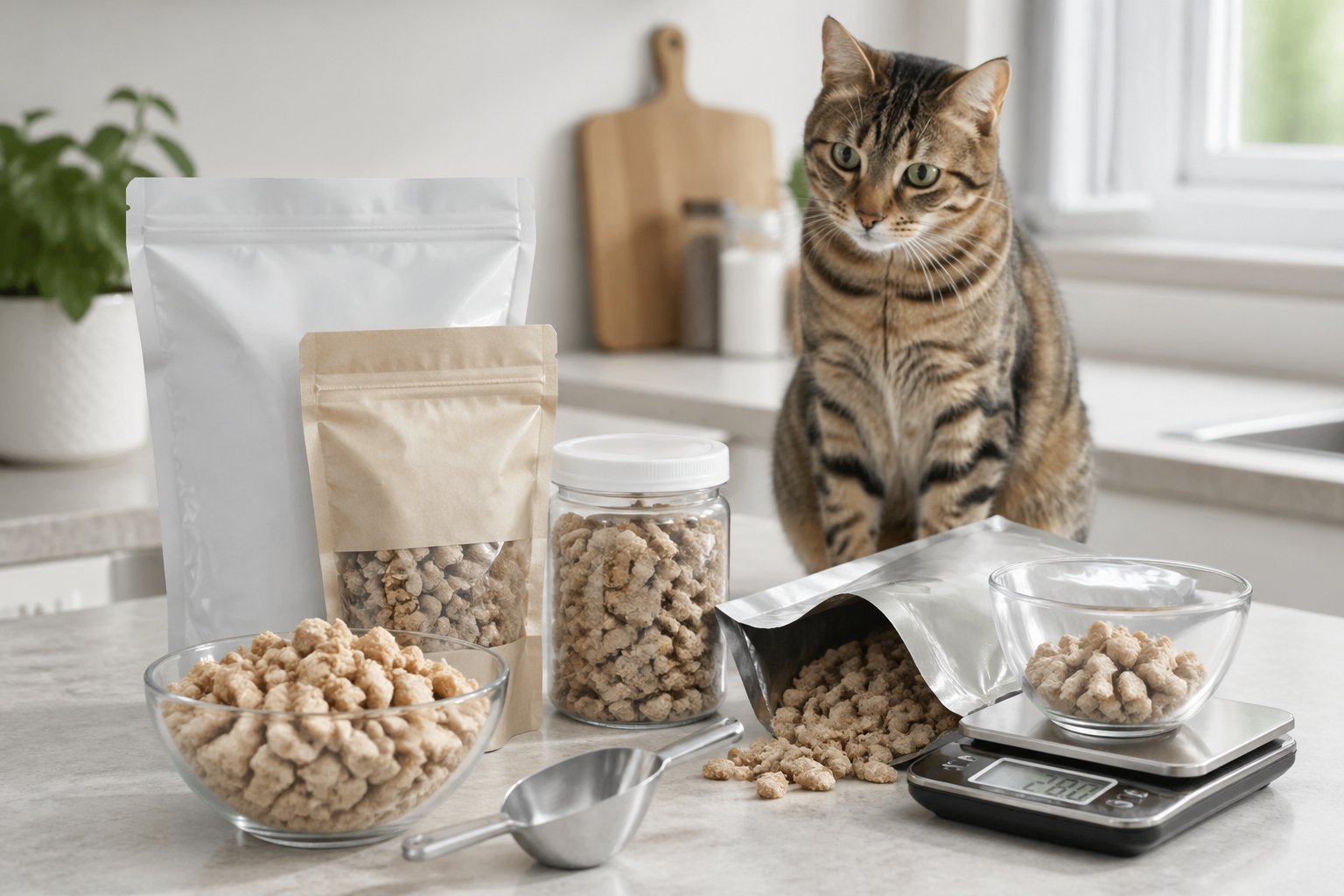
Freeze-dried cat food costs more upfront than traditional kibble but offers extended shelf life and convenient storage options. Your budget and lifestyle will determine whether this feeding approach works for your household.
Shelf Life and Storage Requirements
Unopened freeze-dried cat food typically lasts 1-2 years when stored properly. The freeze-drying process removes moisture, which prevents bacteria growth and keeps the food fresh without refrigeration.
You should store unopened packages in a cool, dry place away from direct sunlight. Once you open a package, transfer the food to an airtight container to prevent moisture exposure. Freezing dry cat food is safe and can extend its usable life even further.
Keep opened containers sealed tightly between feedings. Most freeze-dried products stay fresh for several weeks after opening when stored correctly. Check for any changes in smell, texture, or appearance before feeding, as these signs indicate spoilage.
Budgeting for Freeze-Dried Diets
Freeze-dried cat food costs significantly more per serving than conventional dry food. You can expect to pay $30-60 per pound for quality freeze-dried options, compared to $2-5 per pound for standard kibble.
The actual feeding cost depends on your cat’s size and appetite. A 10-pound cat typically needs 3-4 ounces of rehydrated freeze-dried food daily, which translates to about $3-5 per day or $90-150 monthly.
Some cat owners use freeze-dried food as a topper or supplement rather than a complete diet to manage costs. This approach lets you provide nutritional benefits without the full expense. You can also watch for sales and buy in bulk to reduce per-serving costs.
Suitability for Different Cat Lifestyles
Freeze-dried diets work well for travel since they don’t require refrigeration and weigh less than canned food. You can pack several days’ worth of meals in a small space and rehydrate portions as needed.
Multi-cat households may find freeze-dried food expensive when feeding several animals. The preparation step of adding water takes extra time compared to pouring kibble. However, picky eaters often prefer the taste and texture of rehydrated freeze-dried meals.
Indoor cats with weight concerns benefit from the high protein content in most freeze-dried formulas. Active or outdoor cats get concentrated nutrition that supports their energy needs. Cats with dental issues can eat rehydrated freeze-dried food more easily than hard kibble.
Freeze-Dried Cat Food: Frequently Asked Questions
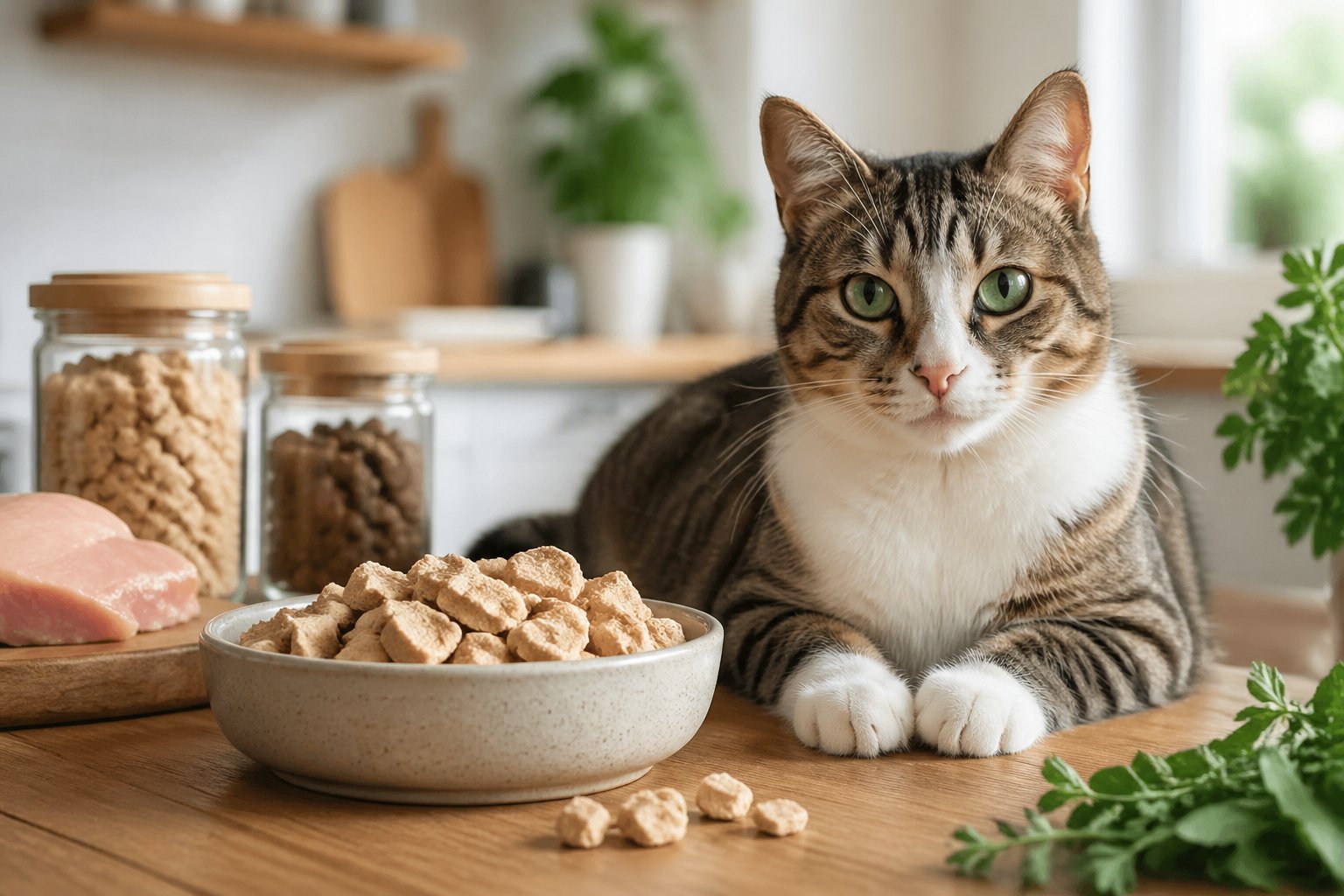
Cat owners often have questions about daily feeding practices, nutritional value, bacterial risks, and proper storage methods for freeze-dried products. These concerns become especially important when deciding whether to switch from traditional cat food or add freeze-dried options to your cat’s diet.
Is freeze-dried cat food safe for cats to eat daily?
Freeze-dried cat food can be safe for daily feeding if it meets AAFCO nutritional standards for your cat’s life stage. You should check the label to confirm the product is labeled as “complete and balanced.”
Not all freeze-dried products are designed for everyday use. Some are meant only as treats or meal toppers. Nutritional completeness varies between products, so you need to verify that the food contains essential nutrients like taurine.
Cats with weakened immune systems may face higher risks with freeze-dried raw diets. Young kittens, senior cats, and those with medical conditions should be evaluated by a veterinarian before switching to a daily freeze-dried diet.
How does freeze-dried cat food compare to kibble in nutrition and digestibility?
Freeze-dried cat food typically contains higher protein levels than traditional kibble. The freeze-drying process preserves nutrients better than high-heat cooking methods used for dry food.
Digestibility can be better with freeze-dried options because they often contain fewer fillers and more whole-food ingredients. Your cat may absorb more nutrients from freeze-dried food compared to standard kibble.
Kibble offers more convenience and longer shelf life once opened. Freeze-dried food usually costs more per serving but provides nutrient density that may require smaller portion sizes.
Is freeze-dried raw cat food safe, and what are the risks of bacteria or pathogens?
Freeze-dried raw cat food carries inherent risks related to bacterial contamination. The freeze-drying process reduces but does not completely eliminate pathogenic bacteria like Salmonella or E. coli.
People in your household can be exposed to these bacteria when handling the food or cleaning food bowls. Young children, elderly family members, and anyone with a compromised immune system face higher risks.
The freeze-drying process lowers bacterial risks compared to traditional raw feeding. However, you should still practice proper food handling and hygiene when serving these products.
Do freeze-dried cat treats have the same safety considerations as complete meals?
Freeze-dried treats carry similar bacterial risks as complete freeze-dried meals. You need to wash your hands after handling treats and store them properly to prevent contamination.
Treats are not nutritionally complete and should make up only a small portion of your cat’s daily calorie intake. Most veterinarians recommend limiting treats to 10% or less of total daily calories.
The quality and safety standards vary widely among treat manufacturers. You should choose treats from reputable companies that follow proper food safety protocols and testing procedures.
Should freeze-dried cat food be rehydrated before feeding, and when is it recommended?
Rehydrating freeze-dried food adds moisture to your cat’s diet. This can be helpful if your cat doesn’t drink enough water or has kidney issues.
You can feed freeze-dried food either dry or rehydrated based on your cat’s preferences. Some cats prefer the crunchy texture of dry pieces, while others enjoy rehydrated food that resembles fresh meat.
Rehydration takes only a few minutes by adding warm water to the food. The process makes nutrients easier to digest and can make the food more appealing through enhanced aroma and texture.
How should freeze-dried cat food be stored to maintain freshness and prevent spoilage?
Store unopened freeze-dried cat food in a cool, dry place away from direct sunlight. Heat and humidity can reduce the shelf life and quality of the product.
Once opened, you should seal the package tightly or transfer the food to an airtight container. Exposure to air can cause the food to lose nutritional value and become stale.
Rehydrated portions should be refrigerated if not eaten immediately and discarded after 24 hours. You should never leave rehydrated freeze-dried food at room temperature for more than two hours to prevent bacterial growth.