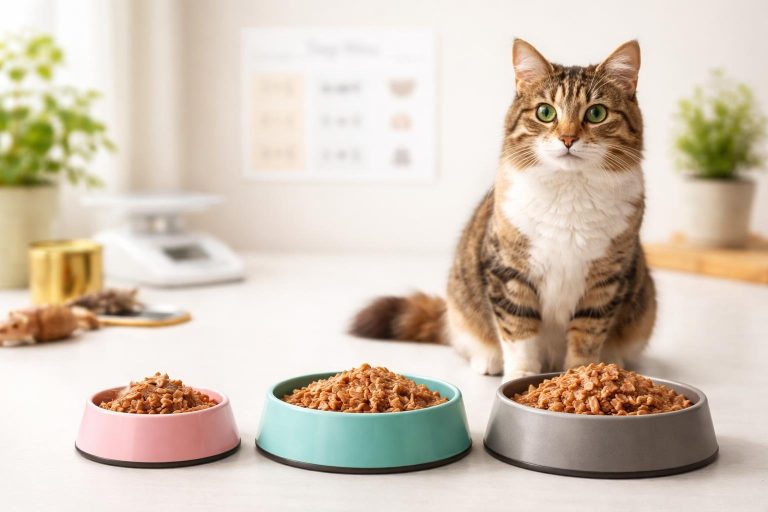
Cat Nutrition: Essential Components for a Healthy and Balanced Feline Diet
Choosing the right food for your cat affects their health, energy, and lifespan. A healthy and balanced cat food contains high-quality animal protein, essential fatty acids, vitamins, minerals, and limited carbohydrates to meet your cat’s nutritional needs as an obligate carnivore. Understanding what goes into your cat’s bowl helps you make informed decisions that keep them thriving.
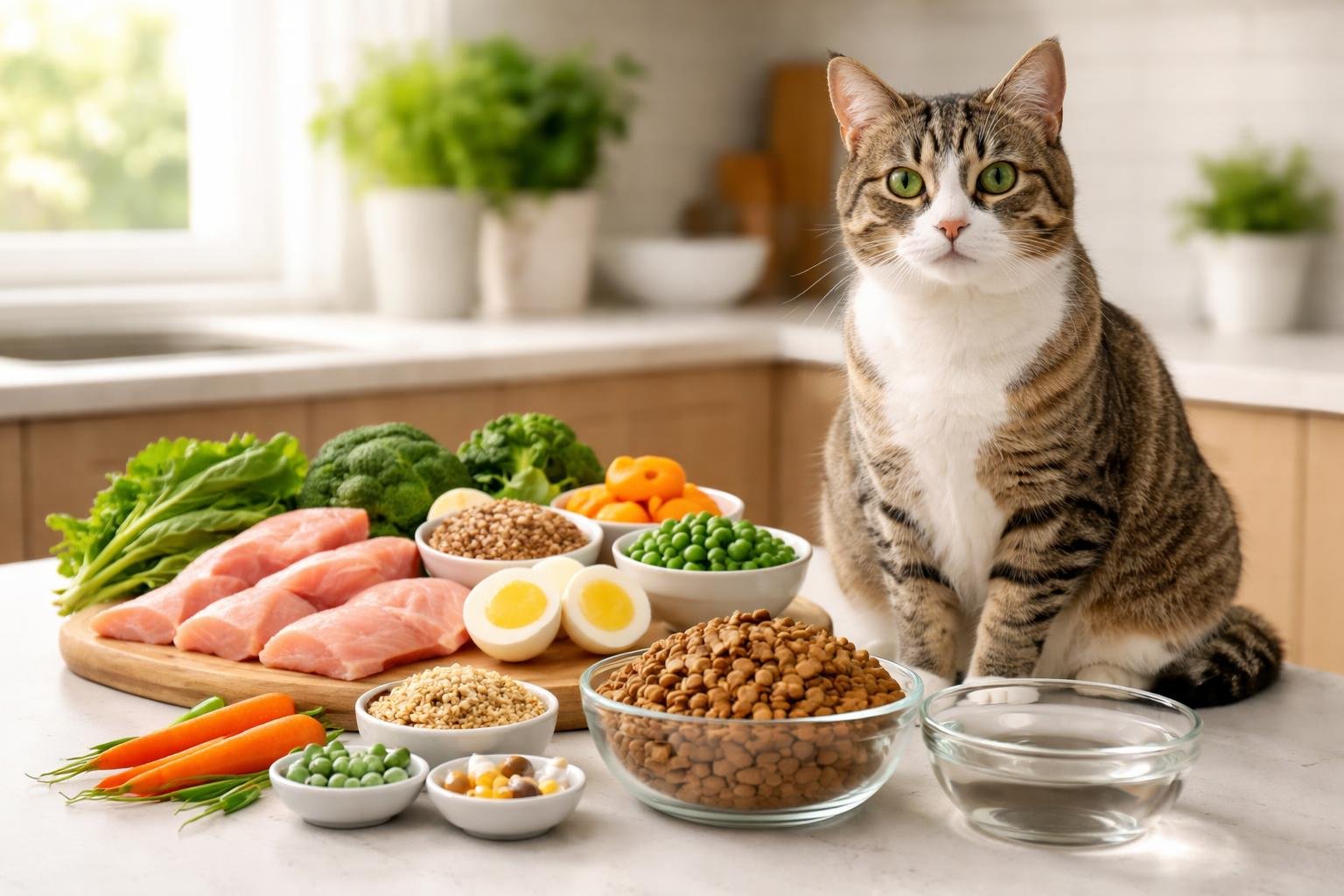
Feeding your cat requires more than just filling their dish each day. Different life stages demand different nutrients, and the quality of ingredients matters just as much as the quantity. Commercial cat foods vary widely in their formulas, and reading labels can feel confusing when you’re trying to determine which option truly supports your cat’s well-being.
This guide breaks down everything you need to know about cat nutrition. You’ll learn how to evaluate food labels, understand what nutrients cats actually need, and choose the right diet based on your cat’s age and health status. By the end, you’ll have the knowledge to confidently select food that provides complete and balanced nutrition for your feline companion.
Core Nutritional Requirements for Cats
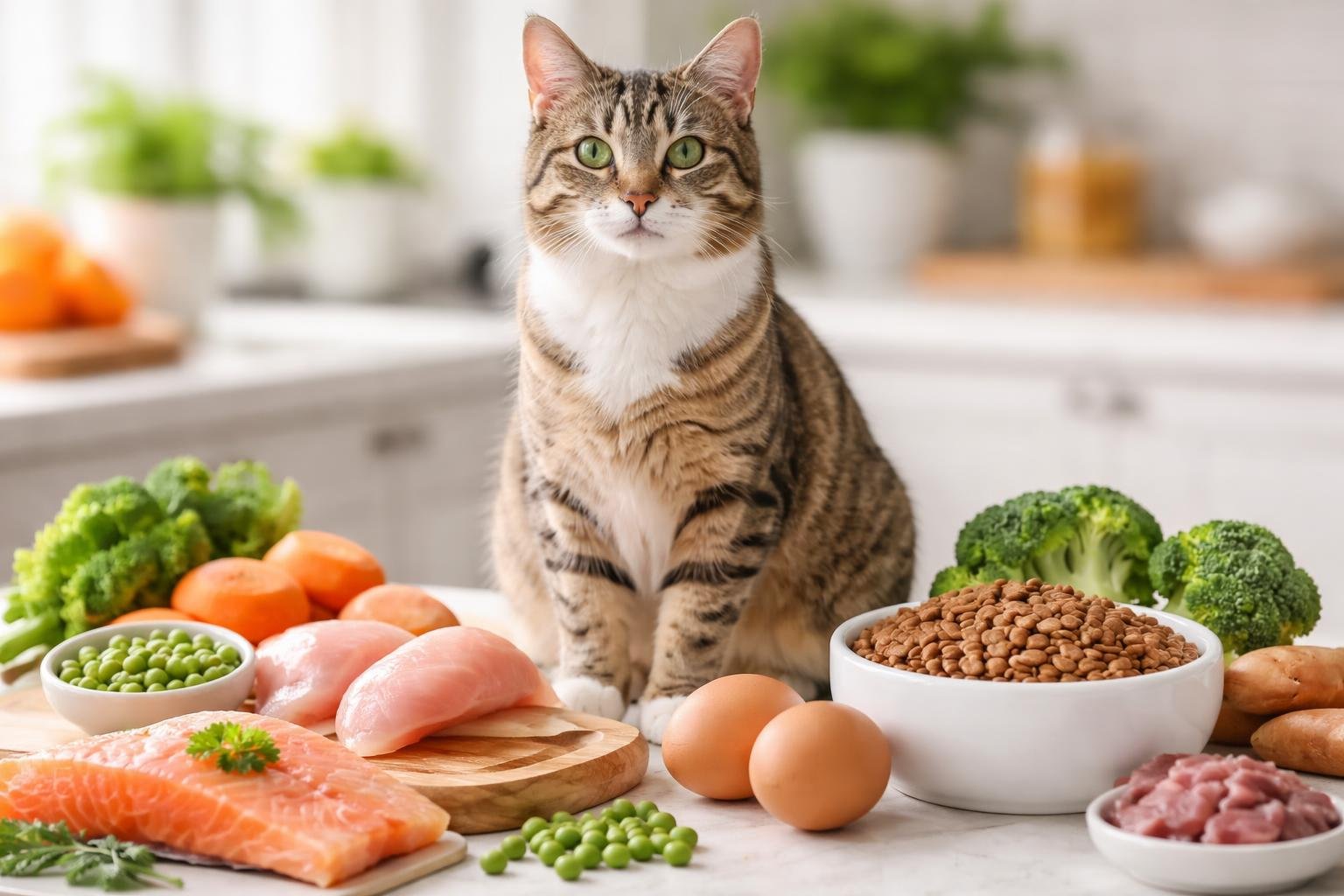
Cats need specific nutrients to stay healthy because they are obligate carnivores. Their bodies require animal-based proteins, certain amino acids like taurine, essential fatty acids, and a range of vitamins and minerals that work together to support their health.
Essential Amino Acids and Taurine
Your cat cannot make all the amino acids its body needs. Cats require 11 essential amino acids from their diet, including arginine, methionine, and taurine.
Taurine is the most critical amino acid for cats. Unlike dogs, cats cannot produce enough taurine on their own. Without adequate taurine, your cat can develop serious health problems including heart disease, blindness, and reproductive issues.
Your cat needs taurine from animal tissues. The amino acid is found naturally in meat, especially in organs like the heart and liver. Plant-based proteins do not contain taurine, which is why cats need animal protein in their diet.
Most commercial cat foods are fortified with taurine to meet your cat’s needs. Adult cats typically need at least 25 mg of taurine per kilogram of body weight daily.
Role of Animal Protein in a Cat Diet
Animal protein forms the foundation of proper feline nutrition. Your cat’s body is designed to process meat efficiently. Cats use protein not just for building muscle but also as a primary energy source.
Your cat needs more protein than dogs or humans. Adult cats require a minimum of 26% protein in their diet, while kittens need at least 30%. Active cats and pregnant or nursing mothers may need even more.
Animal proteins contain the complete amino acid profile cats need. Chicken, turkey, fish, beef, and other meats provide the right balance of nutrients. Plant proteins lack several essential amino acids and cannot fully meet your cat’s nutritional needs.
The quality of protein matters as much as the quantity. High-quality animal proteins are more digestible and provide better nutrition than low-quality protein sources or plant-based alternatives.
Importance of Omega Fatty Acids
Omega-6 fatty acids and omega-3 fatty acids play different but equally important roles in your cat’s health. Your cat cannot produce these fatty acids and must get them from food.
Omega-6 fatty acids support your cat’s skin health, coat condition, and immune function. Linoleic acid and arachidonic acid are the two most important omega-6 fatty acids for cats. Dogs can convert linoleic acid into arachidonic acid, but cats cannot make this conversion.
Omega-3 fatty acids reduce inflammation and support brain development, eye health, and kidney function. EPA and DHA are the most beneficial omega-3 fatty acids for cats. These come primarily from fish oils and marine sources.
The balance between omega-6 and omega-3 fatty acids matters for your cat’s health. A ratio between 5:1 and 10:1 (omega-6 to omega-3) is generally recommended for cats.
Vitamins, Minerals, and Water Needs
Your cat needs both fat-soluble vitamins (A, D, E, and K) and water-soluble vitamins (B-complex and sometimes vitamin C). Cats cannot convert beta-carotene into vitamin A like other animals can, so they must get pre-formed vitamin A from animal sources.
Key vitamins your cat needs:
- Vitamin A for vision and immune health
- Vitamin D for calcium absorption and bone health
- Vitamin E as an antioxidant
- B vitamins for energy metabolism
Minerals work together to support your cat’s body functions. Calcium and phosphorus build strong bones and teeth. The ratio between these minerals should be between 1:1 and 1.5:1 for adult cats.
Essential minerals include:
- Calcium and phosphorus for bones
- Potassium for heart and muscle function
- Magnesium for enzyme function
- Iron for blood health
Water is the most important nutrient for your cat. Cats evolved from desert animals and have a low thirst drive. Your cat needs about 2 to 4 ounces of water per 5 pounds of body weight daily. Wet food provides additional moisture, which helps prevent urinary tract problems and kidney disease.
Assessing Cat Food Quality and Labels
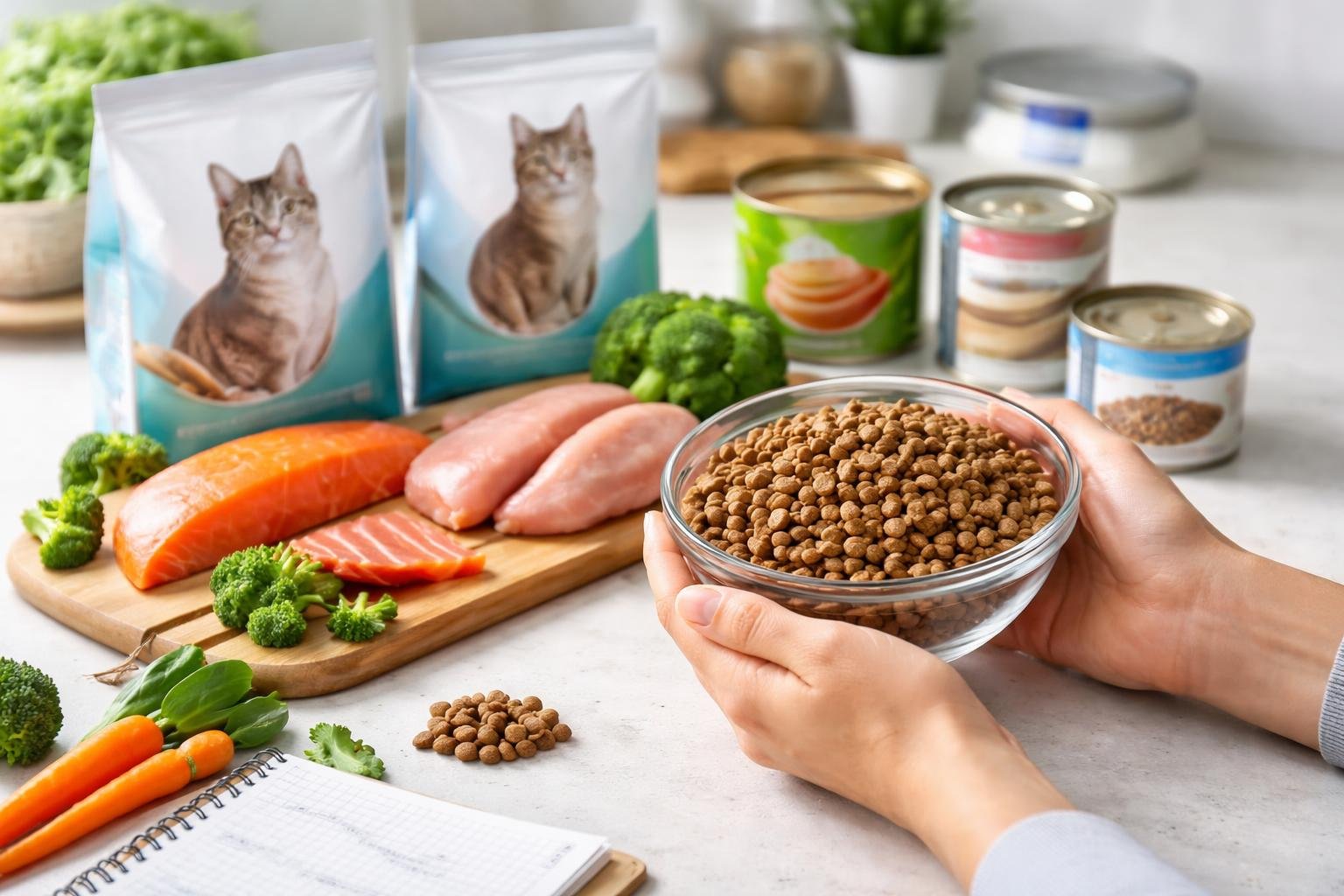
Cat food labels contain specific sections that tell you whether a product meets your cat’s nutritional needs. The AAFCO statement confirms if the food is complete and balanced, while the guaranteed analysis shows nutrient percentages and the ingredient list reveals what’s actually inside.
Understanding the AAFCO Statement
The AAFCO statement appears on every quality cat food package. This statement tells you if the food meets the minimum nutritional requirements for cats at specific life stages.
Look for phrases like “complete and balanced” on the label. This means the food contains all essential nutrients your cat needs. The statement also specifies which life stage the food supports, such as kitten, adult, or all life stages.
AAFCO sets standards through two methods. Food can pass laboratory analysis by meeting nutrient profiles, or it can complete feeding trials with real cats. Feeding trials provide better proof that cats can digest and use the nutrients. Check which method the manufacturer used, as this information appears in the nutritional adequacy statement.
Evaluating Guaranteed Analysis and Crude Protein
The guaranteed analysis displays minimum and maximum percentages of key nutrients. You’ll find numbers for crude protein, crude fat, crude fiber, and moisture content.
Key nutrients to check:
- Crude protein: Minimum percentage of protein (look for at least 26% for adult cats)
- Crude fat: Minimum fat content
- Crude fiber: Maximum fiber amount (typically 2-4% for healthy cats)
- Moisture: Maximum water content
The term “crude” refers to the measurement method, not quality. These numbers don’t show digestibility or amino acid profiles, which also matter for nutrition. Compare foods on a dry matter basis since moisture levels vary between wet and dry food.
Decoding Ingredient Lists and Label Claims
Ingredients appear by weight before processing. The first five ingredients make up most of the food’s content, so these matter most for evaluating your cat’s nutrition.
Watch for these patterns in ingredient lists:
- Named meat sources (chicken, turkey, salmon) instead of vague terms like “meat meal”
- Whole proteins listed early rather than split ingredients like “corn gluten meal” and “corn flour”
- Limited fillers and by-products
Front-of-package claims can mislead you. A bag might look premium but contain poor-quality ingredients. Words like “natural,” “premium,” or “gourmet” aren’t regulated and don’t guarantee quality. Focus on the actual ingredient list and nutritional information instead of marketing language.
Commercial Cat Food Types and Their Benefits
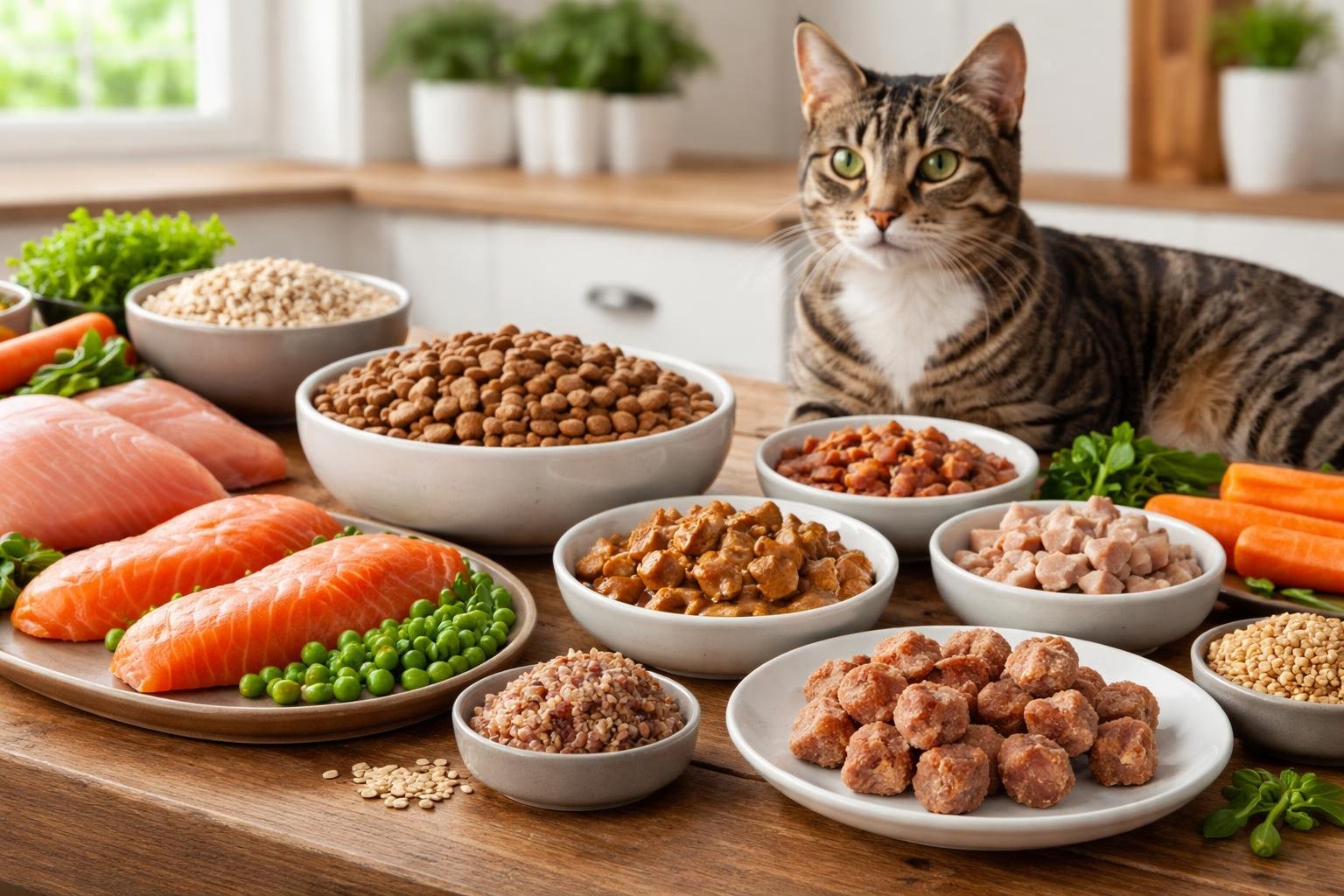
Each type of commercial cat food offers different nutritional profiles and practical advantages for your cat’s diet. Understanding these options helps you select the right food based on your cat’s age, health needs, and lifestyle preferences.
Dry Cat Food: Pros and Cons
Dry cat food provides convenience and long shelf life at a lower cost compared to other options. You can leave kibble in your cat’s bowl throughout the day without worrying about spoilage. This type of commercial cat food typically contains 6-10% moisture content.
Benefits of dry food:
- Cost-effective for daily feeding
- Easy to store and measure portions
- Helps reduce tartar buildup through mechanical cleaning
- Maintains freshness when stored properly
Drawbacks to consider:
- Lower moisture content may not support adequate hydration
- Higher carbohydrate levels than cats need naturally
- Less appealing taste and smell for picky eaters
- Can contribute to weight gain if portions aren’t controlled
Your cat needs additional water sources when eating primarily dry food. Many cats don’t drink enough water to compensate for the low moisture in kibble.
Wet and Canned Cat Food
Wet cat food contains 70-80% moisture, which closely matches the natural water content in prey animals. This moisture-rich option supports kidney function and urinary tract health. Canned cat food often appeals to cats who are selective about their meals.
The higher protein and fat content in wet food aligns better with your cat’s biological needs as an obligate carnivore. You’ll notice improved hydration when your cat eats wet food regularly. The variety of textures and flavors gives you more options if your cat refuses other foods.
Wet food requires refrigeration after opening and costs more per serving than dry kibble. You need to discard any uneaten portions within a few hours to prevent bacterial growth. The packaging creates more waste compared to large bags of dry food.
Fresh and Raw Cat Food Options
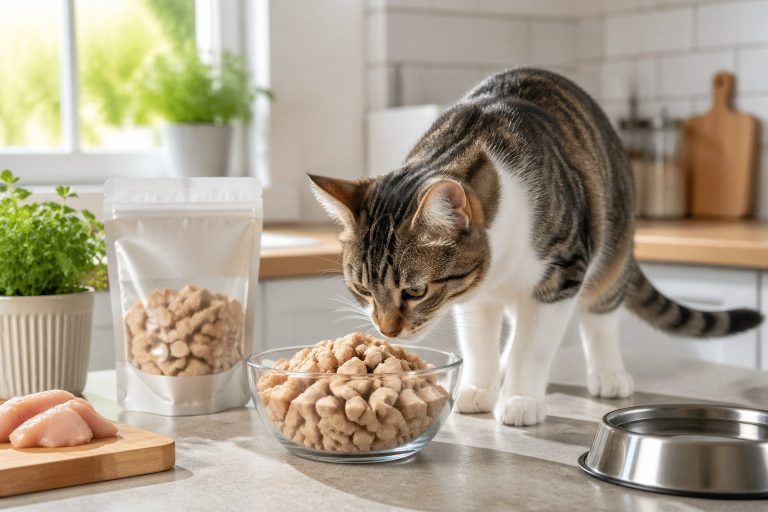
Fresh cat food uses minimally processed ingredients and requires refrigeration or freezing. These diets often come as complete meals prepared by companies or can be made at home with proper guidance.
Raw cat food consists of uncooked meat, organs, and bones that mimic what cats would eat in nature. Some raw diets include ground bones for calcium while others add supplements to meet nutritional requirements. You must handle raw food carefully to prevent contamination from bacteria like Salmonella or E. coli.
Key considerations for fresh and raw diets:
- Higher cost than traditional commercial options
- Requires consistent refrigeration and careful storage
- Needs proper balancing to meet all nutritional needs
- May carry food safety risks if not handled correctly
These types of cat food require more preparation time and planning than opening a can or pouring kibble.
Grain-Free and Specialty Formulations
Grain-free cat food eliminates wheat, corn, rice, and other cereal grains from the recipe. These formulas use alternative carbohydrate sources like potatoes, peas, or lentils. While cats don’t require grains in their diet, they also don’t commonly have grain allergies.
You might choose grain-free options if your cat has specific food sensitivities diagnosed by your veterinarian. Many grain-free formulas offer higher protein content and fewer fillers.
Common specialty formulations include:
- Limited ingredient diets for food allergies
- Weight management formulas with controlled calories
- Sensitive stomach recipes with easily digestible proteins
- Prescription diets for medical conditions
- Life stage-specific foods for kittens or senior cats
Specialty cat foods address particular health concerns but may not benefit every cat. Your veterinarian can help determine if your cat needs a specialized diet based on individual health markers and symptoms.
Life Stage Nutrition and Specialized Diets
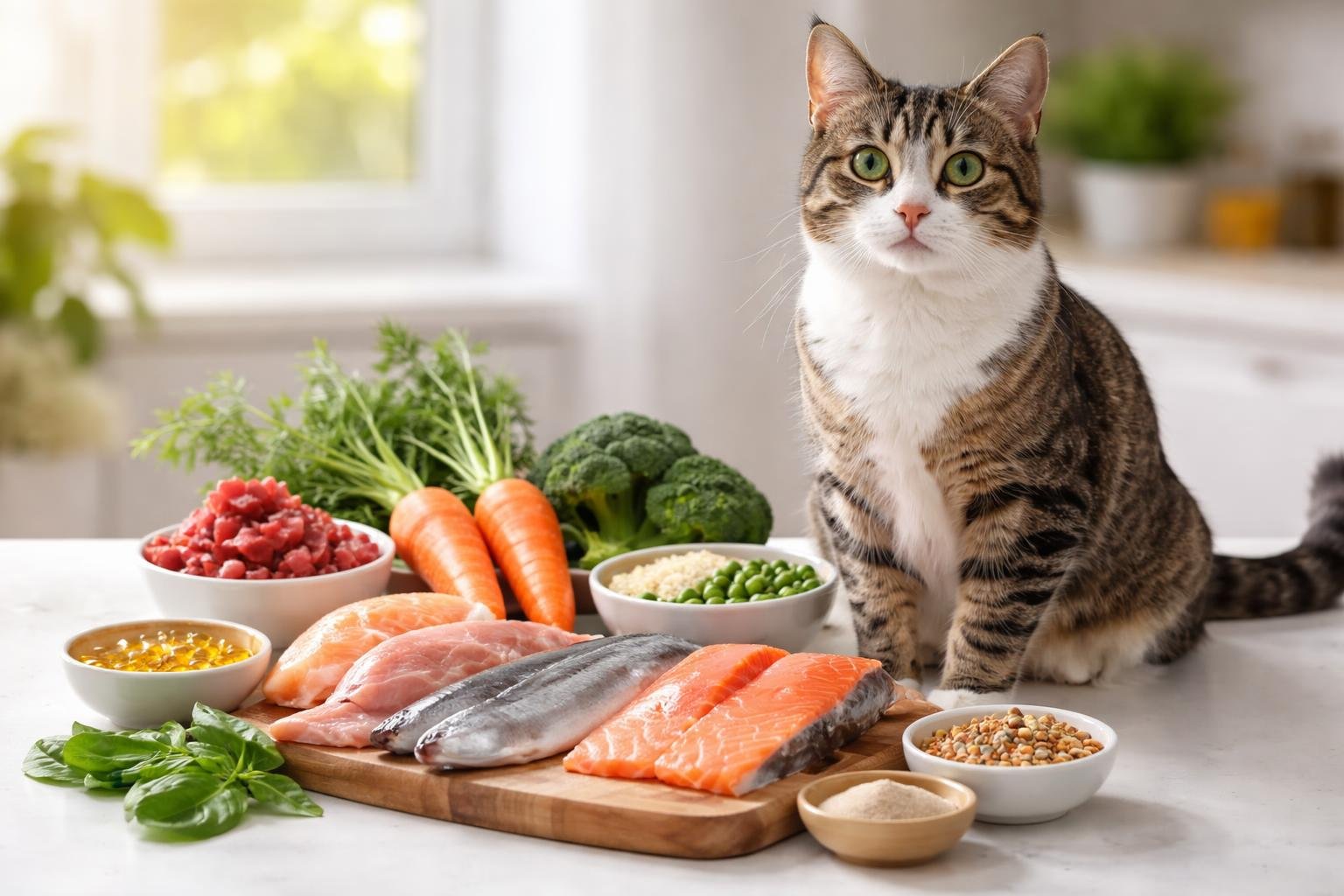
Cats need different nutrients and calorie levels as they age. Feeding your cat according to their age helps support healthy growth, maintain energy levels, and prevent age-related health issues.
Kitten Food for Growth and Development
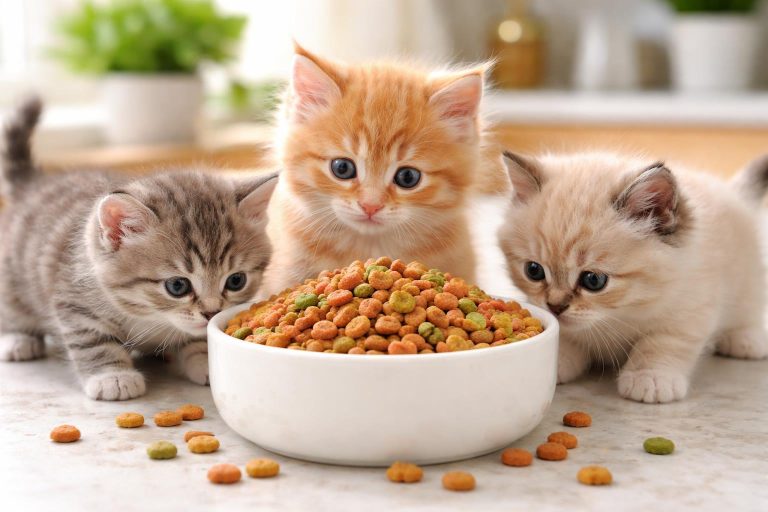
Kitten food contains higher levels of protein, fat, and calories than adult formulas. Your kitten needs this extra nutrition to support rapid growth during their first year of life. Their bones, muscles, and organs are developing quickly, so they require more energy per pound of body weight than adult cats.
Look for kitten food labeled “complete and balanced” for growth. This means the food meets minimum nutritional standards set by AAFCO (Association of American Feed Control Officials). Kittens typically need to eat three to four times per day until they reach six months old.
Key nutrients in kitten food include:
- DHA for brain and eye development
- Calcium and phosphorus for strong bones
- High-quality animal protein for muscle growth
- Essential fatty acids for healthy skin and coat
Most kittens should stay on kitten food until they reach 12 months of age. Large breed cats may benefit from kitten food until 18-24 months.
Adult Cat Food for Maintenance
Adult cat food provides balanced nutrition to maintain your cat’s health and ideal weight. Your cat enters the adult stage around one year of age and stays there until about seven years old. During this time, they need fewer calories than kittens but still require high-quality protein.
Pet food in the United States must include a nutritional adequacy statement showing the food provides complete nutrition for adult maintenance. The best cat food for adults contains animal-based protein as the first ingredient and limited carbohydrates.
Adult cats need portion control to prevent obesity. Obesity is the most common nutrition-related problem in cats and increases their risk for arthritis and diabetes. Follow feeding guidelines on the package and adjust based on your cat’s body condition.
Senior Cat Food Considerations
Senior cats, typically seven years and older, experience changes in metabolism and digestion. Your older cat may need fewer calories to prevent weight gain, but they still require high-quality protein to maintain muscle mass. Some senior cats actually lose weight and need more calorie-dense food.
Senior cat nutrition requires specific adjustments to address common age-related issues. Your senior cat may benefit from food that’s easier to chew and digest. They might also need added joint support through glucosamine and omega-3 fatty acids.
Common features of senior cat food:
- Lower calorie content for less active cats
- Higher fiber for digestive health
- Added antioxidants for immune support
- Increased moisture content
Watch your senior cat’s eating habits closely. Changes in appetite or water intake can signal health problems that need veterinary attention.
Expert Guidance and Choosing the Best Cat Food
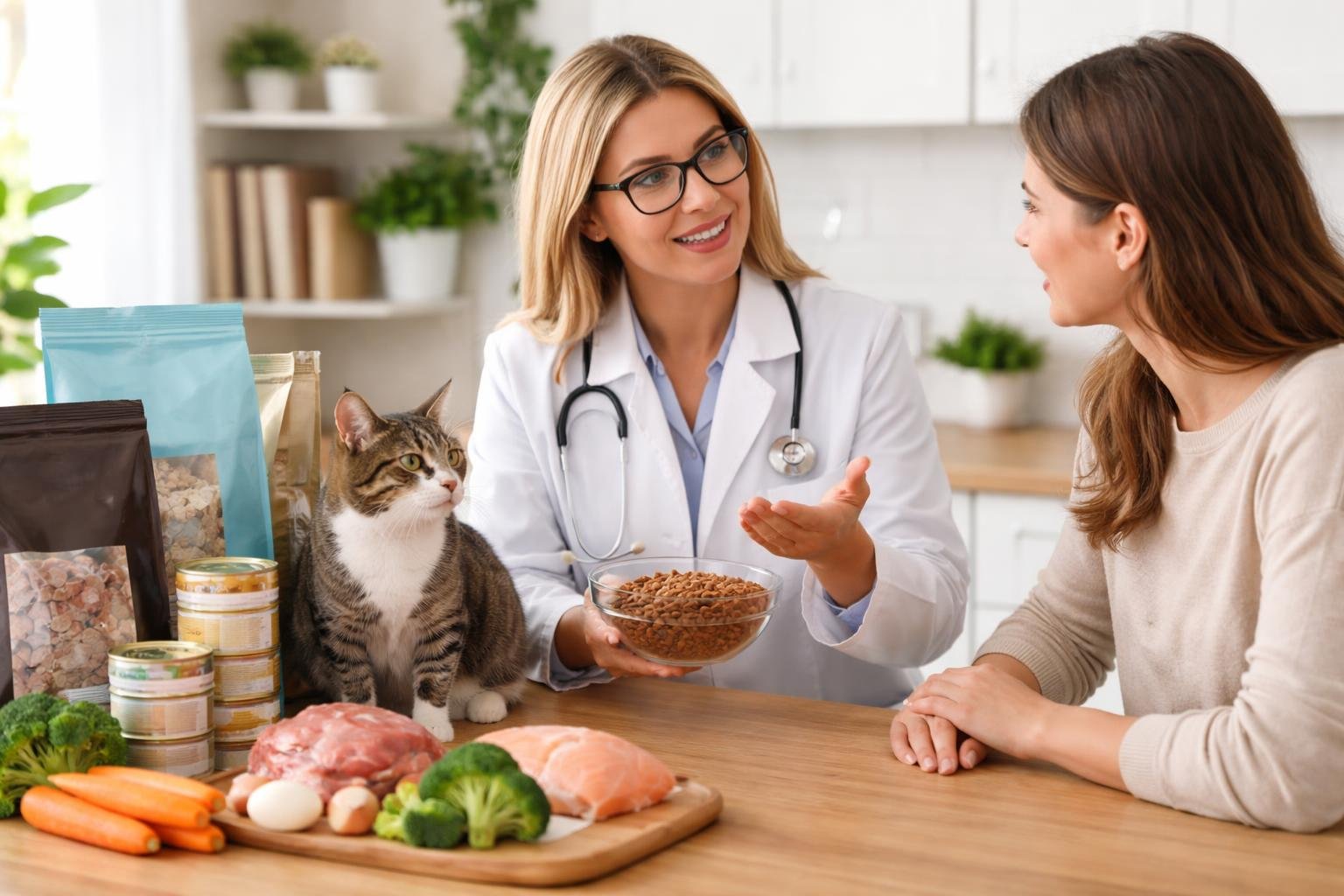
A veterinary nutritionist provides specialized knowledge about feline dietary needs, while established brands like Purina and Royal Canin offer research-backed formulas. Homemade diets require careful planning to avoid nutritional gaps that can harm your cat’s health.
Role of the Veterinary Nutritionist
A board-certified veterinary nutritionist has advanced training in animal nutrition beyond standard veterinary school. These specialists complete additional years of study and board certification through the American College of Veterinary Nutrition.
You should consult a veterinary nutritionist when your cat has complex health issues like kidney disease, food allergies, or diabetes. They create customized meal plans based on your cat’s specific medical needs and life stage.
Your regular veterinarian can handle basic nutrition questions and recommend commercial foods. However, a board-certified veterinary nutritionist becomes essential if you want to feed homemade diets or if your cat needs a therapeutic diet plan.
These experts stay current on nutrition research and can interpret food labels accurately. They understand how different ingredients affect your cat’s body and can spot marketing claims that lack scientific support.
Evaluating Well-Known Cat Food Brands
Major cat food brands like Purina, Royal Canin, Purina One, and Fancy Feast employ veterinary nutritionists to develop their formulas. These companies invest in feeding trials and research to ensure their products meet nutritional standards.
Look for brands that follow AAFCO standards and conduct feeding trials rather than just laboratory analysis. Purina and Royal Canin both perform extensive testing on actual cats to verify their foods support health over time.
Key quality indicators include:
- Named animal proteins in the first few ingredients
- AAFCO nutritional adequacy statement on the label
- Company employs veterinary nutritionists
- Transparent manufacturing processes
- History of quality control and recalls
Brand reputation matters because established companies have quality control systems in place. You can contact these manufacturers directly to ask about their nutritional expertise and testing procedures.
Homemade Cat Food: Risks and Planning
Homemade cat food carries significant risks if you don’t formulate it correctly. Cats need specific nutrients like taurine, arachidonic acid, and vitamin A that must come from animal sources in precise amounts.
Most homemade diets created without professional guidance lack essential nutrients. Your cat might seem healthy for months while developing deficiencies that cause serious health problems later. Taurine deficiency alone can lead to heart disease and blindness.
You must work with a board-certified veterinary nutritionist if you choose to make homemade food. They will create a complete recipe that includes necessary supplements and provide specific ingredient amounts and preparation instructions.
Homemade diet requirements:
- Board-certified nutritionist consultation
- Precise ingredient measurements
- Required vitamin and mineral supplements
- Regular blood work to monitor health
- Commitment to follow recipes exactly
Never use recipes from websites or books without veterinary nutritionist approval. Even small variations in ingredients or portions can create dangerous nutritional imbalances over time.
Feeding Practices and Monitoring Cat Health
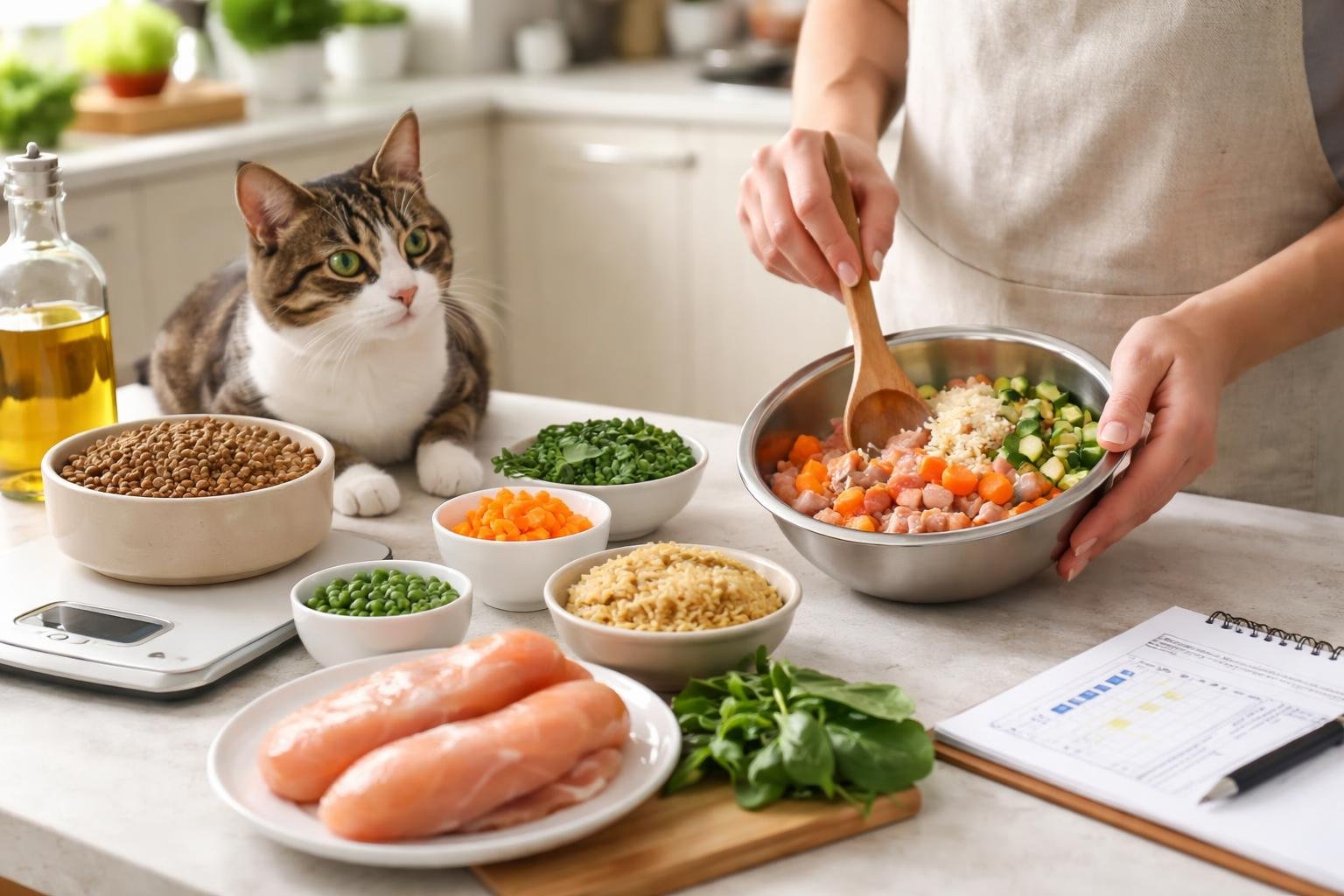
How often you feed your cat and how much you give them directly affects their weight and overall health. Proper feeding schedules, careful food transitions, and regular health monitoring help prevent obesity and nutritional problems.
Meal Frequency and Portion Control
Most adult cats do well with two meals per day, spaced about 12 hours apart. This schedule matches their natural hunting patterns and helps maintain steady energy levels throughout the day.
Kittens need more frequent meals because of their faster metabolism. Feed kittens under six months old three to four times daily. Between six months and one year, you can reduce this to two or three meals per day.
Obesity is the most common nutrition-related problem in cats and leads to arthritis and diabetes. Measure your cat’s food portions using a standard measuring cup instead of estimating. Check the feeding guidelines on your cat food package, but remember these are starting points. Your cat’s actual needs depend on their age, activity level, and metabolism.
Daily Feeding Guidelines by Weight:
- 5-9 pounds: 1/4 to 1/3 cup dry food or 5-6 oz wet food
- 10-14 pounds: 1/3 to 1/2 cup dry food or 6-8 oz wet food
- 15+ pounds: Consult your veterinarian
Transitioning Foods and Addressing Special Needs
Never switch your cat’s food suddenly. A gradual transition over 7-10 days prevents digestive upset like vomiting and diarrhea.
Mix the new food with the old using this schedule:
- Days 1-2: 25% new food, 75% old food
- Days 3-4: 50% new food, 50% old food
- Days 5-6: 75% new food, 25% old food
- Days 7+: 100% new food
Some cats need special diets. Pregnant and nursing cats require more calories and protein. Senior cats often benefit from foods with adjusted protein levels and added joint support. Cats with health conditions like kidney disease or diabetes need prescription diets formulated for their specific needs.
When feeding wet food, remember that opened cans stay fresh in the refrigerator for only 2-3 days. Warm refrigerated food slightly before serving to improve palatability.
Observing Cat Health and Wellbeing
Regular monitoring helps you catch health problems early. Check your cat’s body condition monthly by feeling their ribs. You should feel the ribs easily without pressing hard, but they shouldn’t be visible.
Watch for these warning signs:
- Weight changes: Gain or loss of more than 10% of body weight
- Eating behavior: Sudden increase or decrease in appetite
- Water intake: Drinking significantly more or less than usual
- Litter box changes: Diarrhea, constipation, or increased urination
- Coat quality: Dull, greasy, or matted fur
- Energy levels: Lethargy or unusual hyperactivity
Track your cat’s weight every 2-4 weeks if they’re on a weight management plan. Keep a simple log with dates and weights to show your veterinarian. Nutritional assessments at every veterinary visit help ensure your cat gets proper nutrition for their specific needs.
Contact your veterinarian if your cat refuses food for more than 24 hours. Cats can develop serious liver problems when they stop eating, especially if they’re overweight.
Frequently Asked Questions
Cats require specific nutrients in precise amounts to thrive, and understanding food labels, feeding options, and dietary restrictions helps you make informed decisions about your cat’s diet.
What nutrients do cats need daily to stay healthy, and in what amounts?
Cats need high-quality animal protein as their primary nutrient. Adult cats require at least 26% protein in their diet, while kittens need 30% or more to support growth.
Fats are equally important and should make up at least 9% of an adult cat’s diet. These fats provide essential fatty acids like omega-3 and omega-6 that support skin, coat, and organ health.
Taurine is a critical amino acid that cats cannot produce on their own. They need between 0.1% to 0.2% taurine in their food to prevent heart disease and vision problems.
Cats require specific amino acids like taurine that aren’t found in dog food or human food. Your cat also needs vitamins A, D, E, and B-complex, along with minerals like calcium, phosphorus, and magnesium in balanced ratios.
Water is vital even though it’s not technically a nutrient. Cats need constant access to fresh water, especially if they eat primarily dry food.
How can you tell if a cat food is complete and balanced based on the label and ingredient list?
Look for an AAFCO (Association of American Feed Control Officials) statement on the package. This statement confirms the food meets nutritional standards for cats at specific life stages.
The ingredient list appears in descending order by weight. Quality cat foods list a specific animal protein like chicken, turkey, or fish as the first ingredient rather than generic terms like “meat” or “poultry.”
Understanding what makes nutritional cat food involves checking for complete ingredient transparency. Avoid foods with excessive fillers like corn, wheat, or soy listed among the top five ingredients.
The guaranteed analysis panel shows minimum percentages of protein and fat, plus maximum percentages of fiber and moisture. Compare these numbers across brands to ensure your cat gets adequate nutrition.
Watch for vague terms like “by-products” or “meal” without specifying the animal source. Quality foods clearly identify what protein sources they contain.
Is wet food or dry food better for a cat’s overall health and hydration?
Wet food contains 70-80% moisture, which helps cats stay hydrated. This is particularly beneficial since cats have a low thirst drive and often don’t drink enough water on their own.
Dry food offers convenience and helps reduce dental tartar through mechanical chewing action. It also costs less per serving and stays fresh longer in your cat’s bowl.
Many veterinarians recommend feeding a combination of both wet and dry food. This approach provides hydration benefits while maintaining some dental advantages and variety in your cat’s diet.
Feeding guidelines vary based on diet types and your cat’s individual needs. Wet food may benefit cats with urinary tract issues, kidney disease, or diabetes due to its high water content.
Dry food works well for cats who graze throughout the day. However, you need to monitor portions carefully since dry food is calorie-dense and can lead to weight gain.
What are safe and practical options to feed a cat if commercial cat food isn’t available?
Plain cooked chicken, turkey, or fish can serve as a temporary meal. Remove all bones, skin, and seasonings before feeding these proteins to your cat.
Cooked eggs provide complete protein and essential amino acids. Scramble or hard-boil them without butter, oil, or salt.
Small amounts of plain cooked rice or oatmeal can be mixed with meat for added calories. However, these grains should never make up more than 10% of the meal since cats are obligate carnivores.
You should only use these emergency options for a day or two at most. Cats need commercially formulated, nutritionally balanced food rather than homemade diets, which often lack crucial nutrients like taurine.
Baby food containing only meat and water can work in a pinch. Check labels carefully to ensure it contains no onion or garlic powder, which are toxic to cats.
Which human foods are safe for cats to eat regularly, and which should be avoided?
Safe human foods include plain cooked meats like chicken, turkey, and lean beef. Small amounts of cooked fish like salmon or tuna provide omega-3 fatty acids.
Plain cooked vegetables like pumpkin, peas, or carrots offer fiber in small quantities. Some cats also enjoy small pieces of cantaloupe or watermelon as occasional treats.
Never feed your cat chocolate, onions, garlic, grapes, raisins, or anything containing xylitol. These foods are toxic and can cause serious health problems or death.
Dairy products often cause digestive upset in adult cats since most are lactose intolerant. Avoid milk, cheese, and ice cream despite popular misconceptions about cats drinking milk.
Raw meat, fish, and eggs carry risks of bacterial contamination and parasites. Cooked bones can splinter and cause choking or intestinal damage.
Alcohol, caffeine, raw dough, and foods high in salt or fat should never be given to cats. Even small amounts can lead to serious medical emergencies.
What dietary factors should be considered when choosing food for an indoor cat or a cat with hyperthyroidism?
Indoor cats burn fewer calories than outdoor cats due to reduced activity levels. They need food with controlled calorie density to prevent obesity, which affects over half of domestic cats.
Obesity makes cats susceptible to health problems including arthritis and diabetes. Choose foods formulated specifically for indoor cats, which typically contain fewer calories and more fiber to promote satiety.
Portion control matters more than food type for indoor cats. Measure meals carefully and avoid free-feeding dry food throughout the day.
Cats with hyperthyroidism need foods low in iodine since this mineral affects thyroid hormone production. Some prescription diets limit i