Cat Constipation: 5 Warning Signs & What to Do Next
Cats typically poop once a day, but when your cat hasn’t had a bowel movement in 48 to 72 hours, constipation might be the problem. Cat constipation occurs when your cat has difficulty passing stool or can’t pass stool at all, and it can range from a minor issue to a serious medical emergency if left untreated. Understanding the warning signs early can help you prevent your cat from developing painful complications.
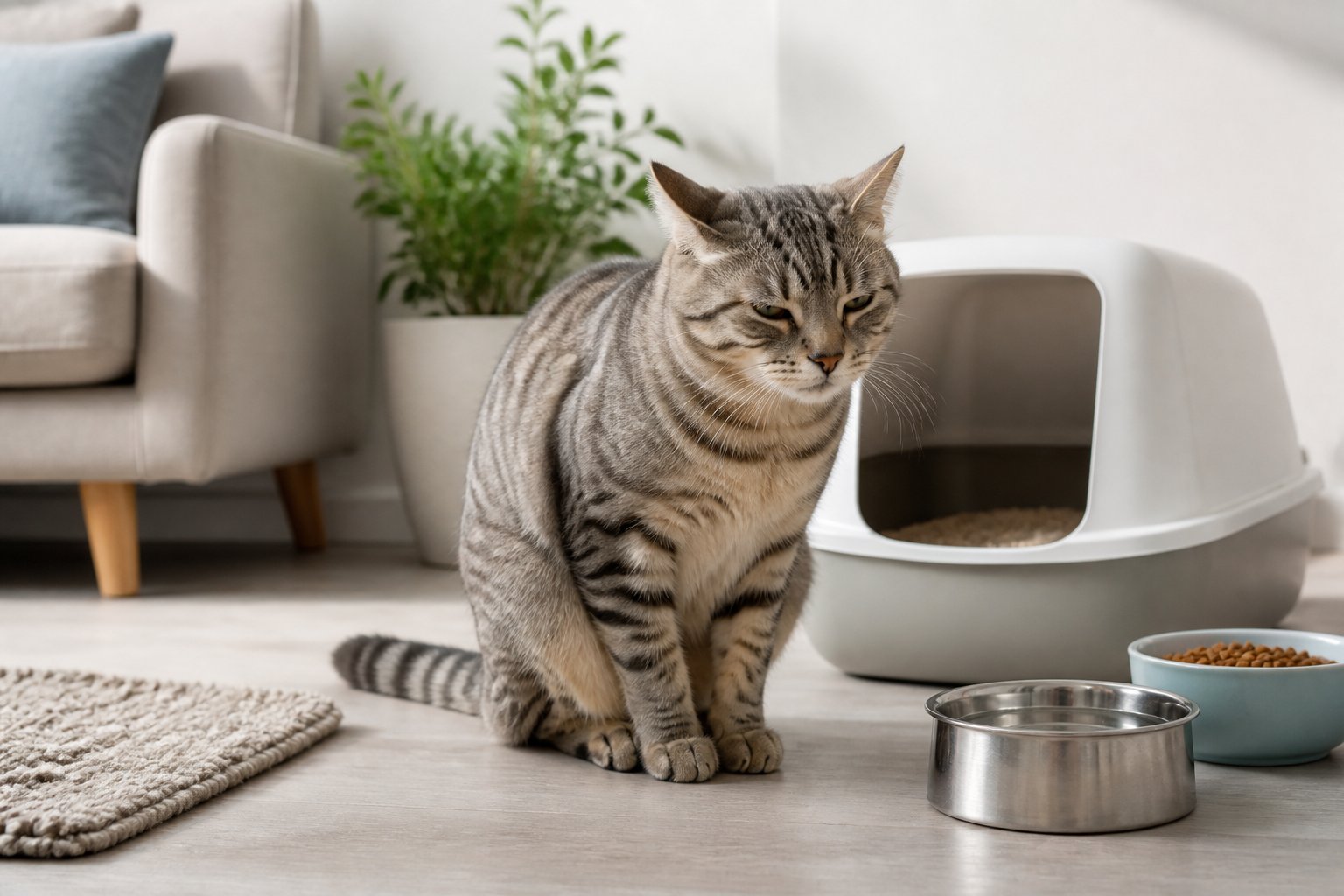
Feline constipation affects cats of all ages, though it’s most common in middle-aged and senior cats. Your cat might strain in the litter box, cry out in pain, or produce only small, hard pellets instead of normal stool. Some cats even avoid the litter box entirely when they associate it with discomfort.
Recognizing the warning signs quickly helps you decide whether your cat needs home care or a trip to the vet. This guide will walk you through how to spot constipation in cats, what causes it, when it becomes dangerous, and what you can do to help your cat feel better.
Recognizing the Warning Signs of Cat Constipation
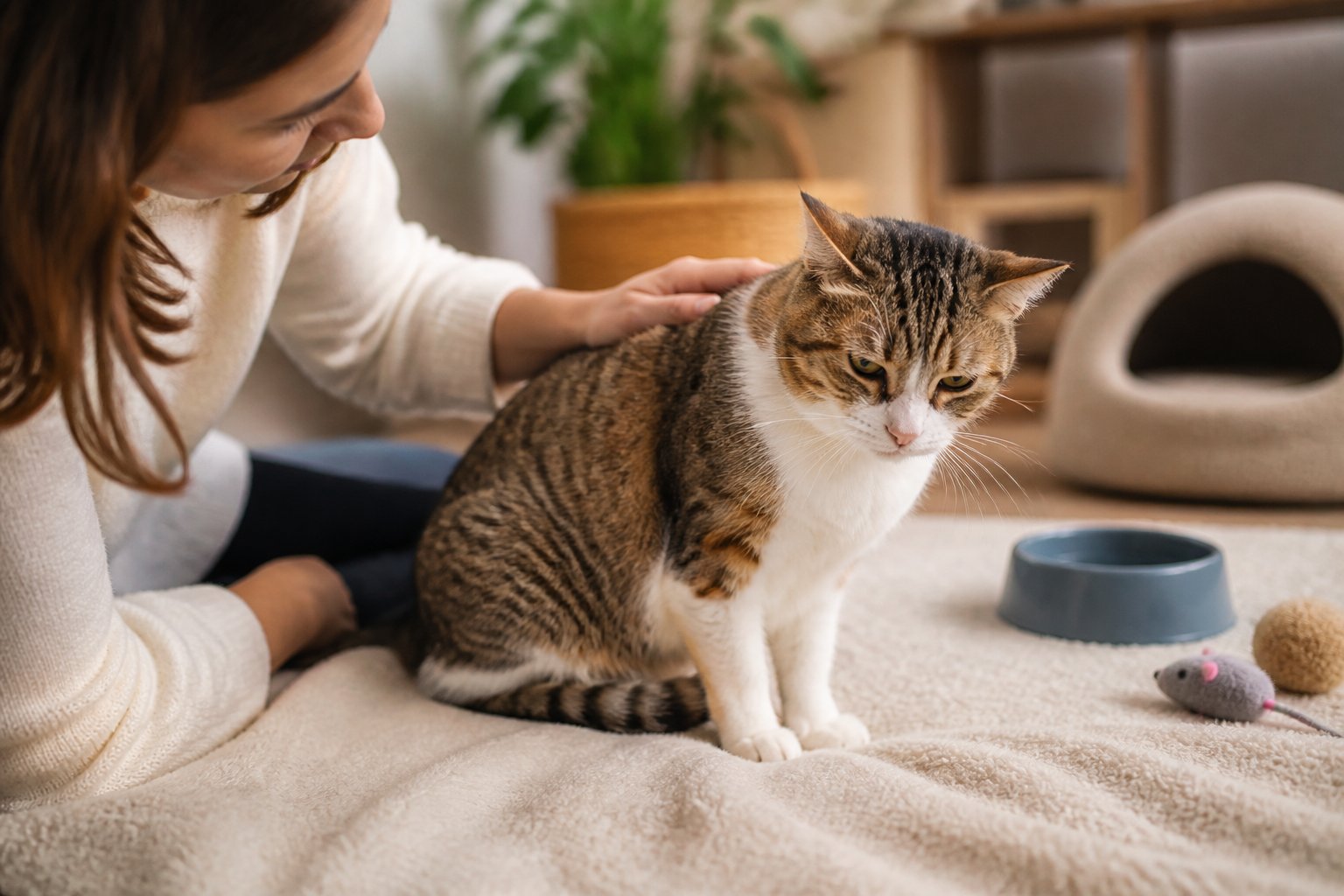
Cats typically hide discomfort well, but constipation produces several telltale signs that attentive owners can spot. Most cats should have a bowel movement every 12-24 hours, and any deviation from this pattern alongside behavioral changes warrants close attention.
Straining to Defecate and Litter Box Behavior
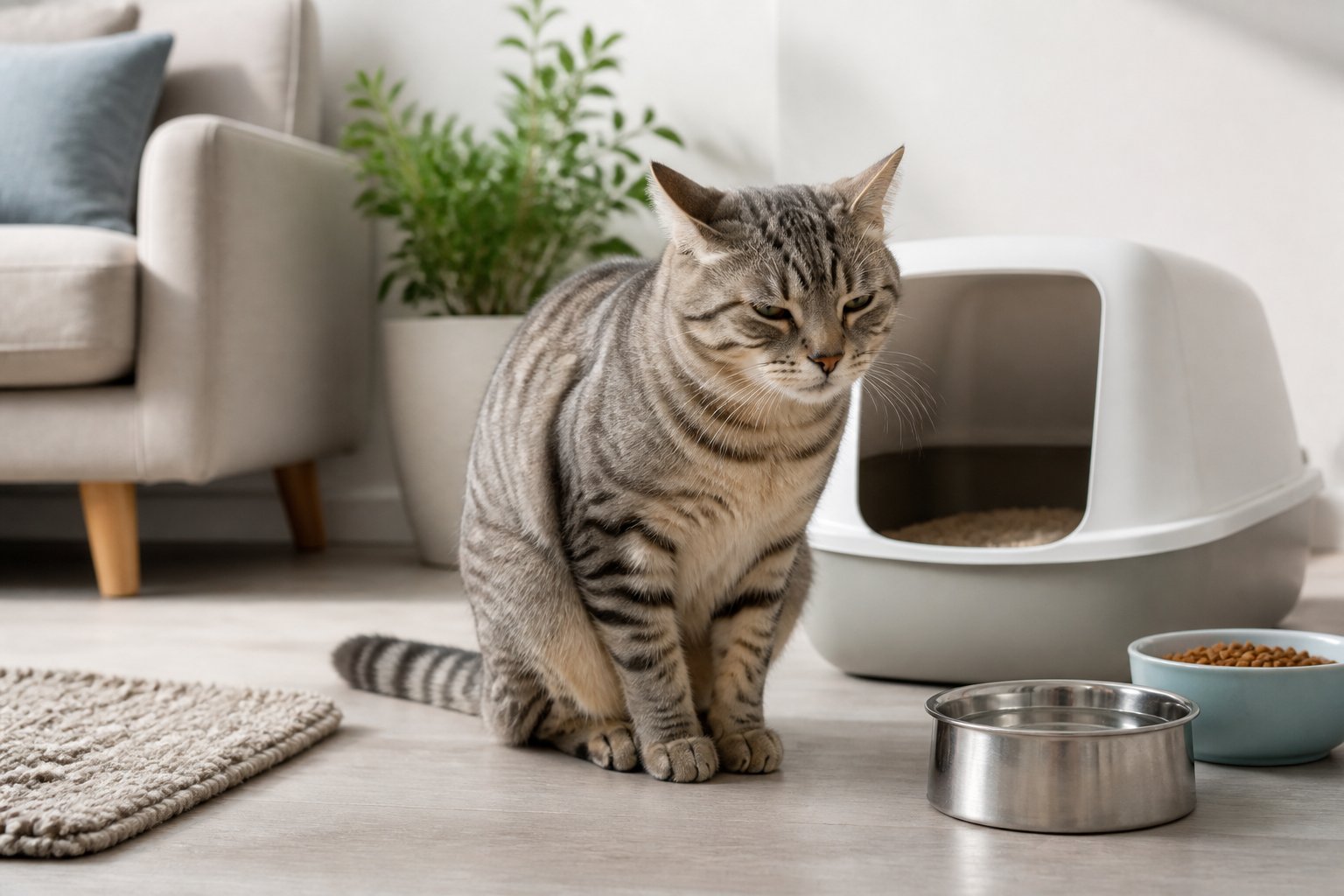
When your cat is straining in the litter box, you’ll notice them spending more time than usual in their characteristic defecation posture with little to no result. They may cry out or vocalize during these attempts due to pain or frustration.
Frequent visits to the litter box become common as constipated cats feel a constant urge to pass stool. Your cat might enter and exit the box multiple times within a short period, each time producing minimal or no feces.
Watch for your cat spending several minutes in the box while visibly pushing or tensing their body. This straining to defecate differs from normal bathroom behavior and indicates difficulty passing stool.
Changes in Stool Appearance
The stool itself provides clear evidence of constipation when it does appear. You’ll find hard, dry pellets that are significantly smaller than your cat’s normal bowel movements.
Some constipated cats produce stools that are rock-hard or appear as separate, uncomfortable-looking balls rather than formed logs. The feces may also be covered in mucus or have small amounts of blood on the surface from straining.
Complete absence of stool in the litter box for 24 hours or more is a major red flag. If you’re not finding any feces during your regular scooping routine, your cat likely isn’t passing stool at all.
Lethargy and Loss of Appetite
Decreased energy levels accompany constipation as abdominal discomfort makes cats reluctant to move around normally. Your typically playful cat may spend more time lying down or sleeping in secluded spots.
Appetite changes often follow as nausea and fullness from backed-up stool make eating unappealing. Your cat might sniff their food without eating, take a few bites and walk away, or refuse meals entirely.
You might also notice your cat avoiding interaction with family members. This isolation behavior signals that something is wrong and they don’t feel well enough for normal social activities.
Abdominal Discomfort and Vomiting
A tense or visibly swollen belly indicates excessive stool, gas, and distension in the digestive tract. Your cat may resist being picked up or react negatively when you touch their abdomen.
Vomiting occurs when constipation becomes severe enough to cause nausea or create a sense of fullness in the digestive system. Your cat might vomit undigested food, liquid, or even bile.
Important: If your cat is both constipated and vomiting, this requires immediate veterinary attention as it may indicate an intestinal blockage. Don’t wait to see if symptoms improve on their own.
Litter Box Avoidance and Accidents
Cats may begin avoiding their litter box when they associate it with the pain of trying to defecate. This learned behavior develops quickly if your cat experiences discomfort each time they enter the box.
You might find your cat posturing to defecate in unusual locations around your home, such as on carpet, in corners, or near the litter box but not inside it. These accidents happen because the urge to go becomes overwhelming despite the pain.
Changes in litter box habits can also stem from underlying issues that cause constipation, such as:
- Dirty litter boxes that your cat finds unpleasant
- Stressful placement near noisy appliances or high-traffic areas
- Difficult access due to arthritis or mobility problems
- Recent litter changes that your cat dislikes
Common Causes and Risk Factors
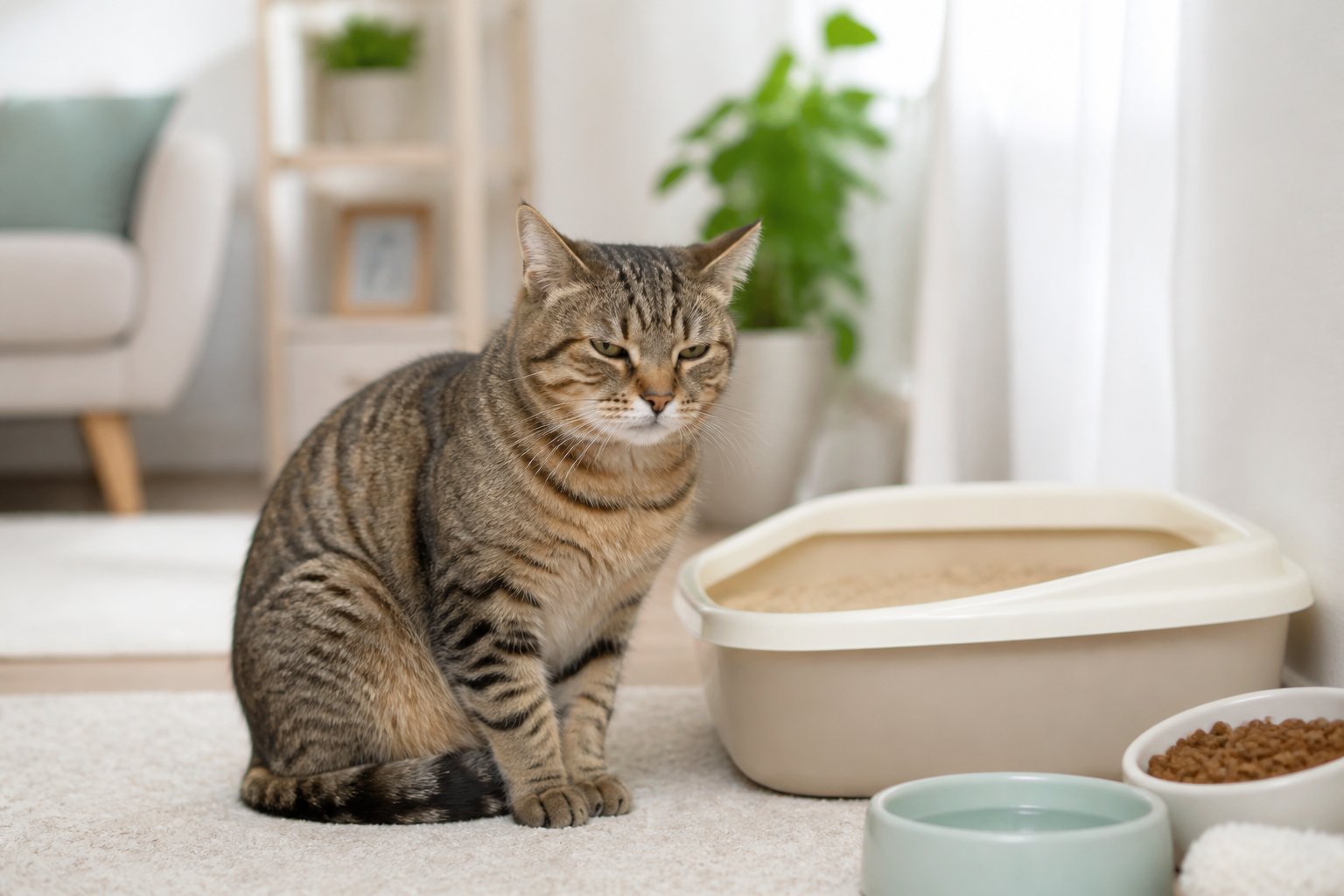
Cat constipation develops from several key factors that affect the digestive system. Water intake, diet quality, underlying health problems, and stress all play major roles in whether your cat can pass stool normally.
Dehydration and Inadequate Water Intake
Water helps keep your cat’s stool soft enough to pass through the large intestine. When your cat doesn’t drink enough water, their body absorbs more moisture from the stool in the colon. This makes the waste harder and more difficult to eliminate.
Cats naturally have a low thirst drive since they evolved from desert animals. Your cat might avoid their water bowl if it’s dirty, placed near their litter box, or if they prefer running water over still water. Some cats also develop mobility issues or mouth pain that makes drinking uncomfortable.
Signs your cat may be dehydrated include:
- Dry, sticky gums
- Loss of skin elasticity
- Sunken eyes
- Lethargy
Dietary Issues and Hair Ingestion
What your cat eats directly affects their bowel movements. Low-fiber diets can lead to harder stools that move slowly through the intestines. Dry food contains less moisture than wet food, which can contribute to dehydration and firmer waste.
Hairballs present another common dietary challenge. When your cat grooms themselves, they swallow loose fur that can accumulate in the digestive tract. Small amounts usually pass through without problems, but large clumps can mix with stool and create blockages.
Long-haired cats face higher risks for hair-related constipation. Regular brushing removes loose fur before your cat can ingest it. Adding fiber to your cat’s diet or switching to specially formulated hairball-control foods may help prevent buildup.
Medical Conditions and Megacolon
Several health problems increase your cat’s risk of becoming constipated. Kidney disease, diabetes, and hyperthyroidism all affect how the digestive system functions. Arthritis can make it painful for your cat to position themselves properly in the litter box.
Megacolon is a serious condition where the large intestine becomes stretched and loses muscle tone. The colon walls weaken and can’t push stool through effectively. This creates a cycle where more waste builds up, stretching the colon further.
Common causes of megacolon include:
- Chronic untreated constipation
- Nerve damage in the colon
- Obstruction from foreign objects
- Pelvic injuries
Once megacolon develops, it often doesn’t respond well to standard treatments. Your cat may need ongoing medication or surgery.
Environmental and Behavioral Stressors
Your cat’s emotional state and surroundings affect their bathroom habits. Litter box problems rank among the top behavioral causes of constipation. Cats are particular about cleanliness and may hold their stool if the box is dirty.
Changes in the household create stress that disrupts normal bowel function. Moving to a new home, adding a new pet, or placing the litter box in a noisy area can make your cat avoid using it. Some cats develop anxiety about the litter box if they experienced pain while trying to defecate.
Lack of exercise also contributes to sluggish digestion. Indoor cats who spend most of their time sleeping don’t get the physical activity needed to stimulate intestinal movement. Aim for 10-15 minutes of active play each day to keep your cat’s digestive system working properly.
Potential Complications: Obstipation and Megacolon
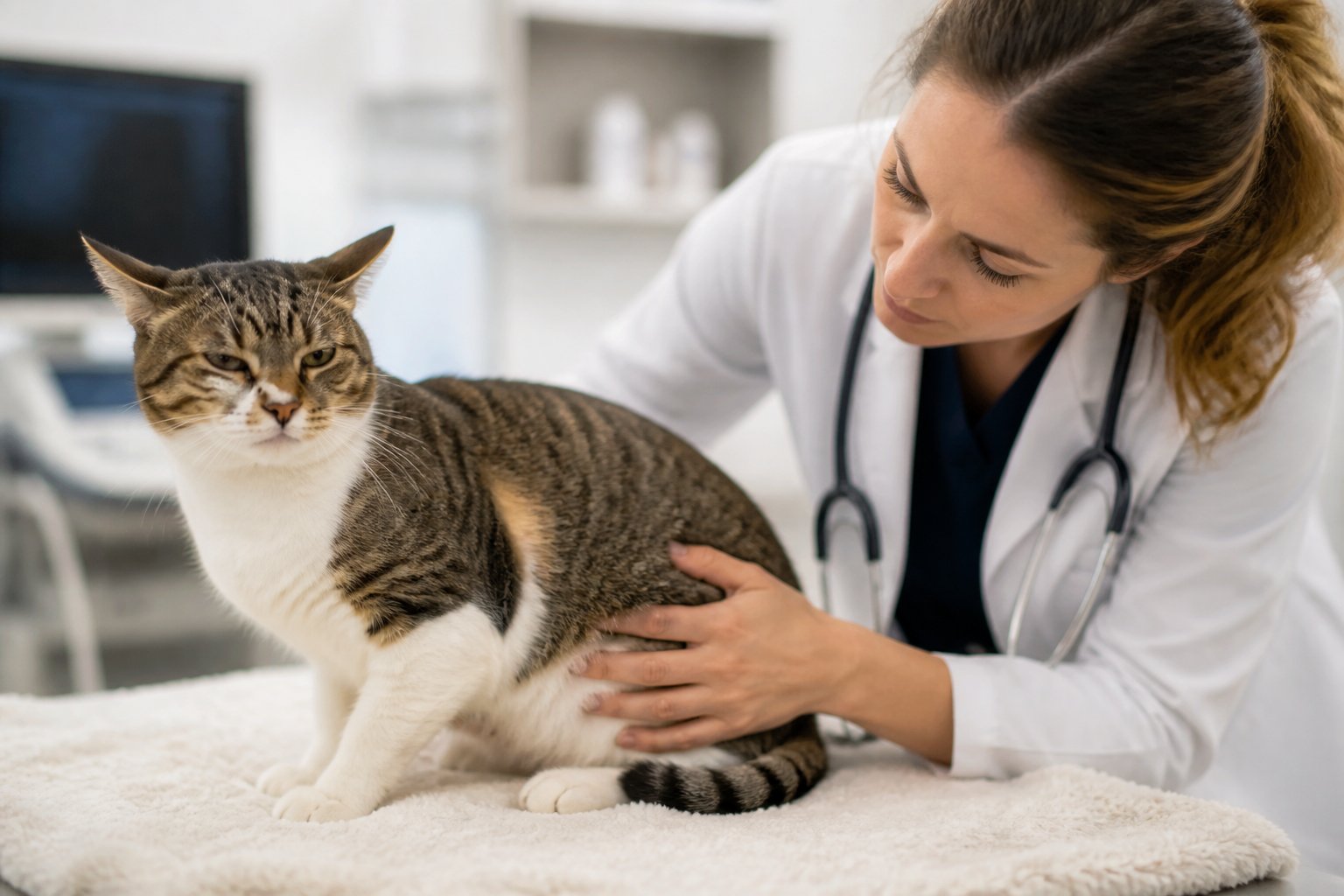
Left untreated, cat constipation can progress to two serious conditions that require immediate veterinary care. Obstipation represents severe blockage where your cat cannot pass stool on their own, while megacolon involves permanent damage to the colon itself.
Obstipation: When Constipation Becomes Critical
Obstipation occurs when your cat becomes completely unable to evacuate dry, hard feces from their body. The impacted stool can extend from the rectum all the way to the ileocolic valve.
Your cat will show severe symptoms during obstipation. They may strain repeatedly in the litter box with no results, vocalize in pain, and become lethargic or depressed. Many cats also experience vomiting and lose their appetite completely.
This condition requires immediate veterinary intervention. Your vet will likely need to perform manual removal of the impacted feces under general anesthesia. The procedure may need to be repeated over 2-3 days to completely clear the colon. Enemas and fluid therapy are also necessary to rehydrate your cat and soften remaining stool.
Understanding Megacolon in Cats
Megacolon develops when the large intestine becomes permanently dilated and loses its ability to contract properly. This creates a cycle where constipation leads to obstipation and eventually megacolon.
The condition typically affects middle-aged male cats, with an average age of 5.8 years. Domestic Shorthairs make up 46% of cases, followed by Domestic Longhairs at 15%.
Your cat’s colon muscle becomes stretched and damaged over time from chronic constipation. The weakened muscle cannot push feces through normally anymore. In many cases, the exact cause remains unknown despite thorough testing.
Treatment options depend on severity. Medications like cisapride and lactulose may help mild cases. However, cats with severe megacolon often require surgical removal of the affected portion of the colon to restore normal bowel function.
Diagnosis and When to Seek Veterinary Help
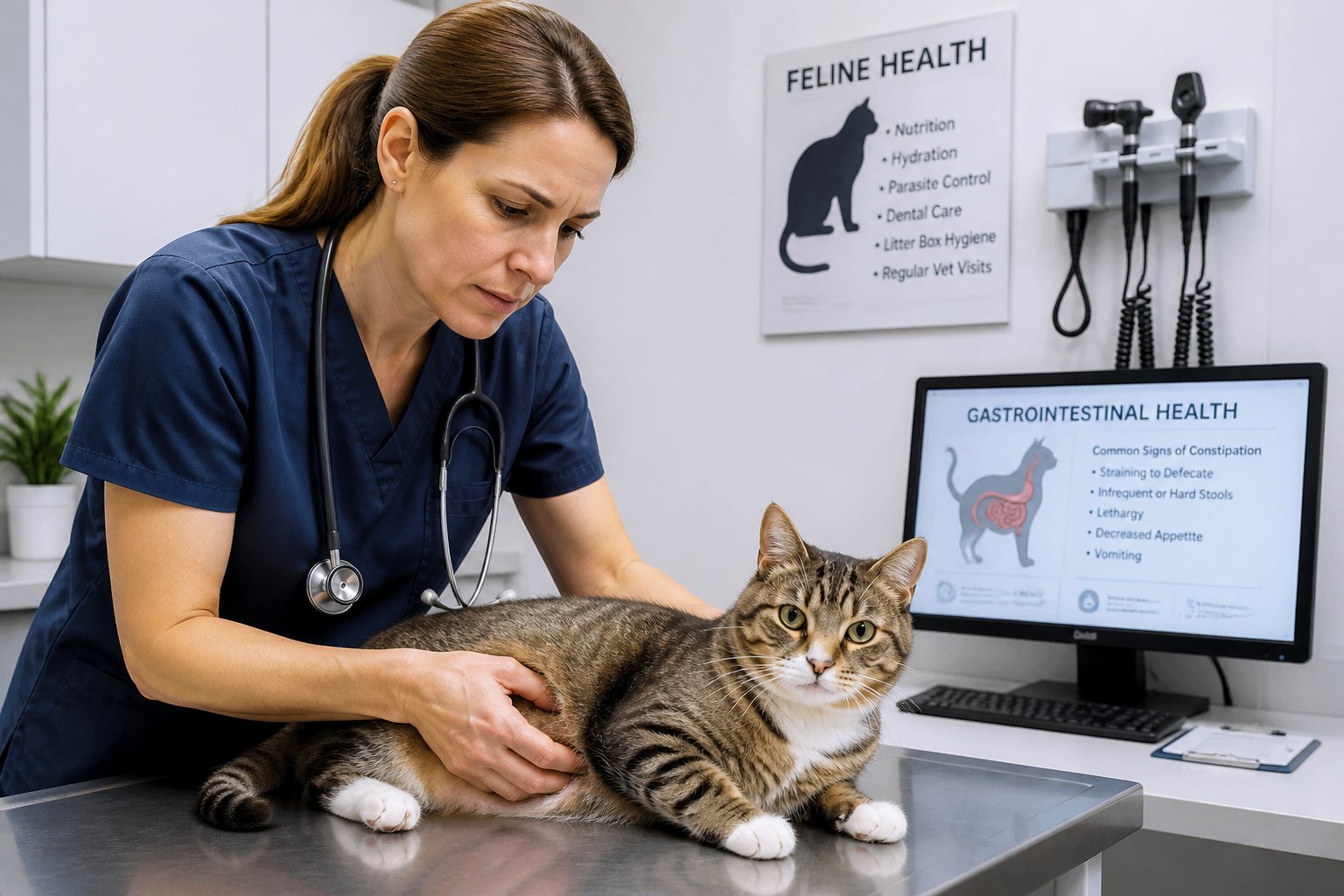
Your veterinarian will use a combination of physical examination, medical history, and diagnostic tests to determine the cause of your cat’s constipation. Knowing when to seek immediate care can prevent serious complications and ensure your cat gets the treatment they need.
Physical Examination and Medical History
Your vet will start by asking about your cat’s bathroom habits, diet, and any recent changes in behavior. They’ll want to know when your cat last had a normal bowel movement and whether you’ve noticed any straining or signs of pain.
Most cases of constipation are diagnosed through physical examination. Your vet will gently feel your cat’s abdomen to locate any hardened stool in the colon. This is easier to detect in cats that aren’t overweight or tense during the exam.
The vet will also check for any painful conditions that might make it uncomfortable for your cat to poop. These include arthritis or pelvic injuries that could affect their ability to position themselves properly in the litter box.
Diagnostic Tests for Underlying Causes
Abdominal X-rays help determine how severe the constipation is and whether there’s a blockage. Your vet can see the extent of stool buildup and check for any masses or abnormalities in the colon.
Blood tests and urinalysis search for underlying issues like dehydration, kidney disease, or infections that might contribute to constipation in cats. These tests can reveal metabolic problems or electrolyte imbalances.
In more complex cases, your vet may recommend an abdominal ultrasound to get a clearer picture of what’s happening inside your cat’s digestive system. Biopsies might be necessary if your vet suspects a tumor or other growth in the rectum or colon.
When Cat Constipation Is an Emergency
Call your veterinarian immediately if your cat:
- Hasn’t had a bowel movement in 48 to 72 hours
- Is straining repeatedly without producing any stool
- Shows signs of pain like crying or hiding
- Stops eating or becomes lethargic
- Vomits repeatedly
You should also seek urgent care if your cat is passing only small amounts of liquid with blood. This can look like diarrhea but is actually liquid squeezing around a hard, impacted mass of stool. Complete obstruction requires immediate veterinary intervention to prevent life-threatening complications.
Safe At-Home Relief Strategies
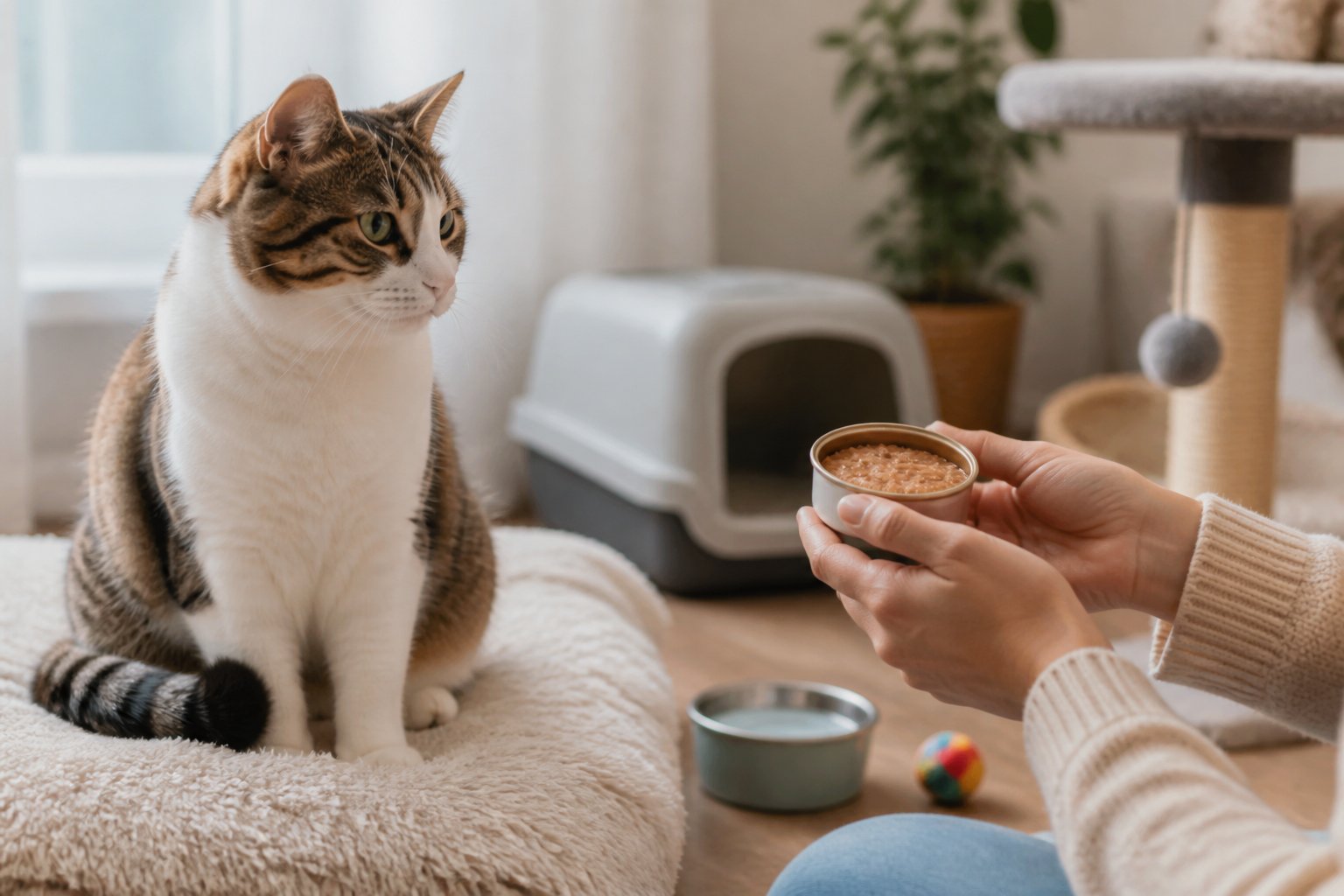
Increasing your cat’s water intake, switching to moisture-rich foods, creating a stress-free environment, and optimizing litter box conditions can help prevent constipation in cats and provide relief for mild cases.
Promoting Hydration with Water Fountains
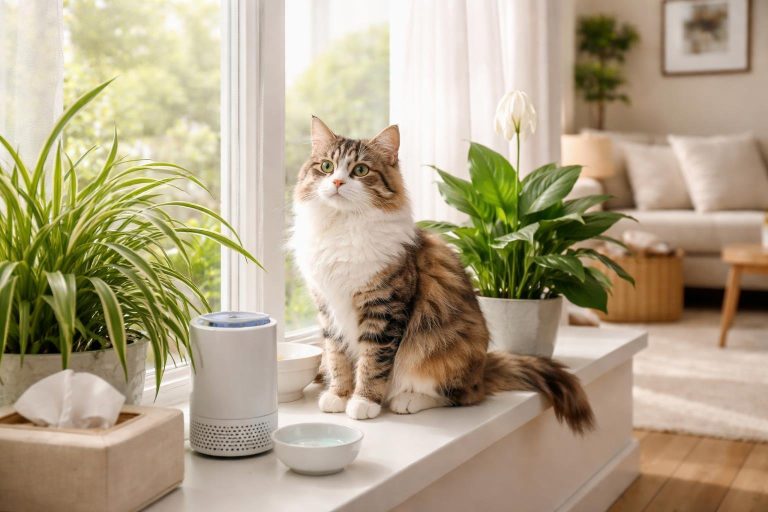
Dehydration makes constipation worse by allowing the colon to absorb too much water from waste. Cats often don’t drink enough water from still bowls, so a cat water fountain can encourage them to drink more throughout the day.
Moving water attracts cats naturally. Many cats prefer drinking from a flowing water source like a fountain or dripping tap. Place multiple water bowls around your home in quiet, accessible spots where your cat spends time.
You can also add flavor to plain water using tuna juice or bone broth. Just make sure to leave plain water available too in case your cat doesn’t like the added taste. Fresh water should be changed daily to keep it appealing.
Adjusting Diet: Wet Food and Fiber
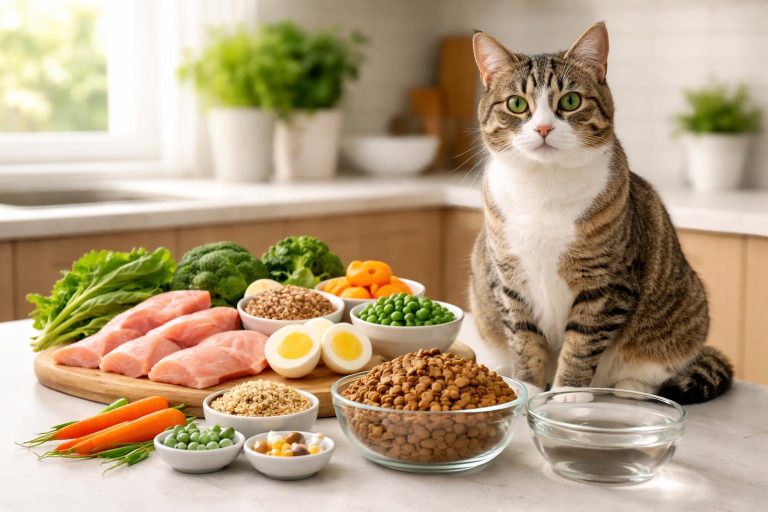
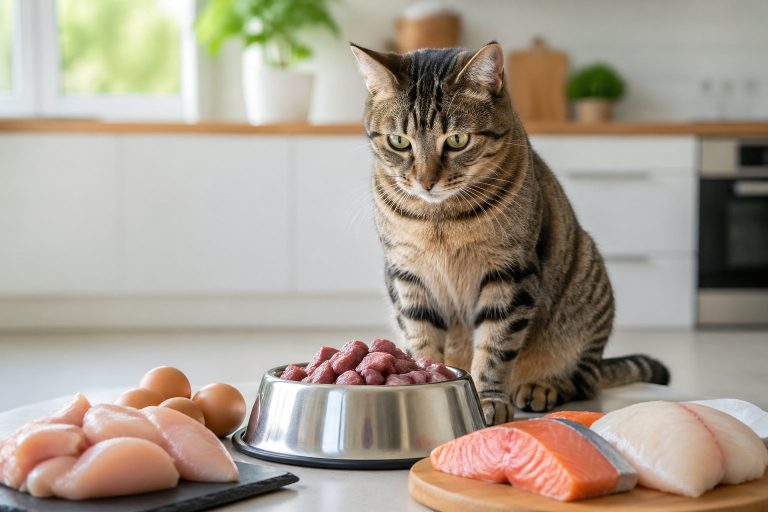
Switching from dry to wet cat food increases moisture intake, which softens stool and makes it easier to pass. Wet food contains significantly more water than kibble, helping how to help a constipated cat through dietary changes.
Adding fiber to your cat’s diet can improve bowel movements, but the right amount matters. Insoluble fiber helps food move through the digestive tract and retains water in the intestines. Common fiber sources include:
- Canned pumpkin (plain, not pie filling)
- Psyllium husk
- Wheat bran
Talk to your vet before adding fiber supplements. Too much fiber can cause diarrhea or reduce nutrient absorption. If your cat has food sensitivities or allergies, changing the protein source in their diet may reduce intestinal inflammation that contributes to constipation.
Encouraging Activity and Reducing Stress
Regular exercise helps your cat’s digestive system work properly. A sedentary lifestyle slows down the natural contractions that move waste through the intestines. Play with your cat daily using interactive toys like feather wands or laser pointers.
Cat trees, scratching posts, and climbing structures provide both physical activity and mental stimulation. Even 10 to 15 minutes of play twice a day makes a difference in digestive health.
Stress and anxiety directly affect how fast food moves through your cat’s system. Changes in routine, new pets, or household disruptions can trigger constipation. Keep feeding times, play sessions, and your daily schedule as consistent as possible. Calming pheromone diffusers may help anxious cats feel more comfortable.
Litter Box Optimization
Cats avoid using litter boxes they find uncomfortable or unclean. This avoidance can lead to constipation when they hold their bowel movements too long.
Follow the one-plus-one rule: provide one litter box per cat, plus one extra. Place boxes in quiet, low-traffic areas where your cat won’t feel exposed or trapped. The box should be large enough for your cat to turn around comfortably.
Scoop waste daily and completely change litter weekly. Some cats prefer covered boxes for privacy, while others want open tops to avoid feeling confined. Long-haired cats may need the area around their rear end trimmed to prevent matted fur and dried waste from blocking normal elimination. Check this area regularly, especially if your cat is overweight or has arthritis that limits their grooming ability.
Veterinary Treatments and Long-Term Management
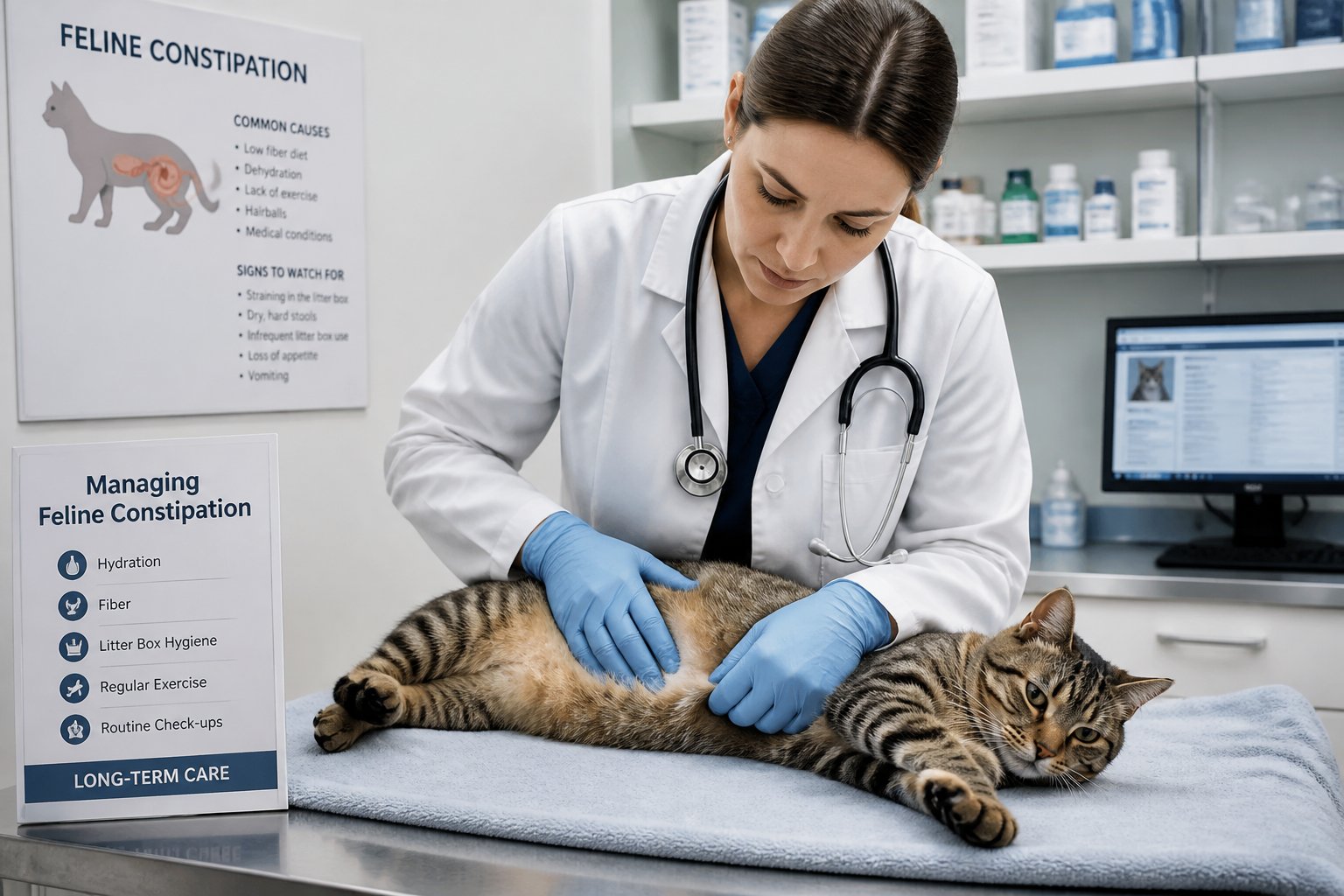
When home remedies don’t work or your constipated cat needs immediate relief, veterinary intervention becomes necessary. Treatment options range from oral medications to manual removal of impacted stool, with long-term strategies focused on preventing recurrence.
Medications, Laxatives, and Enemas
Your vet may prescribe several types of laxatives depending on your cat’s needs. Lactulose is a hyperosmotic laxative that draws water into the bowel and can be given at 0.5 mL/kg every 8-12 hours. Polyethylene glycol 3350 works similarly and is dosed at 1/8-1/4 teaspoon every 12 hours.
Stool softeners like docusate sodium (50 mg daily for cats) help water and fats mix with stool. Your vet might also recommend cisapride, a prokinetic drug that stimulates colon movement at doses of 0.1-0.5 mg/kg every 8-12 hours.
For immediate relief, enemas can help evacuate impacted feces. Safe options include warm water, saline, mineral oil, or lactulose administered through a rubber catheter. Never use phosphate-containing enemas in cats, as they can cause life-threatening electrolyte imbalances.
Deobstipation and Advanced Care
When feline constipation becomes severe, your cat may need deobstipation under general anesthesia. This procedure involves manually removing impacted feces from the colon after your cat has been rehydrated. Your vet will place an endotracheal tube to prevent aspiration if the manipulation causes vomiting.
Complete removal often requires 2-3 sessions over several days. During this time, your vet will also correct any fluid and electrolyte imbalances your cat may have developed.
In cases where the colon becomes permanently stretched and unable to function (megacolon), surgery may be necessary. This typically involves removing part or most of the colon.
Managing Chronic or Recurrent Constipation
If your cat experiences repeated bouts of constipation, you’ll need a long-term management plan. High-fiber diets help many cats by adding bulk and improving colon muscle function. You can add psyllium (1-4 teaspoons per meal), wheat bran (1-2 tablespoons per meal), or canned pumpkin (1-4 tablespoons per meal) to your cat’s food.
Make sure your cat stays well hydrated, as older cats, obese cats, and those with kidney disease face higher constipation risk. Some cats need ongoing laxative therapy to prevent recurrence, though continuous use should only happen under veterinary guidance.
Regular checkups allow your vet to monitor your cat’s condition and adjust treatment as needed.
Frequently Asked Questions
Cat owners often have specific questions about recognizing constipation and knowing when to seek help. Understanding the warning signs and treatment options helps you make informed decisions about your cat’s digestive health.
What are the most common warning signs that a cat is constipated?
The most obvious sign is infrequent or absent bowel movements in the litter box. Cats normally poop every 12 to 24 hours, so missing more than a day warrants attention.
You may notice your cat straining in the litter box without producing stool. Some cats cry out or show signs of pain while trying to defecate.
Hard, dry stool when your cat does manage to poop indicates constipation. Your cat might also have a decreased appetite or seem less active than usual.
Vomiting can occur in constipated cats. You might also see your cat spending more time grooming their rear end or belly area.
How long can a constipated cat go without pooping before it becomes dangerous?
A cat that hasn’t pooped for two to three days needs veterinary attention. Going longer than this increases the risk of serious complications.
The hardened stool can become impacted and impossible for your cat to pass on their own. This condition becomes more painful and difficult to treat as time passes.
The long-term outlook varies according to the cause, but catching the problem early improves your cat’s chances of a quick recovery. Waiting too long can lead to megacolon, a condition where the colon becomes severely stretched and damaged.
Is cat constipation ever an emergency that requires immediate veterinary care?
Yes, certain situations require immediate veterinary attention. If your cat is straining without producing any stool for more than 24 hours, you should call your vet.
Vomiting combined with constipation signals a more serious blockage. Your cat showing signs of severe pain, such as crying when touched near the belly or constantly hiding, needs emergency care.
A bloated or swollen abdomen is another red flag. If your cat stops eating or drinking entirely, this is an emergency regardless of other symptoms.
What is the fastest safe way to relieve constipation in a cat at home?
Never give your cat human laxatives or enemas without veterinary approval, as these can be dangerous. The safest first step is ensuring your cat has access to fresh water and is drinking regularly.
Adding a small amount of canned pumpkin (not pie filling) to your cat’s food can help. One to two teaspoons of plain, pureed pumpkin provides fiber that softens stool.
Gentle exercise encourages bowel movements. Try engaging your cat in play sessions to get them moving around more.
You should contact your veterinarian before trying any home remedies. Understanding what causes cat constipation helps determine the best approach for your specific situation.
What are the most effective veterinary treatments for cat constipation?
Your vet may perform manual removal of impacted stool under sedation for severe cases. This procedure provides immediate relief when the blockage is complete.
Enemas administered by veterinary professionals help soften and remove hardened stool safely. Your vet uses specific solutions designed for cats, not products meant for humans.
Prescription stool softeners or laxatives work for ongoing management. These medications are formulated specifically for feline use and are safer than over-the-counter options.
Most cats can be adequately managed without surgery and resume normal, healthy lives. Your vet might also recommend dietary changes, increased hydration, or medications to improve gut motility.
Are there constipation symptoms that are more common in male cats?
Male cats face a higher risk of urinary blockages, which owners sometimes confuse with constipation. If your male cat is straining in the litter box, you need to determine whether he’s trying to urinate or defecate.
Urinary blockages are life-threatening emergencies that require immediate treatment. Male cats with urinary issues may strain frequently, produce only drops of urine, or cry out in pain.
The straining behavior looks similar whether a cat is constipated or has a urinary blockage. Check the litter box carefully to see if there’s any urine or stool present.
Male cats don’t experience constipation differently than females in terms of digestive symptoms. However, their anatomy makes them more prone to urinary problems that mimic constipation signs.