Why Is My Cat Limping? Causes, Care, and When to Call the Vet
When you notice your cat limping, it’s natural to feel worried. Limping in cats usually signals pain and can range from minor injuries that heal with rest to serious conditions like fractures, infections, or joint disease that need immediate veterinary care. Understanding what’s causing your cat’s limp and knowing when to act can make a real difference in your pet’s recovery.
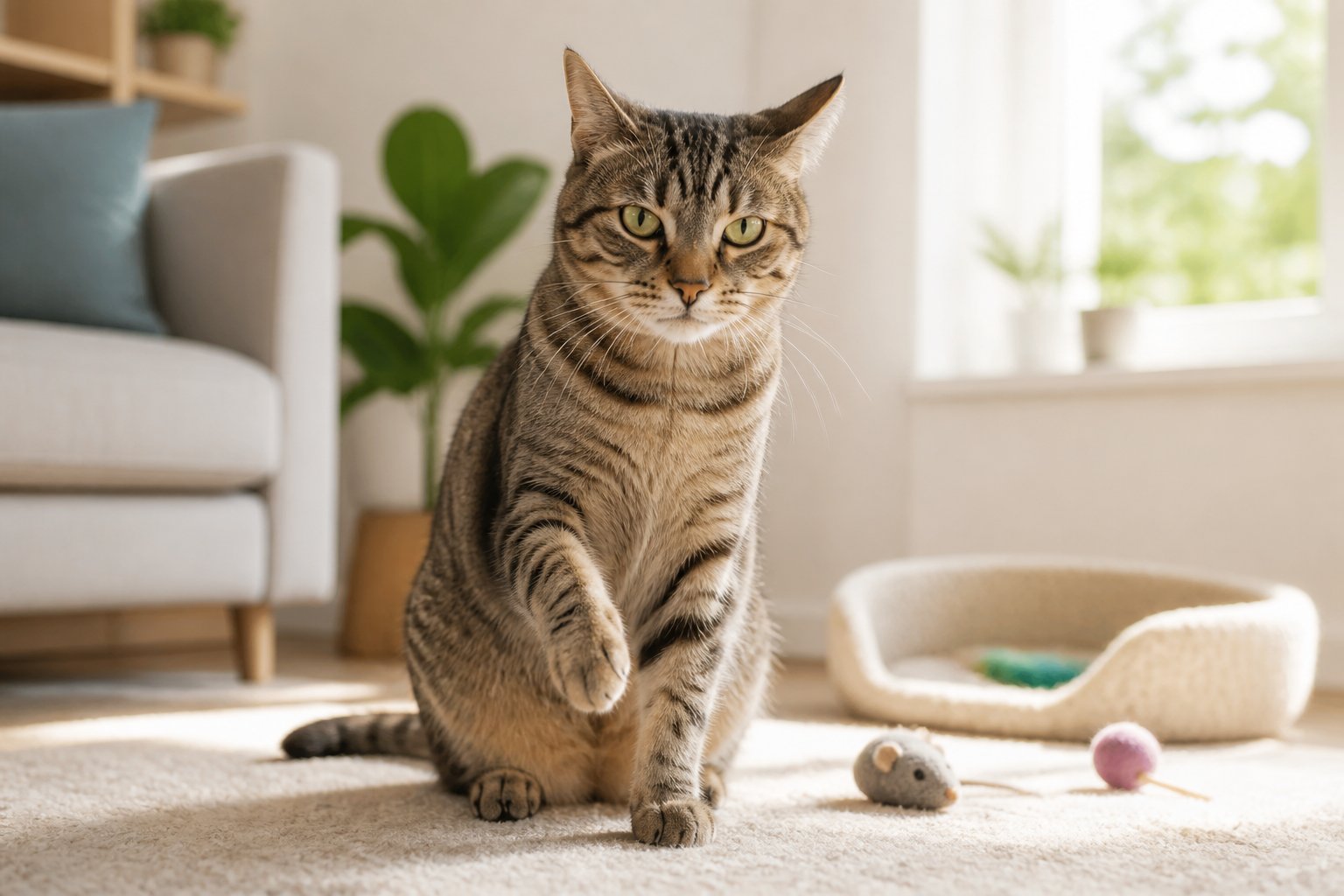
Cats are experts at hiding discomfort, which makes feline limping easy to miss until it becomes severe. Your cat might hold up a paw, avoid putting weight on a leg, or hesitate to jump like they normally do. Some limps improve on their own within a day or two, while others require prompt attention from your vet.
This guide walks you through how to spot a cat limp, what might be causing it, and when you should seek help. You’ll learn practical steps to check your cat at home, common injuries and illnesses that affect their legs, and how to keep your cat safe from future problems.
Recognizing Limping in Cats: Signs and Symptoms
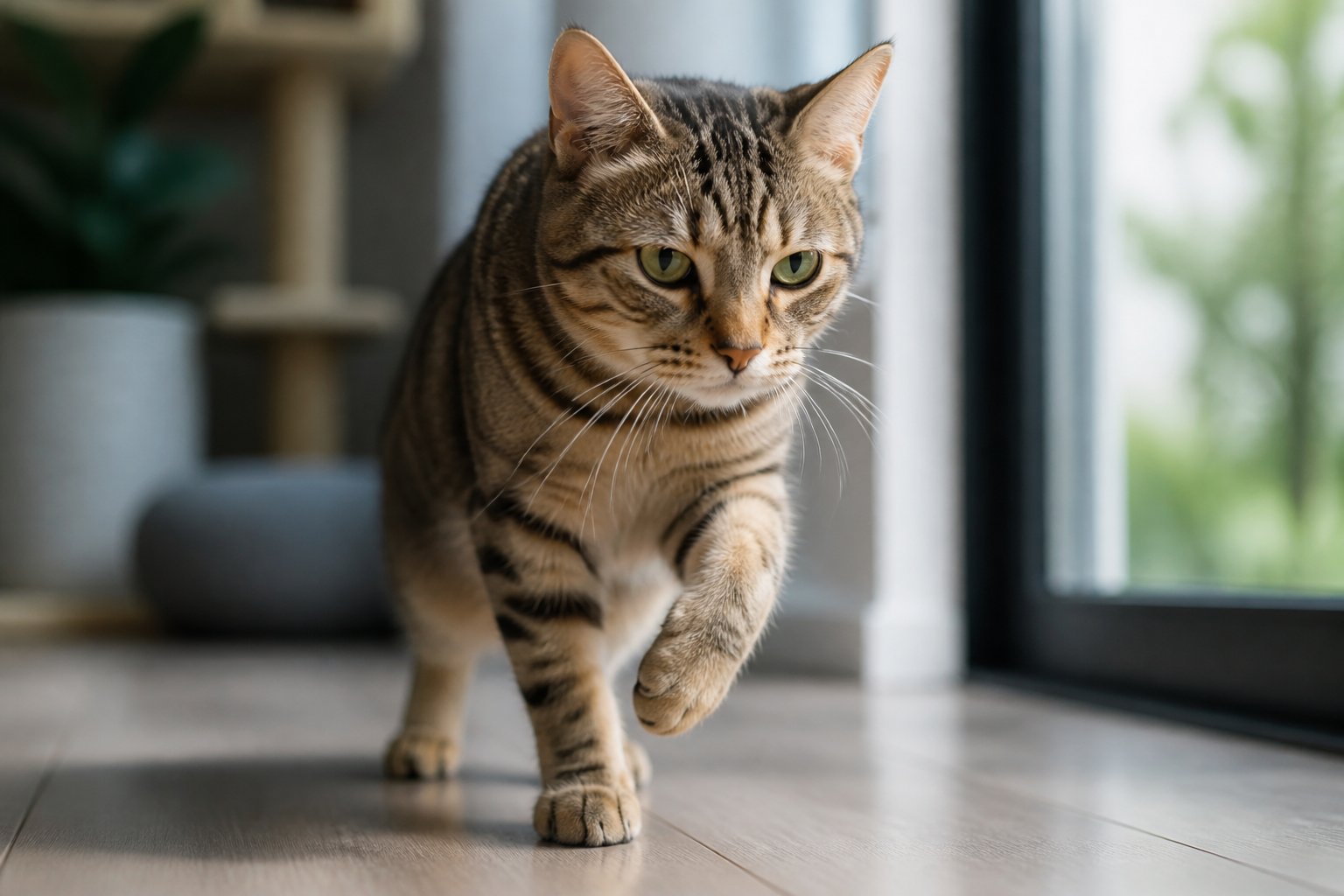
Cats often hide discomfort, making limping difficult to spot in its early stages. Understanding the difference between sudden and gradual onset, reading behavioral cues, and identifying which leg is affected will help you assess the severity and decide when veterinary care is needed.
Distinguishing Sudden vs. Gradual Limping
Sudden limping in cats typically happens after a specific injury or trauma. Your cat may hold up a paw completely, refuse to put weight on a leg, or cry out when trying to move. This type of cat limp often comes from torn nails, cuts, bites, sprains, or fractures.
Gradual limping develops slowly over weeks or months. You might notice your cat taking shorter steps, moving more slowly, or hesitating before jumping onto furniture. This pattern suggests chronic conditions like arthritis or degenerative joint disease. The limp may seem worse after rest or during cold weather.
Pay attention to whether the limp stays constant or comes and goes. Intermittent limping can make diagnosis harder, so recording a video of your cat walking helps your veterinarian see what you observe at home.
Behavioral Clues and Pain Masking
Cats naturally hide pain as a survival instinct. Your cat may avoid stairs, stop jumping to high places, or sleep in spots that require less climbing. Changes in grooming habits—either excessive licking of one area or neglecting grooming altogether—can signal discomfort.
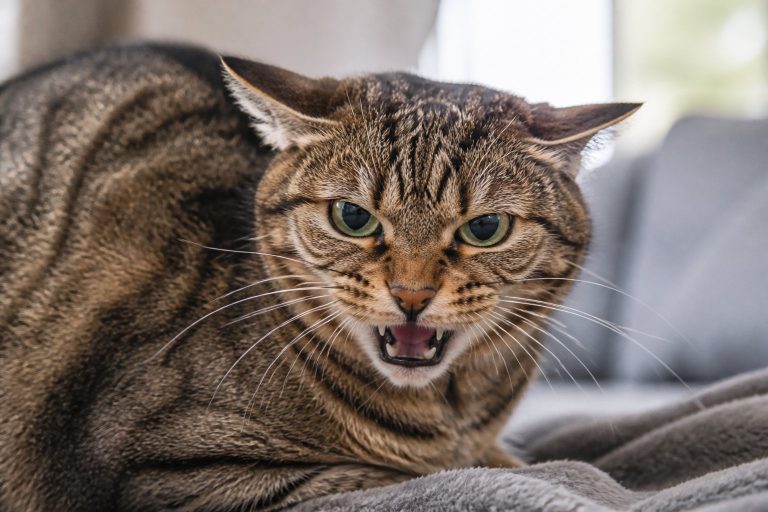
Watch for personality shifts. A normally friendly cat may become withdrawn, irritable, or aggressive when touched. Some cats reduce their activity level dramatically or spend more time hiding.
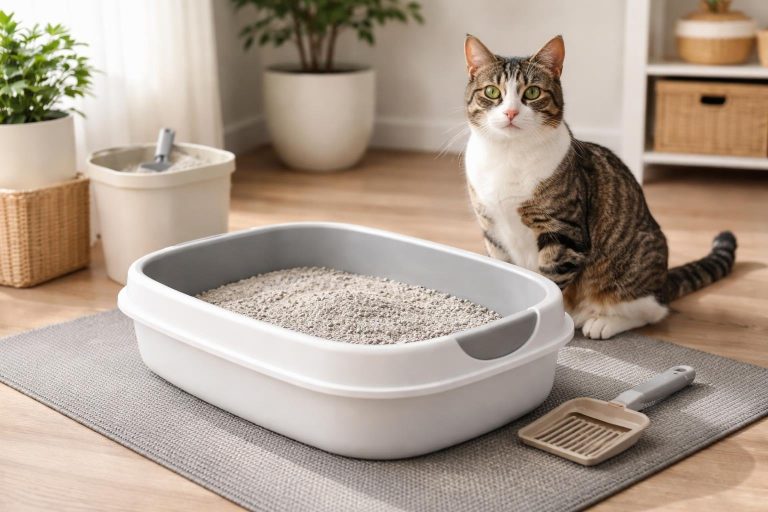
Appetite changes and litter box avoidance sometimes accompany feline limping. Your cat might struggle to step into a high-sided litter box or position itself comfortably while eating. These indirect signs are just as important as the visible limp itself.
Identifying Limping in Front vs. Back Leg
Front leg limping often appears when your cat holds up a paw or takes quick, shortened steps with one front leg. The head may bob upward when the painful leg touches the ground. Check the paw pads, nails, and leg for visible injuries, swelling, or foreign objects.
Cat limping back leg issues may cause your cat to bunny-hop, using both back legs together instead of alternating steps. The hips may sway more than usual, or one hip may appear lower than the other. Back leg problems are common with hip dysplasia and arthritis in older cats.
Sometimes the affected leg isn’t obvious. Watch your cat walk from behind and from the side to identify which limb carries less weight.
Immediate Steps to Take When You Notice a Limp
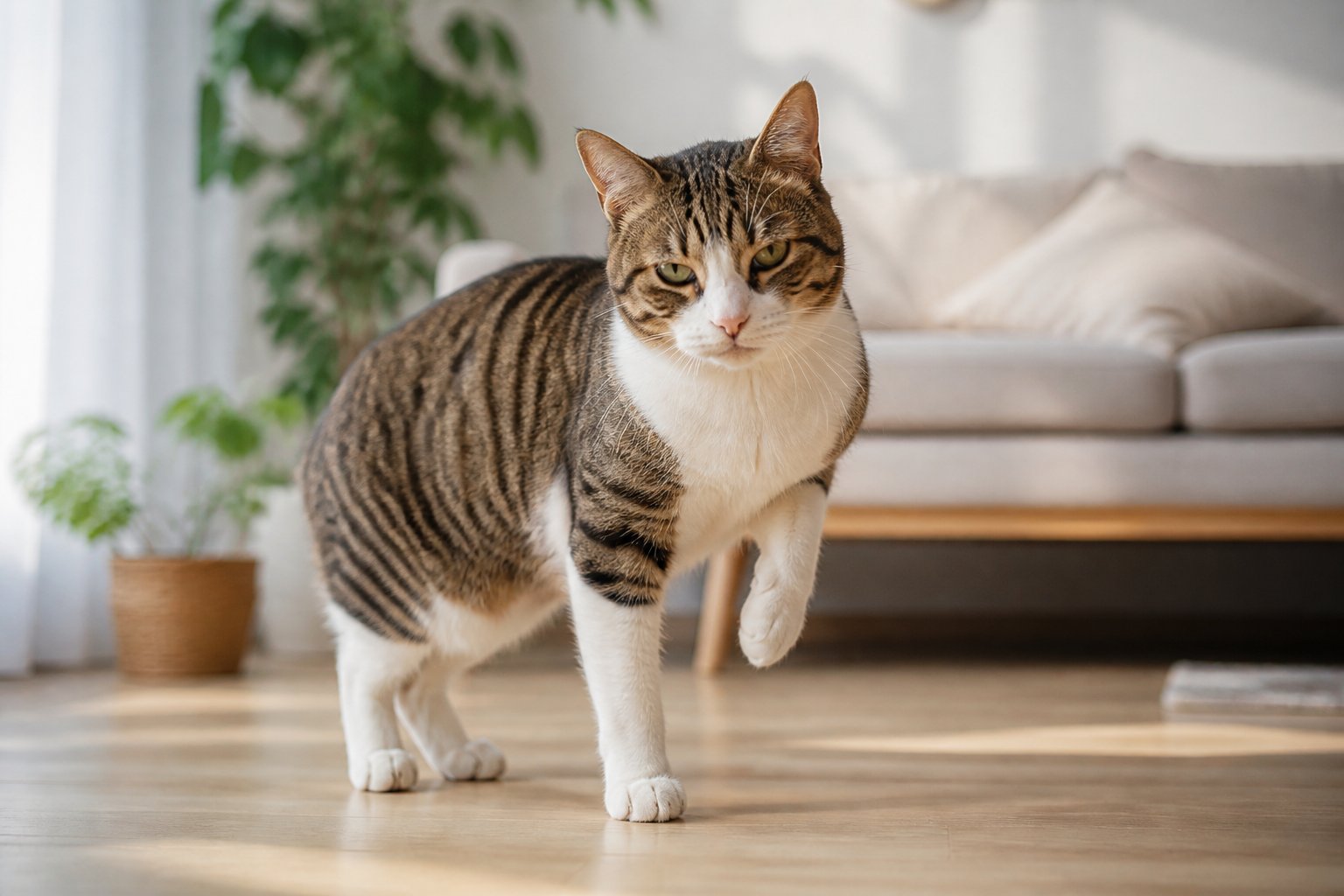
When you spot your cat limping, stay calm and assess the situation carefully before taking action. You can perform a gentle examination at home to identify obvious problems, but knowing when to restrict your cat’s movement and recognizing emergency signs will help you make the right decision about veterinary care.
Safe Home Examination Techniques
You can examine your limping cat at home if they’re calm and not showing signs of severe distress. Have someone help you by gently holding your cat from behind while you check the affected leg.
Start by lightly running your hand down the leg to feel for swelling, heat, or obvious injuries. Check each nail by pressing gently on the toe to extend it. Look for broken, overgrown, or ingrown nails.
Examine the paw pads and between the toes for cuts, thorns, glass, or other foreign objects. The pads should feel warm to your touch.
Work your way up the leg, feeling for lumps, wounds, or tender spots. Your cat will usually pull away or cry out if an area hurts. Gently flex and extend each joint to check for stiffness or pain.
Stop immediately if your cat becomes aggressive or shows signs of severe pain. Never try to examine a cat who is acting distressed or violent.
When and How to Limit Activity
Restrict your cat’s movement as soon as you notice the limp. Rest helps prevent further injury regardless of the cause.
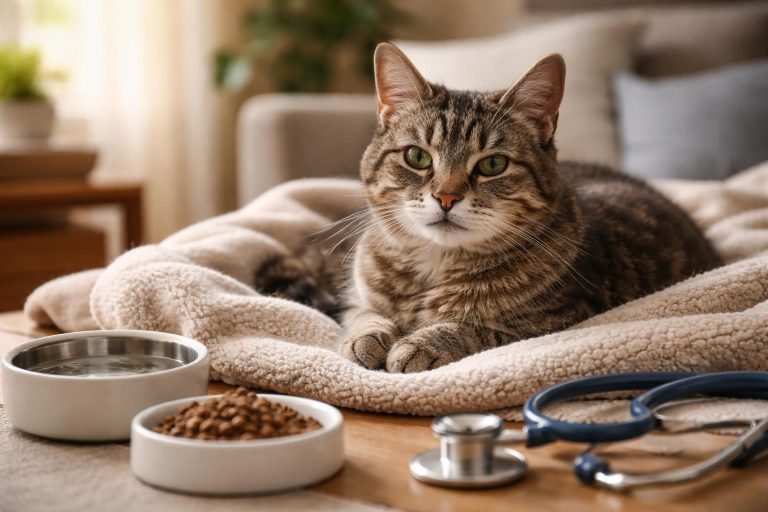
Confine your cat to a single room with food, water, and a litter box. Choose a small space like a bathroom or bedroom where jumping opportunities are limited. Remove access to furniture, cat trees, and windowsills.
Keep your cat contained for at least 24-48 hours while monitoring the limp. This confinement gives minor strains and sprains time to heal. If the limping doesn’t improve within two days, contact your veterinarian.
Red Flags: Signs of an Emergency
Certain symptoms require immediate veterinary attention. Take your cat to the vet right away if you notice any of these warning signs:
Critical symptoms include:
- Complete inability to bear weight on the leg
- Leg dragging or hanging at an odd angle
- Severe pain or continuous crying
- Heavy bleeding that won’t stop
- Large open wounds exposing tissue or bone
- Cold, limp leg with bluish paw pads
- Crunching sounds when touching the leg
- Difficulty breathing or balancing
Call your veterinary clinic immediately if you’re unsure whether the situation is urgent. They can guide you on whether your cat needs emergency care or can wait for a regular appointment.
Common Causes of Limping in Cats
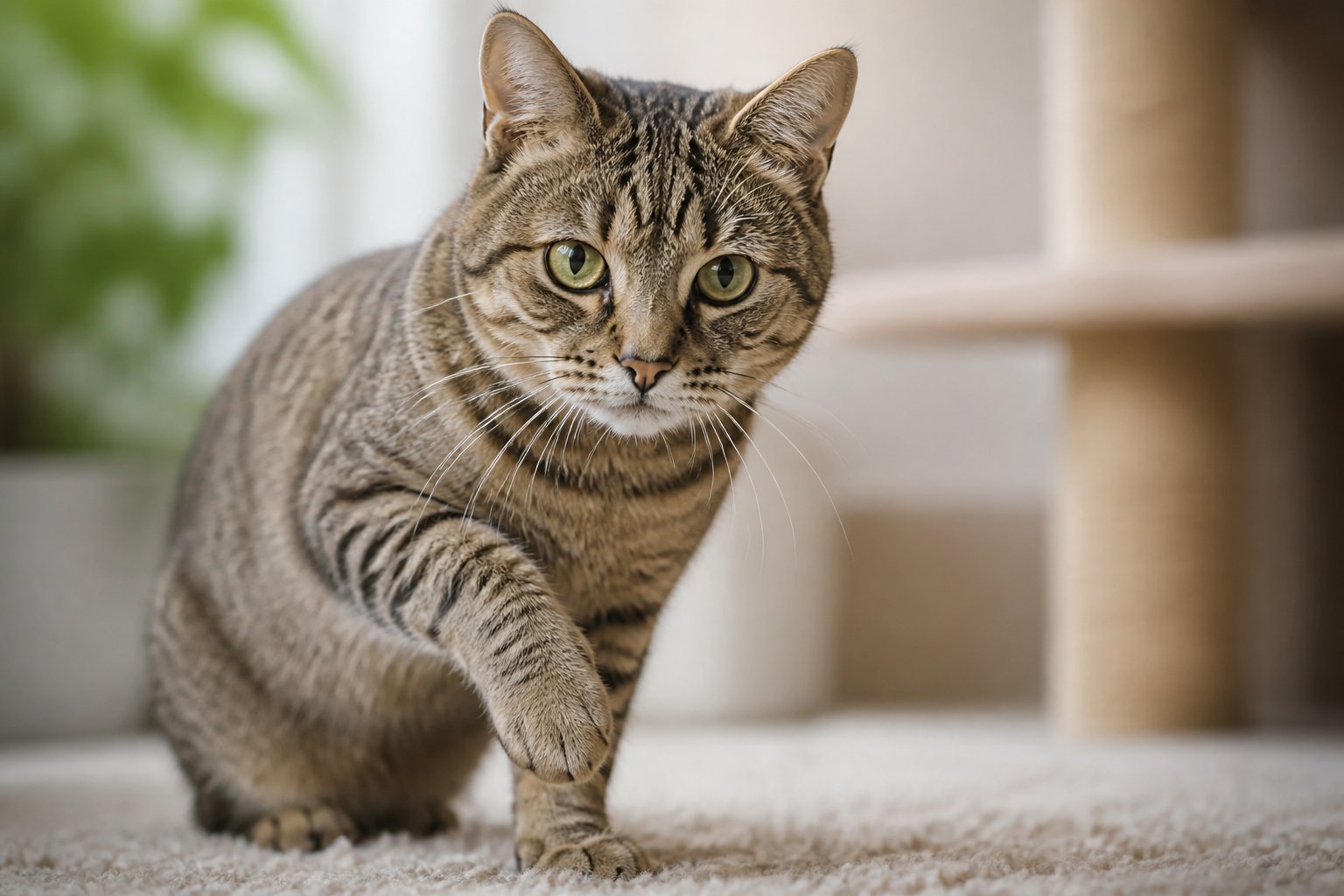
Cats develop limps from injuries to their paws and nails, damage to bones and soft tissues, or infections that cause pain and swelling. These issues can affect any leg and range from minor problems that heal on their own to serious conditions that need quick veterinary care.
Paw and Nail Injuries
Your cat’s paws take a beating every day, making them prone to several types of injury. Torn or broken nails are among the most common causes of cat limping, especially if the nail tears down to the quick where blood vessels and nerves are located. You might notice bleeding or see your cat licking the affected paw.
Foreign objects like thorns, glass, or splinters can get stuck between the toe pads or embedded in the paw pad itself. These create immediate pain and cause your cat to hold the leg up or avoid putting weight on it.
Cuts, burns, and pad injuries also lead to limping. Your cat might step on something sharp outdoors or burn their pads on hot pavement. Indoor cats can injure their paws on household items or develop issues from overgrown nails that curl into the pad.
Check your cat’s paws carefully if you notice limping in cats, looking between each toe and examining the pads for anything unusual.
Sprains, Strains, and Fractures
Soft tissue injuries happen when your cat jumps from high places, plays too roughly, or has an accident. Sprains involve stretched or torn ligaments around joints, while strains affect muscles or tendons. Both create pain and swelling that causes limping, though the leg usually isn’t deformed.
Fractures are broken bones that require immediate veterinary attention. You might notice severe pain, an obvious deformity, or your cat refusing to use the leg at all. A cat limping back leg after a fall could indicate a fracture of the femur, tibia, or other bones.
Some cats experience dislocated joints where the bones slip out of their normal position. Hip dislocations are particularly common after trauma like being hit by a car.
Never assume a cat limp from an injury will heal on its own. Fractures and severe sprains need professional treatment to heal properly.
Infections and Abscesses
Abscesses form when bacteria enter through bite wounds or punctures, creating pockets of pus under the skin. Outdoor cats frequently develop abscesses on their legs from fighting with other animals. The area becomes hot, swollen, and painful to touch.
Bone and joint infections are more serious causes of cat limping. Septic arthritis occurs when bacteria infect a joint, causing severe inflammation and pain. Your cat may run a fever and refuse to move the affected leg.
Tick-borne diseases can cause limping and mobility issues in some regions. These infections affect the whole body but often show up as lameness first.
Watch for signs like swelling, heat, discharge, or fever alongside the limp. Infections need antibiotic treatment to prevent them from spreading to other parts of the body.
Medical Conditions That Lead to Feline Limping
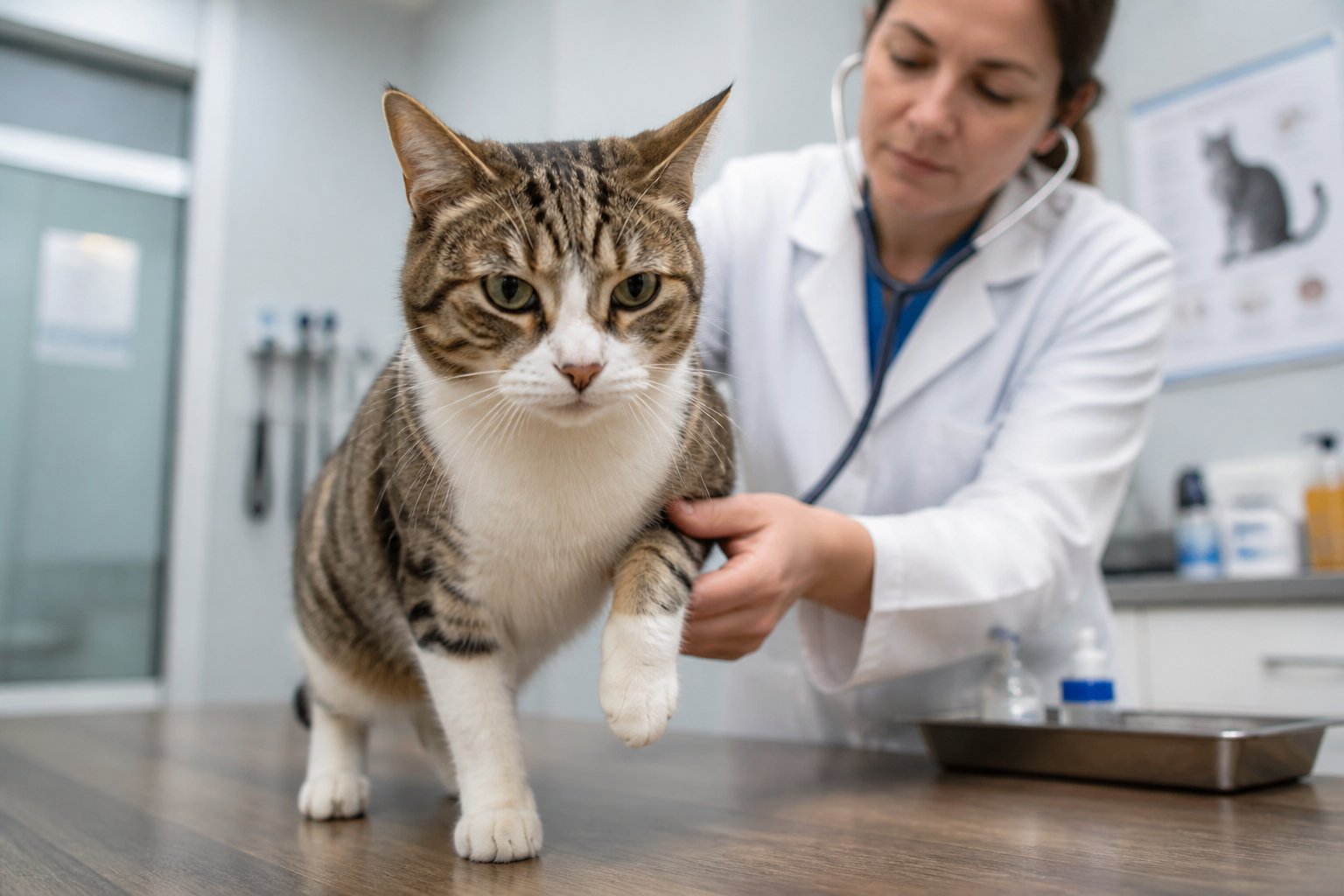
Not all limping stems from visible injuries. Cats can develop various medical conditions that affect their mobility, from age-related joint problems to nerve disorders that interfere with normal movement.
Arthritis and Degenerative Joint Issues
Arthritis in cats is one of the most common degenerative conditions causing limping, especially in older cats. Osteoarthritis occurs when the cartilage protecting joints breaks down over time, leading to pain and stiffness. Your cat may show reluctance to jump or climb stairs.
Degenerative joint disease progresses slowly but steadily affects your cat’s comfort. You might notice limping that seems worse after rest or in cold weather. Hip dysplasia, though less common in cats than dogs, creates similar joint problems that worsen with age.
These conditions don’t heal on their own. Weight management plays a key role in reducing stress on affected joints. Joint supplements containing glucosamine and chondroitin can help support cartilage health when used alongside veterinary treatment.
Neurological and Musculoskeletal Disorders
Neurological disorders can disrupt the signals between your cat’s brain and limbs, creating unusual walking patterns or limping. Diabetic neuropathy develops in cats with poorly controlled diabetes, causing weakness in the hind legs. Kidney disease may also lead to mobility changes due to muscle weakness.
Intervertebral disc disease affects the spine and can cause pain or limping when nerves become compressed. Immune-mediated joint diseases occur when your cat’s immune system mistakenly attacks healthy joint tissues, resulting in inflammation and lameness.
Tick-borne diseases, though less common in indoor cats, can cause limping along with fever and lethargy. These conditions require prompt diagnosis through blood work and imaging.
Congenital and Chronic Conditions
Some cats are born with structural problems that lead to feline limping later in life. Congenital defects in bone or joint formation may not become obvious until your cat grows or ages. These abnormalities place uneven stress on joints and muscles.
Chronic infections affecting bones or soft tissues can persist for weeks or months if left untreated. Cancer involving bones, joints, or surrounding tissues represents a serious cause of progressive limping in cats. You may notice swelling, heat, or pain in the affected area.
Nutritional imbalances during growth can weaken bones and joints, though this is rare with modern commercial cat foods. Each of these chronic conditions requires specific veterinary treatment plans tailored to your cat’s individual needs.
Treatment Options and Recovery Expectations
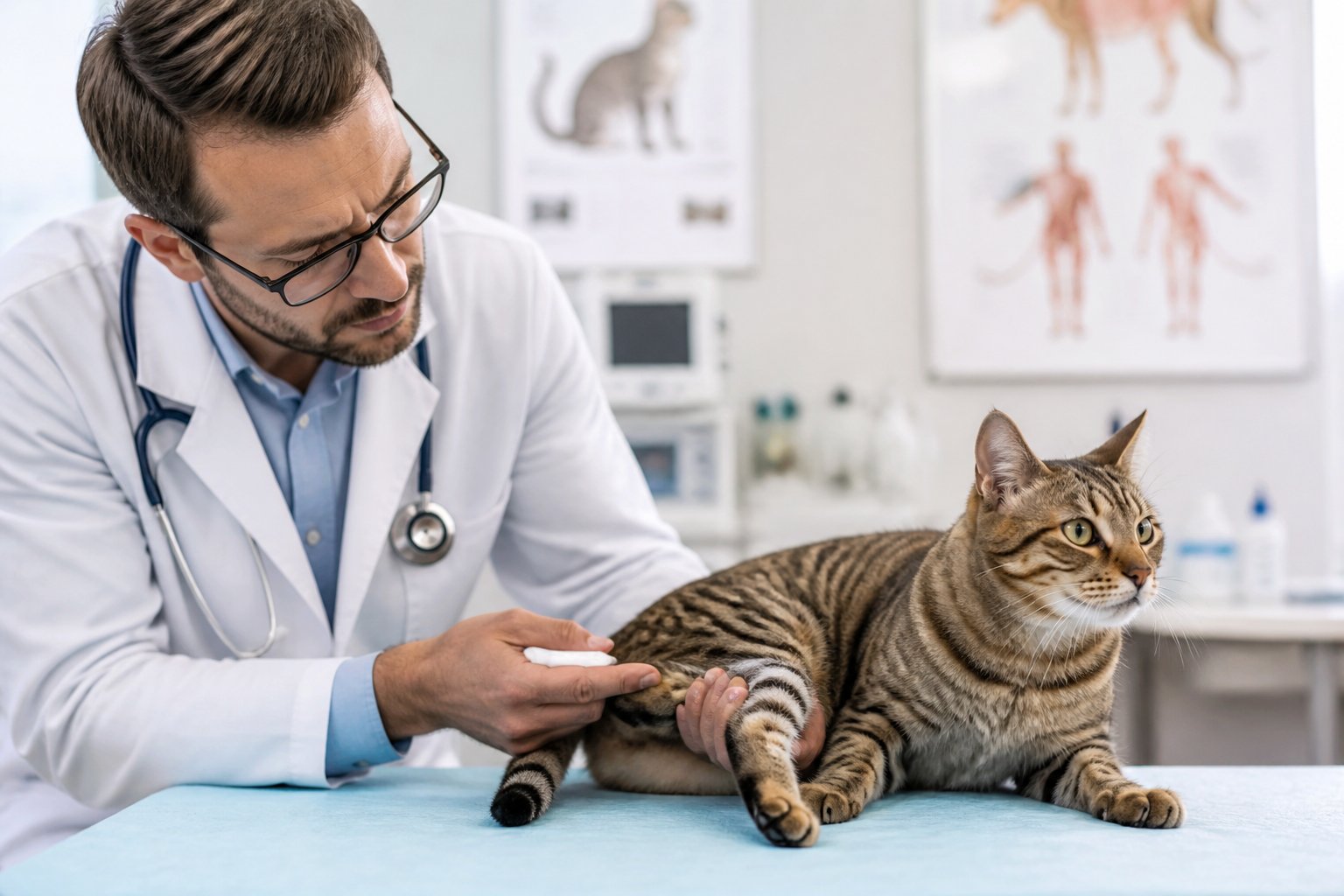
Treatment for a limping cat depends on what’s causing the problem. Pain management often starts right away, while specific treatments target the underlying issue through medication, surgery, or supportive care.
At-Home Care and Pain Management
You can help your limping cat recover by restricting their activity and keeping them calm. Keep your cat indoors and prevent jumping, running, or climbing stairs. A small, quiet room works well for rest and observation.
Never give your cat human pain medications like ibuprofen or acetaminophen. These are toxic to cats and can be fatal. Your vet may prescribe safe pain medications specifically made for cats.
For minor injuries like small cuts or torn nails, you can gently clean the area with warm water. Apply light pressure with a clean cloth if there’s bleeding. Watch for signs the limp is getting worse, including increased pain, swelling, or changes in appetite.
Monitor your cat closely for 24 to 48 hours. Some mild cases of cat limping improve with rest alone. If your cat shows no improvement or seems more uncomfortable, contact your vet.
Veterinary Treatments and Diagnostics
Your vet will perform a physical exam and watch how your cat moves. They’ll check the affected leg for pain, swelling, or injury. Diagnostic tests typically include X-rays and blood work to identify the problem.
Common treatments include:
- Pain medications through injection, patch, or pills
- Antibiotics for infections or open wounds
- Anti-inflammatory drugs for swelling and joint issues
- Surgery for fractures, dislocations, or torn ligaments
- Joint supplements containing glucosamine and chondroitin
For chronic conditions causing limping in cats, your vet might recommend long-term management with joint health supplements and physical therapy. Treatment plans vary widely based on whether your cat has a simple sprain or a serious condition like arthritis or bone disease.
Rehabilitation and Healing Timeline
Recovery time depends on the severity and cause of your cat’s limp. Minor soft tissue injuries may heal in one to two weeks with rest. Broken bones typically need six to eight weeks to heal properly.
Physical therapy, acupuncture, and laser therapy can speed recovery for some cats. Your vet may teach you exercises to do at home or refer you to a veterinary physical therapist with specialized equipment.
Cats with arthritis or degenerative joint disease need ongoing care. These conditions don’t fully heal, but proper management keeps your cat comfortable and mobile. Regular vet checkups help track progress and adjust treatment as needed.
Keep follow-up appointments even if your cat seems better. Your vet needs to confirm the injury has healed correctly before your cat returns to normal activity.
Preventing Future Limping and Keeping Your Cat Safe
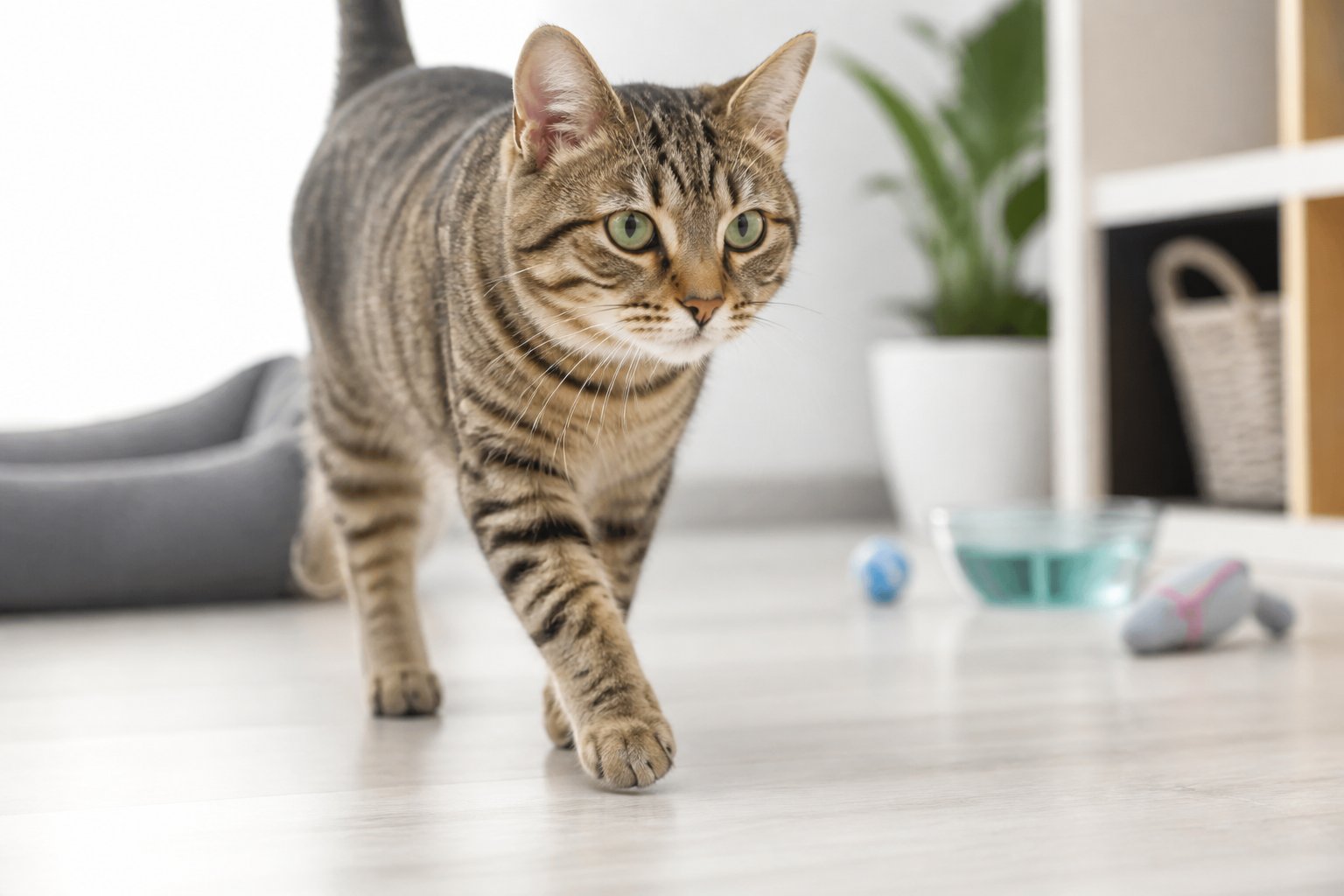
Taking proactive steps at home can reduce your cat’s risk of injury and joint problems. Regular nail maintenance, a safe living space, and controlled outdoor access are key to protecting your cat’s mobility.
Routine Grooming and Nail Care
Keeping your cat’s nails trimmed prevents several common causes of limping. Overgrown nails can curl back into the paw pads, causing pain and infection. They also make it harder for your cat to walk normally and increase the risk of getting caught in carpet or fabric.
Trim your cat’s nails every 2-3 weeks using cat-specific nail clippers. Cut only the clear tip, avoiding the pink quick that contains blood vessels and nerves. If you notice your cat limping after a nail trim, check for bleeding or cuts.
Regular paw checks help you spot problems early. Look between the toes for debris, cuts, or swelling. Remove any stuck objects carefully with tweezers. Check paw pads for cracks or burns from hot surfaces.
Creating a Safe Indoor and Outdoor Environment
A safe home environment prevents many injuries that lead to limping in cats. Block access to high furniture and shelves where falls could cause fractures or sprains. Use pet gates to restrict access to stairs if your cat is older or recovering from an injury.
Remove hazards like exposed wires, small objects, and toxic plants that could cause accidents. Place non-slip mats on smooth floors to prevent sliding. Keep windows closed or install secure screens to prevent falls.
If you allow outdoor access, keeping your cat indoors protects them from car accidents, animal attacks, and other trauma. Indoor cats face fewer risks of broken bones, infections, and wounds that cause cat limping.
The Role of Catios and Supervision
A catio gives your cat safe outdoor time without the dangers of free roaming. These enclosed outdoor spaces let your cat enjoy fresh air and natural stimulation while staying protected from traffic, predators, and other hazards.
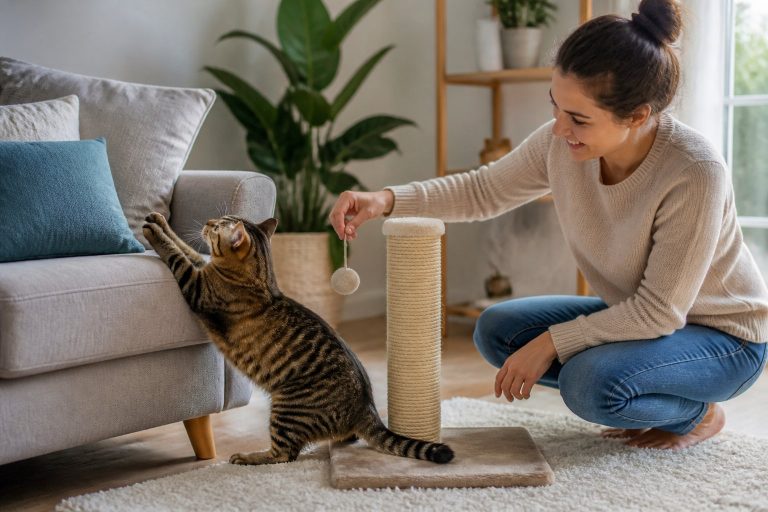
Build or buy a catio that attaches to a window or door for easy access. Include multiple levels, scratching posts, and resting spots. Check the structure regularly for sharp edges or loose parts that could cause injury.
For cats who enjoy walks, use a harness and leash with close supervision. Start training indoors before venturing outside. Watch for uneven ground, hot pavement, and sharp objects that could hurt your cat’s paws or legs.
Frequently Asked Questions
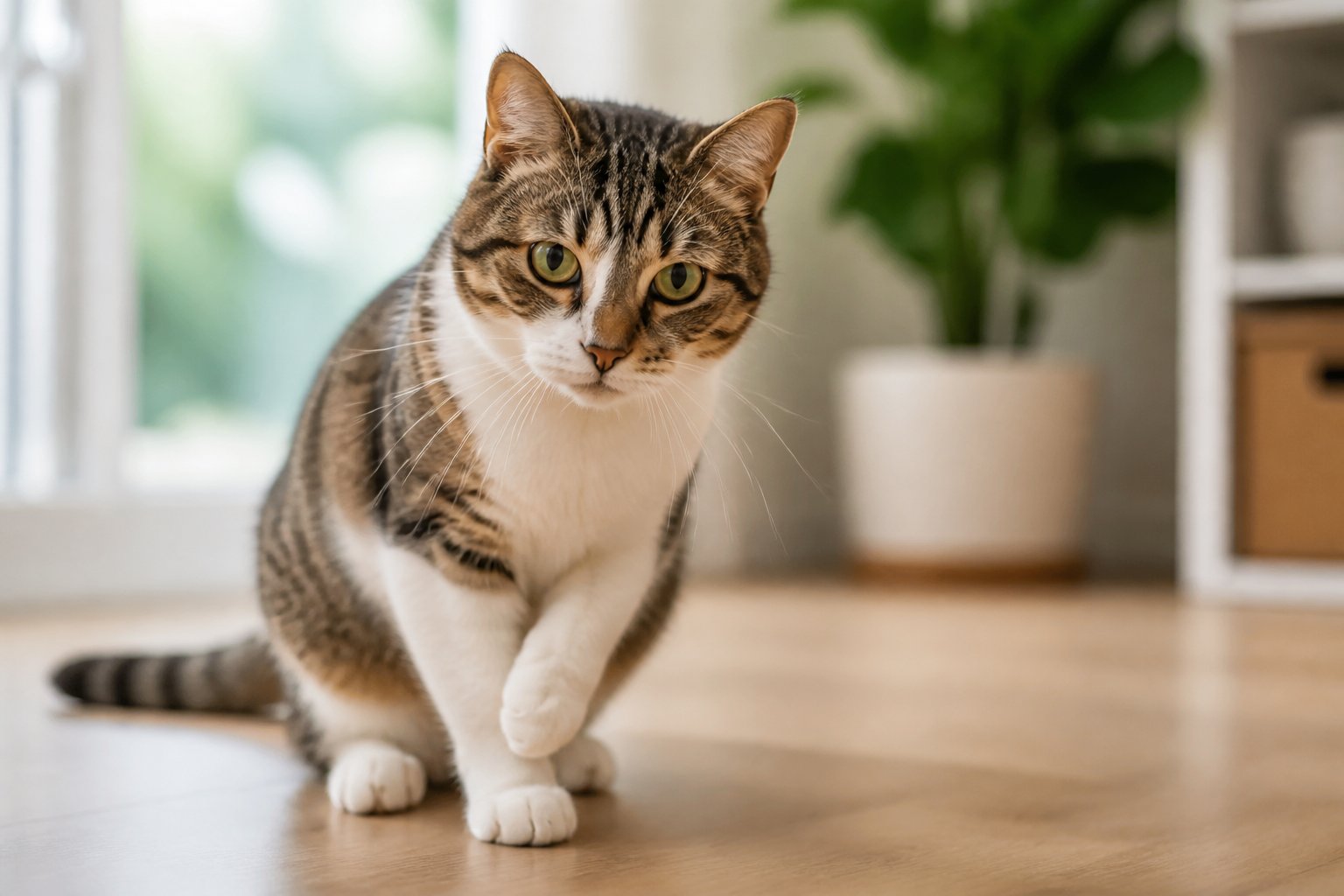
Cats can limp for many reasons, and the behavior they show alongside the limp often provides clues about what’s happening. Some limps need immediate care while others can be watched at home for a day or two.
Why is my cat limping but still jumping and running?
A cat that’s limping but still jumping and playing may have a mild injury that causes discomfort without being severe enough to stop all activity. Cats often hide pain as an instinct, so continued activity doesn’t mean nothing is wrong.
Common causes include a small cut on the paw pad, a minor muscle strain, or early joint discomfort. A torn toenail or small thorn stuck between the toes can also cause a limp that doesn’t stop your cat from moving around.
You should still limit your cat’s activity to prevent the injury from getting worse. Keep them indoors and avoid letting them jump on high surfaces for 24 to 48 hours.
If the limp doesn’t improve within two days or gets worse, contact your veterinarian. What starts as a minor issue can become more serious without proper treatment.
What could cause a cat to limp without crying or showing obvious pain?
Cats naturally hide pain as a survival behavior, which means they rarely cry out or make obvious sounds when hurt. A cat can have a serious injury like a fracture or joint disease without vocalizing at all.
Limping itself is a sign of pain, even when your cat acts quiet or calm. Cats may limp from trauma, illness, or degenerative conditions without showing dramatic symptoms.
Watch for subtle signs like less activity, changes in grooming habits, or avoiding jumps they used to make easily. Your cat might also hide more often or have a reduced appetite.
Don’t wait for crying or obvious distress to seek help. If your cat limps for more than a day, schedule a vet visit to find the cause.
Why is my cat limping but otherwise acting normal?
A cat that limps while eating normally, grooming, and staying social may have a mild injury or early-stage arthritis. The pain might be manageable enough that it doesn’t affect their overall mood or routine.
Small injuries like a cut paw pad, embedded debris, or a bruise can cause limping without changing your cat’s personality. Early joint problems in older cats can also start this way.
Check your cat’s paw for obvious problems like cuts, swelling, broken nails, or objects stuck between the toes. Gently feel along the leg for tender spots, but stop if your cat pulls away.
Even when your cat acts normal, the limp tells you something is wrong. Monitor closely for 24 to 48 hours, and contact your vet if the limp continues or gets worse.
What are the most common reasons a cat suddenly starts limping in a back leg?
A sudden limp in a back leg often comes from trauma like jumping from a high place, getting caught in something, or being stepped on. Cats can strain muscles, sprain joints, or even break bones during normal activity.
Bites from other animals are another common cause, especially in cats that go outdoors. The bite wound may be small and hidden under fur, but the infection and tissue damage can cause significant limping.
Degenerative conditions like arthritis or hip dysplasia can also cause sudden limping in back legs, particularly in older cats. These conditions develop slowly but may only become noticeable when inflammation flares up.
A blood clot that blocks blood flow to the back legs is a serious emergency that causes sudden limping or paralysis. This happens more often in cats with heart disease and needs immediate veterinary care.
Why would a cat limp on a front leg, and what should I check first?
Front leg limping often comes from paw injuries since cats use their front paws to explore, climb, and land from jumps. Start by checking the paw pad for cuts, swelling, or foreign objects like thorns or glass.
Look between the toes where debris commonly gets stuck and causes pain. Check each toenail for breaks, tears, or overgrown nails that have curled into the paw pad.
Feel gently up the leg for areas of heat, swelling, or pain. A broken bone or dislocated joint will often cause visible deformity or severe pain when touched.
Bite wounds on front legs are common from fights with other cats or animals. Look for small puncture marks, scabs, or swollen areas that might indicate infection.
If you find a minor issue like a small cut or broken nail, you can clean it and monitor at home. Any serious injury, severe pain, or limping that lasts more than two days needs veterinary evaluation.
When is limping in a cat an emergency and when can it be monitored at home?
Seek emergency care if your cat shows severe pain by crying, hiding, or reacting aggressively when touched. A cat that cannot put any weight on the leg or is dragging it needs immediate help.
Any visible fracture, bone sticking through skin, or deformed limb requires urgent veterinary care. Limping after known trauma like being hit by a car or falling from a height is always an emergency.
A cat with limping plus other symptoms like trouble breathing, bleeding, extreme lethargy, or cold limbs needs emergency treatment right away. These signs can indicate serious problems like blood clots or internal injuries.
You can monitor at home if your cat has a mild limp, can still put some weight on the leg, and shows no other concerning symptoms. Restrict activity and watch closely for 24 to 48 hours.
Call your vet if the limp doesn’t improve within two days, gets worse, or if new symptoms develop. Never give your cat human pain medications, as many are toxic to cats.