Is My Cat Dying? Essential Signs, Stages, and Veterinary Guidance
Watching your beloved cat struggle with illness or old age is heartbreaking. You may wonder if the changes you’re seeing mean your cat is approaching the end of life or if they’re just temporary health issues that can be treated.
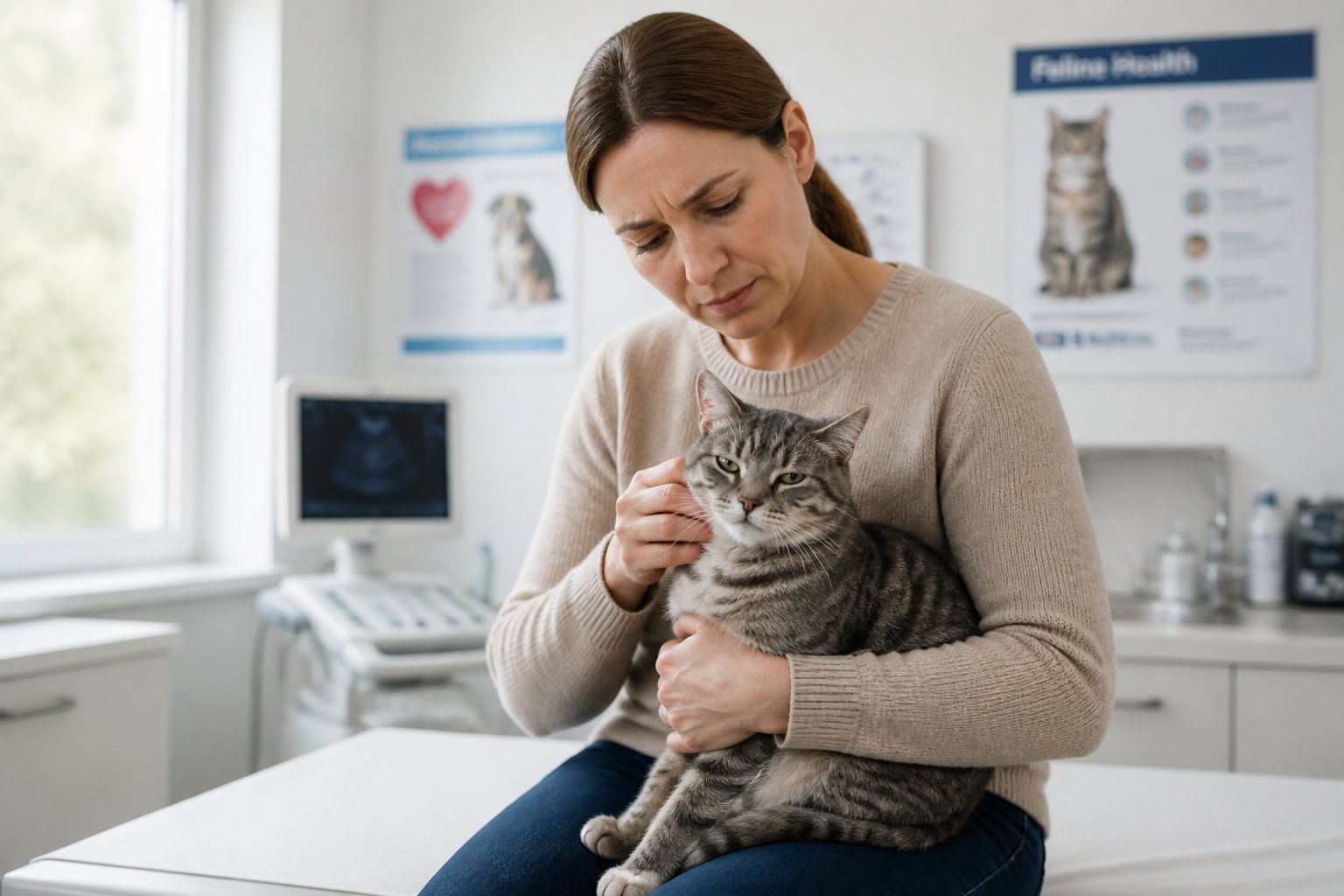
Signs your cat is dying include both physical symptoms like weight loss, lethargy, and breathing problems, as well as behavioral changes such as hiding, loss of appetite, and reduced interaction with you. These changes often happen gradually as your cat’s body starts to shut down, though some cats experience rapid decline depending on their specific health conditions.
Knowing what to look for helps you make informed decisions about your cat’s care. This guide will walk you through the specific signs to monitor, explain what happens during the dying process, and give you clear guidance on when it’s time to contact your veterinarian for support.
Key Physical Signs Indicating Decline
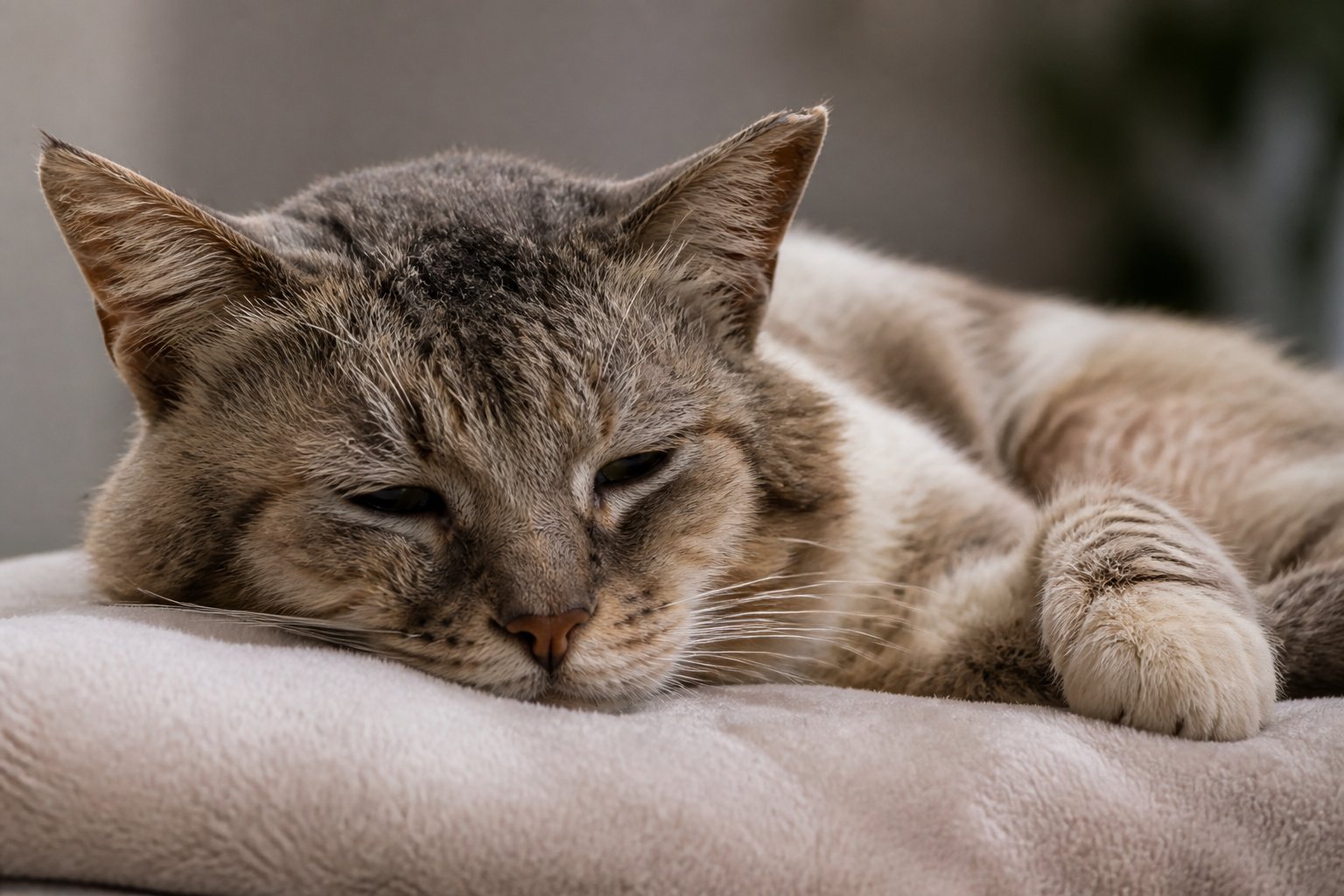
Physical changes in your cat’s body often signal serious health decline. These visible symptoms include changes in eating habits, energy levels, breathing patterns, and body condition that require immediate veterinary attention.
Loss of Appetite and Thirst
A dying cat typically stops eating and drinking as their body begins to shut down. You might notice your cat walking away from their food bowl or showing no interest in their favorite treats. This happens because the digestive system slows down and the body no longer processes nutrients effectively.
Watch for these specific changes:
- Completely ignoring food for 24 hours or more
- Sniffing food but not eating
- Drinking very little or no water
- Turning away from wet food that usually appeals to them
Reduced appetite leads to rapid weight loss and dehydration. Your cat may become too weak to walk to their food or water bowls. Some cats will sit near their bowls but lack the energy or desire to eat.
Lethargy and Weakness
Lethargy is a major physical sign that your cat’s body is failing. Your cat will spend most of their time lying down and show little to no interest in activities they once enjoyed. They may struggle to stand up or walk even short distances.
Physical weakness makes basic movements difficult. Your cat might stumble when walking or collapse after taking just a few steps. They may also have trouble holding their head up or maintaining normal posture.
You’ll notice your cat stays in one spot for hours without moving. They won’t greet you at the door or jump onto furniture. Their muscles become weak and they may not be able to support their own body weight properly.
Breathing Difficulties and Heart Rate Changes
Respiratory problems indicate that vital organs are struggling. Your cat may breathe rapidly with shallow breaths or take slow, labored breaths. You might hear wheezing or see their chest and stomach moving more than usual with each breath.
Signs of breathing distress include:
- Breathing with an open mouth
- Gasping for air
- Irregular breathing patterns
- Blue or pale gums
A dying cat’s heart rate often changes significantly. It may beat too fast, too slow, or irregularly. These respiratory issues and heart changes show that the cardiovascular system is failing. Your cat needs immediate veterinary care if you notice any breathing difficulties.
Weight Loss and Body Temperature Drop
Rapid weight loss happens when a cat stops eating and their body starts using stored fat and muscle for energy. You’ll feel their bones more easily when you pet them, especially along their spine and hips. Their face may look sunken and their body appears frail.
A dying cat’s body temperature drops below the normal range of 100-102°F. Their ears, paws, and nose will feel cold to the touch. This happens because blood flow decreases and the body can no longer regulate temperature properly.
Your cat may also show dehydration symptoms like sunken eyes, dry gums, and skin that doesn’t bounce back when gently pulled. Their coat becomes dull and unkempt because they lack the energy to groom themselves. These physical signs of decline require immediate veterinary evaluation to determine if treatment is possible or if end-of-life care is needed.
Behavioral Changes to Watch For
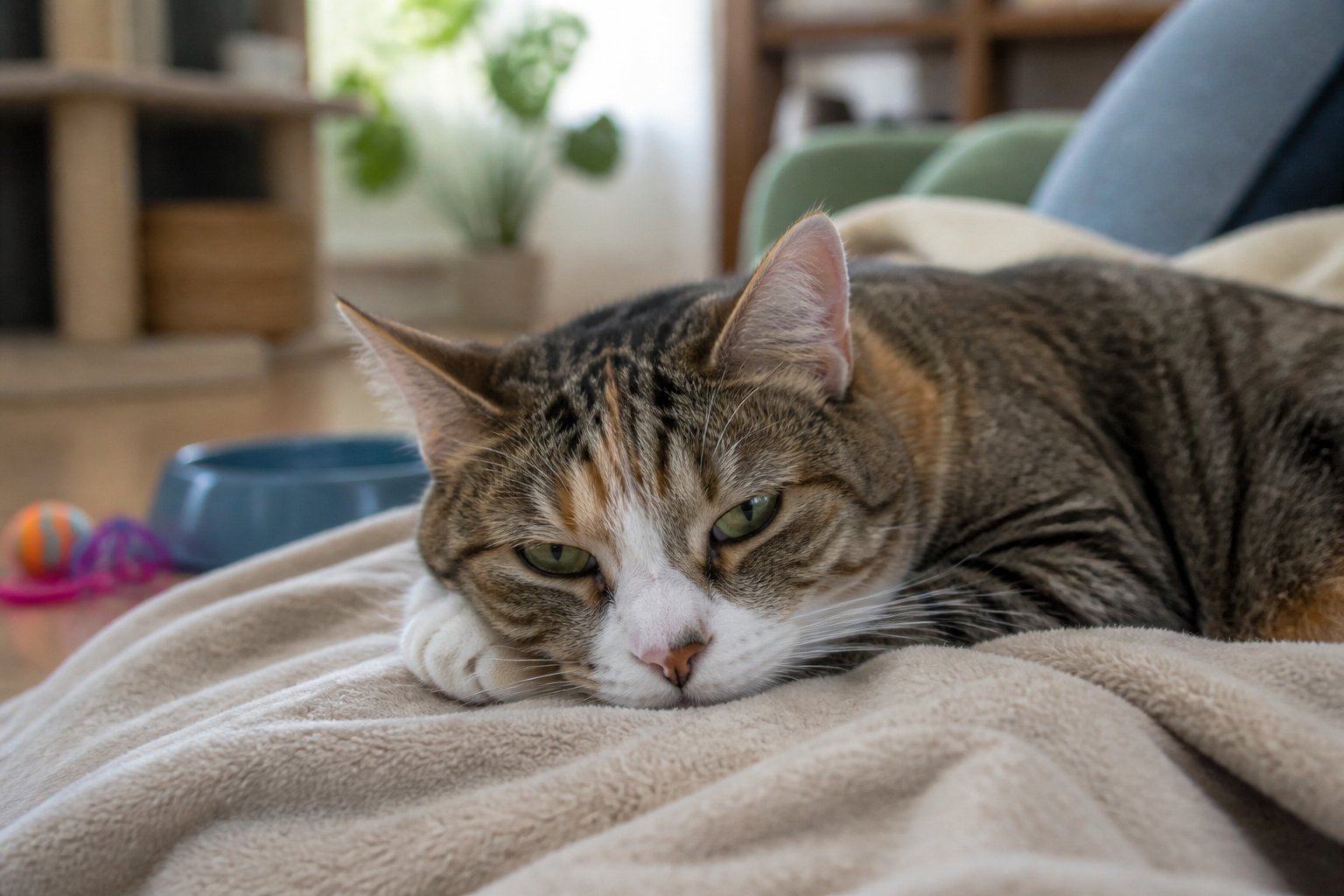
Cats near the end of life often show distinct changes in how they act and interact with their surroundings. These behavioral shifts can include withdrawing from family members, changes in temperament, neglecting their appearance, and showing signs of mental confusion.
Increased Hiding or Social Withdrawal
Cats who are dying frequently seek out quiet, isolated spaces away from household activity. You might find your cat hiding under beds, in closets, or behind furniture more often than usual.
This reclusiveness or hiding behavior happens because cats instinctively retreat when they feel unwell or vulnerable. Your normally social cat may stop greeting you at the door or refuse to sit on your lap. They may also show reduced alertness and appear less interested in what’s happening around them.
A decline in activity often accompanies this withdrawal. Your cat may spend most of the day sleeping or resting in secluded areas. Changes in sleeping patterns are common, with cats sleeping much more than usual or at different times of day.
Unusual Aggression or Clinginess
Dying cats may display abnormal aggression toward people or other pets they previously tolerated well. This aggression stems from pain, discomfort, or confusion rather than actual hostility.
Some cats react in the opposite way and become unusually clingy. Your independent cat might suddenly follow you everywhere or constantly seek physical contact. They may show increased vocalization, crying or meowing more frequently than normal.
These personality changes happen as the body begins shutting down. Only you will notice these behavioral changes since you know your cat’s normal personality. Contact your veterinarian immediately if your cat starts acting differently without explanation.
Altered Grooming and Hygiene Habits
Poor grooming is one of the clearest behavioral signs your cat is dying. Cats are naturally clean animals who spend hours grooming themselves daily. When a cat stops maintaining their coat, it signals they lack the energy or mental drive to perform this basic self-care.
You may notice your cat’s fur looks matted, greasy, or unkempt. They might develop mats in areas they can normally reach easily. Some cats also lose control of their bladder or bowels, leading to incontinence issues.
These hygiene changes occur because mental faculties diminish as the body shuts down. Your cat may also show clumsiness or difficulty reaching certain body parts during grooming attempts.
Cognitive Dysfunction and Confusion
Cats nearing death often appear confused or disoriented in familiar spaces. They may walk into wrong rooms, forget where their litter box is located, or stare blankly at walls.
While there is no evidence that cats understand death, they do respond to the physical discomfort and mental decline happening in their bodies. Your cat sees only what’s in front of them rather than comprehending their overall condition.
Reduced responsiveness accompanies this confusion. Your cat may not react when you call their name or fail to respond to familiar sounds like treat bags or can openers. They might appear to look through you rather than at you. These cognitive changes indicate the body’s systems are failing and require immediate veterinary attention.
Understanding the Dying Process in Cats
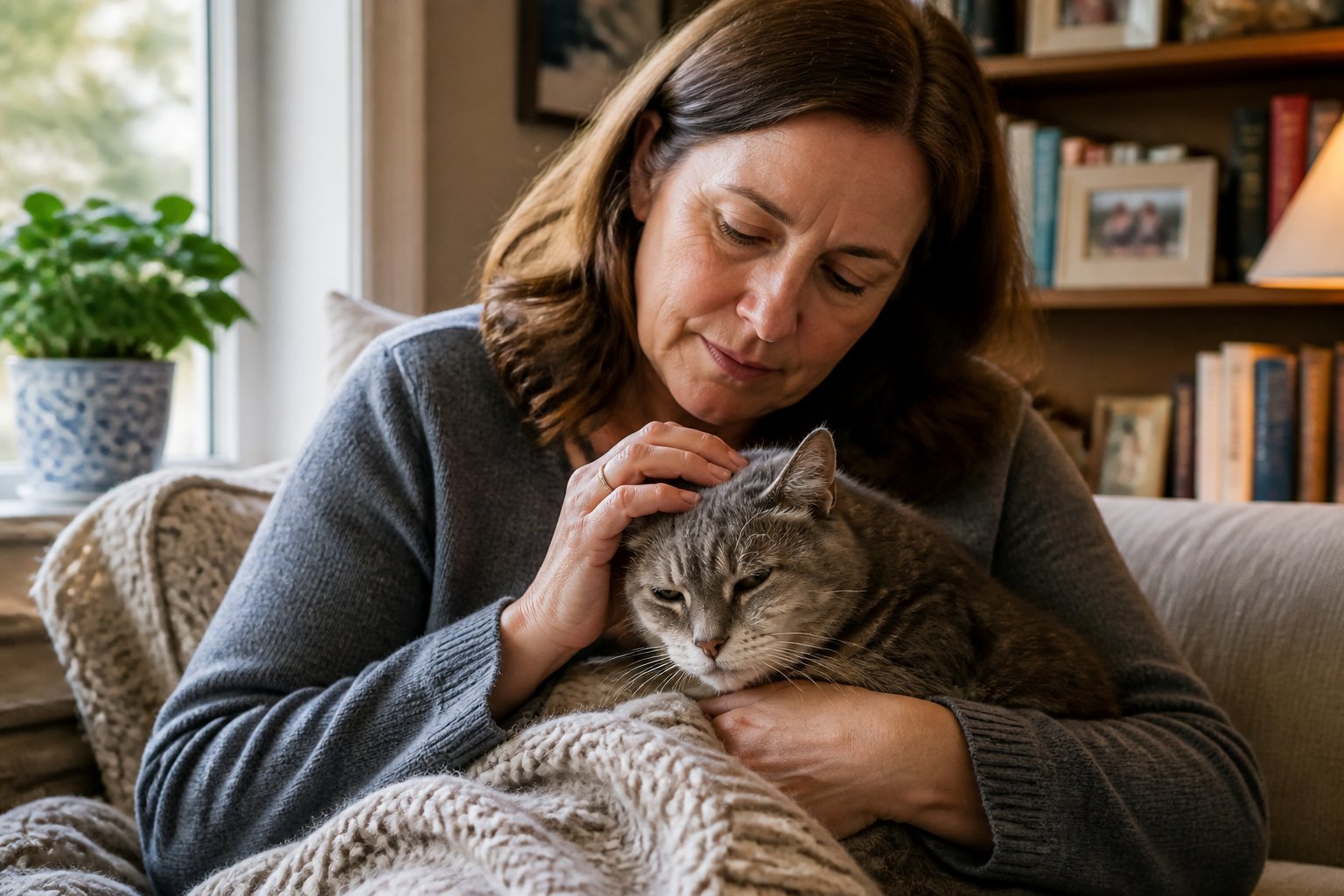
Cats go through distinct stages as they near the end of life, with physical and behavioral changes that help you understand what to expect. Recognizing whether your cat is in the pre-active or active stage guides you in providing appropriate comfort and knowing when immediate veterinary support is needed.
Pre-Active vs. Active Dying Stage
The pre-active dying phase can last days to weeks before death occurs. During this time, your cat may show decreased appetite, increased sleeping, and withdrawal from normal activities. Your cat might hide more often or seek out quiet spaces away from household activity.
Physical changes become more noticeable as this stage progresses. Weight loss accelerates because your cat’s body loses its ability to process food and fluids properly. You may notice your cat drinking less water and showing little interest in favorite treats.
The active dying stage typically lasts 24 to 48 hours. Your cat’s body temperature drops below normal, and breathing patterns change significantly. Lethargy becomes extreme, with your cat remaining in one position for extended periods. Movement becomes difficult or impossible as your cat’s energy fades.
What Happens in the Final Hours
Your cat’s breathing may become labored or irregular in the final hours. Some cats take very shallow breaths while others breathe more rapidly than normal. Pauses between breaths can occur and may last several seconds.
Body temperature continues to drop during the final moments. Your cat’s extremities like paws and ears feel cool to the touch. The heart rate slows down considerably, and mucous membranes may appear pale or bluish.
Many cats become unresponsive to touch, sound, or movement around them. Your cat’s eyes may remain partially open with a fixed, unfocused gaze. Deep breaths or muscle twitches can happen as the body’s systems shut down.
Loss of Bladder and Bowel Control
Loss of bladder and bowel control happens when muscles relax completely near death. Your cat cannot voluntarily control these functions anymore, which is a normal part of the dying process. This typically occurs in the active dying stage or at the moment of death.
You may notice urine or feces release without your cat attempting to use the litter box. Place absorbent pads or towels under your cat to keep them clean and comfortable. Gently clean your cat’s fur if accidents occur to maintain their dignity during this time.
This loss of control does not cause your cat distress because awareness decreases significantly in the final stages. While there is no evidence that cats understand death, they may respond to physical discomfort, which is why keeping them clean matters for their comfort.
Objective Assessment Tools for Quality of Life
Scoring systems help you move past emotions and look at your cat’s condition with clear numbers and concrete criteria. These tools measure specific aspects of daily life to determine if your cat still has more good moments than bad ones.
The HHHHHMM Scale Explained
The HHHHHMM scale stands for Hurt, Hunger, Hydration, Hygiene, Happiness, Mobility, and More good days than bad. You rate each category on a scale from 0 to 10, where 10 represents normal or ideal function.
Hurt measures pain levels. Your cat should score high if pain medication keeps them comfortable.
Hunger tracks eating habits. A score drops when your cat refuses favorite foods or eats very little.
Hydration looks at water intake. Cats who drink normally score higher than those avoiding water or becoming dehydrated.
Hygiene examines grooming and bathroom habits. Cats who can’t clean themselves or have accidents score lower.
Happiness considers your cat’s interest in daily activities. Look for purring, greeting you, or enjoying pets.
Mobility rates your cat’s ability to move around without struggle or pain.
More good days than bad asks you to count recent days. If bad days outnumber good ones, this scores low.
A total score above 35 out of 70 generally indicates acceptable quality of life. Scores consistently below 35 suggest your cat may be suffering.
Good Days Versus Bad Days Approach
Track your cat’s daily experience on a calendar using simple marks or symbols. Mark good days with a plus sign and bad days with a minus sign.
A good day means your cat ate reasonably well, showed interest in their surroundings, and appeared comfortable. A bad day includes refusing food, hiding constantly, showing pain signs, or seeming distressed.
Count the marks at the end of each week. When bad days become more frequent than good days for two weeks straight, your cat’s quality of life has likely declined to a point where intervention is needed.
This method works because it removes the influence of one particularly good or bad moment. You see patterns instead of isolated incidents. Some pet owners find this tracking system more helpful than trying to remember how the past month went.
When to Seek Veterinary Advice
Contact your vet immediately if you notice sudden changes in your cat’s behavior or physical health. Professional guidance helps you understand what’s happening and ensures your cat receives proper care during their final days.
When to Contact Your Vet
Call your veterinarian right away if your cat shows sudden behavioral or physical changes. Weight loss, lethargy, hiding, and loss of appetite all require immediate attention.
Your vet needs to see your cat if they stop eating or drinking. If food and water bowls remain untouched for more than 24 hours, this signals a serious problem.
Breathing difficulties, vomiting, diarrhea, or a low body temperature demand emergency care. These symptoms indicate your cat’s body may be shutting down.
You know your cat best. If something feels wrong or your cat acts differently than usual, trust your instincts and seek help. Veterinarians can diagnose terminal conditions and create an end-of-life plan that may include treatment, hospice care, or palliative care.
Using Online Vet Services Like PangoVet
Online vet services give you quick access to professional advice when you can’t immediately visit a clinic. These platforms connect you with licensed veterinarians through video calls or chat.
You can talk to a vet online through services like PangoVet to discuss your cat’s symptoms and get guidance on next steps. Online vets help you determine if your cat needs emergency care or if you can monitor symptoms at home.
These services work well for initial consultations and general questions. However, they cannot replace in-person exams for cats showing serious signs of dying. Your cat still needs physical examination and testing for accurate diagnosis and proper end-of-life care.
Euthanasia and Compassionate End-of-Life Choices
Euthanasia provides the most peaceful way for a cat to pass at the end of life. Your veterinarian administers medication to relax your cat before giving a final injection.
Work with your vet to decide on the right timing. They can help you evaluate your cat’s quality of life and pain levels. Consider factors like whether your cat can eat, move comfortably, or enjoy daily activities.
During the procedure, your cat may twitch or take deep breaths before passing. These are normal reflexes as the body relaxes. You can usually stay with your cat during this time.
Without euthanasia, natural death may involve labored breathing, low body temperature, and immobility that can last hours or days. Hospice care with pain management offers another option if you want your cat to pass naturally while staying comfortable.
Offering Comfort and Support During the Final Stage
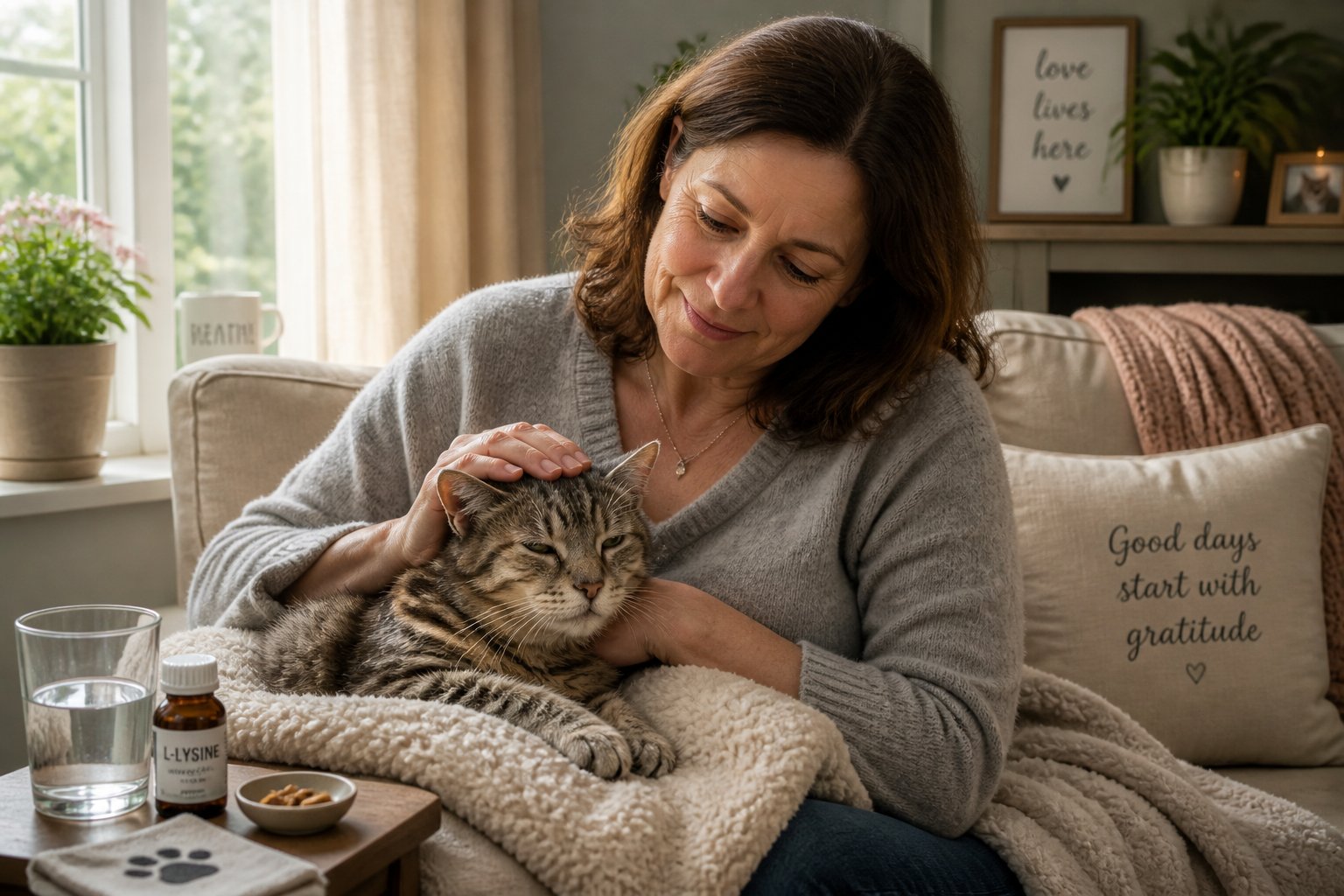
Making your cat’s final days peaceful involves creating a calm environment, working with your vet on pain control, and allowing yourself time to prepare emotionally for goodbye.
At-Home Care for Comfort
Your cat needs a quiet, warm space away from noise and activity during their final stage. Set up a comfortable bed with soft blankets in a room where they feel safe and secure.
Keep food, water, and a litter box within easy reach. Your cat may have trouble moving, so place everything close by. Some cats prefer elevated food bowls or litter boxes with low sides for easier access.
Maintain a comfortable room temperature since dying cats often struggle to regulate body heat. You can use heating pads set on low or warm blankets to help keep them comfortable.
Gentle interaction matters, but watch for signs your cat wants to be alone. Some cats seek comfort from their owners while others hide or withdraw. Respect their preferences during this time.
Pain Management and Medication Options
Work with your veterinarian to develop a pain management plan for your cat. Your vet can prescribe medications to reduce discomfort and anxiety during the final stage.
Common pain relief options include:
- Anti-inflammatory medications to reduce swelling and discomfort
- Opioid pain relievers for moderate to severe pain
- Anti-anxiety medications to keep your cat calm
- Appetite stimulants if your cat has stopped eating
Your vet may also recommend hospice care services that provide in-home support. These teams can adjust medications as needed and monitor your cat’s comfort level.
Keep track of your cat’s symptoms and report any changes to your vet right away. Signs like labored breathing, crying out, or inability to rest indicate your cat needs immediate attention.
Preparing for Saying Goodbye
There is no evidence that cats understand death, but they do respond to pain and discomfort. Focus on keeping your cat comfortable rather than worrying if they know what’s happening.
Talk to your vet about euthanasia as a peaceful option if your cat’s quality of life has declined. Your vet will help you decide when the time is right based on your cat’s symptoms and suffering level.
Many vets offer at-home euthanasia services so your cat can pass in familiar surroundings. During the procedure, your vet gives a sedative first, then administers the final injection. Your cat may twitch or take deep breaths before passing.
Allow yourself time to grieve and consider making memories before saying goodbye. Some pet parents take photos, create paw prints, or spend extra time with their cat during the final days.
Frequently Asked Questions
Cat owners often have similar questions about recognizing end-of-life symptoms and understanding what changes mean for their pet’s health. Knowing the difference between treatable illness and terminal decline helps you make informed decisions about your cat’s care.
What are the most common signs that a cat may be nearing the end of life?
The most common signs include behavioral and physical changes like weight loss, lethargy, and loss of appetite. Your cat may start hiding more often or become less alert and responsive to their surroundings.
Other frequent symptoms include poor grooming habits and changes in sleeping patterns. You might notice your cat sleeping much more than usual or seeming less interested in activities they once enjoyed.
Physical symptoms often include sunken eyes, dehydration, and a drop in body temperature. Breathing problems, vomiting, and diarrhea can also signal that your cat needs immediate veterinary attention.
How long can a cat survive once end-of-life symptoms begin?
The timeline varies based on your cat’s specific condition and overall health history. Some cats may decline rapidly over days, while others experience a gradual decline over weeks or months.
Once a cat stops drinking water and urinating, they are typically in the very end stages leading to death. This final phase usually lasts only a short time without intervention.
Working with your veterinarian gives you a better understanding of what to expect for your specific cat. They can help you monitor symptoms and adjust care as your cat’s condition changes.
What are the typical stages of decline in an elderly cat nearing death?
Early decline often starts with subtle changes like reduced activity and increased sleep. Your cat may become pickier about food or eat smaller portions than before.
As decline progresses, you’ll see more obvious symptoms like significant weight loss and withdrawal from family members. Your cat might seek out quiet places to rest alone and show less interest in grooming.
The active dying phase involves more severe symptoms like labored breathing, extreme weakness, and inability to stand. Body temperature drops, and your cat may lose control of their bladder or bowels during this final stage.
What eye changes can indicate a cat is close to dying?
Sunken eyes are a common physical sign that appears as your cat becomes dehydrated and loses body weight. The eyes may look hollow or recessed compared to their normal appearance.
Your cat’s eyes might also appear glazed or unfocused as they become less alert. Pupils may not respond normally to light changes, and your cat may stare without seeming to see clearly.
Third eyelid problems can occur, where the inner eyelid becomes more visible across part of the eye. This happens when your cat is very ill or weak.
What symptoms suggest a cat is dying from kidney failure?
Cats with kidney failure typically show increased thirst and urination in earlier stages, but this changes near the end of life. Loss of appetite and weight loss become severe as the kidneys can no longer filter toxins properly.
Vomiting becomes more frequent, and your cat may develop very bad breath with an ammonia-like smell. Mouth ulcers can form, making eating painful and further reducing appetite.
Your cat may become extremely lethargic and weak as toxins build up in their bloodstream. Dehydration worsens despite treatment attempts, and body temperature often drops below normal levels.
Can a veterinarian determine whether a cat is actively dying or has a treatable condition?
Yes, veterinarians can evaluate your cat and provide a professional diagnosis to determine if symptoms are from a terminal condition or something treatable. They use physical exams, blood work, and imaging to assess your cat’s overall health.
Your vet can identify whether symptoms result from conditions like infections, diabetes, or hyperthyroidism that respond to treatment. They can also detect terminal diseases that require end-of-life planning rather than aggressive treatment.
Contact your veterinarian immediately if you notice sudden changes in your cat’s behavior or health. Early evaluation gives you the most options for either treatment or compassionate end-of-life care.