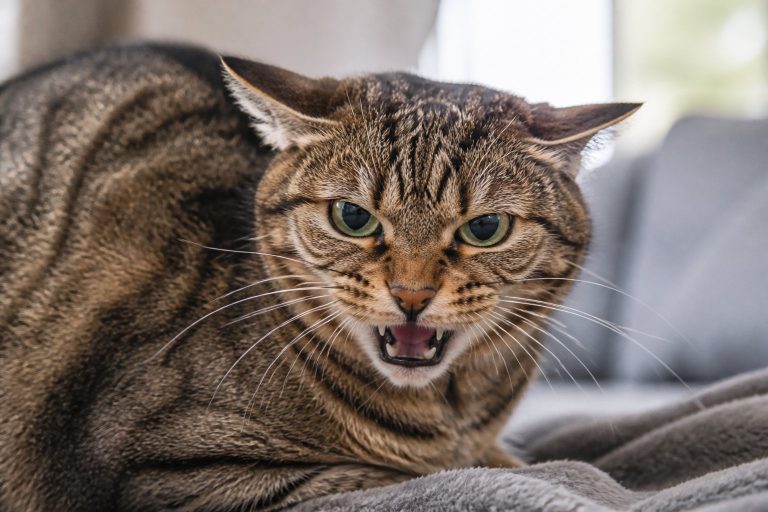
Why Does My Cat Follow Me Around? 7 Reasons Cat Owners Should Know
If your cat shadows you from room to room, you’re not alone. Many cat owners notice their feline companions trailing behind them throughout the day, whether they’re cooking dinner, working at their desk, or even using the bathroom.
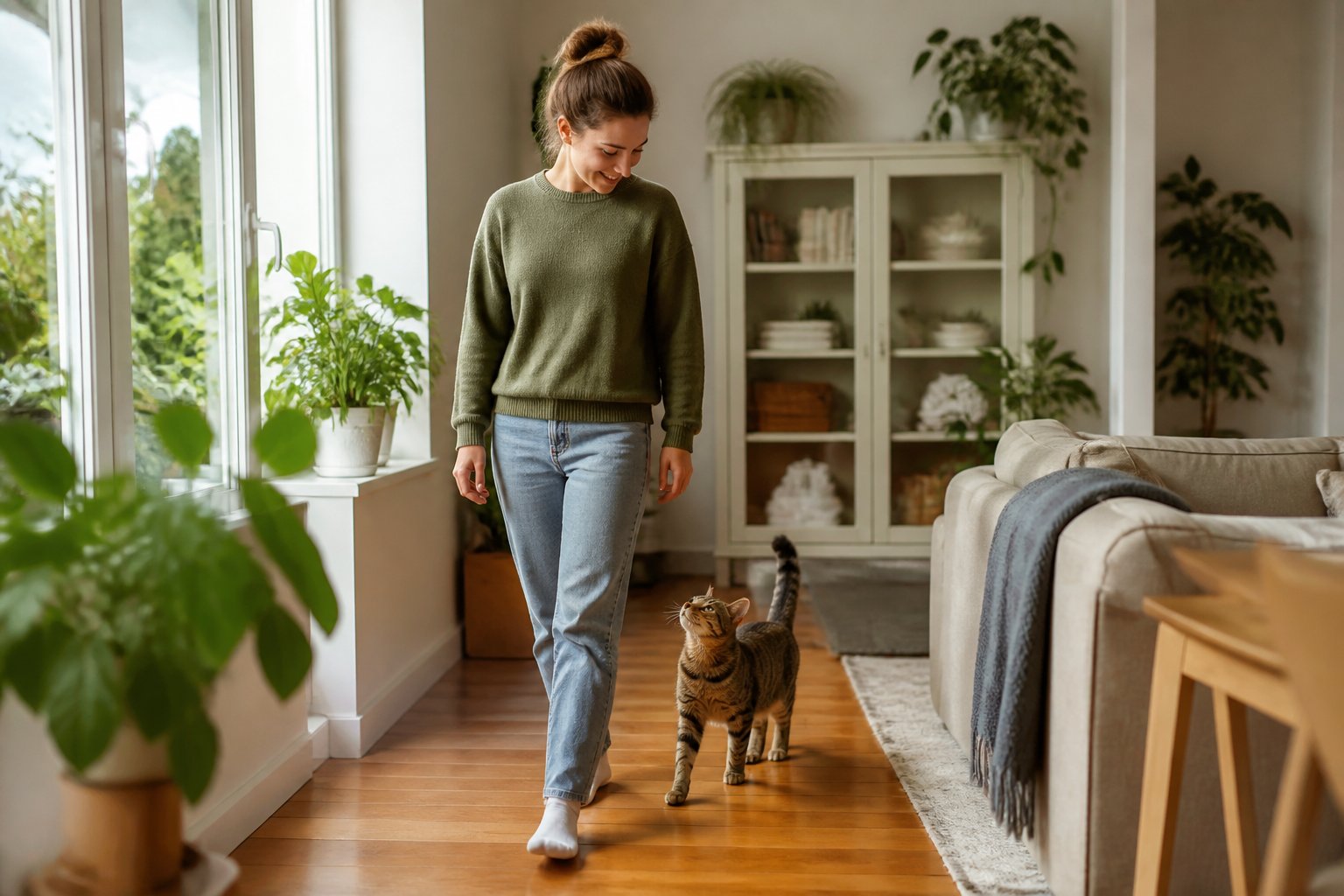
Cats follow their owners for several reasons, including hunger, affection, curiosity, attention-seeking, and the need to feel safe and secure. While this behavior is usually normal and healthy, understanding why your cat stays so close can help you meet their needs better and strengthen your bond.
This guide explores the main reasons behind cat following behavior and what it reveals about your relationship with your pet. You’ll learn when this attachment is a sign of a strong bond, when it might indicate stress or illness, and how to help your cat develop healthy independence if needed.
Understanding Cat Following Behavior
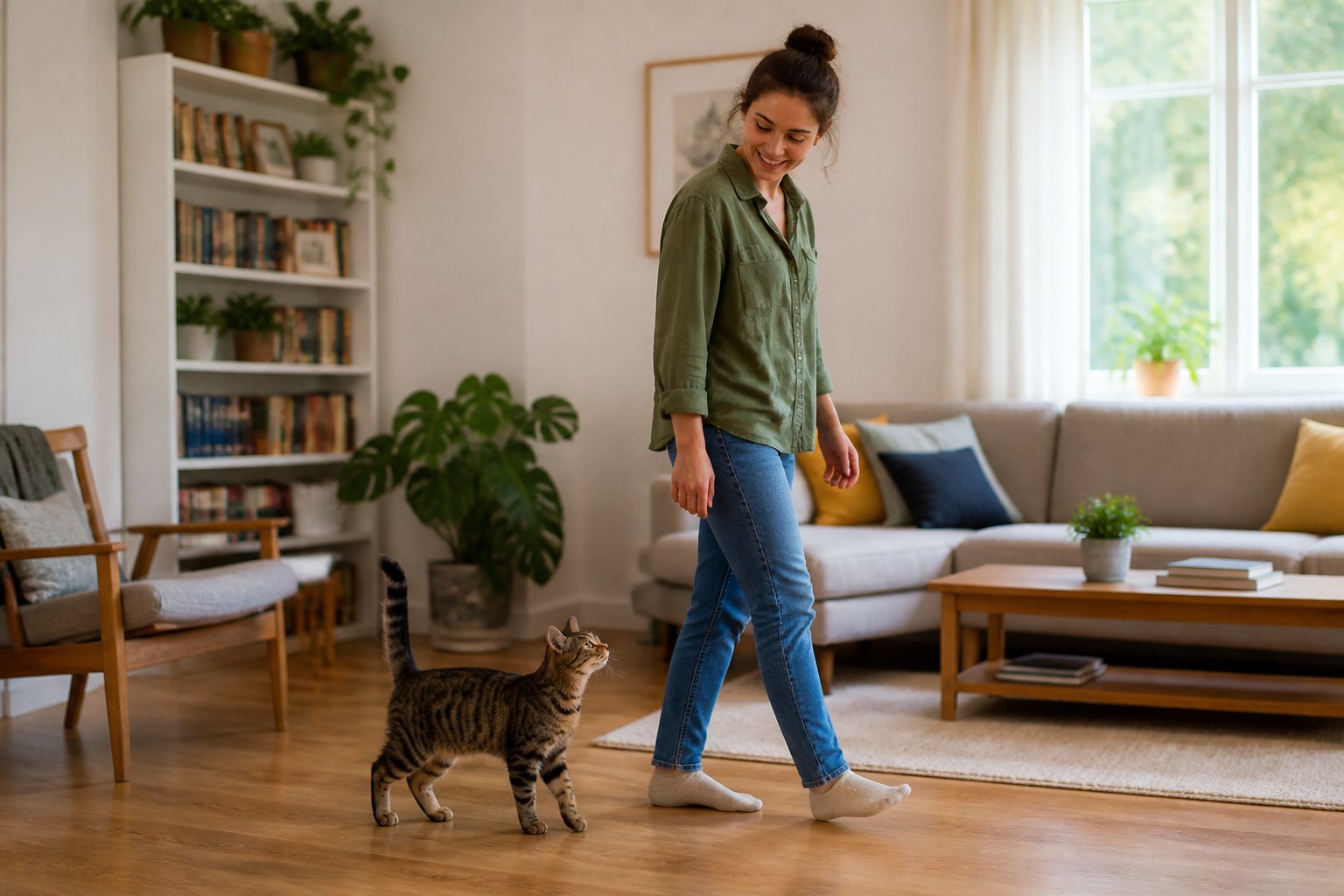
Cats follow their owners for specific reasons rooted in their natural instincts and social bonds. Most following behavior is completely normal and reflects your cat’s attachment to you.
Is It Normal for a Cat to Follow You Everywhere?
Yes, it’s normal for cats to follow their owners around the house. Despite their reputation for being independent, cats are social animals that form strong bonds with their human family members.
Following behavior in cats is typically a sign of a healthy relationship between you and your pet. Many cats will shadow their owners from room to room, including spaces like bathrooms and bedrooms.
The frequency of this behavior varies by individual cat. Some cats may only follow you occasionally, while others become constant companions throughout your day. Both patterns are normal as long as your cat shows no signs of distress or illness.
How Cats Form Attachments to Their Owners
Cats build connections with their owners through daily interactions and consistent care. They learn to associate you with food, safety, comfort, and play.
When you spend time petting, grooming, or playing with your cat, their brain releases oxytocin. This hormone creates positive feelings and strengthens the bond between you. Regular feeding schedules also teach your cat to trust and depend on you.
Cats naturally form tight family units in the wild for protection and survival. Your cat views you as part of their family group. This instinct drives them to stay close to you, especially during vulnerable moments like when they eat or sleep.
Do Cats Choose a Favorite Person?
Yes, cats often choose a favorite person in the household based on who meets their needs most consistently. The person who feeds them, plays with them most often, or provides the most attention typically becomes their preferred companion.
Cats also favor people who respect their boundaries and communicate in ways they understand. Someone who reads their body language correctly and doesn’t force interaction will likely win their affection.
Your cat’s personality plays a role too. Some cats naturally bond with one person, while others spread their affection across multiple family members equally.
Top 7 Reasons Your Cat Always Stays Close
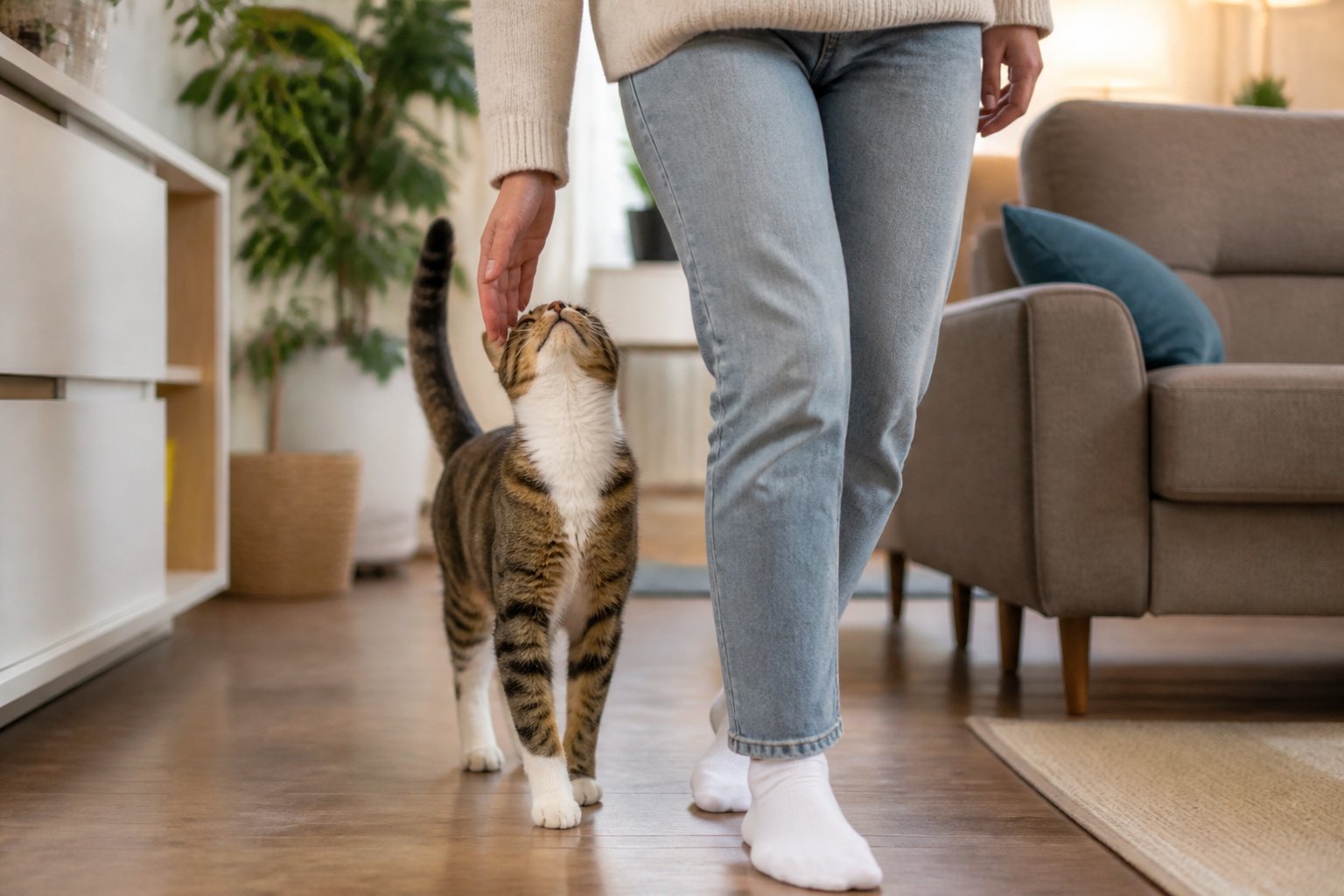
Cats follow their owners around for several practical and emotional reasons. Understanding whether your cat wants attention, feels hungry, or needs companionship helps you respond to their needs appropriately.
Seeking Attention and Affection
Your cat may follow you because they want your time and attention. Cats form strong bonds with their owners and use following behavior to request interaction. When your cat trails behind you from room to room, they’re often asking for petting, playtime, or simply your presence.
This behavior is especially common if you’ve been away for several hours or if your cat doesn’t get much one-on-one time with you. Some cats become what people call “velcro cats” because they stick so close to their owners throughout the day.
Signs your cat wants attention include:
- Meowing while following you
- Rubbing against your legs
- Pawing at you gently
- Sitting nearby and staring at you
Interactive play sessions using wand toys or puzzle toys can satisfy this need. Even 10 to 15 minutes of focused playtime twice daily makes a significant difference in your cat’s behavior.
Hunger and Mealtime Habits
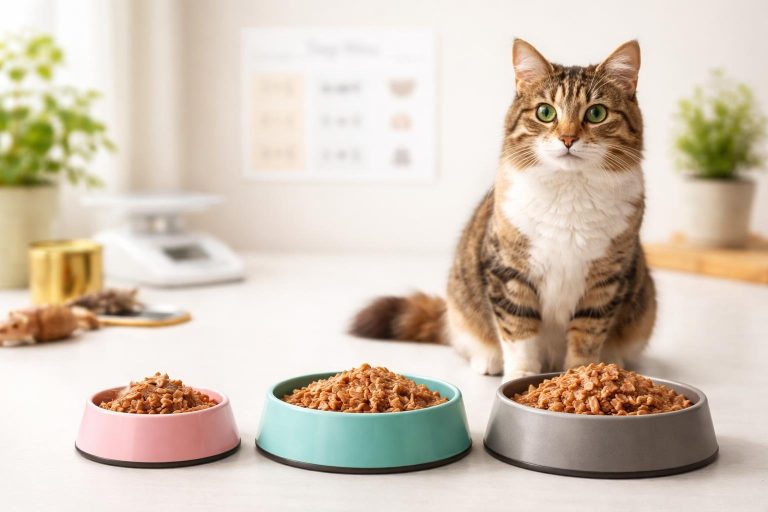
Cats often follow their owners when they’re hungry or want treats. Your cat has learned that you control the food supply, so they shadow your movements hoping you’ll head to the kitchen. This behavior typically increases around regular feeding times.
Some cats have larger appetites than others and may feel the need to eat multiple times throughout the day. Food-motivated cats will follow you persistently until their bowl is filled.
If constant following for food becomes disruptive, consider feeding smaller meals more frequently. An automatic feeder can help establish regular meal times so your cat learns when to expect food. This reduces the behavior because your cat will wait by the feeder instead of following you around constantly.
Boredom and Lack of Stimulation
A bored cat may follow you around seeking entertainment. Cats need mental and physical stimulation throughout the day. When they don’t get enough activity, they turn to their owners as a source of excitement.
This issue is particularly common in single-cat households or when cats spend long periods alone. Your movements become the most interesting thing happening in their environment.
Ways to reduce boredom include:
- Rotating different toys weekly
- Providing window perches for bird watching
- Setting up cat trees or climbing structures
- Using food-dispensing puzzle toys
- Playing hide-and-seek with treats
Environmental enrichment keeps your cat engaged even when you’re busy. Cat TV videos or leaving a radio on can also provide background stimulation during the day.
Curiosity and Exploration
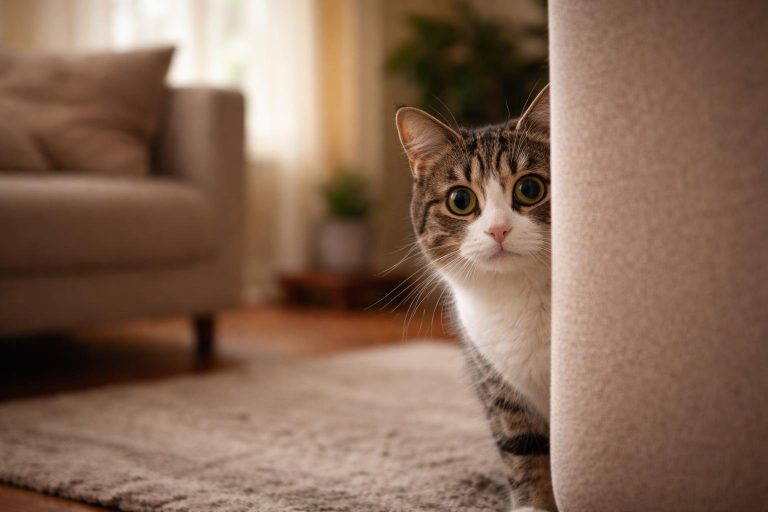
Cats are naturally curious animals who want to investigate everything you do. When you open a door to a room your cat doesn’t normally access, they’ll follow to explore. Your cat watches you because your activities signal something new or interesting might be happening.
This explains why your cat follows you to the bathroom. They want to know what you’re doing in there and investigate the space. Every closed door represents a mystery your cat wants to solve.
Your daily routine also triggers curiosity. When you put on shoes or grab your keys, your cat follows to see what happens next. These behaviors satisfy their natural instinct to monitor their territory and the activities within it.
Desire for Companionship and Safety
Cats form close family bonds and feel safest when near their trusted humans. Following you provides your cat with security and companionship. In multi-cat households, cats naturally stick together for protection, and they extend this behavior to their human family members.
Your presence makes your cat feel protected from potential threats. Even though indoor cats face few real dangers, their instincts still drive them to stay close to their family unit. This behavior becomes stronger when your cat feels vulnerable or uncertain.
A clingy cat isn’t necessarily insecure. Many well-adjusted cats simply enjoy being near their favorite person. They may not need constant interaction but prefer staying in the same room where they can see you. This companionship satisfies their social needs without requiring active engagement.
Health Issues and Clinginess
Increased following behavior sometimes signals health problems. When cats feel sick, they may become more clingy because illness makes them feel vulnerable. They seek your protection during this uncomfortable time.
Warning signs that require veterinary attention:
- Sudden changes in following behavior
- Loss of appetite or increased thirst
- Vomiting or diarrhea
- Difficulty walking or breathing
- Hiding combined with excessive following when you’re present
Conditions like hyperthyroidism can increase hunger, causing cats to follow their owners more frequently demanding food. Senior cats may develop cognitive issues that make them more dependent on their owners for reassurance.
If your cat’s behavior changes noticeably or they show other symptoms alongside increased clinginess, schedule a veterinary checkup. Early detection of health issues leads to better treatment outcomes.
Routine and Predictability
Cats are creatures of habit who thrive on predictable schedules. Your cat follows you because they’ve learned your daily patterns and anticipate what comes next. They know that certain actions lead to meals, playtime, or other activities they enjoy.
Your morning routine might trigger following behavior because your cat expects breakfast. Evening movements toward the couch signal cuddle time. These learned associations make your cat shadow your steps at specific times.
Changes to routine can increase following behavior temporarily. Moving to a new home, schedule changes, or new family members may cause your cat to stick closer until they adjust. Maintaining consistent feeding times, play sessions, and bedtime routines helps your cat feel secure and may reduce excessive following.
Special Cases: Bathroom and Nighttime Following

Cats often choose specific times and places to shadow their owners, with bathroom visits and nighttime hours being the most common. These behaviors stem from your cat’s instincts around vulnerability and their bond with you.
Why Does My Cat Follow Me to the Bathroom?
Your cat sees the bathroom as a vulnerable space where you need protection. When cats urinate or defecate in the wild, they must stay still and their waste produces smells that could attract predators. Your cat may follow you to the bathroom because they want to guard you during this exposed moment.
Bathrooms also trigger your cat’s natural curiosity. The small, enclosed space contains interesting sounds like running water and unfamiliar smells from soaps and cleaning products. Your cat wants to investigate what you’re doing in there.
The closed door itself can prompt following behavior. Cats dislike being separated from their family unit, and a shut bathroom door creates a barrier between you and your cat. They may paw at the door or meow until you let them in simply because they want access to you.
Following You at Night or While Sleeping
Cats are naturally most active during dawn and dusk hours. Your cat may follow you to bed because their internal clock tells them it’s time to hunt and play. They see you moving toward the bedroom as an opportunity for interaction and attention.
Your bedroom offers warmth and security that appeals to cats. Cats in close family units stick together for protection, so sleeping near you satisfies their instinct to stay with their group. Your bed provides a comfortable, elevated spot where your cat feels safe.
Some cats follow you at night because they’ve learned this is when you’re available. If you’re busy during the day, nighttime may be the only period when your cat can reliably spend time with you and receive attention.
Is Your Cat a Velcro or Clingy Cat?
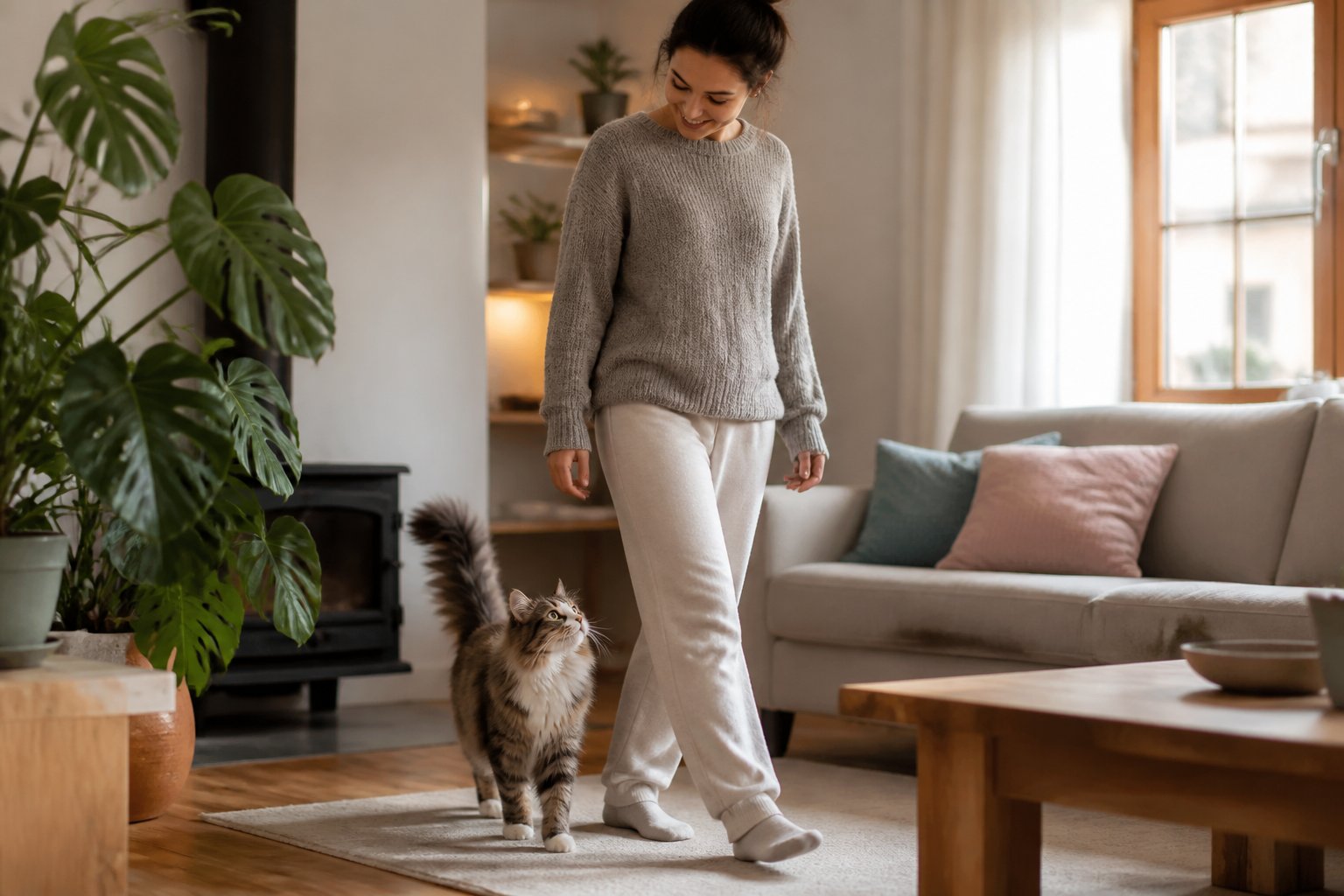
Some cats naturally form stronger bonds with their owners than others. Certain breeds show more affectionate and clingy tendencies, while signs of separation anxiety can indicate your cat needs extra support.
Cat Breeds Prone to Clinginess
If you own certain breeds, your cat’s following behavior might be part of their natural personality. Ragdolls are famous for their tendency to become velcro cats, often going limp in your arms and seeking constant contact. Siamese cats are highly vocal and social, demanding attention through loud meowing and following you from room to room.
Maine Coons form deep bonds despite their large size and often shadow their owners throughout the day. Other breeds known for clingy behavior include:
- Burmese
- Birman
- Scottish Fold
- Tonkinese
- Sphynx
- Devon Rex
- Siberian
Keep in mind that individual personality matters more than breed. Not every Ragdoll will be a velcro cat, and mixed breeds can be just as affectionate as purebreds.
Recognizing Separation Anxiety
Separation anxiety in cats shows up as excessive vocalization, destructive behavior, and house-training accidents when you leave. Your cat might scratch furniture, knock things over, or meow loudly at the door after you go.
Watch for these warning signs of a clingy cat with anxiety:
- Extreme distress when you prepare to leave
- Following you to the bathroom and every room
- Pawing or nudging you constantly for attention
- Inability to settle when alone
If your cat suddenly becomes much more clingy than usual, this could signal a health problem or environmental stress. Schedule a vet visit to rule out medical issues causing the behavior change.
Encouraging Healthy Independence in Cats
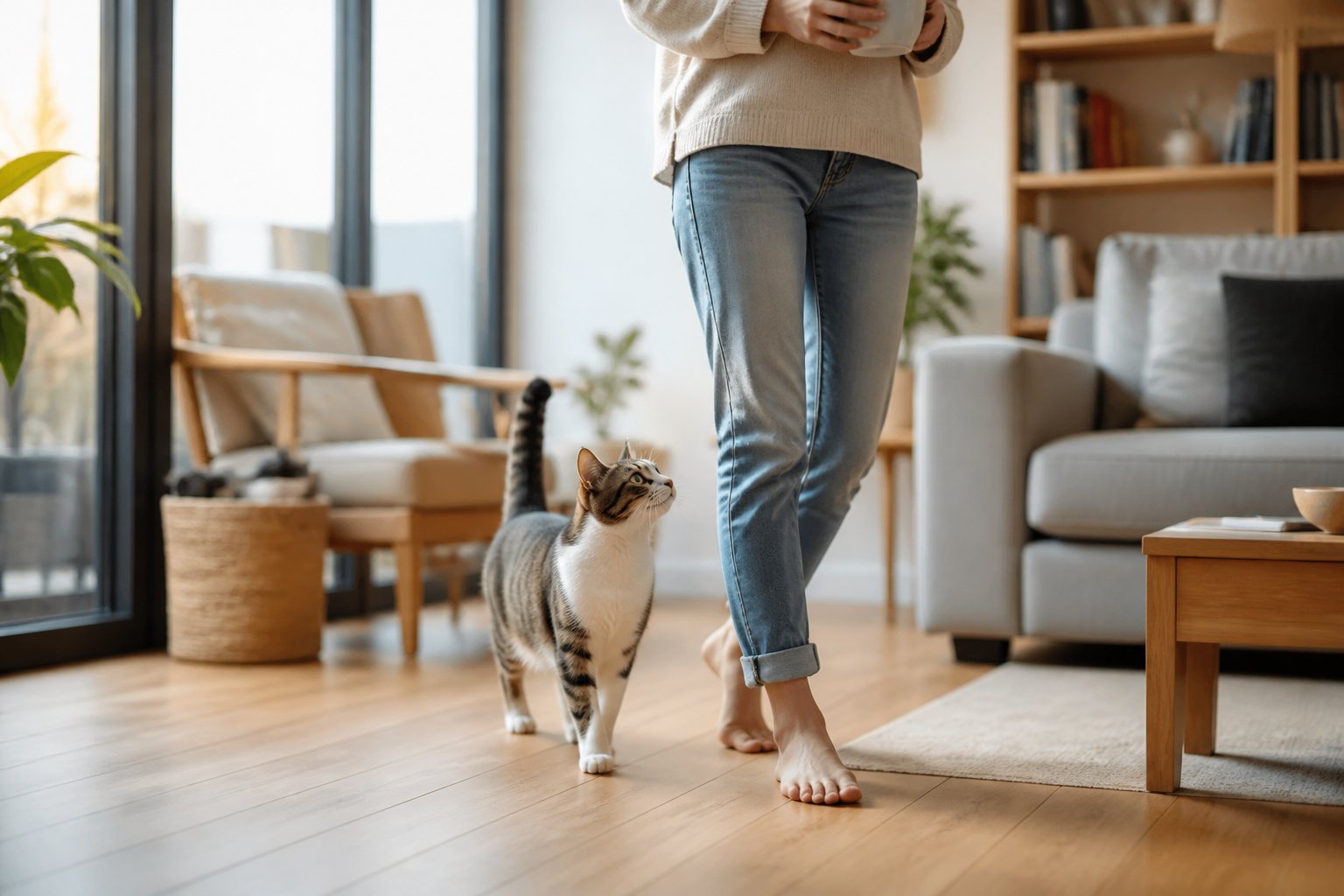
Building independence helps prevent excessive following behavior while keeping your cat mentally and physically satisfied. Creating an enriched environment with proper outlets for natural behaviors reduces attention-seeking and helps your cat feel secure even when you’re not nearby.
Using Cat Trees and Enrichment
Cat trees give your cat a dedicated space to climb, scratch, and observe their territory from different heights. Place cat trees near windows so your cat can watch birds and outdoor activity, which provides mental stimulation throughout the day.
A bored cat often follows you around because they lack interesting activities in their environment. Add vertical spaces like wall-mounted shelves or cat perches to create pathways your cat can explore independently.
Rotate different enrichment items weekly to maintain your cat’s interest. Consider adding:
- Scratching posts in multiple rooms
- Window perches with views of wildlife
- Cardboard boxes for hiding and playing
- Paper bags (with handles removed)
- Cat grass or safe plants
These additions give your cat reasons to explore areas beyond wherever you happen to be standing.
Interactive Cat Toys and Play
Scheduled play sessions teach your cat when to expect interaction, reducing constant attention-seeking behavior. Dedicate 10-15 minutes twice daily to active play using wand toys or laser pointers.
Cat toys that dispense treats or food encourage independent problem-solving. Puzzle feeders keep food-motivated cats occupied and mentally engaged without your direct involvement.
Leave out toys that your cat can use alone, such as:
- Ball track toys
- Motorized mice or fish
- Crinkle balls
- Spring toys
Switch these toys every few days to prevent boredom. Store some away and reintroduce them later to make old toys feel new again.
Routine, Comfort, and Desensitization
Establishing predictable routines helps your cat feel secure without needing constant reassurance from you. Feed meals at the same times daily and maintain consistent schedules for play and bedtime.
Create comfortable resting spots throughout your home where your cat can relax independently. Place soft beds or blankets in quiet corners, preferably in warm areas or sunny spots your cat naturally gravitates toward.
Practice brief separations to help your cat adjust to alone time. Start by leaving the room for just a few minutes, then gradually extend the duration. Reward calm behavior when you return, but avoid making departures or arrivals overly dramatic.
If your cat wants attention constantly, avoid reinforcing the behavior by giving in every time. Instead, initiate interaction on your schedule during designated play or cuddle times.
When to Worry: Health and Behavioral Concerns
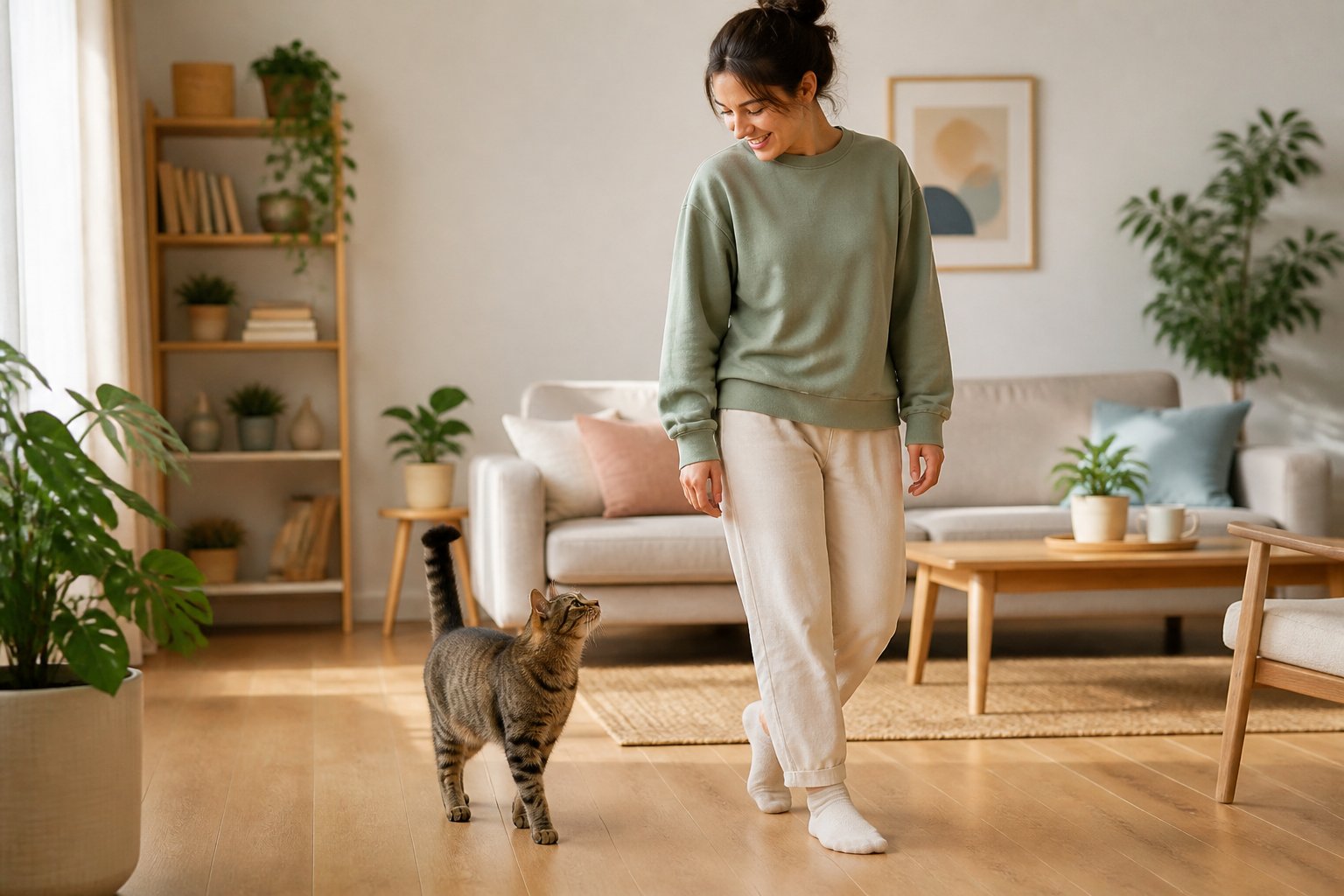
While cats naturally follow their owners around, a sudden increase in clingy behavior or other concerning symptoms may point to health issues that need attention.
Sudden Changes in Following Behavior
Pay attention if your normally independent cat suddenly becomes extremely clingy. This shift in behavior can signal that something is wrong with your cat’s health or emotional state.
Cats often become more attached when they feel vulnerable due to illness. If your cat follows you everywhere and also shows changes in appetite, increased thirst, vomiting, diarrhea, or difficulty walking, these are warning signs. Changes in appetite combined with increased following behavior could indicate conditions like hyperthyroidism.
Stress and anxiety also cause cats to seek more contact with their owners. Look for other signs like excessive grooming, hiding, or changes in litter box habits. A stressed cat may follow you around because your presence helps them feel safe and releases calming hormones.
Consulting a Veterinarian
Schedule a vet visit if your cat’s following behavior changes suddenly or comes with other symptoms. Your veterinarian can examine your cat and run tests to rule out medical problems.
Be ready to describe the specific changes you’ve noticed. Tell your vet when the behavior started, how often it happens, and what other symptoms you’ve seen. This information helps them diagnose the problem faster.
Some cats need prescription medication for anxiety or stress disorders. Your vet can also recommend calming products like pheromone diffusers or behavioral changes to help your cat feel more secure. Don’t wait if you think your cat is sick or suffering from anxiety.
Frequently Asked Questions
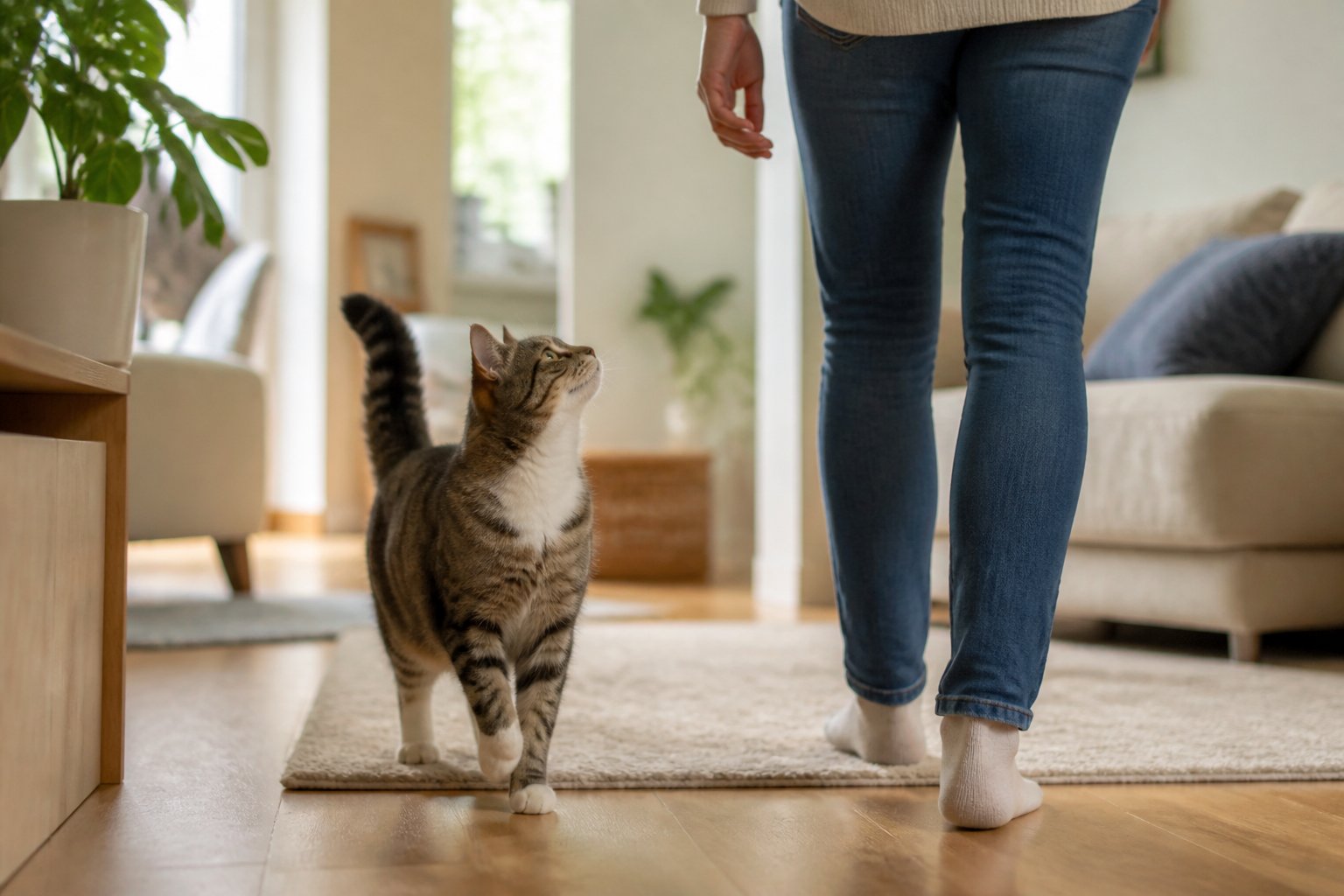
Cats follow their owners for different reasons depending on the situation and what they’re trying to communicate. Understanding the specific context can help you figure out what your cat needs.
Why does my cat follow me everywhere in the house?
Your cat likely follows you throughout the house because they feel bonded to you and want to stay close. Cats form tight family units with their humans and may view staying near you as a way to feel safe and secure.
They might also be curious about what you’re doing in different rooms. Cats naturally like to investigate and explore their surroundings, so when you move from room to room, they want to check out what’s happening.
Hunger or attention-seeking can also drive this behavior. If your cat hasn’t eaten recently or wants to play, they may trail behind you hoping you’ll meet their needs.
Why does my cat follow me to the bathroom?
Your cat follows you to the bathroom because they may want to protect you during a vulnerable time. Cats view urinating and defecating as risky activities when they must stay still and could attract predators.
They apply this same logic to you and want to keep you safe. It’s also possible your cat is simply curious about what you’re doing or doesn’t want to be separated from you, no matter where you go.
Why does my cat keep following me and rubbing against my legs?
When your cat follows you and rubs against your legs, they’re marking you with their scent. Cats have scent glands on their faces, heads, and bodies that they use to claim territory and show affection.
This behavior shows your cat feels comfortable with you and considers you part of their family group. They may also be asking for attention, petting, or food through this physical contact.
Why is my cat following me around and purring?
A cat that follows you while purring is usually expressing contentment and affection. Purring typically signals that your cat feels happy and relaxed in your presence.
Your cat may be following you to spend quality time together or to ask for attention in a gentle way. This combination of behaviors generally means your cat enjoys being near you and feels safe.
Why does my cat keep following me and meowing?
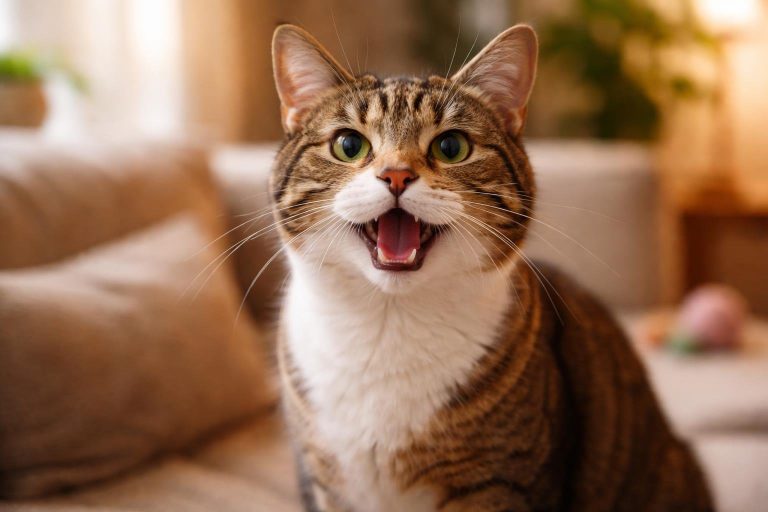
Your cat follows you and meows because they’re trying to communicate a specific need. Cats quickly learn that their humans dispense food and treats, so persistent meowing while following often means they’re hungry.
They might also be meowing to get your attention for playtime or petting. If the meowing seems excessive or your cat shows other concerning signs, it could indicate illness or stress that needs veterinary attention.
Why does my cat follow me when I leave the house?
Your cat follows you to the door when you leave because they’ve learned your departure routine and may feel anxious about being separated from you. Some cats experience stress when their owners leave and want to stay close as long as possible.
Your cat might also be curious about where you’re going or what’s outside the door. They may want to explore or simply don’t understand why you’re leaving them behind.