High Protein Cat Food: How Much Protein Does Your Cat Need for Optimal Health and Vitality
Cats need protein to survive and thrive. Adult cats require a minimum of 26% crude protein in their diet, while kittens and nursing mothers need at least 30% crude protein to support growth and reproduction. But understanding how much protein your cat needs goes beyond just meeting minimum requirements.
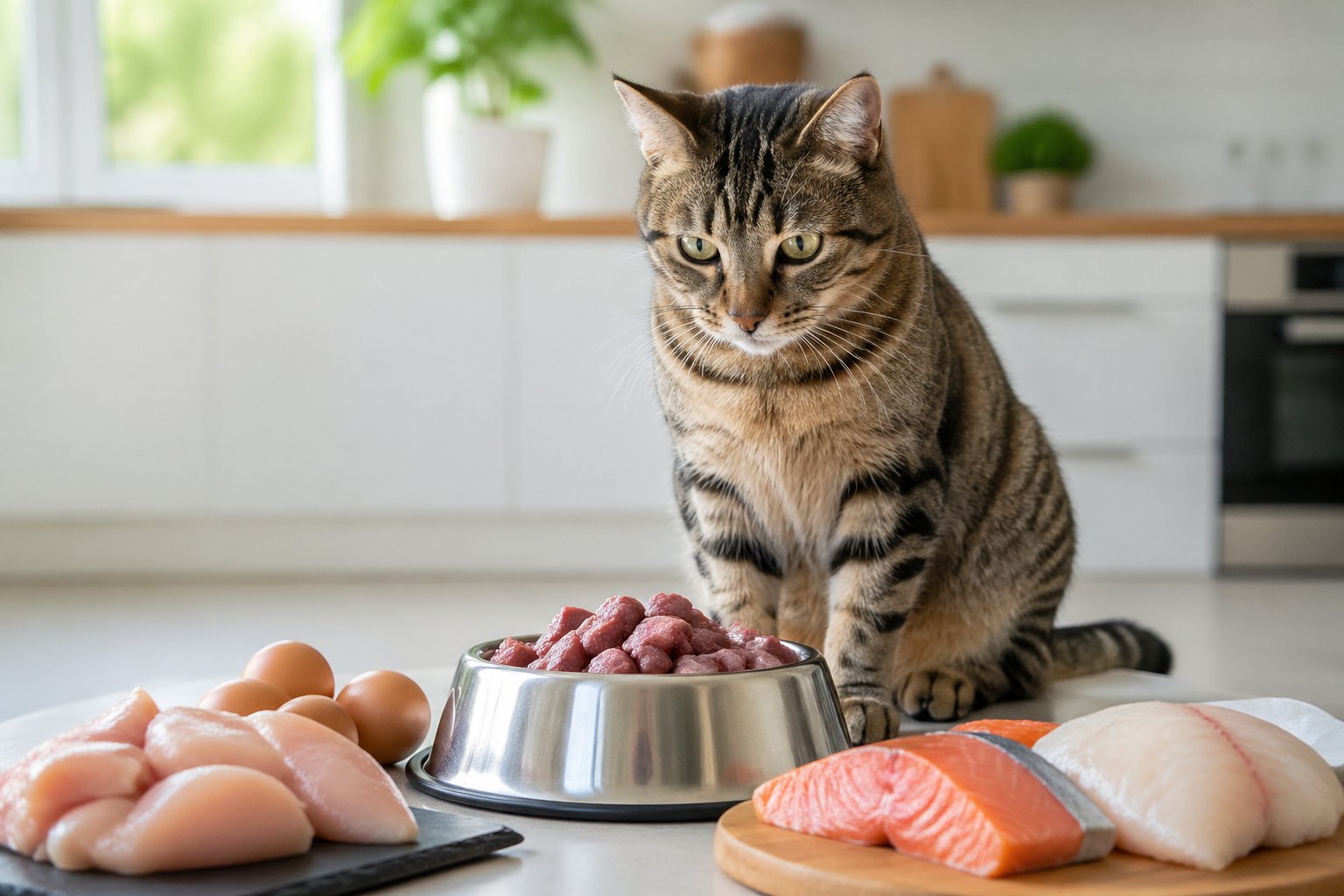
Cats are obligate carnivores, which means their bodies are built to run on meat. Unlike dogs or humans, cats cannot get all their nutrition from plants. They need animal-based protein to get the essential amino acids their bodies cannot make on their own.
This guide will help you understand protein requirements for your cat at different life stages. You’ll learn about the role of animal-based proteins, which amino acids matter most, and how to pick the right high-protein food for your cat’s specific needs. We’ll also cover the benefits and potential risks of high-protein diets so you can make informed choices about your cat’s nutrition.
Protein Requirements for Cats
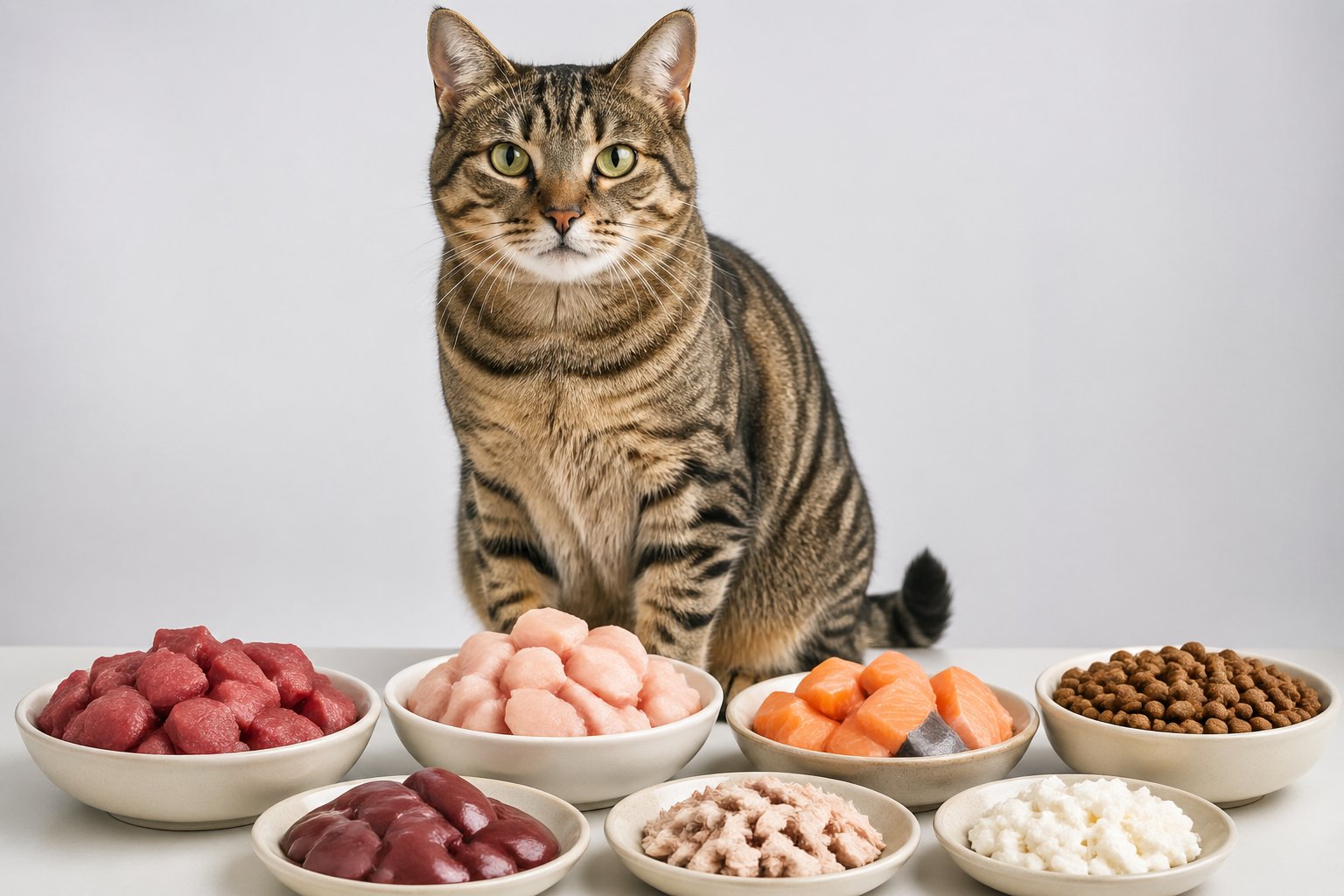
Cats need significantly more protein than many other pets because they are obligate carnivores. Kittens require at least 30% protein in their daily diet, while adult cats need a minimum of 26% protein.
Recommended Daily Protein Levels by Life Stage
Your kitten needs the highest amount of protein to support rapid growth and development. The minimum requirement is 30% of their total diet as protein.
Adult cats have slightly lower needs at 26% minimum protein. However, many healthy adult cats thrive on higher levels, typically between 30-40% of their diet.
Senior cats often need increased protein compared to middle-aged adults. Older cats may require up to 50% of their diet from protein to maintain muscle mass and support their immune system.
Your cat needs about 2.2 grams of protein per pound of body weight per day. A 10-pound cat would need roughly 22 grams of protein daily.
How to Calculate Protein Intake for Your Cat
To calculate your cat’s protein needs, start with their body weight in pounds. Multiply this number by 2.2 to get the grams of protein needed per day.
Check your cat food label for the protein percentage. For wet food, look at the guaranteed analysis section. Most labels show “crude protein” as a percentage.
You’ll also need to know how many calories your cat eats daily. Divide the total protein grams by the calories consumed to verify you’re meeting the percentage requirements. If your cat eats 200 calories per day and gets 50 grams of protein, that’s about 25% protein.
Factors Influencing Protein Needs
Activity level affects how much protein your cat requires. Highly active cats burn more calories and need additional protein to maintain muscle mass.
Obese or diabetic cats benefit most from high-protein diets. Extra protein helps them feel full while managing their weight and blood sugar levels.
Cats have limited ability to synthesize certain amino acids that herbivores and omnivores can make naturally. This makes the quality of protein in cat food critical to their health.
Pregnant and nursing cats need extra protein to support their kittens. Their requirements can increase by 25-50% during these periods.
Role of Animal-Based Protein in Feline Diets
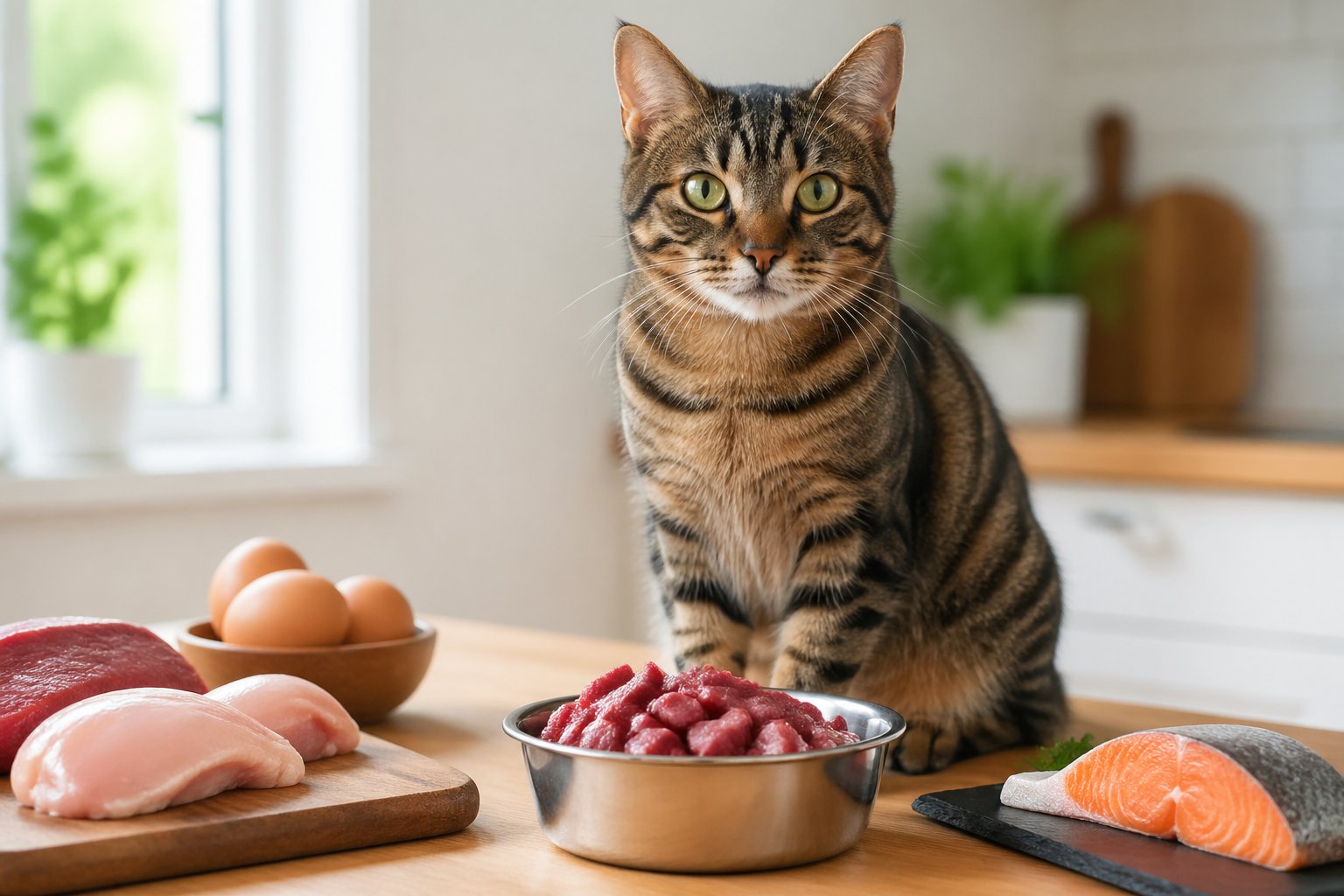
Cats are obligate carnivores, which means their bodies are designed to thrive on meat-based diets. Animal-based protein provides the specific amino acids and nutrients that cats cannot produce on their own.
Animal Versus Plant Protein Sources
Cats are obligate carnivores and their bodies are built to process animal protein efficiently. Plant proteins like corn, wheat, and soy lack the complete amino acid profile that your cat needs to stay healthy.
Animal proteins contain all essential amino acids in the right proportions. Your cat needs specific amino acids like taurine, arginine, and methionine that are found naturally in meat, fish, and organs.
Plant-based proteins cannot provide taurine, which cats must get from their diet. Without enough taurine, cats can develop serious heart and vision problems. While some pet food companies use plant-based proteins to supplement animal products, these should never be the primary protein source.
Benefits of Animal-Based Protein
Animal-based protein supports energy, strong muscles, a shiny coat, sharp vision, reproduction, and overall well-being in your cat. The amino acids from meat help build and repair tissues throughout your cat’s body.
Key benefits include:
- Muscle maintenance – Protein preserves lean muscle mass
- Immune function – Amino acids support antibody production
- Healthy skin and coat – Protein contributes to fur quality and shine
- Energy production – Cats use protein as their primary fuel source
Your cat’s digestive system has evolved to break down meat efficiently. Animal protein is more bioavailable, meaning your cat can absorb and use more of the nutrients compared to plant sources.
Named Meat Sources in Cat Food
When choosing cat food, look for named meat sources as the first ingredient on the label. Named sources specify the exact animal, like chicken, turkey, salmon, or beef, rather than generic terms like “meat” or “poultry.”
Chicken meal is a concentrated protein source that contains more protein by weight than fresh chicken. The meal-making process removes water, creating a dense protein ingredient.
Quality indicators to look for:
- Specific animal names (chicken, duck, lamb)
- Organ meats listed (liver, heart, kidney)
- Multiple animal protein sources
- Minimal or no plant protein fillers
Avoid foods that list “meat by-products” or “animal digest” without naming the source. These vague terms make it impossible to know what your cat is eating.
Essential Amino Acids for Cats
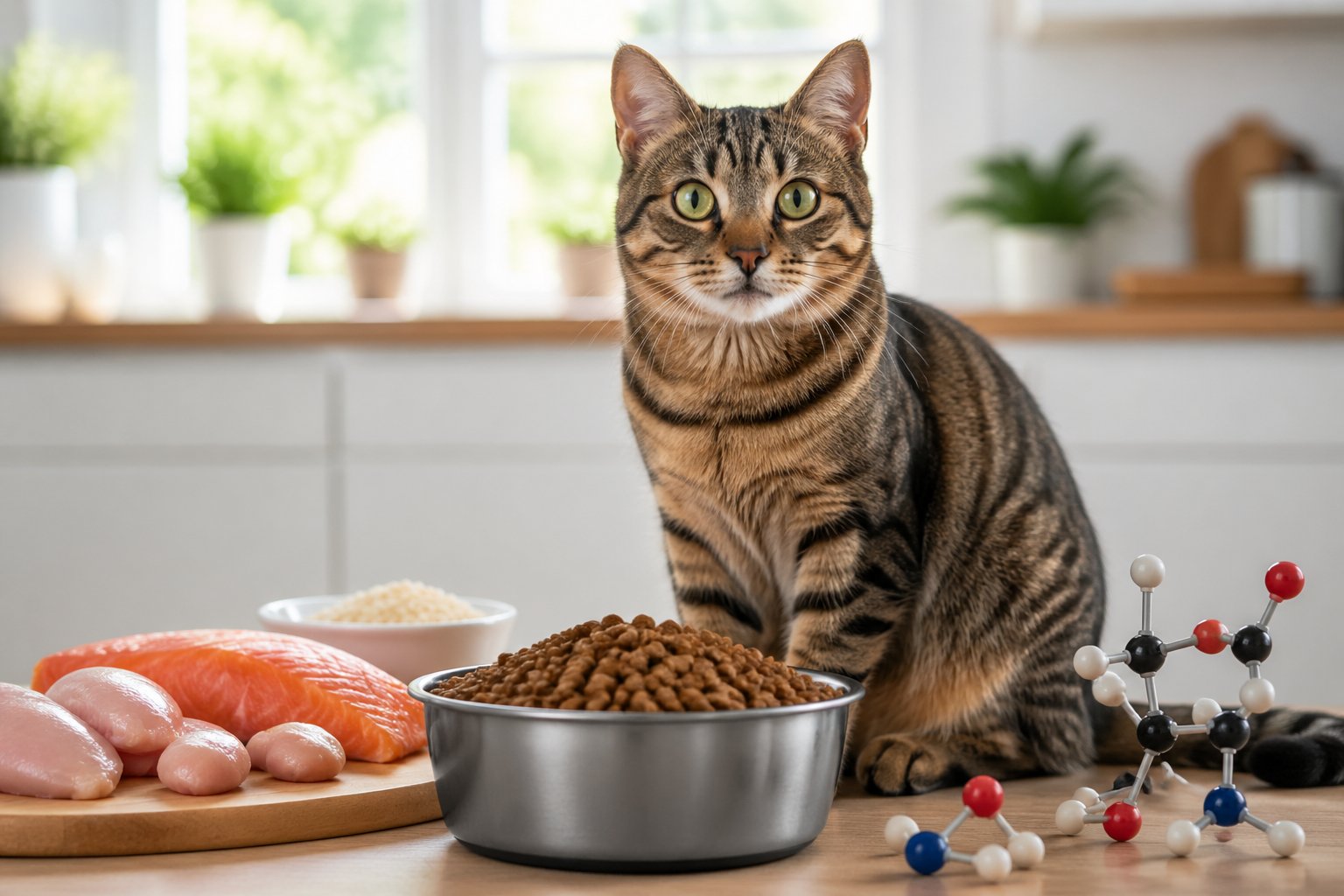
Cats need 11 specific amino acids from their diet that their bodies cannot make on their own. These building blocks of protein must come from the food you feed your cat every day.
List of Essential Amino Acids
Your cat requires 11 essential amino acids to stay healthy. These include arginine, histidine, isoleucine, leucine, lysine, methionine, phenylalanine, threonine, tryptophan, valine, and taurine.
Taurine stands out as especially important because cats have limited ability to synthesize certain amino acids compared to other animals. Without enough taurine, your cat can develop serious heart problems and vision loss. Arginine is another critical amino acid that cats need in higher amounts than dogs or humans.
Each of these amino acids serves a different purpose in your cat’s body. Some help build muscle tissue, while others support organ function, immune health, and hormone production.
Why Amino Acids Are Critical for Cats
Amino acids are vital for a cat’s survival because cats are obligate carnivores with unique nutritional needs. Your cat’s body uses these compounds to build and repair muscles, create enzymes, and maintain healthy skin and fur.
Without the right balance of amino acids, your cat can develop serious health problems. A deficiency in taurine can lead to heart disease and blindness. Low arginine levels can cause dangerous ammonia buildup in your cat’s blood.
Essential amino acids support your cat’s heart health, vision, and overall well-being. Your cat needs these nutrients in specific amounts every single day to thrive.
How Animal-Based Foods Provide Amino Acids
Animal proteins are generally more digestible for cats than plant-based protein sources. Meat, fish, and poultry contain all 11 essential amino acids your cat needs in the right proportions.
Your cat’s body breaks down protein from animal sources more efficiently than plant proteins. This means your cat can actually use more of the amino acids from chicken, fish, or beef than from grains or vegetables.
High-quality animal ingredients contain all essential amino acids and other important nutrients cats need. Foods like chicken, turkey, salmon, and beef provide complete protein profiles that match your cat’s natural dietary requirements.
Benefits and Risks of High-Protein Cat Food
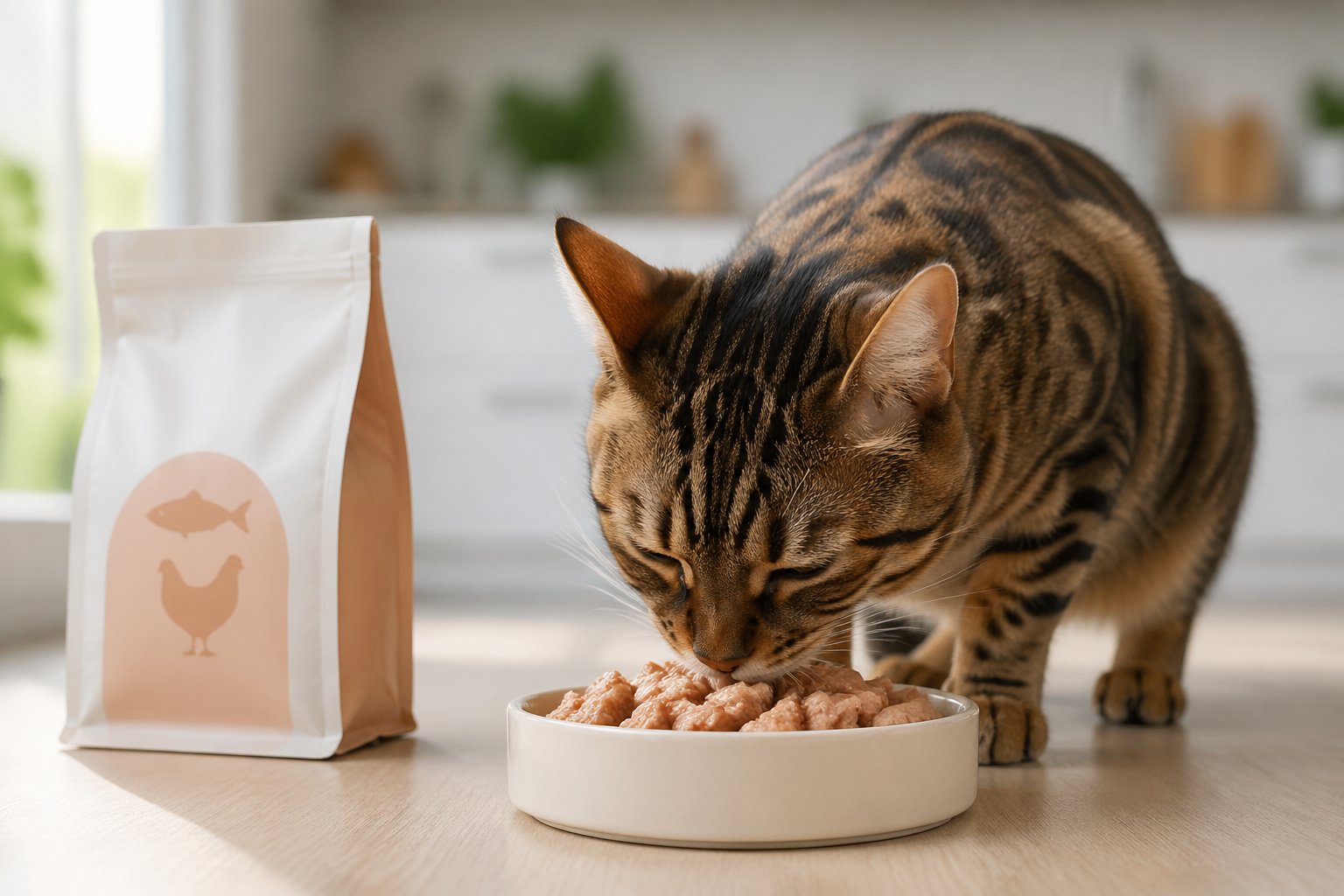
High-protein cat food offers several health advantages for most cats, but it’s not right for every situation. Understanding both the benefits and potential risks helps you make the best dietary choice for your cat’s specific needs.
How High-Protein Diets Support Cat Health
Cats are obligate carnivores, which means their bodies are designed to use protein as their primary energy source. Protein supports multiple body functions beyond just building muscle.
Key benefits of protein for cats include:
- Muscle maintenance and development – Protein provides the amino acids needed to build and repair muscle tissue
- Weight management – High-protein diets can help with weight loss because cats burn more calories digesting protein
- Healthy skin and coat – Protein contributes to coat health and shine
- Strong immune system – Amino acids from protein help produce antibodies and support immune function
- Energy production – Cats convert protein to glucose for energy more efficiently than carbohydrates
High protein cat food reduces the risk of diabetes and obesity in many cats. When you feed controlled portions with adequate protein, your cat feels fuller longer and maintains stable blood sugar levels.
Potential Health Risks of Excess Protein
While most healthy adult cats handle high protein well, excess protein can cause problems in certain situations. Cats with kidney disease may struggle to process large amounts of protein efficiently.
Your cat’s kidneys filter waste products from protein breakdown. When kidneys aren’t working properly, too much protein creates extra work for these organs. This doesn’t mean protein causes kidney disease, but it may worsen existing kidney problems.
Risks to consider:
- Increased kidney workload in cats with compromised kidney function
- Dehydration if your cat doesn’t drink enough water
- Digestive upset when switching foods too quickly
- Higher food costs compared to standard protein formulas
Healthy cats typically excrete excess protein without issues. Your cat needs adequate water intake to help flush nitrogen waste from protein metabolism.
Situations Requiring Adjusted Protein Levels
Not all cats thrive on the same protein levels. Your cat’s age, health status, and activity level determine their ideal protein intake.
Cats needing lower protein:
- Cats with diagnosed kidney disease require carefully controlled protein levels
- Cats with certain liver conditions may need modified protein intake
- Senior cats with declining kidney function might benefit from moderate protein reduction
Cats needing higher protein:
- Kittens need extra protein for growth and development
- Pregnant and nursing cats require additional protein to support their offspring
- Highly active cats burn more calories and benefit from increased protein
- Cats recovering from illness or surgery need protein for tissue repair
You should consult your veterinarian before making significant changes to your cat’s protein intake. Blood work can reveal whether your cat has any underlying health conditions that affect protein needs.
Choosing the Best High-Protein Cat Food
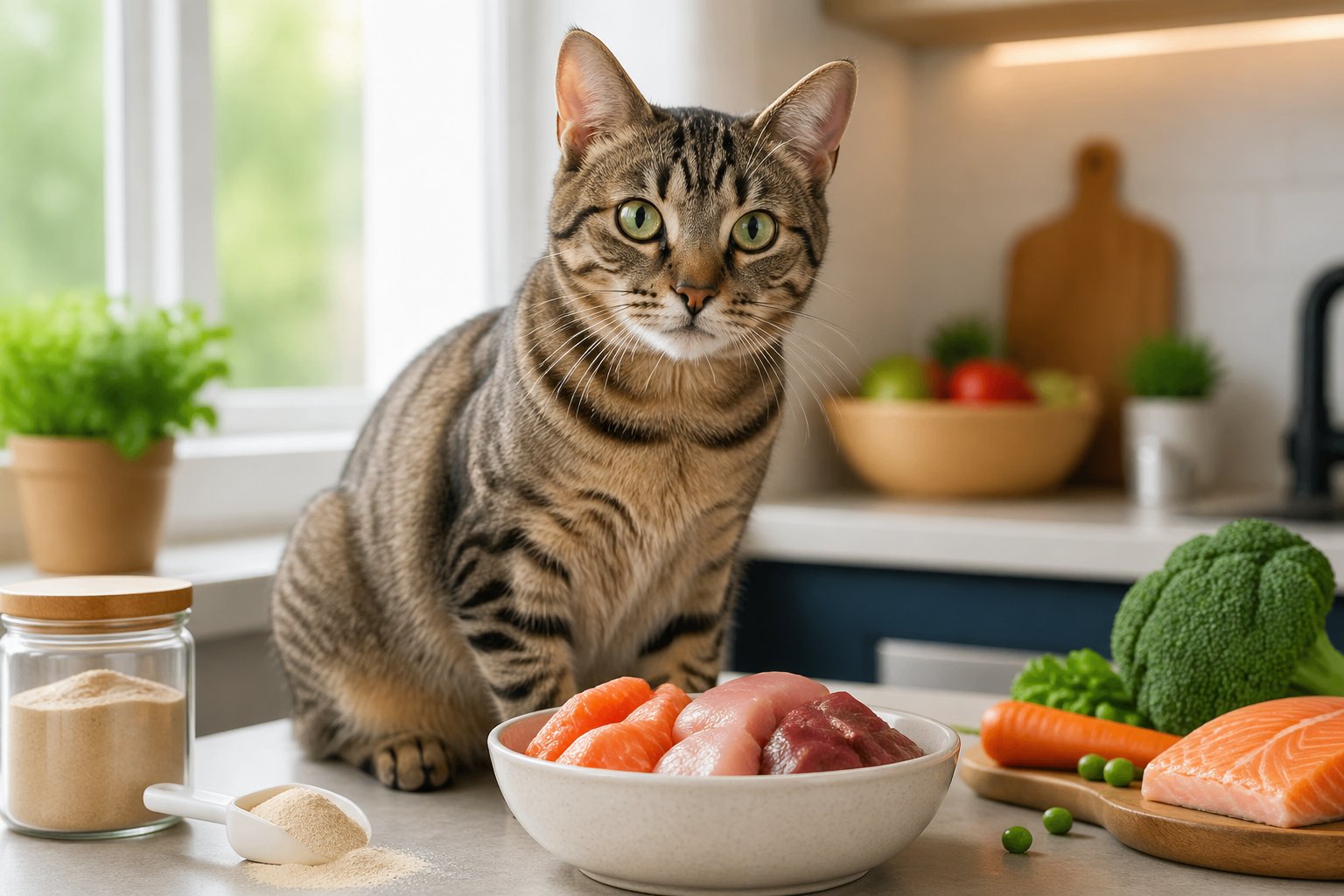
Finding the right food requires checking protein percentages, examining ingredient lists for quality meat sources, and understanding how well your cat can digest different proteins.
What to Look for on Cat Food Labels
Start by checking the guaranteed analysis panel on the food package. The protein percentage tells you how much protein is in the food, but you need to account for moisture content. Wet food typically contains 70-80% moisture, while dry food has about 10% moisture.
Look at the ingredient list next. The first ingredient should be a named animal protein like chicken, salmon, or turkey rather than grains or by-products. Named meat sources tell you exactly what animal the protein comes from. Chicken meal is a concentrated protein source that contains more protein per ounce than fresh chicken because the moisture has been removed.
Avoid foods that list vague ingredients like “meat by-products” or “poultry meal” without specifying the animal. These unclear labels make it impossible to know what your cat is eating.
Comparing Top High-Protein Brands
Canned food typically offers higher protein content than dry food, especially among premium brands. When comparing products, calculate the dry matter protein to get accurate numbers across different food types.
Read customer reviews and expert evaluations that consider ingredient quality alongside protein percentages. A food with 40% protein from corn gluten is less beneficial than one with 35% protein from chicken.
Compare prices per serving rather than per bag. Higher-quality proteins often cost more upfront but provide better nutrition per meal. Your cat may need to eat less of a nutrient-dense food to meet their needs.
Importance of Quality and Digestibility
Not all proteins work the same way in your cat’s body. Animal-based proteins from meat, fish, and eggs are more digestible for cats than plant proteins from corn or wheat.
Quality affects how much nutrition your cat absorbs from each meal. Highly digestible proteins mean less waste and better nutrient absorption. Look for foods that use whole meat sources or quality meat meals as their primary ingredients.
Check for additional amino acids like taurine, which cats cannot produce on their own. The best high-protein cat food combines high protein percentages with digestible ingredients that your cat’s body can actually use.
Optimizing Cat Nutrition with Protein
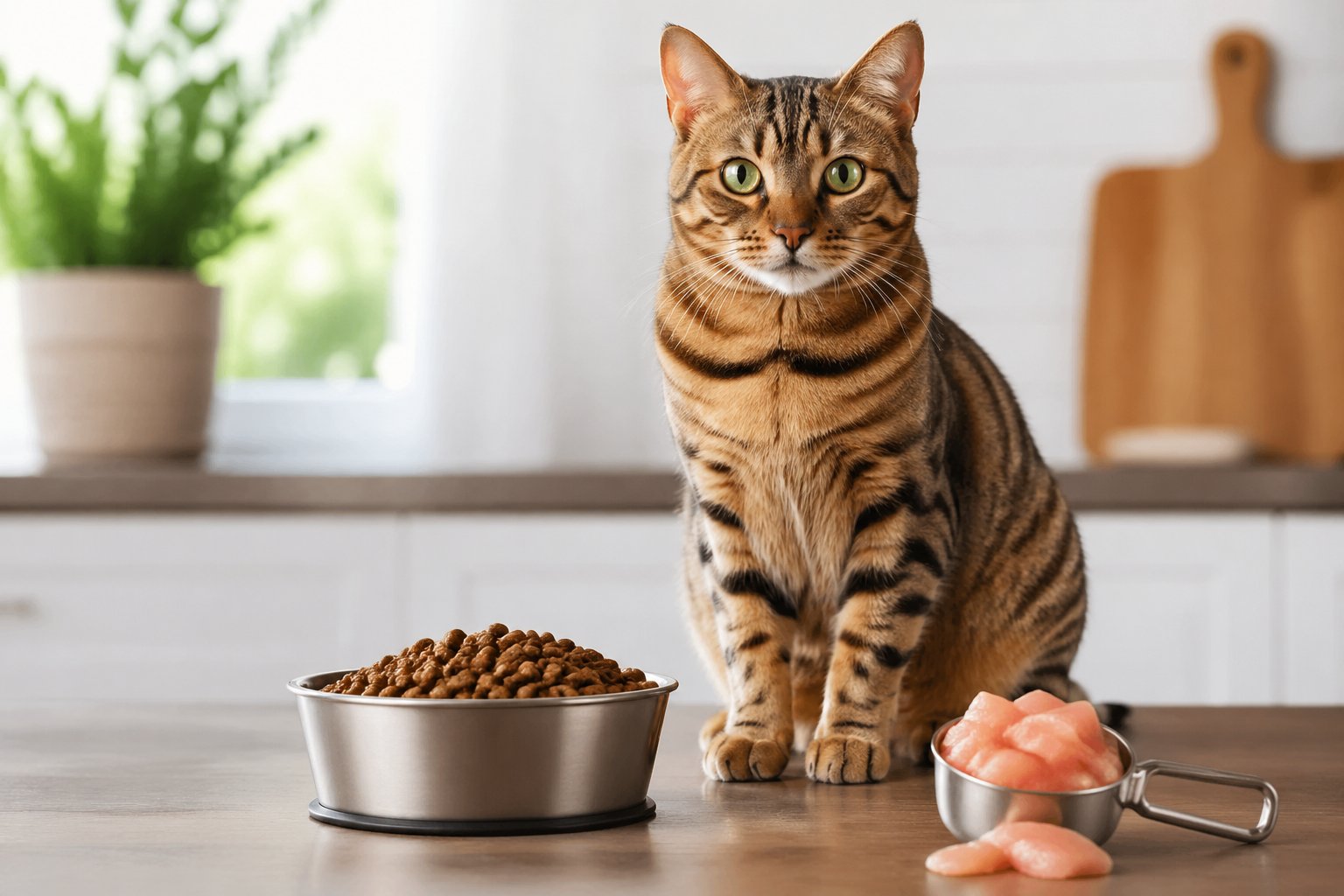
Protein needs to work alongside other nutrients in your cat’s diet, and portion sizes matter just as much as protein content. Working with your veterinarian helps ensure your cat gets the right balance for their specific needs.
Balancing Protein with Other Nutrients
Your cat’s body needs more than just protein to stay healthy. While high-protein cat food is important for obligate carnivores, you need to ensure the diet also includes fats, vitamins, and minerals.
Fats provide energy and help your cat absorb vitamins A, D, E, and K. A good cat food contains omega-3 and omega-6 fatty acids for skin and coat health.
Taurine is an essential amino acid that cats cannot produce on their own. Your cat’s food must include taurine to prevent heart disease and vision problems.
Water matters too, especially if you feed dry food. Cats naturally get moisture from prey, so wet food can help with hydration. Some cats on dry high-protein diets need extra water encouragement through fountains or multiple water bowls.
Portion Control and Preventing Overfeeding
More protein doesn’t mean you should feed unlimited amounts. Your cat needs about 2.2 grams of protein per pound of body weight per day, but total calories still matter.
High-protein foods are often calorie-dense. If you overfeed, your cat can gain weight even on quality food. Check the feeding guidelines on your cat food package and adjust based on your cat’s activity level.
Indoor cats typically need fewer calories than outdoor cats. Monitor your cat’s body condition by feeling their ribs and watching their waistline. You should be able to feel their ribs without pressing hard, but not see them prominently.
Split daily portions into two or three meals rather than free-feeding. This helps prevent overeating and maintains steady energy levels throughout the day.
Consulting with a Veterinarian
Your veterinarian can assess your cat’s individual protein needs based on age, weight, activity level, and health status. Kittens, pregnant cats, and senior cats all have different requirements.
Some health conditions change protein needs significantly. Cats with chronic kidney disease may need modified protein levels, though recent research shows high-protein, low-phosphorus diets can help manage the condition.
Schedule annual wellness exams to monitor your cat’s weight and overall health. Your vet can run blood tests to check kidney function and other markers that indicate whether your cat’s diet is working well.
Ask your vet before switching foods, especially if your cat has existing health issues. They can recommend specific brands or formulations that match your cat’s needs and help you transition gradually to avoid digestive upset.
Frequently Asked Questions
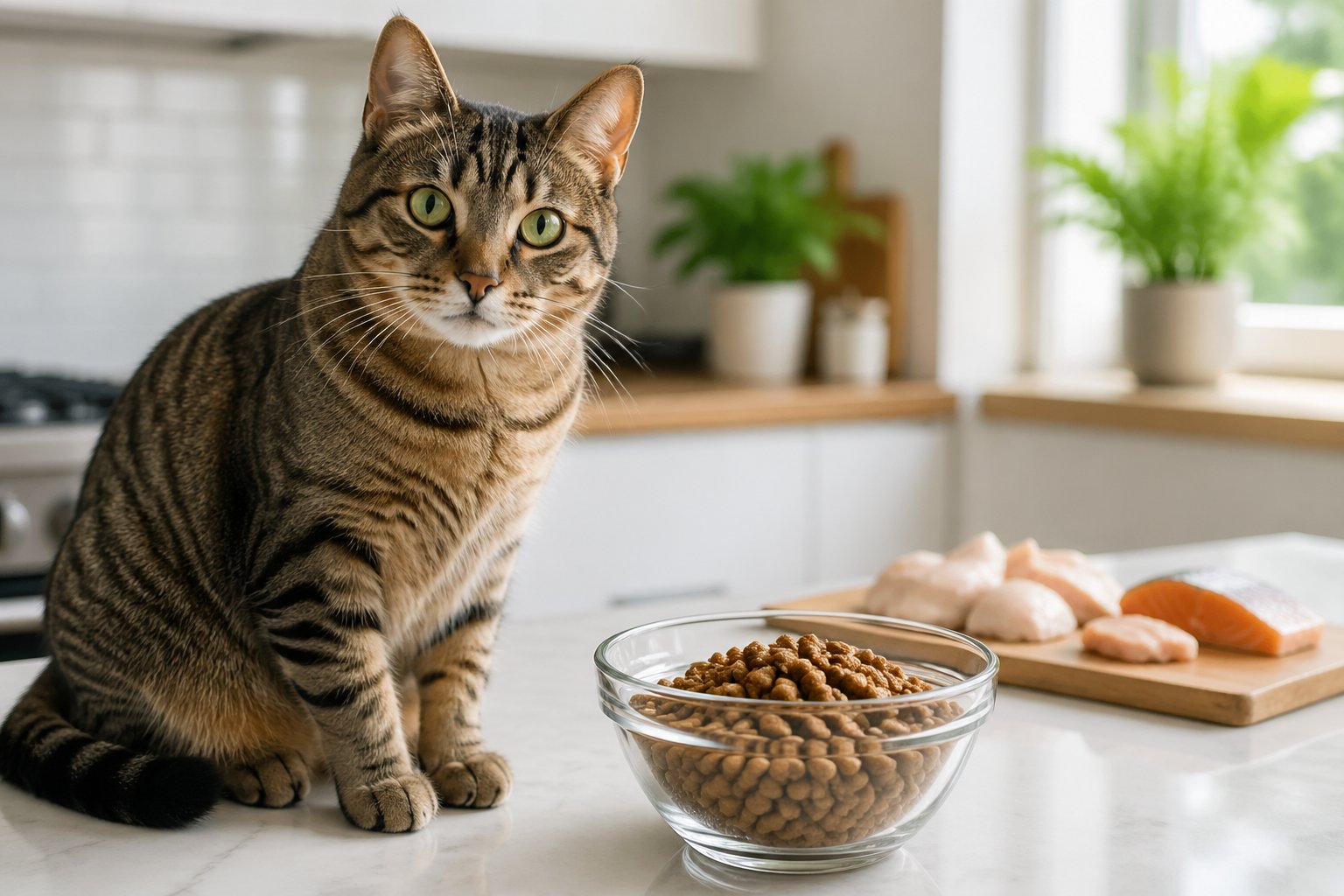
Cats need specific amounts of protein based on their weight and life stage, with most adult cats requiring around 2 grams per pound of body weight daily. Understanding protein percentages, label terms, and special health considerations helps you choose the right food for your cat.
How much protein does an average adult cat need per day?
Adult cats need about 2.2 grams of protein per pound of body weight per day. For a 10-pound cat, this equals roughly 22 grams of protein daily.
Your cat’s exact needs may vary based on activity level and health status. Cats are obligate carnivores, which means their bodies are designed to get most of their energy from protein rather than carbohydrates.
What percentage of protein is considered ideal in a cat’s food?
Most commercial cat foods contain between 26% and 40% protein on a dry matter basis. The minimum protein requirement for adult cat food is typically around 26%, but many cats thrive on higher amounts.
The ideal percentage depends on your cat’s age, health, and activity level. Protein is a cornerstone of the feline diet, and higher percentages are often beneficial for most healthy cats.
Is 40% protein too high for most cats?
A 40% protein diet is not too high for most healthy cats. Cats have evolved to handle high-protein diets and can safely process these amounts.
Adult cats that eat complete and balanced cat food will get all the amino acids and enzymes they need. Higher protein levels can actually support your cat’s muscles, eyes, skin, and coat without causing harm in healthy cats.
What does “crude protein” on a cat food label actually mean?
Crude protein refers to the total amount of protein in the food, measured by nitrogen content. This measurement doesn’t tell you about protein quality or digestibility.
The term “crude” doesn’t mean the protein is low quality. It simply describes the testing method used to calculate protein content on the label.
Is a high-protein diet safe for cats with kidney disease or kidney failure?
Cats with kidney disease require special dietary management that your veterinarian should oversee. The relationship between dietary protein and kidney health in cats is more complex than previously thought.
You should consult your vet before feeding a high-protein diet to a cat with diagnosed kidney problems. Your vet may recommend a modified protein level or specific therapeutic diet based on your cat’s condition and blood work results.
Do senior cats benefit from higher-protein cat food?
Senior cats often benefit from higher protein intake to maintain muscle mass as they age. Older cats can lose muscle tissue more easily, making adequate protein especially important.
Understanding how much protein is in cat food is essential for providing optimal nutrition for aging cats. Unless your senior cat has a specific health condition requiring protein restriction, maintaining or even increasing protein intake can support healthy aging.