How Long Do Cats Live? Average Lifespan and Key Influencing Factors
If you’re a cat owner or thinking about getting a cat, you’ve probably wondered how many years you’ll get to spend with your feline friend. Most domestic cats live between 13 and 17 years, though many cats can reach their late teens or even early twenties with proper care. The actual lifespan of your cat depends on several key factors that you have control over.
Understanding what affects how long cats live helps you make better decisions about your pet’s health and happiness. Whether your cat lives indoors or outdoors, what you feed them, and the veterinary care they receive all play major roles in their longevity. Even factors like breed and whether they’re spayed or neutered can add years to their life.
This guide breaks down everything you need to know about cat lifespan. You’ll learn what health issues to watch for as your cat ages, how to translate cat years into human years, and the proven ways to help your cat live as long as possible.
Typical Lifespan of Domestic Cats
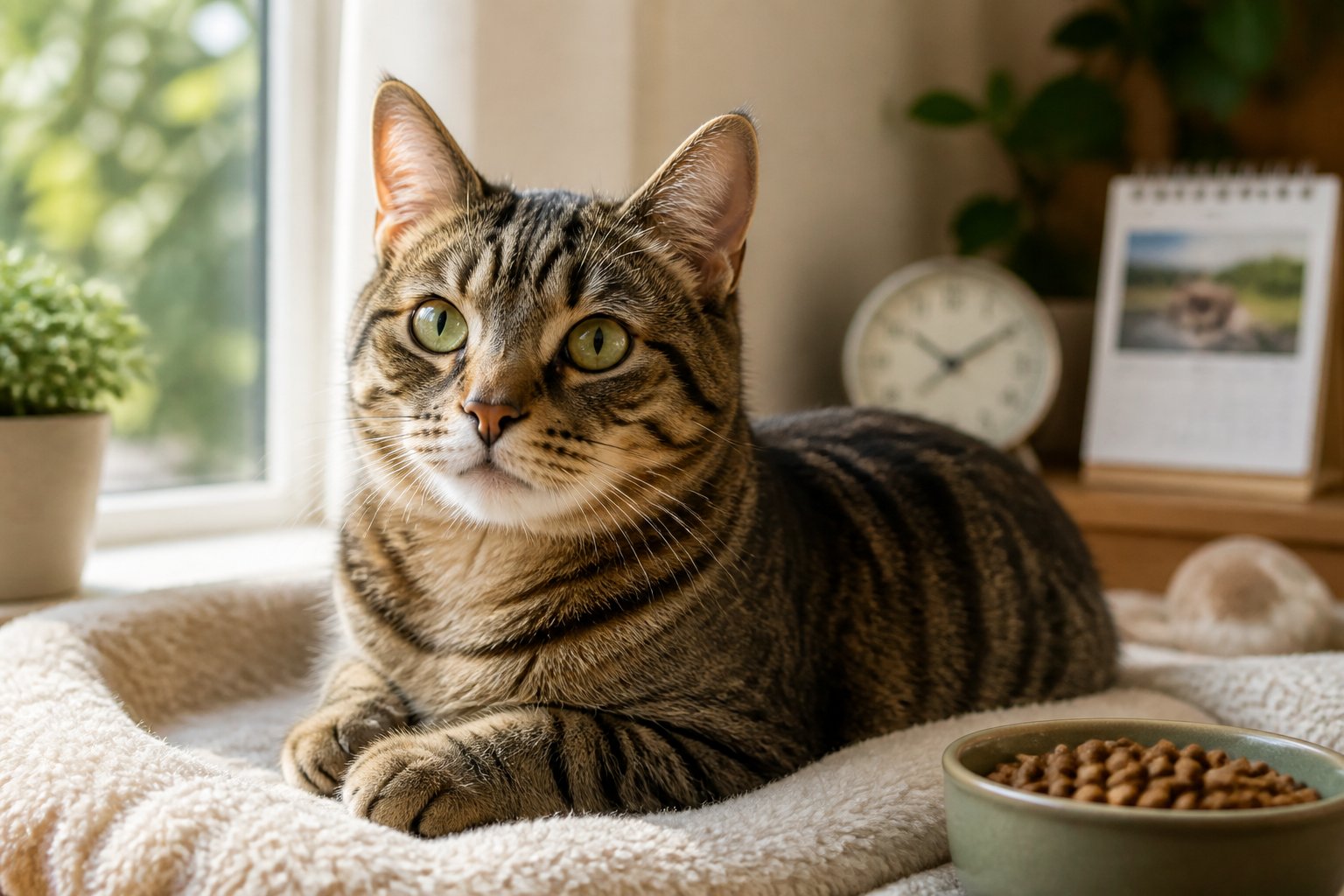
Most domestic cats live between 13 and 17 years, though many factors influence how long an individual cat will live. Indoor cats typically outlive outdoor cats by a significant margin, and whether your cat is mixed-breed or purebred also plays a role in their longevity.
Average Years for Indoor Cats
Indoor cats commonly live 15 to 20 years with proper care and attention. The average cat lifespan for indoor cats typically falls between 13 and 17 years, though some cats live well into their early twenties.
Your indoor cat’s protected environment shields them from the dangers that shorten outdoor cats’ lives. They avoid exposure to vehicles, predators, and contagious diseases from other animals. Indoor cats also benefit from regular meals, routine veterinary care, and a stable living situation.
The oldest recorded cat, Creme Puff, lived to 38 years old. While this is exceptional, it shows that cats can live much longer than the average when given excellent care. Your cat’s specific lifespan depends on their genetics, diet, healthcare, and overall lifestyle.
Outdoor Cats Versus Indoor Cats
The difference in lifespan between outdoor and indoor cats is dramatic. Outdoor cats live an average of only 5.6 years, while indoor cats can live nearly three times longer.
Key risks outdoor cats face:
- Infectious diseases from wildlife or other cats
- Trauma from vehicles or predators
- Parasites like fleas, ticks, and intestinal worms
- Exposure to harsh weather conditions
- Higher injury rates from fights with other animals
Your outdoor cat faces dangers every time they leave your home. Even cats with partial outdoor access have shorter lifespans than strictly indoor cats. If your cat enjoys outdoor time, supervised activities like leash walking or secure outdoor enclosures provide enrichment without the major risks.
What to Expect From Mixed-Breed and Pedigree Cats
Mixed-breed cats generally outlive purebred cats due to hybrid vigor. When cats from different genetic backgrounds breed, their offspring tend to be healthier with fewer inherited health problems.
Purebred cats may have shorter lifespans depending on their breed. Siamese cats tend to live longer than Maine Coons because larger cat breeds face more health issues related to their size. Maine Coons and other large breeds are predisposed to certain conditions that can limit their lifespan.
Tabby cats, while not an actual breed, can live 15 to 20 years on average. The coat pattern itself doesn’t determine lifespan, but many tabbies are mixed-breed cats that benefit from diverse genetics. When choosing a cat breed, research common health concerns for that specific breed to understand potential lifespan factors.
Factors That Influence Cat Longevity
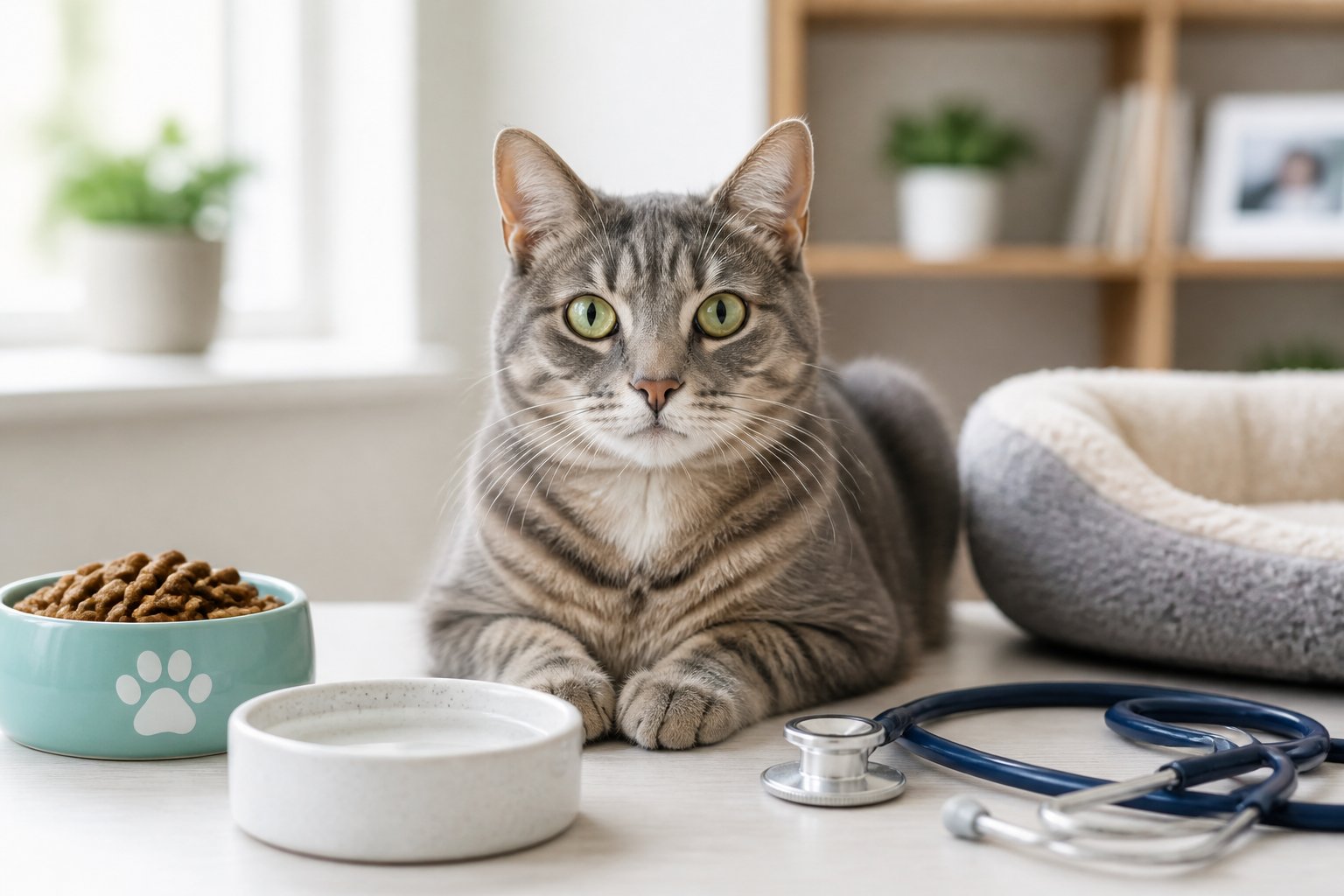
Several key factors determine how long your cat will live, from their genetic makeup to their daily environment. Diet quality, whether they live indoors or outdoors, and their reproductive status all play major roles in cat longevity.
Genetics and Breed-Specific Trends
Your cat’s breed affects their average lifespan of a cat significantly. Mixed breed cats often live longer than purebreds due to something called hybrid vigor, which gives them fewer genetic health problems.
Some cat breeds naturally live longer than others. Siamese cats tend to have fewer health issues and longer lifespans. Maine Coons, being larger cats, face more size-related health problems that can shorten their lives.
Tabby cats, while not a specific breed but a fur pattern, can live an impressive 15 to 20 years. Your cat’s genetics also determine their risk for certain diseases. Genetic conditions passed down from parents can lead to shorter lifespans, which is why responsible breeders test cats before breeding.
Impact of Indoor and Outdoor Living
How long do indoor cats live compared to outdoor cats? Indoor cats typically live 15 to 20 years or longer. Outdoor cats face much shorter lifespans, often living only half as long as their indoor counterparts.
The dangers outdoor cats face include:
- Infectious diseases from wildlife or other cats
- Trauma from predators or vehicles
- Parasites like fleas, ticks, and intestinal worms
- Exposure to harsh weather conditions
Your indoor cat benefits from protection against these risks. They also receive regular veterinary care and consistent nutrition. Some cats enjoy supervised outdoor time through leash walks or enclosed outdoor spaces, which gives them enrichment without the dangers.
Role of Spaying and Neutering
Spaying or neutering your cat extends their lifespan by reducing cancer risk. Cats that aren’t fixed face much higher rates of reproductive cancers due to excess hormones.
Unspayed female cats can develop mammary tumors and uterine infections. Unneutered male cats face testicular cancer and prostate problems. These reproductive diseases often appear when cats are still young, cutting their lives short.
Fixed cats also avoid dangerous behaviors driven by hormones. They’re less likely to roam, fight with other cats, or try to escape outdoors. This reduces their exposure to injuries and infectious diseases.
Nutrition and Diet Considerations
Your cat’s diet directly impacts their cat lifespan through organ function, immune system strength, and body weight. A complete and balanced diet provides the vitamins and minerals your cat needs at each life stage.
Weight management is critical for longevity. Obesity in cats leads to diabetes, severe arthritis, and heart disease. These conditions significantly shorten your cat’s life. Feed measured portions rather than free-feeding to control your cat’s weight.
Kittens need different nutrition than adult cats. Young adult cats (1 to 6 years) have reduced calorie needs compared to growing kittens. Senior cats often need special diets that support kidney function and joint health. Your cat’s food should match their current age and health status.
Major Health Concerns Affecting Lifespan
Several serious health conditions can significantly reduce your cat’s lifespan. Chronic diseases, viral infections, and behavioral changes often signal underlying problems that need immediate attention.
Common Diseases and Chronic Conditions
Your cat faces several chronic conditions that can shorten their life if left untreated. Kidney disease is one of the most common problems in older cats and can develop gradually over years. Diabetes affects your cat’s ability to regulate blood sugar and requires daily management.
Arthritis causes pain and limits mobility, which can reduce your cat’s quality of life. Hyperthyroidism speeds up your cat’s metabolism and puts stress on their heart and other organs. Cancer becomes more likely as your cat ages and can appear in various forms throughout their body.
Heart disease weakens your cat’s cardiovascular system and may not show obvious symptoms until it becomes severe. Asthma and feline lower urinary tract disease commonly appear in young adult cats between ages 1-6. Dental disease causes pain and infection that can spread to other organs if you ignore your cat’s oral health.
Feline Immunodeficiency Virus (FIV) and FeLV
Feline immunodeficiency virus (FIV) weakens your cat’s immune system over time, making them vulnerable to infections and diseases. FIV spreads through deep bite wounds, so outdoor cats who fight have higher risk. Your cat can live for years with FIV if you keep them indoors and manage their health carefully.
Feline leukemia virus (FeLV) is another serious viral infection that affects your cat’s immune system and can cause cancer. FeLV spreads through saliva, nasal secretions, and shared food bowls. Kittens are most vulnerable to FeLV infection.
Both viruses significantly reduce lifespan compared to healthy cats. You can protect your cat through vaccination and keeping them indoors away from infected animals. Regular vet testing helps catch these infections early.
Changes in Litter Box Habits and Other Signs
Changes in your cat’s bathroom behavior often signal serious health problems. If your cat stops covering their waste or goes outside the litter box, they may have arthritis, cognitive dysfunction, or kidney issues. Blood in the urine indicates urinary tract disease that needs immediate treatment.
Watch for these warning signs in your cat:
- Sudden weight loss or gain
- Increased thirst and urination
- Decreased appetite or refusing food
- Vomiting or diarrhea
- Difficulty breathing
- Hiding more than usual
Your cat naturally hides illness, so any behavior change deserves attention. Gradual slowing down is normal as cats age, but sudden changes in appetite, behavior, or mobility require a vet visit right away.
Understanding Cat Life Stages
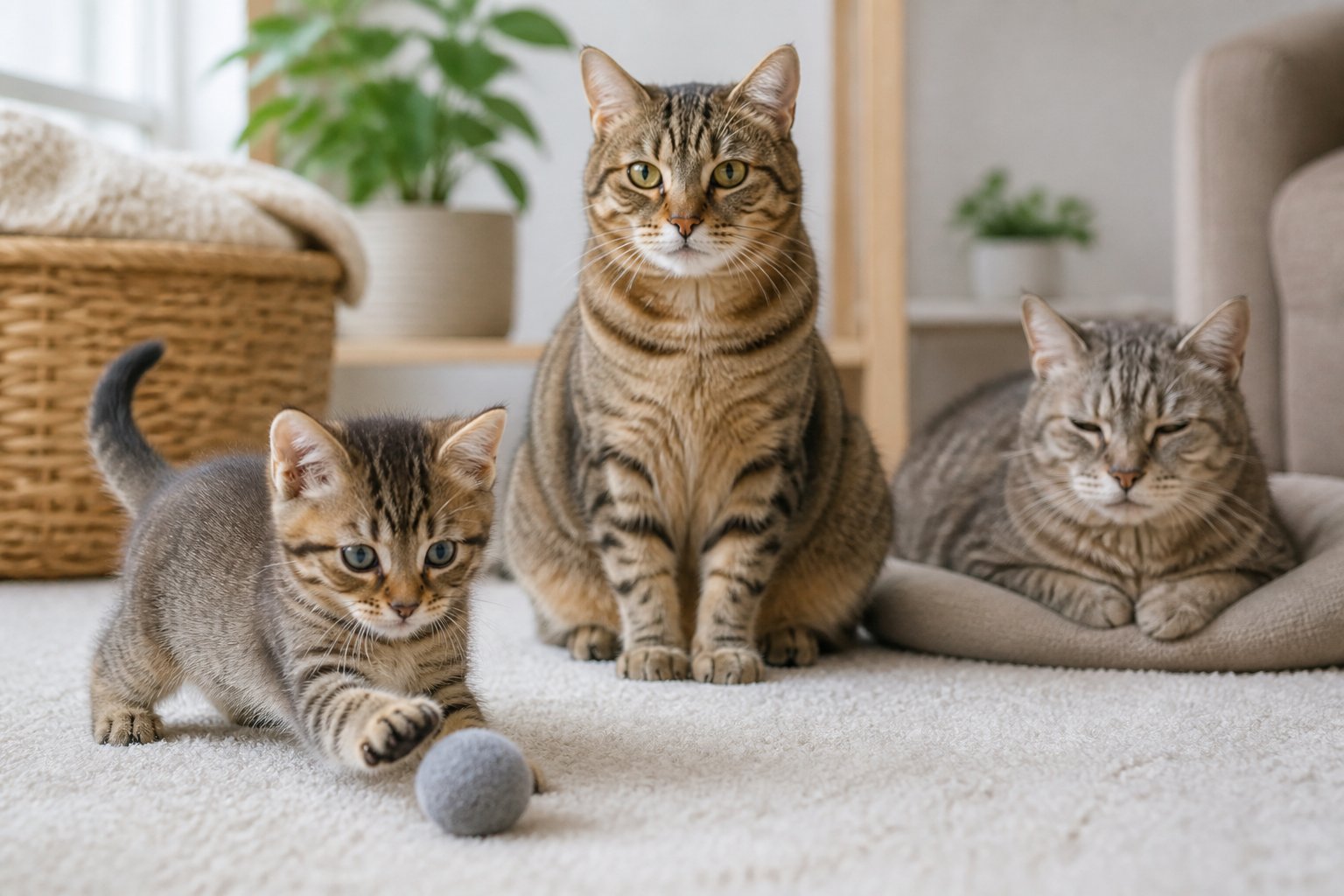
Cats progress through distinct phases that bring different physical needs and behavioral changes. Each stage requires specific care approaches to support your cat’s health and happiness.
Kitten and Young Adult
The kitten stage covers birth through four months. During this time, your cat experiences rapid growth and development. Kittens need frequent meals, vaccinations, and socialization to build a strong foundation for their future health.
From four months to one year, cats enter the mature kitten phase. They grow quickly and become more independent. This is when you should schedule neutering and establish good habits.
The junior stage runs from one to two years. Your cat reaches physical adulthood but is still learning social skills. Cats in this stage are energetic and playful. They need mental stimulation and safe ways to explore their environment.
Adult cats, ages two to seven years, have fully developed personalities. Their growth is complete and their behavior patterns are set. This is typically the healthiest period of a cat’s life.
Mature Adult and Senior Cat
At seven years old, cats enter the mature stage. The risk of certain health conditions increases during this phase. You may need to adjust their diet and schedule more frequent vet visits.
Senior cats are 11 years and older. They have additional care needs compared to younger cats. Regular health screenings become more important to catch problems early.
Some cats reach super-senior status at 15 years and beyond. These cats can be wonderful companions but require extra attention to their comfort and medical needs.
Recognizing Age-Related Changes
Older cats often show decreased activity levels and sleep more throughout the day. You might notice they jump less or move more carefully. Their appetite may change, either increasing or decreasing.
Senior cats can develop joint stiffness that affects their mobility. They may have trouble reaching their litter box or favorite resting spots. Vision and hearing can decline, making them startle more easily.
Cognitive changes can occur in older cats. Some become more vocal or seem confused in familiar spaces. Others show changes in their sleep-wake cycles or grooming habits.
Weight changes are common in aging cats. Some lose muscle mass while others gain weight from reduced activity. Monitor your cat’s body condition and work with your vet to maintain a healthy weight.
Translating Cat Years to Human Years

Cats age much faster than humans during their early years, then slow to a steadier pace. Converting cat years to human years helps you understand where your cat is in their life journey and what care they need at each stage.
Conversion Charts and Approximations
Your cat reaches the equivalent of 15 human years in their first year of life. By age two, they’re already at 24 human years.
After that second birthday, cats age about four human years for every calendar year. This means a three-year-old cat is roughly 28 in human years, while a 10-year-old cat equals about 56 human years.
Basic Cat to Human Years Conversion:
- 1 cat year = 15 human years
- 2 cat years = 24 human years
- 3 cat years = 28 human years
- 5 cat years = 36 human years
- 10 cat years = 56 human years
- 15 cat years = 76 human years
The conversion rate stays relatively similar across different breeds. Some cats live past 20 years, which equals about 96 human years.
Why Age Equivalents Matter
Understanding your cat’s human age helps you recognize their physical and mental needs. An 11-year-old cat is 60 in human years and may struggle with mobility just like senior humans do.
Age-appropriate care changes throughout your cat’s life. Young adult cats need different nutrition than senior cats. Knowing your cat’s equivalent human age guides you in scheduling vet checkups and watching for age-related health issues.
If you adopted your cat without knowing their birthday, your veterinarian can estimate their age by examining their teeth, coat condition, muscle mass, and eye health. This information helps you provide the right care at every life stage.
How to Help Your Cat Live Longer
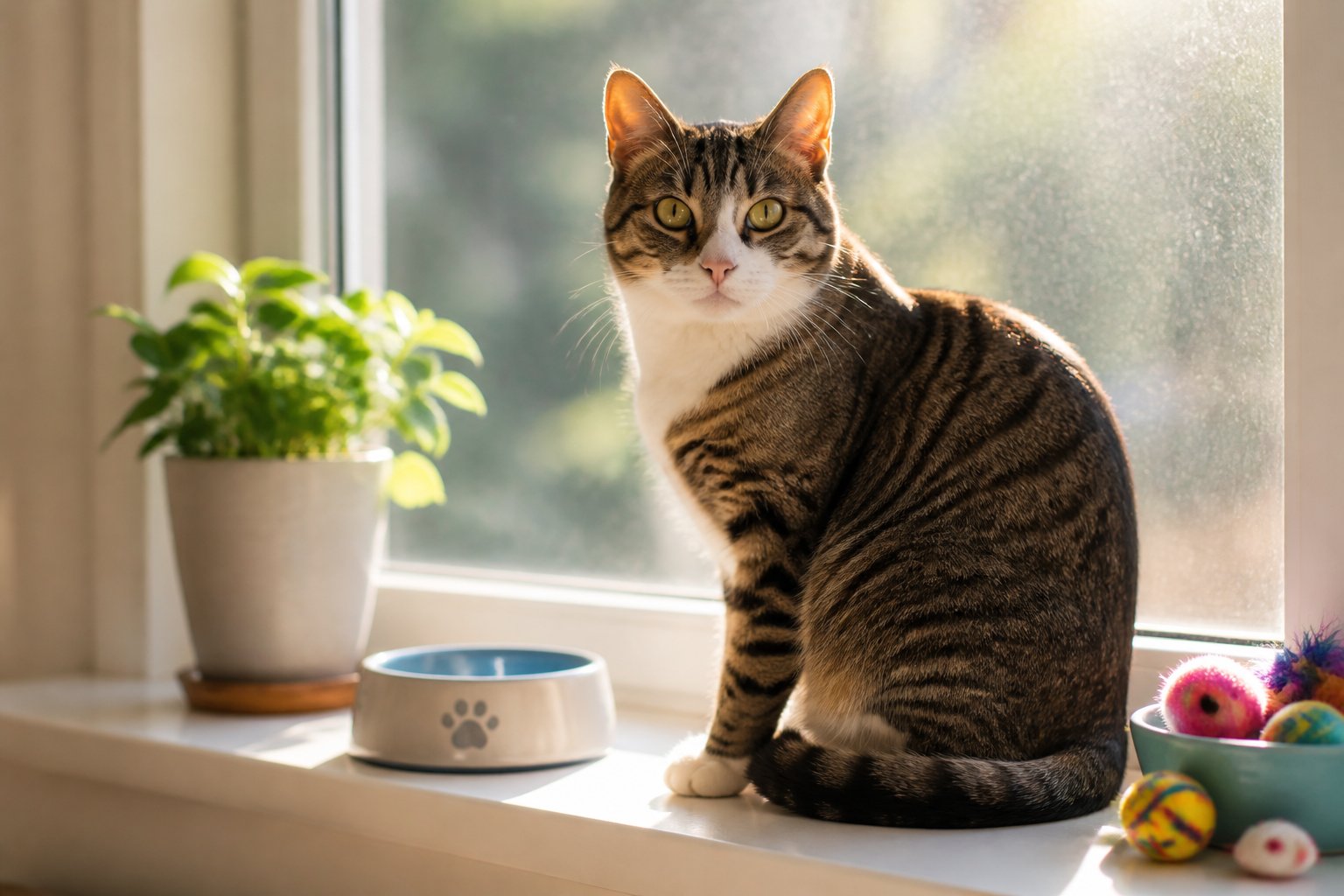
Taking active steps to support your cat’s health can add years to their life. Keeping cats up to date on vaccines, providing mental stimulation, and watching for behavioral changes are key actions that directly impact how long your cat will live.
Routine Veterinary Care and Preventive Strategies
Regular veterinary visits form the foundation of a long cat life. You should schedule annual checkups for adult cats and twice-yearly visits for cats over 10 years old.
These appointments allow your vet to catch health issues early through physical exams and blood work. Cats are good at hiding symptoms of illness, so routine testing can detect problems before they become serious.
Essential preventive care includes:
- Core vaccines appropriate for your cat’s lifestyle
- Flea, tick, and heartworm prevention year-round
- Dental cleanings as recommended by your vet
- Blood pressure monitoring for senior cats
- Regular blood and urine testing for cats 10 years and older
Spaying or neutering your cat significantly extends their lifespan. Spayed and neutered cats generally live longer because they have reduced cancer risk and lower chances of developing reproductive diseases.
Environmental Enrichment and Safe Outdoor Access
Your cat needs mental and physical stimulation to stay healthy. Indoor cats benefit from puzzle feeders, interactive toys, and vertical spaces like cat trees.
Indoor cats commonly live 15-20 years or longer compared to outdoor cats who face traffic, predators, and disease. You can give your indoor cat safe outdoor experiences through supervised activities.
A catio provides protected outdoor access where your cat can experience fresh air and watch birds without danger. You can also train your cat to walk on a leash for controlled outdoor time.
Create engaging spaces inside by placing perches near windows and rotating toys regularly. Set up multiple litter boxes in quiet locations and provide scratching posts in different areas.
Monitoring Behavior and Health at Home
You play a critical role in detecting health changes between vet visits. Watch for shifts in eating habits, litter box use, activity levels, and grooming behavior.
Pay attention to subtle changes like increased thirst, reduced jumping, or sleeping in different spots. These can signal arthritis, kidney disease, or other conditions that need treatment.
Monitor these key areas:
- Weight: Check monthly by feeling ribs and watching body shape
- Appetite: Note any increase or decrease in food intake
- Water consumption: Excessive drinking may indicate diabetes or kidney issues
- Litter box habits: Changes in frequency or accidents outside the box
- Mobility: Difficulty jumping or climbing stairs
Contact your vet if you notice sudden behavioral changes. Gradual slowing is normal as cats age, but dramatic shifts require professional evaluation. Keep a journal of your observations to share accurate details with your veterinarian during appointments.
Exceptional Longevity and Notable Records

The oldest cat ever recorded lived to 38 years old, proving that exceptional care and perhaps some luck can extend a cat’s life far beyond the typical range. These remarkable cases offer valuable lessons about what might contribute to extraordinary feline longevity.
The Story of Creme Puff
Creme Puff holds the world record as the oldest cat to ever live at 38 years and 3 days. She lived in Austin, Texas with her owner Jake Perry from 1967 to 2005. Her incredibly long life has fascinated cat lovers and researchers alike.
What made Creme Puff’s life so extraordinary remains partly mysterious. Perry also owned another long-lived cat named Granpa Rex Allen, who lived to 34 years old. This suggests that Perry’s care methods may have played a significant role.
While Perry’s exact care routine included some unconventional elements, the core factors likely aligned with what we know helps cats live longer. These include a stable home environment, consistent care, and protection from outdoor dangers.
What We Learn From the Oldest Cat Ever
Creme Puff’s remarkable lifespan shows us that the upper limits of feline longevity may be higher than most people expect. However, her case represents an extreme outlier rather than what you should typically expect for your cat.
The key lesson from record-holding cats is that excellent care matters deeply. Indoor living, quality nutrition, and regular veterinary attention form the foundation of longevity. While genetics certainly played a role in Creme Puff’s long life, the protective environment and consistent care she received were equally important.
You shouldn’t expect your cat to reach 38 years, but these exceptional cases remind us that proper care can help your cat live well into their late teens or early twenties.
Frequently Asked Questions

Most domestic cats live between 13 and 17 years, though indoor cats often reach 15 to 20 years while outdoor cats average only 4 to 5 years due to increased risks.
What is the average lifespan of a domestic cat?
The average cat lifespan is between 13 and 17 years. Many cats live well into their late teens with proper care.
Some cats have lived much longer than average. The oldest cat on record, Creme Puff, lived to 38 years old.
Your cat’s lifespan depends on several factors. These include nutrition, preventive care, environment, and genetics.
How long do indoor cats typically live compared with outdoor cats?
Indoor cats commonly live 15 to 20 years or longer, depending on their care and genetics. Indoor cats are protected from many dangers that shorten lifespan.
Outdoor cats live an average of only 4 to 5 years. This is less than half the lifespan of indoor cats.
Outdoor cats face serious risks every day. They encounter infectious diseases from wildlife and other cats, trauma from predators or vehicles, and parasites like fleas and ticks.
Can a cat live to 30 years old, and how common is that?
Cats can live to 30 years old, but this is extremely rare. Very few cats reach this age even with excellent care.
The record holder for the oldest cat lived to 38 years. This is exceptional and not typical for most cats.
Most cats that receive proper nutrition, veterinary care, and live indoors will live into their late teens or early twenties. Reaching 30 years requires both excellent care and exceptional genetics.
How can I estimate a cat’s age in human years?
The common “one cat year equals seven human years” rule is not accurate. Cats age much faster during their first two years of life.
A one-year-old cat is roughly equivalent to a 15-year-old human. By age two, your cat is about 24 in human years.
After age two, each cat year equals about four human years. A 10-year-old cat is approximately 56 in human years. A 15-year-old cat is around 76 in human years.
Do male and female cats tend to have different lifespans?
Male and female cats have similar lifespans when both are spayed or neutered. The difference between sexes is minimal compared to other factors.
Spayed and neutered cats generally live longer than intact cats of either sex. This is due to reduced cancer risk and fewer hormone-driven behaviors.
Intact cats face higher risks regardless of sex. Unspayed females can develop reproductive cancers, while unneutered males may roam and fight more often.
How long do indoor-outdoor cats usually live, and what risks affect their lifespan?
Indoor-outdoor cats typically have shorter lifespans than strictly indoor cats. Their lifespan falls between that of fully indoor and fully outdoor cats.
These cats face many of the same dangers as outdoor-only cats. They can contract diseases from other animals, get injured by vehicles, or encounter predators. Even limited outdoor exposure increases these risks.
Supervised outdoor activities like leash walking or enclosed outdoor spaces provide safer alternatives. These options let your cat enjoy outdoor enrichment while reducing exposure to life-threatening dangers.