Why Do Cats Sleep So Much: Understanding Your Feline’s Natural Sleep Patterns
If you’ve ever wondered why your feline companion spends most of the day curled up in their favorite sunny spot, you’re not alone. Watching cats drift in and out of sleep for what seems like endless hours is a common sight in households around the world.
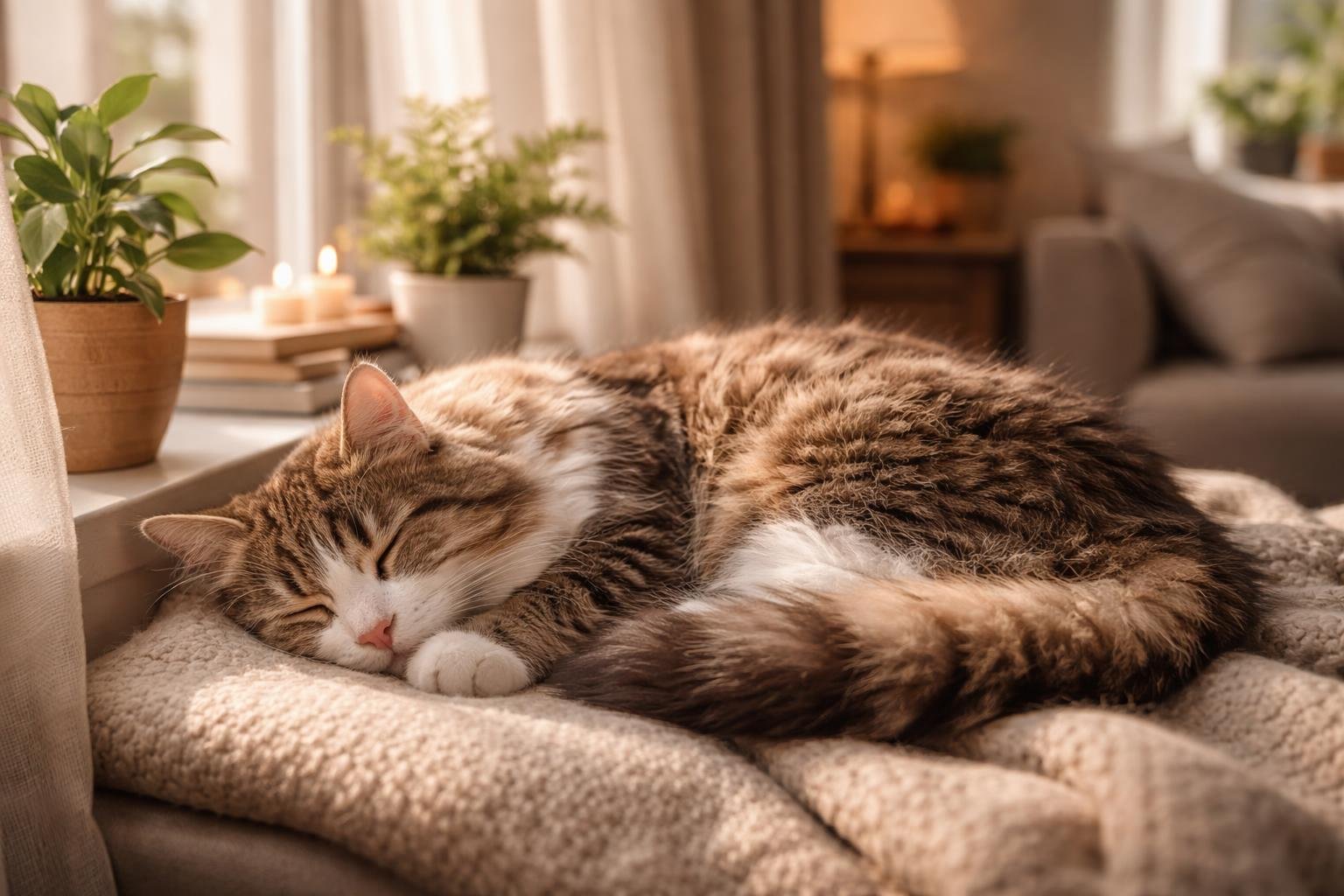
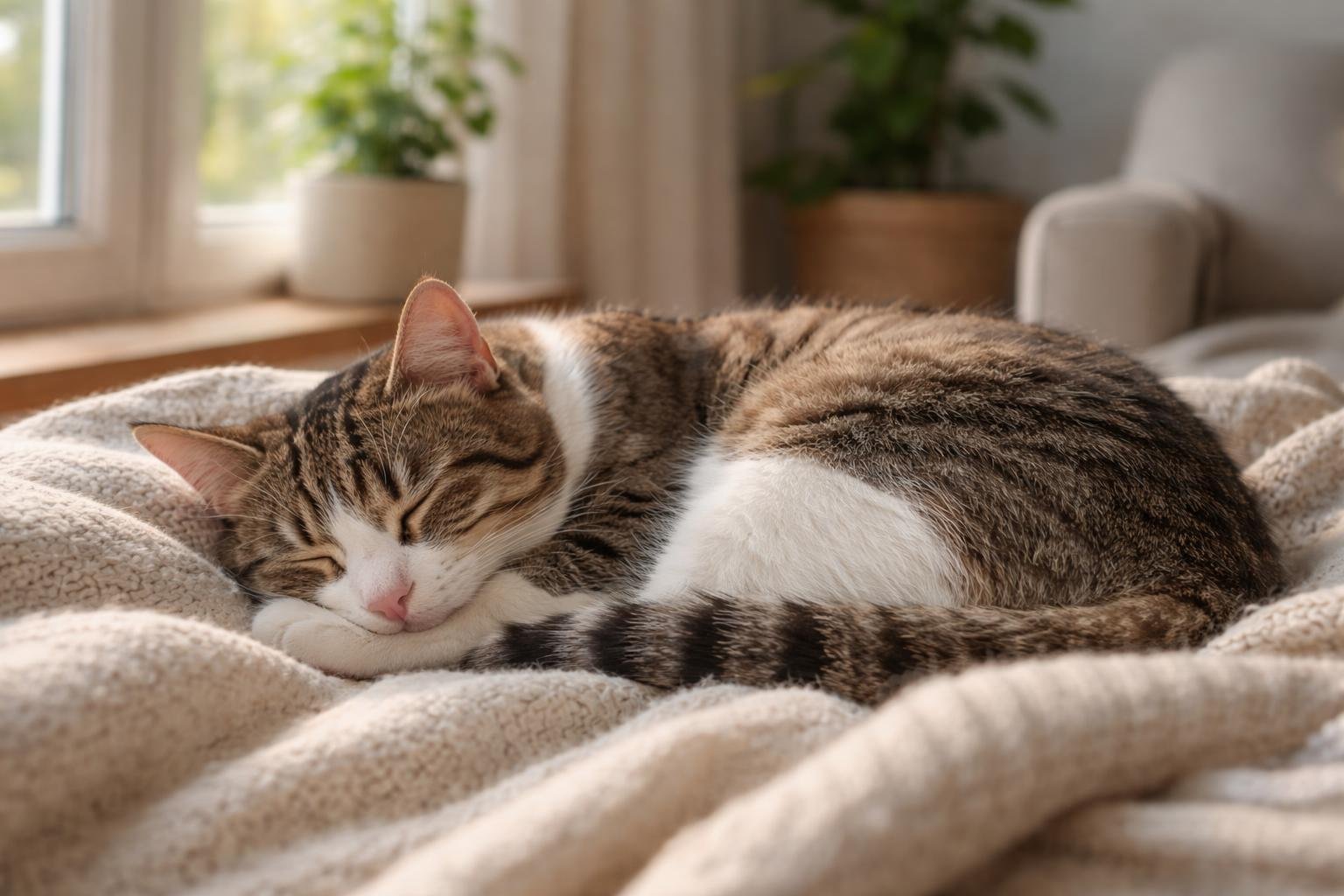
Cats typically sleep between 12 to 16 hours per day, with some cats sleeping up to 20 hours depending on their age and activity level. This extensive sleep pattern isn’t laziness—it’s rooted in their biology as natural hunters who need to conserve energy for brief bursts of intense activity. Cats evolved to sleep this much because hunting requires significant energy expenditure.
Understanding your cat’s sleep habits can help you recognize what’s normal and what might signal a health concern. While extended sleep is typical for cats, changes in sleep duration or quality can sometimes indicate underlying issues that need attention.
Key Takeaways
- Cats need 12-16 hours of daily sleep to conserve energy for hunting behaviors
- Age, health status, and activity level all influence how much your cat sleeps
- Sudden changes in sleep patterns may require veterinary evaluation
Understanding Normal Cat Sleep Patterns
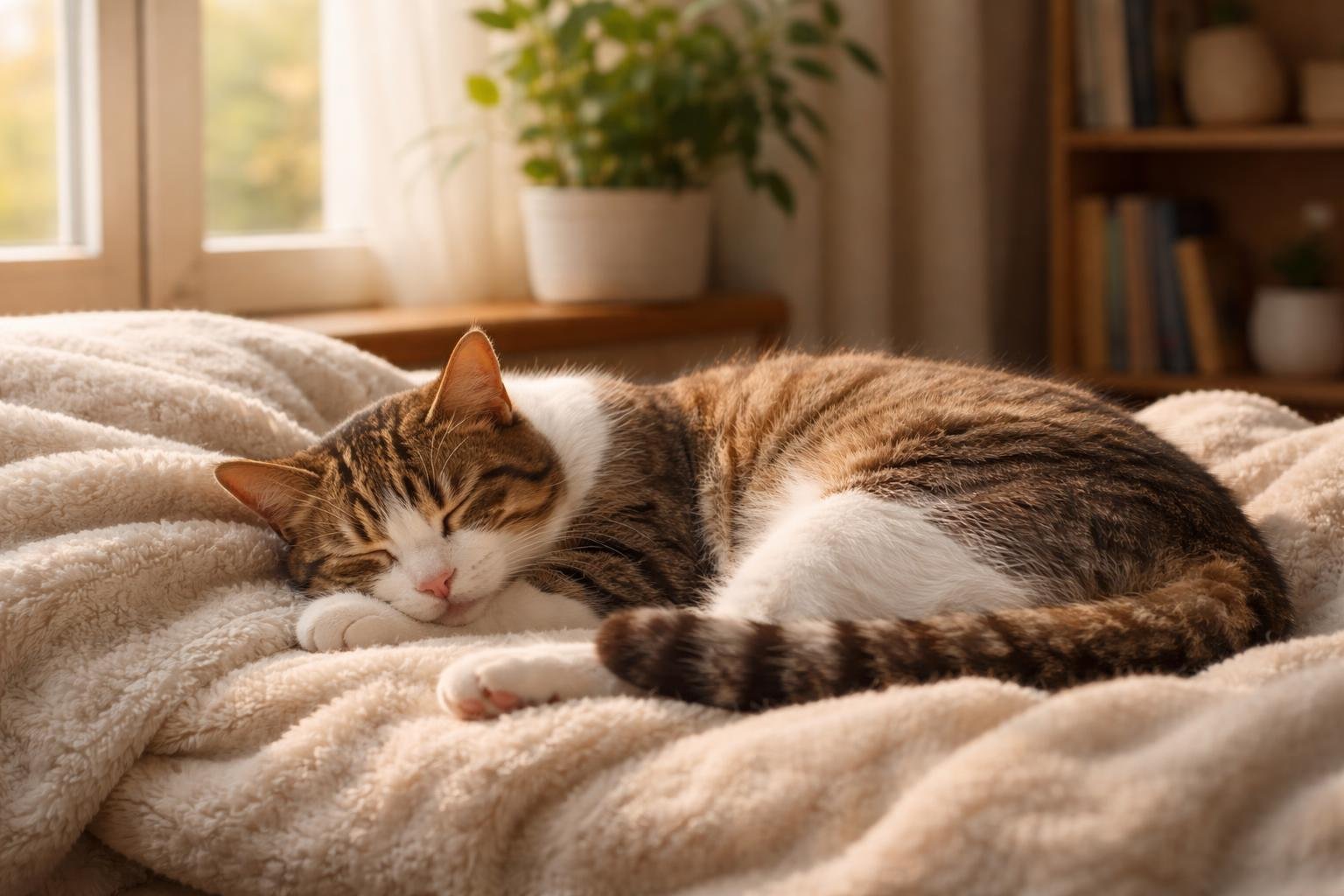
Cats spend a significant portion of their day sleeping, typically between 12 and 18 hours, with this rest divided between light catnaps and deeper sleep cycles that serve distinct biological purposes.
How Many Hours Do Cats Sleep Per Day?
Adult cats sleep between 12 and 16 hours per day, though some may rest up to 18 hours depending on various factors. Kittens and senior cats often sleep even longer than adult cats due to their higher energy demands for growth or lower overall activity levels.
Your cat’s sleep duration is tied to their evolutionary history as hunters. The amount of sleep your cat needs relates directly to their hunting lifestyle that demands explosive muscle performance followed by extended recovery periods. Age, health status, and environmental factors all influence how much time your cat spends sleeping.
Changes in your individual cat’s sleep pattern matter more than the total hours. Normal cat sleep varies between individual cats, so tracking deviations from your cat’s usual routine provides better health insights than comparing against general averages.
What Catnaps and Cat Naps Mean
Catnaps are brief periods of light sleep where your cat remains alert to their surroundings. During these short rest periods, your cat can wake instantly if needed, keeping their senses partially engaged even while resting.
Your cat takes frequent cat naps throughout the day rather than sleeping in one long session. This polyphasic sleep pattern allows them to conserve energy between potential hunting opportunities or play sessions. Most of the sleep you observe during daylight hours consists of these lighter naps rather than deep sleep.
These short rest periods explain why your cat seems to wake up so quickly when you open a treat bag or walk past their favorite sleeping spot.
Cat Sleep Cycles: Light vs. Deep Sleep
Your cat alternates between light and deep sleep throughout their rest periods. Light sleep accounts for roughly 75% of your cat’s total sleep time, while deep sleep makes up the remaining 25%.
During light sleep, your cat’s muscles remain somewhat tense, their ears may twitch toward sounds, and they can respond rapidly to stimuli. You’ll notice your cat’s eyes might not fully close during these periods. Deep sleep occurs in shorter bursts, typically lasting only 5 to 10 minutes at a time, during which your cat’s body relaxes completely and becomes less responsive to external stimuli.
Your cat’s whiskers, paws, and tail may twitch during deep sleep phases, indicating dream activity similar to what humans experience during REM sleep.
Why Do Cats Sleep So Much?
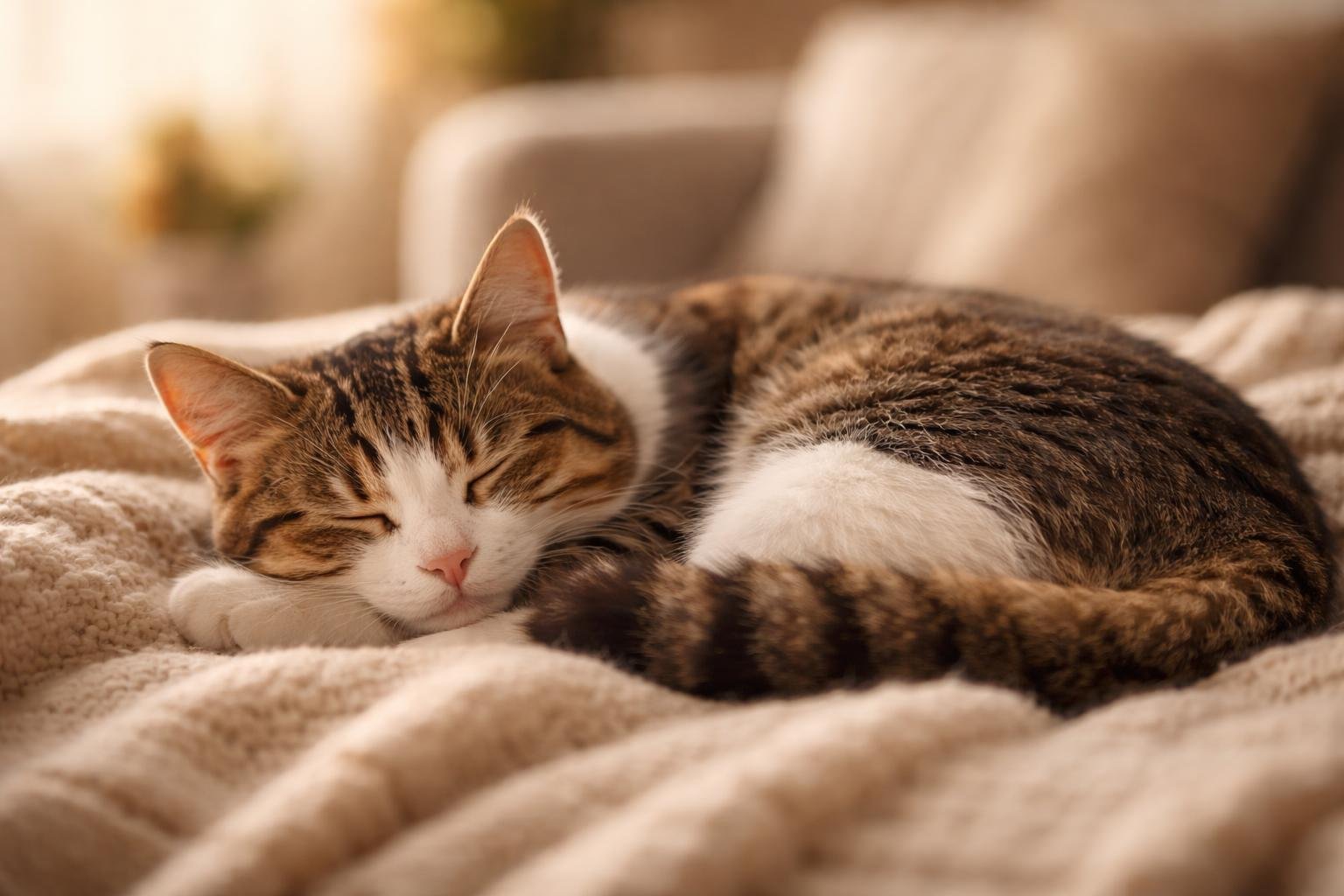
Cats sleep between 12 to 18 hours daily due to their evolutionary design as predators, their protein-based metabolism that requires significant recovery time, and their natural activity patterns centered around dawn and dusk hunting periods.
Evolutionary Reasons Behind Cat Sleep
Your cat’s ancestors were solitary hunters who needed to conserve energy between hunts. Wild cats spend considerable effort stalking and capturing prey, which demands intense bursts of speed and strength. Cats are apex predators with relatively low predation risk themselves, allowing them to sleep deeply for extended periods without constant vigilance.
This evolutionary trait persists in domestic cats even though they no longer hunt for survival. The instinct to rest extensively between activities remains hardwired into their biology. Your cat’s sleep patterns reflect millions of years of adaptation to a hunting lifestyle that required peak physical performance during brief, critical moments.
Cat Metabolism and Energy Conservation
Cats are obligate carnivores running a protein-dependent metabolism that demands extended recovery periods. Their bodies process protein differently than omnivores, requiring more downtime to digest and convert nutrients efficiently.
Key metabolic factors include:
- High protein diet requires significant digestive energy
- Body temperature regulation during rest periods
- Cellular repair and muscle recovery processes
- Energy storage for sudden activity bursts
Your cat’s body operates like a high-performance engine that needs regular rest cycles. Sleep allows their system to process nutrients, repair tissues, and maintain the explosive muscle power needed for hunting behaviors like pouncing and sprinting.
The Role of Being Crepuscular
Cats are crepuscular creatures, meaning they’re naturally most active during dawn and dusk hours. Their eyes, ears, whiskers, and sense of smell give them distinct advantages when hunting in low light conditions. This activity pattern explains why your cat seems most energetic early in the morning and again in the evening.
During daylight and nighttime hours, cats naturally rest to conserve energy for their peak activity windows. You might notice your cat sleeping through most of the afternoon, then suddenly becoming playful around sunset. This isn’t laziness—it’s an ingrained biological rhythm that dictates when cats should hunt and when they should rest.
Factors Affecting Cat Sleep Habits
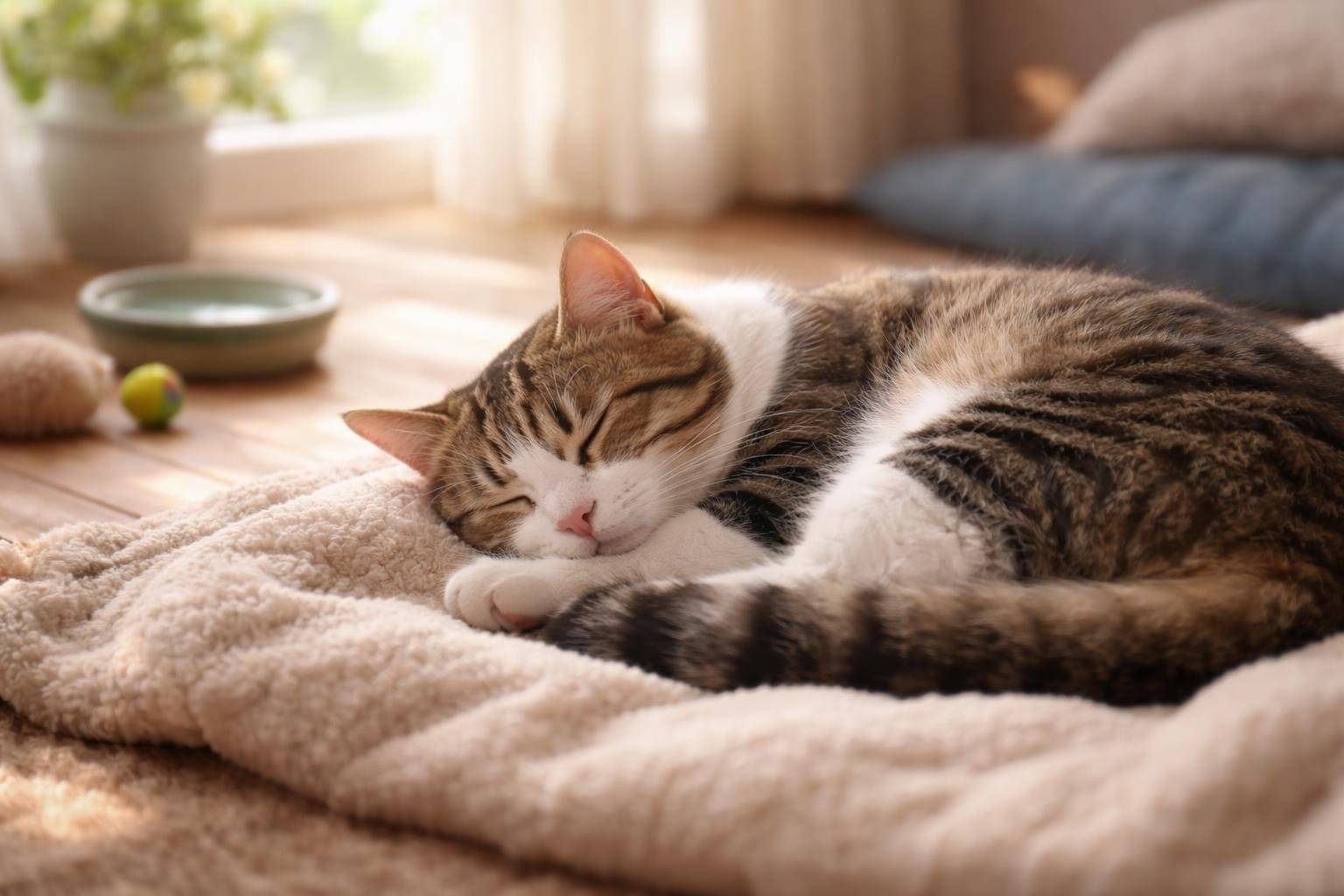
Multiple factors determine how long your cat sleeps each day, from their life stage to what they eat. Understanding these influences helps you recognize normal sleep patterns and identify potential concerns.
Age and Developmental Stages
Your cat’s age significantly impacts their sleep requirements. Kittens sleep up to 20 hours per day because their bodies need extensive rest for rapid growth and brain development. During these extended sleep periods, their muscles, bones, and immune systems strengthen.
Adult cats typically sleep between 12 to 16 hours daily, maintaining a balance between activity and rest. Senior cats often return to longer sleep schedules, sometimes exceeding 18 hours per day. Older felines experience decreased energy levels and may develop age-related conditions that increase fatigue.
The transition between life stages affects sleep gradually rather than suddenly. Your adolescent cat may display erratic sleep patterns as their energy levels fluctuate during development.
Environmental Influences and Lifestyle
Your cat’s living environment directly shapes their sleep habits. Indoor cats with limited stimulation may sleep more due to boredom, while cats in active households with regular playtime often maintain more balanced sleep-wake cycles. The availability of toys, climbing structures, and interaction opportunities keeps your cat engaged during waking hours.
Cats who lack stimulation may doze off more frequently out of tedium rather than genuine tiredness. Temperature also plays a role—cats naturally seek warm, comfortable spots for extended rest periods. Your household routine influences when your cat sleeps, as many felines adapt their schedules to match family activity levels.
Stress and changes in environment can temporarily alter sleep patterns. Moving to a new home or introducing new pets may initially disrupt your cat’s normal rest cycle.
Diet and Nutrition Impact
What you feed your cat affects their energy levels and sleep duration. High-quality protein supports sustained energy throughout the day, while poor nutrition may lead to lethargy and excessive sleeping. Overfeeding causes weight gain and reduced activity, resulting in longer sleep periods.
Your cat’s feeding schedule influences their sleep-wake cycle. Cats naturally experience post-meal drowsiness as their bodies digest food. Inadequate hydration can cause fatigue and increased rest time.
Nutritional deficiencies or food sensitivities may manifest as changes in sleep behavior. If your cat suddenly becomes more lethargic after dietary changes, consult your veterinarian to rule out adverse reactions or nutritional imbalances.
When Cat Sleep Signals a Problem
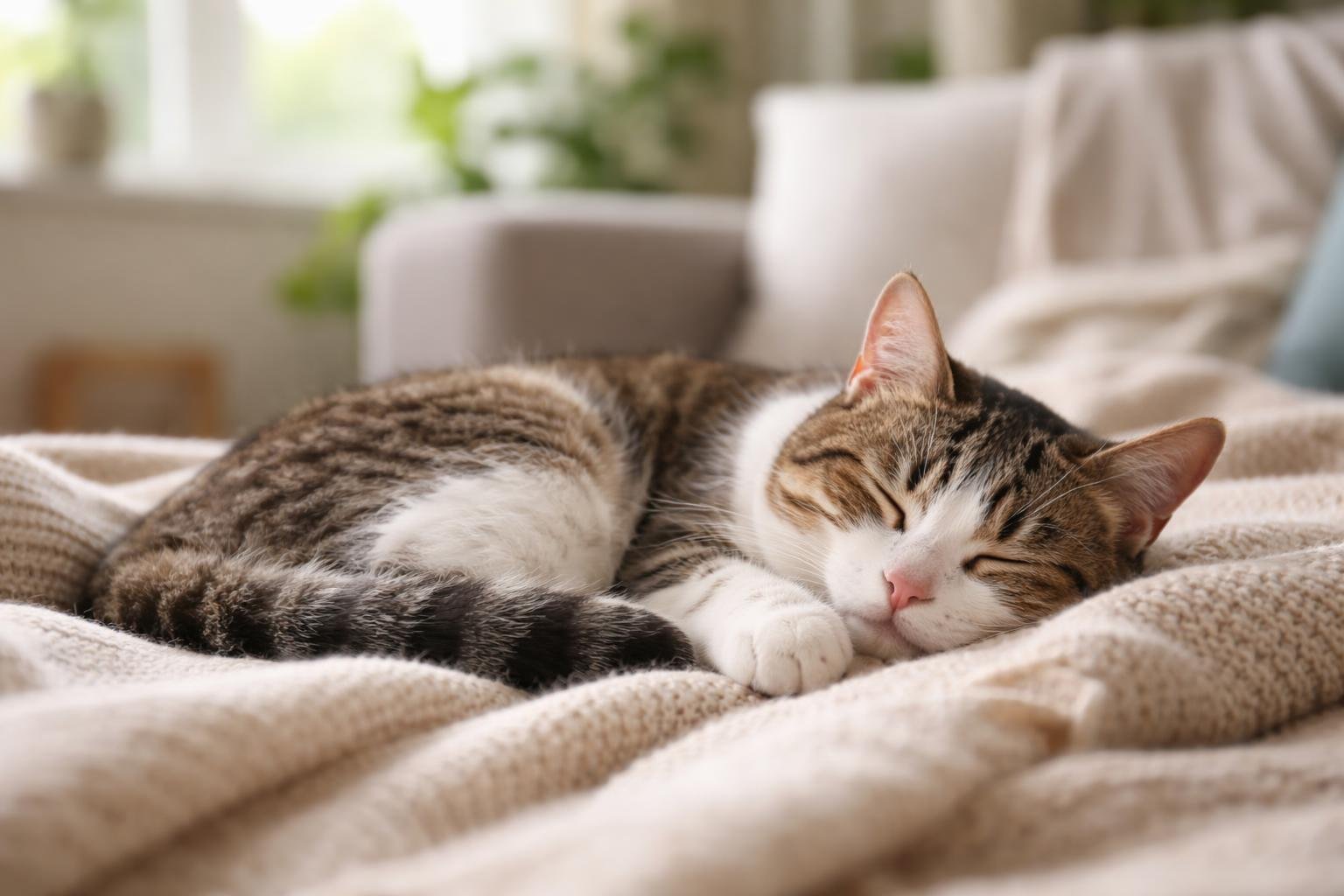
While cats naturally sleep between 12 to 20 hours daily, sudden changes in sleep duration, quality, or patterns may indicate underlying health issues, stress, or behavioral problems. Distinguishing between normal feline rest and concerning sleep changes requires attention to specific warning signs and accompanying symptoms.
Recognizing Abnormal Sleep Behaviors
You should monitor your cat for sudden increases or decreases in total sleep time compared to their normal patterns. A cat that previously slept 14 hours daily but now sleeps 22 hours may be experiencing health issues.
Watch for changes in sleep quality, such as difficulty settling down, frequent waking, or unusual sleep positions that suggest discomfort. Your cat may also exhibit abnormal sleep behaviors like sleeping in hidden locations when they previously preferred open spaces.
Lethargy paired with excessive sleep differs from normal rest. If your cat seems too tired to eat, groom, or use the litter box, this warrants immediate attention. Additional red flags include sleeping through normally exciting activities like meal preparation or play time.
Sudden shifts from active nighttime behavior to constant sleeping, or vice versa, can signal problems. You should note whether your cat appears difficult to wake or seems disoriented upon waking.
Health Conditions Linked to Excessive Sleep
Multiple medical conditions cause cats to sleep more than usual. Diabetes leads to fatigue and increased sleep as your cat’s body struggles to regulate blood sugar levels. Hyperthyroidism initially causes hyperactivity but eventually results in exhaustion and excessive sleeping.
Kidney disease, heart disease, and anemia all reduce energy levels and cause increased sleep duration. Infections, whether viral, bacterial, or parasitic, typically make cats sleep more as their bodies fight illness. Arthritis and other painful conditions may cause your cat to sleep more to avoid discomfort during movement.
Common health-related sleep changes include:
- Weight loss or gain alongside increased sleep
- Changes in appetite or water consumption
- Vomiting or diarrhea
- Difficulty breathing or coughing
- Fever or low body temperature
- Pale gums or changes in gum color
Obesity contributes to excessive sleeping because carrying extra weight requires more energy for basic activities. Your cat may sleep more simply because movement has become physically taxing.
Stress, Boredom, and Behavioral Issues
Environmental changes trigger stress-related sleep pattern alterations in cats. Moving to a new home, introducing new pets or family members, or changes in your schedule can cause your cat to sleep excessively as a coping mechanism.
Lack of mental and physical stimulation leads to boredom-induced sleeping. Indoor cats without adequate enrichment may sleep simply because they have nothing else to do. This differs from the restorative sleep cats need naturally.
Depression in cats manifests through withdrawal and increased sleep time. Your cat may lose interest in toys, interaction, and exploration while sleeping more hours than usual. Signs of behavioral sleep issues include sleeping during times previously spent playing, lack of response to stimulation, and absence of typical hunting or stalking behaviors even during active hours.
Addressing behavioral sleep issues requires:
- Providing interactive toys and regular play sessions
- Creating vertical spaces and hiding spots
- Maintaining consistent daily routines
- Offering puzzle feeders for mental stimulation
You should distinguish between a cat sleeping from contentment versus one sleeping to escape stress or boredom by observing their overall demeanor and activity levels during waking hours.
How to Support Healthy Cat Sleep
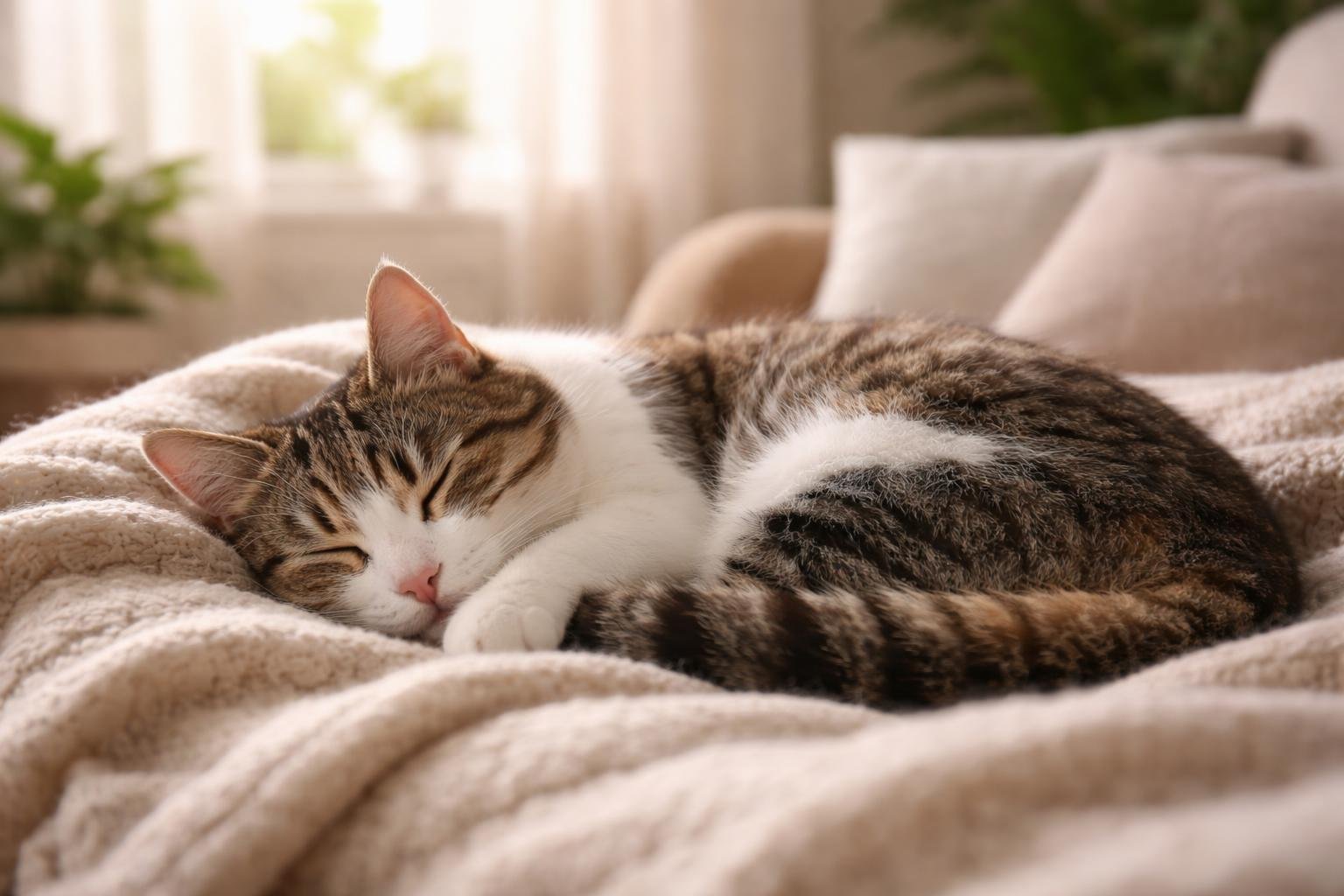
Establishing a routine that includes active play, secure resting areas, and attention to behavioral changes helps ensure your cat gets quality rest throughout the day and night.
Providing Enrichment and Preventing Boredom
Cats need mental and physical stimulation to balance their extensive sleep periods. Without adequate activity, your cat may sleep excessively out of boredom rather than natural rest cycles.
Schedule interactive play sessions twice daily using toys that mimic prey movements like feather wands or laser pointers. These sessions should last 10-15 minutes and ideally occur before mealtimes to mirror natural hunting patterns. Puzzle feeders and treat-dispensing toys keep your cat mentally engaged when you’re unavailable.
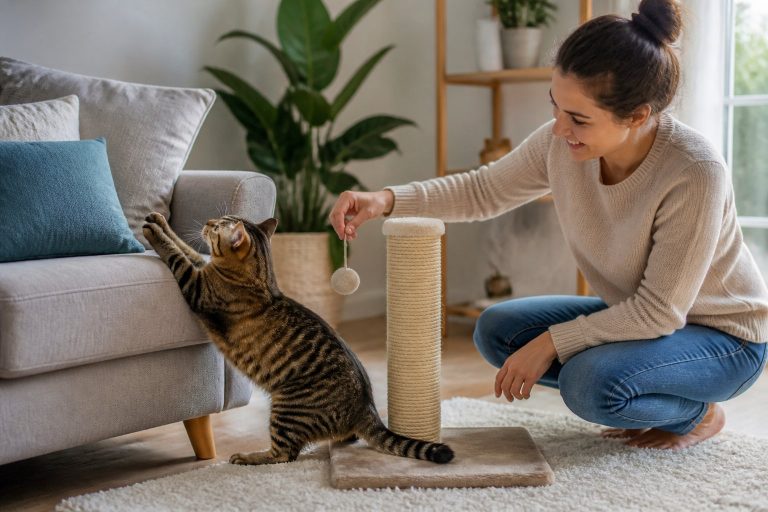
Rotate toys weekly to maintain novelty and interest. A catio or supervised outdoor access provides additional enrichment through exposure to natural sights, sounds, and smells that indoor-only environments lack.
Vertical spaces like cat trees and wall-mounted shelves allow your cat to climb and survey their territory, satisfying instinctual behaviors. Window perches positioned near bird feeders or squirrel activity offer hours of entertainment. Even simple cardboard boxes arranged in different configurations create exploration opportunities that reduce boredom-induced oversleeping.
Creating Safe and Comfortable Sleep Spaces
Your cat requires multiple quiet, comfortable locations throughout your home to rest undisturbed. Cats naturally seek elevated positions and enclosed spaces where they feel secure during vulnerable sleep periods.
Provide beds in various styles including elevated perches, covered caves, and flat cushions in different rooms. Place them away from high-traffic areas, loud appliances, and drafty windows. Many cats prefer locations with escape routes rather than dead-end corners.
Maintain comfortable ambient temperatures between 65-75°F since cats seek warmth during rest. Heated beds benefit senior cats with arthritis. Washable bedding materials should be cleaned regularly to remove accumulated fur, dander, and odors.
Consider your household dynamics when positioning sleep spaces. Multi-cat homes need enough separate resting areas to prevent territorial conflicts. Homes with dogs or young children should include high shelves or gated rooms where cats can retreat without disturbance.
Monitoring Changes in Sleep Patterns
Pay attention to your cat’s typical sleep schedule to identify meaningful deviations that may indicate health concerns. Sudden and significant changes in your cat’s sleep habits can be an indicator of a health issue.
Track these specific changes: sleeping noticeably more or less than usual, difficulty settling into sleep, restlessness during typical nap times, or sleeping in unusual locations like hiding spots or directly on cold floors. Increased vocalization during nighttime hours or disorientation upon waking also warrant attention.
Note any accompanying symptoms such as appetite changes, litter box irregularities, grooming habits, or mobility issues. Document when changes began and their progression to provide your veterinarian with useful information.
Senior cats naturally sleep more, but excessive lethargy combined with reduced interest in food or play requires veterinary evaluation. Similarly, young cats sleeping significantly more than their usual energetic patterns need assessment. Schedule an appointment if sleep pattern changes persist beyond 2-3 days or occur alongside other behavioral shifts.
Conclusion
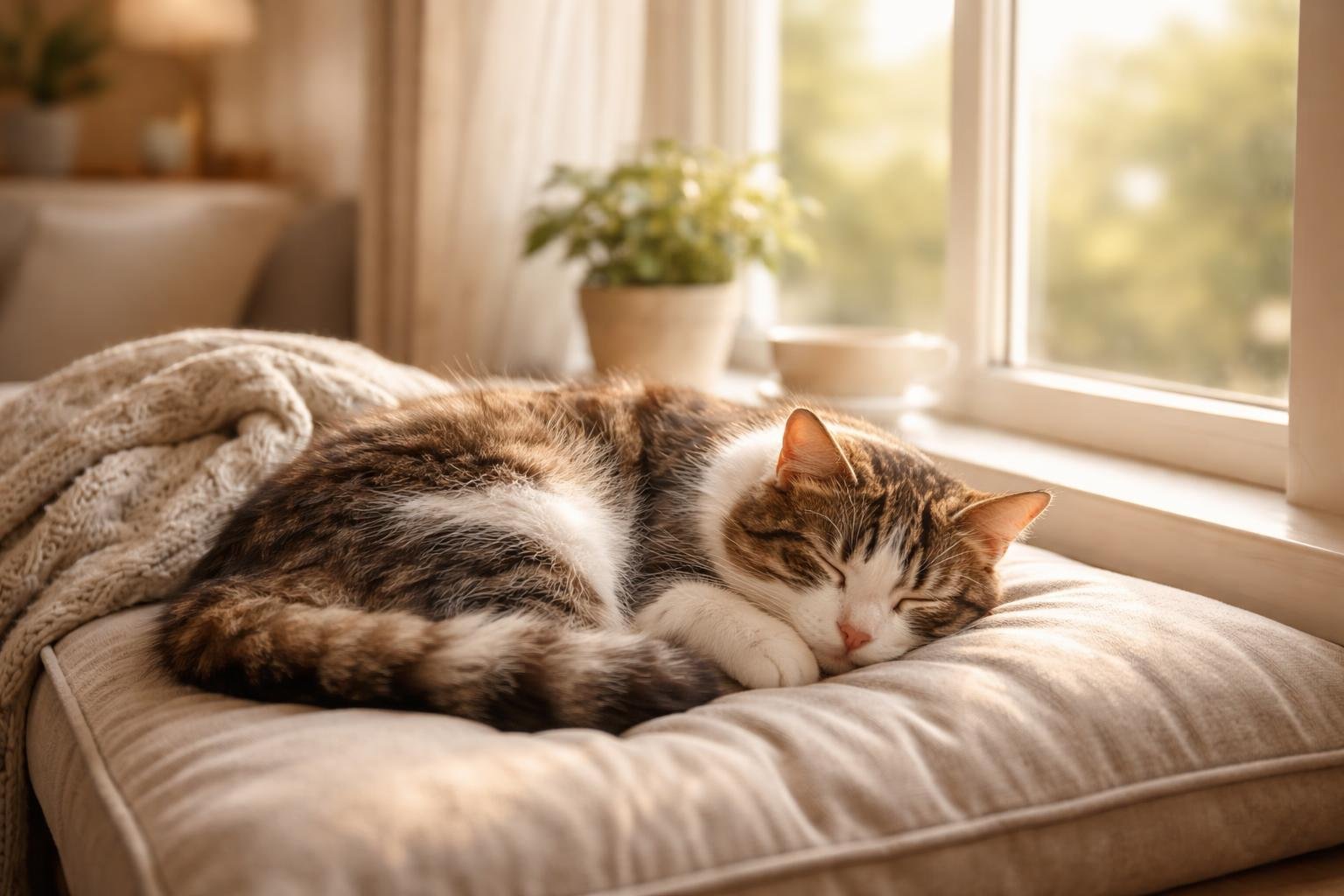
Your cat’s extended sleep schedule is a natural part of their biology as carnivores. Cats typically sleep between 12 and 18 hours daily because their bodies are designed for short bursts of intense hunting activity followed by long recovery periods.
Understanding why cats sleep so much helps you recognize what’s normal for your pet. Most of their sleep is light dozing rather than deep rest, allowing them to remain alert to their surroundings even while resting.
Key factors influencing your cat’s sleep include:
- Age (kittens and senior cats sleep more)
- Activity level and environmental stimulation
- Natural crepuscular patterns (dawn and dusk activity)
- Diet and metabolism requirements
- Health status and stress levels
You should monitor your cat for significant changes in sleep duration or quality. While cats sleeping so much is typically normal, sudden increases or decreases can indicate underlying health issues that warrant veterinary attention.
Providing enrichment through play, interactive toys, and regular engagement during their active periods supports healthy sleep patterns. Your cat’s extensive napping isn’t laziness but rather an evolutionary adaptation that serves their physiological needs.
By respecting your cat’s natural rhythms and ensuring they have comfortable, safe sleeping spaces, you support their wellbeing. Their sleep habits reflect millions of years of feline evolution as efficient predators who conserve energy between hunting opportunities.