Why Do Cats Knead: The Science Behind This Instinctive Feline Behavior
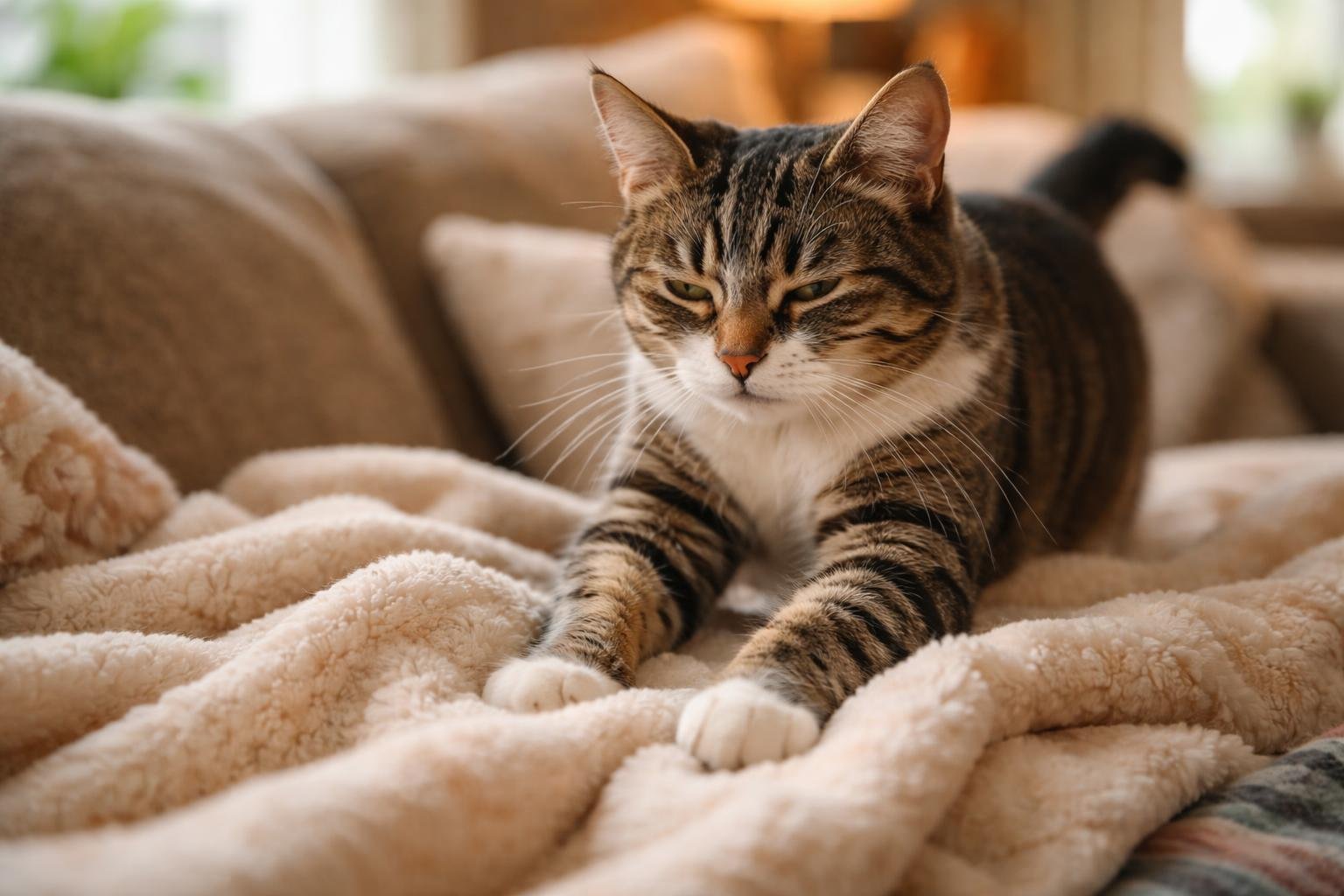
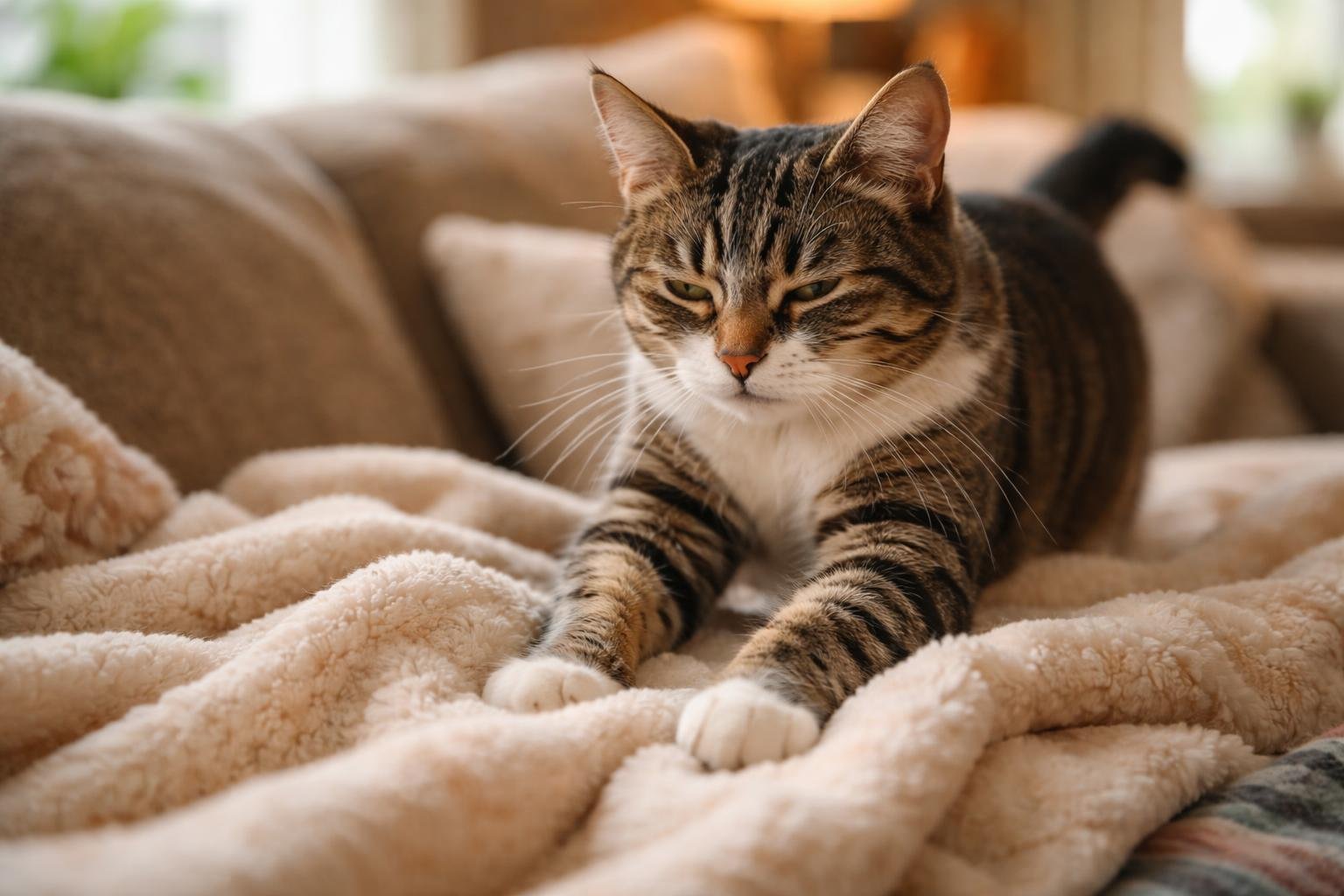
If you’ve ever watched your cat rhythmically push their paws in and out against a soft surface, you’ve witnessed the charming behavior known as kneading or “making biscuits.” This distinctive motion, where cats alternately press their front paws into blankets, laps, or other cozy spots, is one of the most common and endearing feline behaviors. You might notice your cat doing this when they’re particularly relaxed or content, often accompanied by purring and a blissful expression.
Cats knead primarily because the behavior begins in kittenhood when kittens press their paws against their mother’s belly to stimulate milk flow, and this early association between kneading and comfort persists throughout their adult lives. Beyond this instinctual origin, your cat may knead for several other reasons, including marking territory with scent glands in their paws, showing affection, or creating a comfortable spot to rest.
Understanding why your cat kneads can help you appreciate this quirky behavior and know when it’s perfectly normal versus when it might signal excessive stress or anxiety. Whether your cat is gently making biscuits on your lap or enthusiastically working on a blanket, this behavior offers insight into their emotional state and natural instincts.
Key Takeaways
- Cats knead because of instincts developed as nursing kittens that carry into adulthood as a comfort behavior
- Kneading serves multiple purposes including marking territory, showing affection, and creating comfortable resting spots
- Managing kneading behavior involves understanding when it’s normal versus when it may indicate stress or require redirection
What Is Cat Kneading?
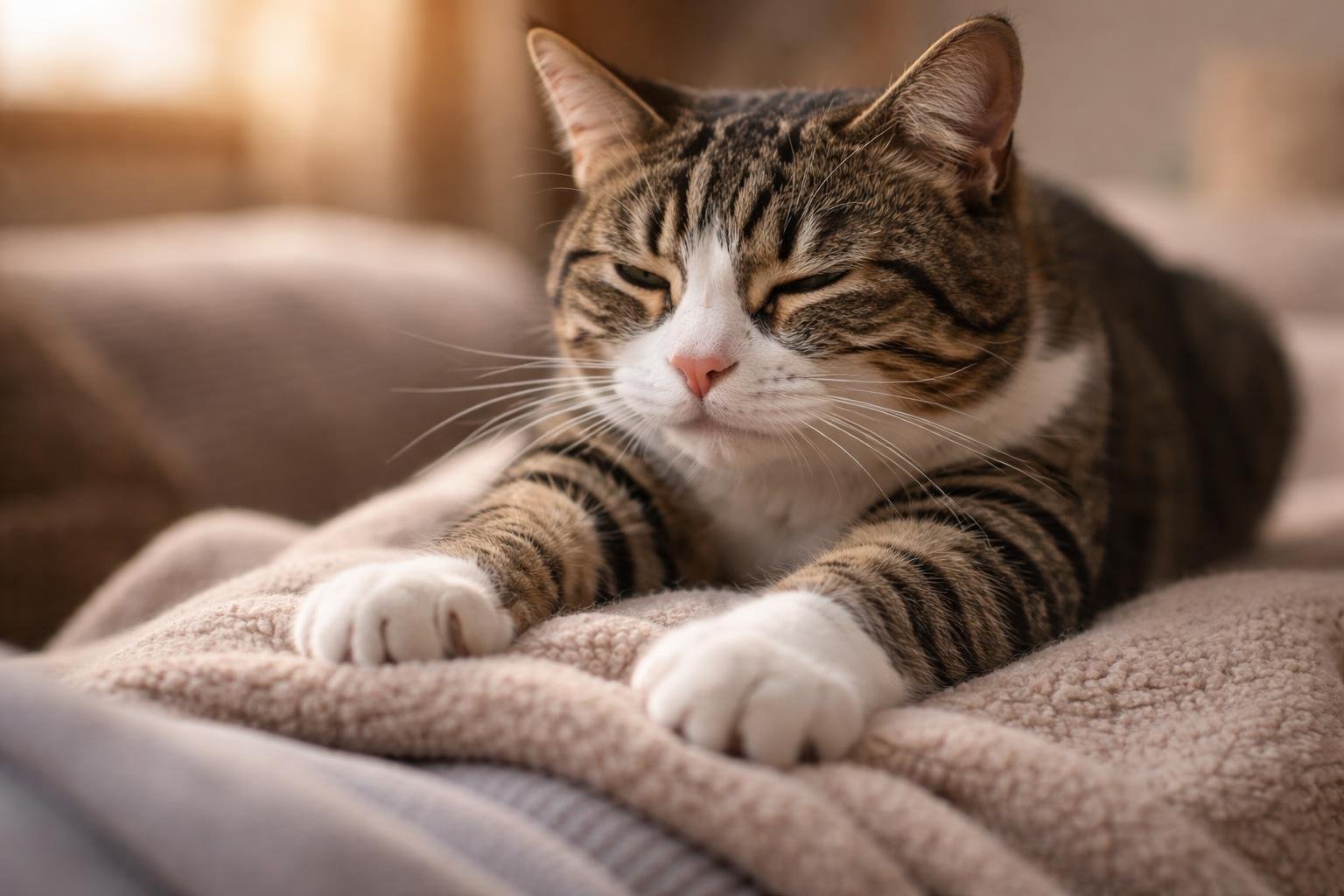
Cat kneading is a rhythmic pushing motion where cats alternately press their front paws into soft surfaces, often while purring. This instinctive behavior can involve claws and typically occurs when cats feel comfortable and content.
Description of the Behavior
Kneading is the rhythmic back and forth motion your cat makes by alternating strokes of their paws against something soft. You’ll notice your cat pushing out and pulling in their front paws, often switching between right and left limbs in a steady pattern.
The motion involves your cat extending their toes and pressing down, then retracting them before switching to the other paw. Some cats knead with their claws extended, while others keep them retracted. Many cats purr while kneading, and some even drool slightly during the behavior.
Your cat may knead for just a few seconds or continue for several minutes. The intensity varies from gentle pressing to more vigorous pushing, depending on your cat’s mood and comfort level.
Why It’s Called Making Biscuits
The term “making biscuits” comes from the visual similarity between cat kneading and the human process of kneading dough. When you watch your cat knead, the pushing and pulling motion mirrors how a baker works bread dough with their hands.
The alternating paw movements create the same rhythmic pattern you’d see when pressing and folding dough on a countertop. This playful nickname has become widely popular among cat owners and on social media, offering a lighthearted way to describe the behavior.
How Cats Knead Blankets and Other Surfaces
Your cat will typically choose soft, pliable surfaces for kneading. Common targets include blankets, pillows, your lap, plush furniture, and soft clothing. Cats knead blankets and similar materials because these surfaces closely mimic the softness they experienced as kittens.
Preferred kneading surfaces:
- Fleece blankets
- Your stomach or legs
- Couch cushions
- Soft sweaters
- Pet beds
The texture matters to your cat. Surfaces with more give allow for deeper pressing motions, which appears to increase your cat’s satisfaction during kneading. You may notice your cat kneading the same favorite spots repeatedly, as they develop preferences for certain textures and locations.
Theories Behind Why Cats Knead
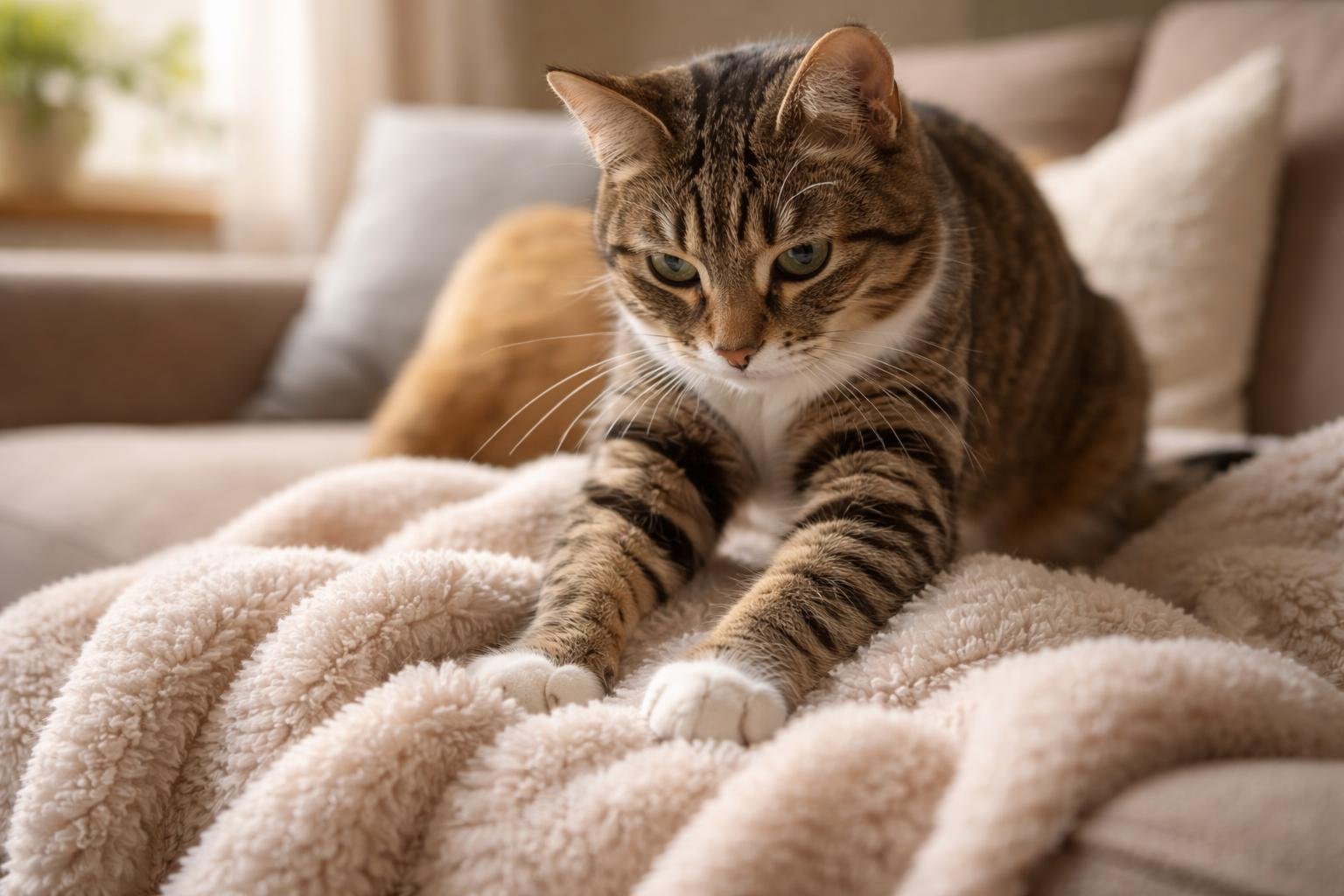
Cats knead through instinctive behaviors rooted in their earliest life stages, comfort-seeking tendencies, and practical environmental adjustments. These rhythmic paw movements serve multiple purposes that connect to both survival instincts and emotional well-being.
Kittenhood and Instinctive Roots
When kittens nurse from their mother, they instinctively knead her belly to stimulate milk flow. This behavior creates a strong association between kneading and the comfort of feeding time. The rhythmic pressing motion helps newborn kittens access nutrition while bonding with their mother.
Adult cats retain this kitten behavior throughout their lives. When your cat kneads you or a soft surface, they’re exhibiting a behavior pattern established during their first weeks of life. Many cats purr or drool while kneading, which reinforces the connection to nursing.
The persistence of this juvenile behavior into adulthood demonstrates how deeply ingrained the kneading reflex becomes during development. Your cat doesn’t consciously remember nursing, but the motor pattern remains embedded in their behavioral repertoire.
Seeking Comfort and Security
Cats knead as a self-soothing mechanism when they feel content or need to reduce stress. The repetitive motion provides emotional regulation similar to how humans might rock back and forth or tap their fingers. Your cat may knead your lap because they associate you with safety and comfort.
This behavior often intensifies when cats feel particularly relaxed or sleepy. The kneading action releases endorphins that promote feelings of well-being and calmness. Some cats knead more frequently than others depending on their individual temperament and early life experiences.
Preparing a Resting Spot
Wild cat ancestors kneaded grass and foliage to create comfortable sleeping areas. This behavior served the practical purpose of flattening vegetation, checking for hidden threats, and making nests for rest or giving birth.
Your domestic cat performs this instinctive nesting behavior on blankets, pillows, and other soft surfaces. They’re essentially arranging their sleeping spot to maximize comfort. The kneading motion allows them to test the softness and adjust the surface texture before settling down.
This territorial aspect of cat behavior also involves scent marking, as cats have scent glands in their paw pads that deposit their unique odor while kneading.
Common Reasons Cats Knead
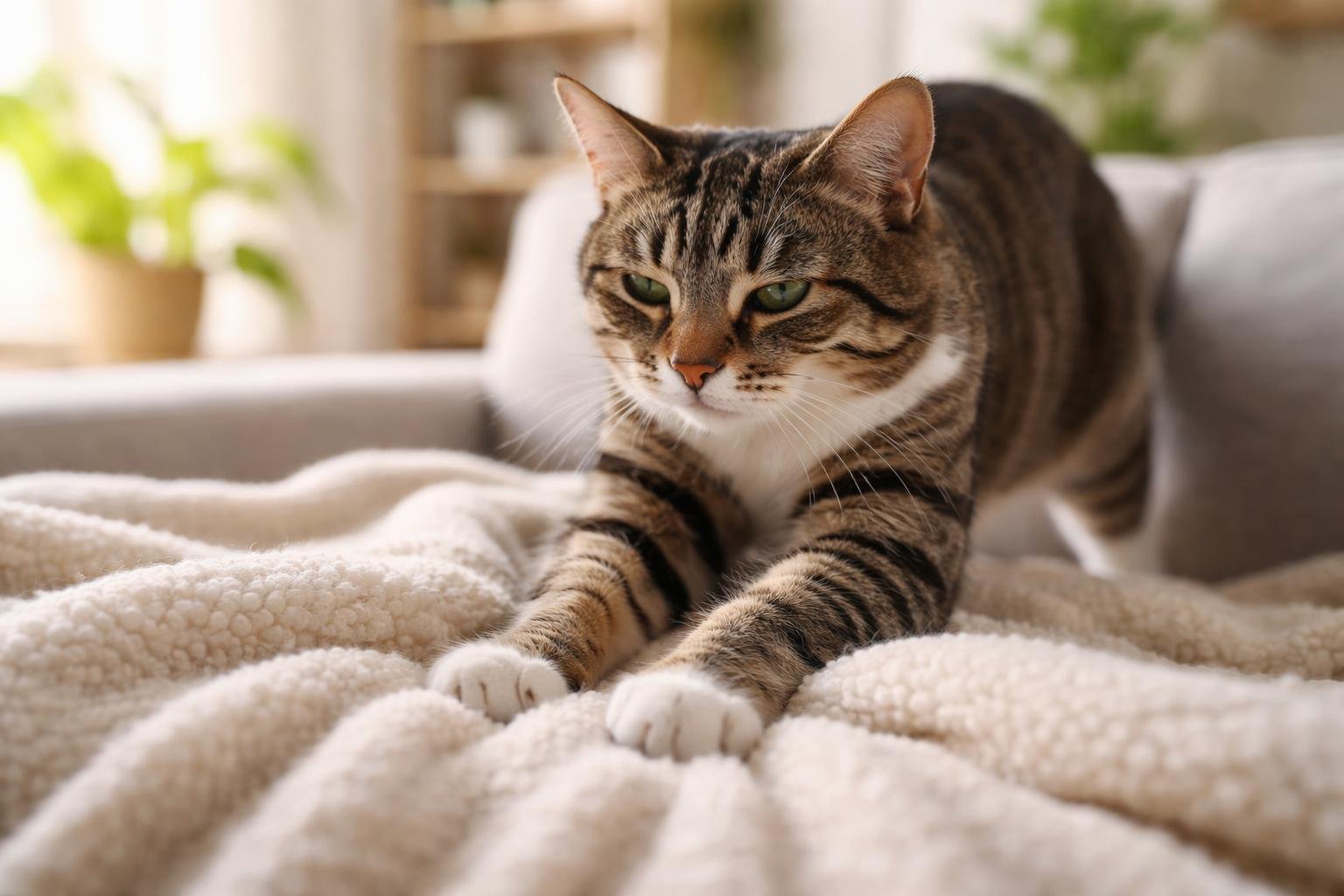
Cats knead for several distinct purposes that range from emotional expression to physical needs. Understanding these motivations helps you interpret what your cat is communicating through this rhythmic behavior.
Showing Affection
When your cat kneads on you while purring, this typically signals contentment and affection. This common cat behavior originates from kittenhood, when kittens knead their mother’s belly to stimulate milk flow during nursing.
Adult cats retain this instinctive action and direct it toward their human companions as a sign of trust and comfort. The combination of kneading and purring creates a bonding moment between you and your cat.
Your cat may knead your lap, chest, or even your face when feeling particularly affectionate. The behavior often occurs during quiet moments when your cat feels safe and relaxed in your presence. Some cats drool slightly while kneading, which further indicates their deep state of contentment.
Marking Territory
Cats possess scent glands in their paw pads that release pheromones when they knead. This allows them to mark objects, people, and spaces as their own territory through scent communication that humans cannot detect.
When your cat kneads your favorite blanket or a specific spot on the couch, they’re claiming that area as part of their domain. This territorial marking provides cats with a sense of security in their environment. Cats knead on soft surfaces like blankets, pillows, and plush carpeting to leave their scent signature.
The behavior becomes more pronounced in multi-cat households where establishing territory boundaries matters more. Your cat may knead you to mark you as part of their family group and social circle.
Stretching and Relaxation
Cat kneading serves as a physical exercise that stretches the muscles in your cat’s paws, legs, and shoulders. This rhythmic motion helps maintain flexibility and muscle tone in their front limbs.
Cats often knead before settling down for a nap, creating a comfortable resting spot. Wild cat ancestors kneaded grass and leaves to create soft, safe sleeping areas, and domestic cats retain this instinctive preparation behavior.
The repetitive motion promotes relaxation by releasing tension in your cat’s muscles. You might notice your cat kneading soft surfaces while adjusting their position multiple times before finally curling up to sleep. This pre-sleep ritual helps them feel secure and comfortable in their chosen resting location.
Responding to Stress or Anxiety
Some cats increase their kneading behavior when experiencing stress or uncertainty as a self-soothing mechanism. The repetitive motion provides comfort similar to how humans might fidget or engage in calming activities during anxious moments.
Changes in your household, such as moving, new pets, or schedule disruptions, may trigger more frequent kneading sessions. Your cat uses this familiar behavior to cope with unfamiliar or uncomfortable situations.
Excessive kneading can sometimes indicate underlying anxiety that requires attention. Watch for additional stress signals like hiding, decreased appetite, or changes in litter box habits. If your cat’s kneading becomes compulsive or occurs alongside other behavioral changes, consult your veterinarian to rule out medical issues or discuss anxiety management strategies.
Kneading and Purring: Understanding the Connection
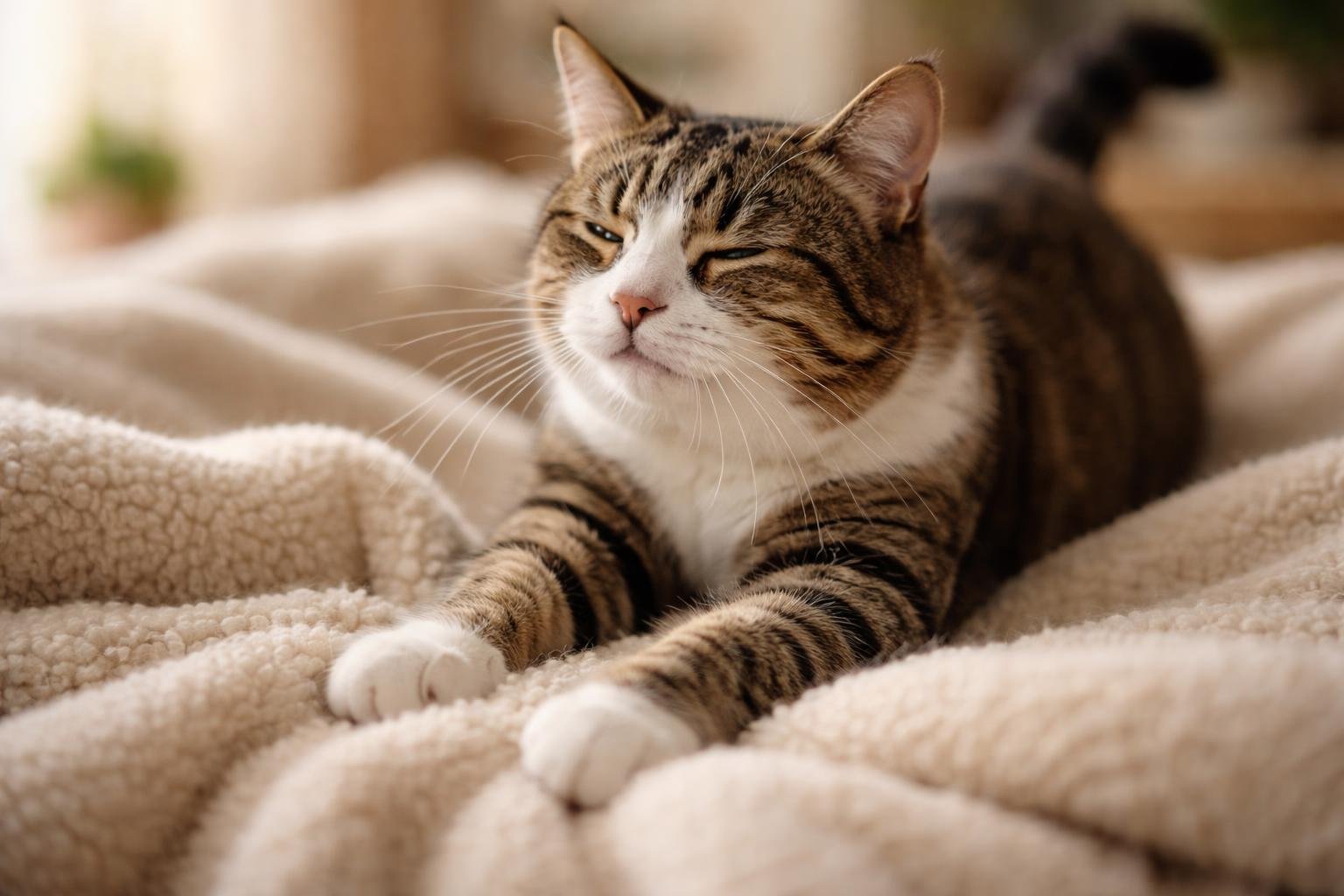
When cats knead and purr simultaneously, they’re displaying one of the most distinctive combinations in cat behavior. This pairing reveals both emotional states and physical mechanisms that benefit your feline companion.
Emotional Signals
Your cat’s simultaneous kneading and purring typically indicates contentment and comfort. This behavior originates from kittenhood when kittens knead their mother’s belly to stimulate milk flow while nursing, creating positive associations with the action.
The rhythmic paw motion combined with purring signals deep relaxation. When your cat performs this behavior on you, it demonstrates trust and affection. Adult cats retain this instinct from their nursing days, and the paired actions often mean they feel secure in their environment.
Common emotional states during kneading and purring include:
- Contentment and happiness
- Feelings of safety and security
- Bonding with their human or another pet
- Nostalgia for kittenhood comfort
The purring component serves as reassurance, both for your cat and potentially for you. This dual behavior creates a self-soothing mechanism that helps your cat manage stress and express satisfaction.
Physical Benefits for Cats
The kneading motion provides tangible physical advantages beyond emotional expression. This rhythmic pushing and pulling action helps your cat stretch their paw muscles, maintaining flexibility in their toes, pads, and leg joints.
Kneading also activates scent glands located in your cat’s paw pads. This allows them to mark territory through scent distribution, establishing their space as safe and familiar. The purring vibrations that accompany kneading may have therapeutic effects, as some research suggests these vibrations promote healing and bone density.
The combined actions create a full-body experience that exercises muscles while promoting relaxation. Your cat’s kneading movements work the shoulder and foreleg muscles, providing a gentle workout during moments of rest.
When Cats Knead Blankets and People
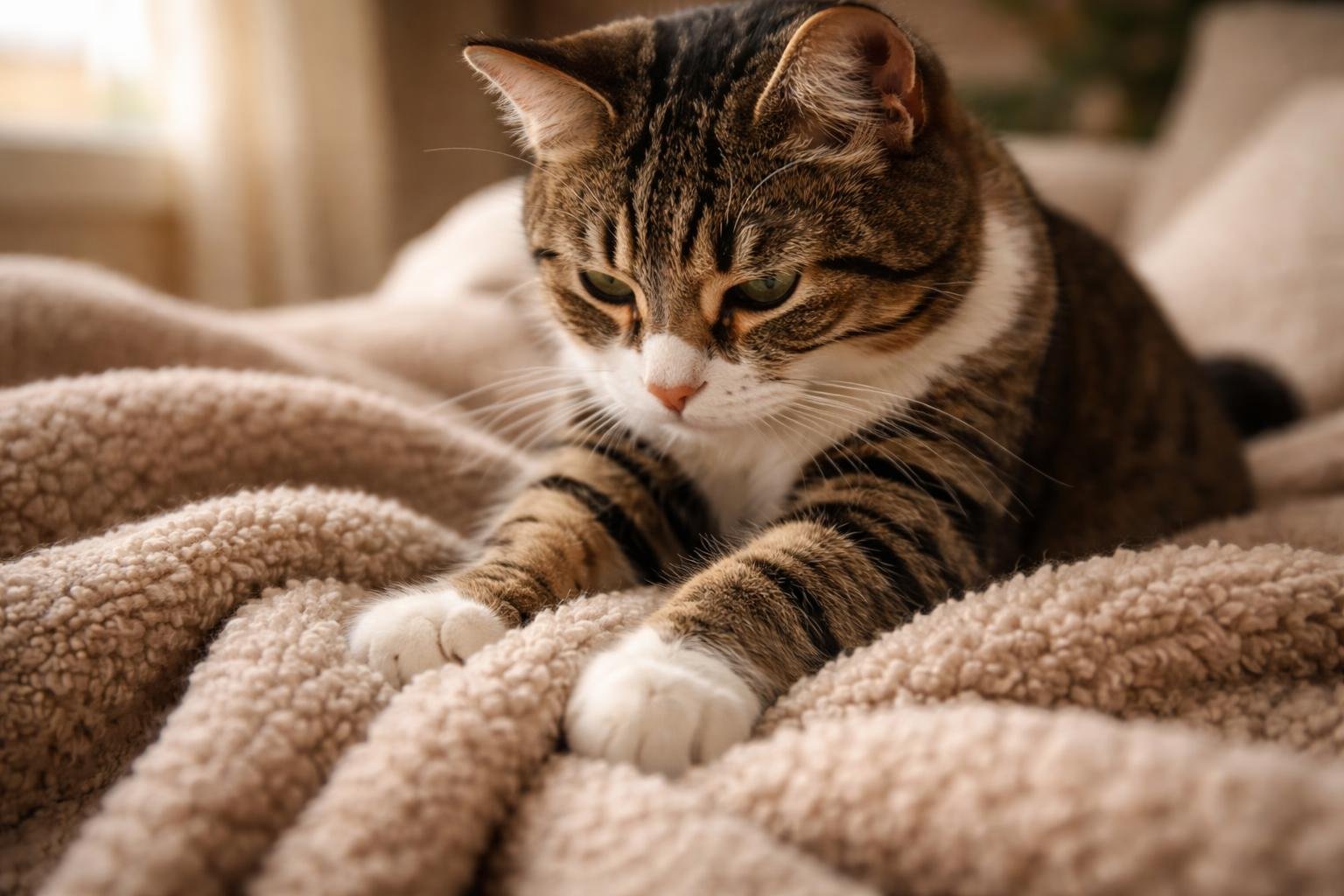
Cats show distinct preferences for where they knead, typically choosing soft fabrics and their favorite people. This behavior reflects both their instinctual needs and their emotional connections.
Preference for Soft Surfaces
Cats naturally gravitate toward plush materials when they begin their kneading routine. Blankets, pillows, plush carpeting, couches, and other soft surfaces attract kneading behavior because they mimic the softness of their mother’s belly from kittenhood.
The texture matters significantly to your cat. Fleece blankets, fuzzy throws, and cushioned furniture become favorite targets because they provide the right amount of give under your cat’s paws. Your cat may ignore harder surfaces entirely, focusing exclusively on areas that feel comfortable and yielding.
Some cats develop specific preferences for certain fabrics or items in your home. Your cat might repeatedly choose the same blanket or pillow, making it their designated kneading spot. This selectivity often indicates that particular texture or scent has become associated with comfort and security in your cat’s mind.
Kneading on Owners and Blankets
Cats knead blankets and people for instinct, comfort, and bonding. When your cat kneads you directly, it demonstrates trust and affection. This behavior shows your cat feels safe enough to engage in a vulnerable, instinctual action in your presence.
The experience can be uncomfortable when claws extend during kneading. Your cat doesn’t intend to hurt you—the claw extension is simply part of the natural motion. You can manage this by keeping your cat’s nails trimmed or placing a thick blanket on your lap during cuddle sessions.
Some cats knead only certain people, which signals strong attachment to those individuals. If your cat chooses you for kneading sessions, it means you’ve earned their trust and they feel emotionally connected to you.
Managing and Redirecting Kneading Behavior
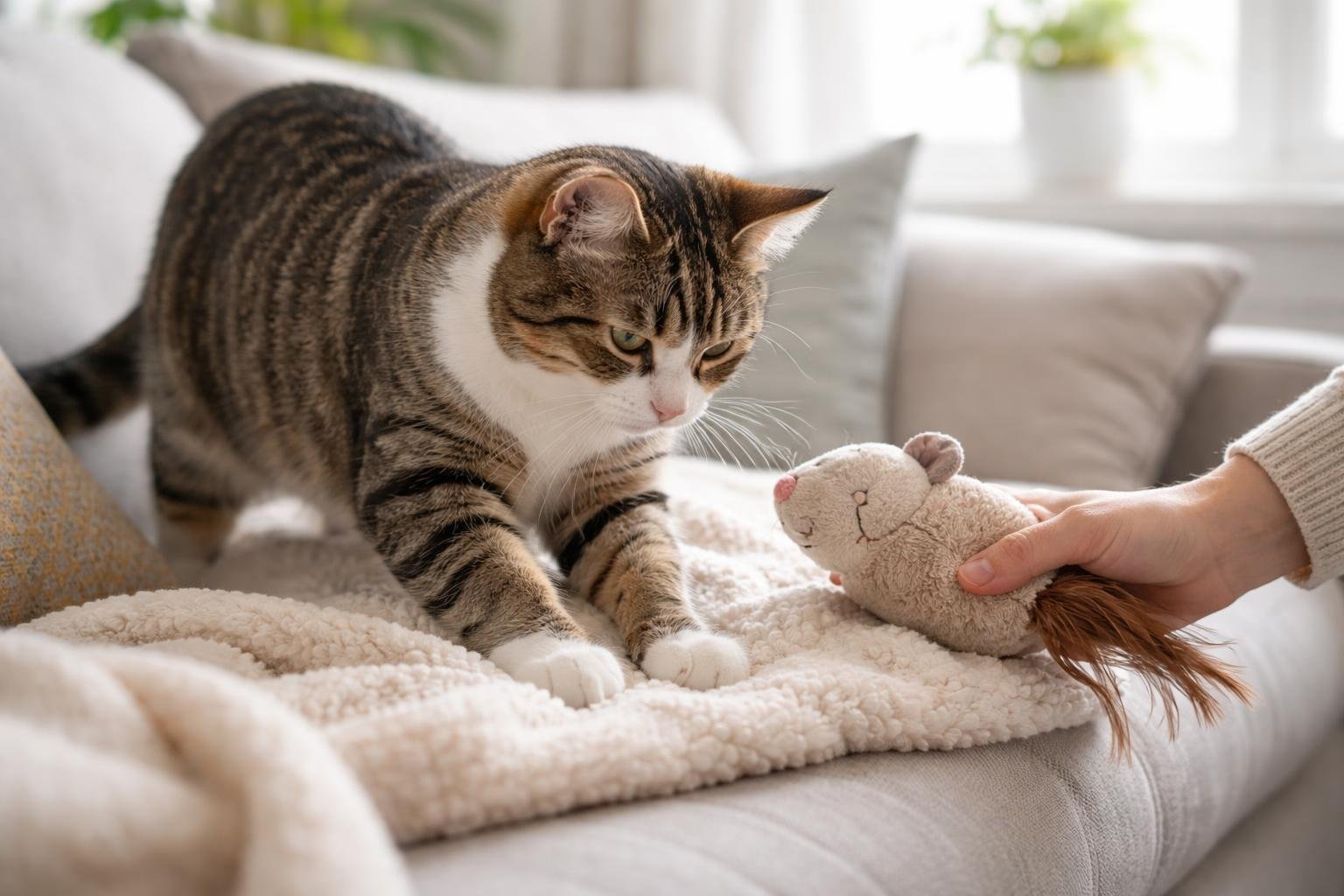
While kneading is a natural cat behavior, it can sometimes cause discomfort or damage to furniture and skin. You can protect yourself and your belongings while still allowing your cat to express this instinctive behavior through simple management techniques and positive redirection strategies.
Preventing Discomfort and Damage
Trimming your cat’s claws regularly is the most effective way to reduce the sharp sensation when your cat kneads on you. Keep nail clippers designed for cats on hand and trim every 2-3 weeks to maintain blunt tips.
If your cat frequently kneads on bare skin, you can apply soft claw caps that cover the nail tips. These vinyl covers last 4-6 weeks and prevent scratching without interfering with normal paw function.
Place a thick blanket or towel on your lap before your cat settles in for kneading sessions. This barrier protects your skin while still allowing your cat to engage in the behavior comfortably. You can also provide a cozy blanket for your cat to knead on, which spares your lap while offering the same comfort.
Encouraging Positive Kneading Habits
Designate specific soft surfaces where kneading is welcome, such as plush cat beds, fleece blankets, or dedicated kneading pads. When cats knead blankets or other approved items, they learn acceptable outlets for the behavior.
Gently move your cat to an appropriate kneading surface when they begin on furniture or your bare legs. Avoid punishment, as this can create anxiety around a behavior that brings them comfort. Instead, reward your cat with praise or gentle petting when they knead their designated blanket or bed.
Keep approved kneading surfaces in your cat’s favorite lounging spots to make redirection easier. The texture should be soft and slightly yielding to mimic the satisfaction they get from other surfaces.